Queer Divine
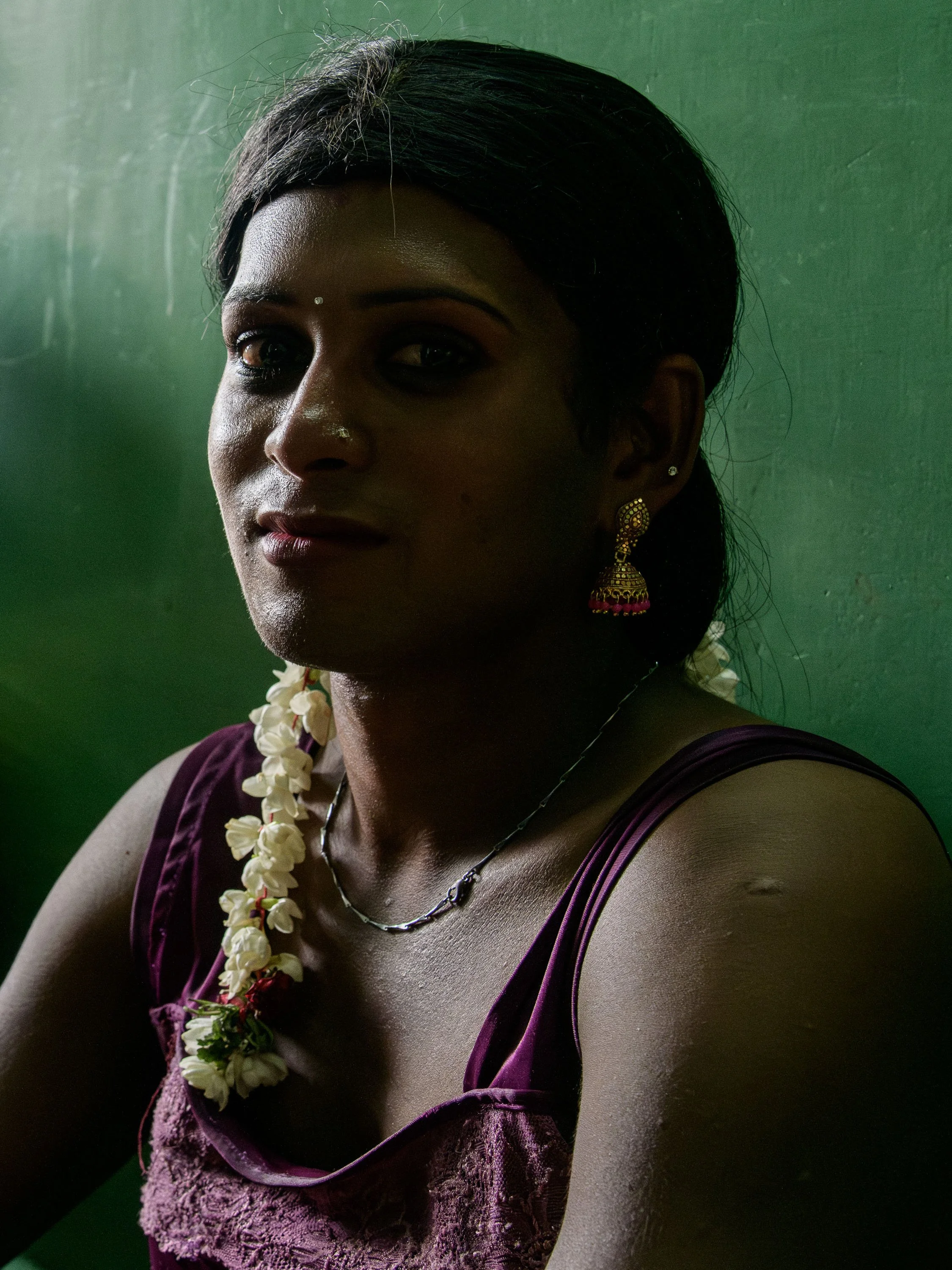
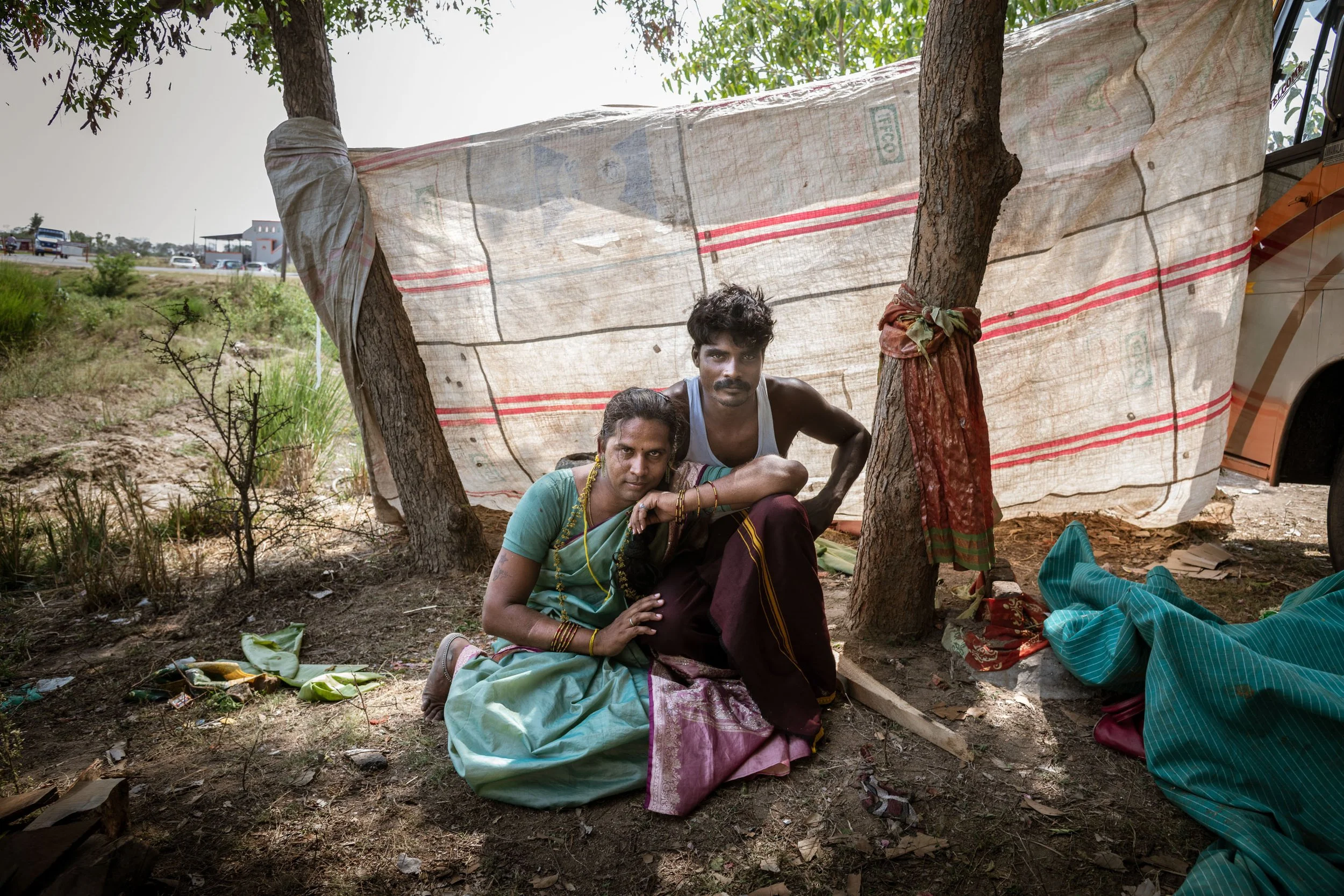
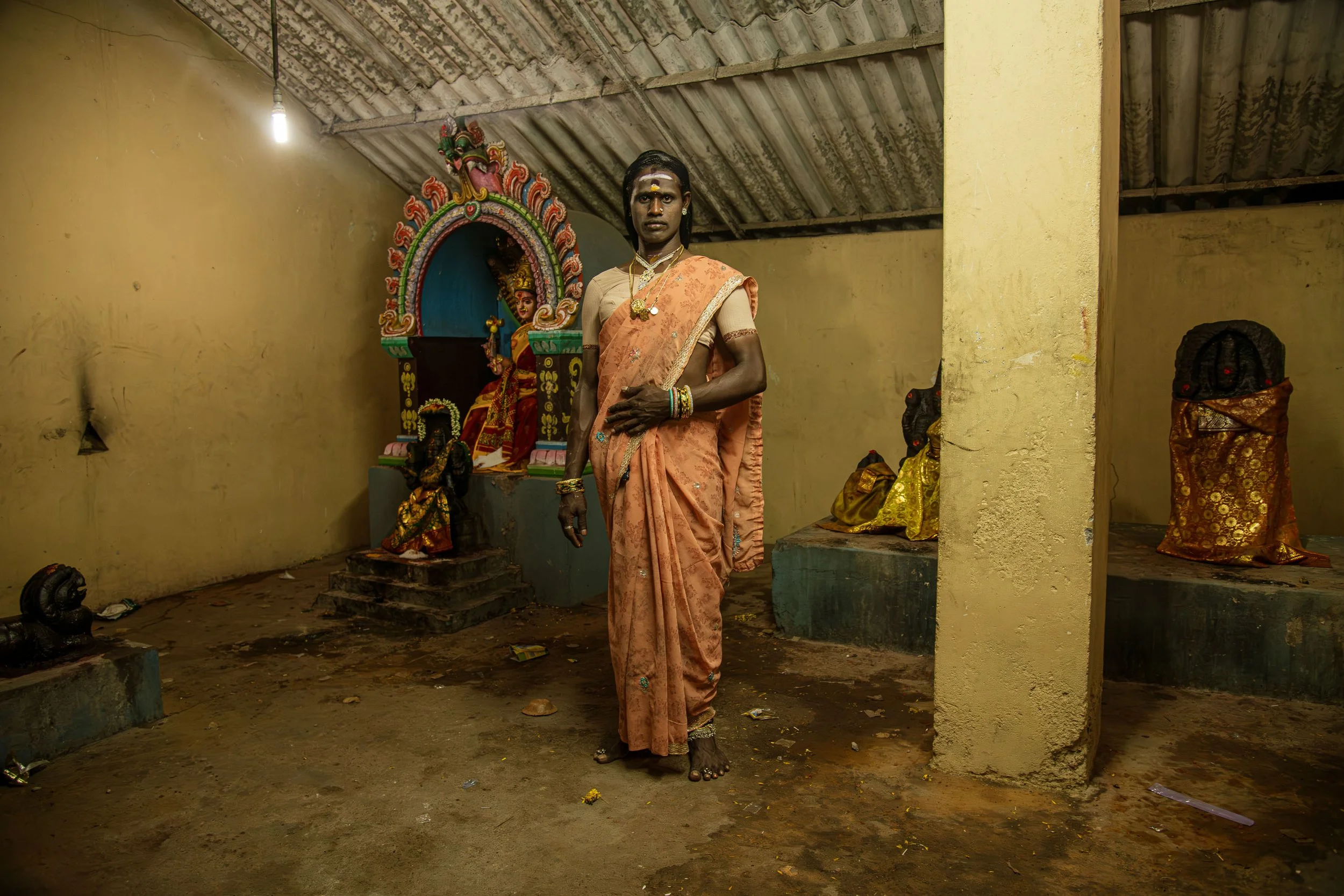
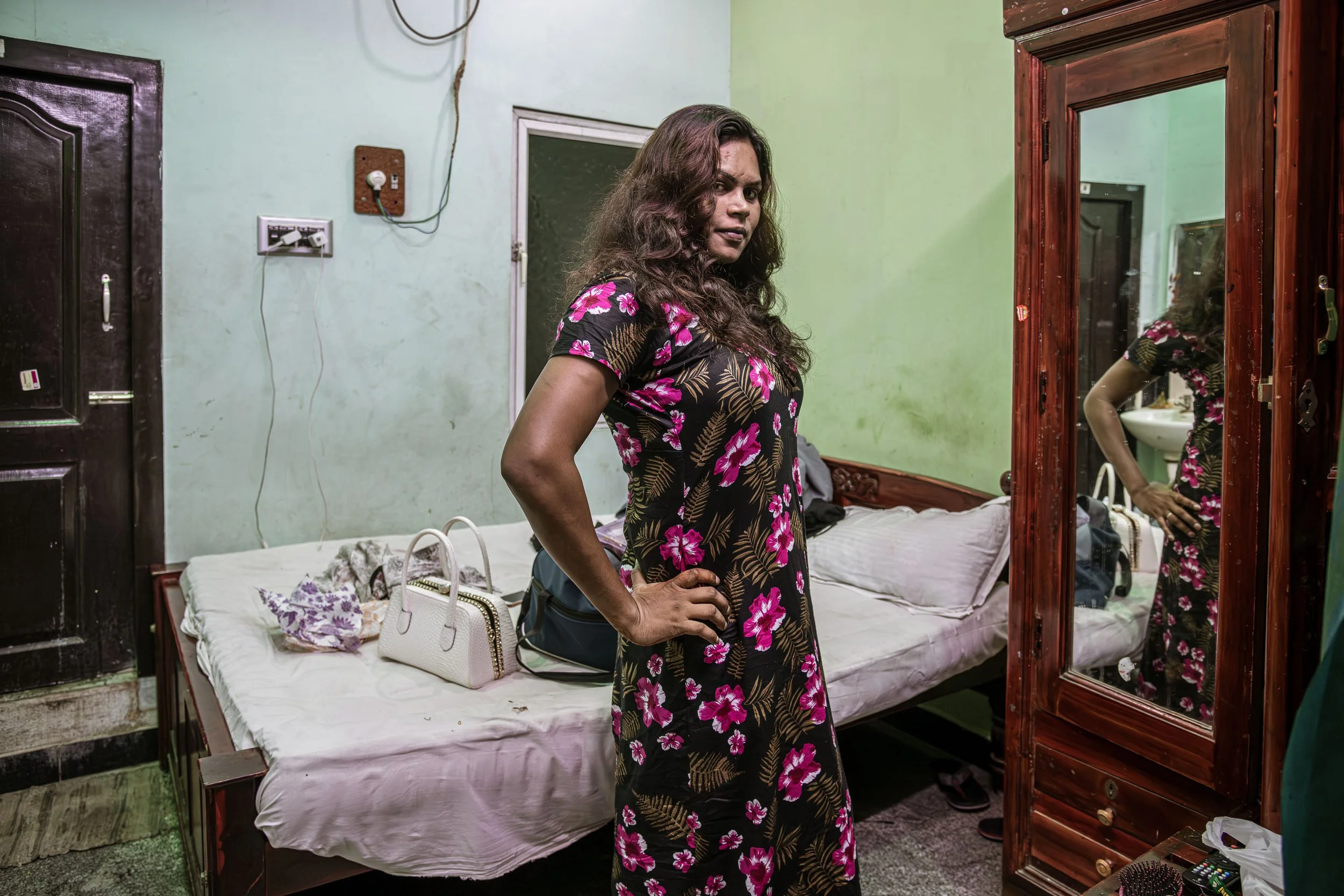
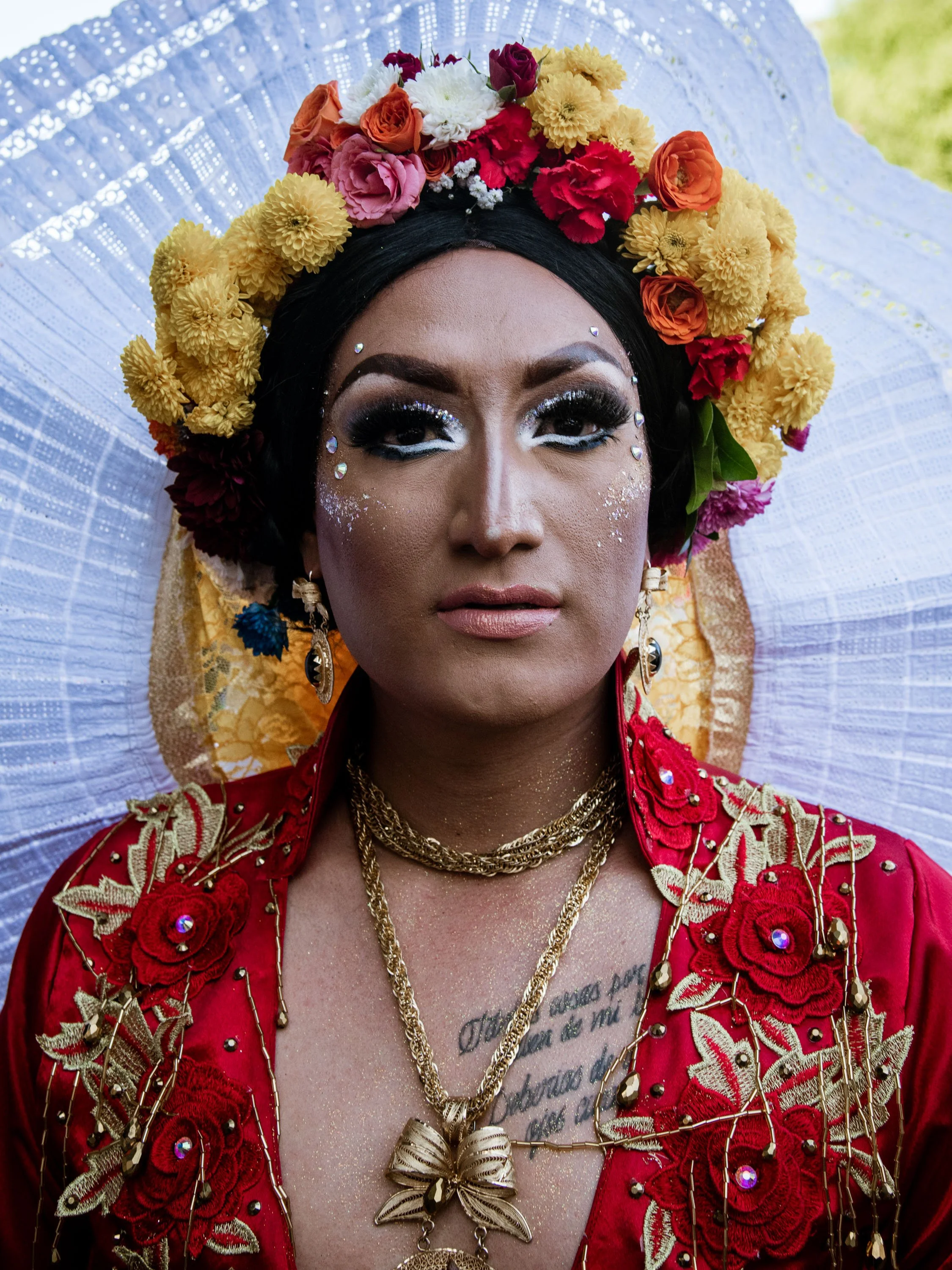
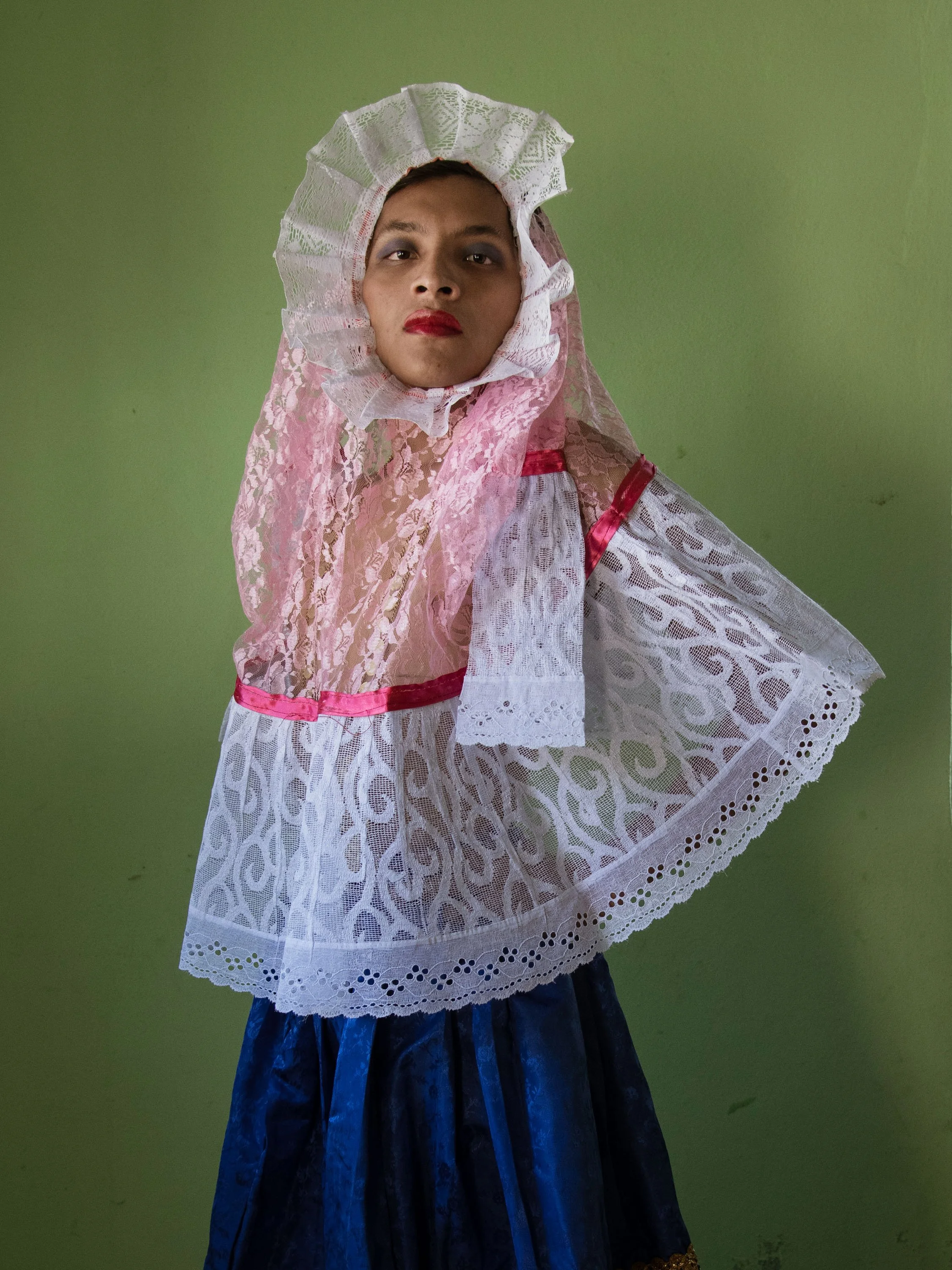
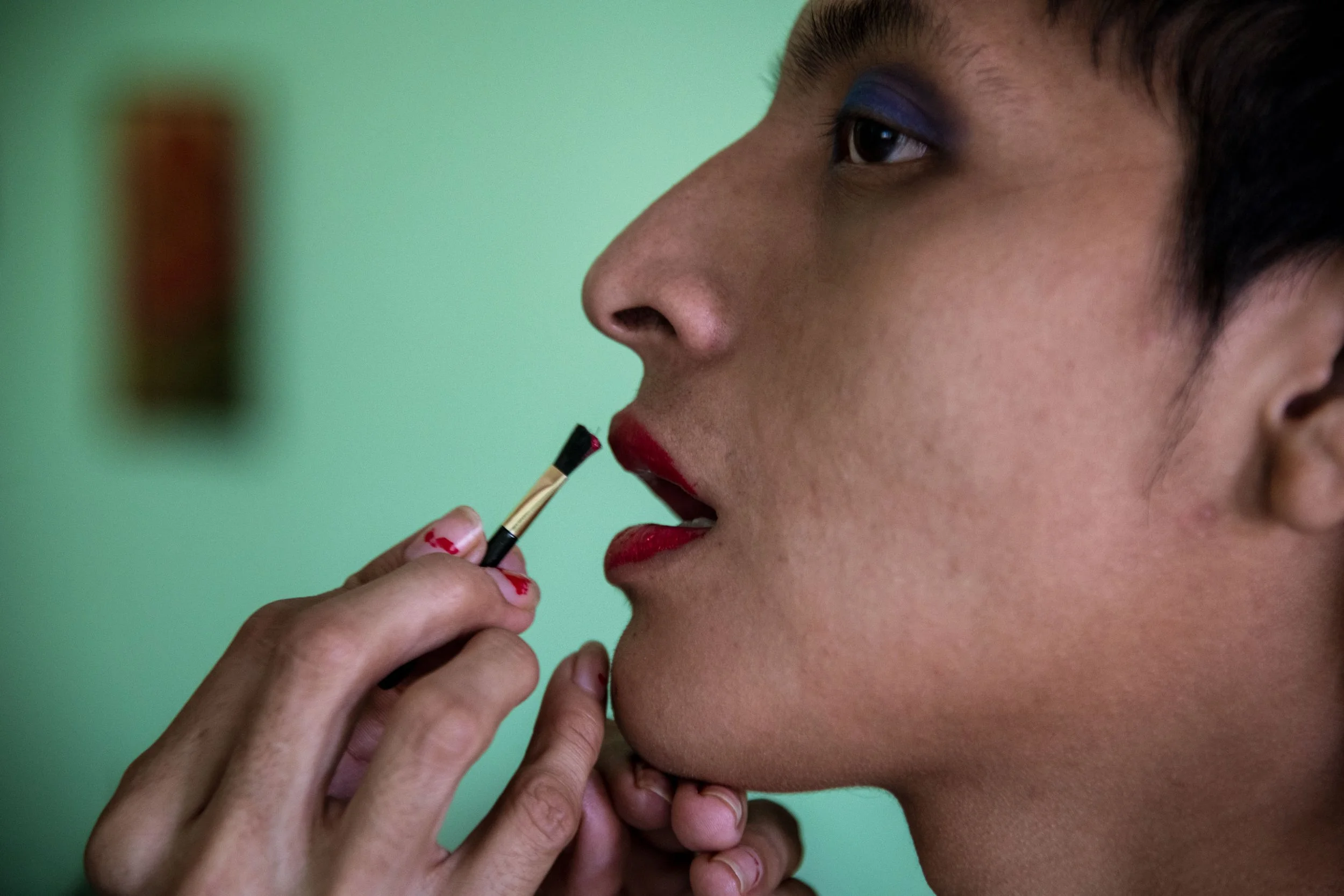
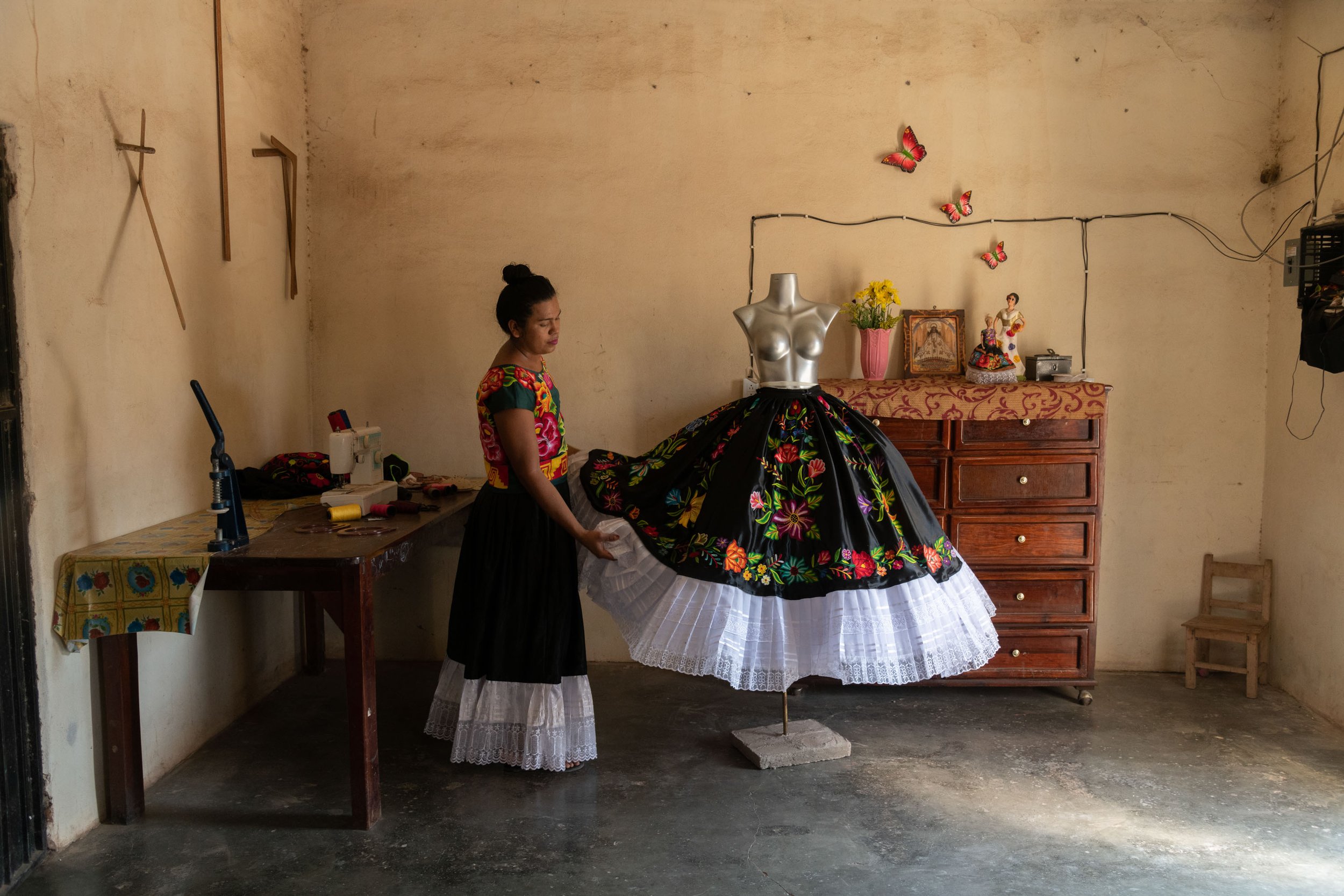
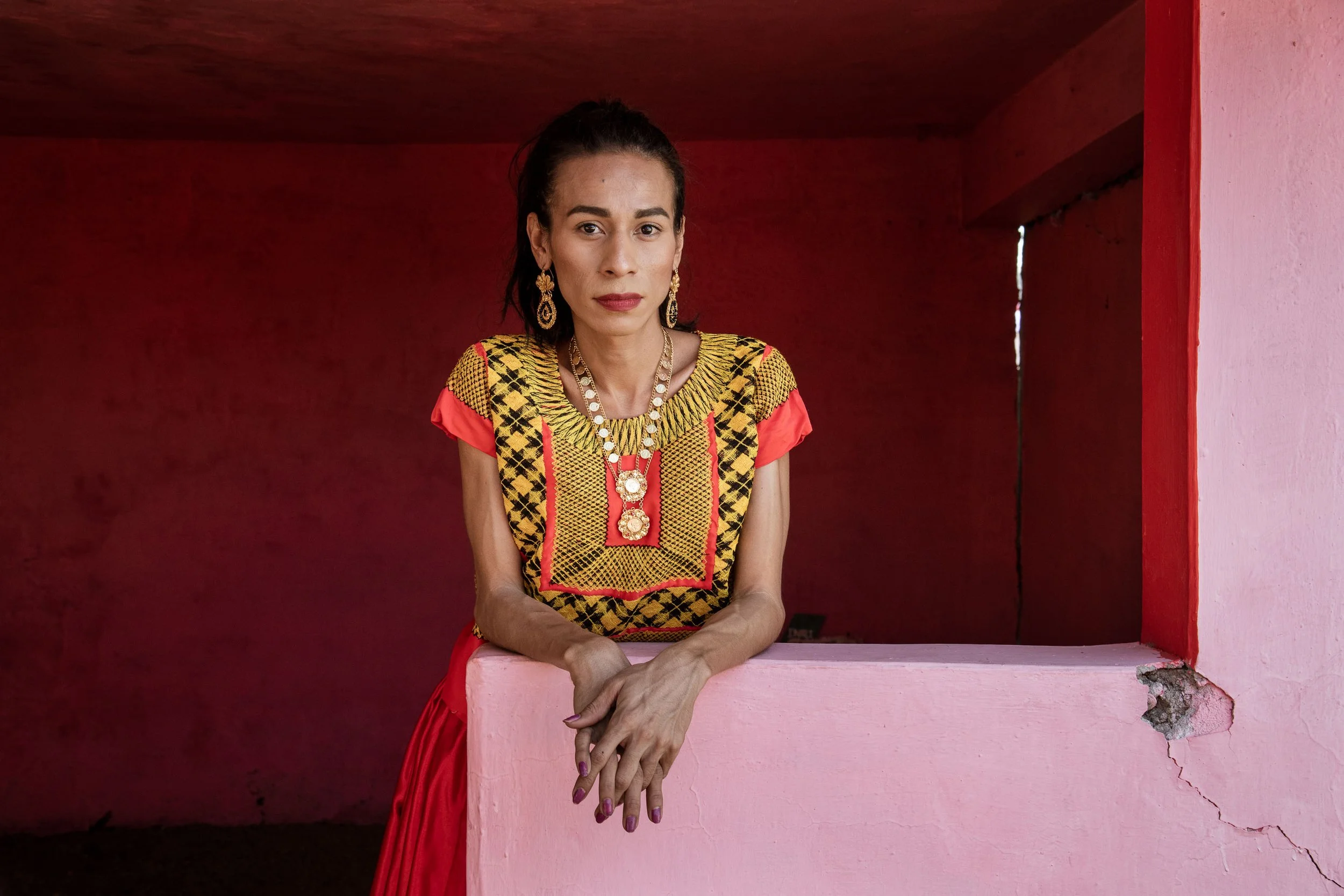
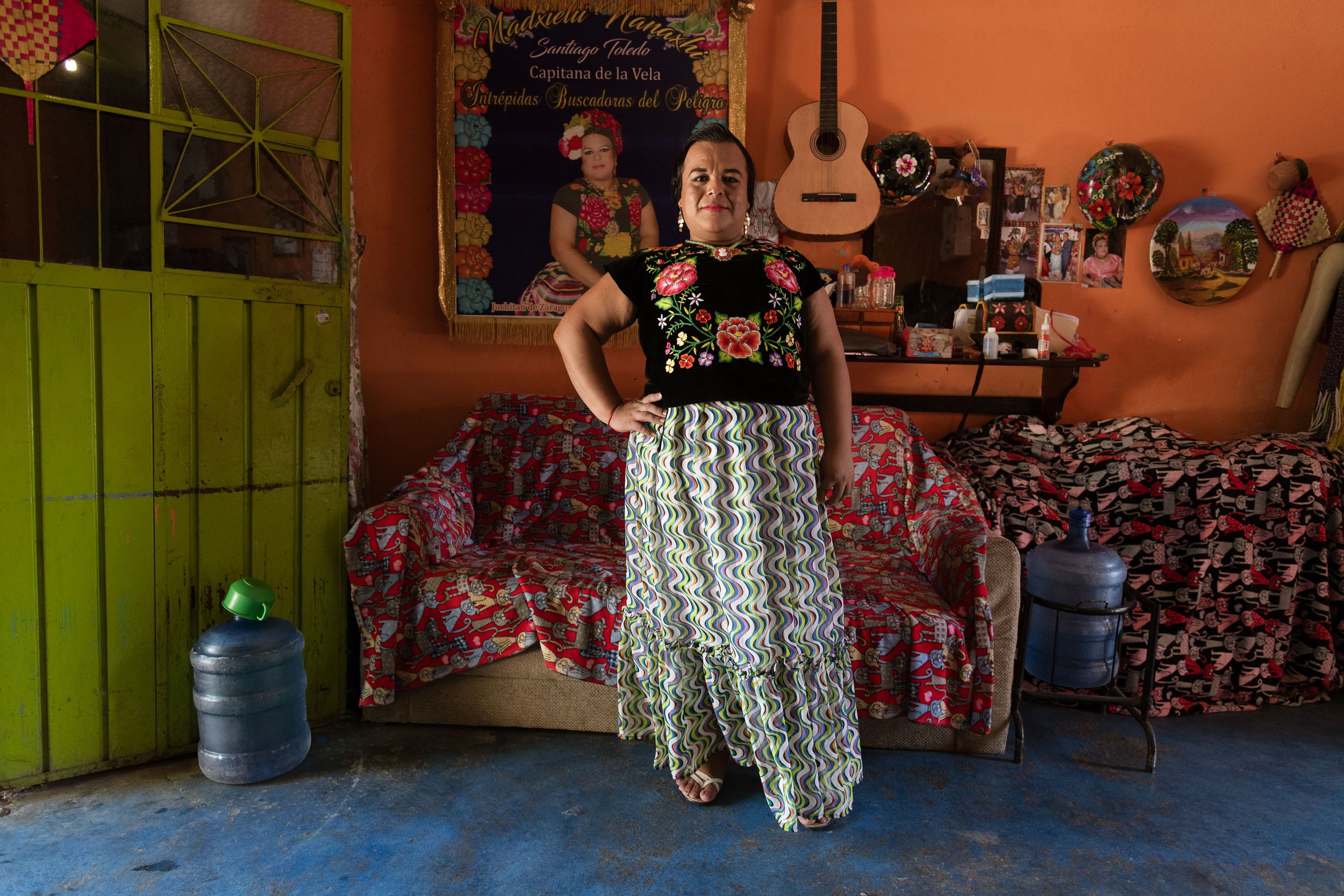
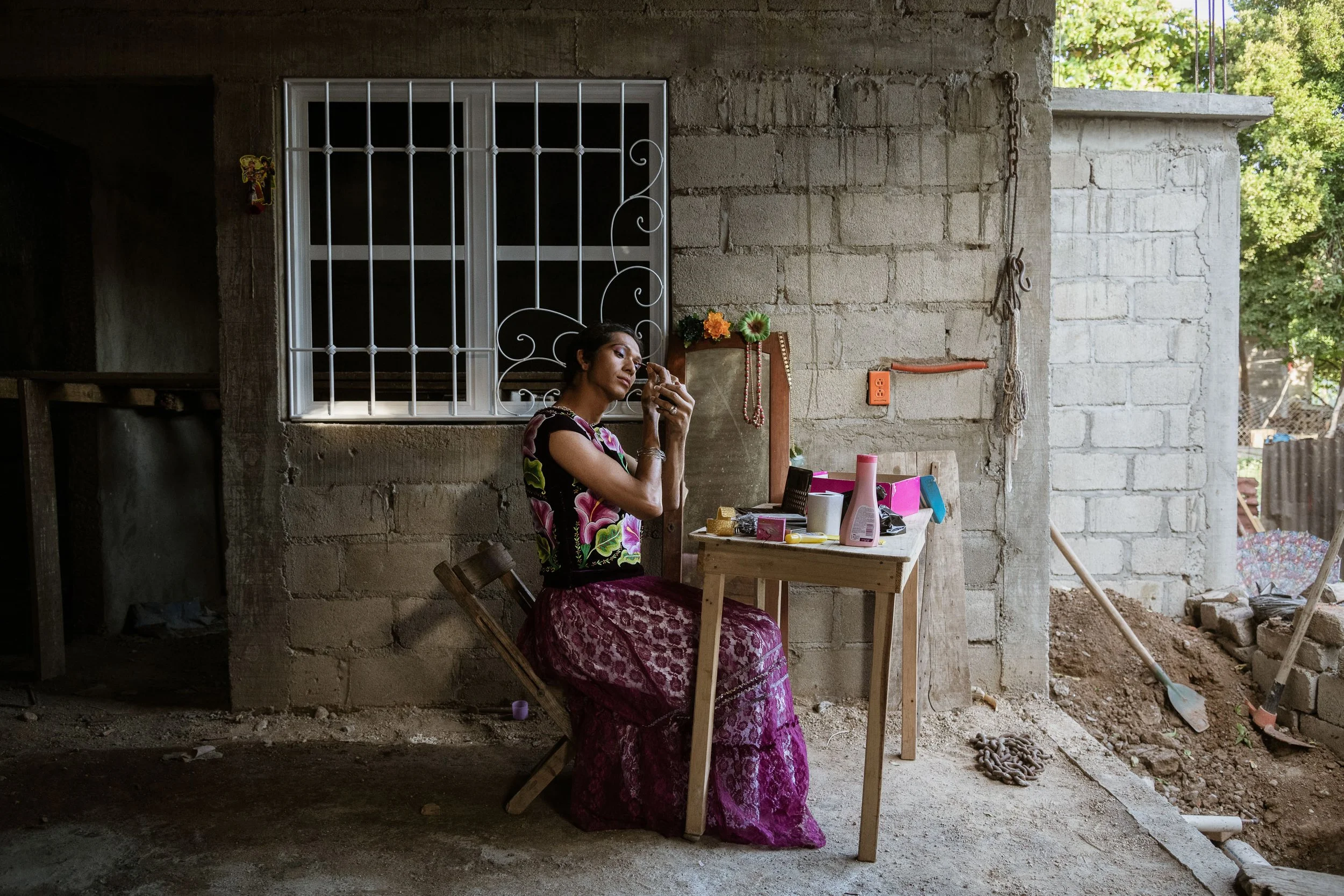
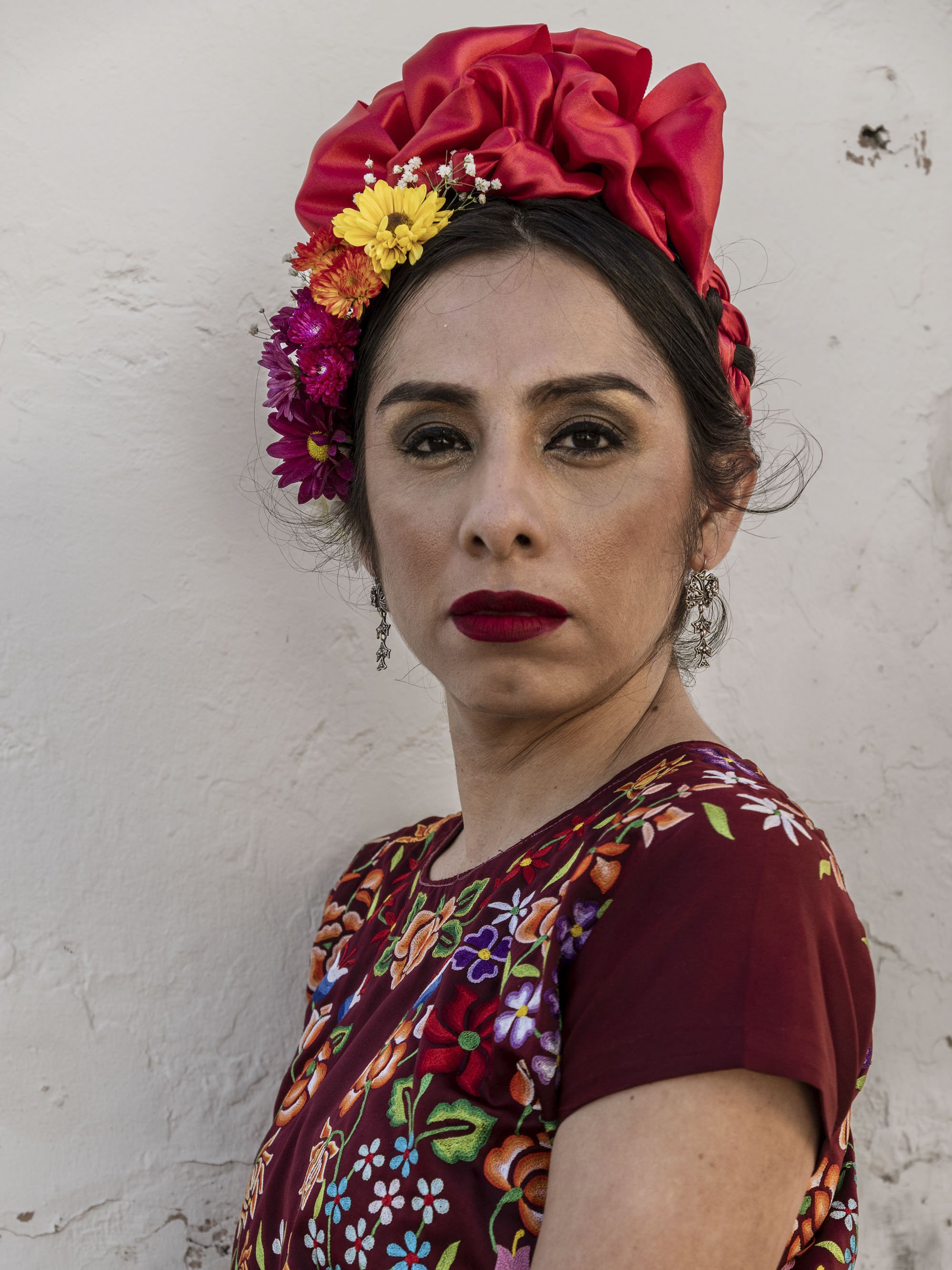
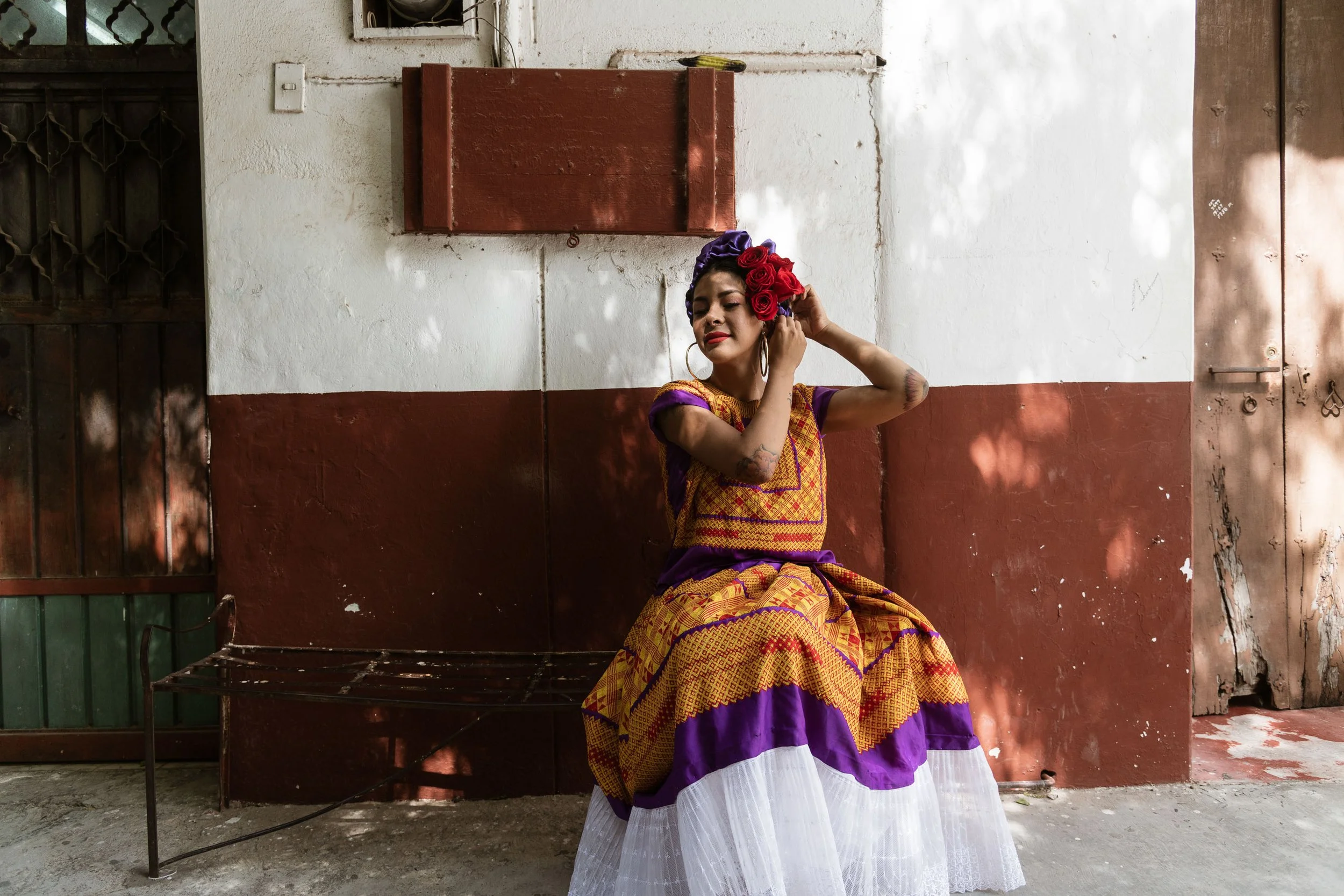
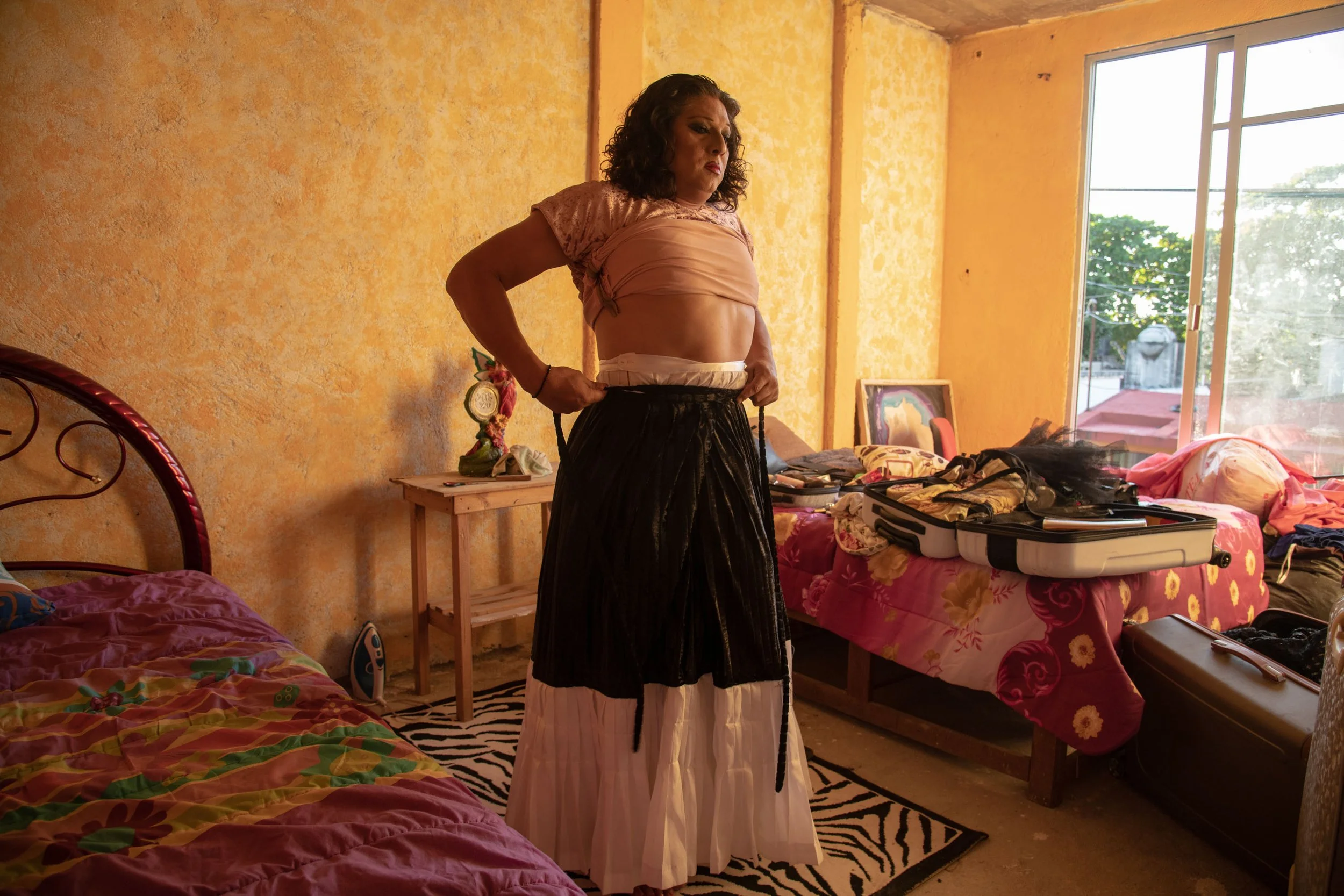
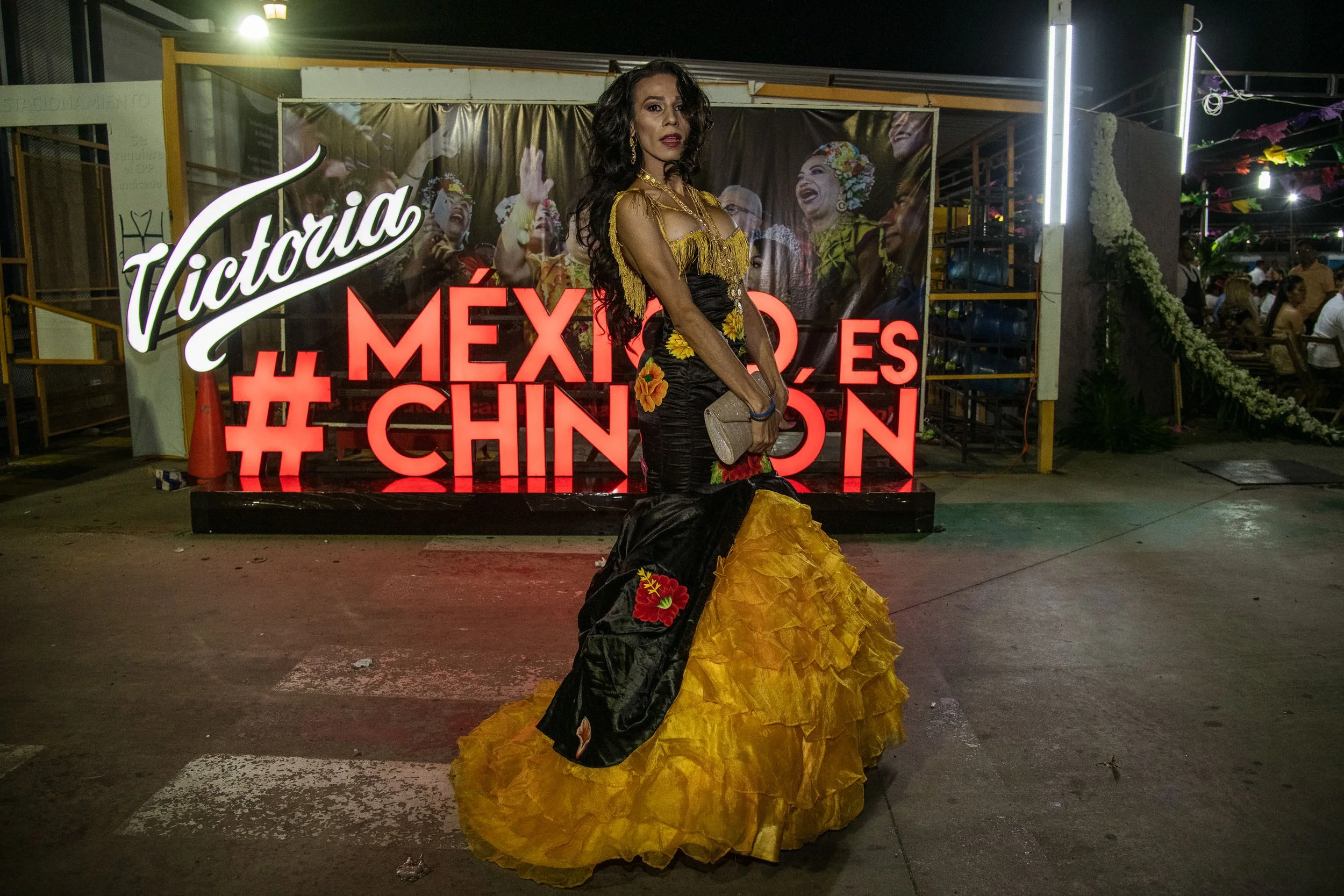
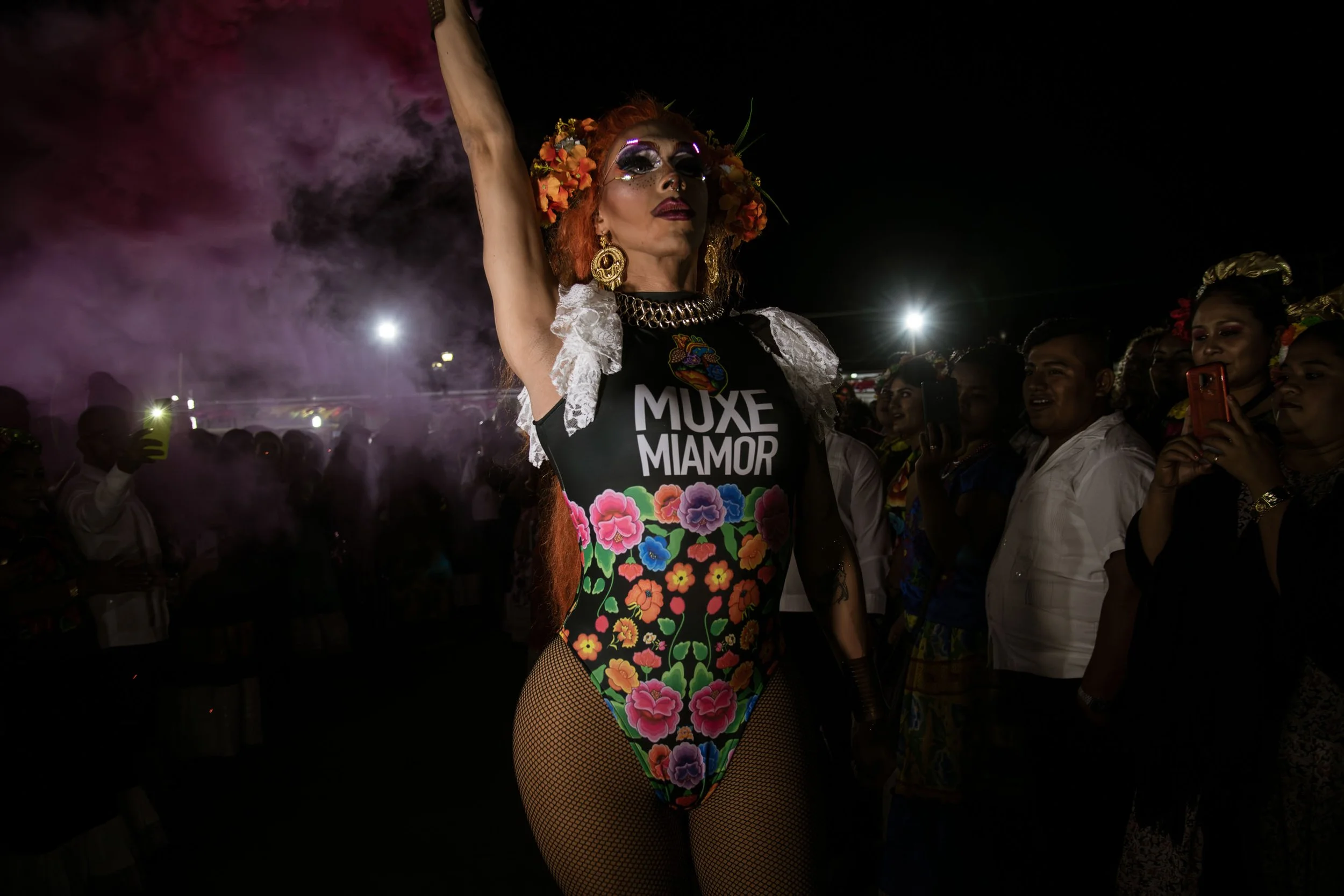
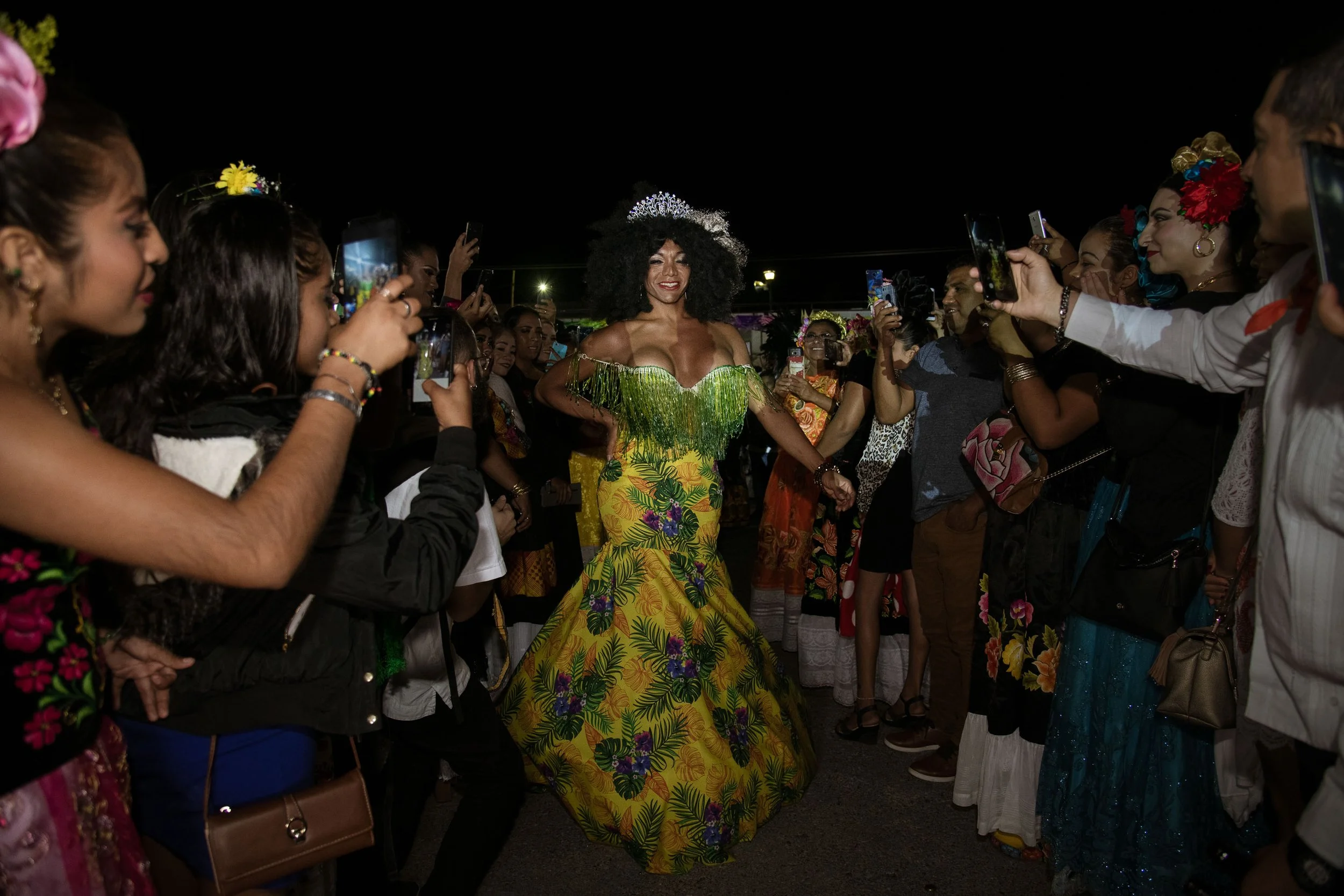
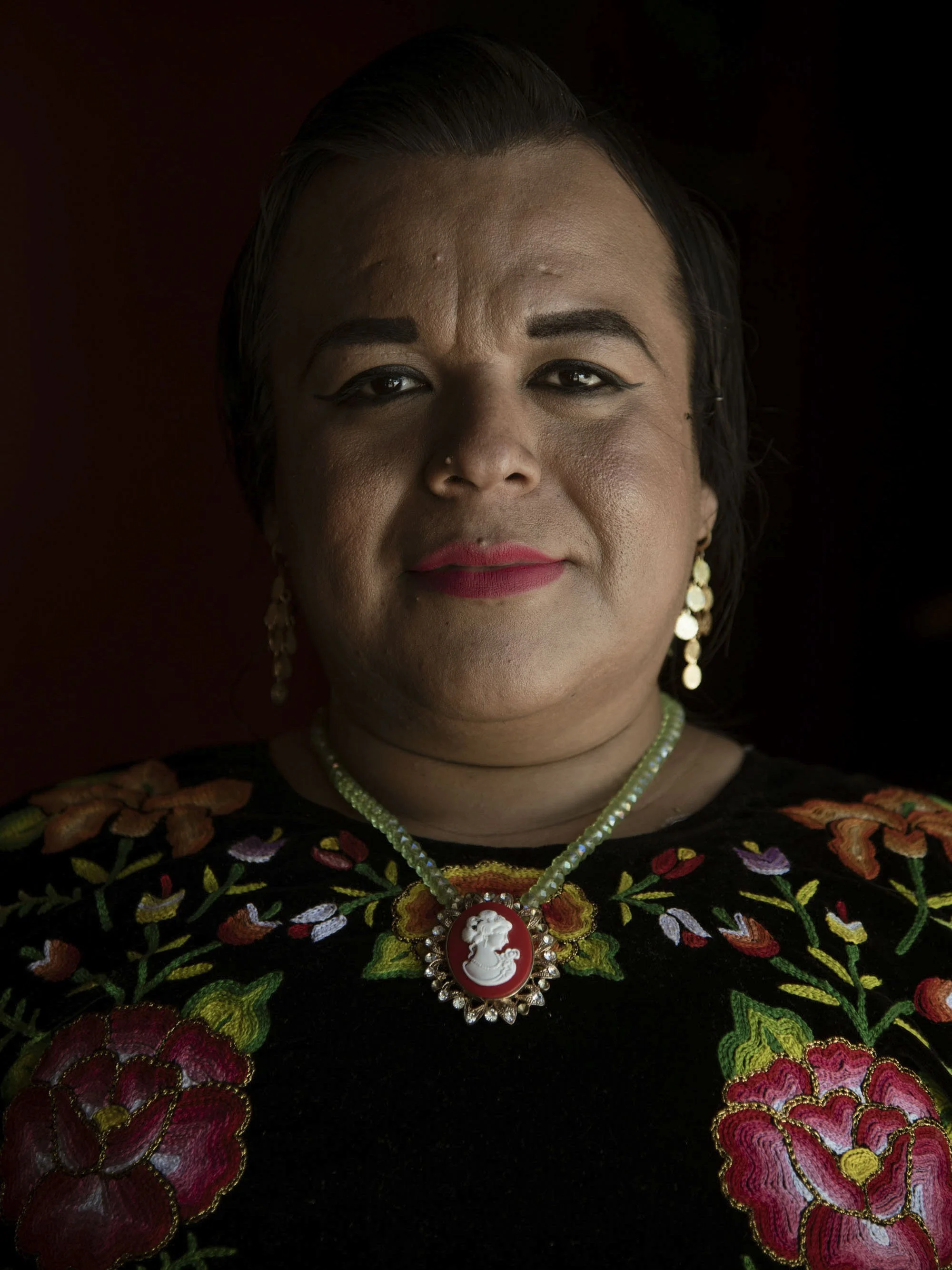
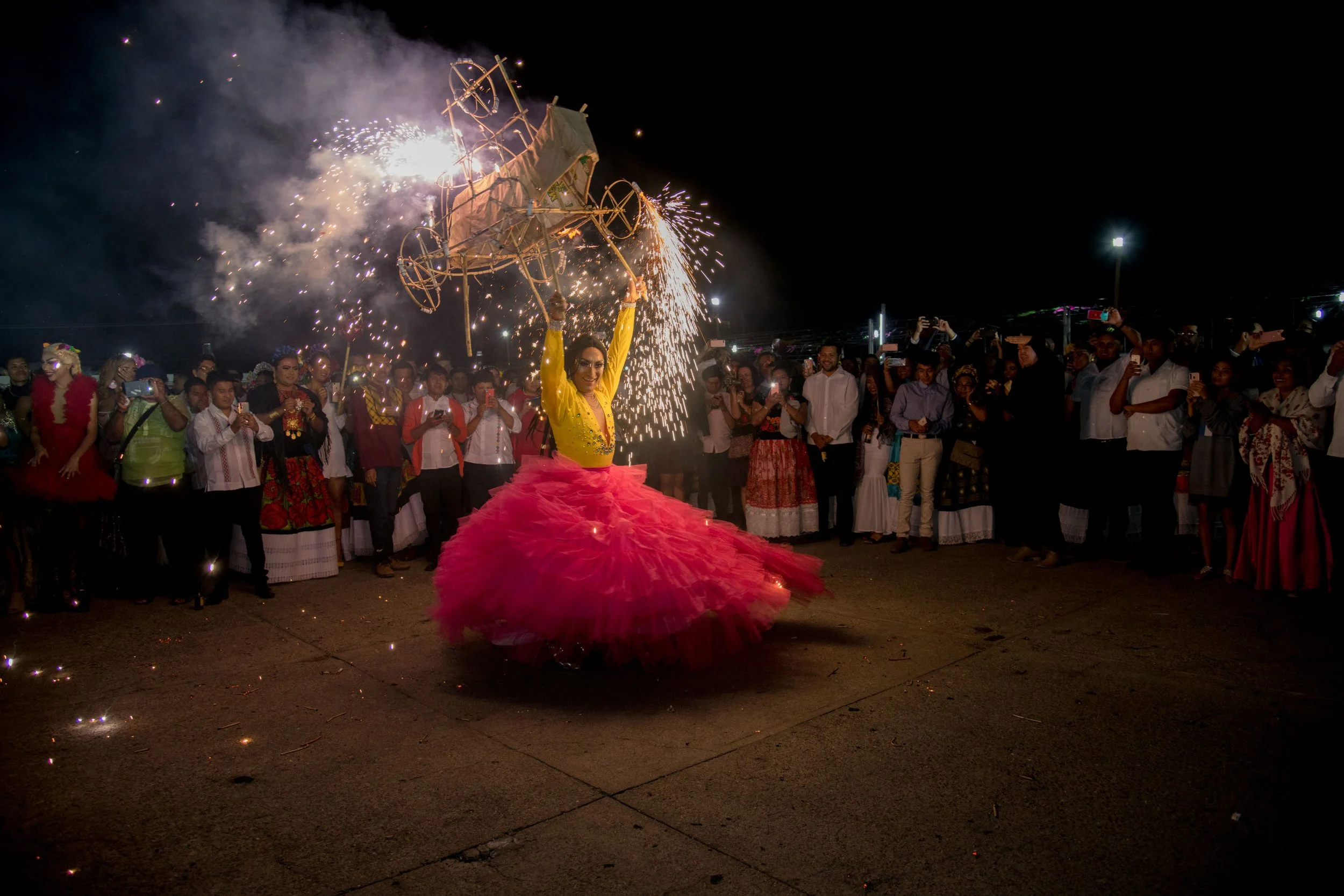
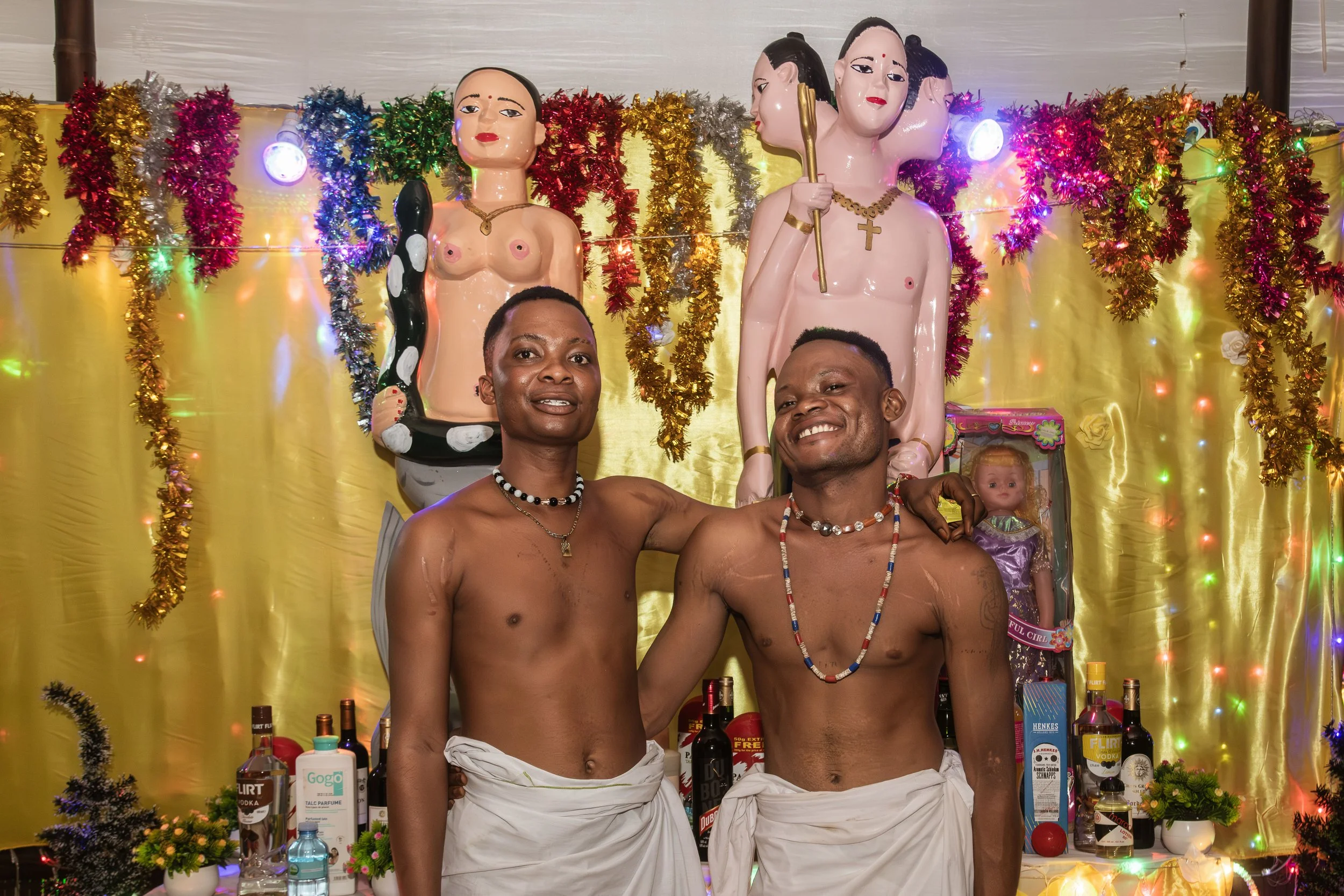
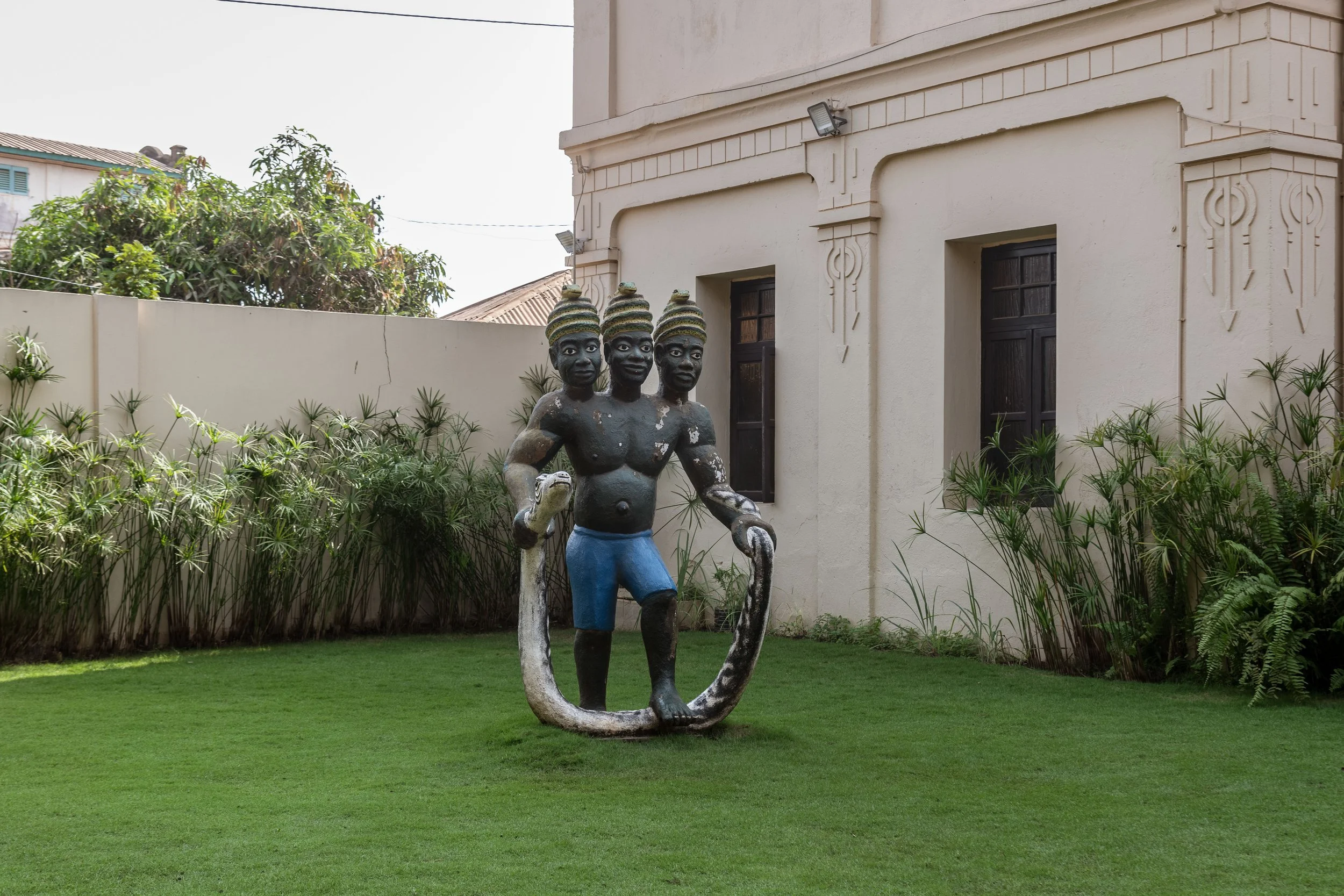
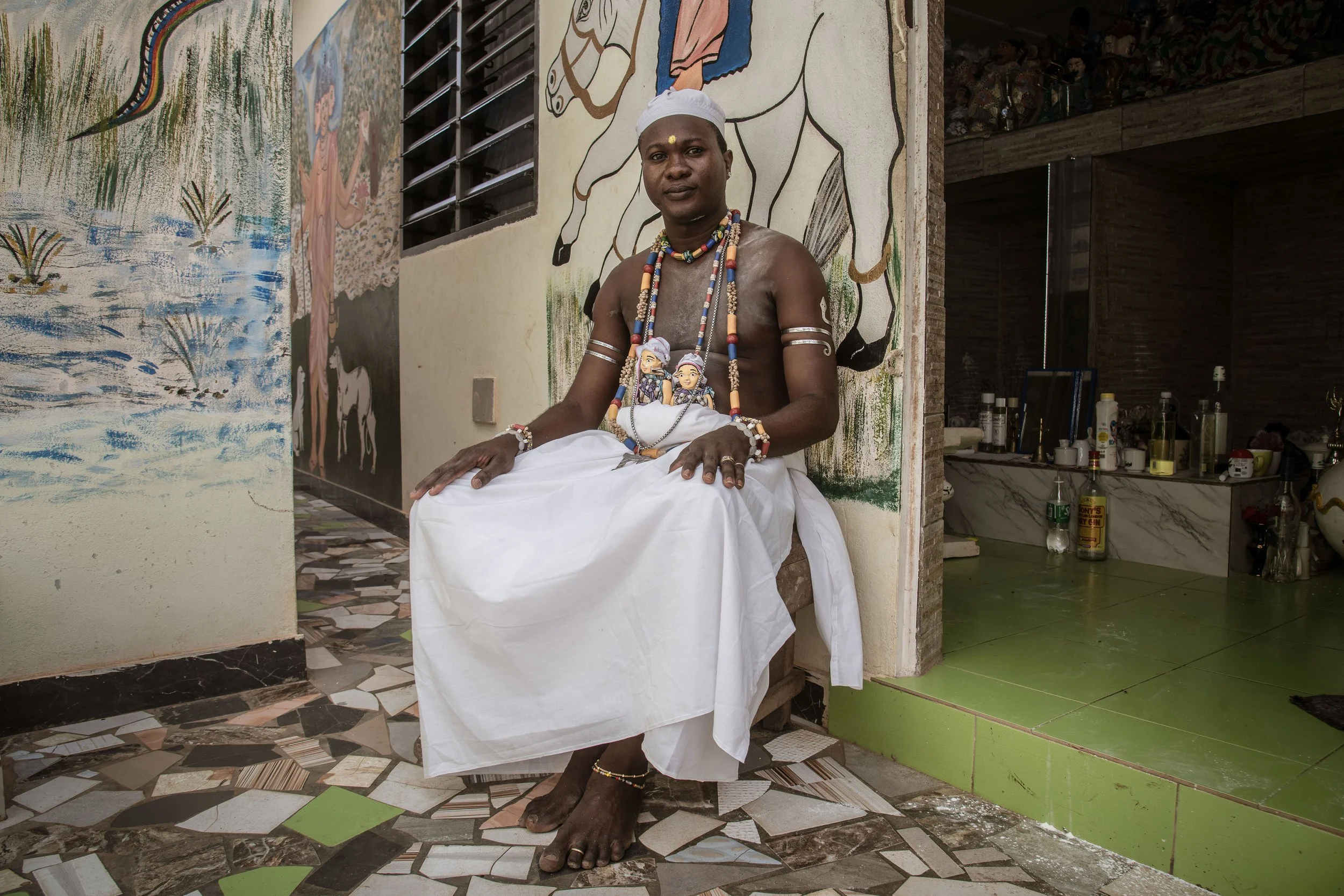
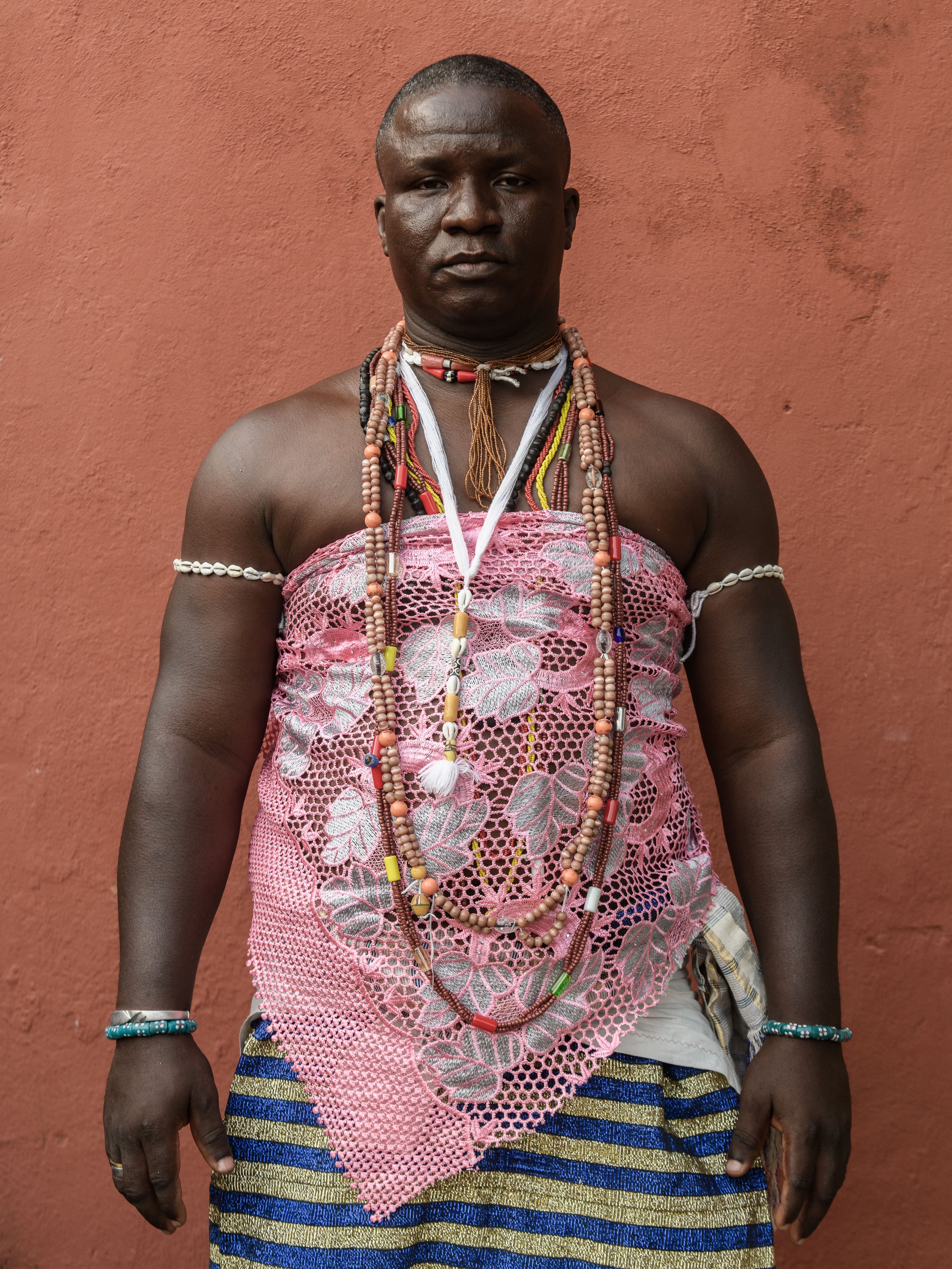
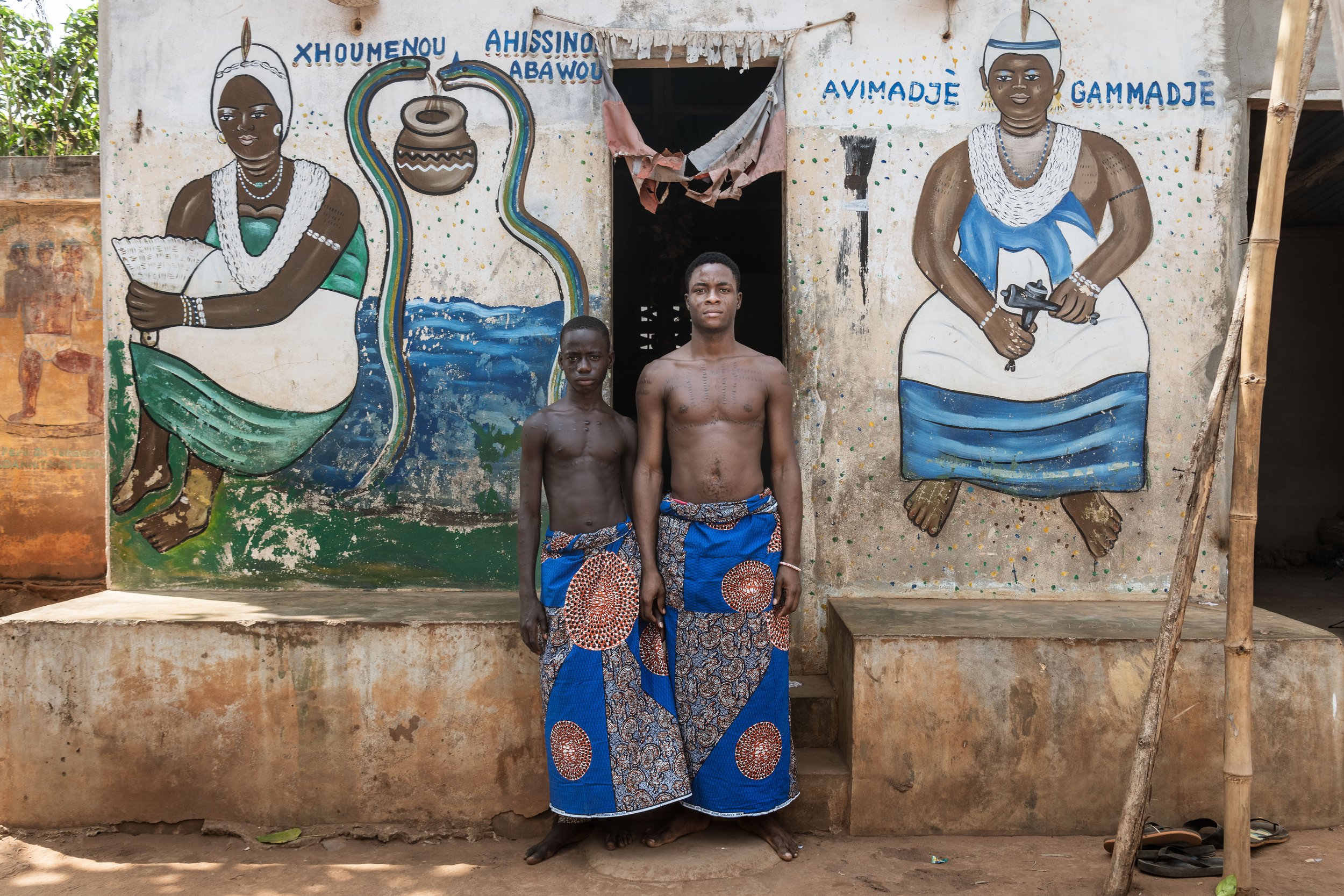
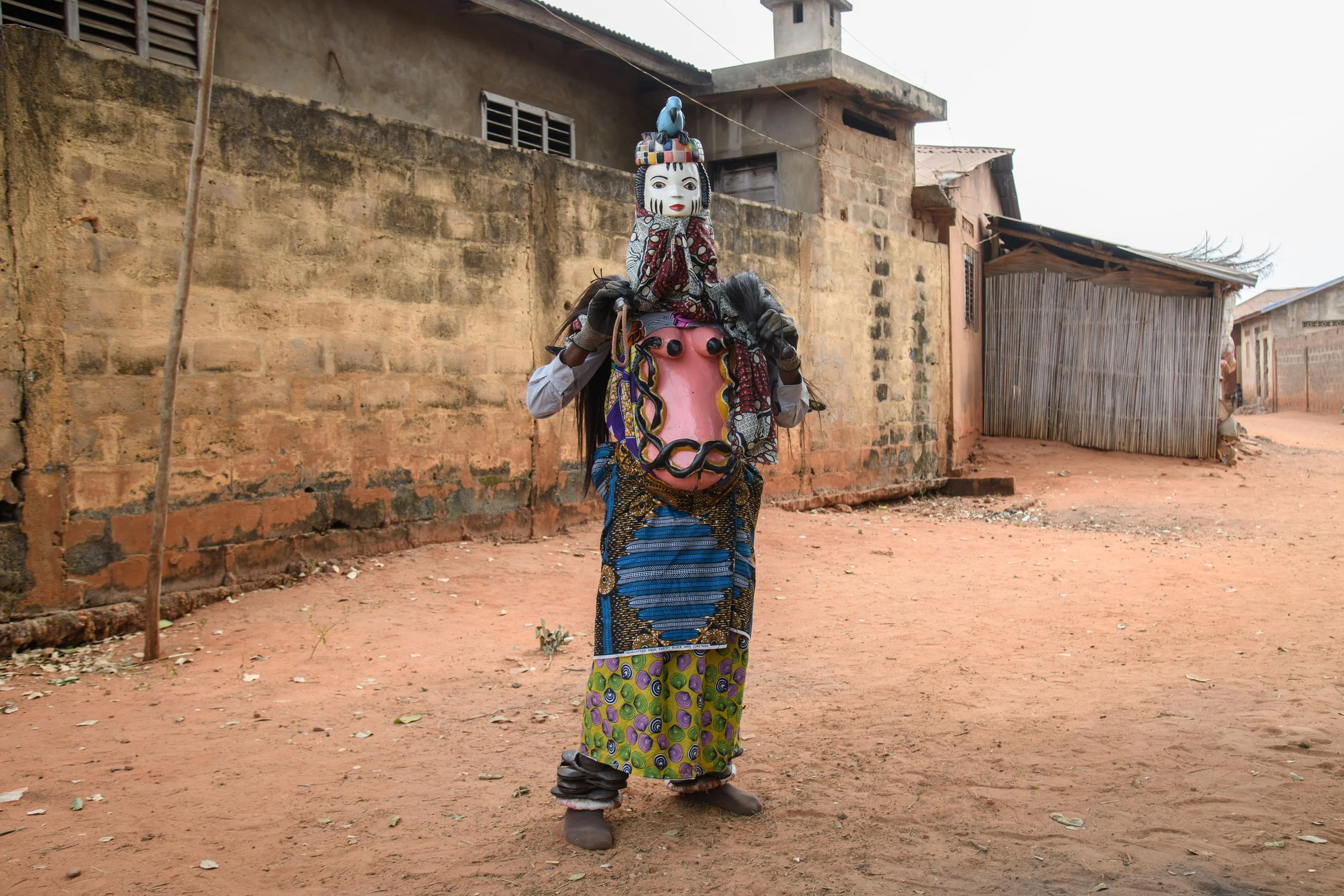
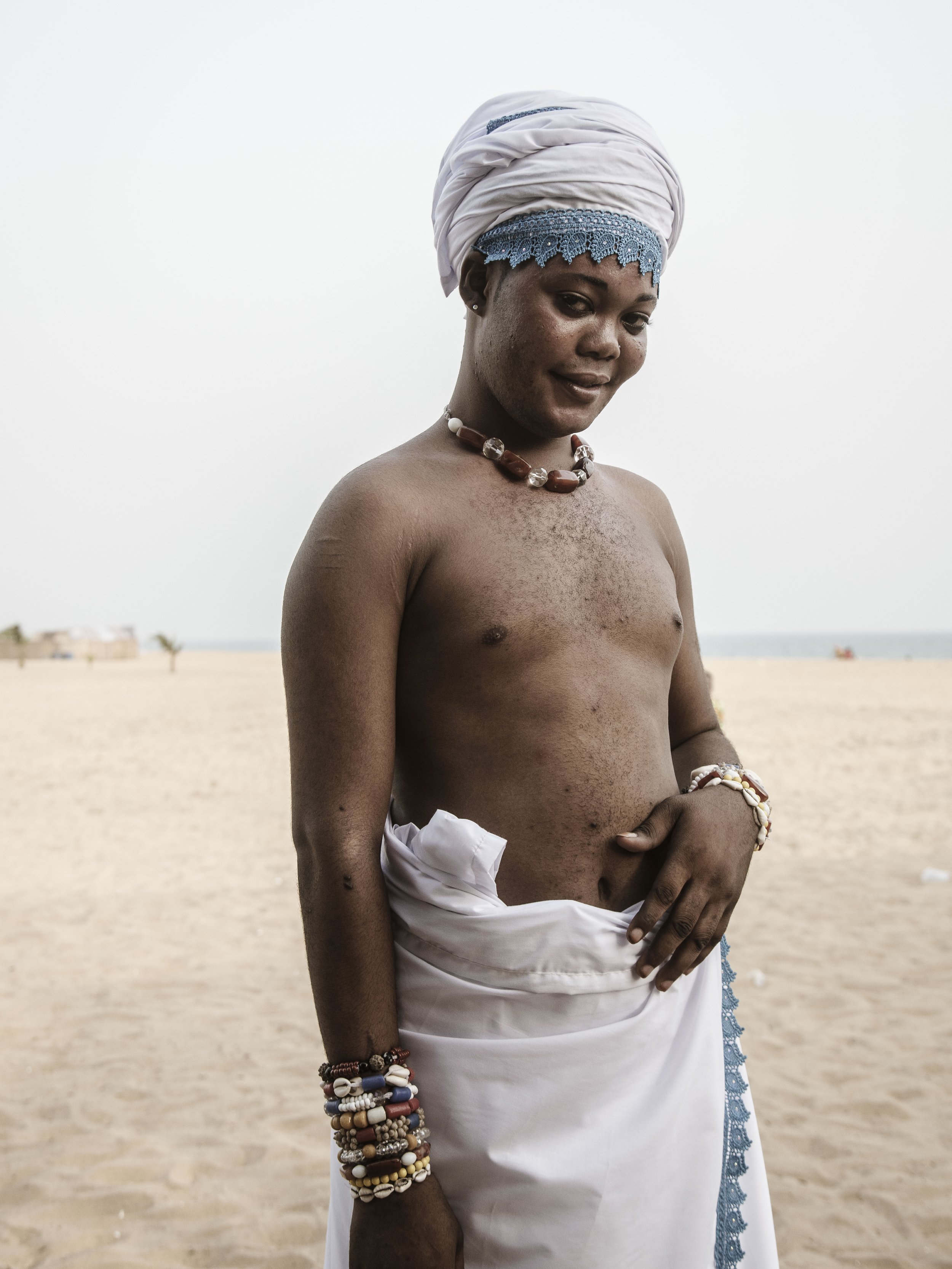
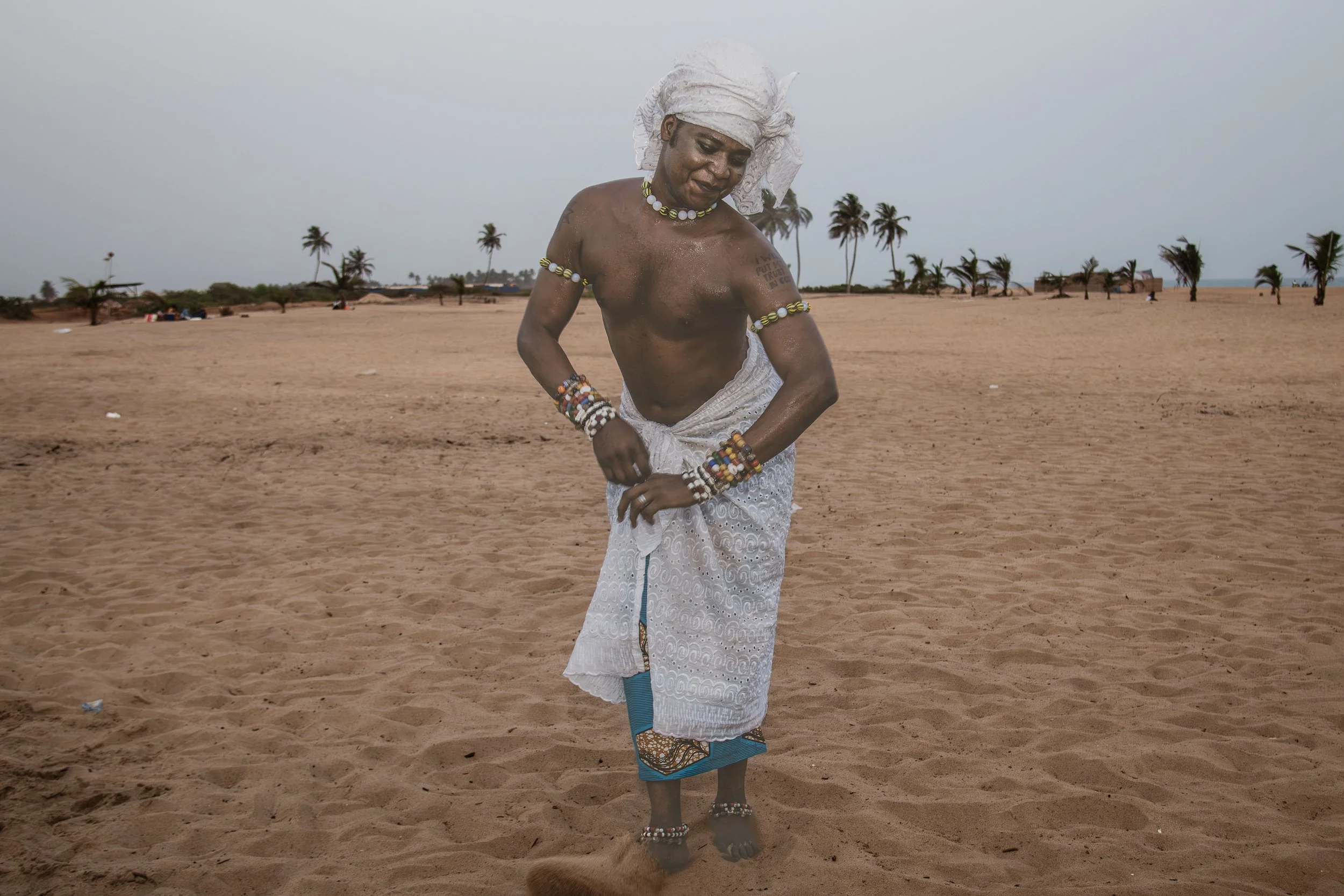
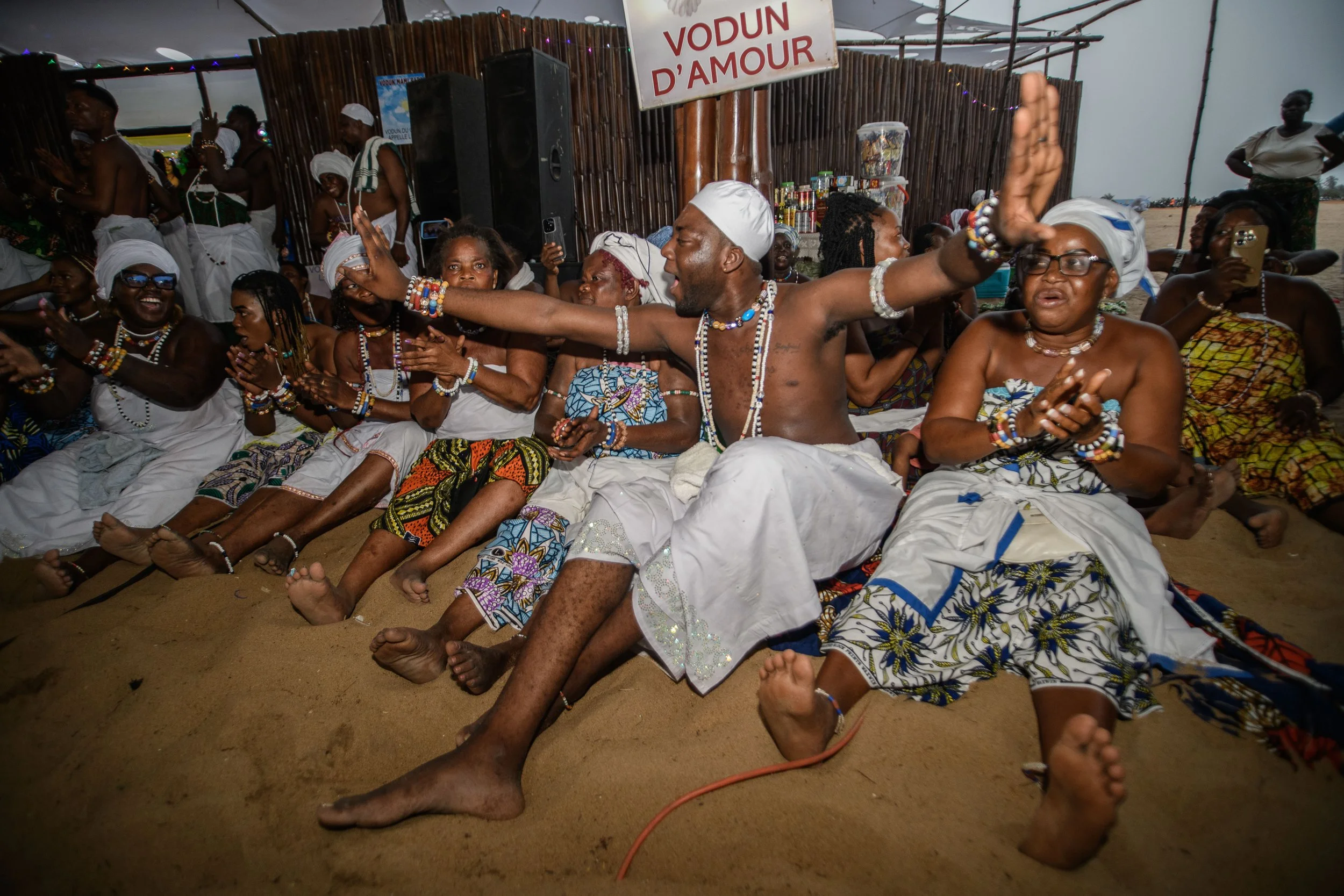
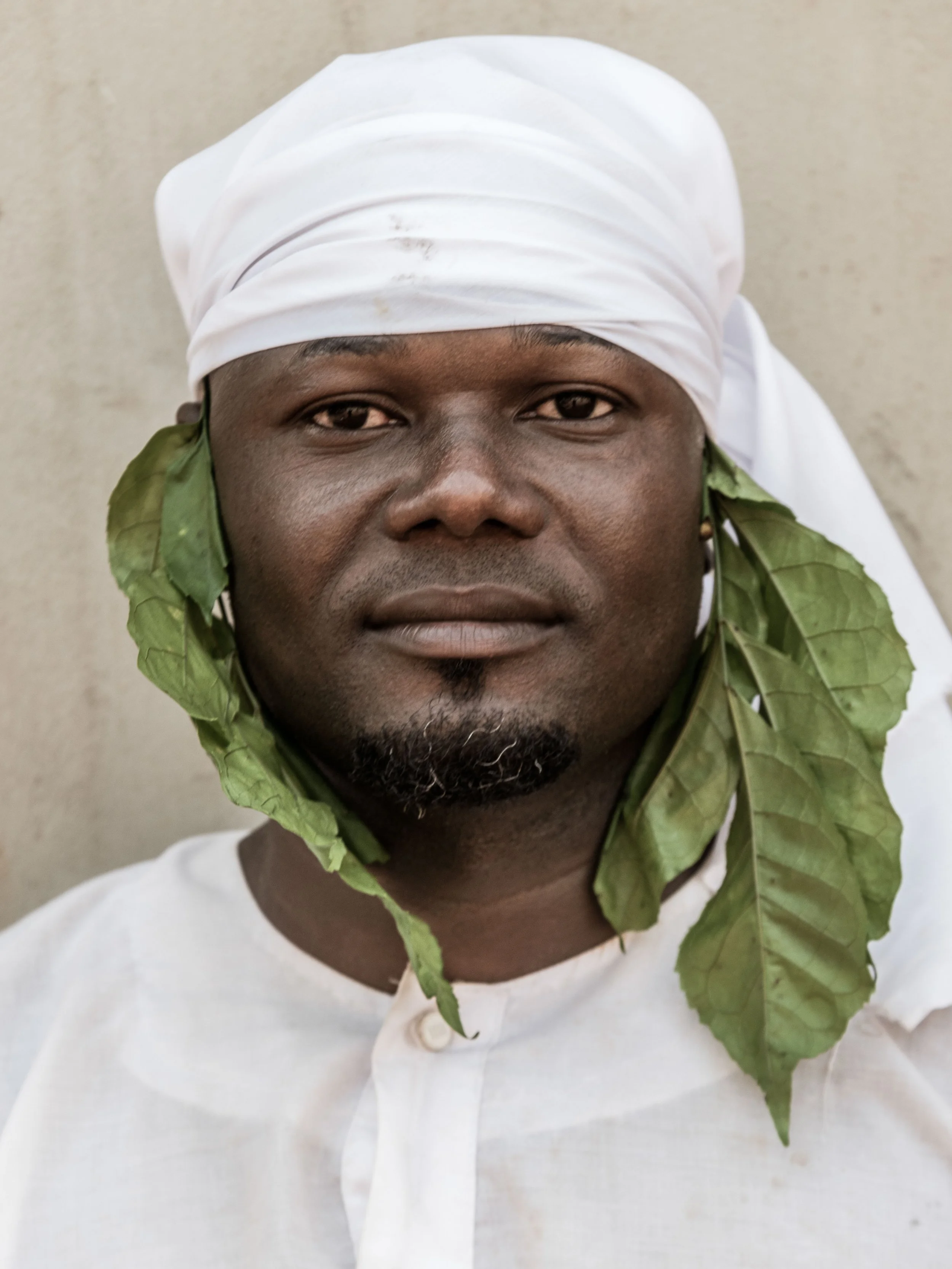
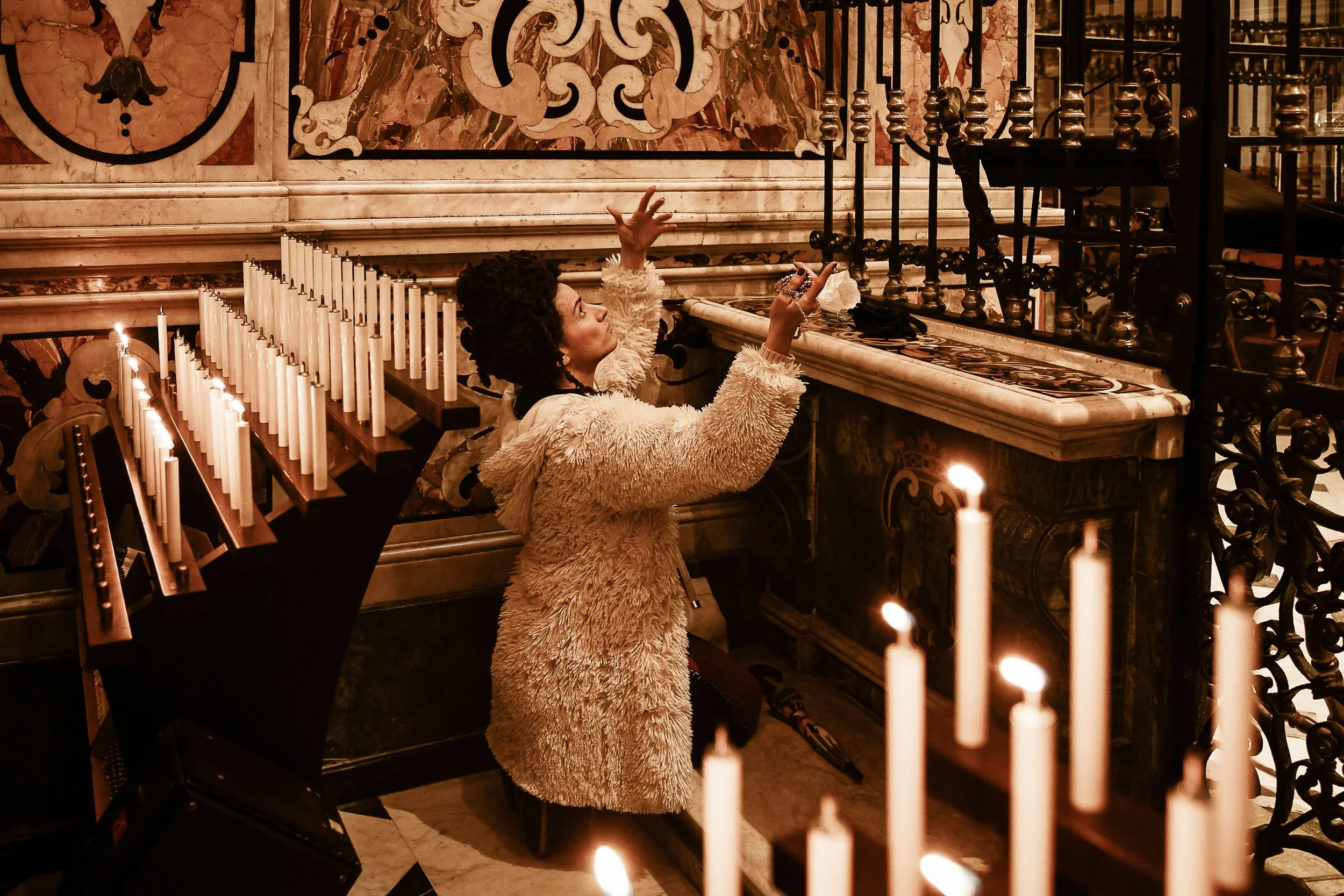
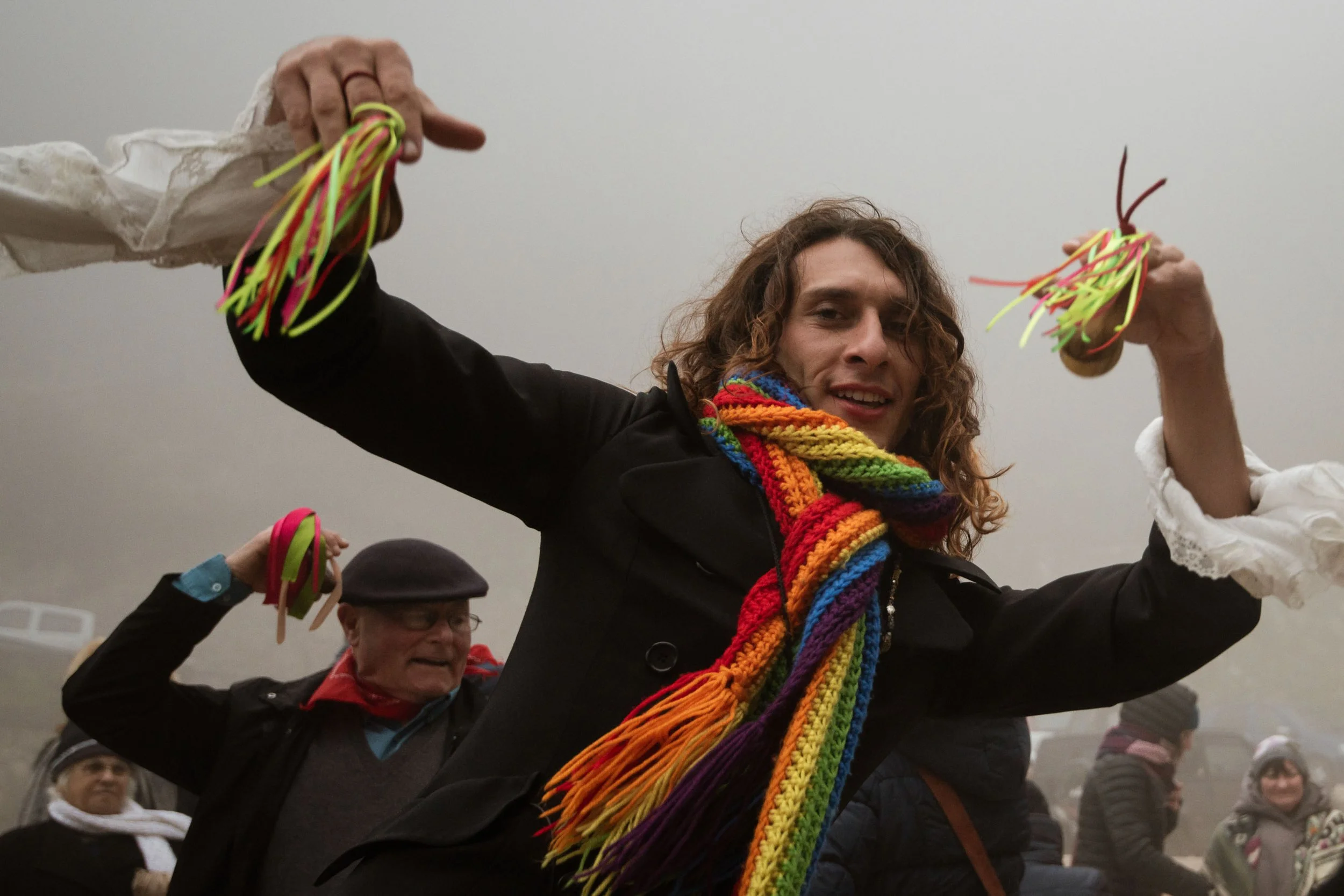
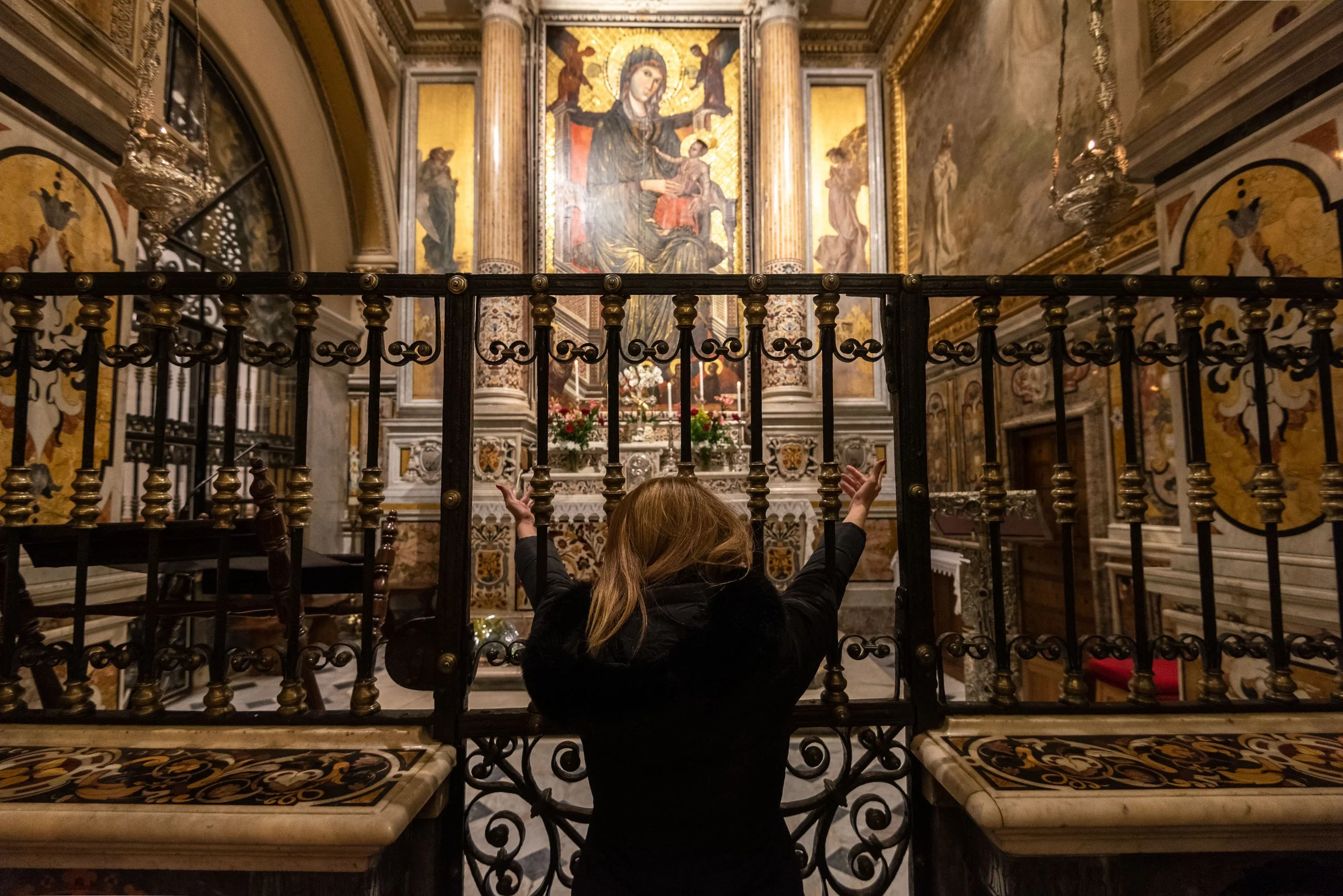
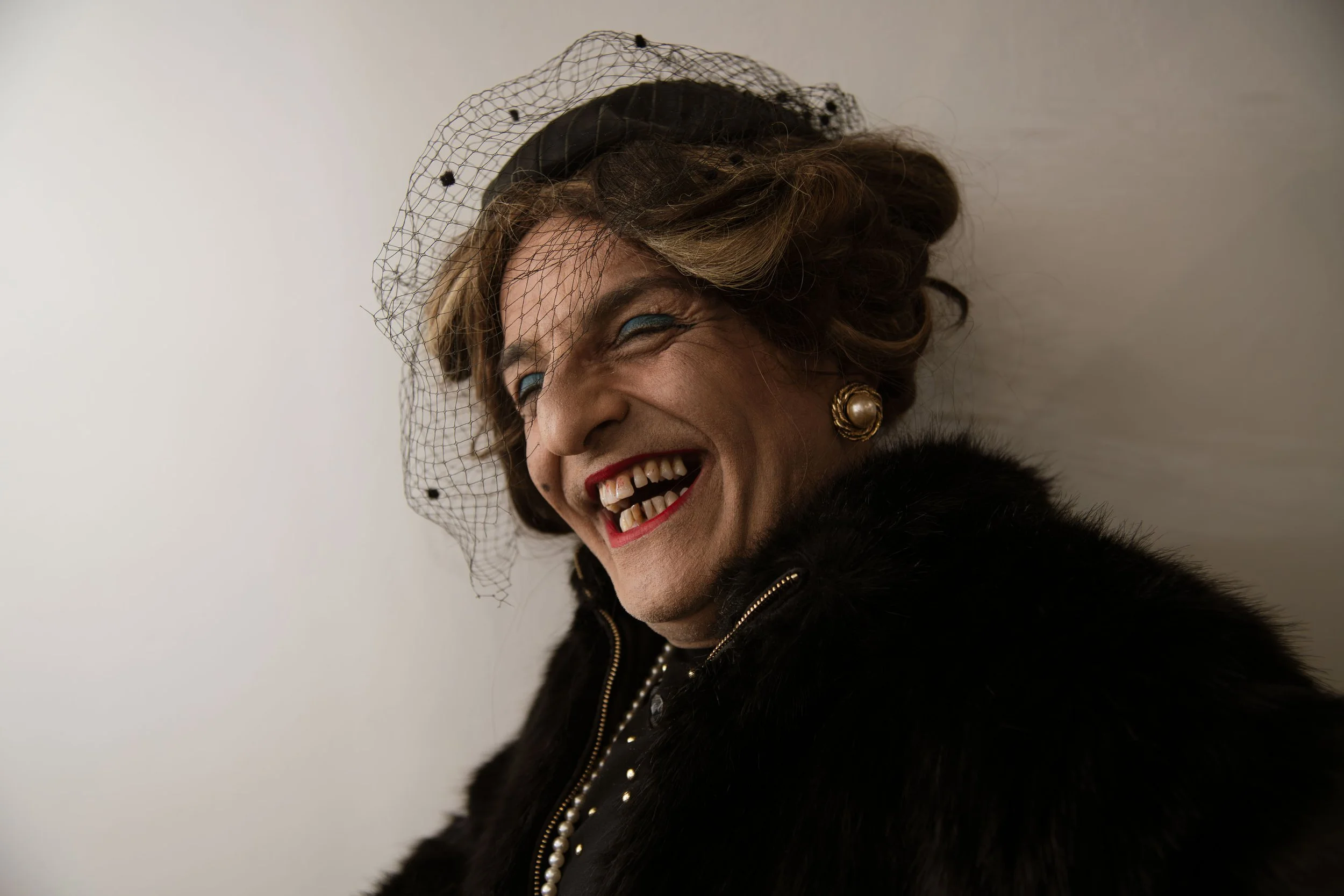
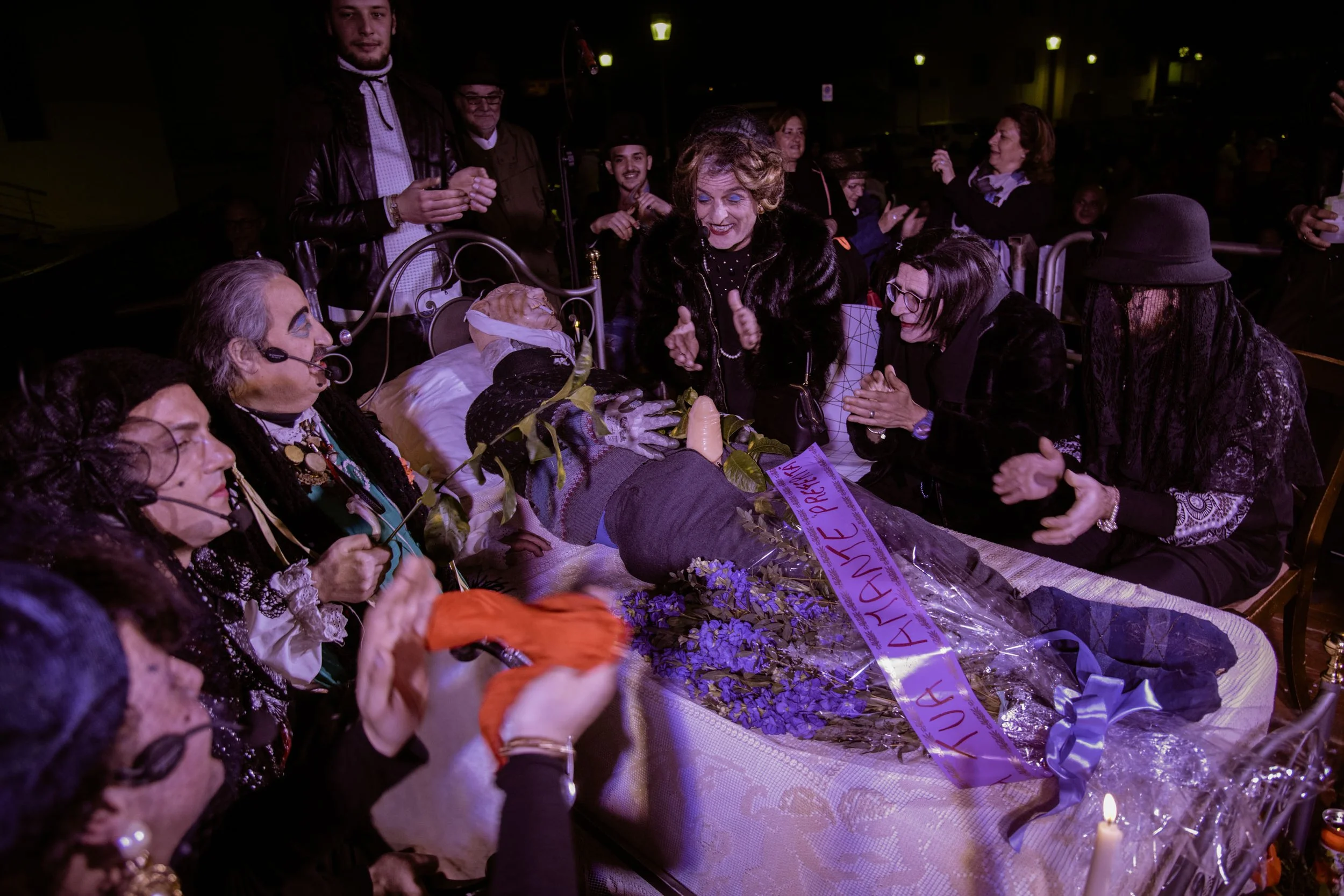
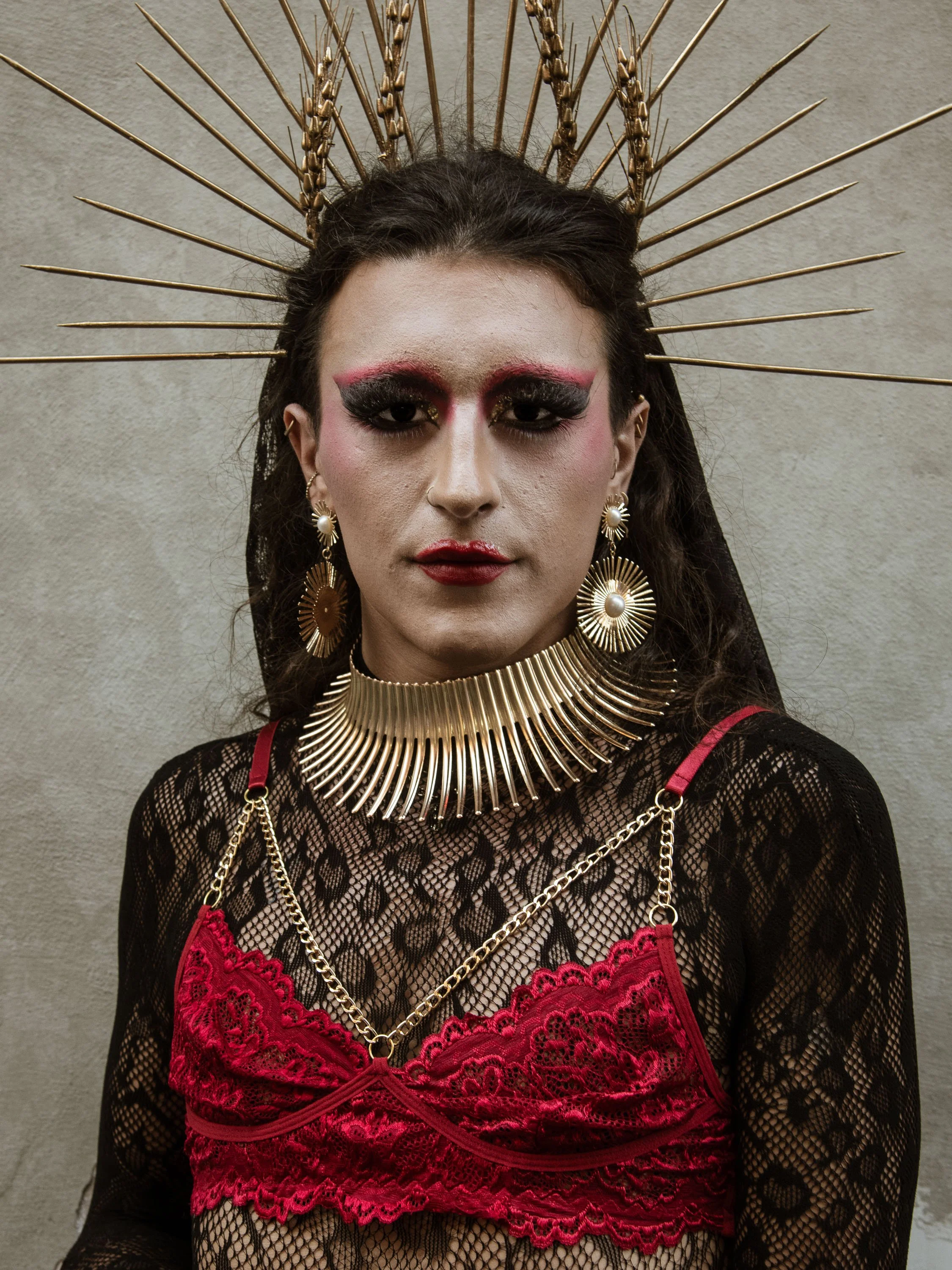
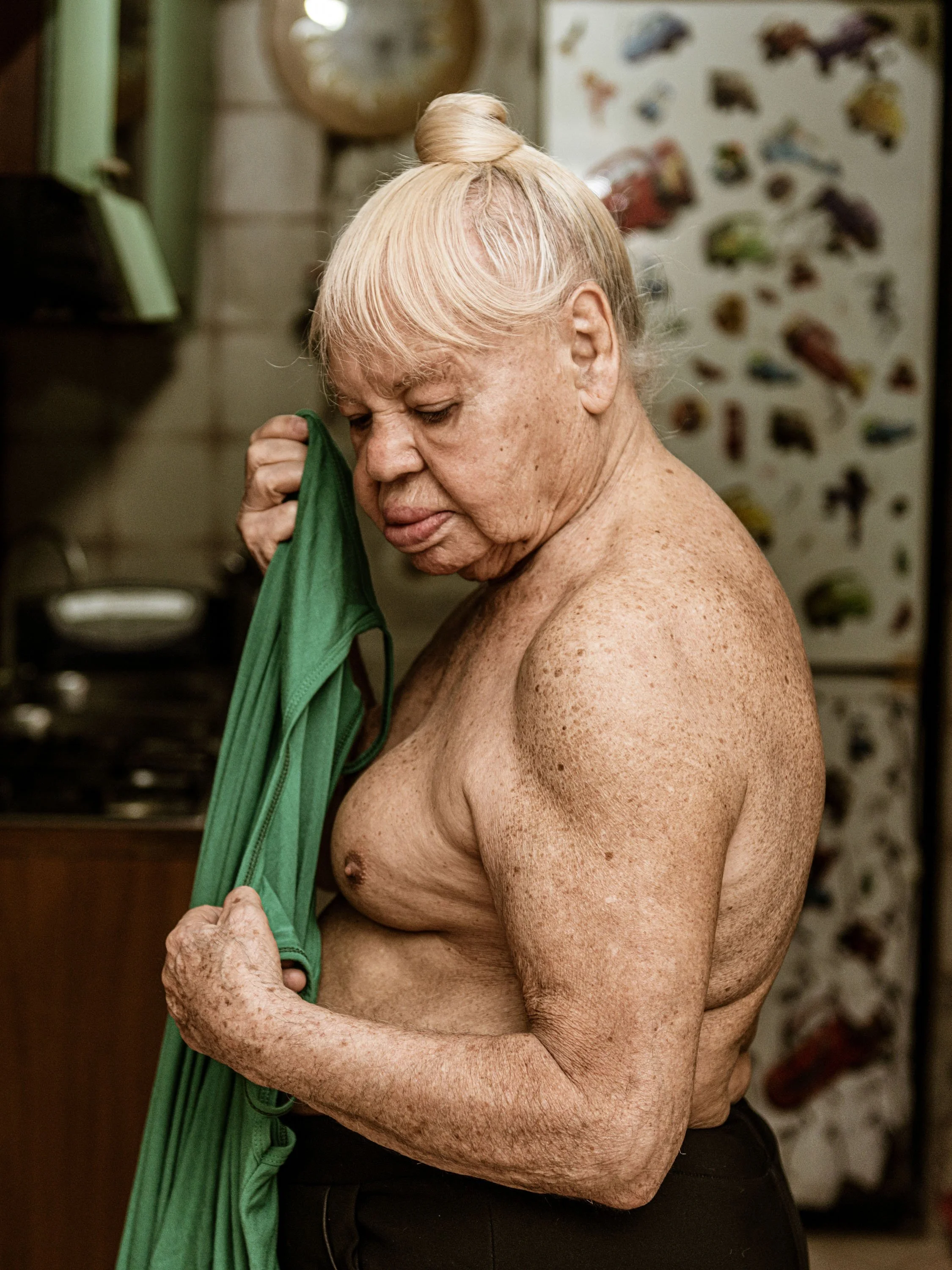
Queer Divine is an extensive visual research project exploring gender fluidity in traditional cultures and their profound connection with the divine. Over several years, the project has traveled across four continents, documenting communities and individuals who embody a diversity of gender roles and spiritual identities, often in contexts that challenge Western assumptions about gender and sexuality.
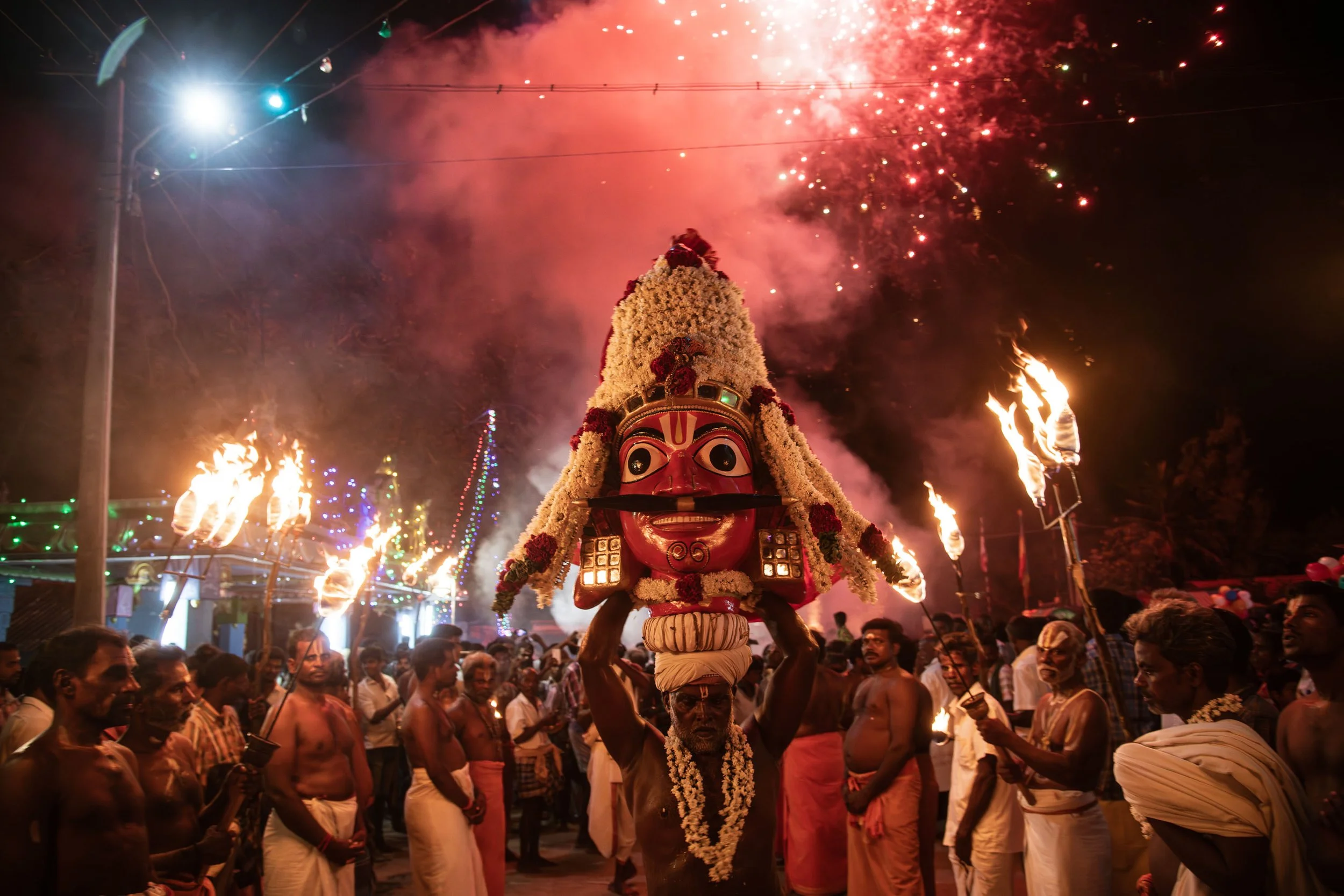
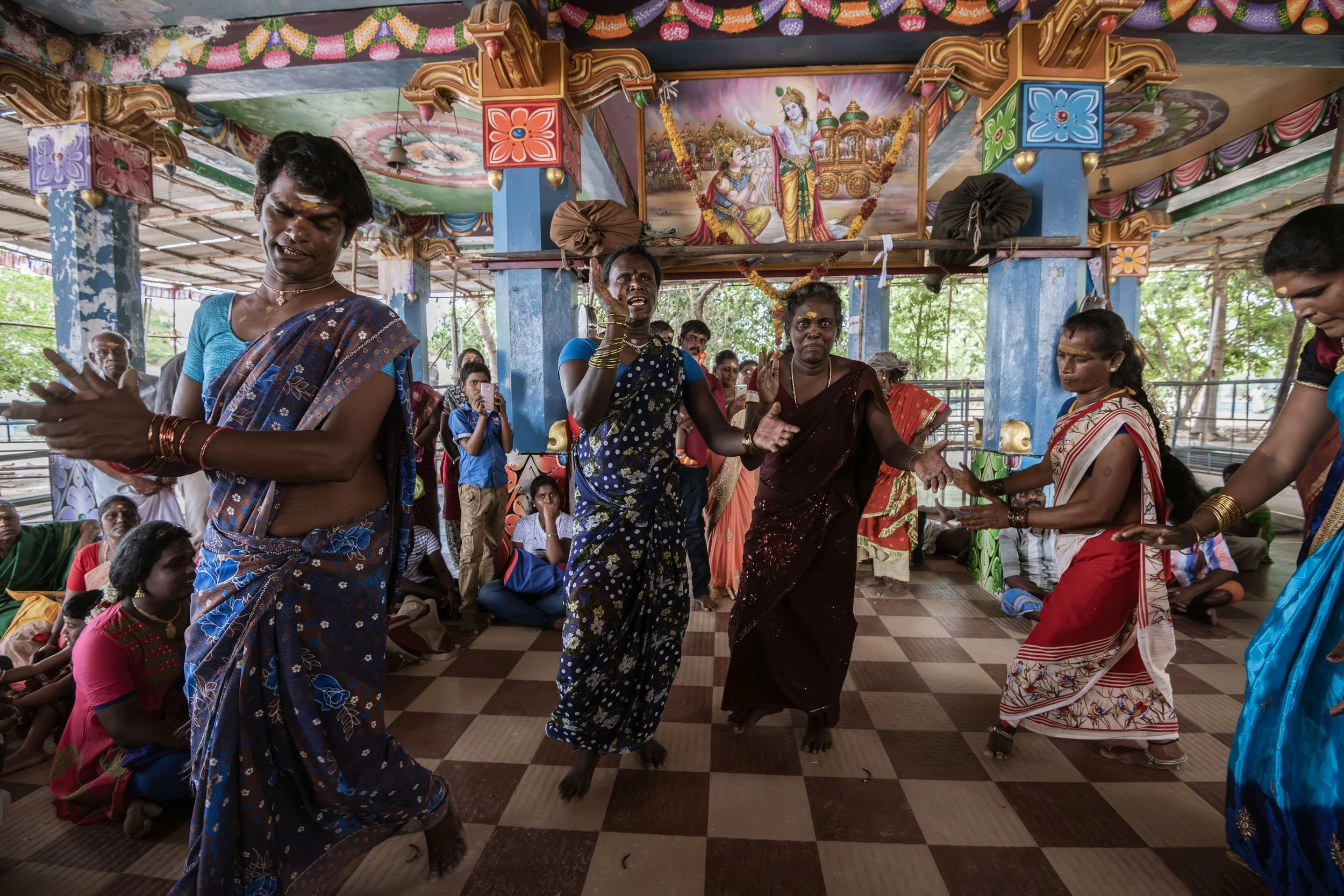
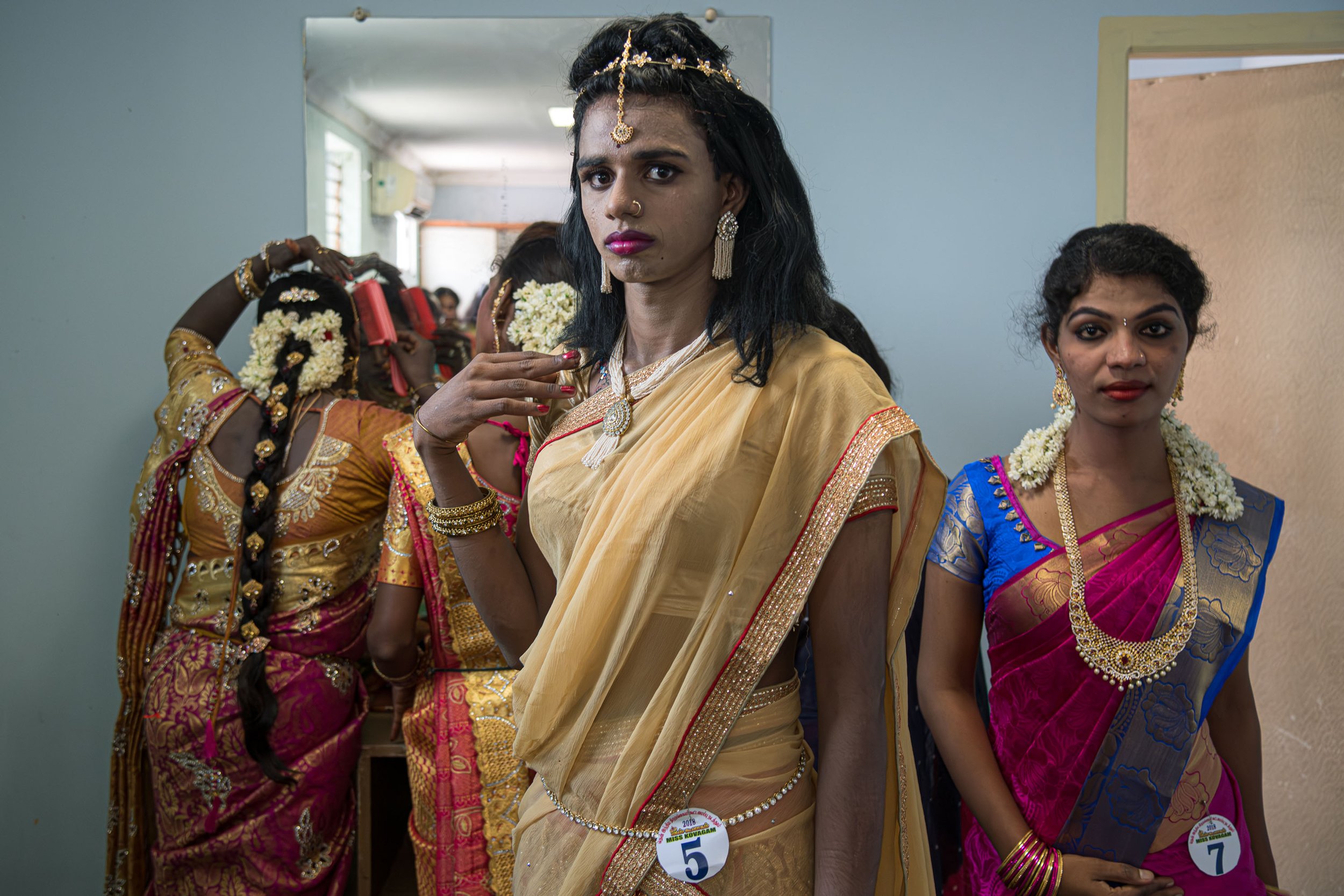
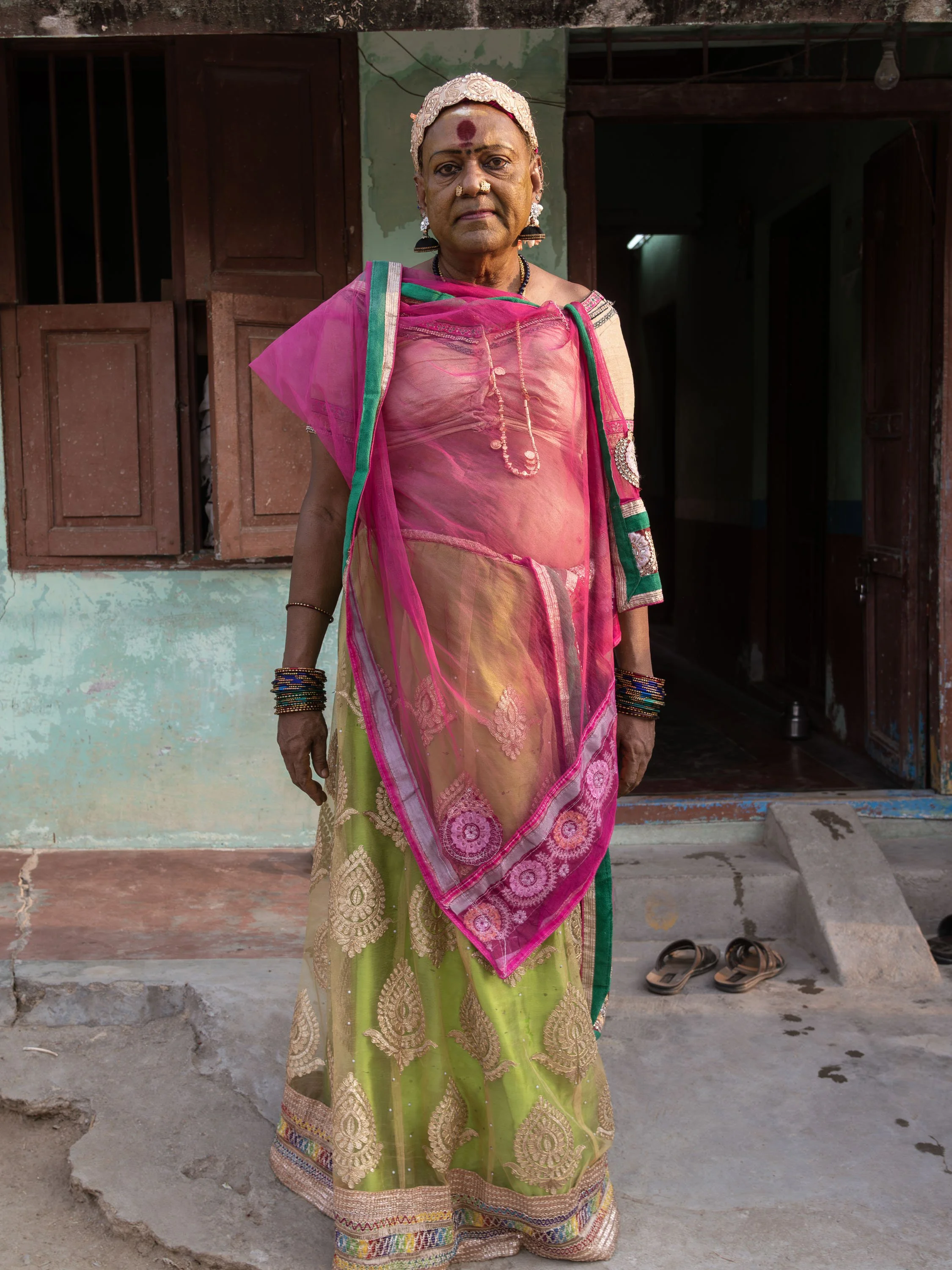
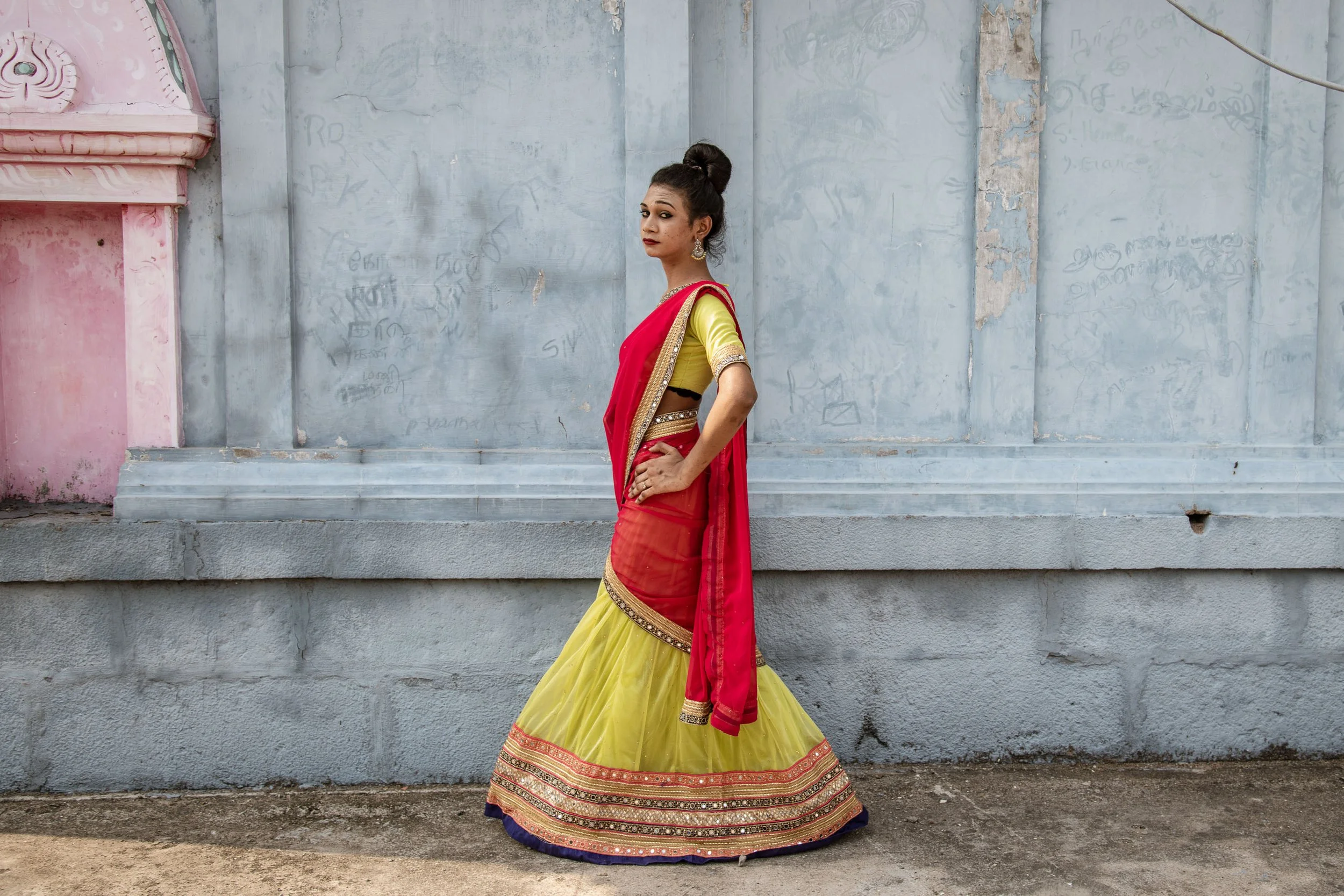
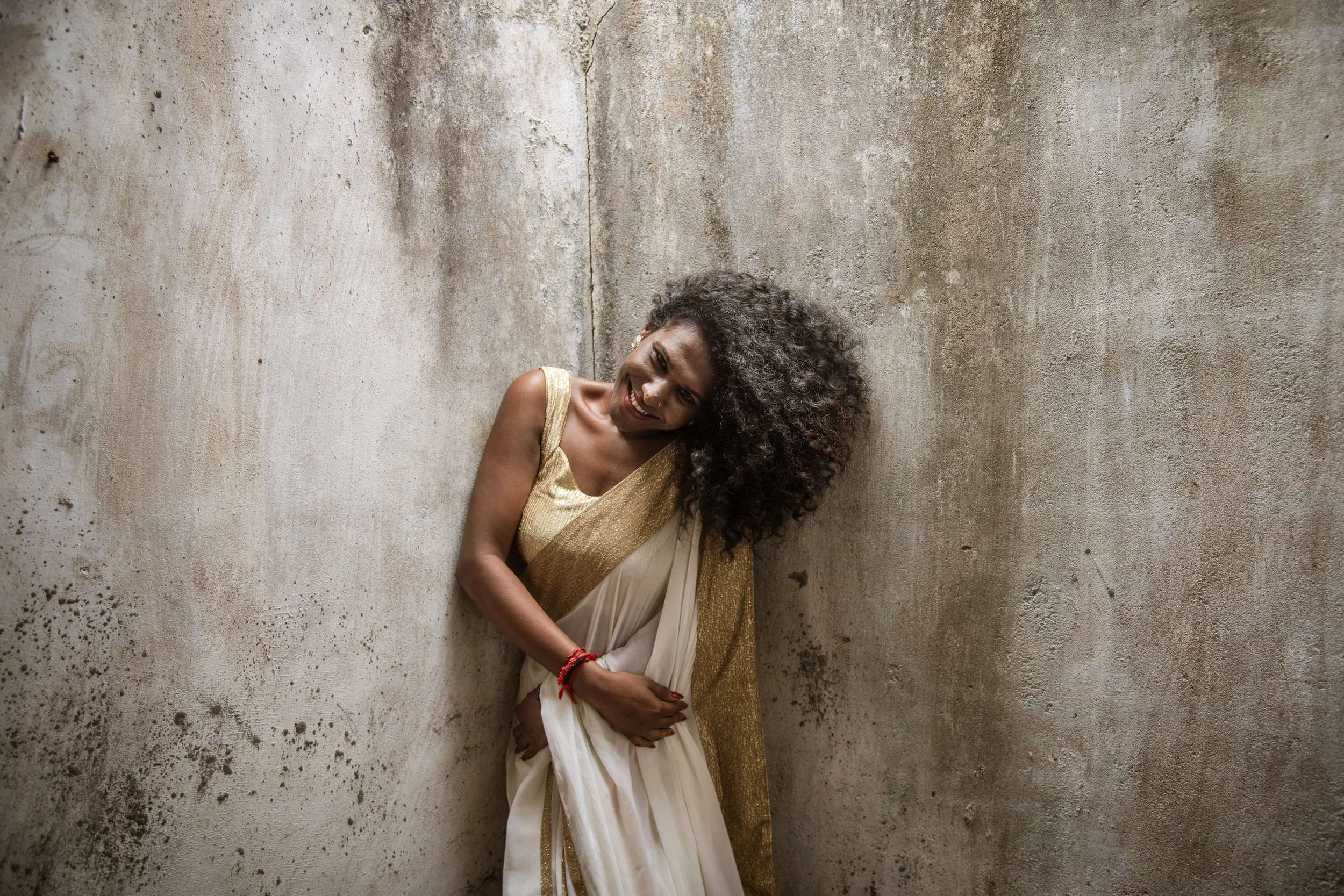
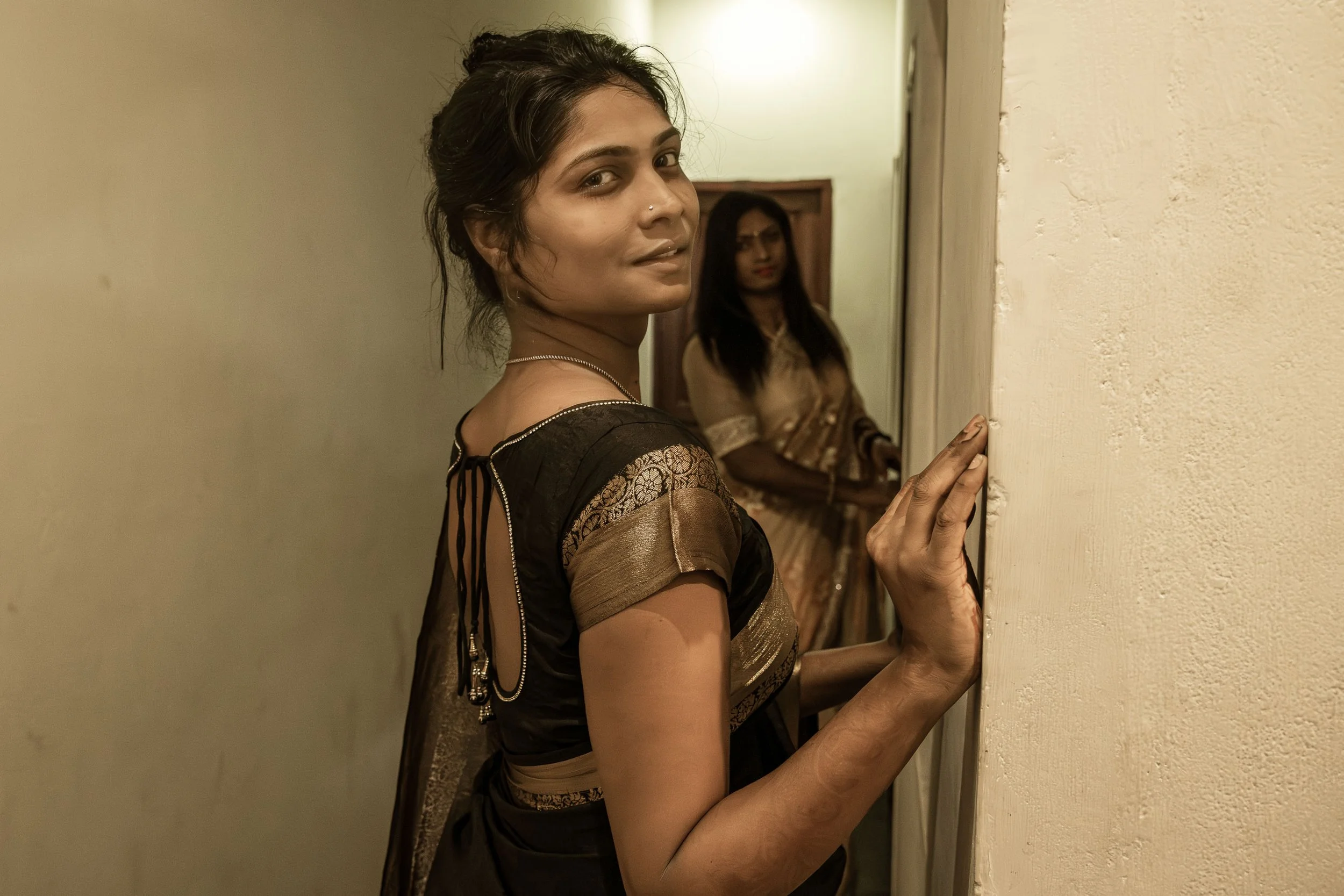
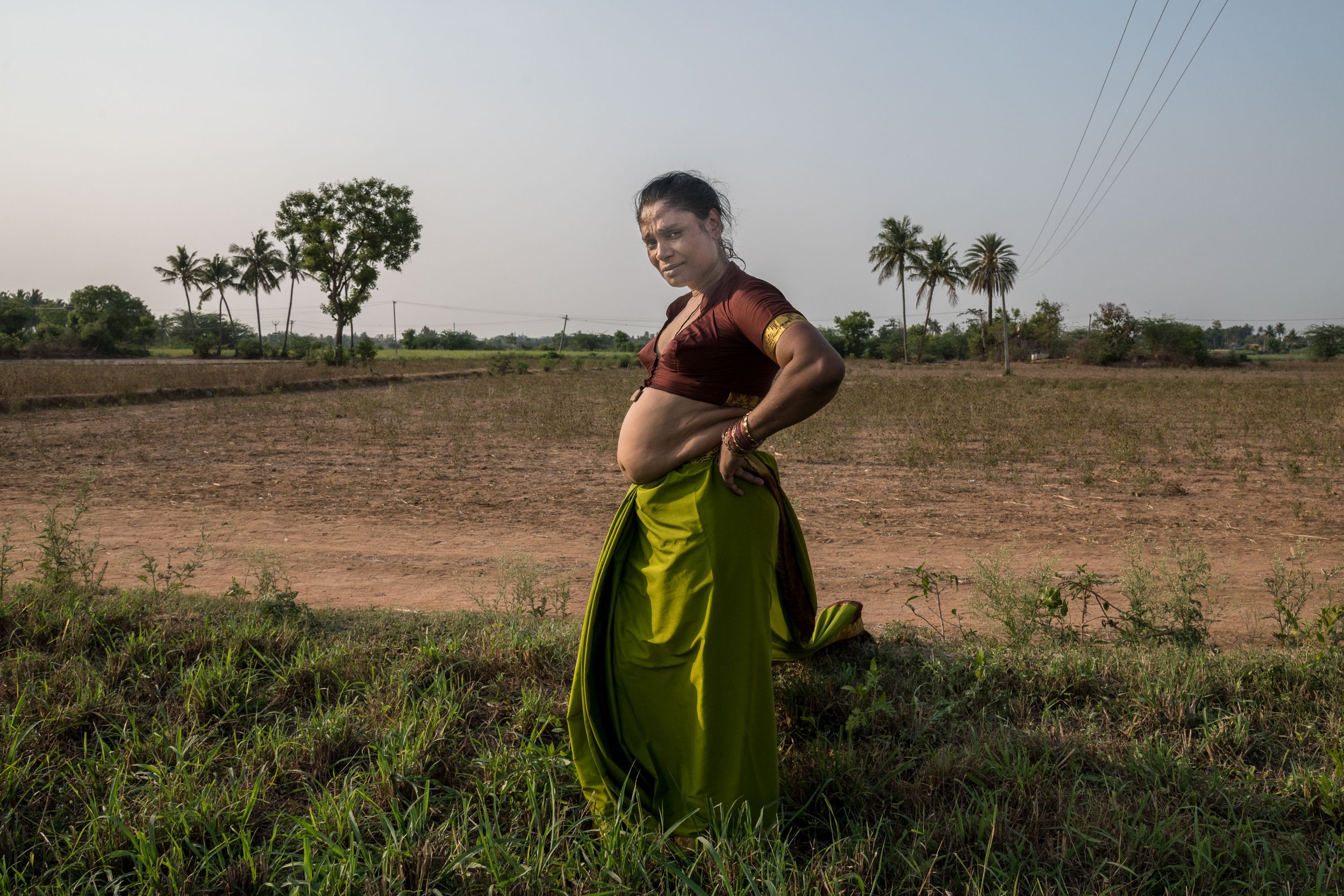
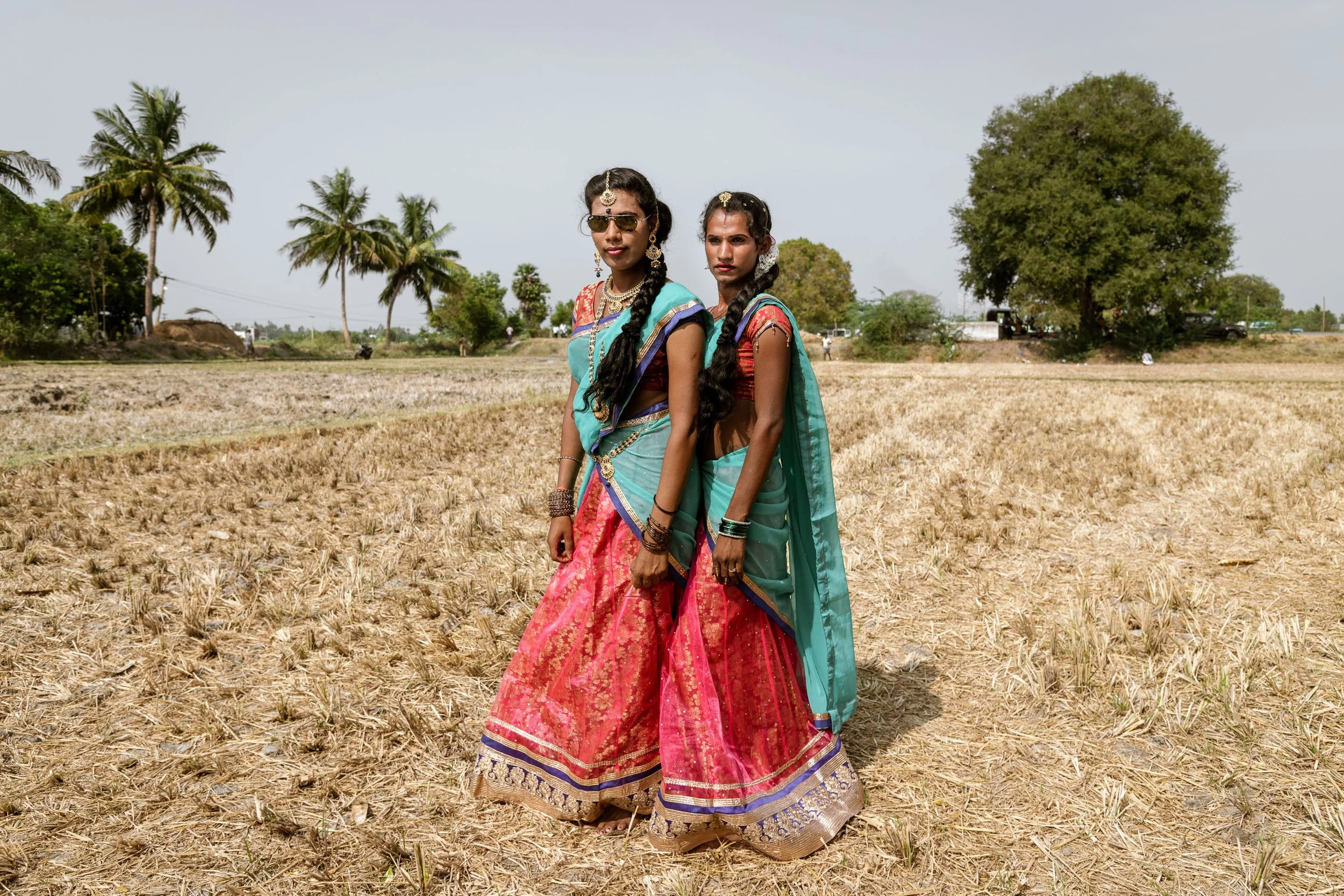
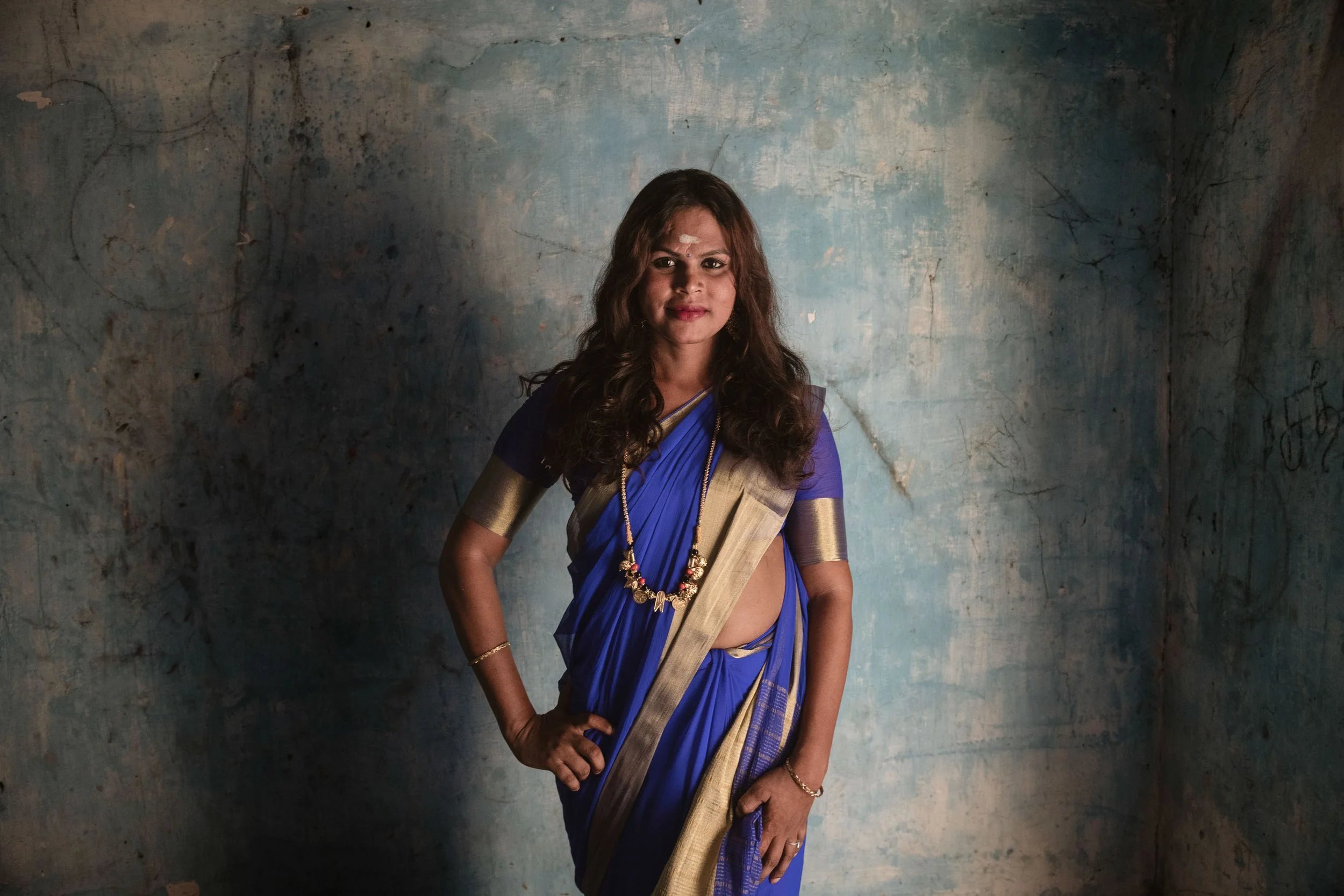
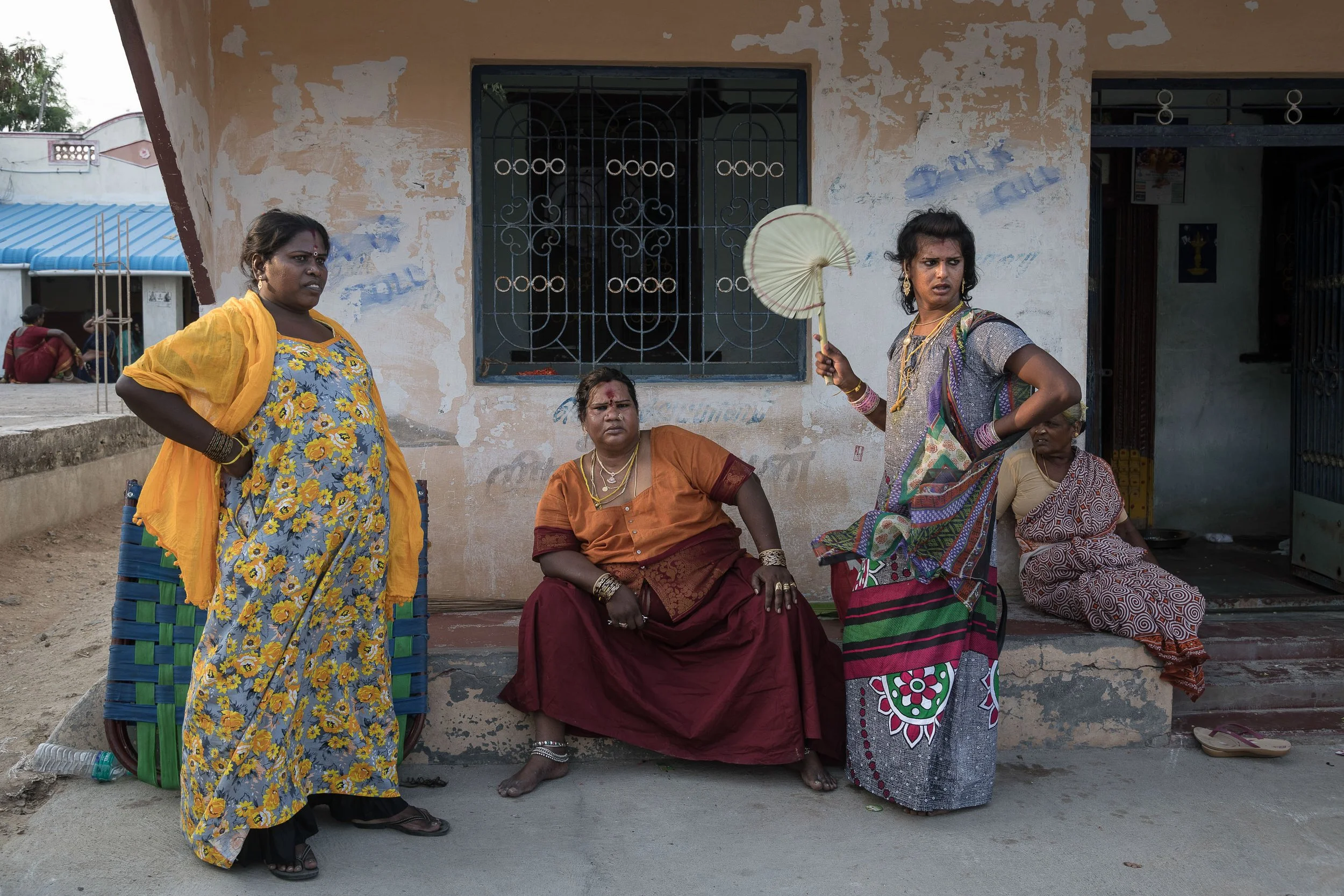
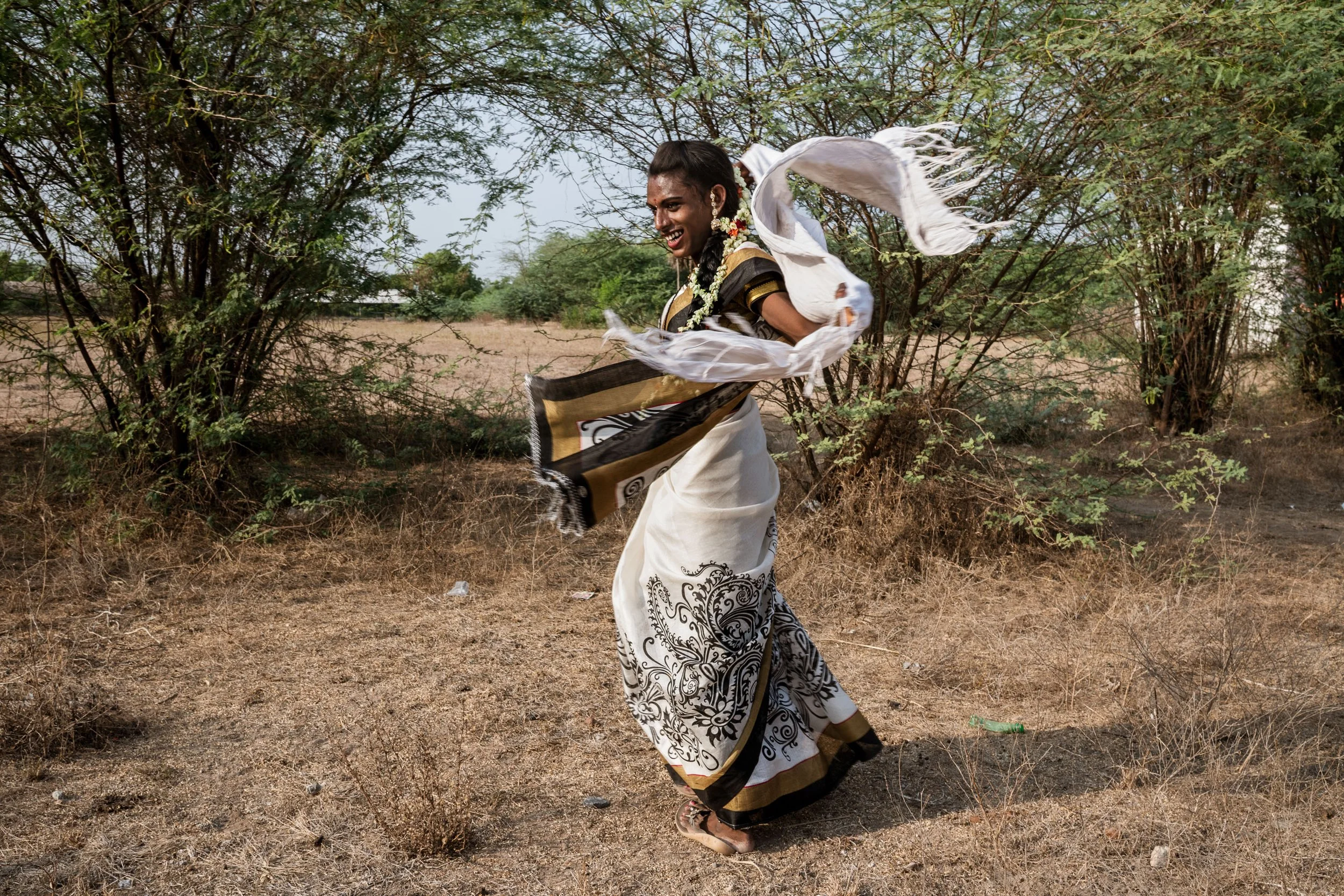
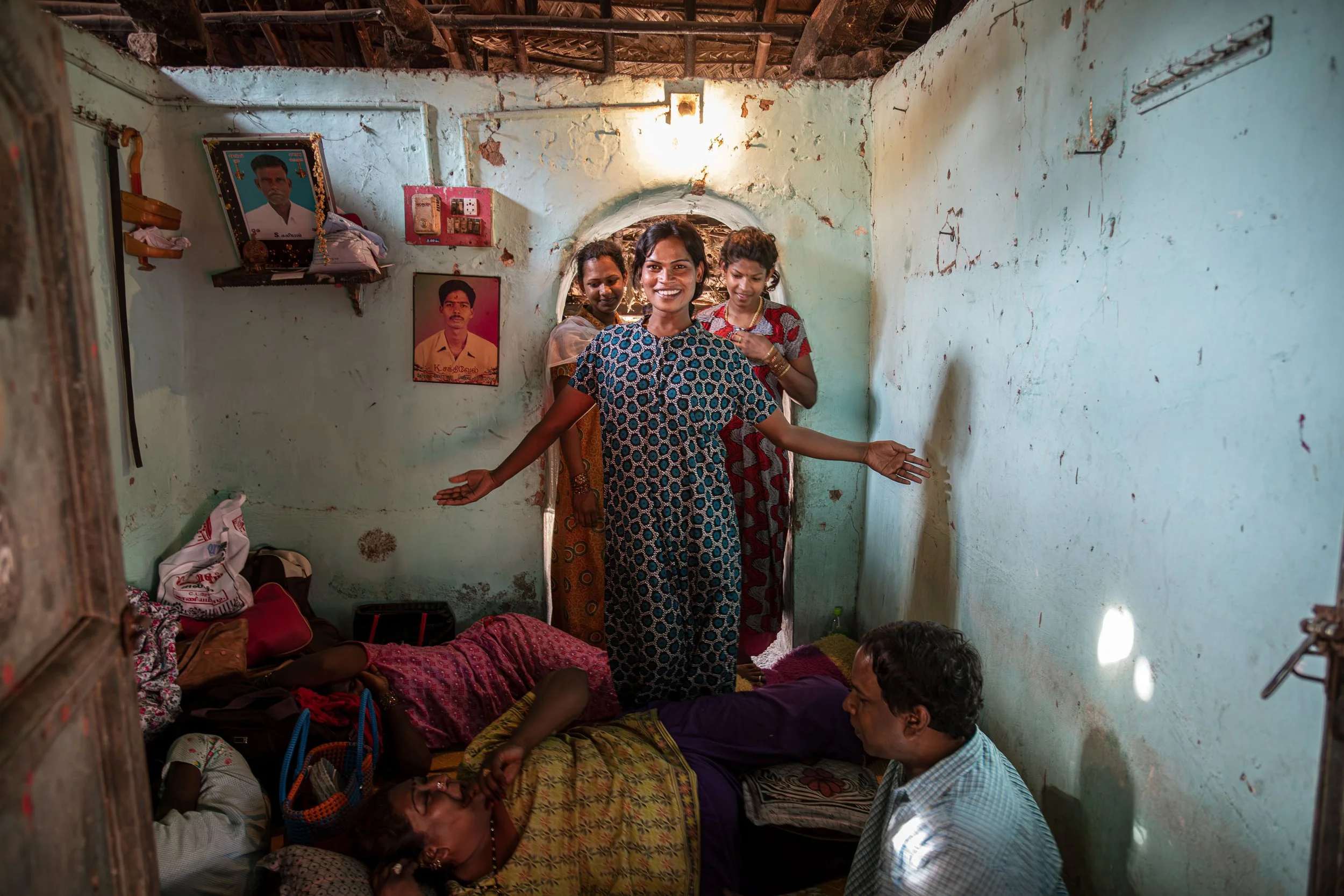
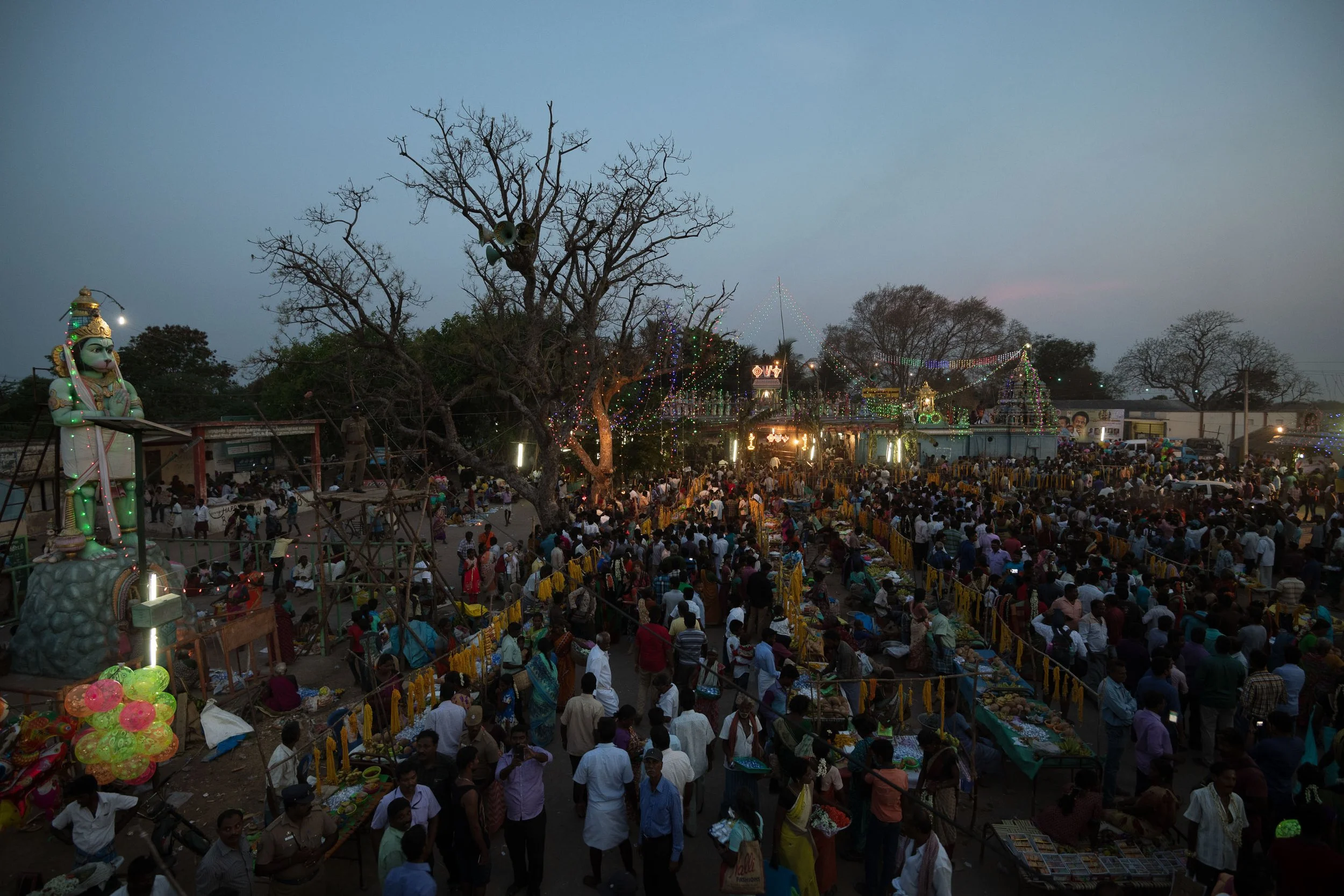
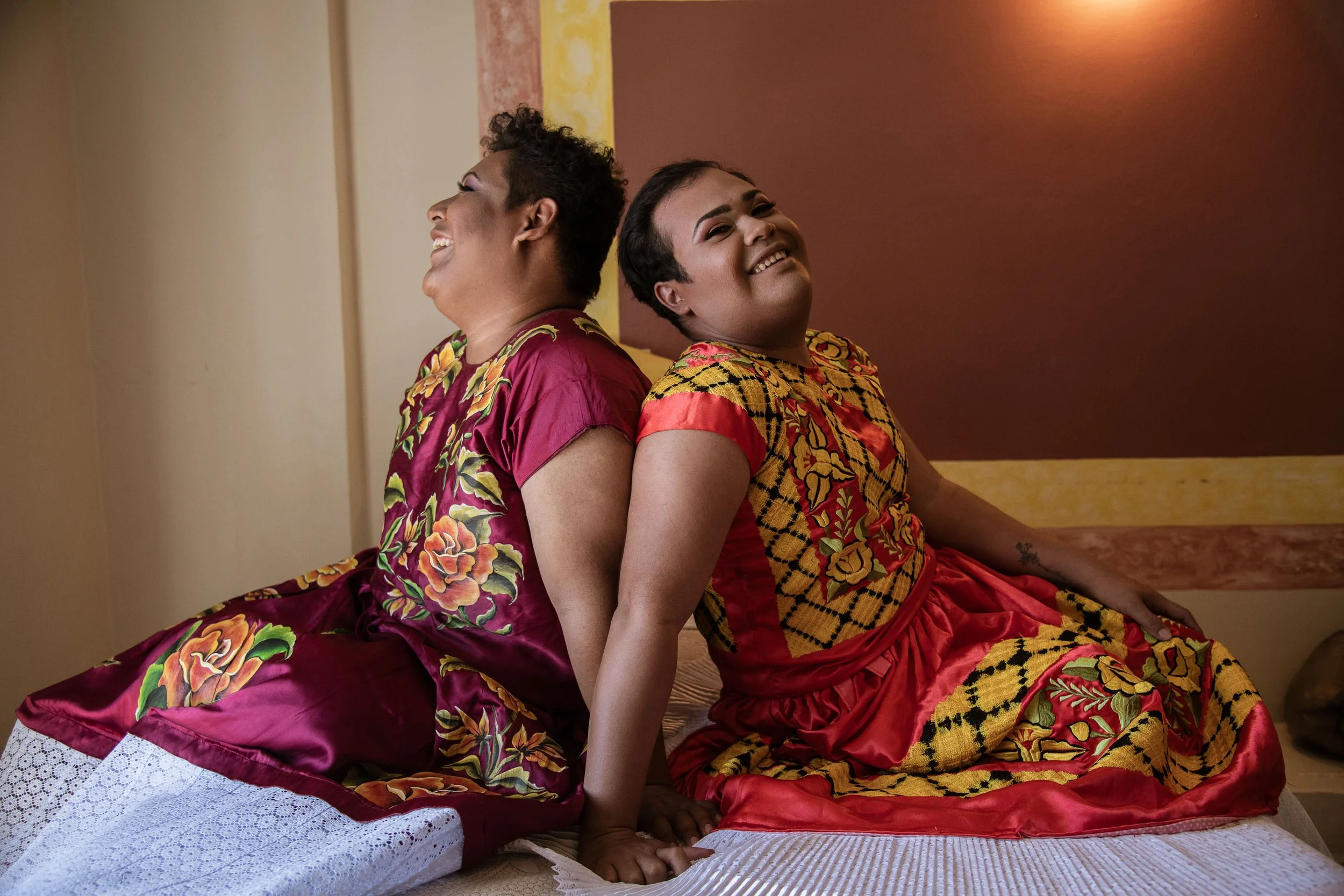
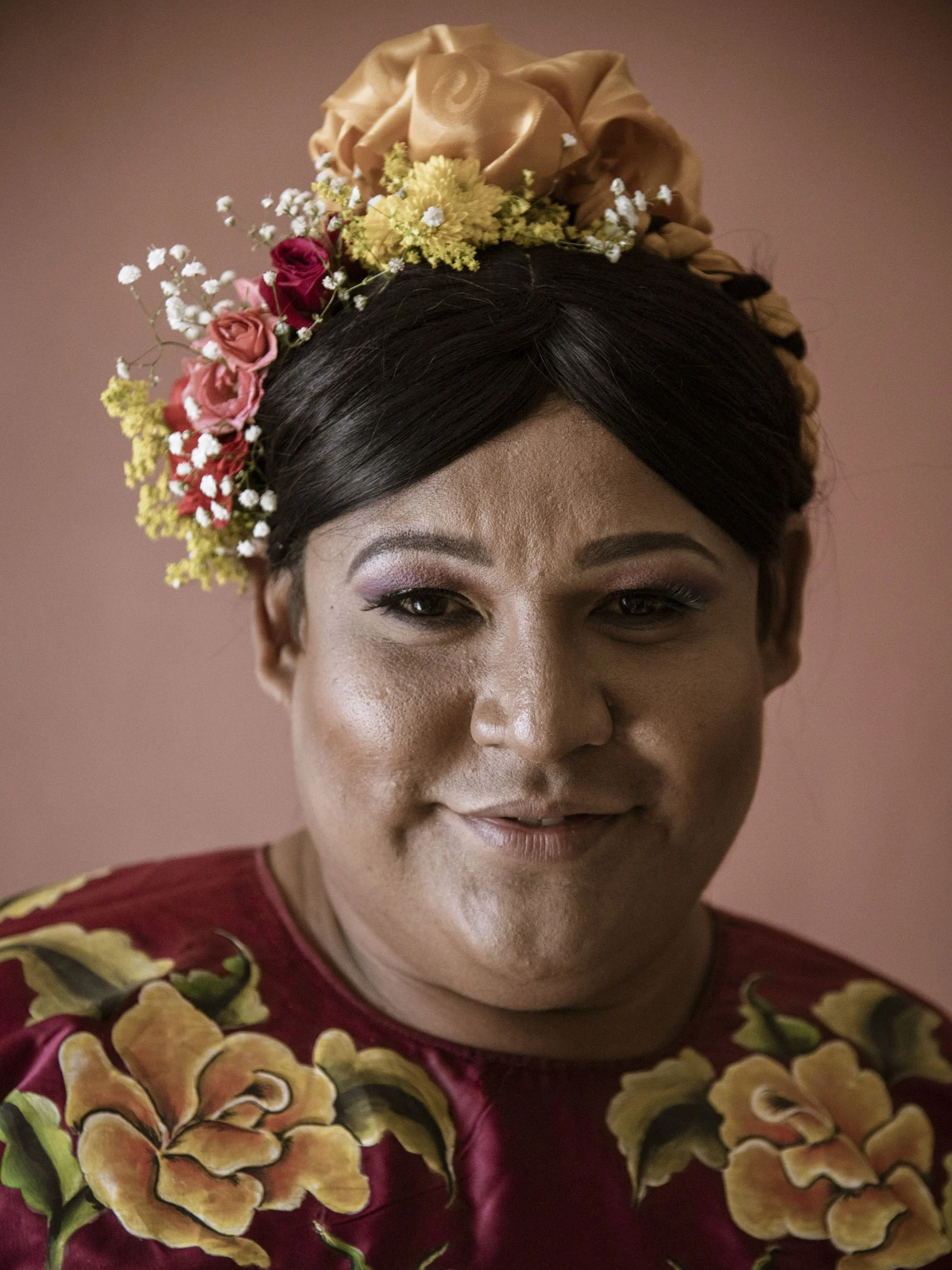
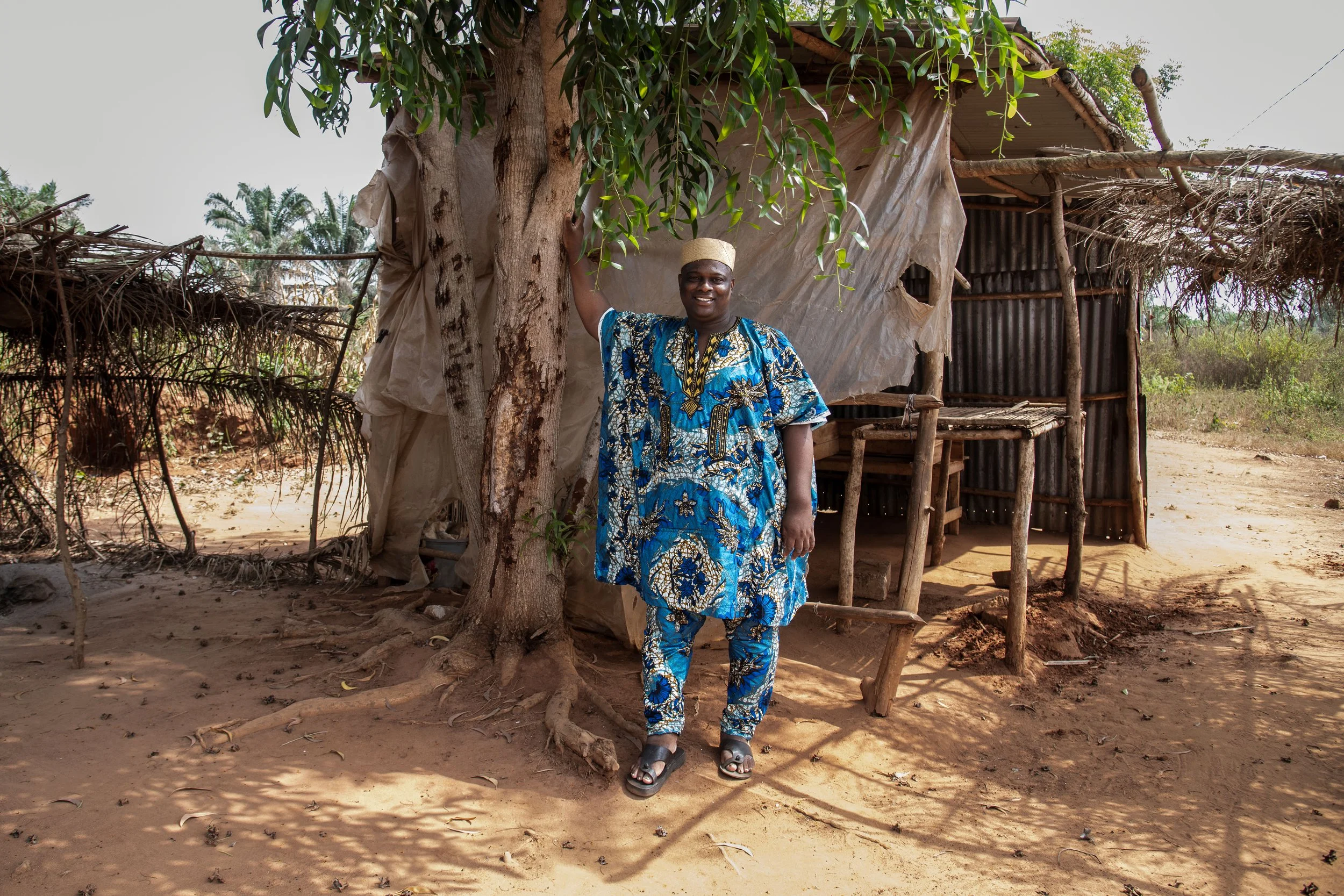
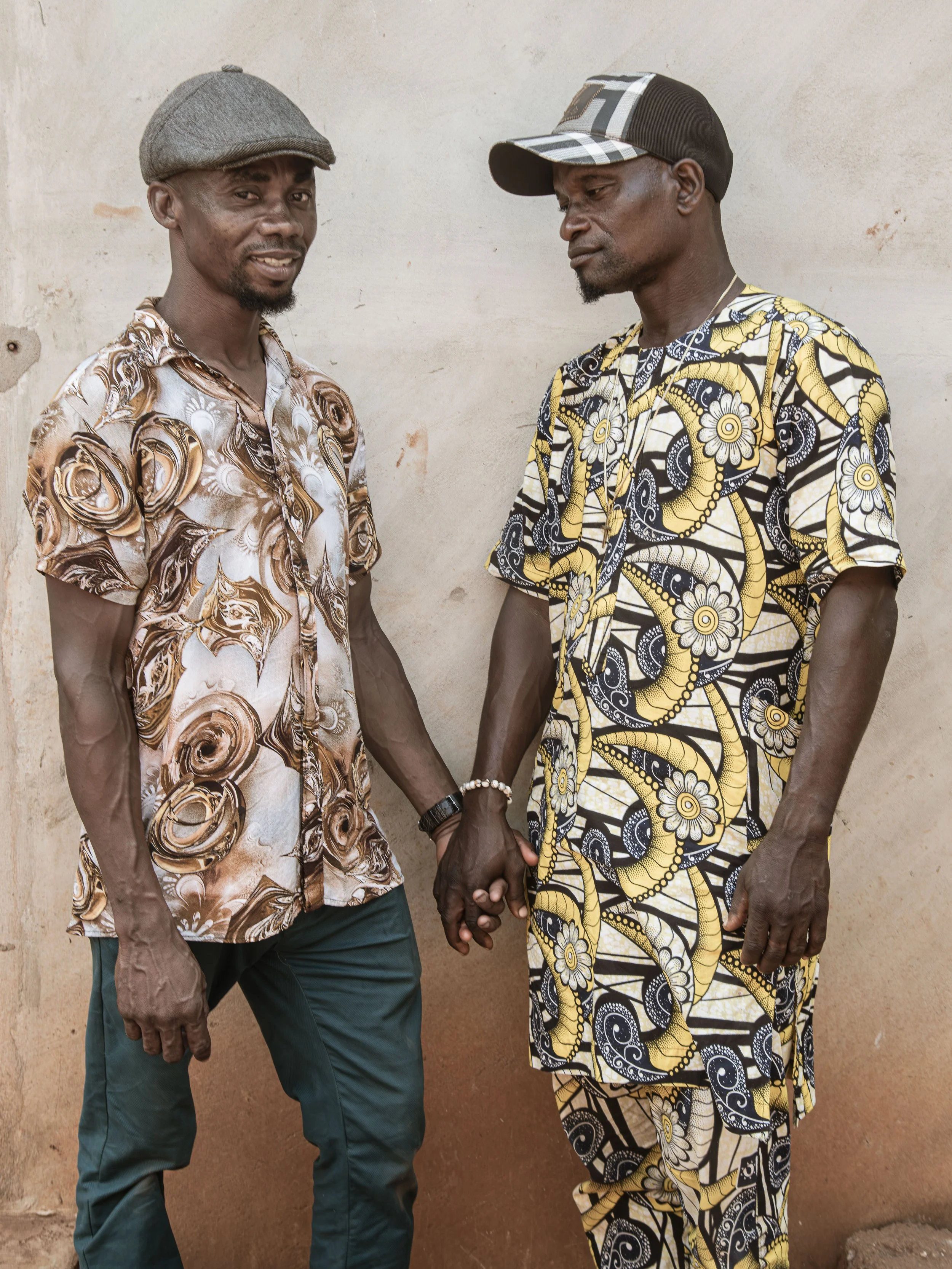
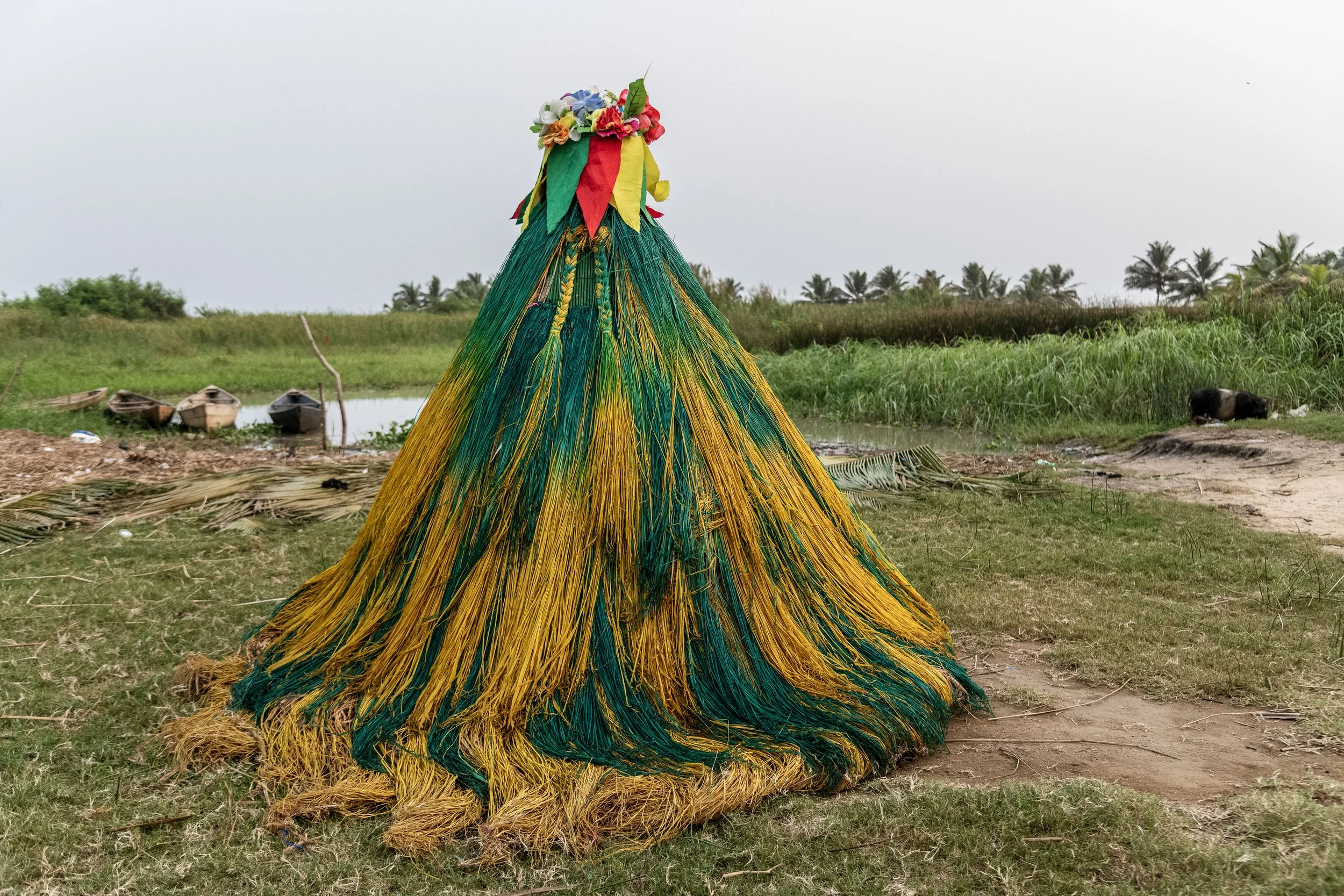
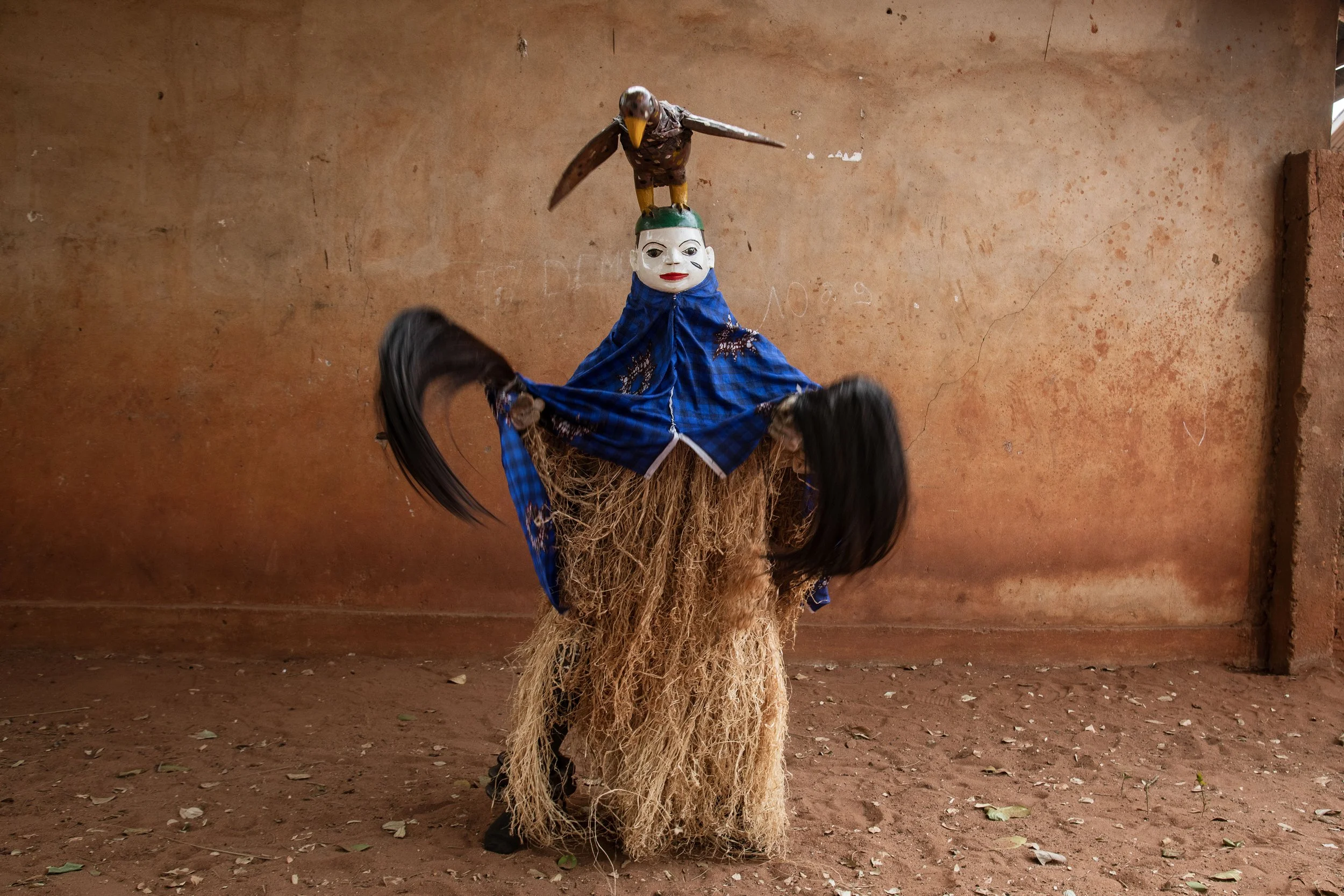
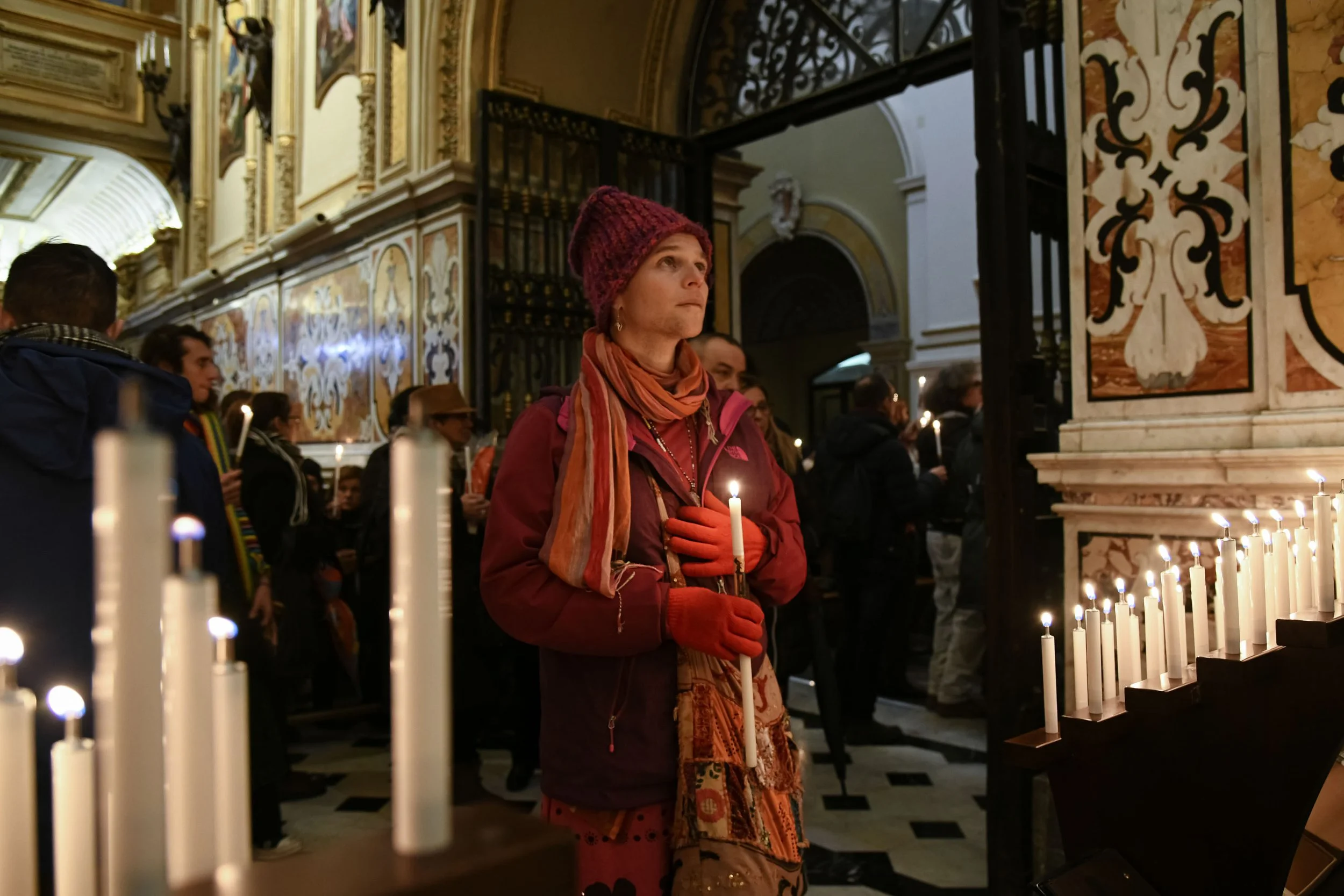
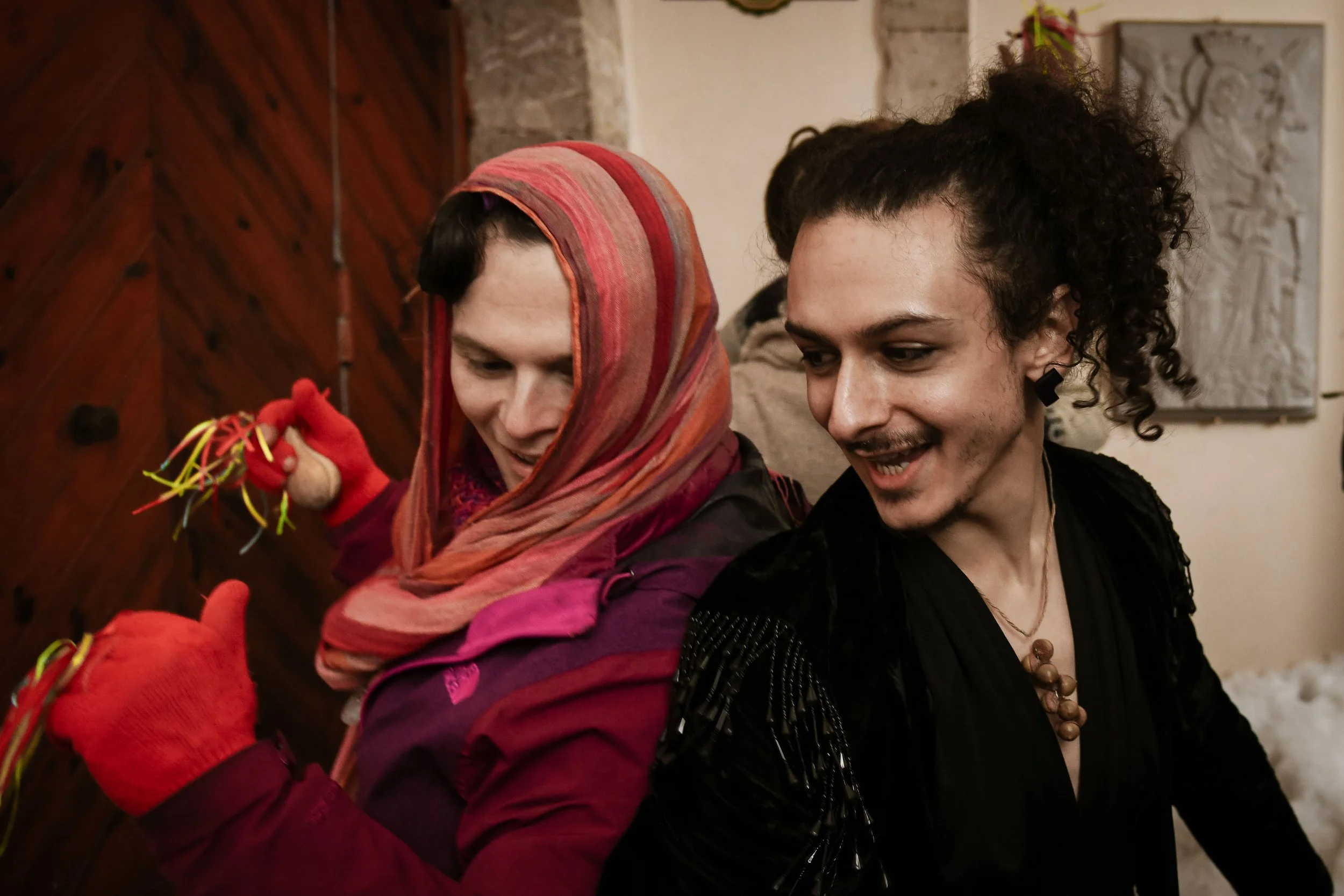
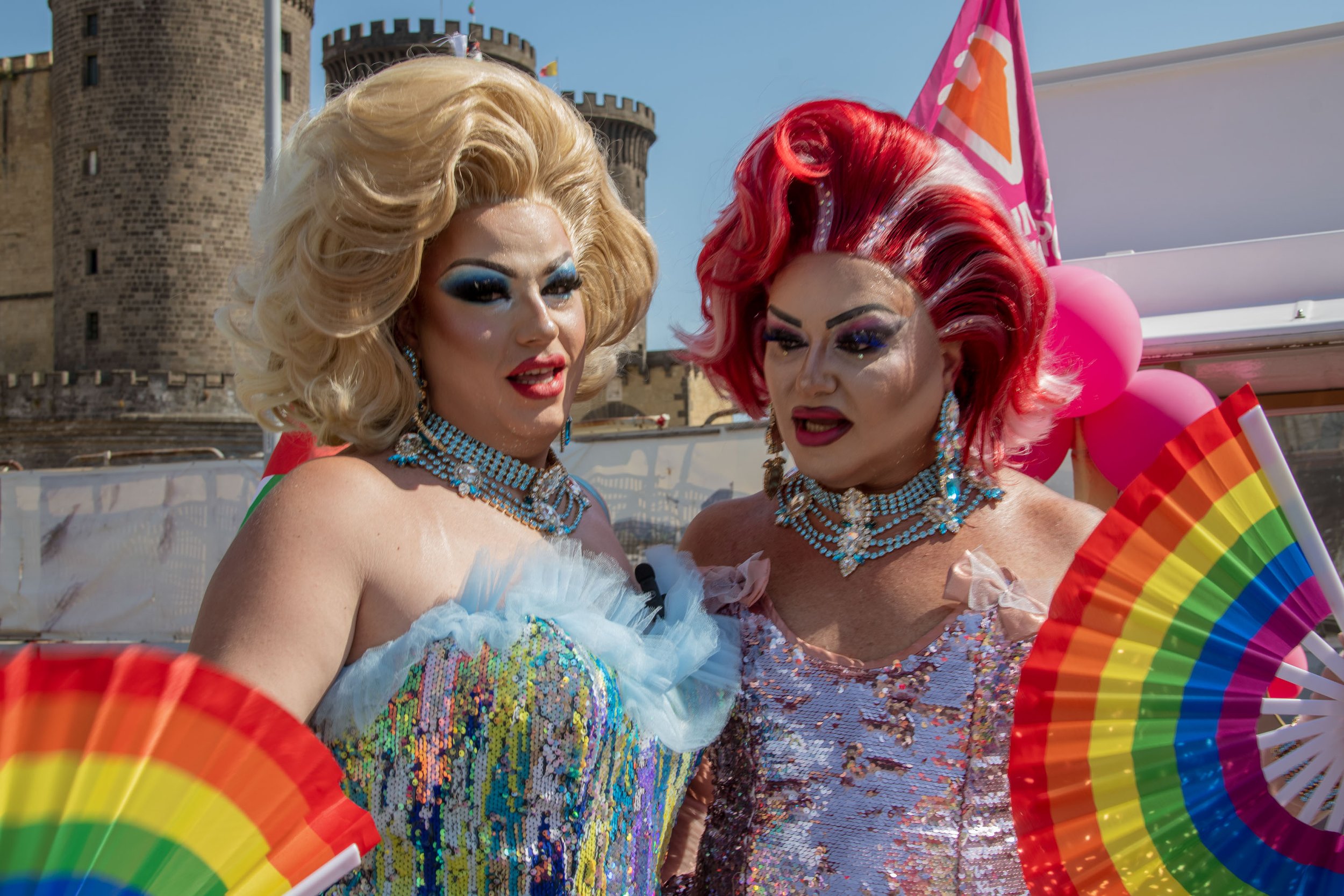
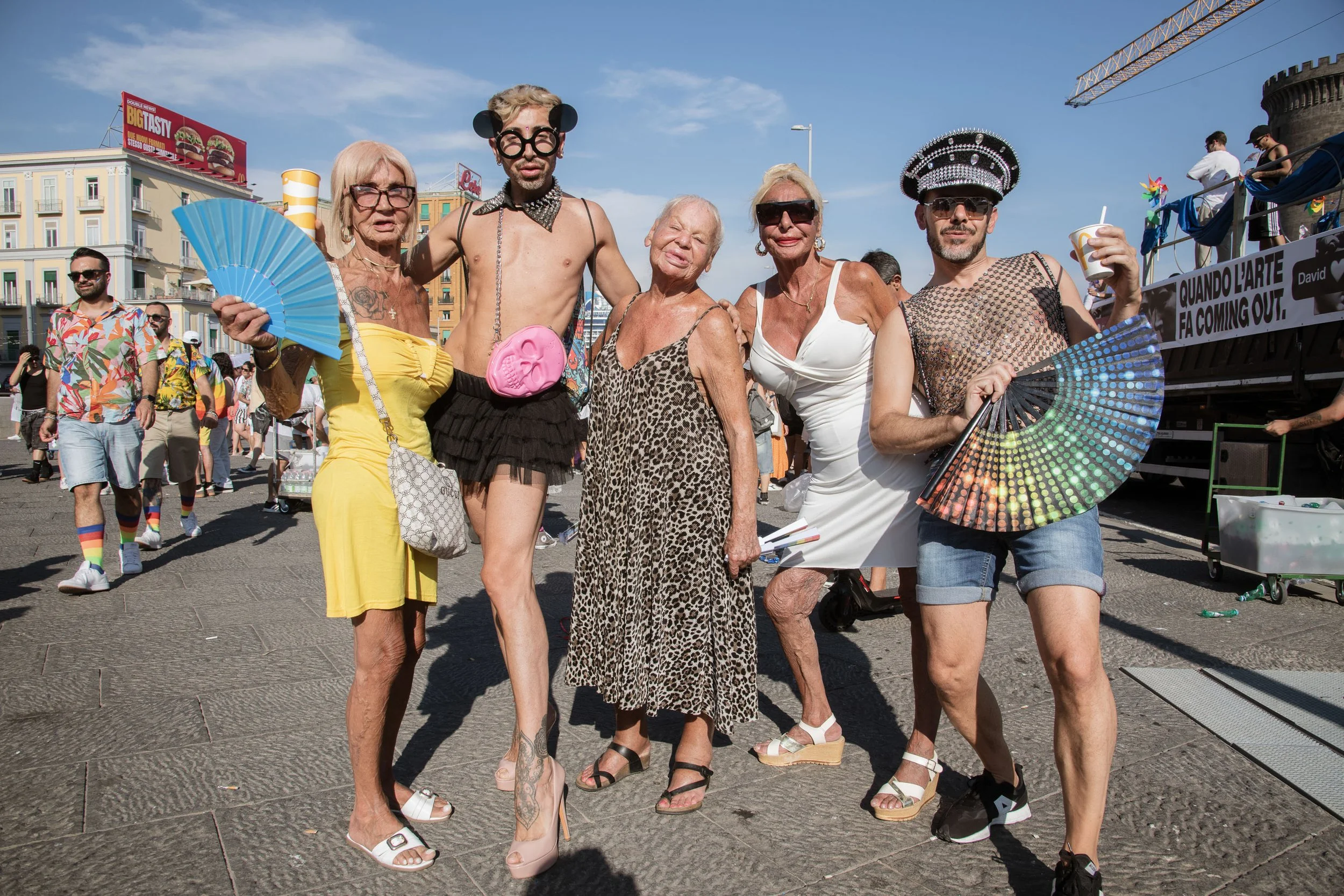
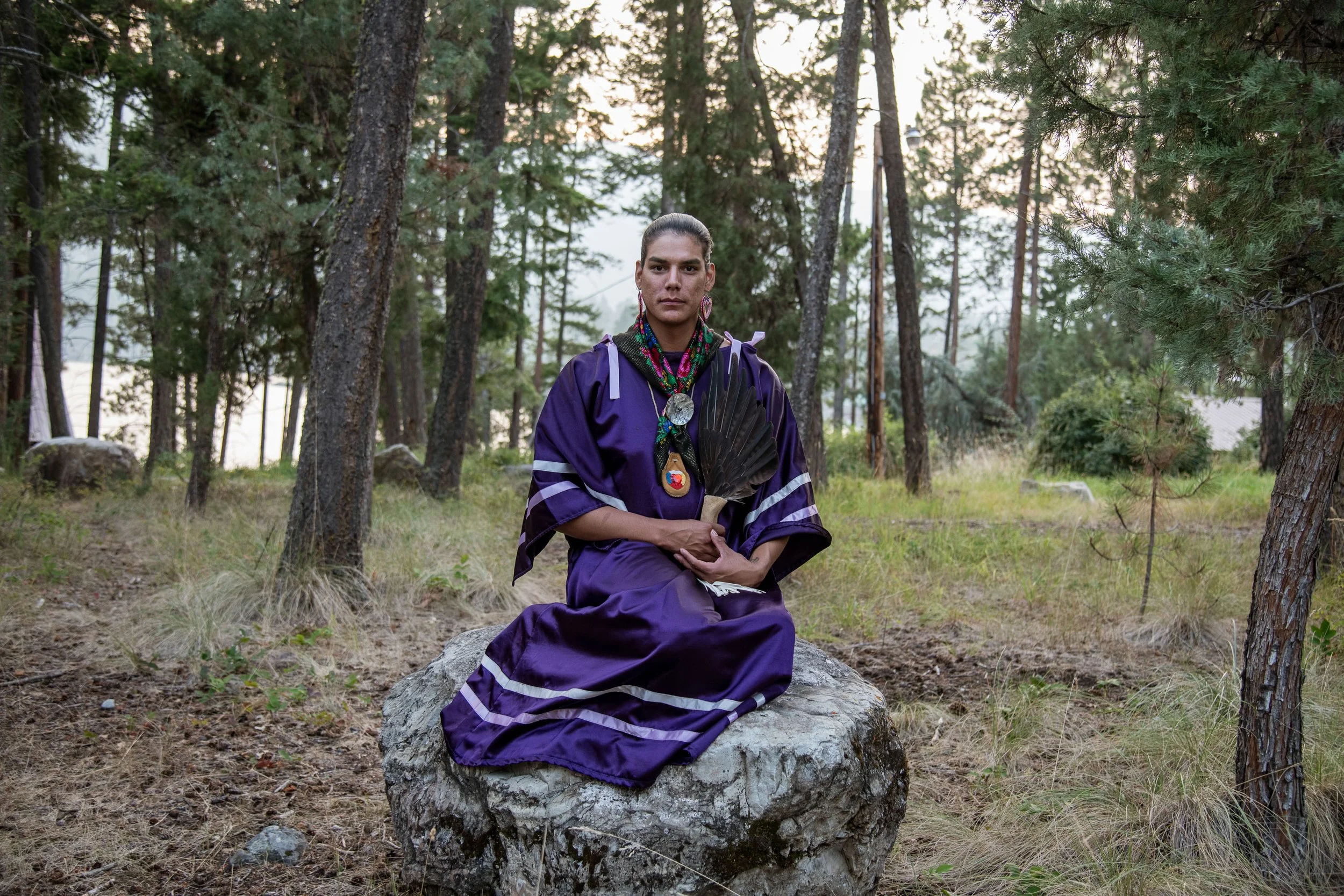
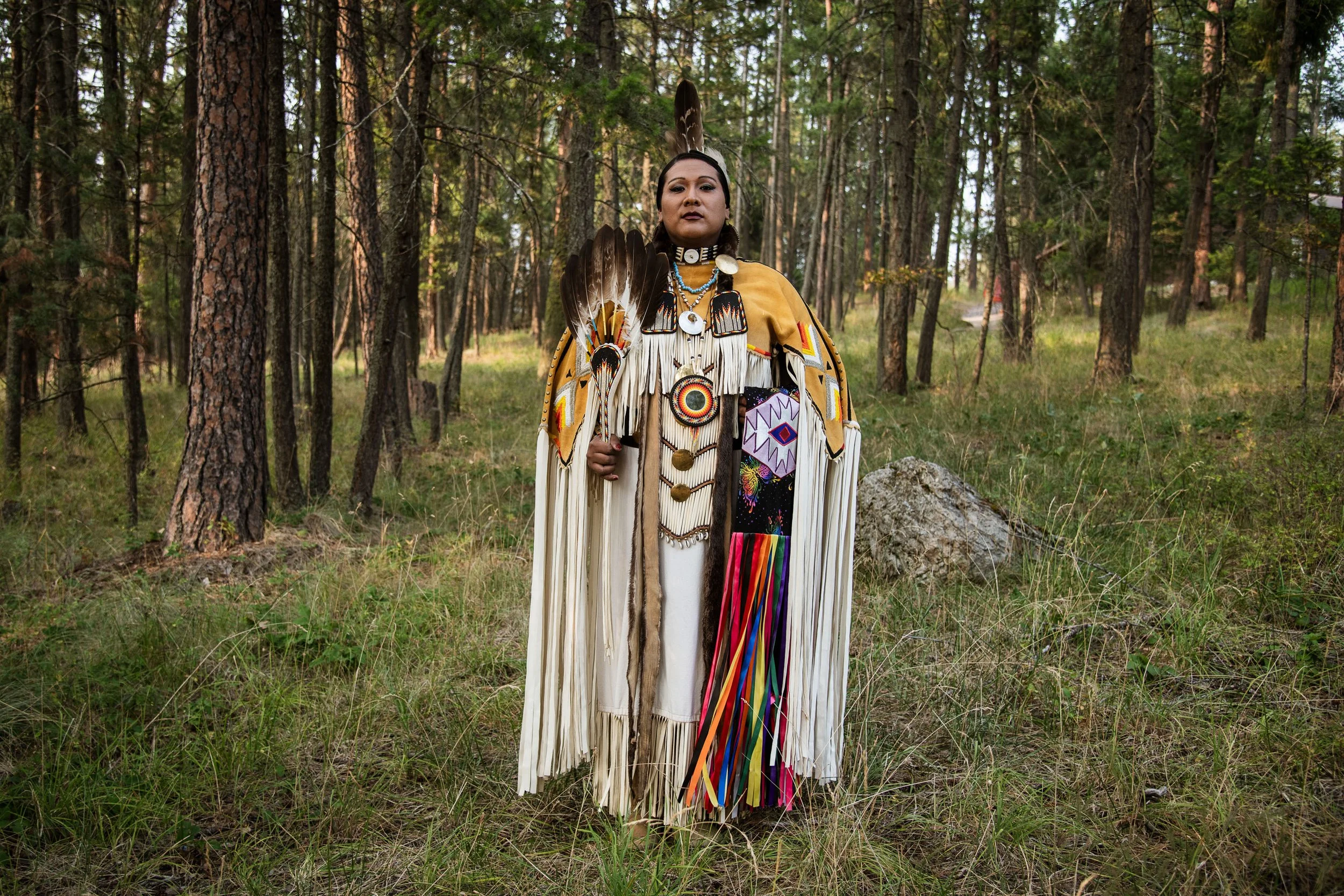
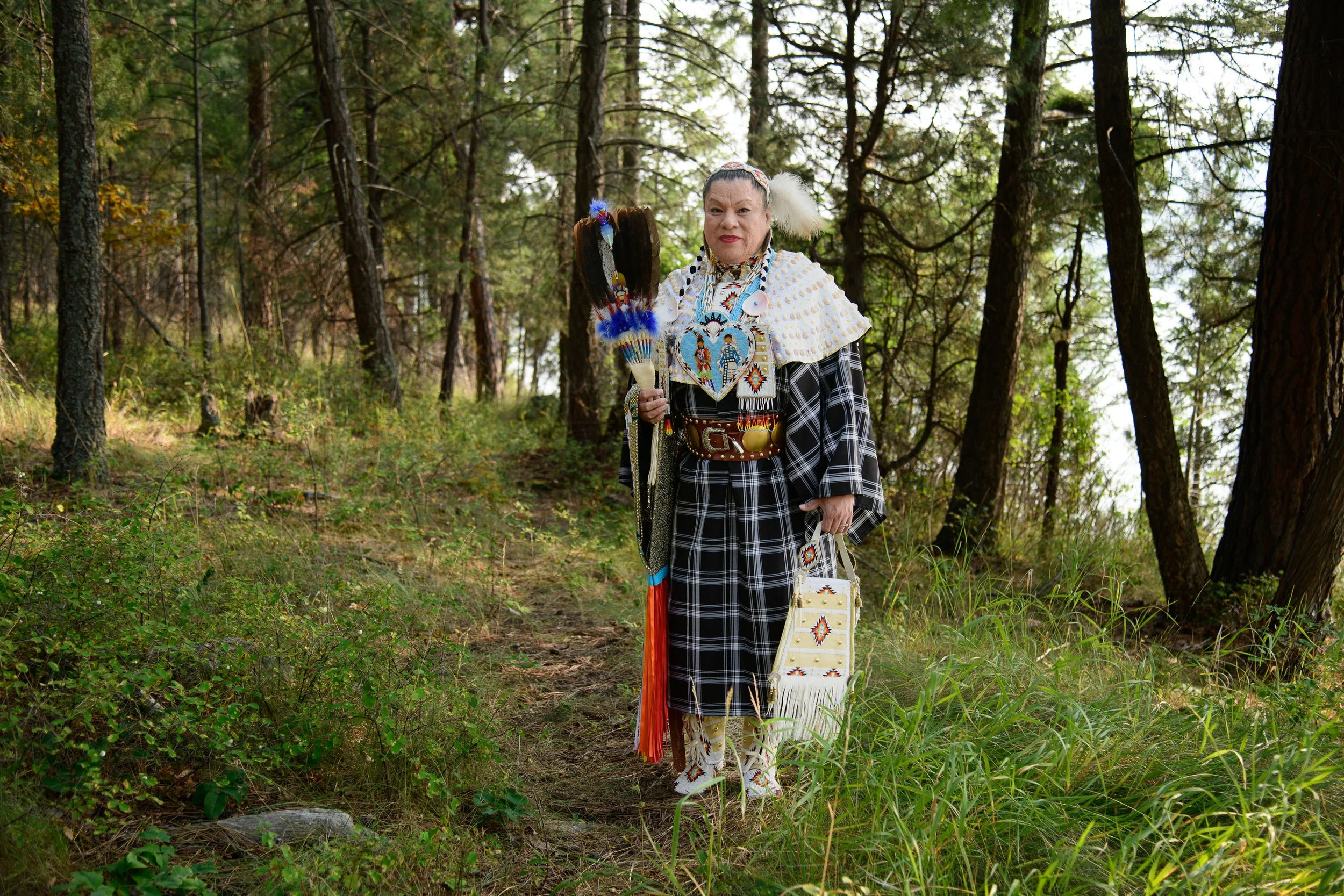
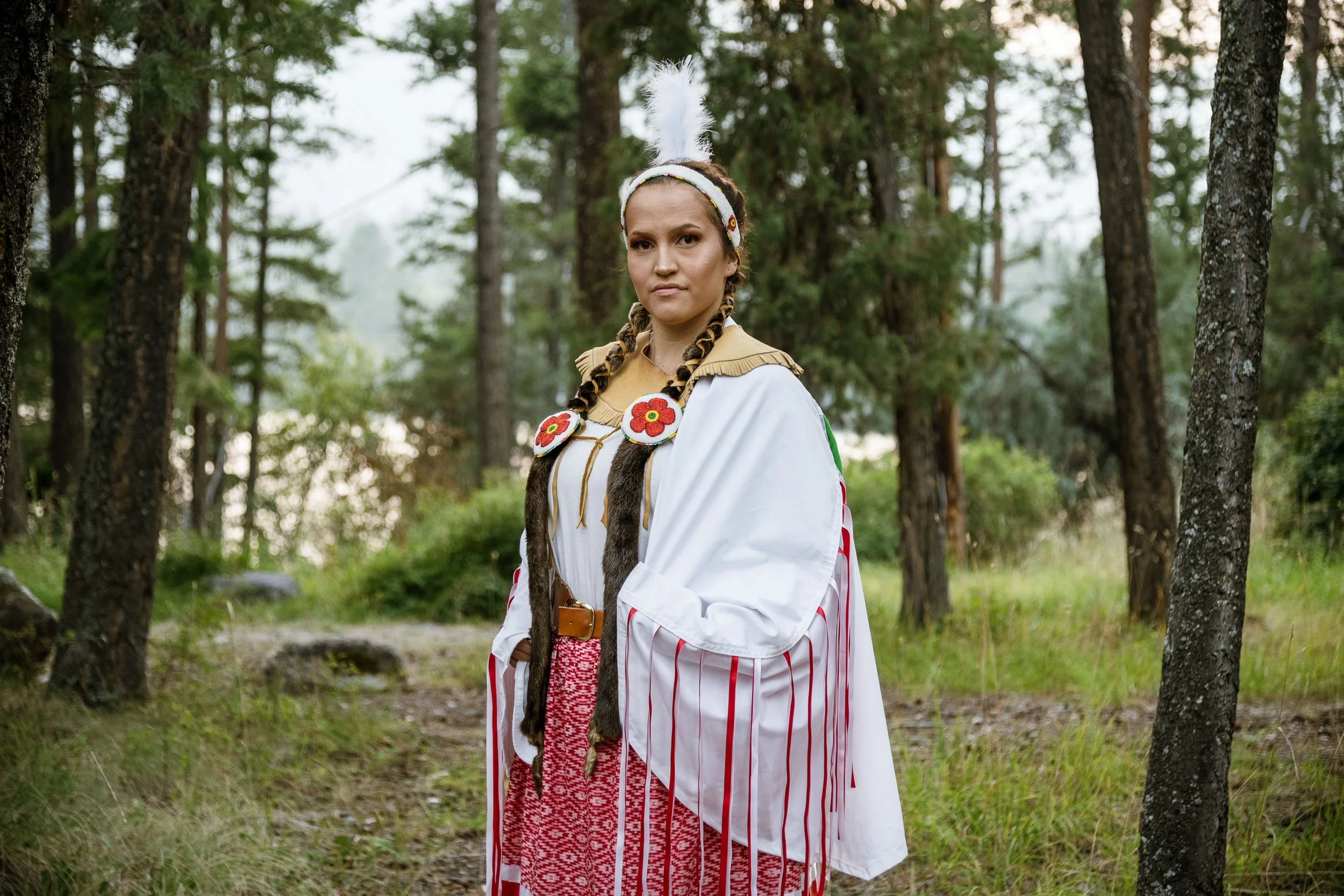
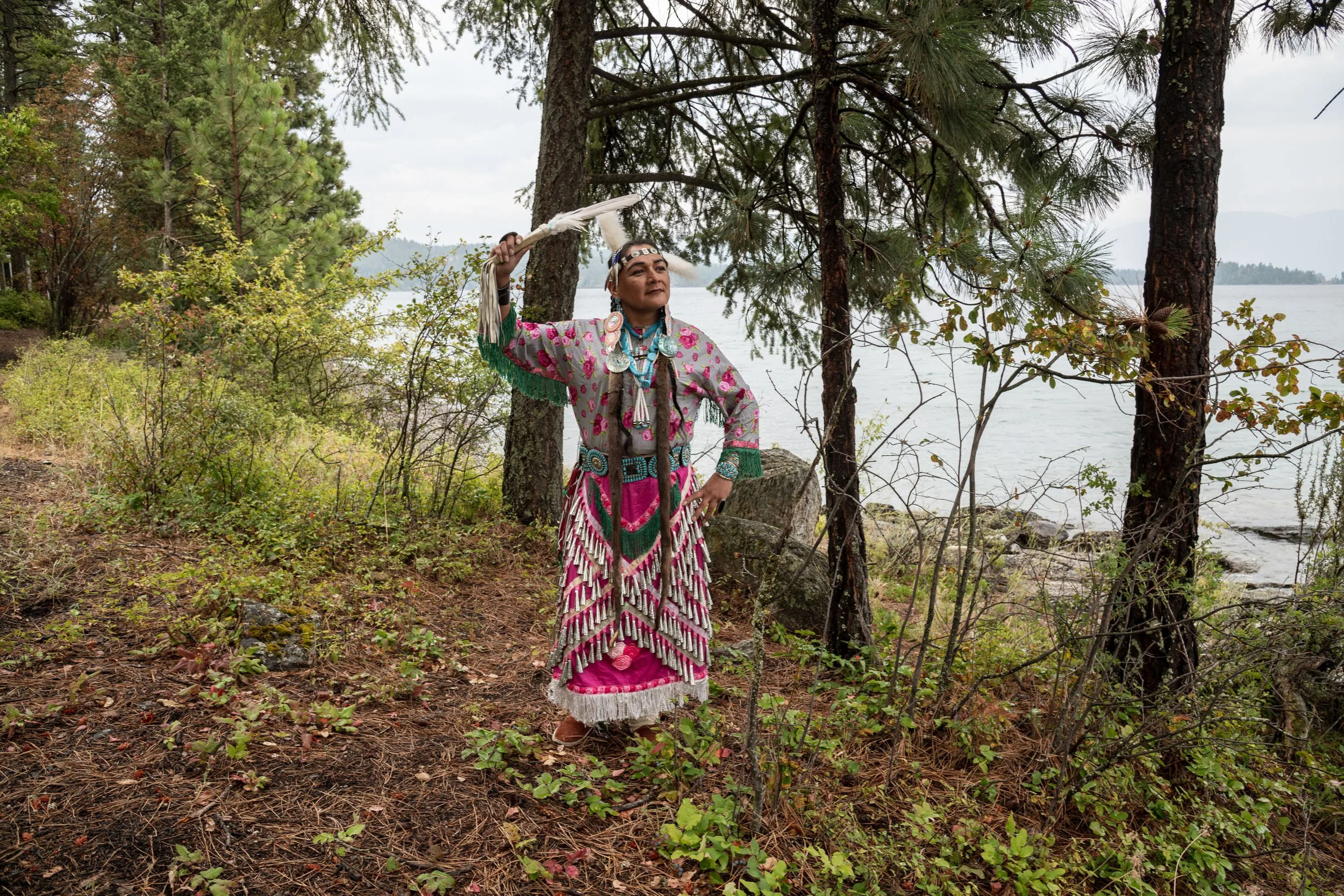
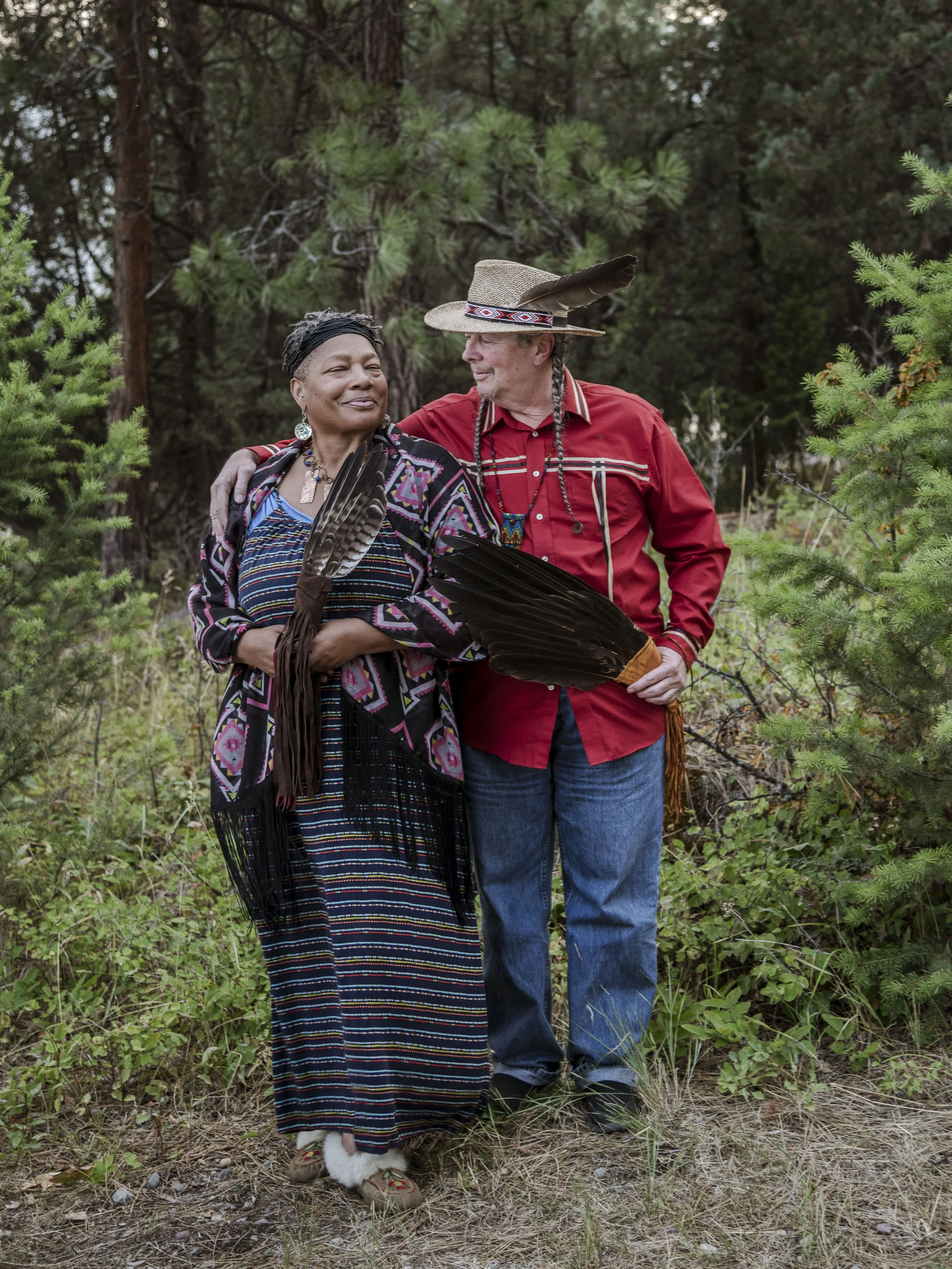
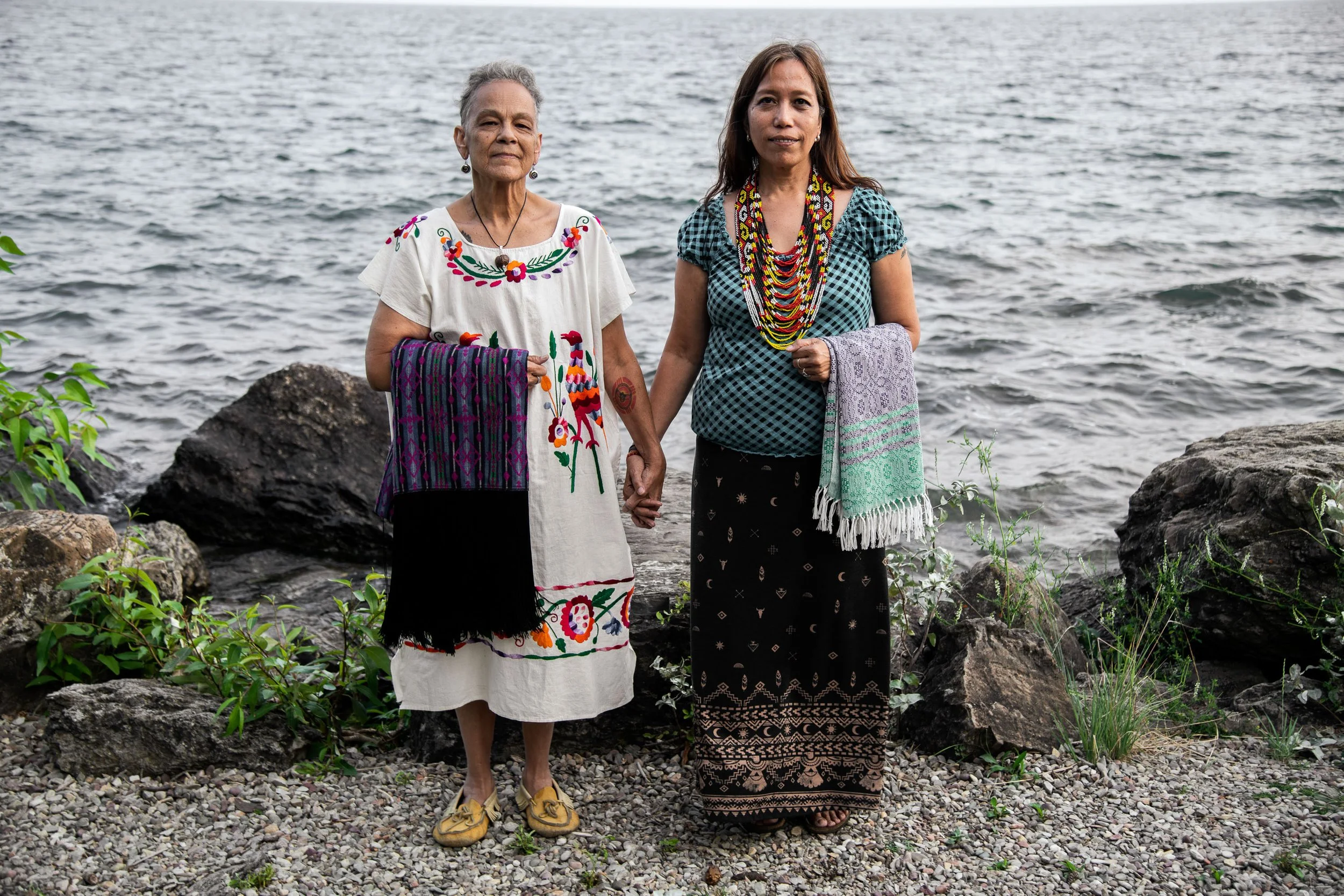
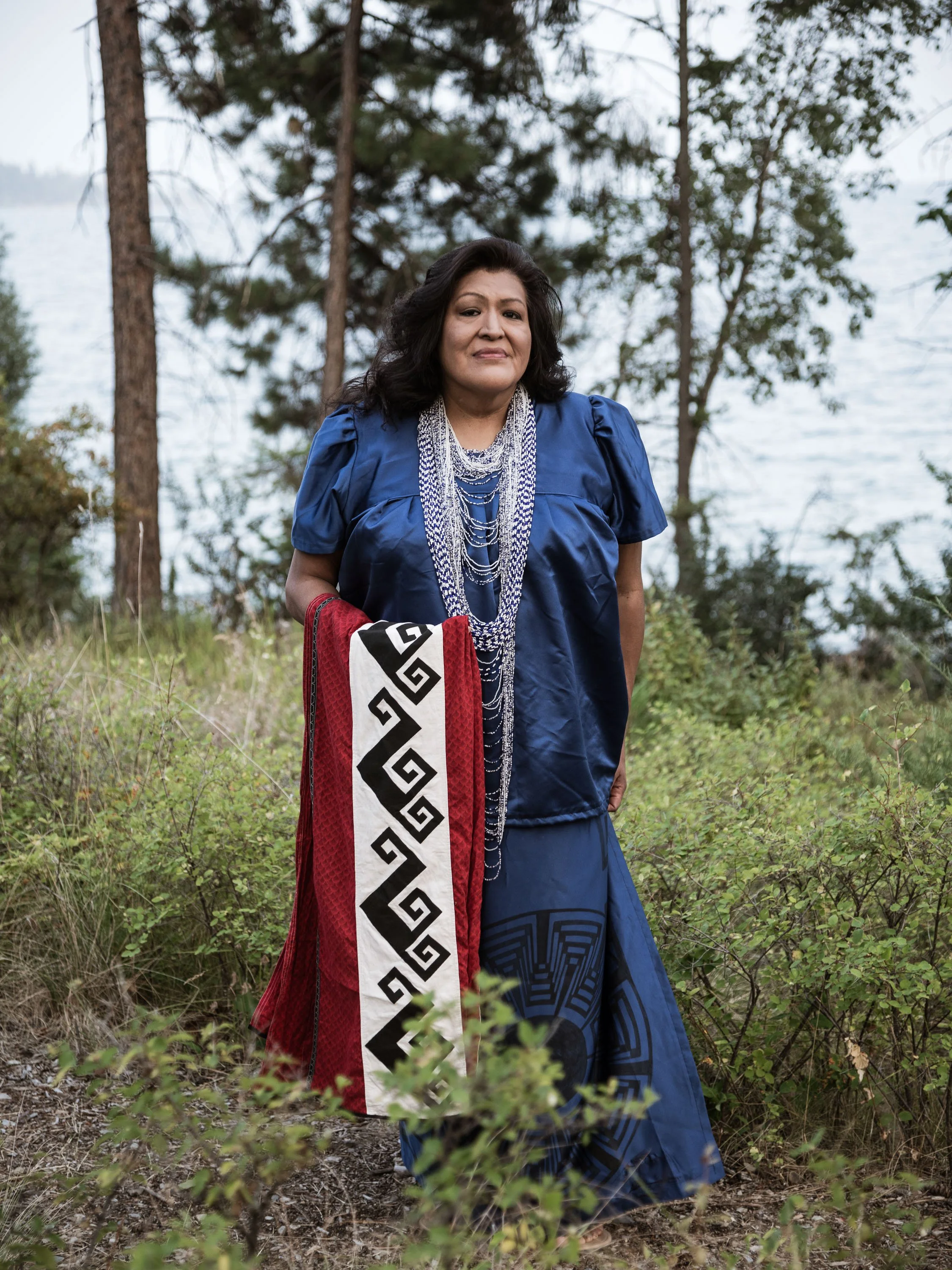
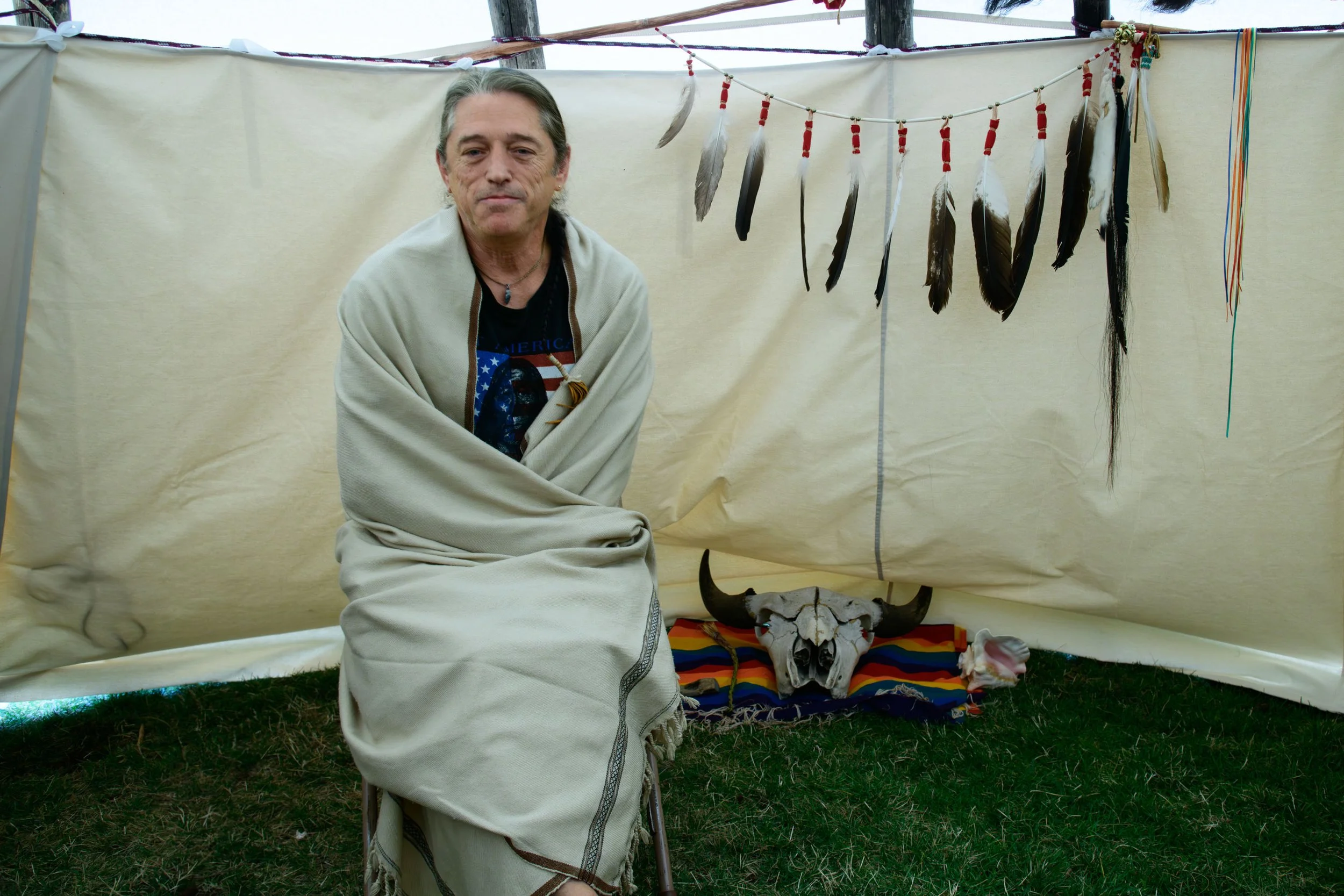
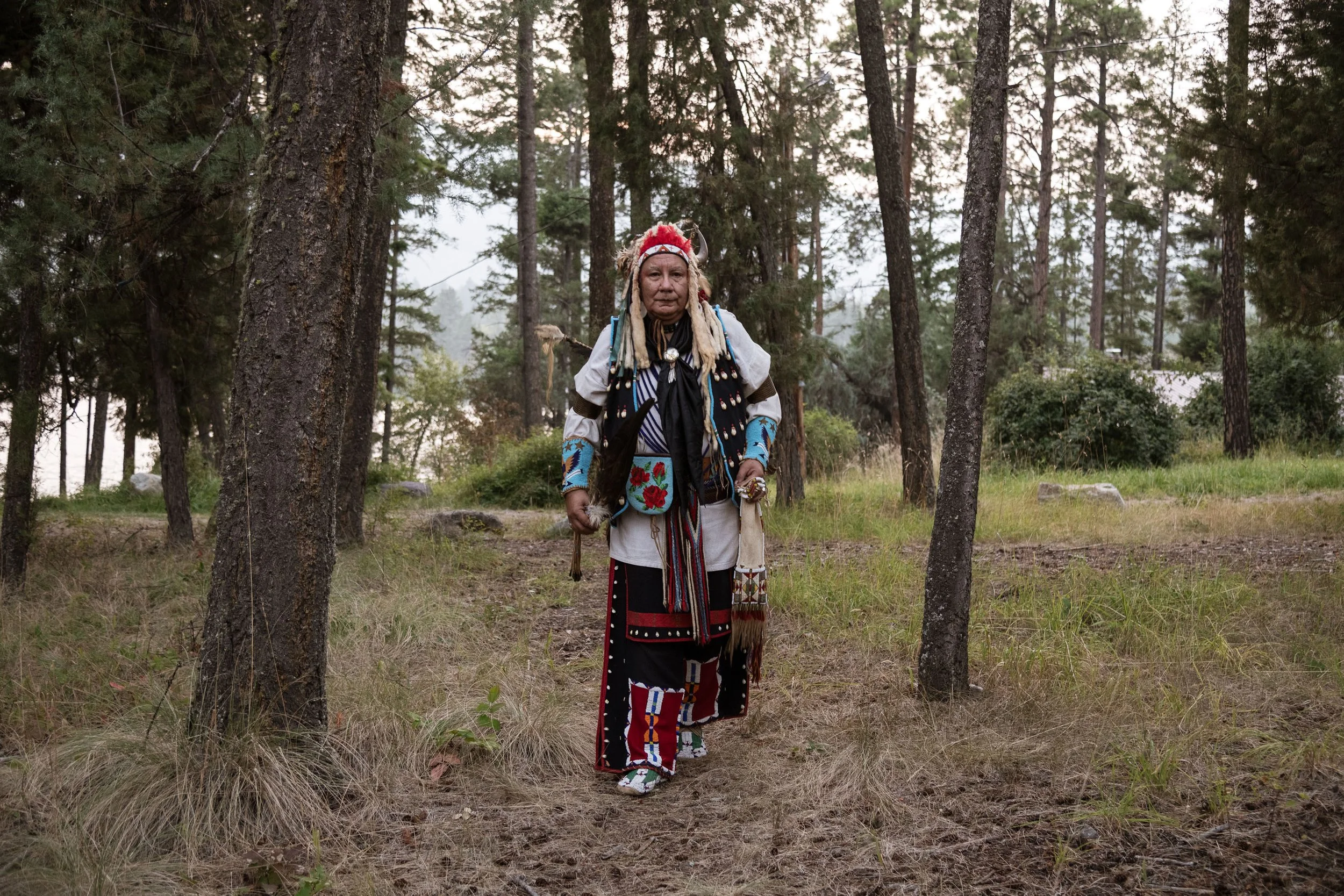
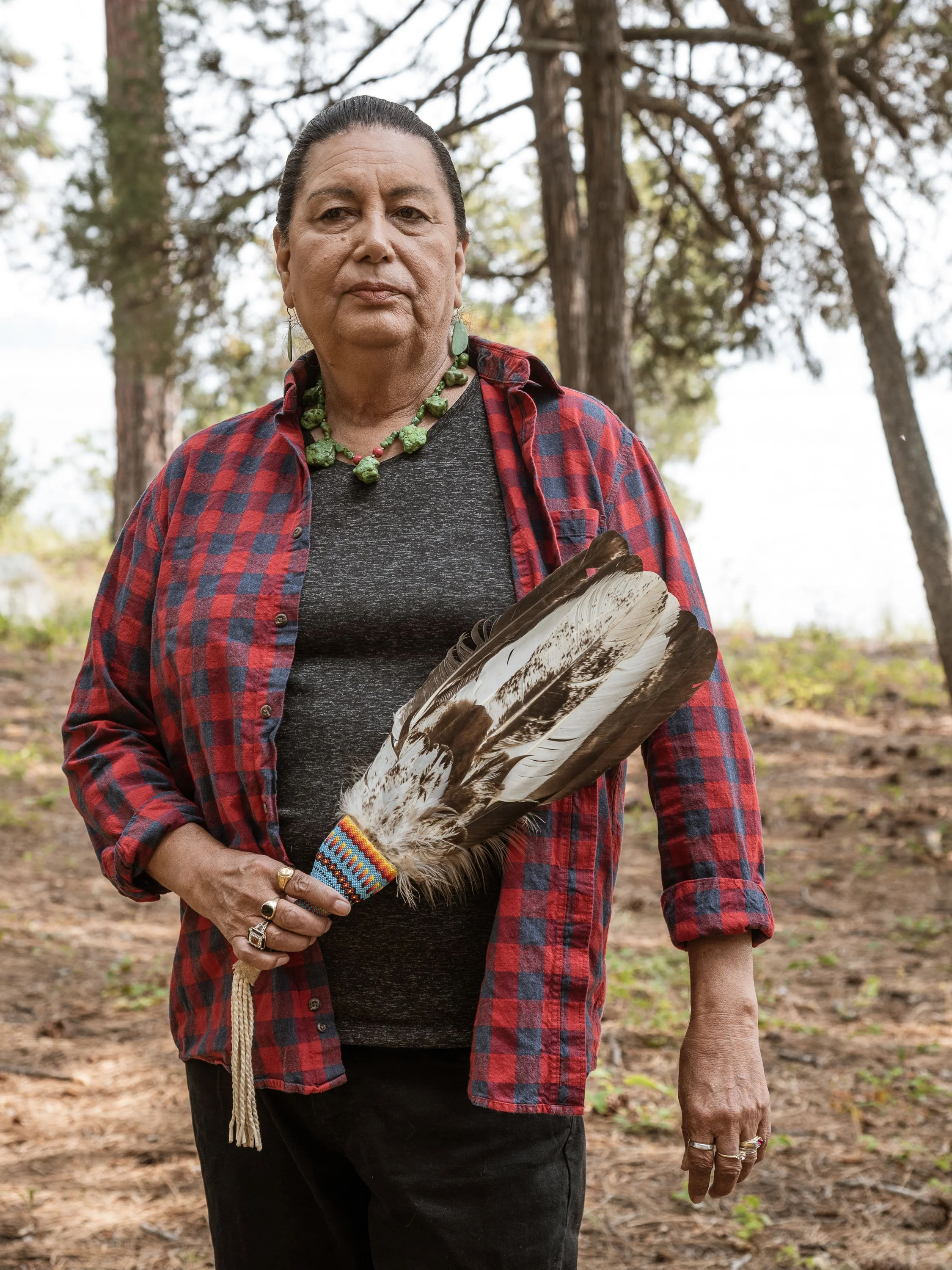
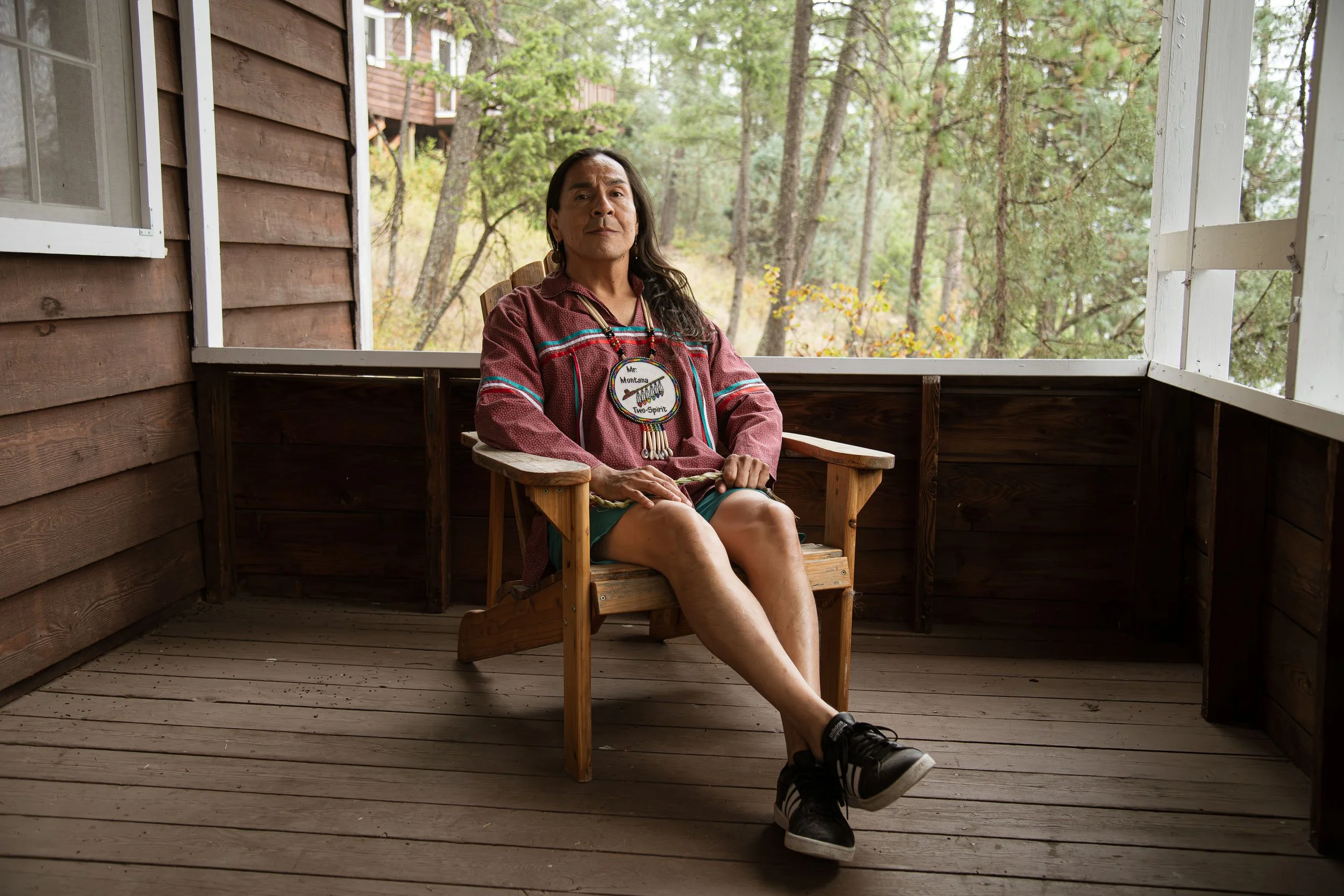
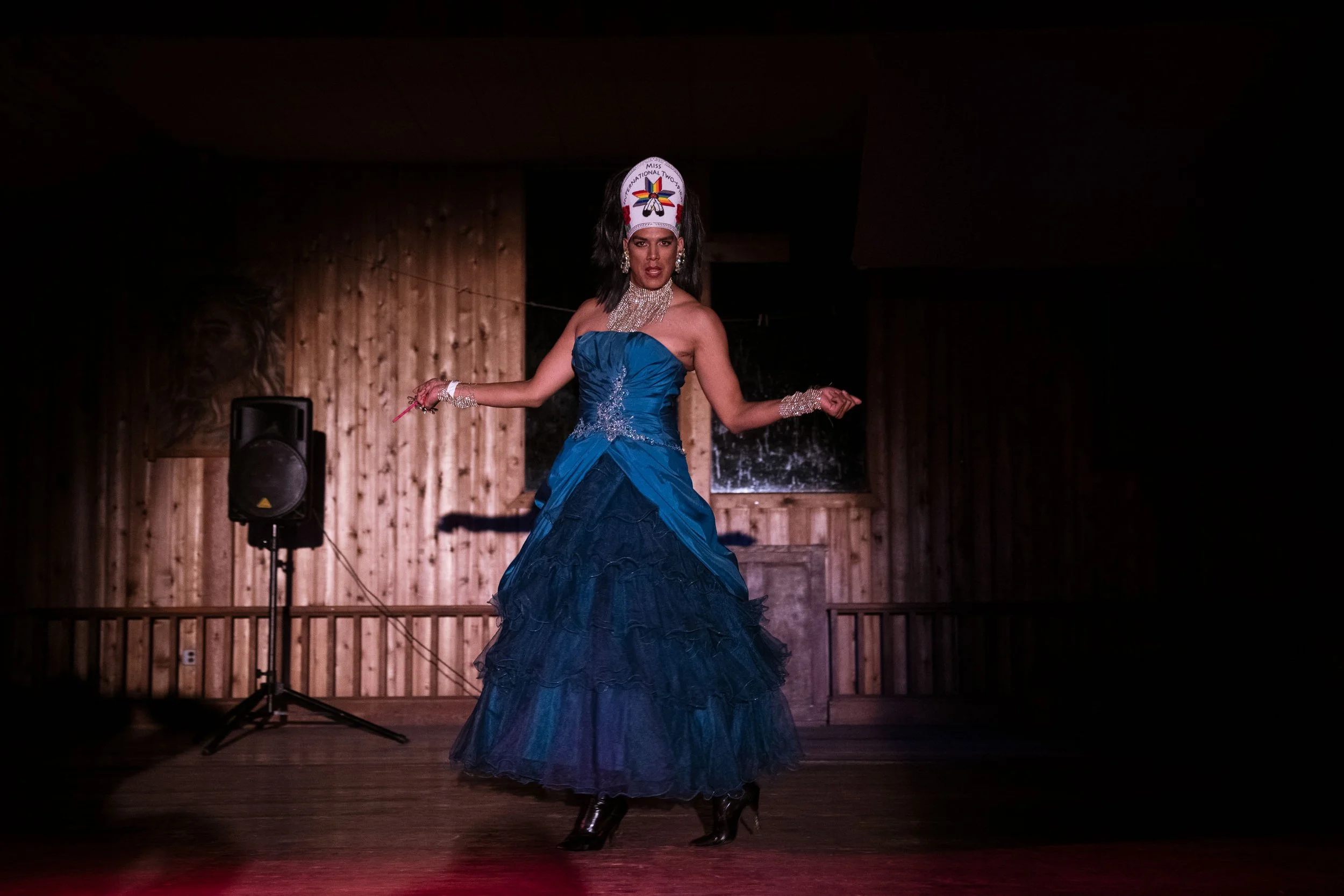
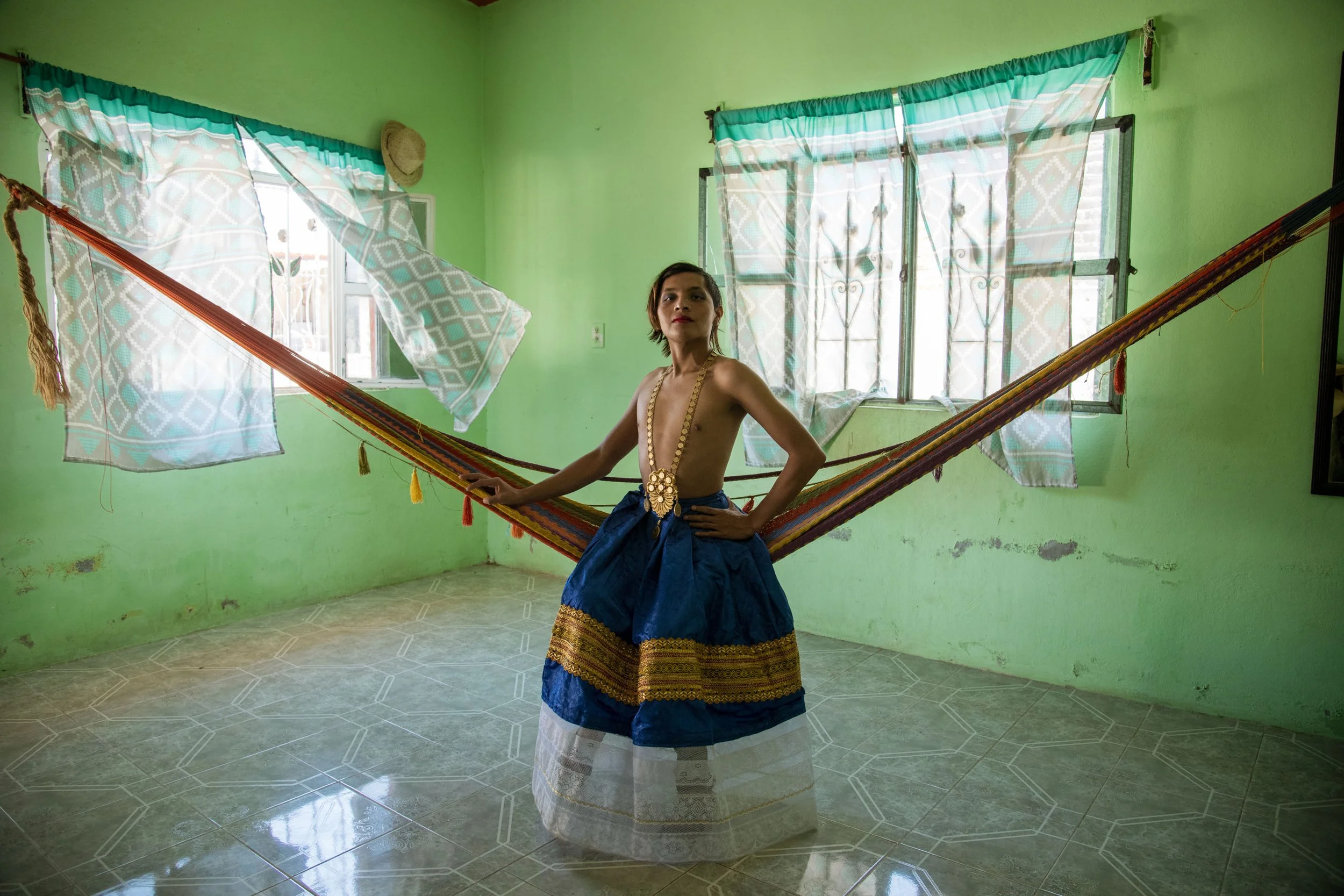
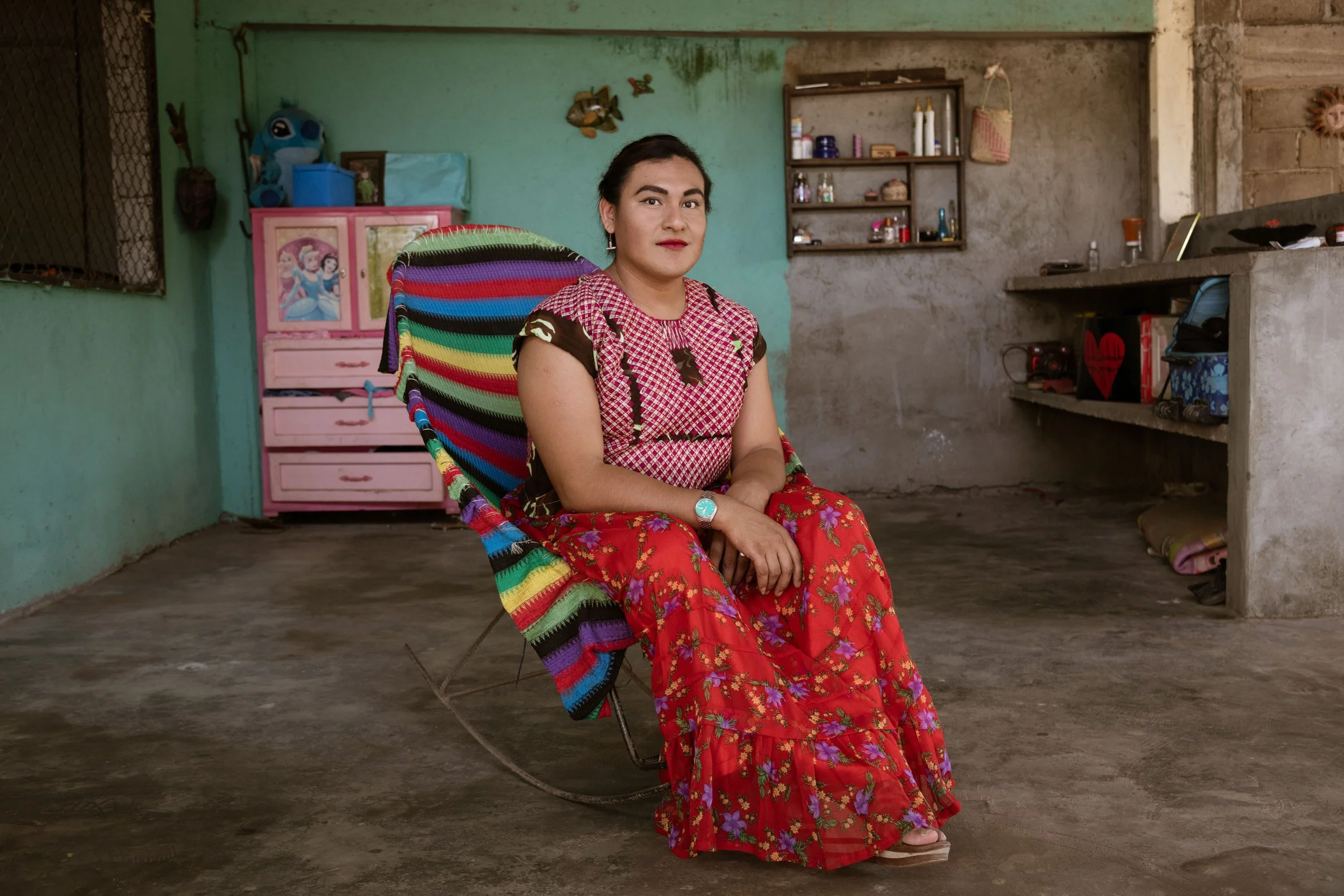
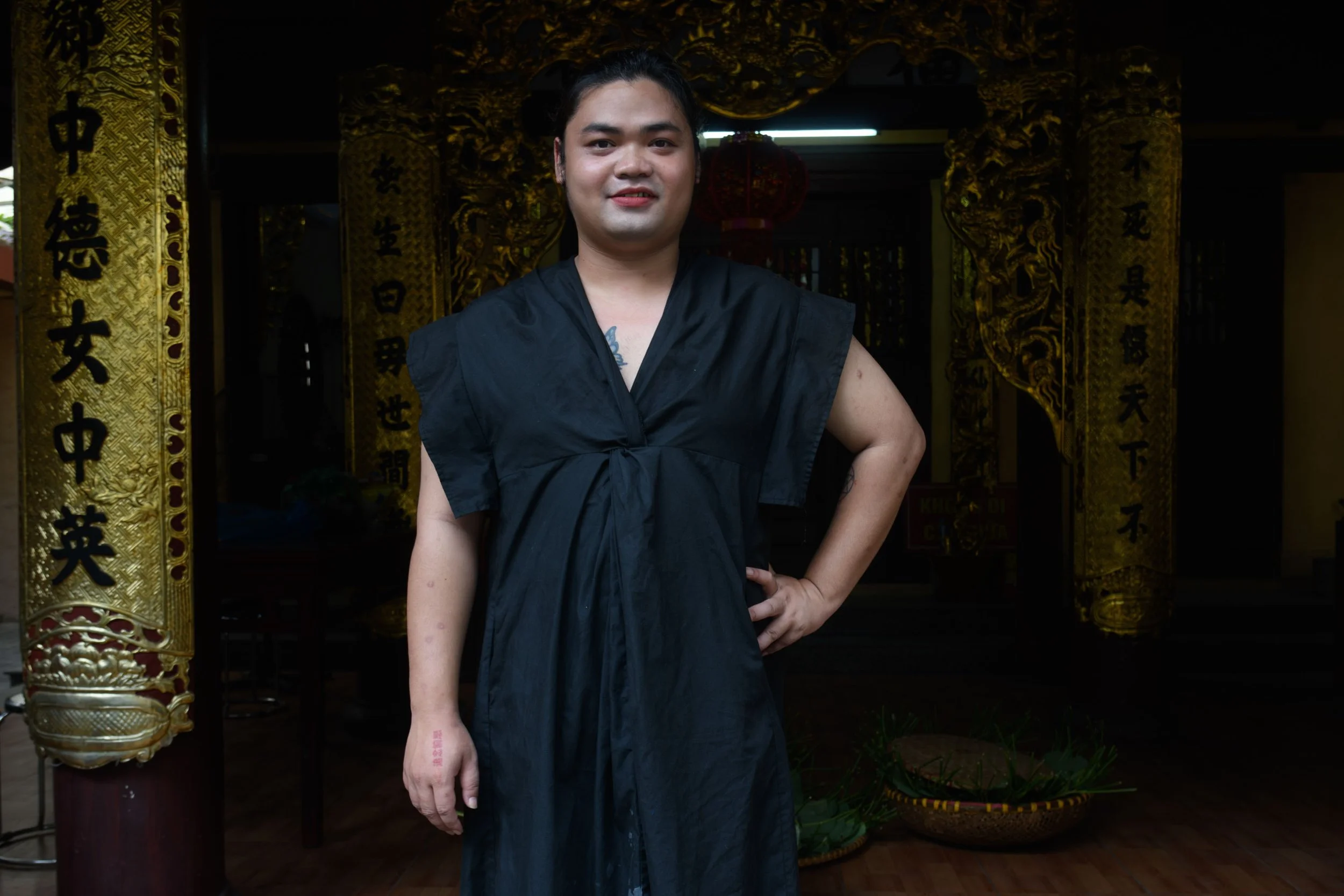
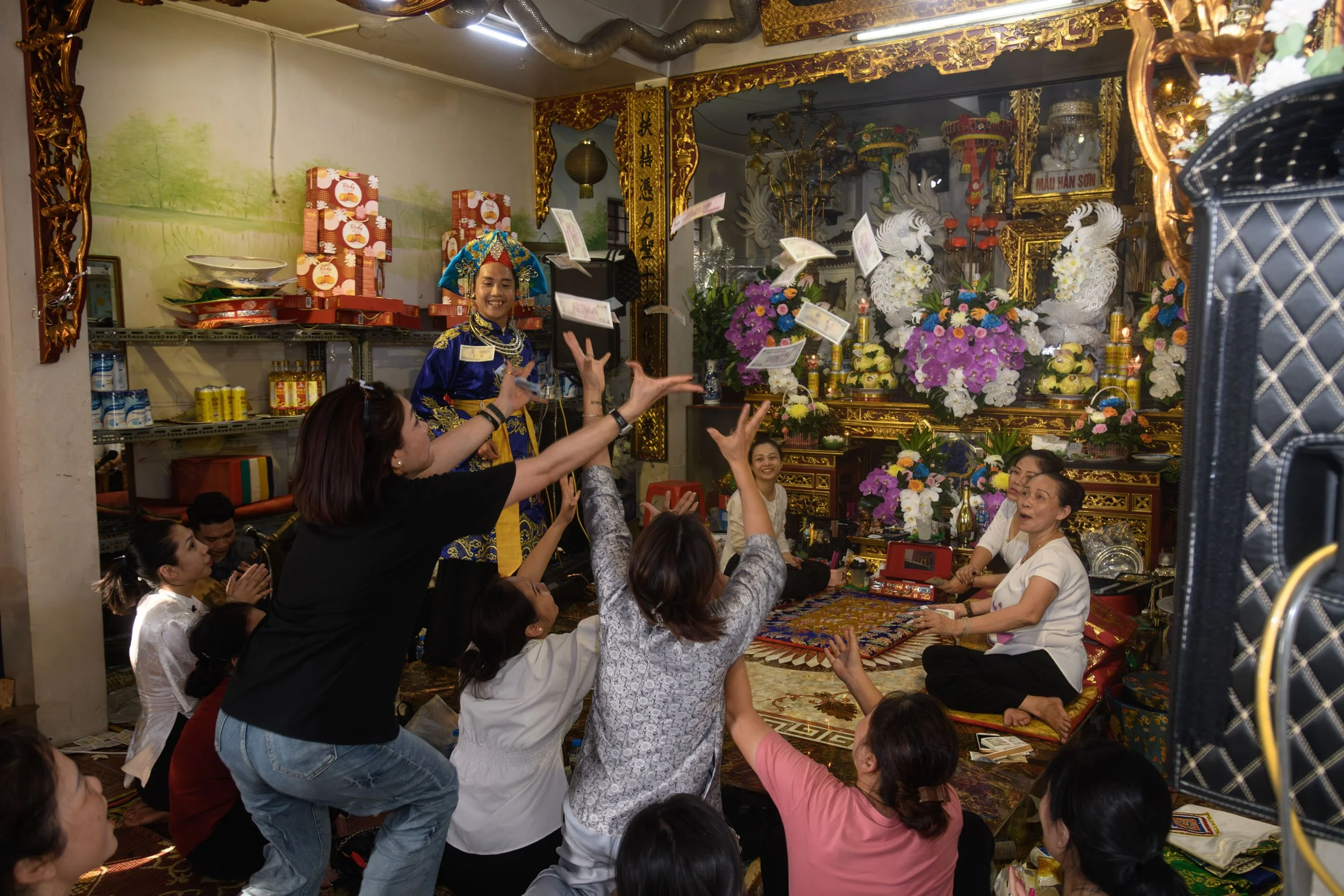
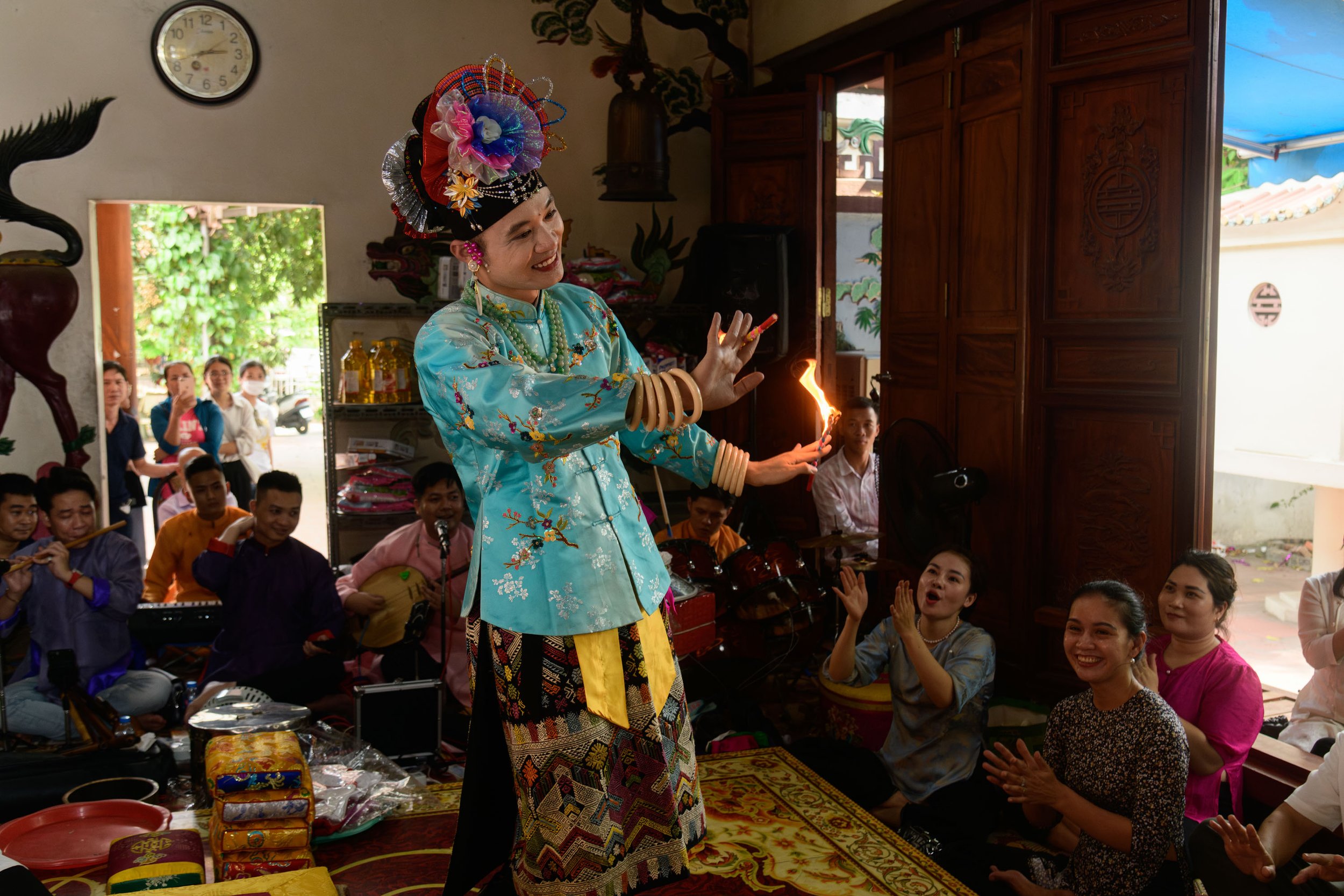
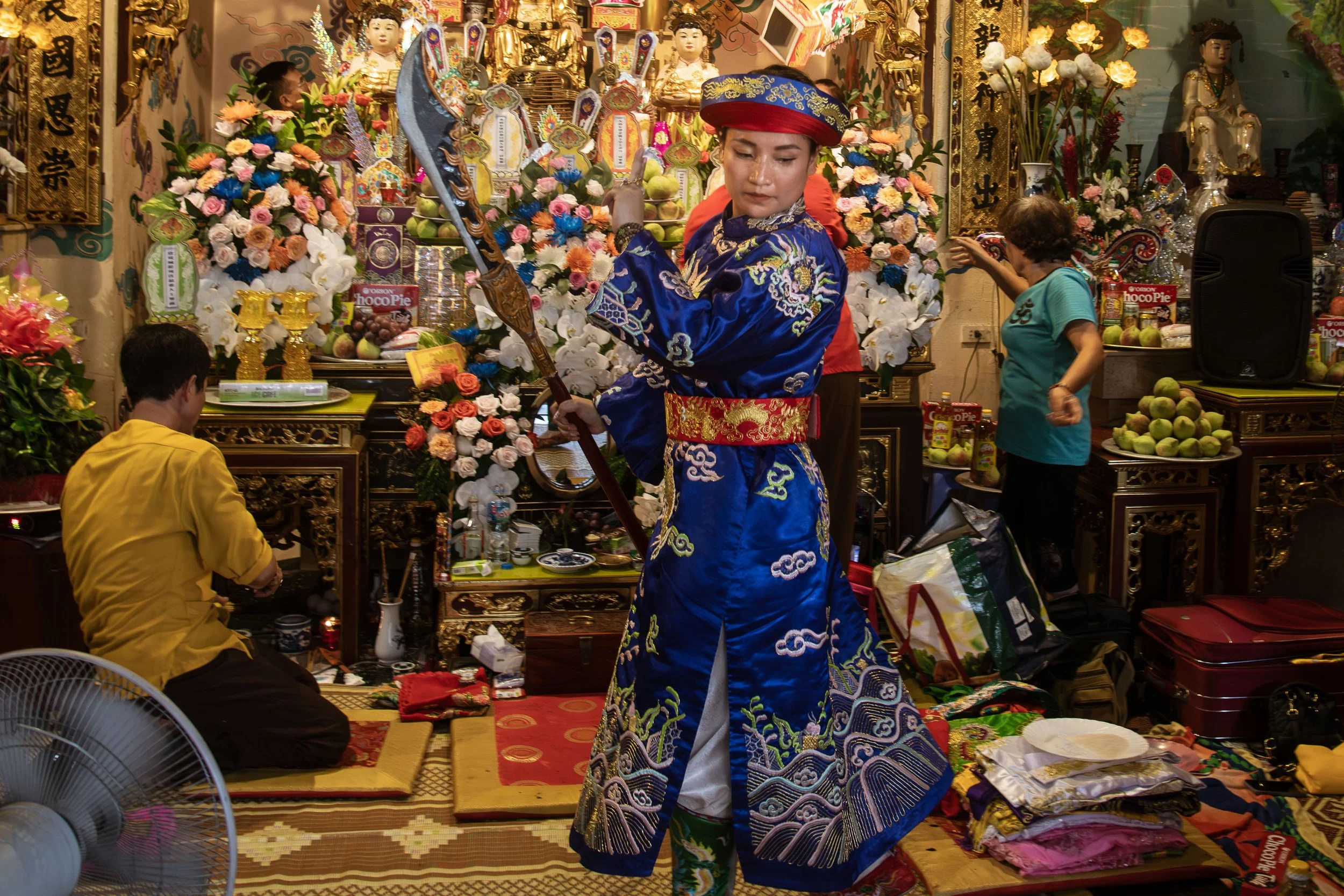
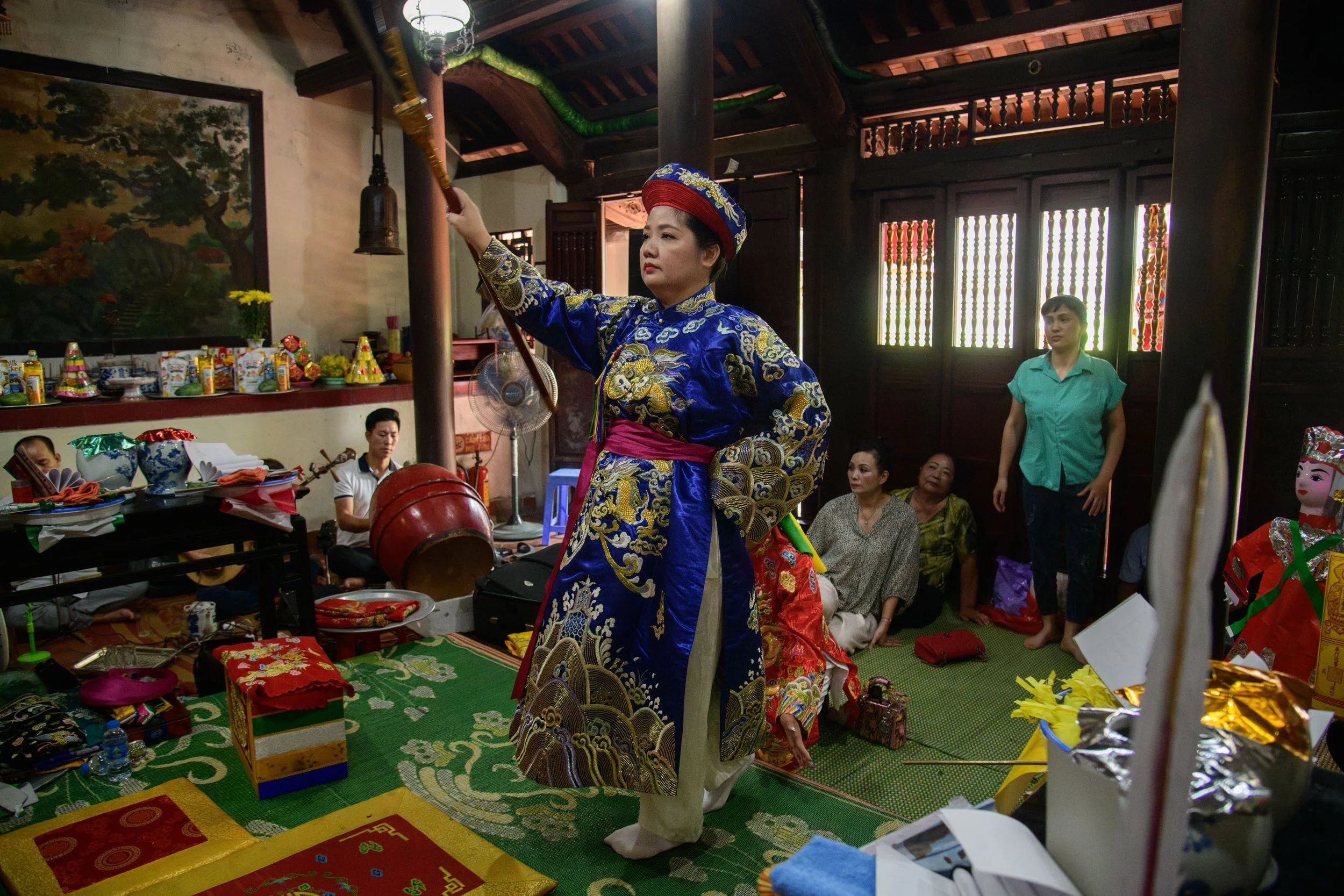
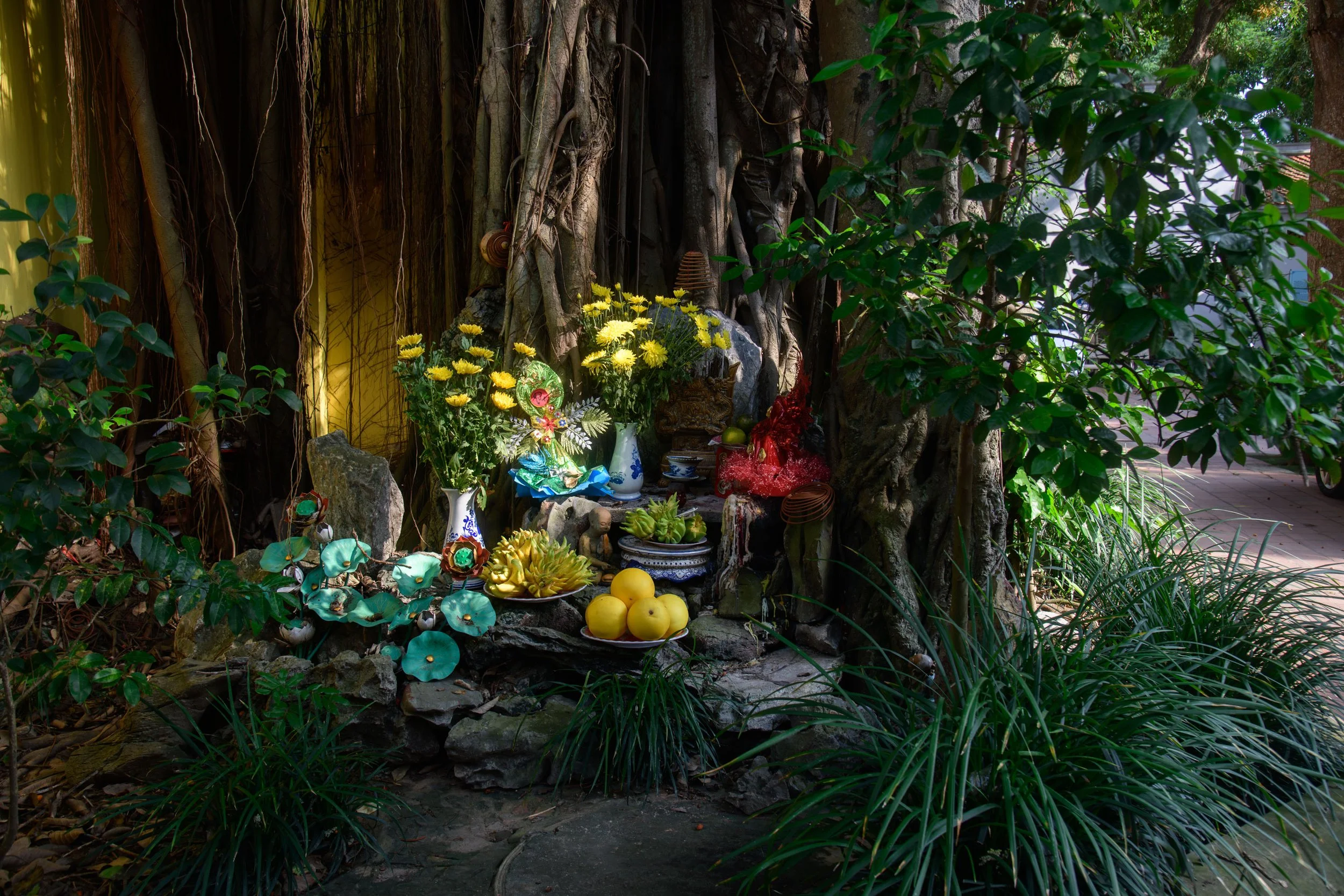
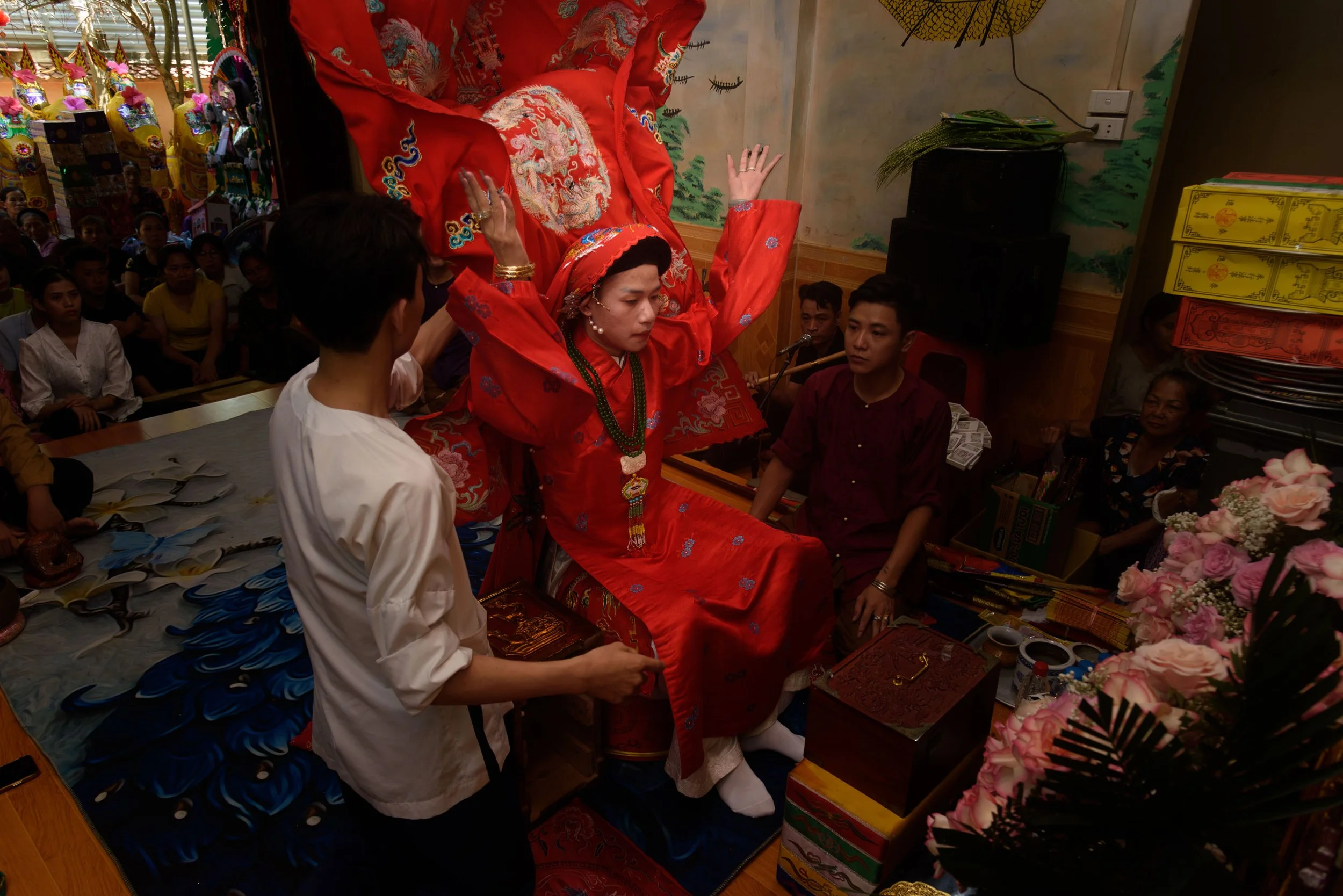
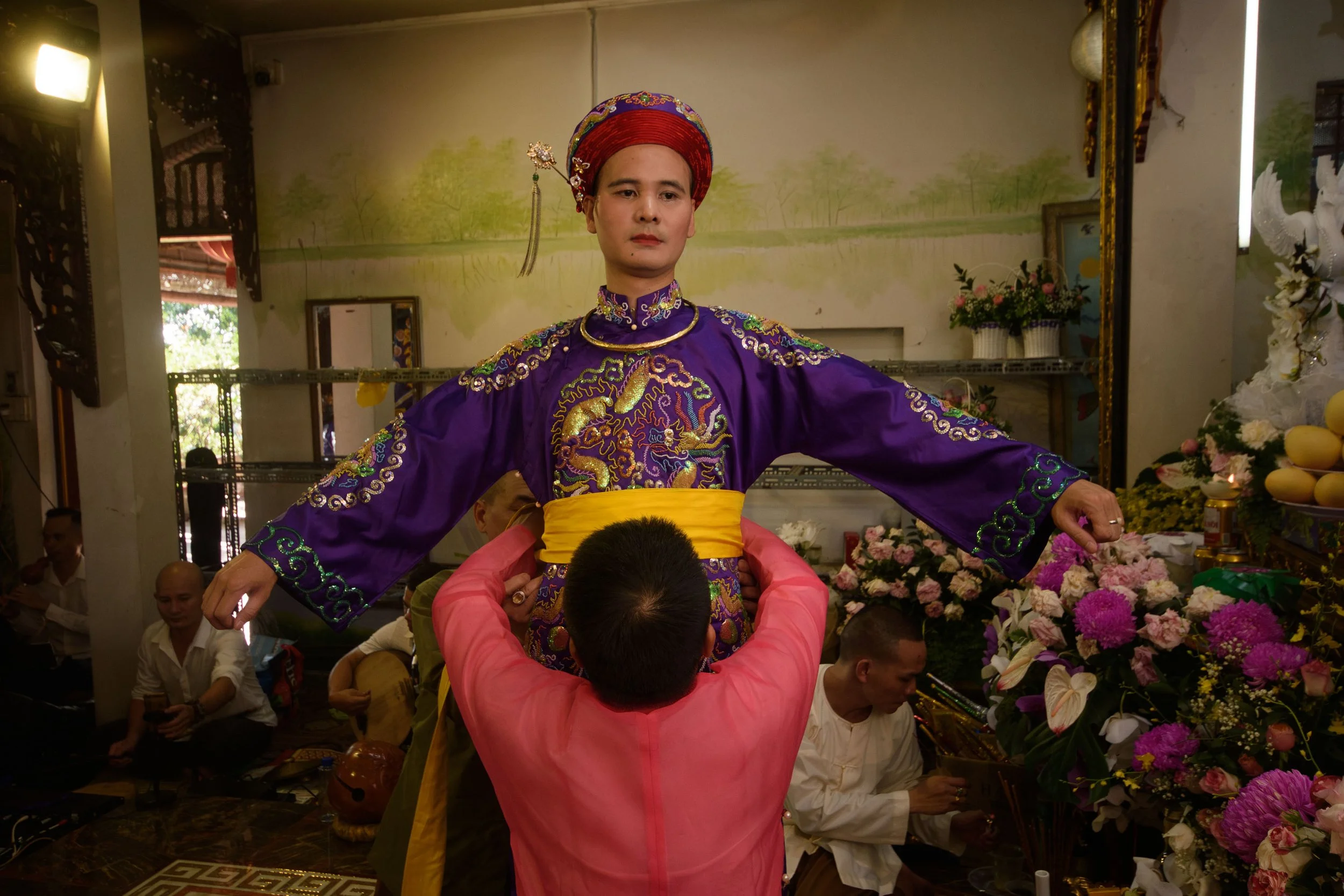
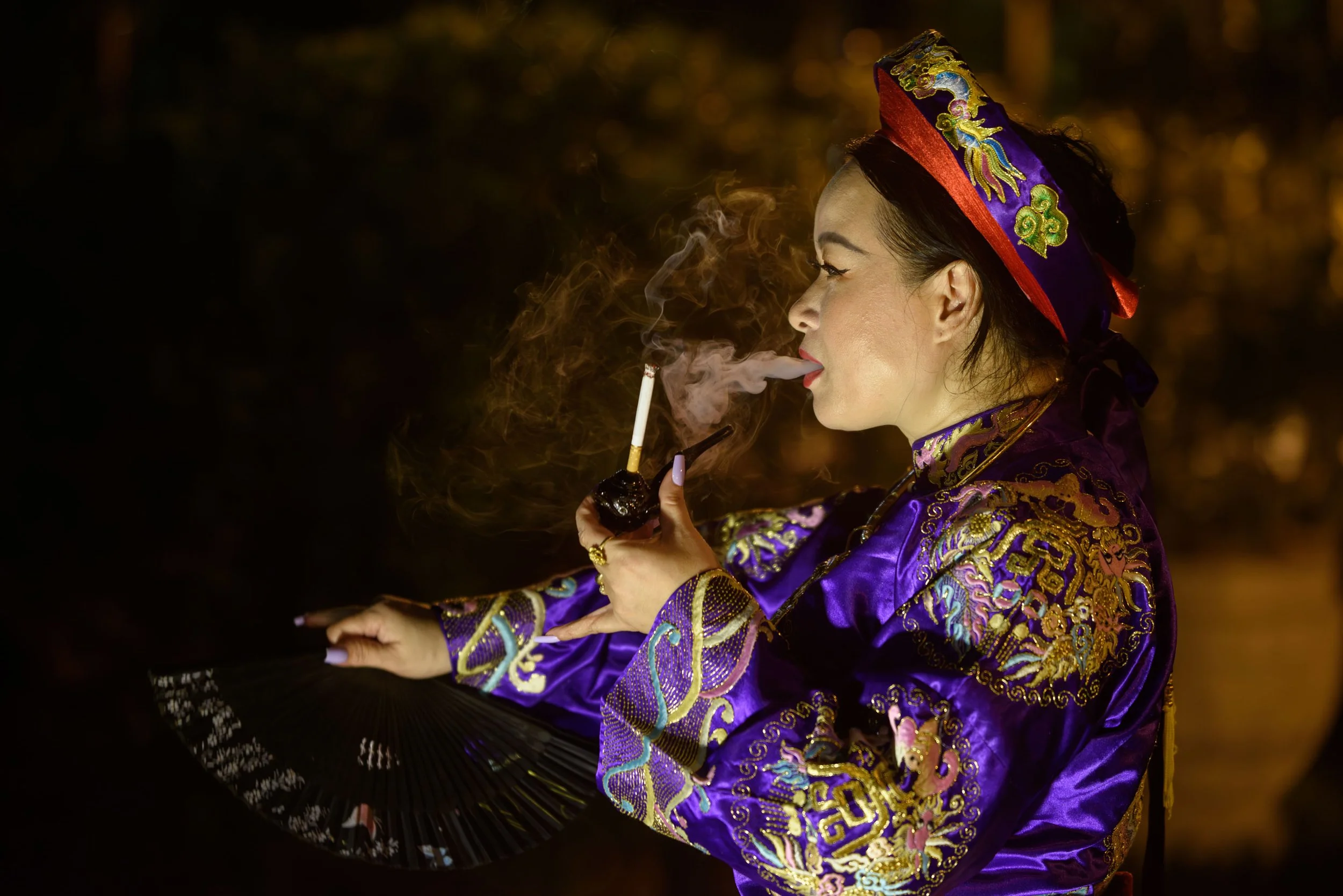
From the Muxe of Juchitán, Mexico, to the Omeggid of San Blas, Panama; from North American Two-Spirit people to the Hijra and Aravani of India; from the Femminielli of Naples to the queer mediums of the Đạo Mẫu cult in Vietnam; and finally to the practitioners of Vodun in Benin, Queer Divine captures a wide spectrum of gender expression, ritual practices, and spiritual devotion. These communities navigate the sacred through performances, ceremonies, and everyday practices that intertwine identity, culture, and belief, creating vibrant worlds that are rarely seen outside their local contexts.
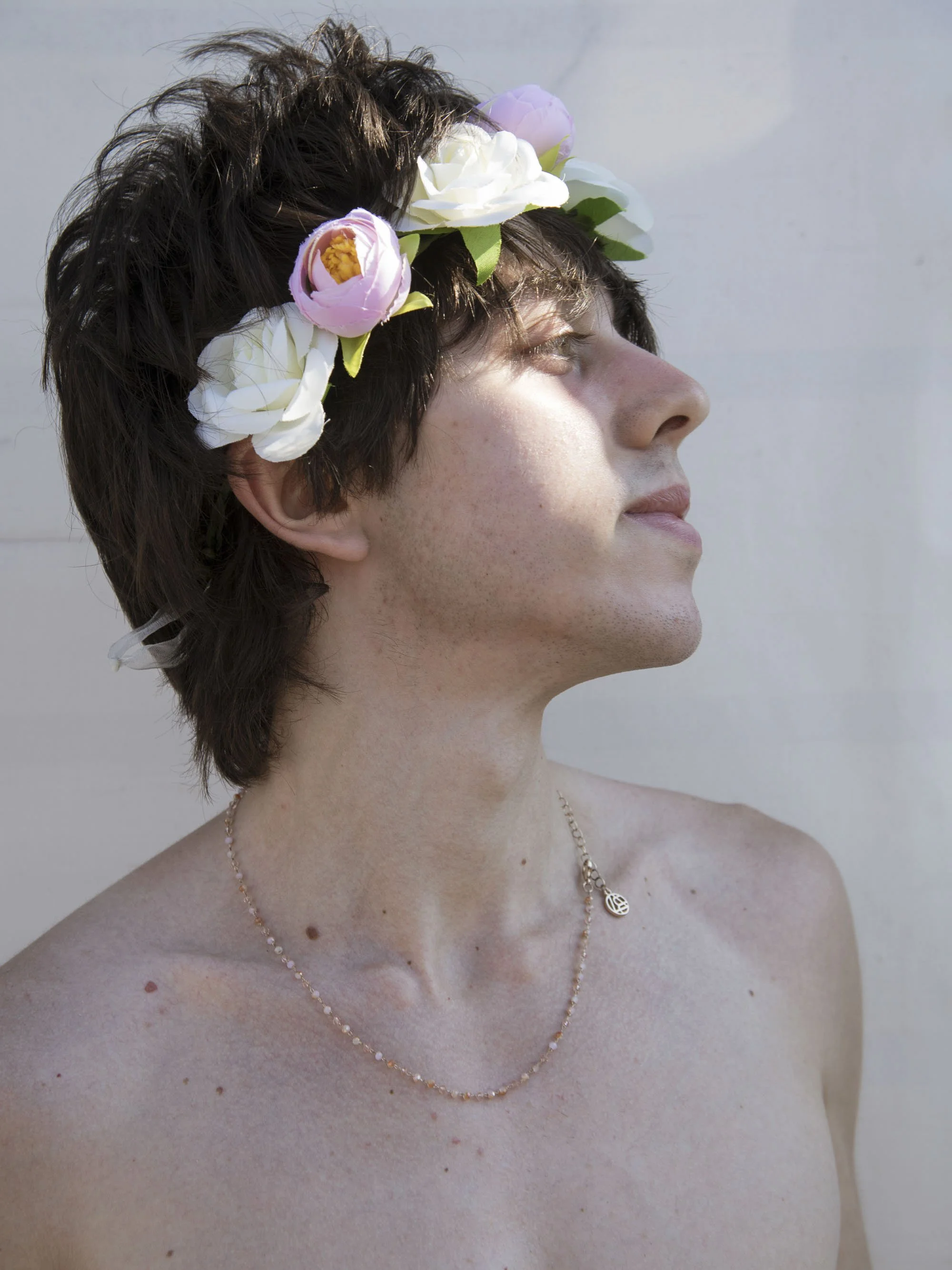
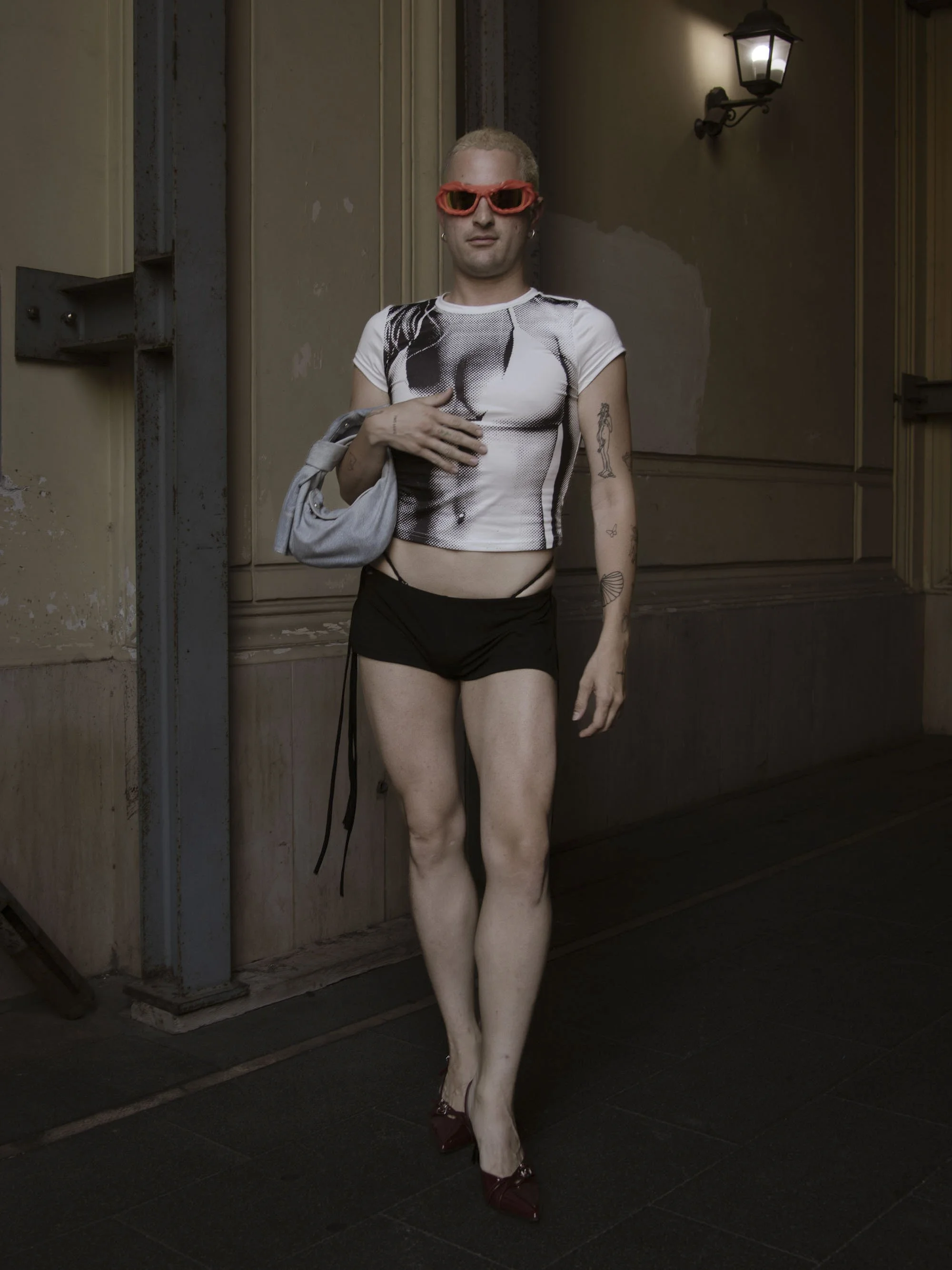
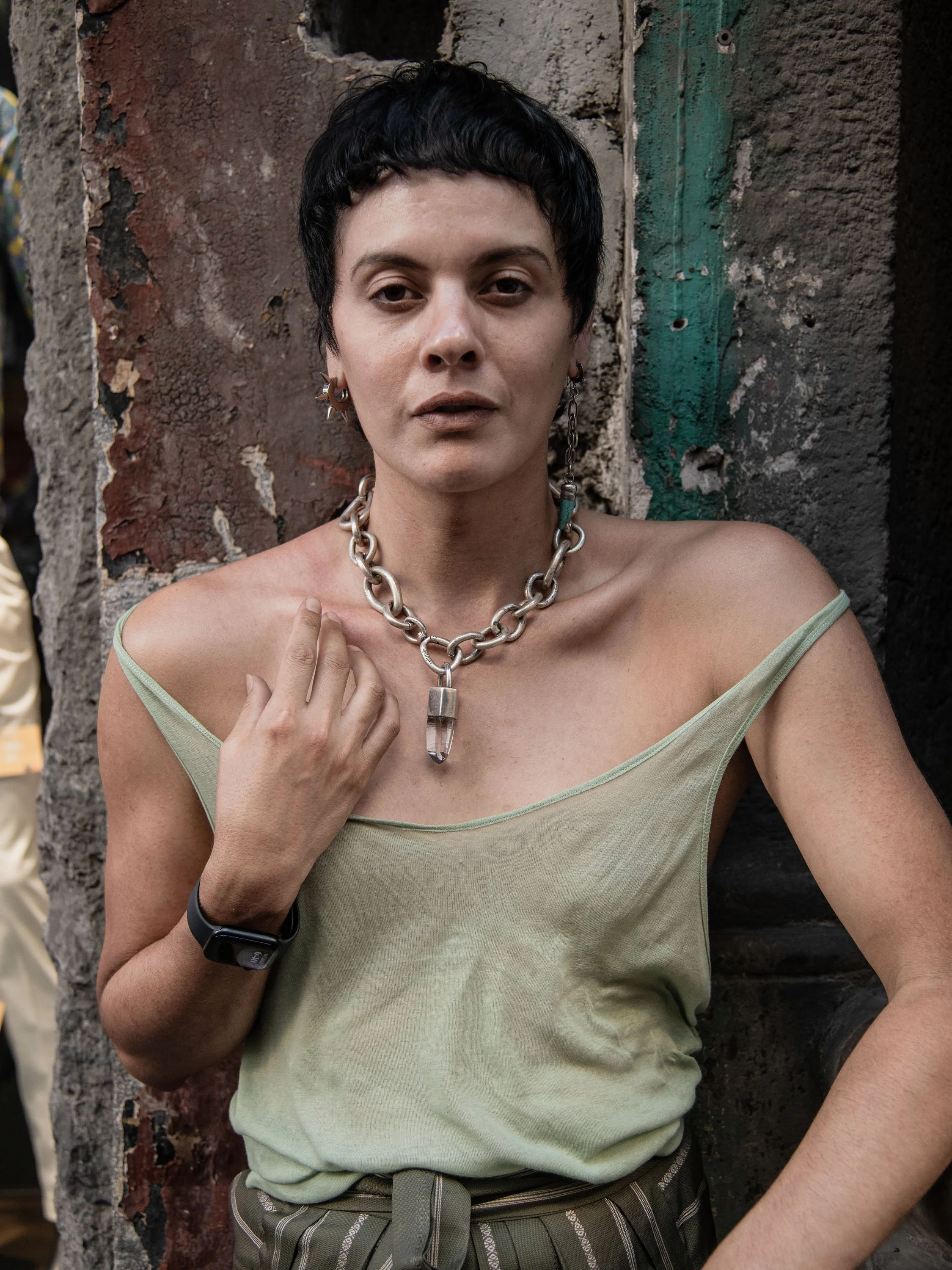
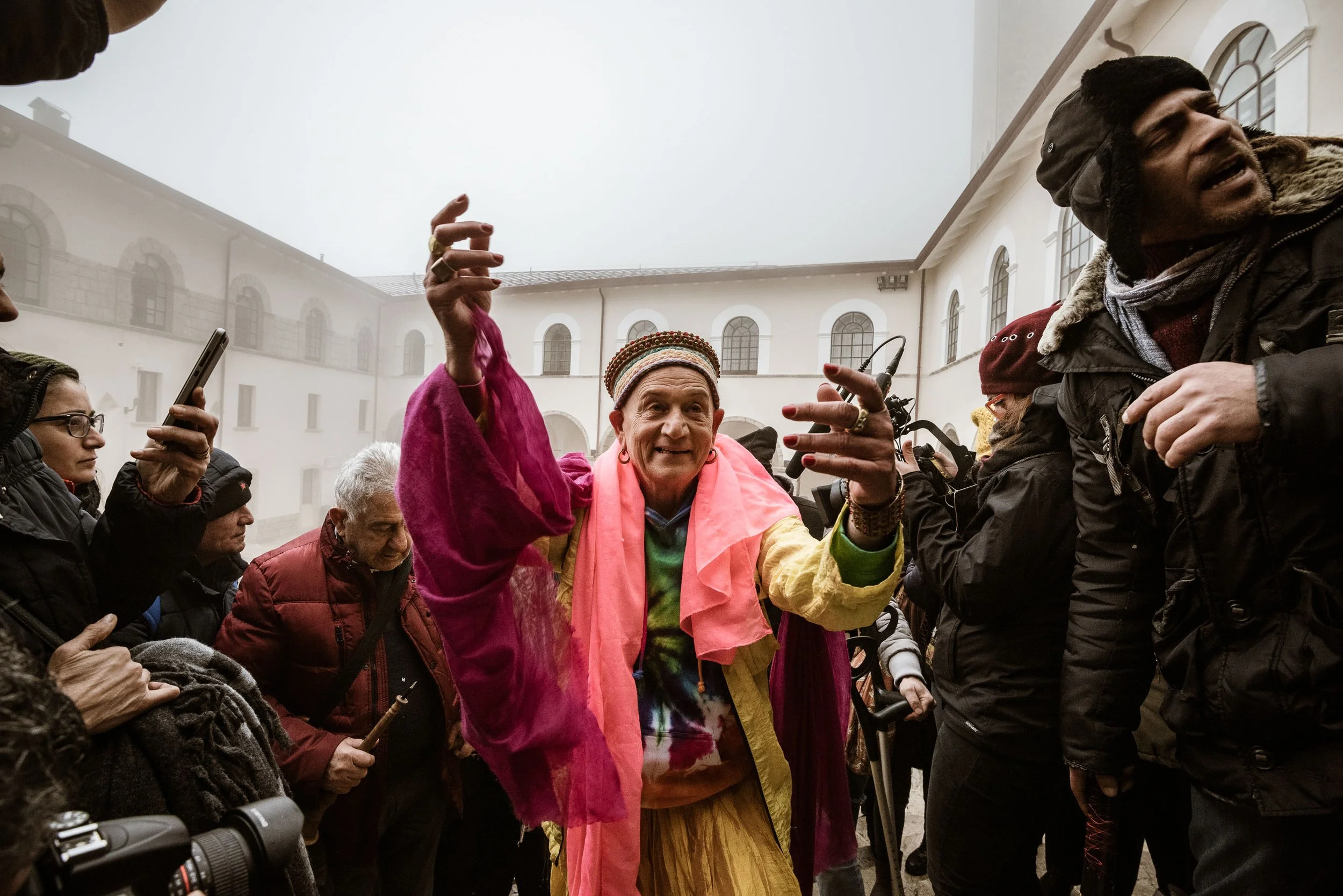
The project investigates how traditional spiritual systems, beyond Western stereotypes, embrace and celebrate gender diversity, offering alternative ways to understand the relationship between the human and the sacred. Through photography and visual storytelling, Queer Divine reveals rituals, costumes, gestures, and intimate expressions, highlighting the connections between the individual and the community, between devotion and identity.
By focusing on these intersections, the work seeks to broaden our perception of spirituality, gender, and social belonging. It reflects on the plurality of the divine and the universality of the human desire for recognition, connection, and participation in meaningful communities. Each image and narrative invites the viewer to consider how cultural traditions can encompass fluidity, multiplicity, and inclusion, challenging binary notions of gender while celebrating the richness of lived experience.
Queer Divine is both a documentary journey and a meditative exploration of how identity and spirituality are inseparable, demonstrating that the sacred is not fixed but intimately connected to the ways humans live, express themselves, and relate to one another across the world.