Islam In Cuba
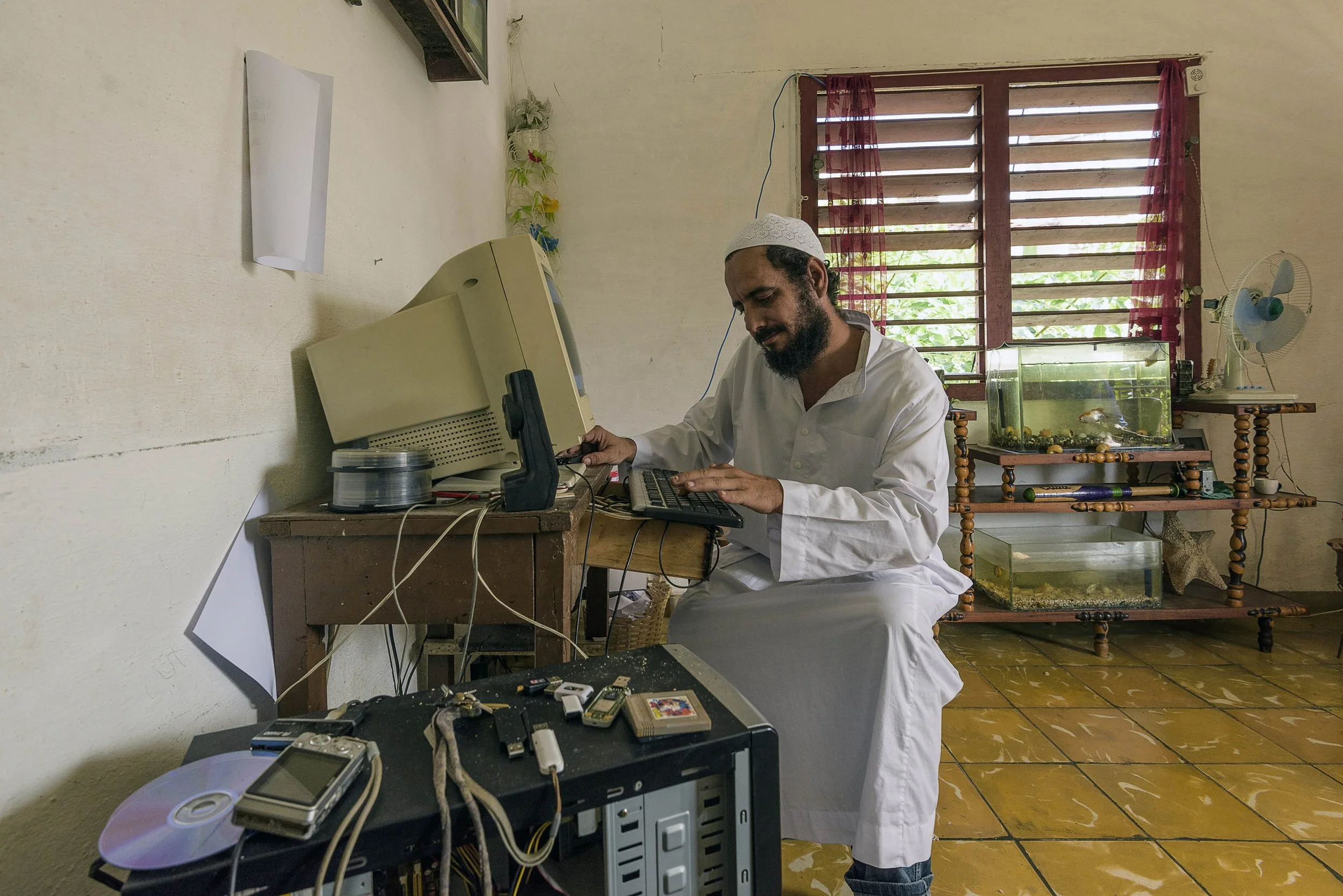
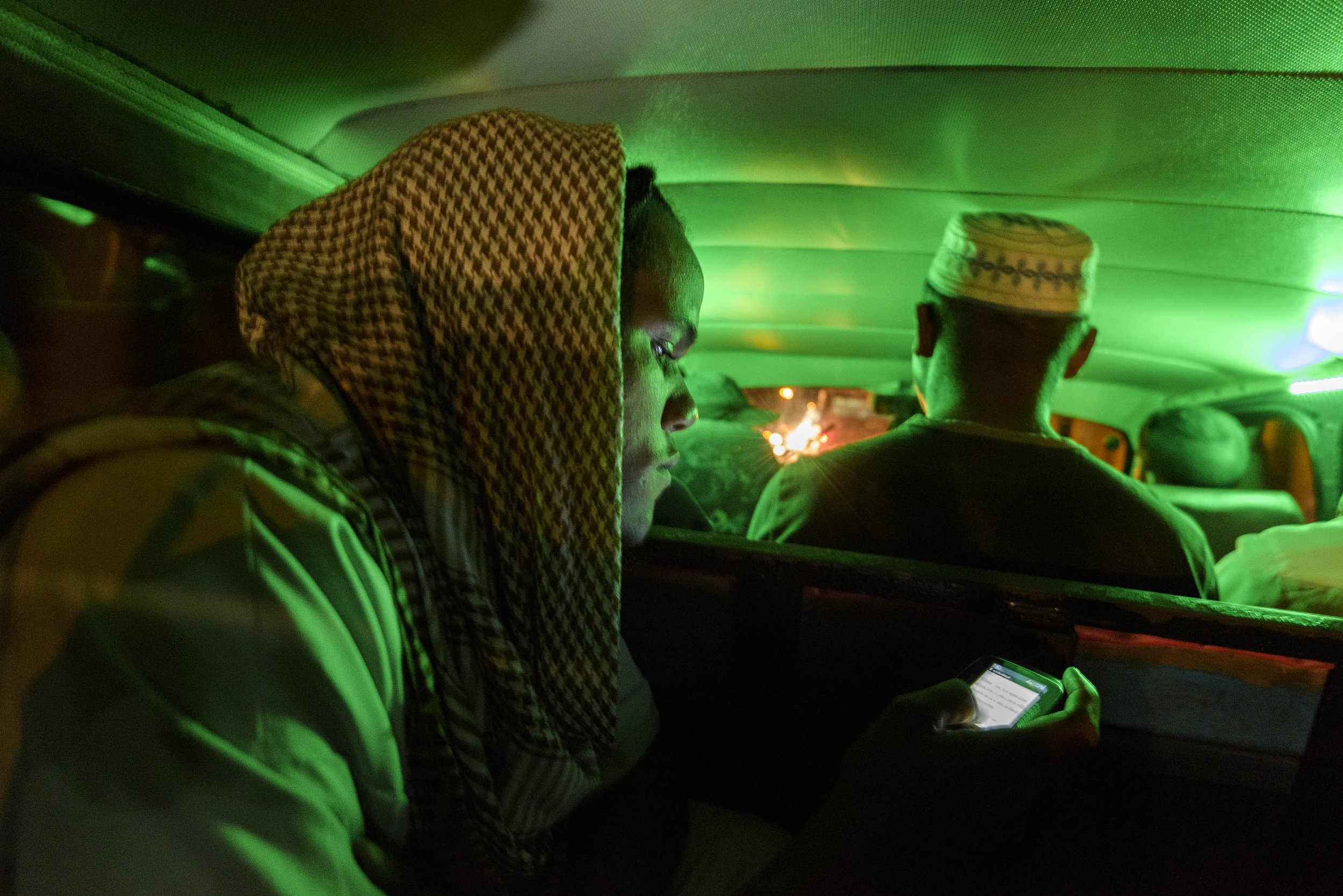
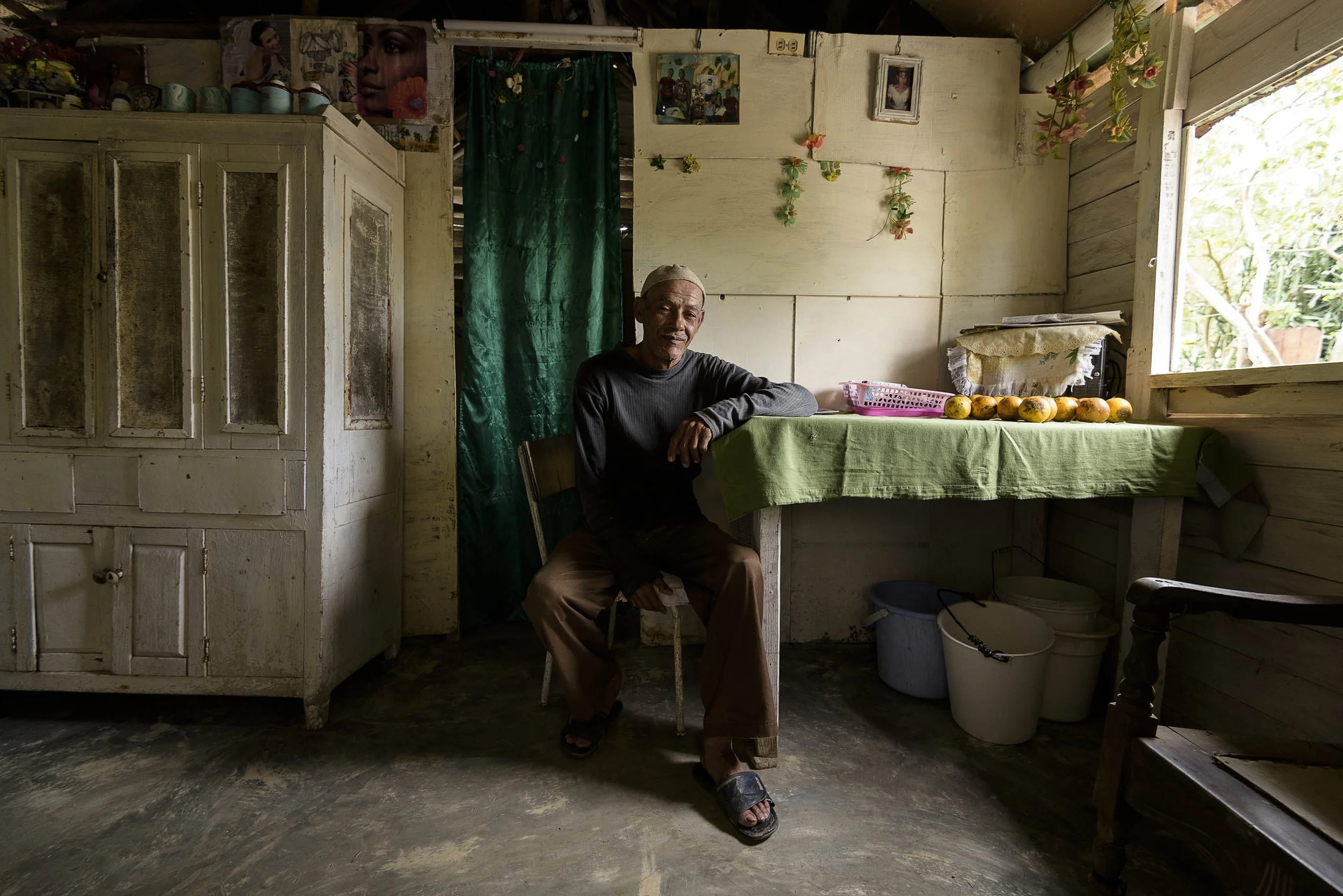
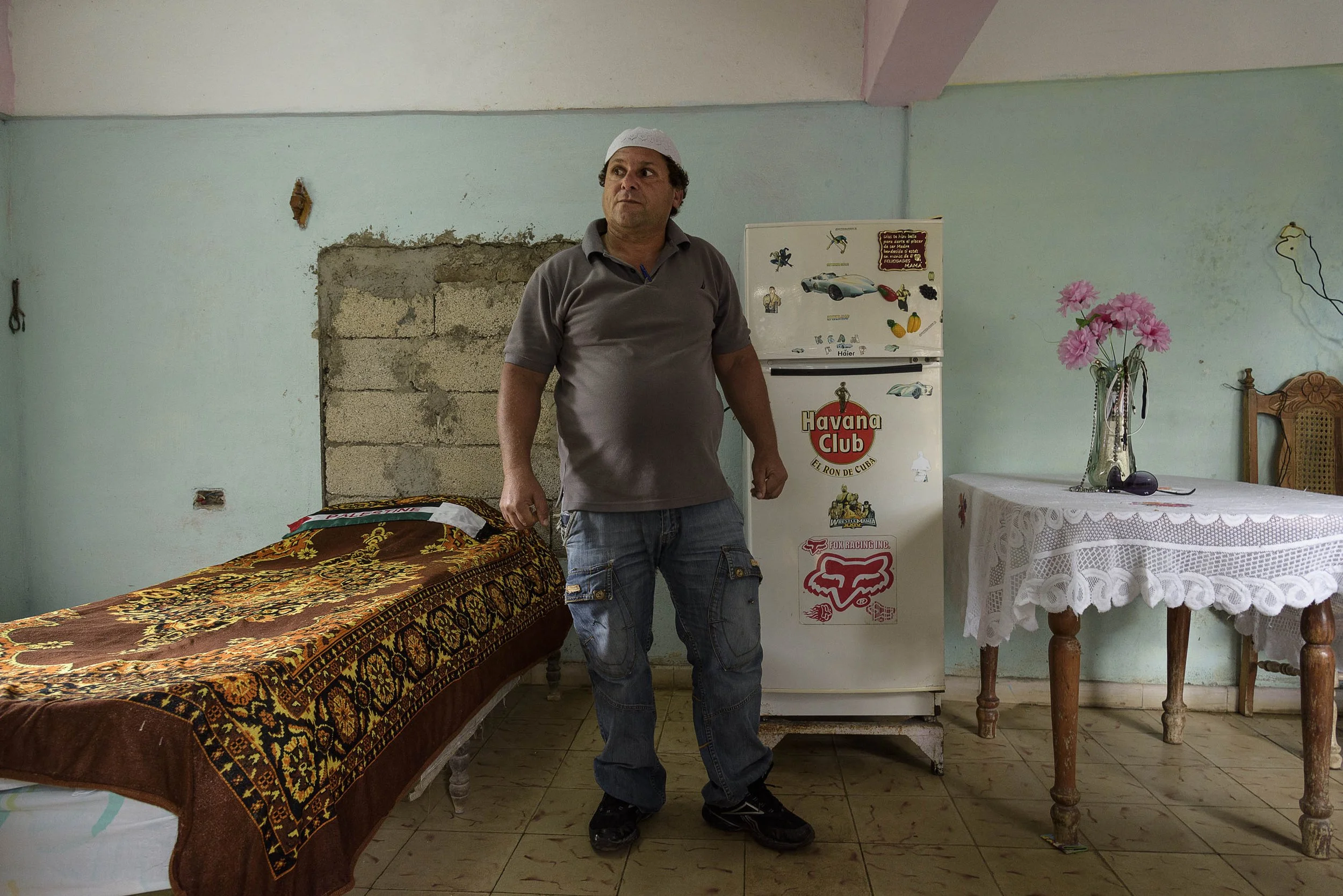
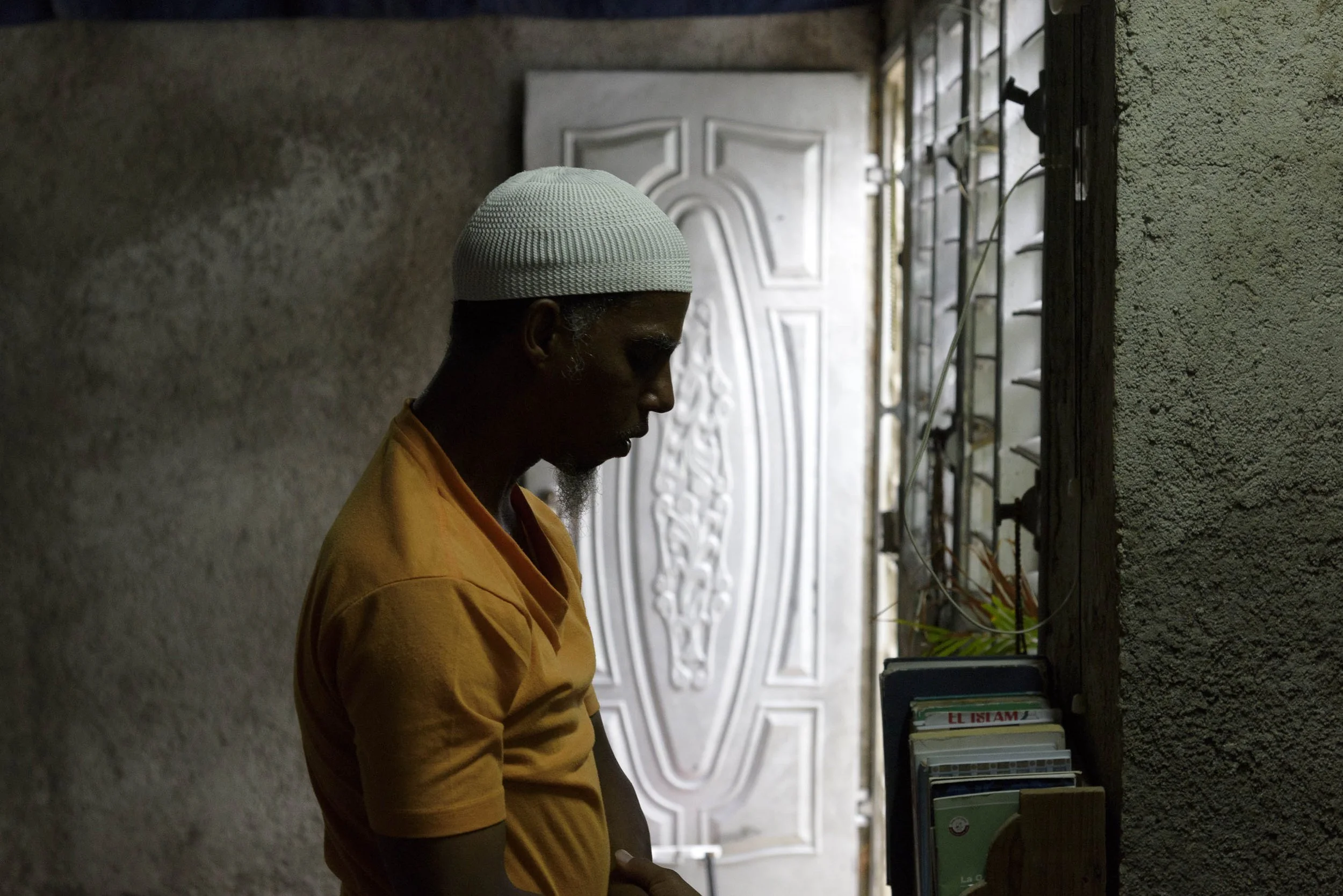
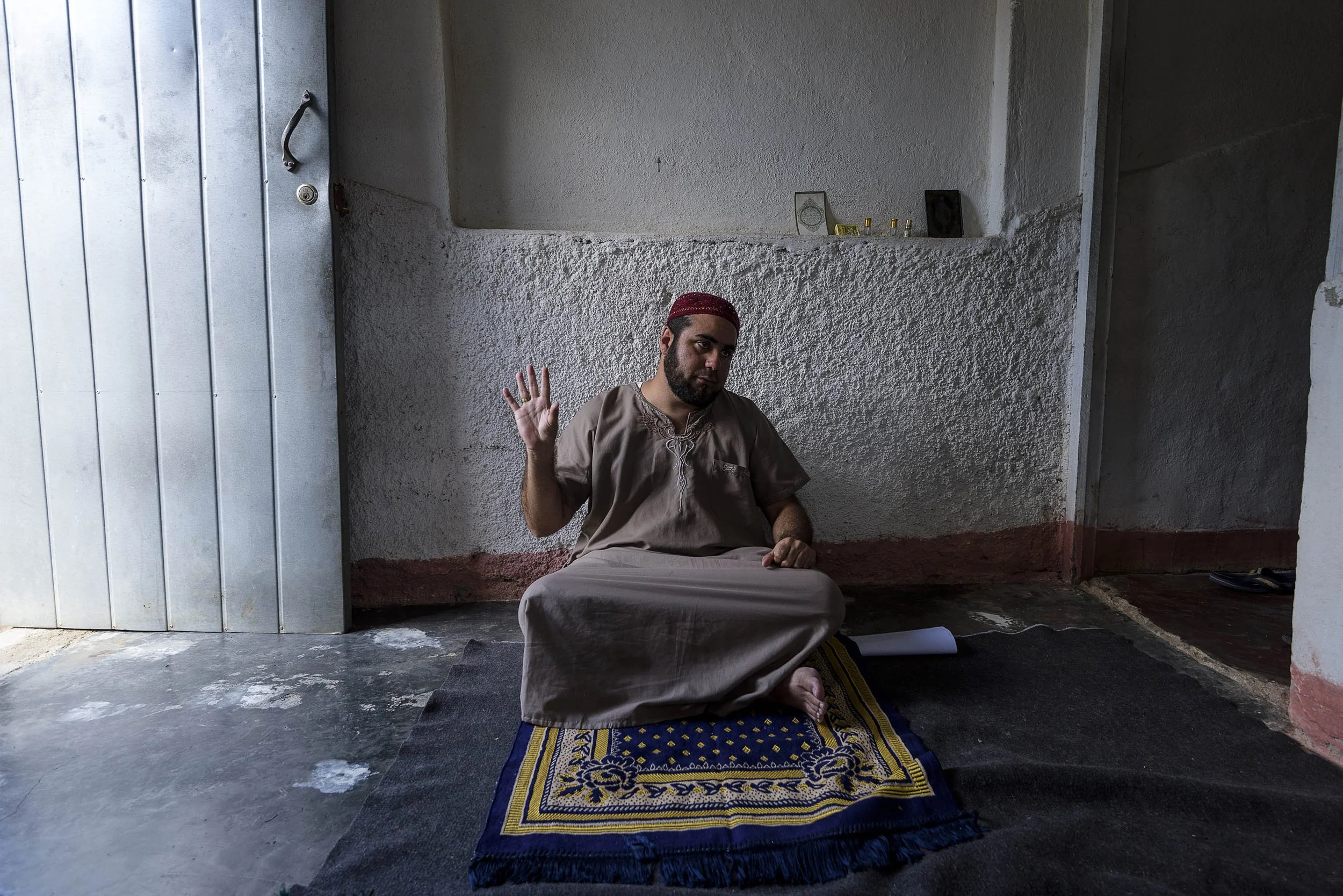
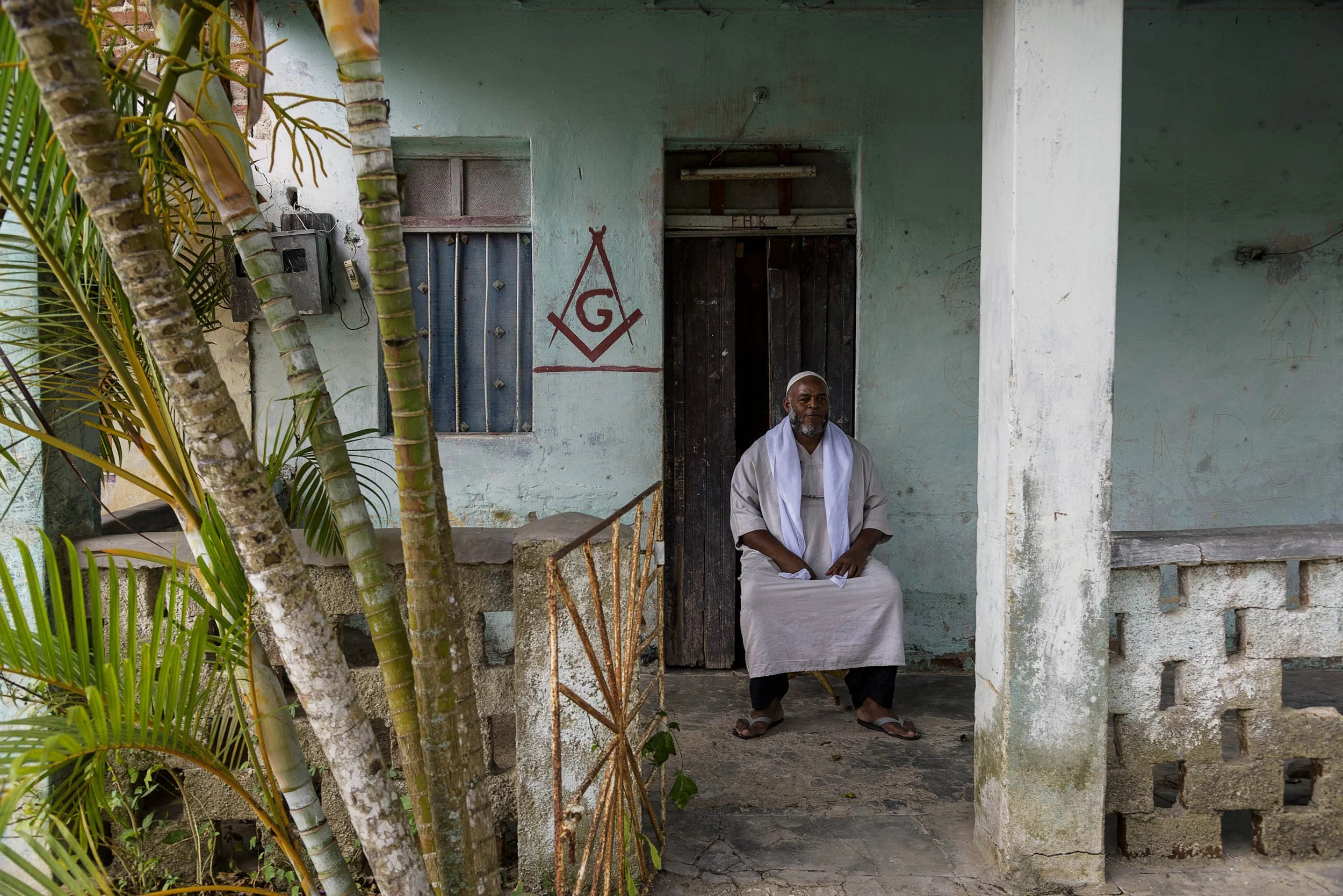
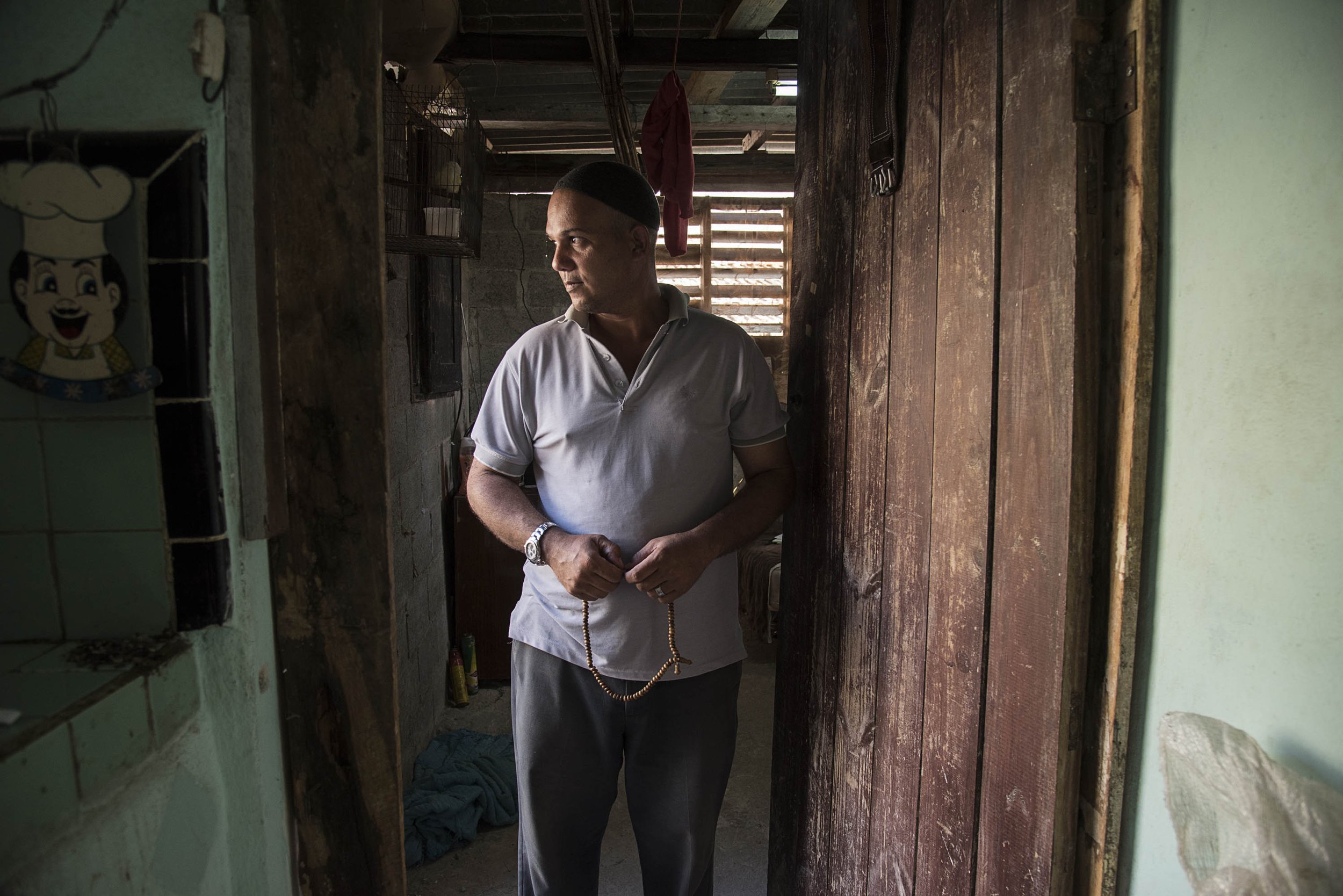
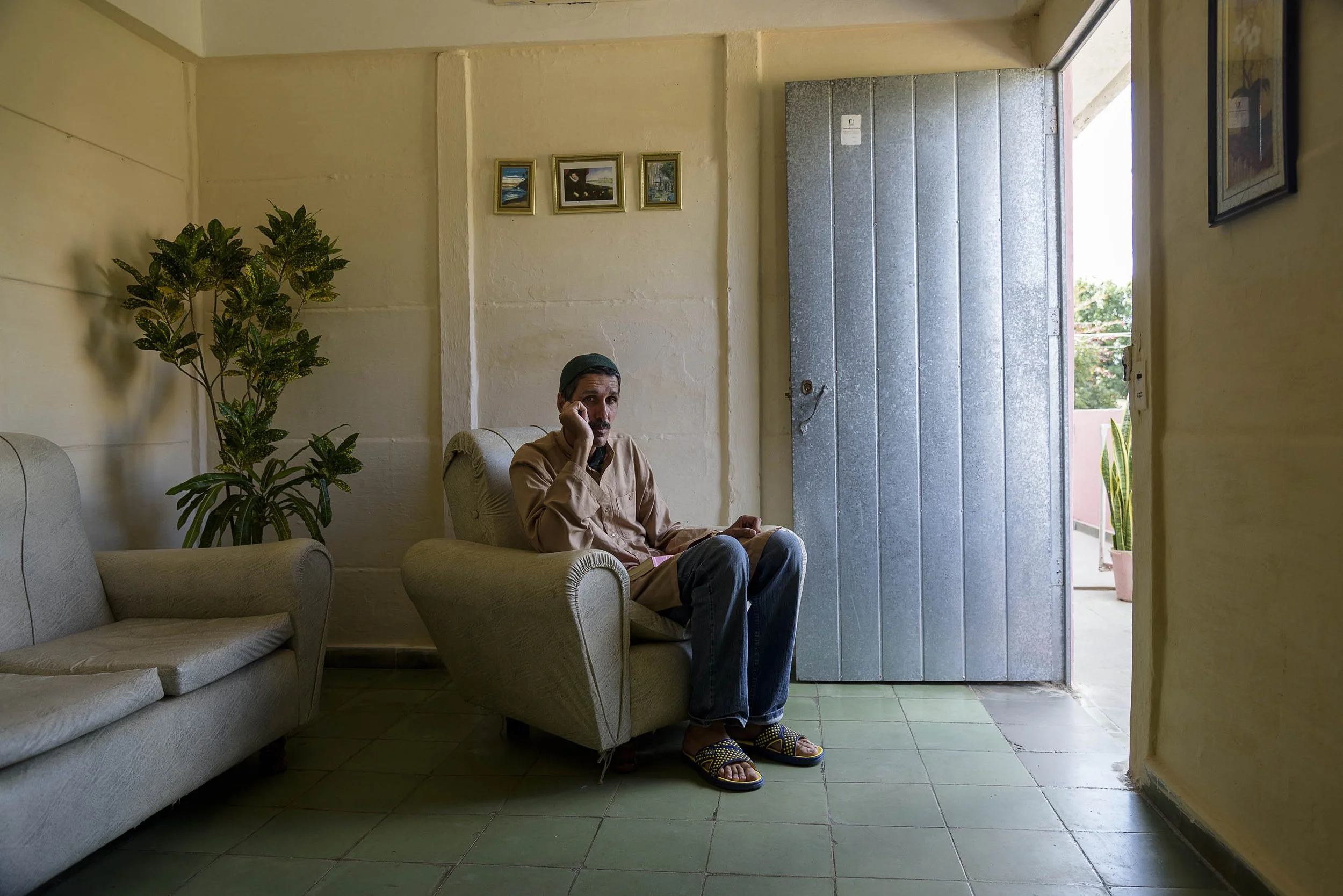
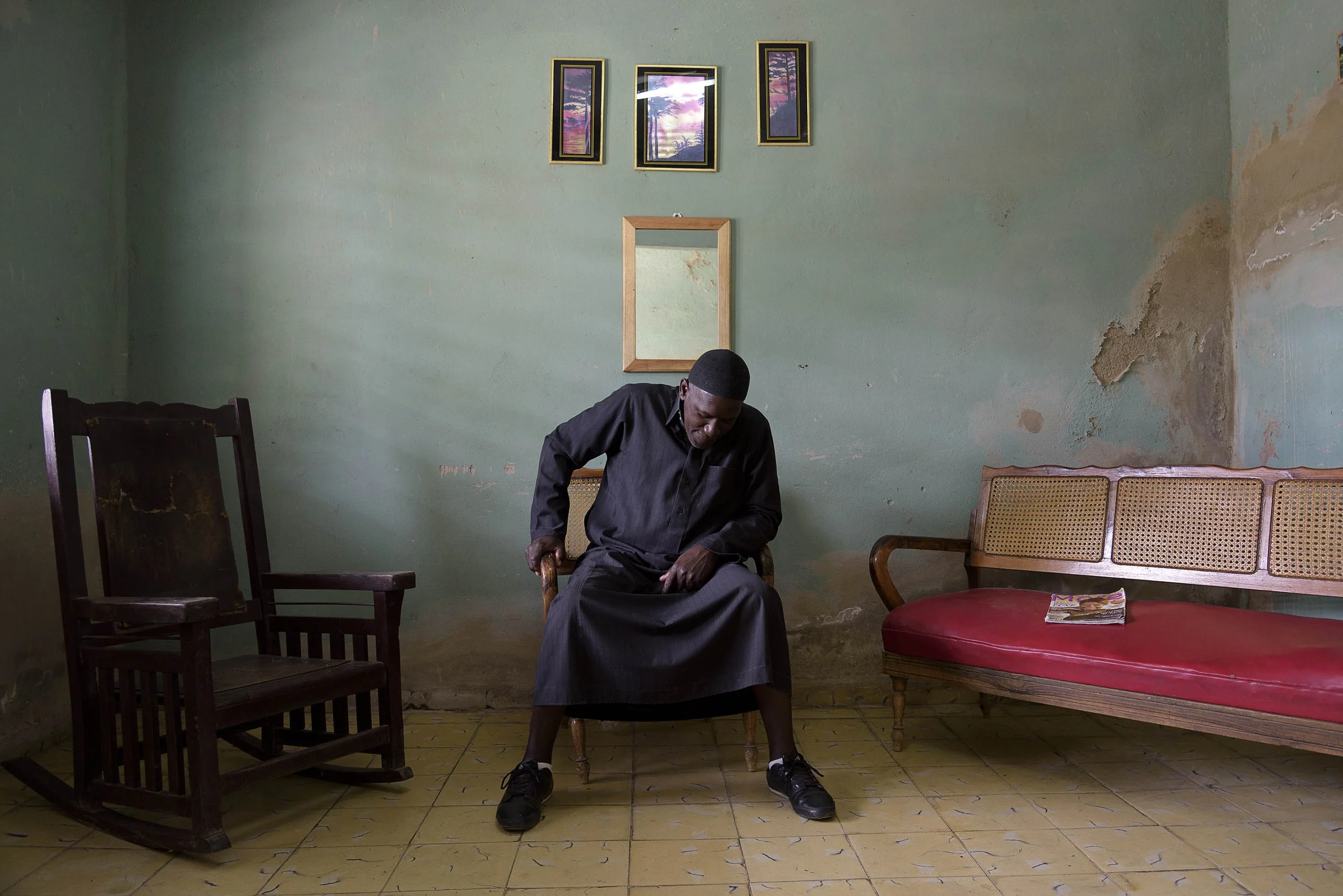
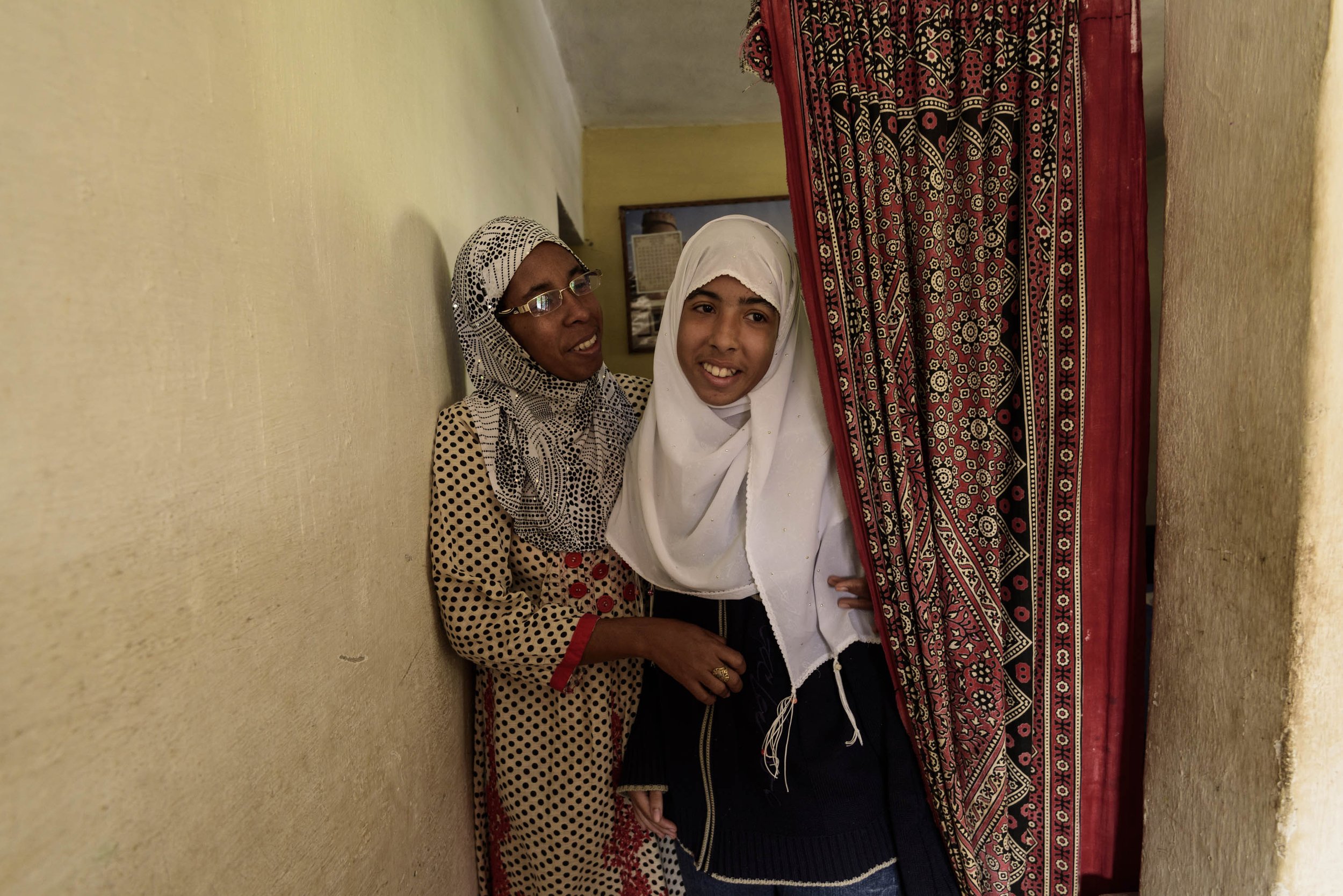
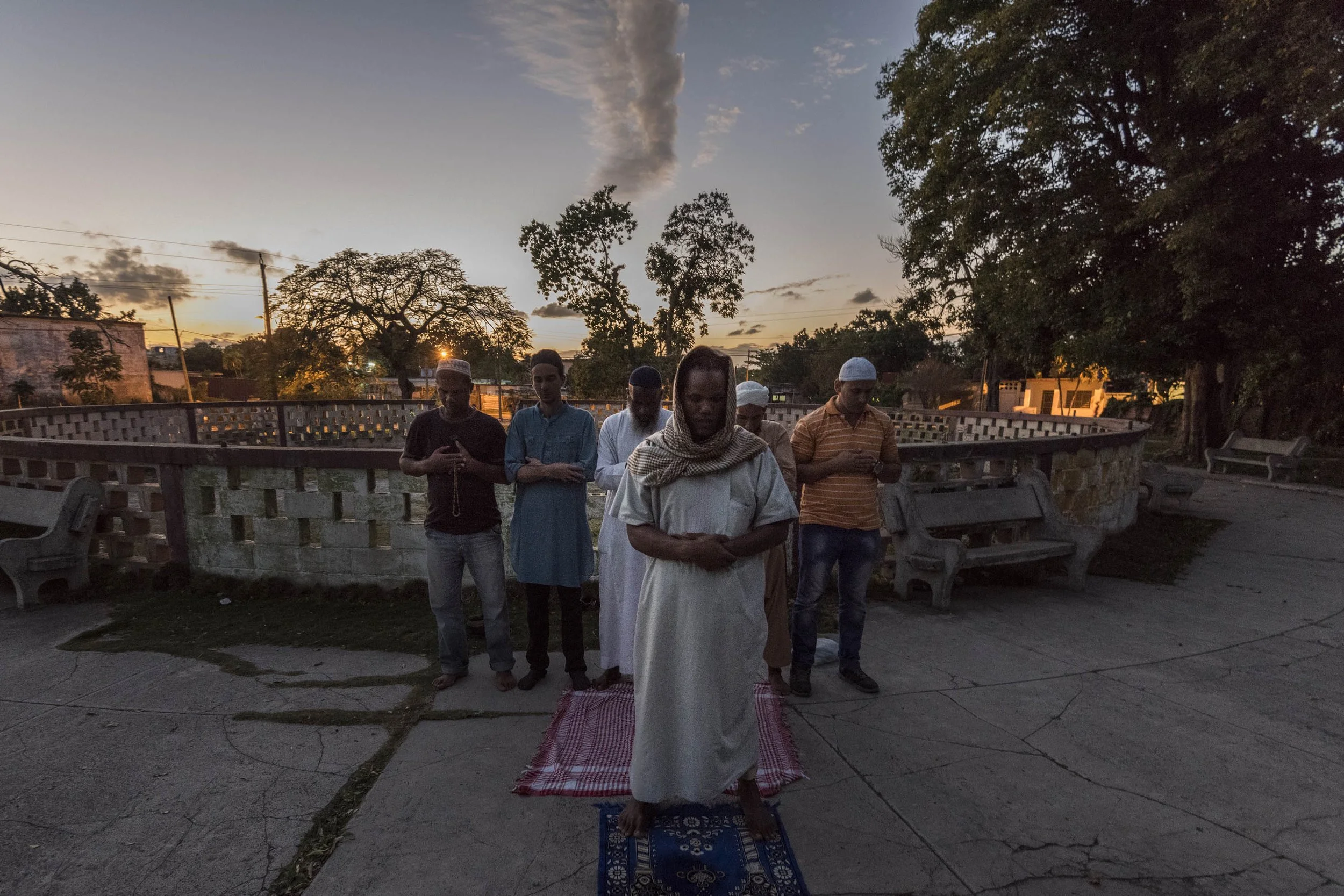
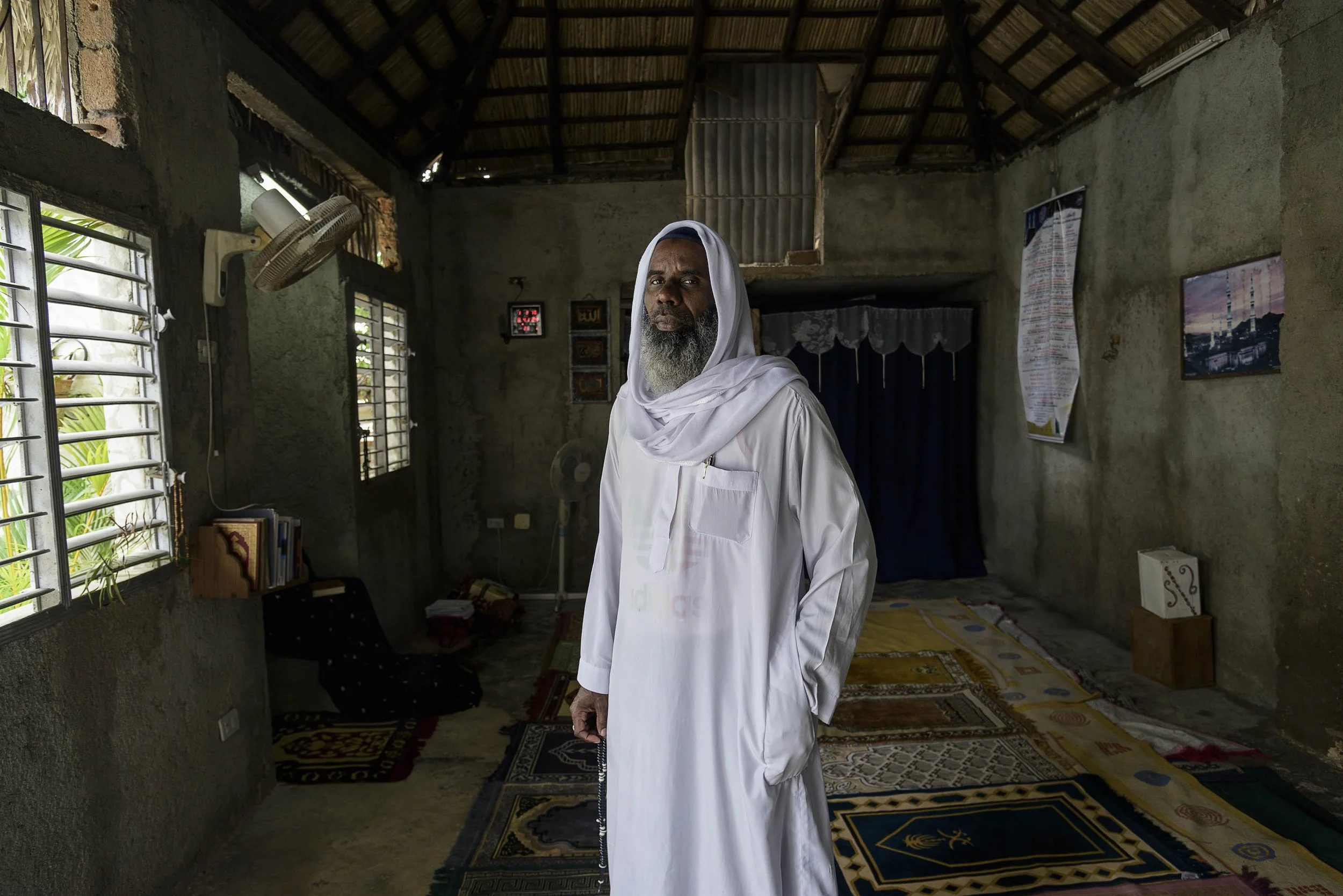
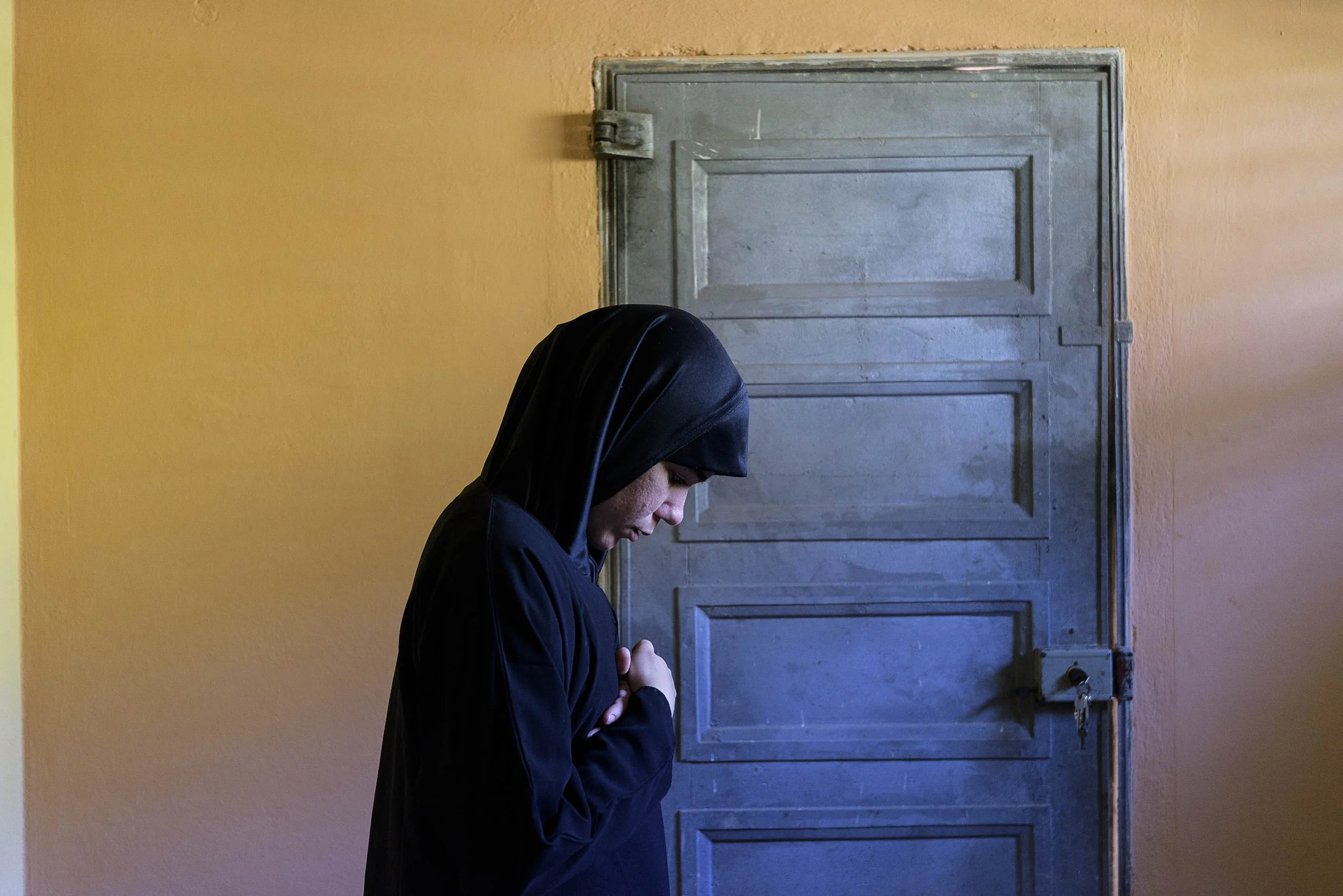
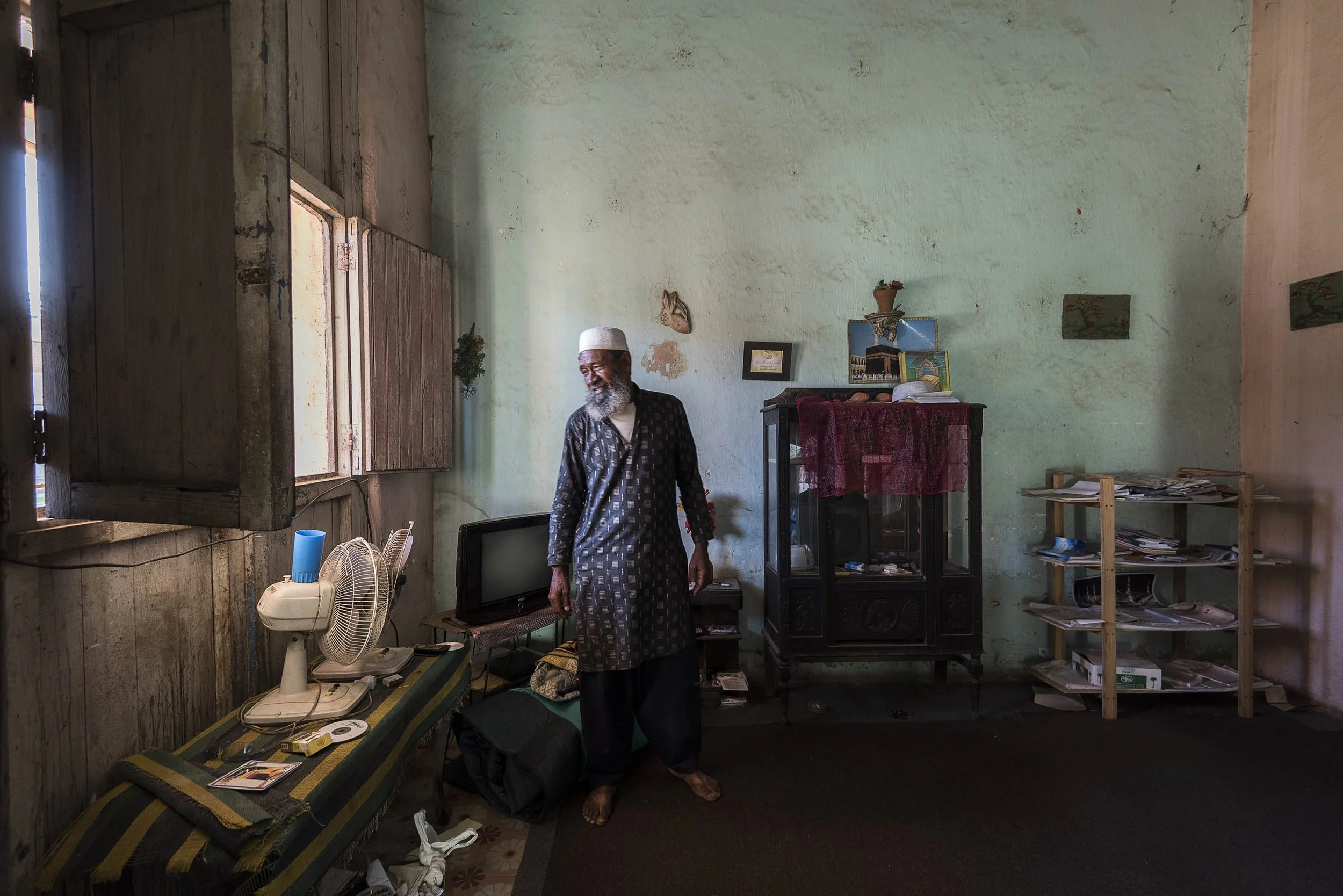
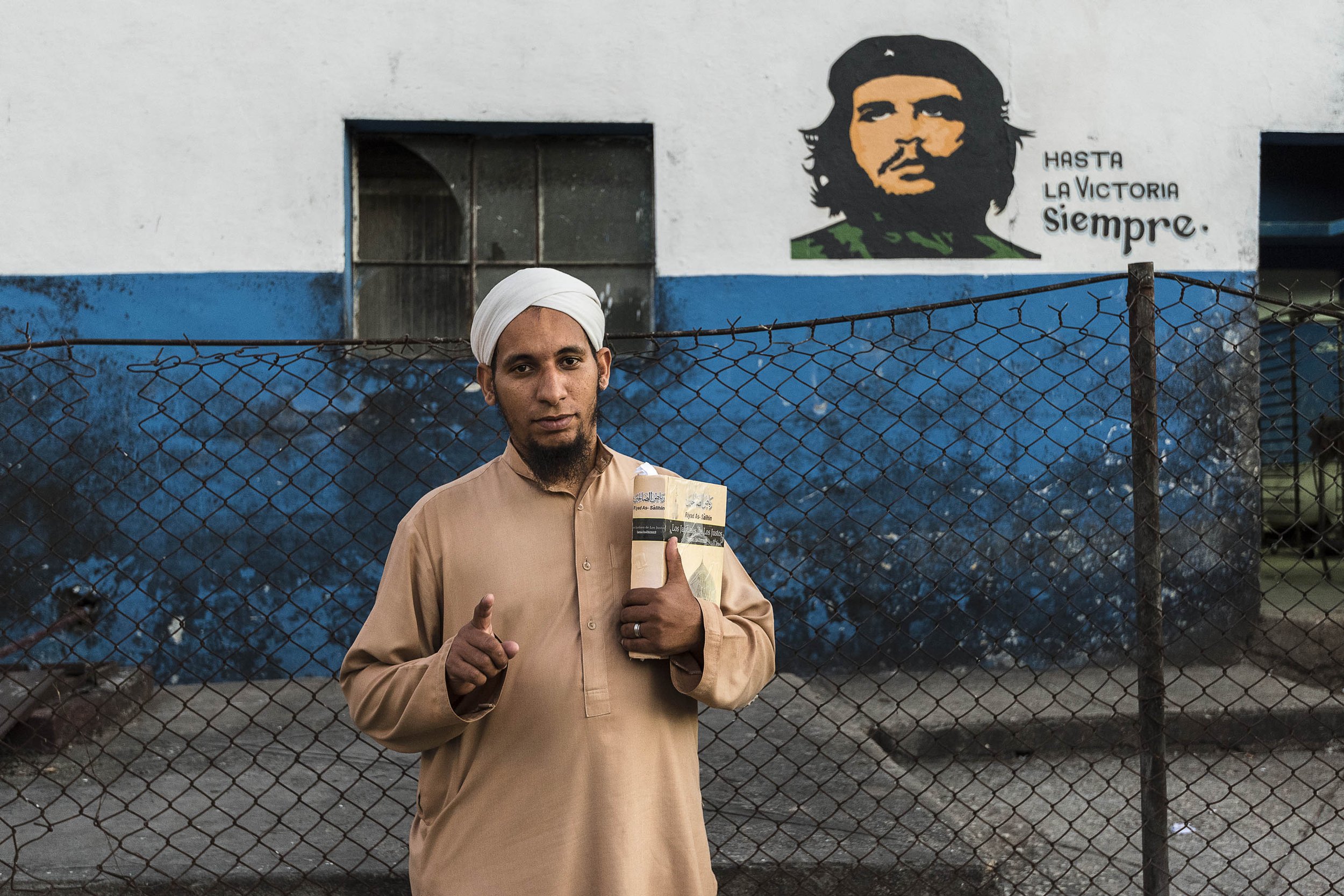
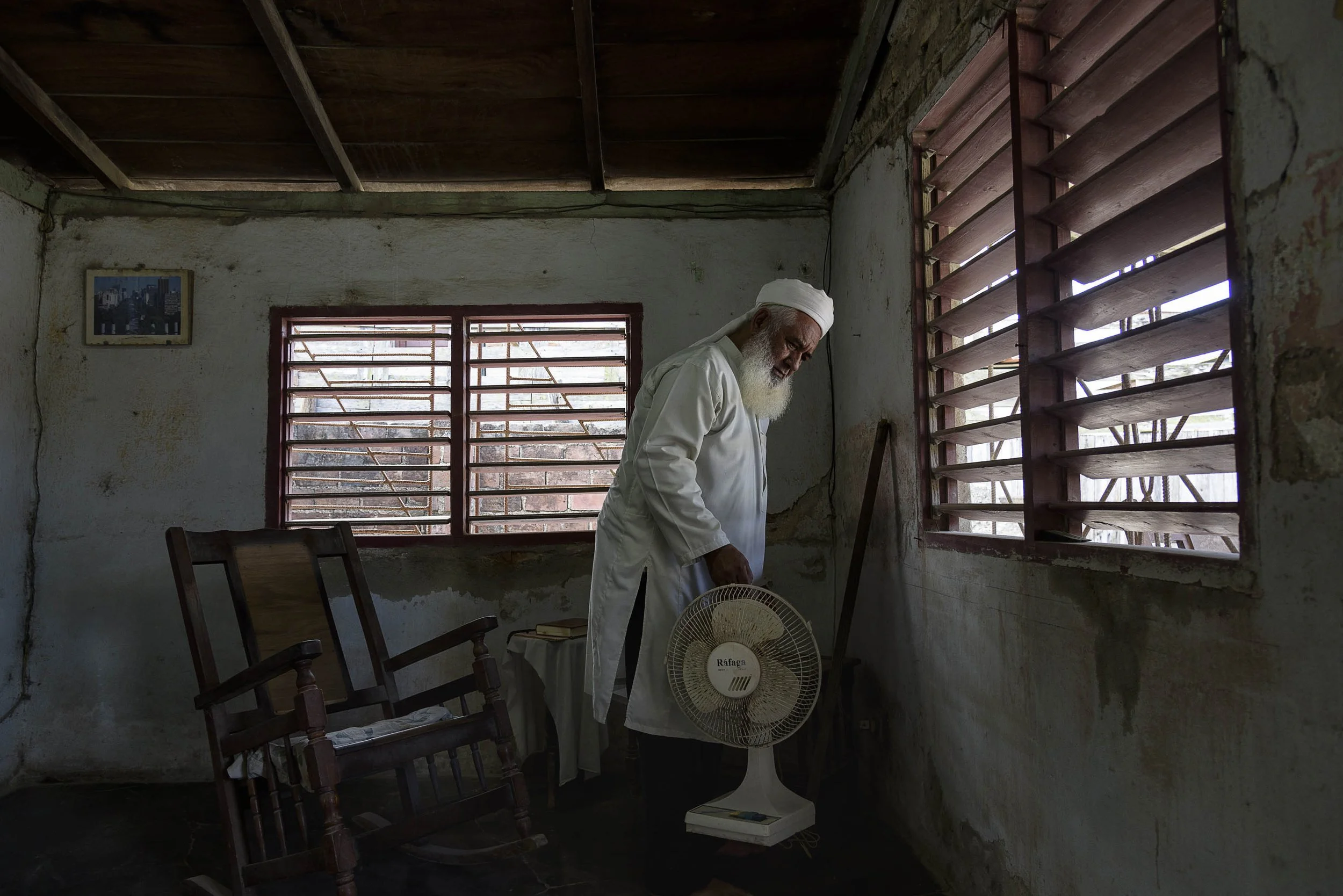
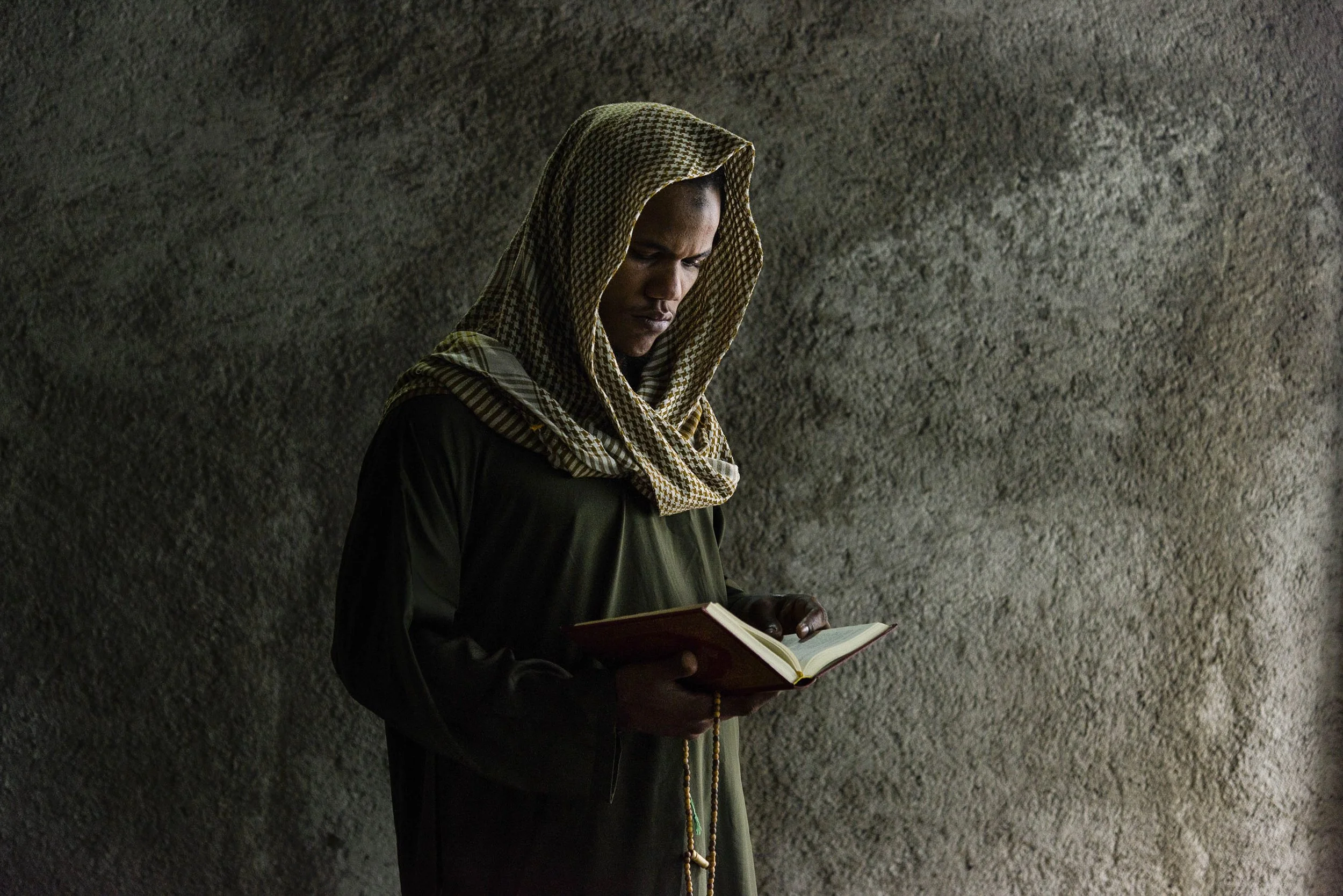
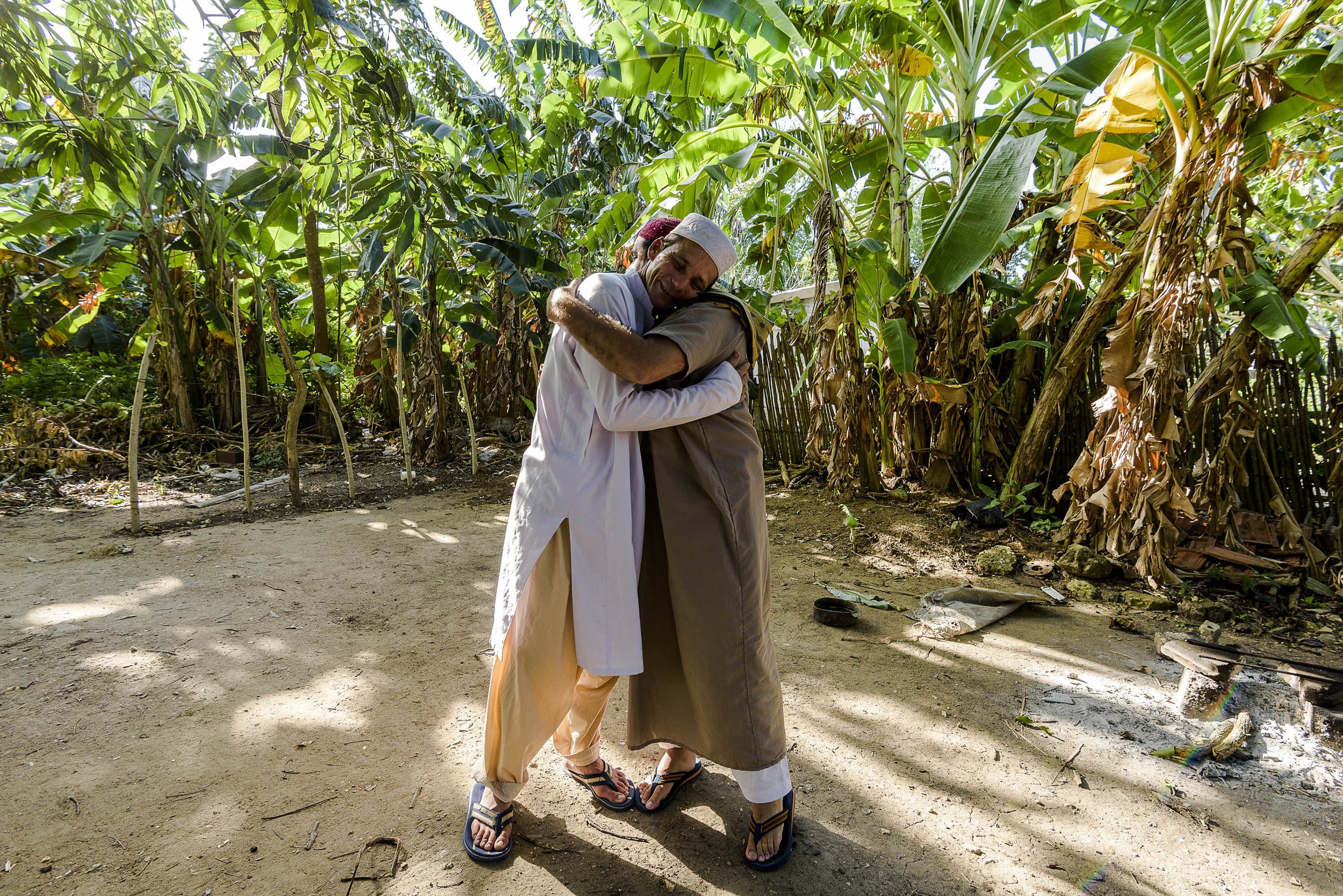
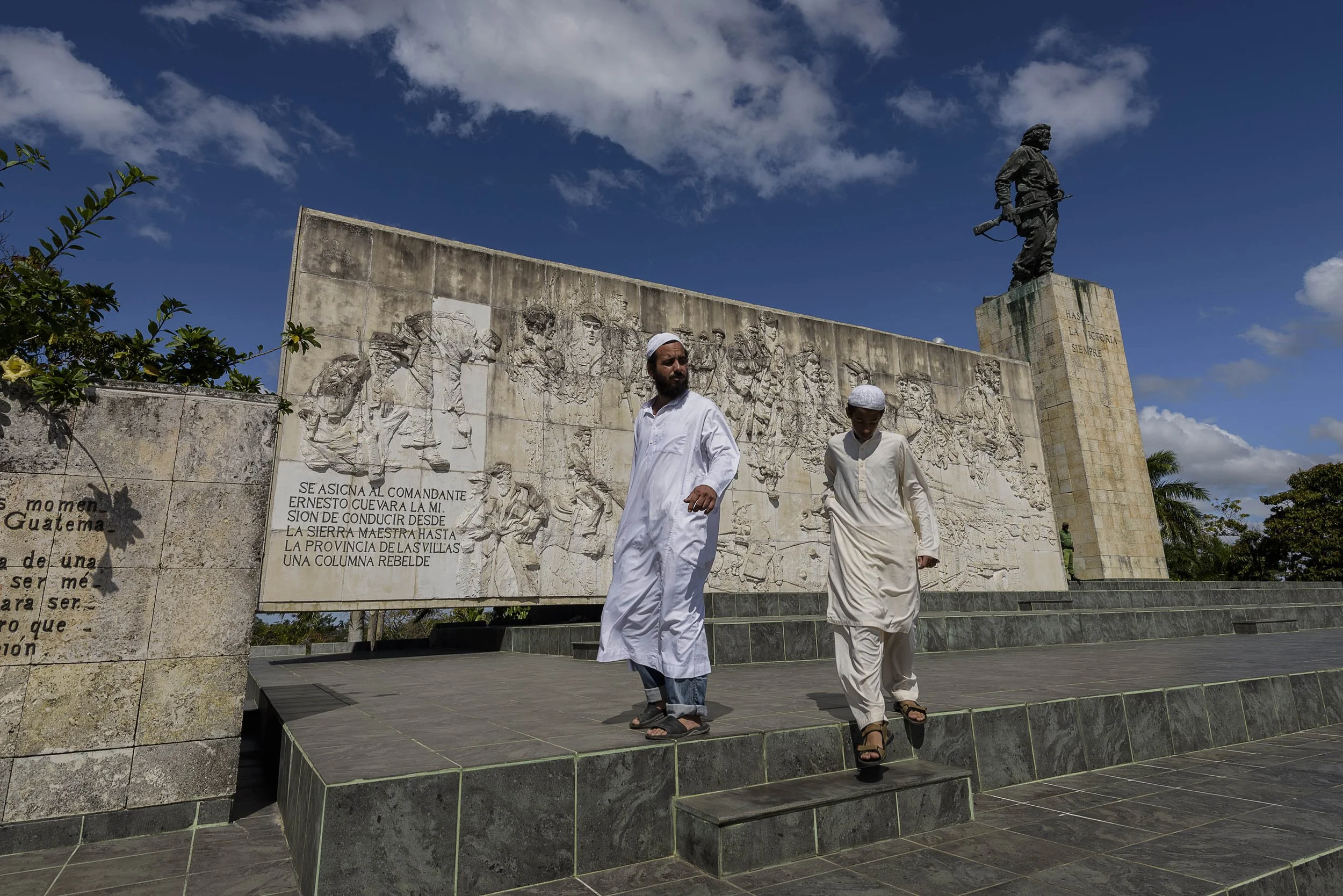
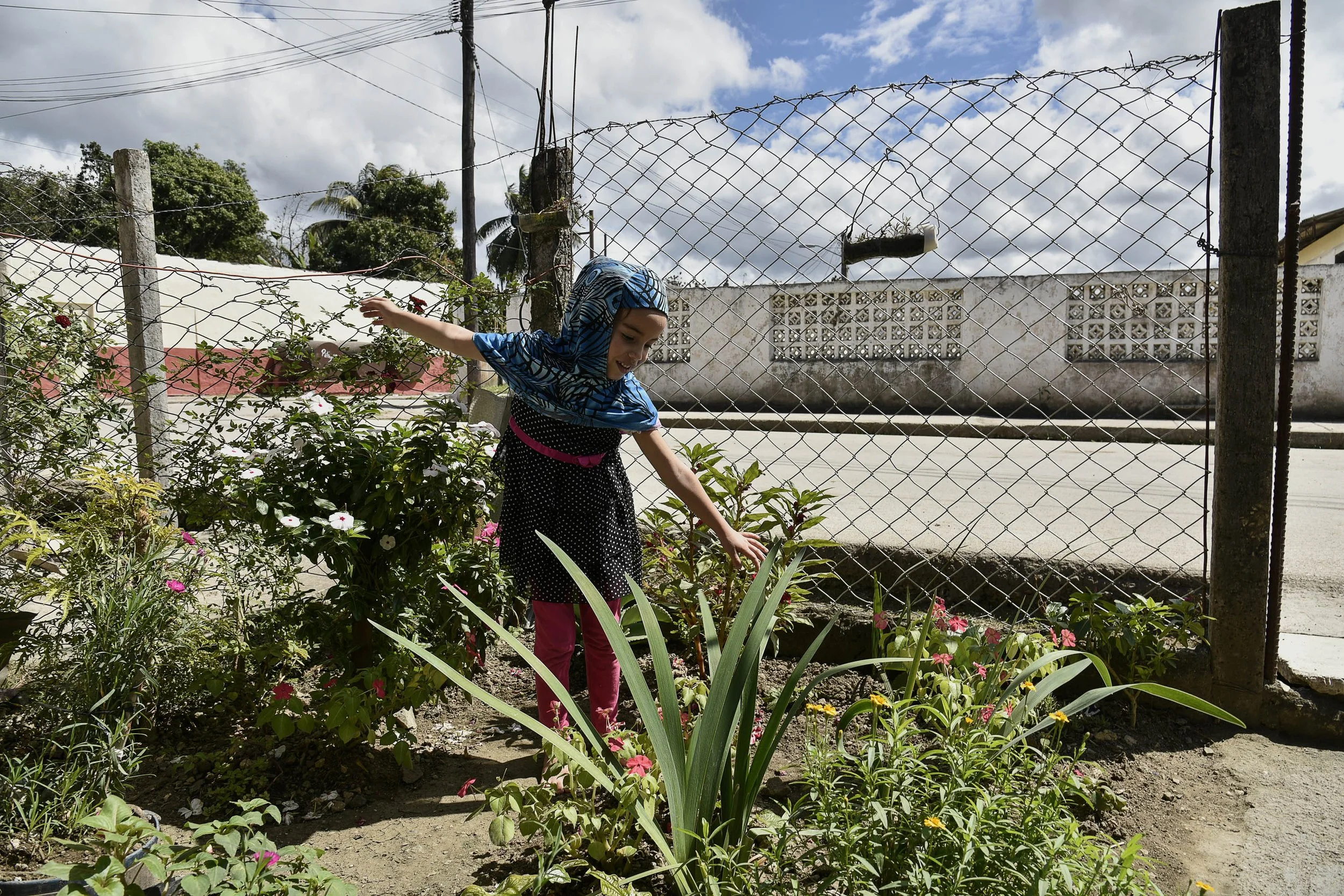
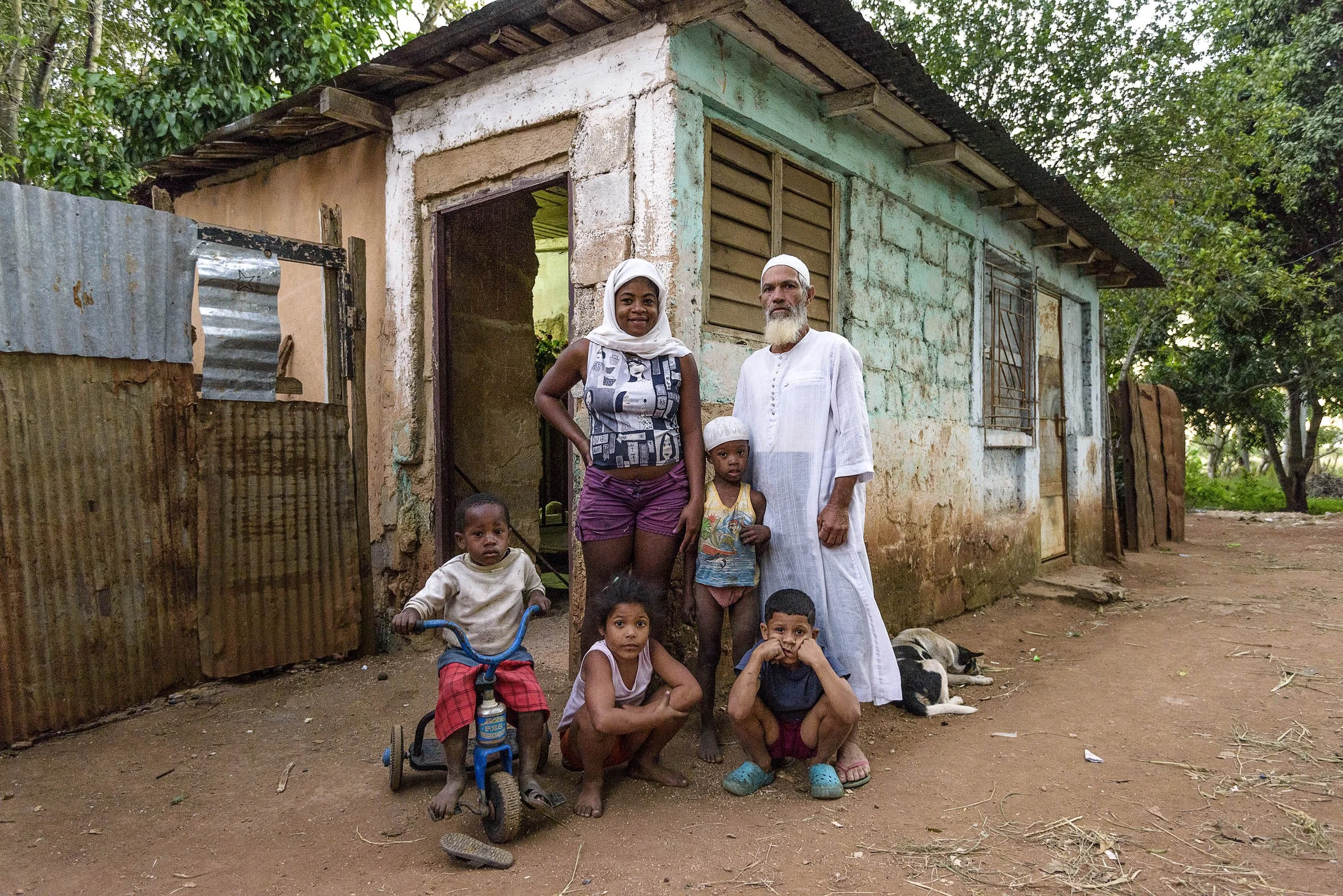
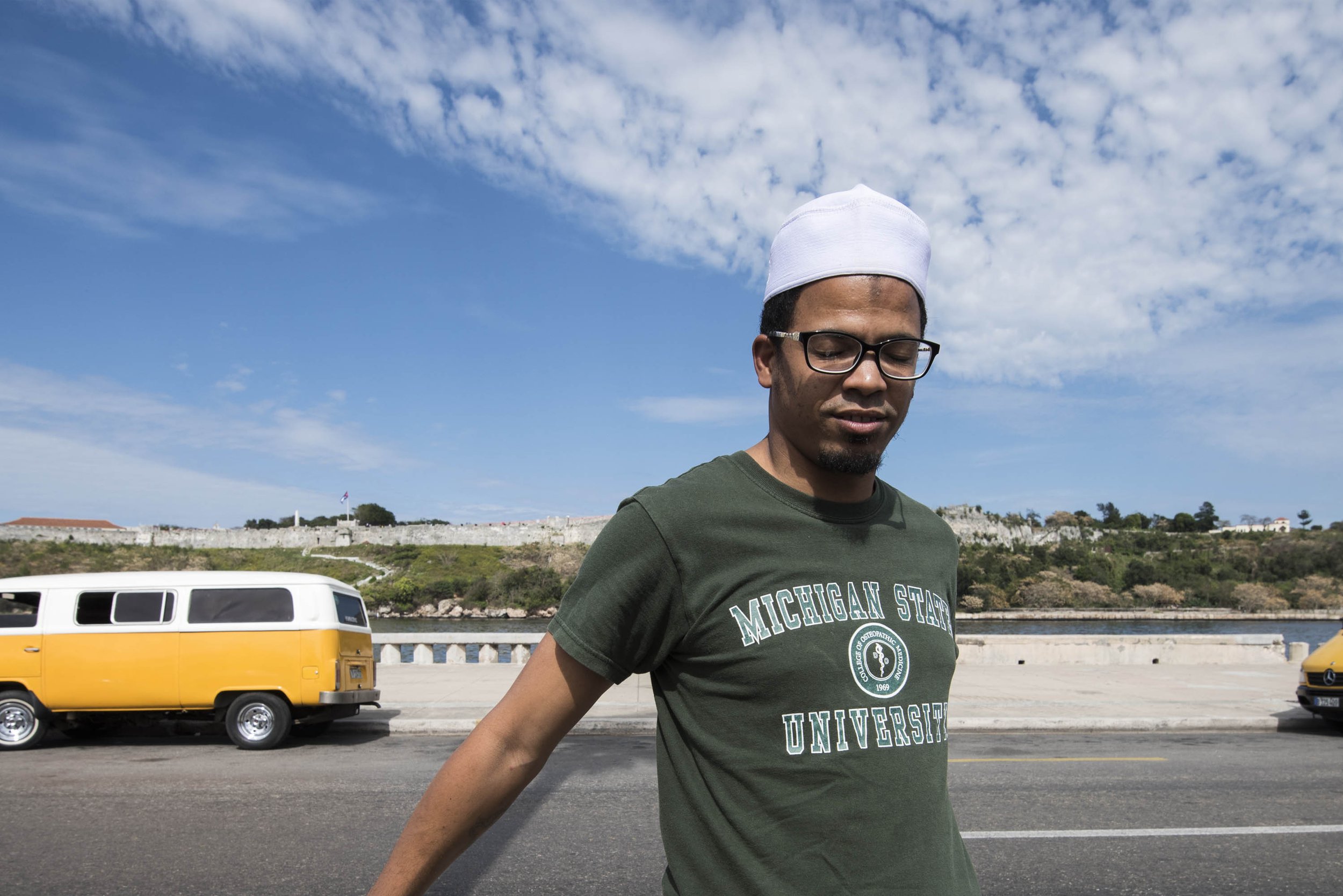
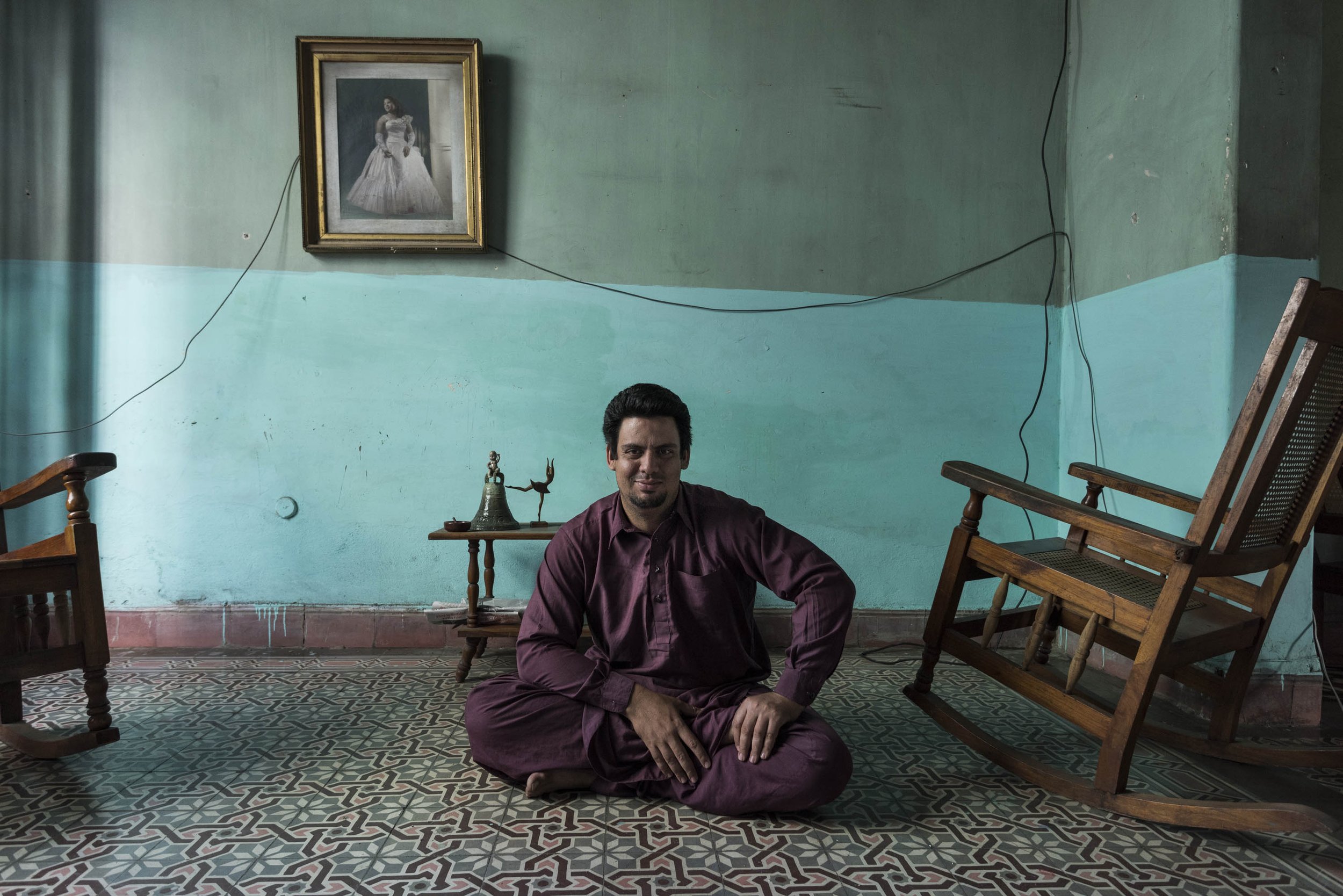
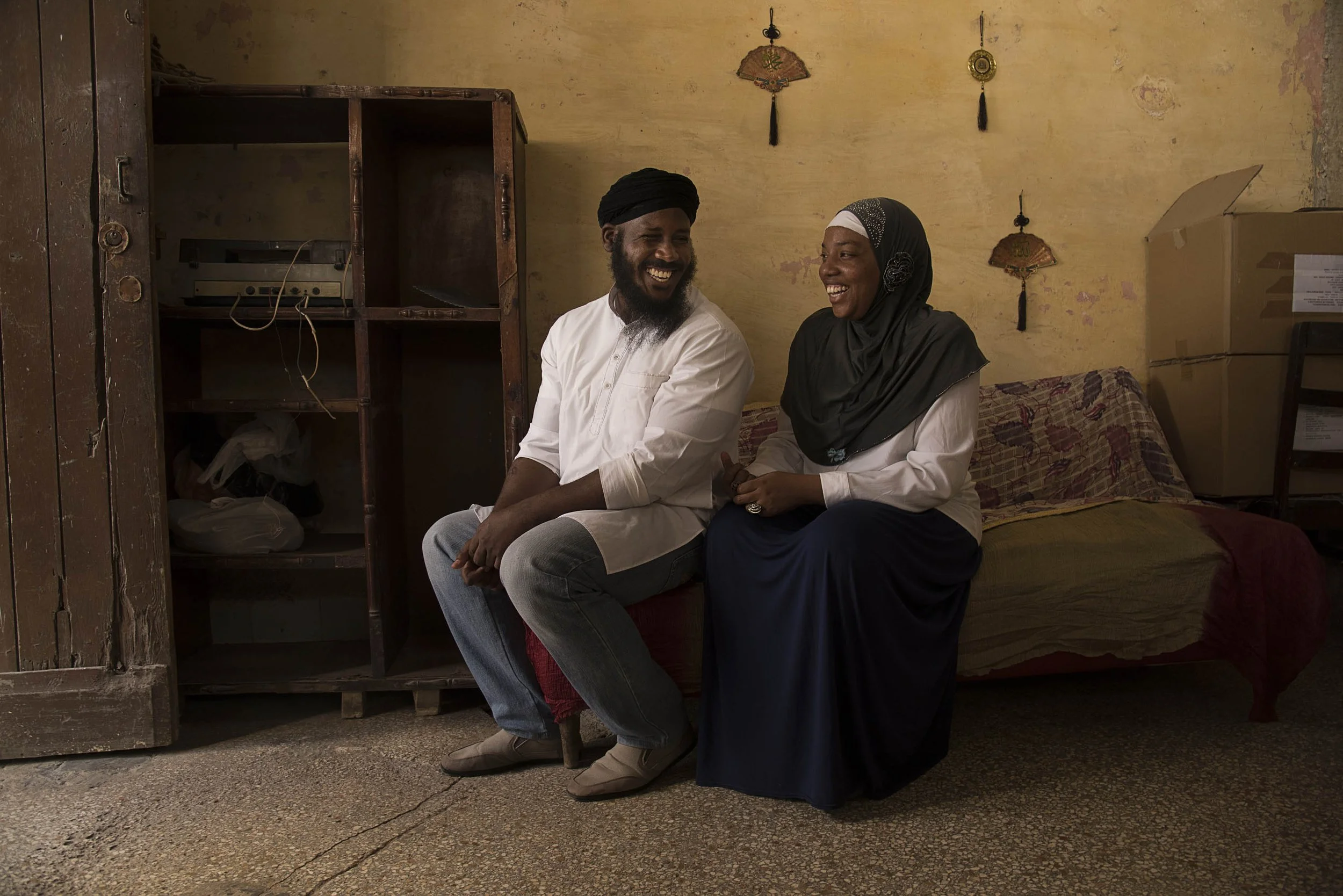
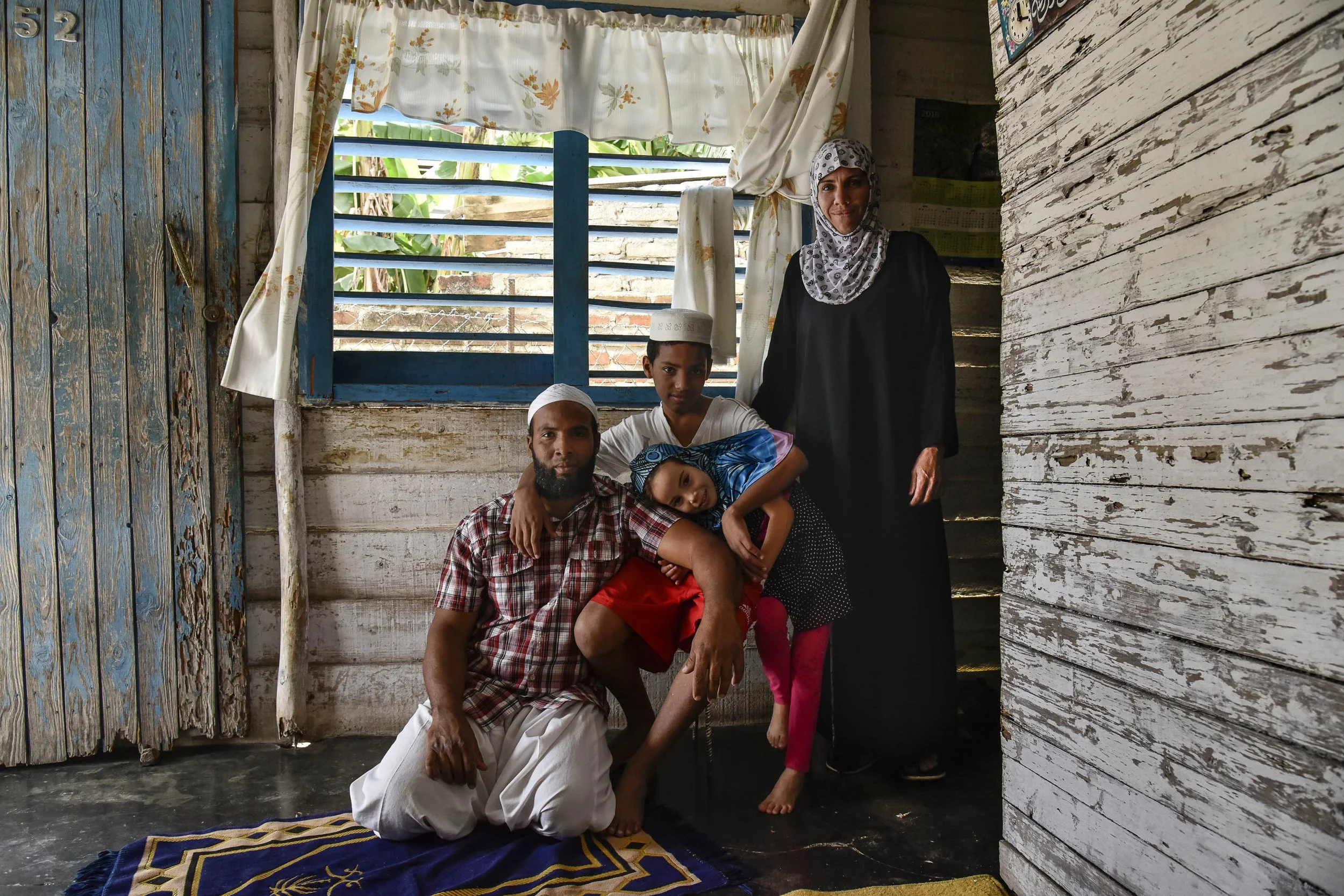
On an island celebrated for its music, dance, and vibrant streets, a quieter story unfolds—one of faith, resilience, and community. The Cuban Muslim community is small but steadily growing, numbering around 4,000 people according to unofficial estimates. Most are recent converts, drawn not only by spiritual conviction but also by the sense of brotherhood and guidance Islam offers in everyday life.
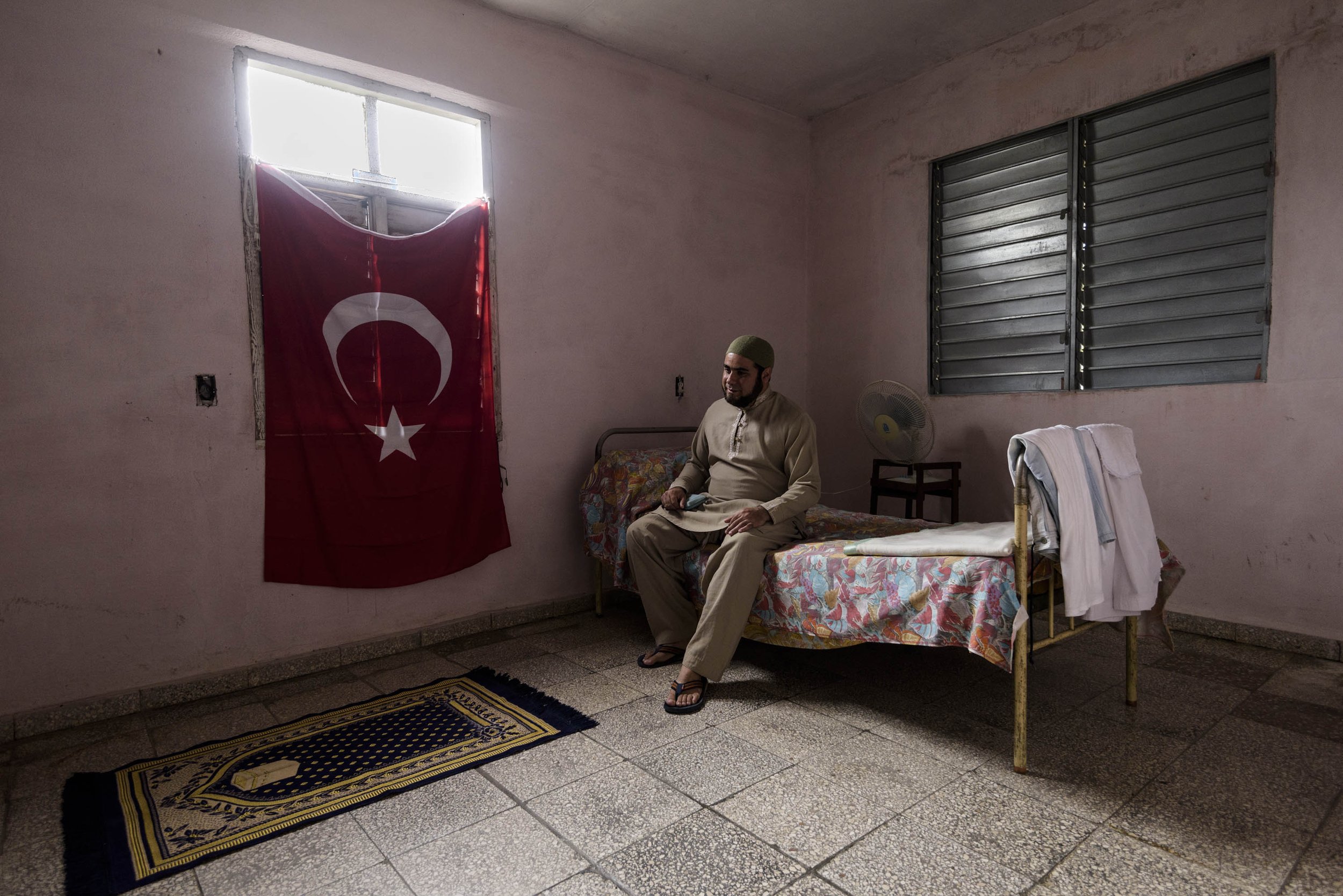
Islam began to take root in Cuba during the 1970s and 1980s, introduced by students and travelers from Muslim-majority countries. Its growth accelerated in the late 1990s and early 2000s with the arrival of Pakistani and Yemeni students through agreements with the Cuban government. Many Cubans, facing limited opportunities, were attracted by the strong sense of community and purpose they encountered. For some, Islam became not only a spiritual path but also a social anchor and a new identity.
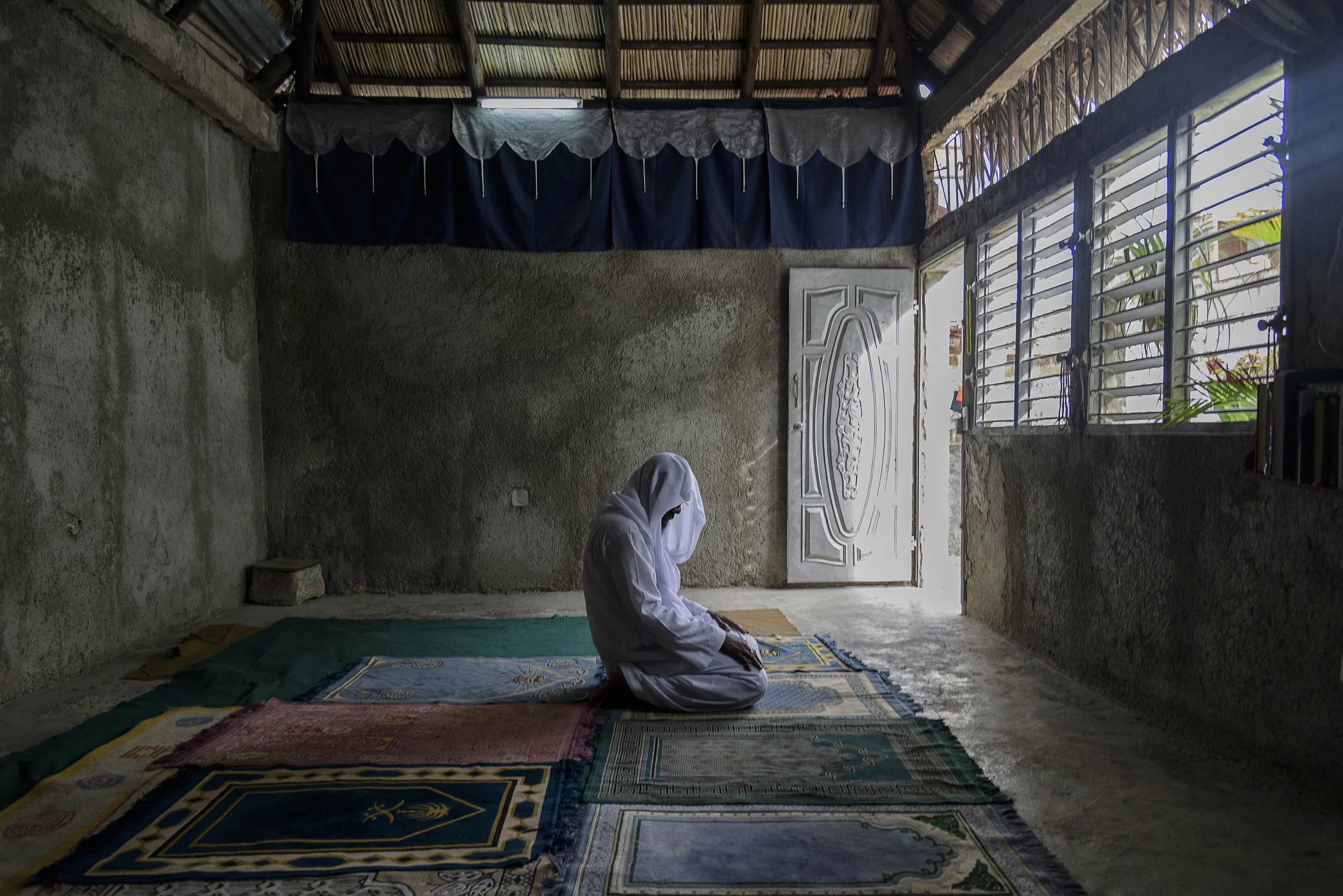
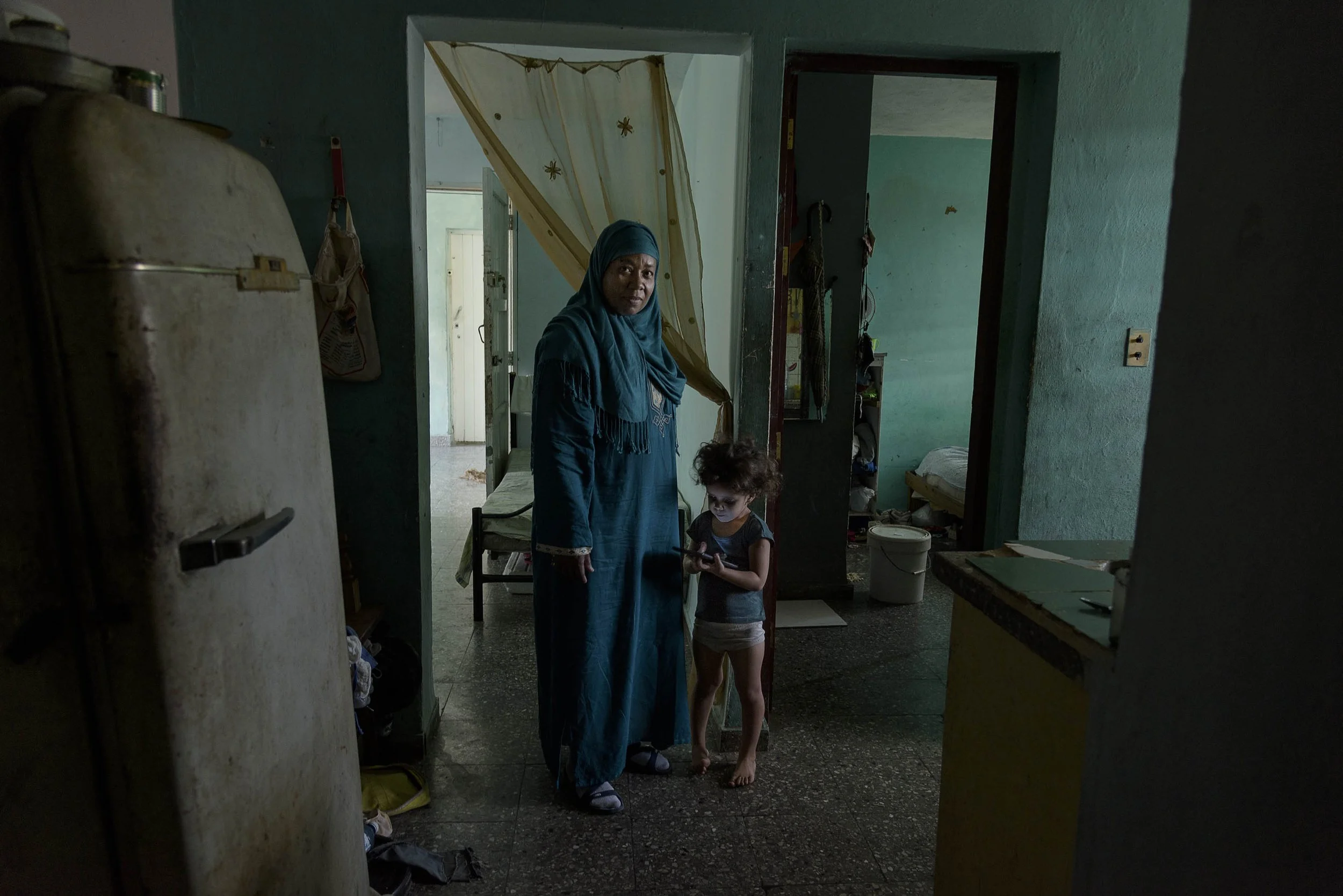
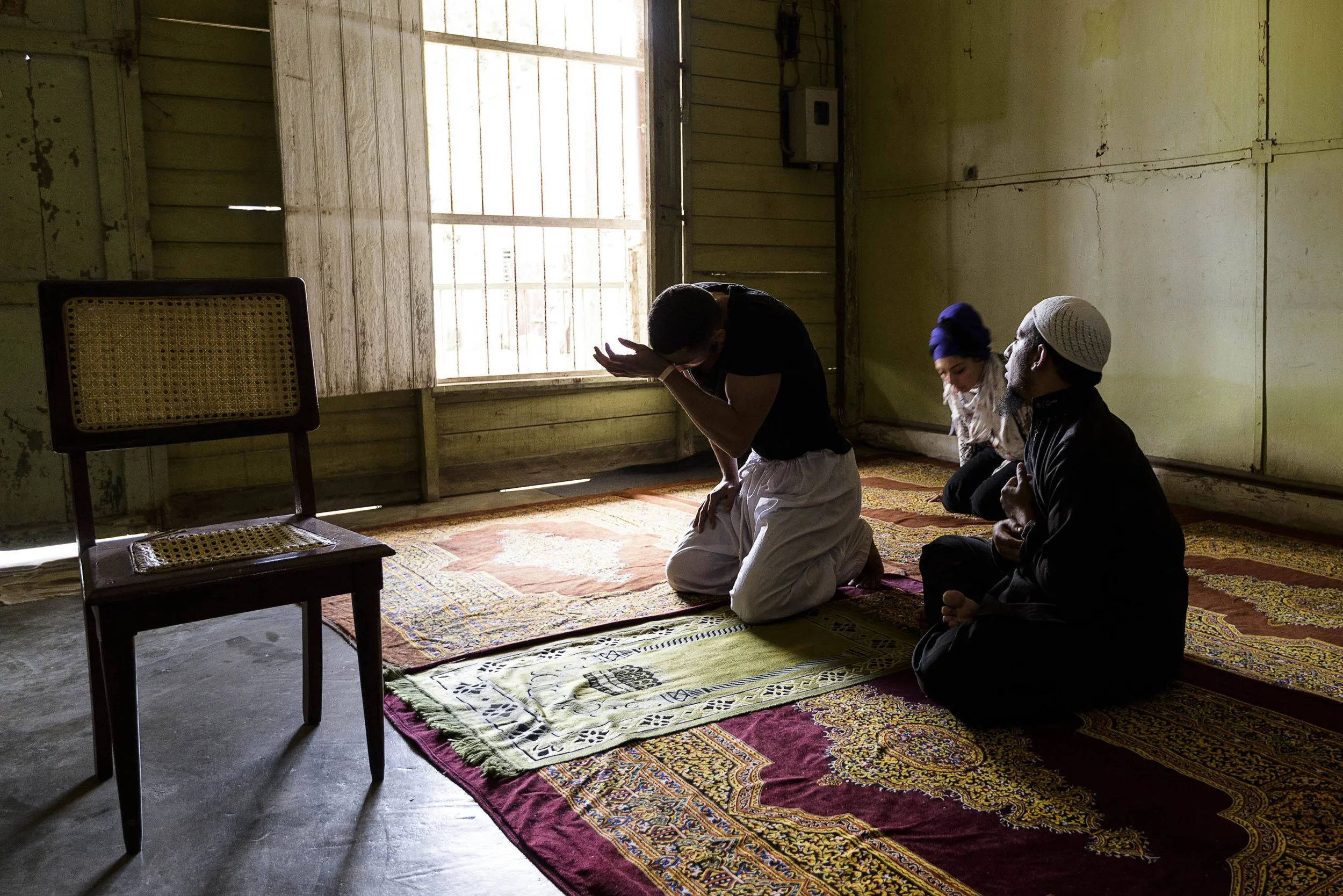
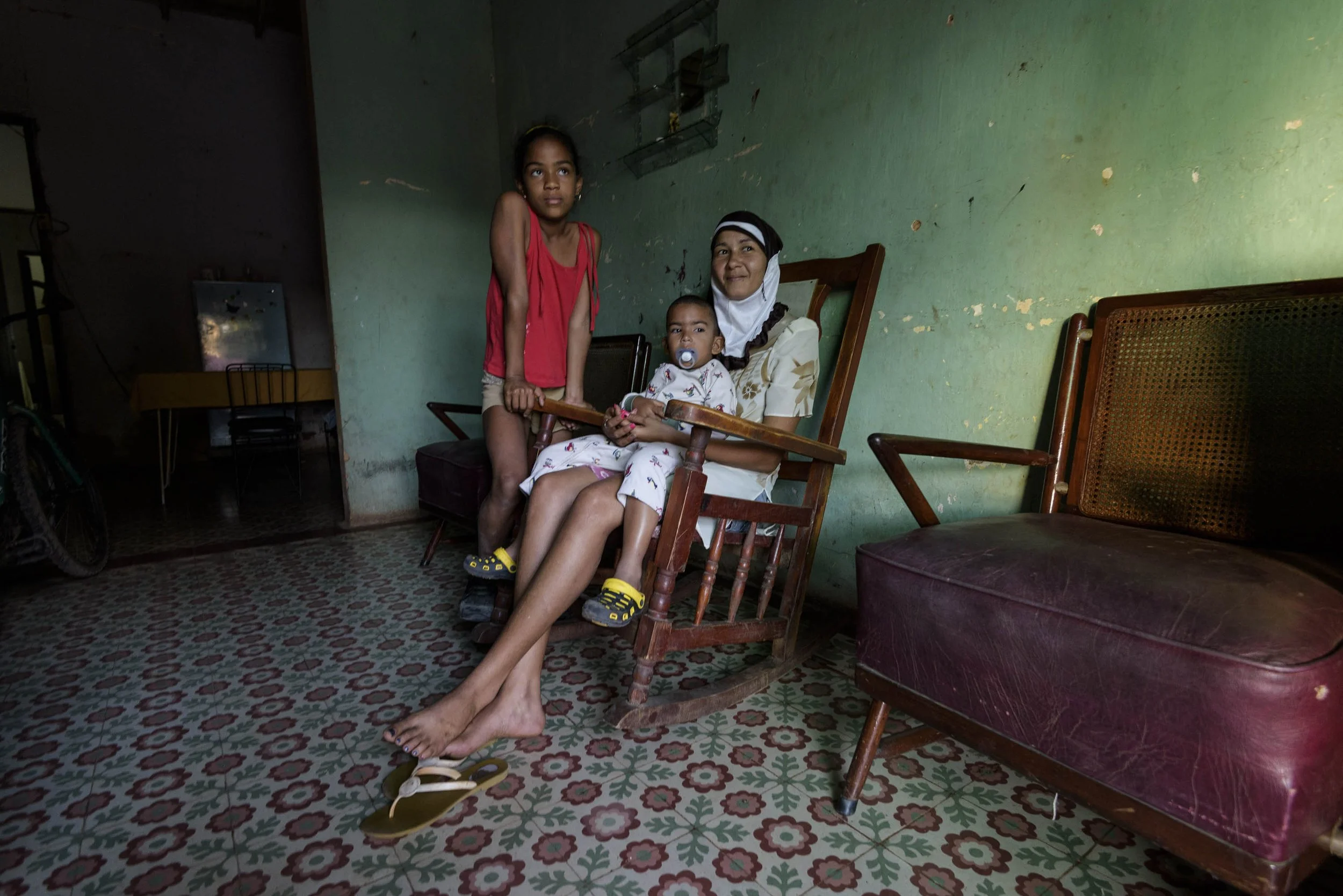
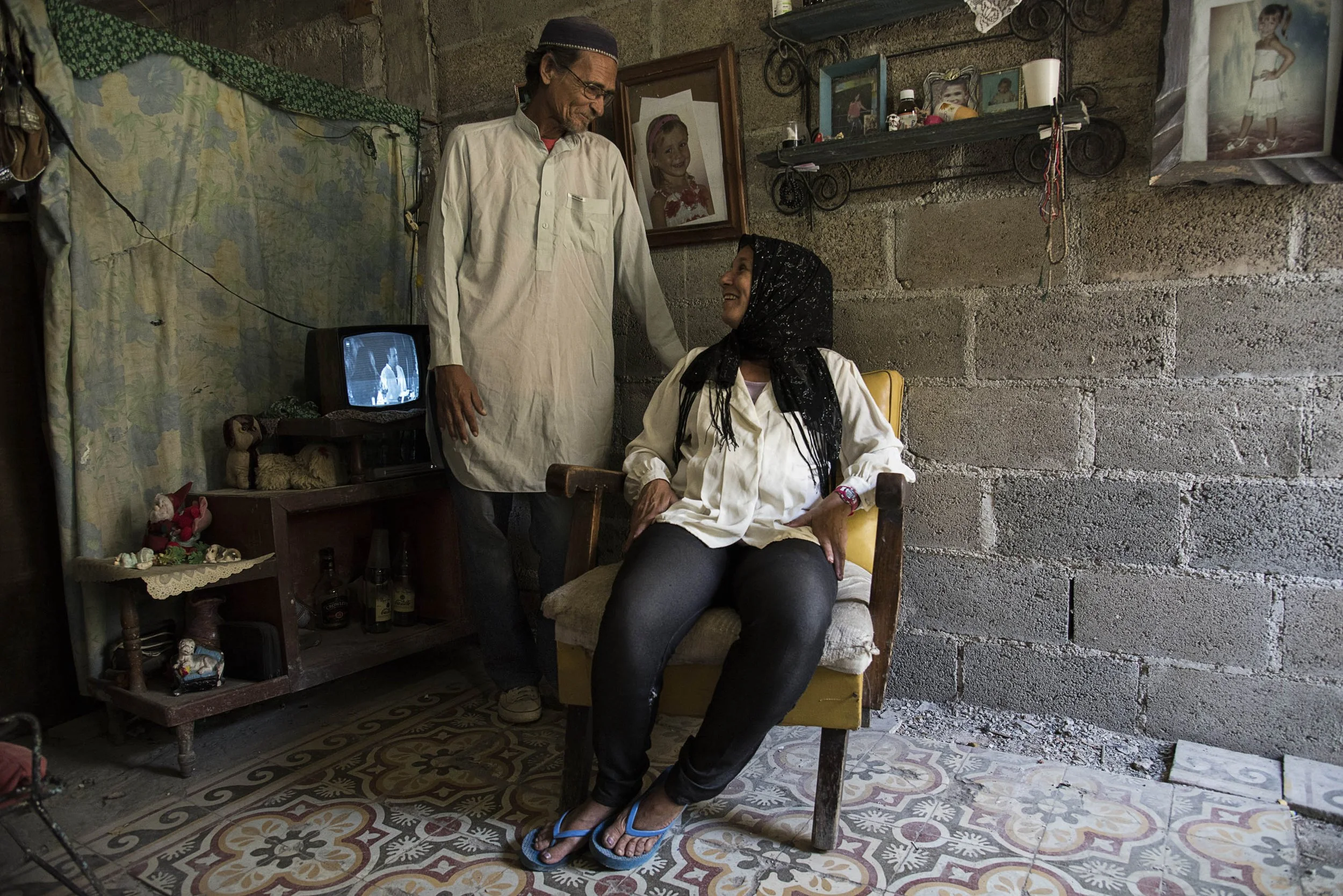
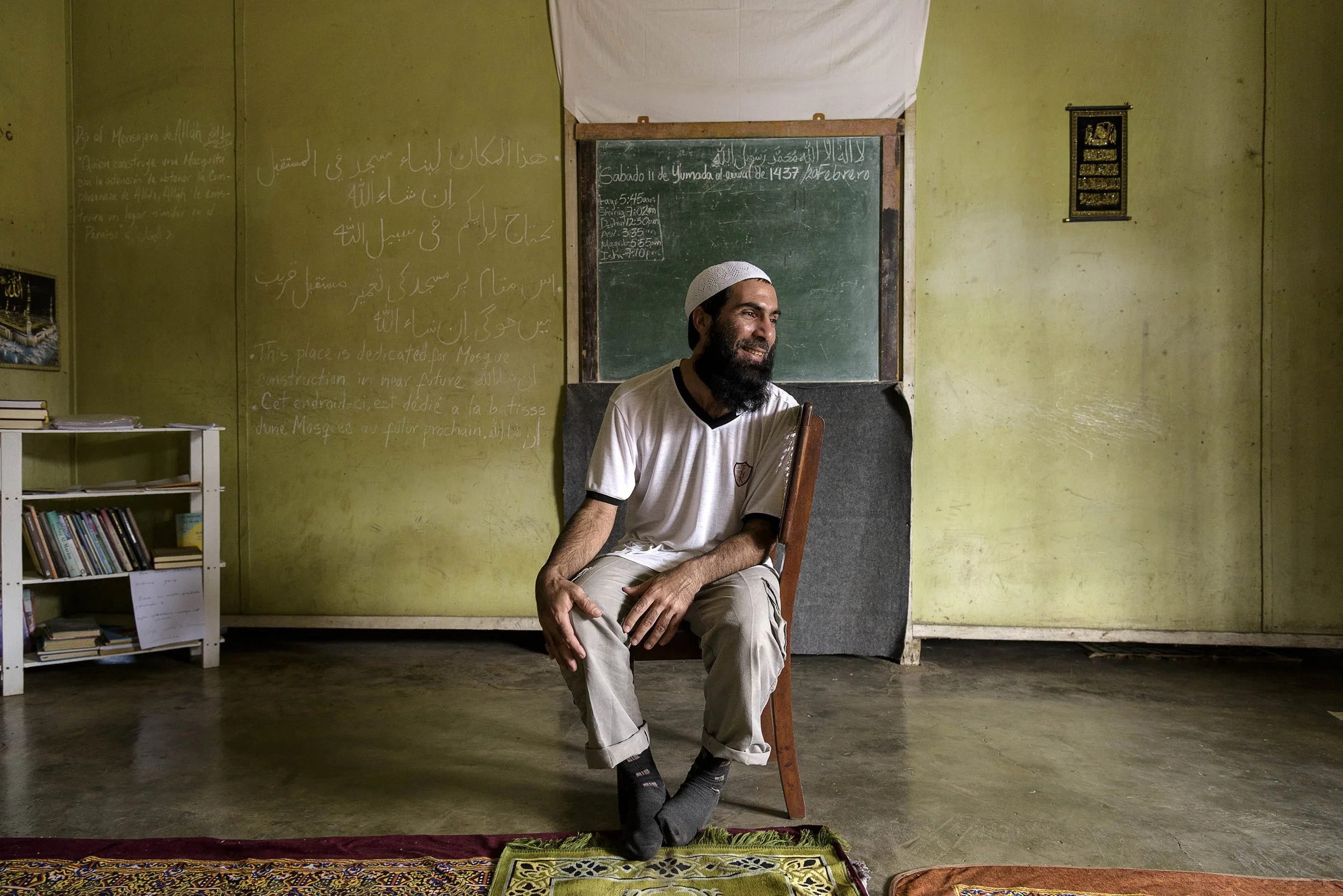
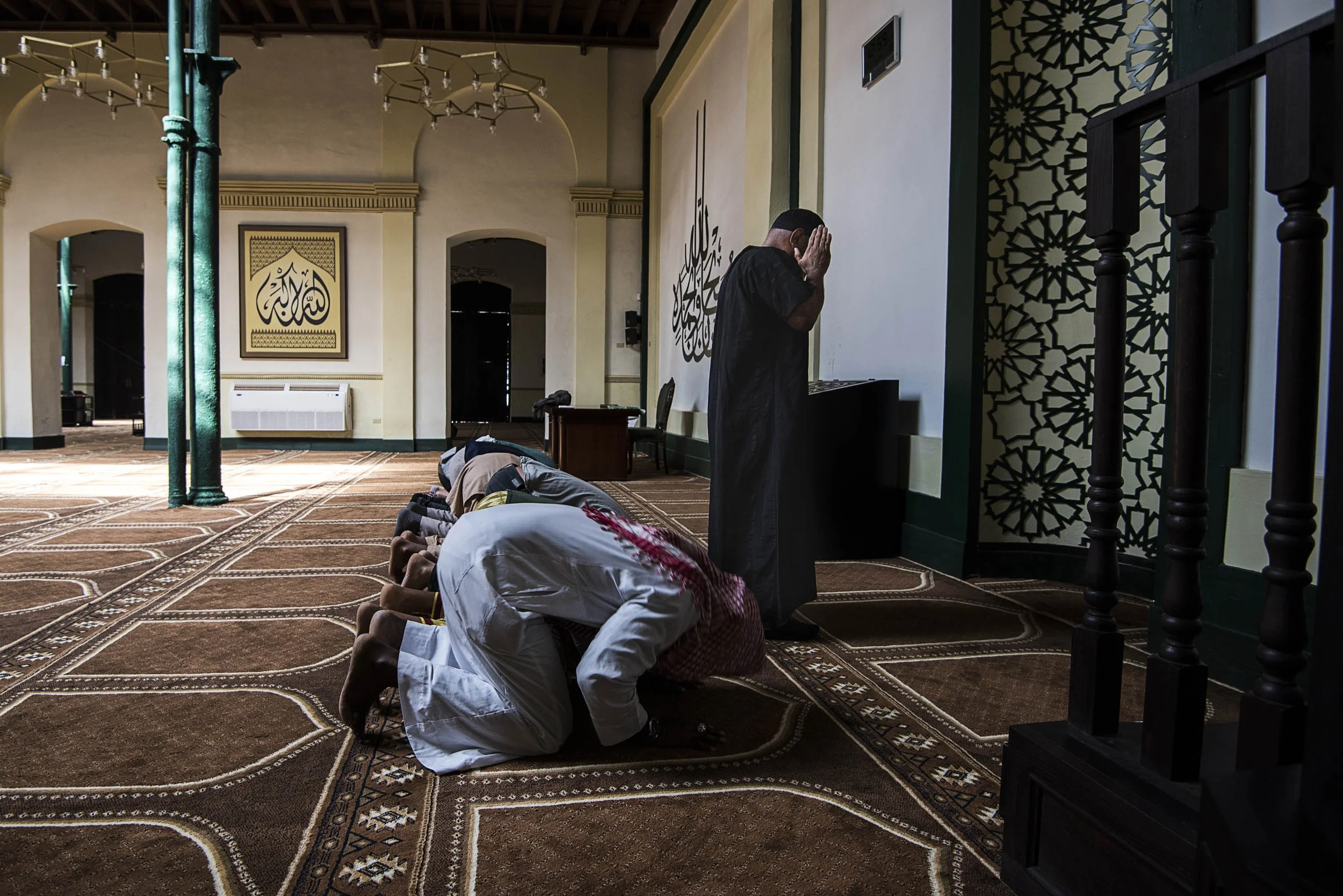
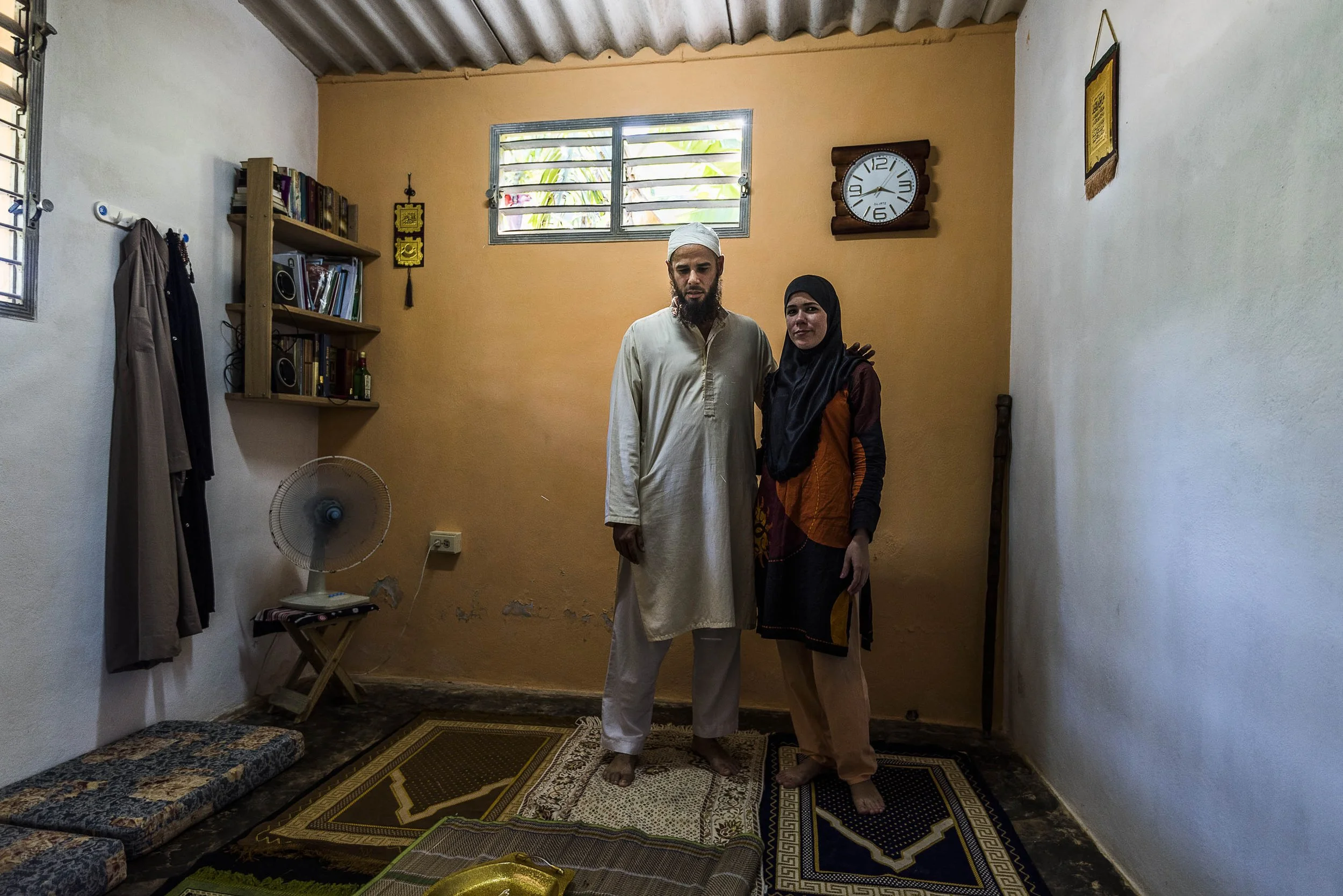
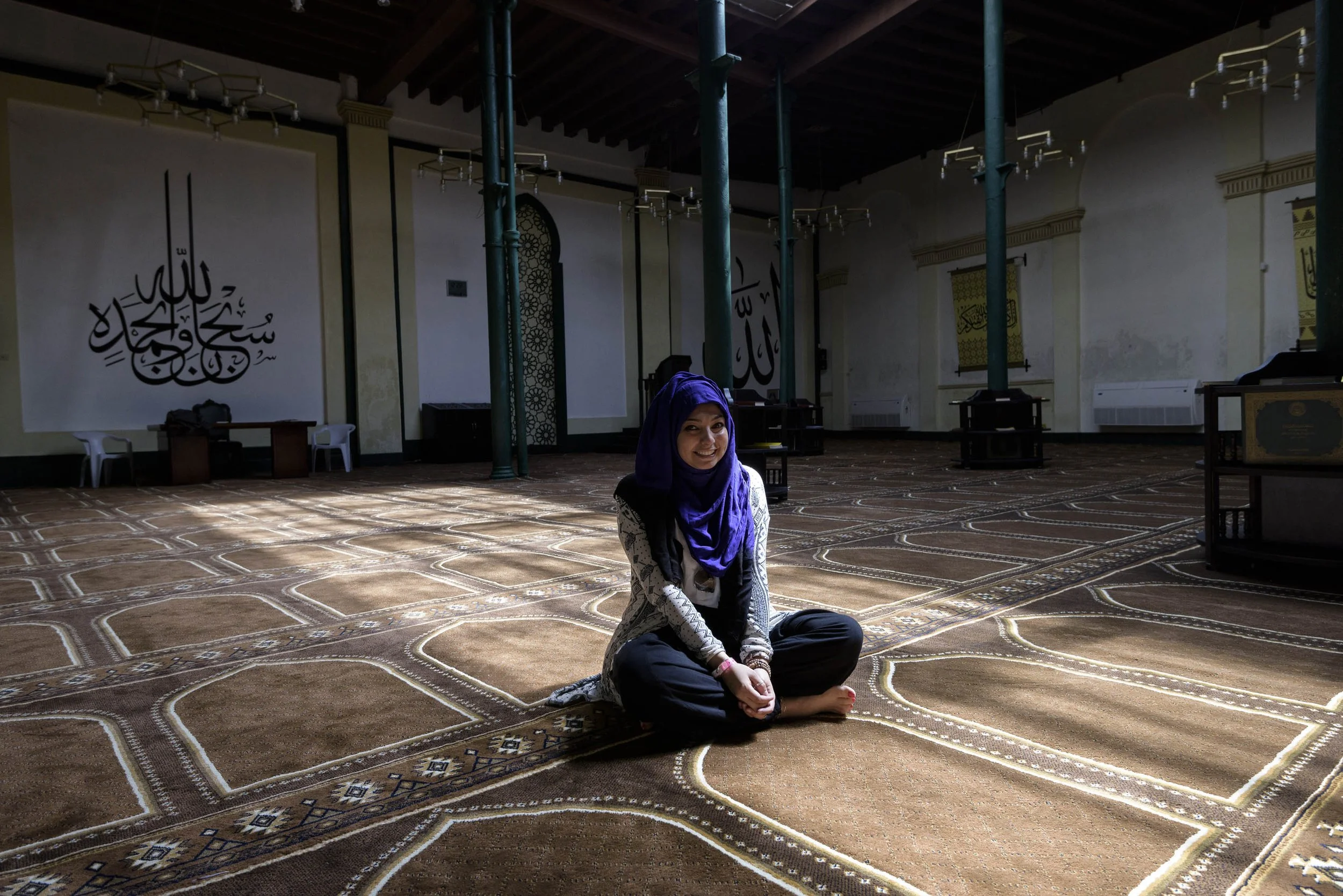
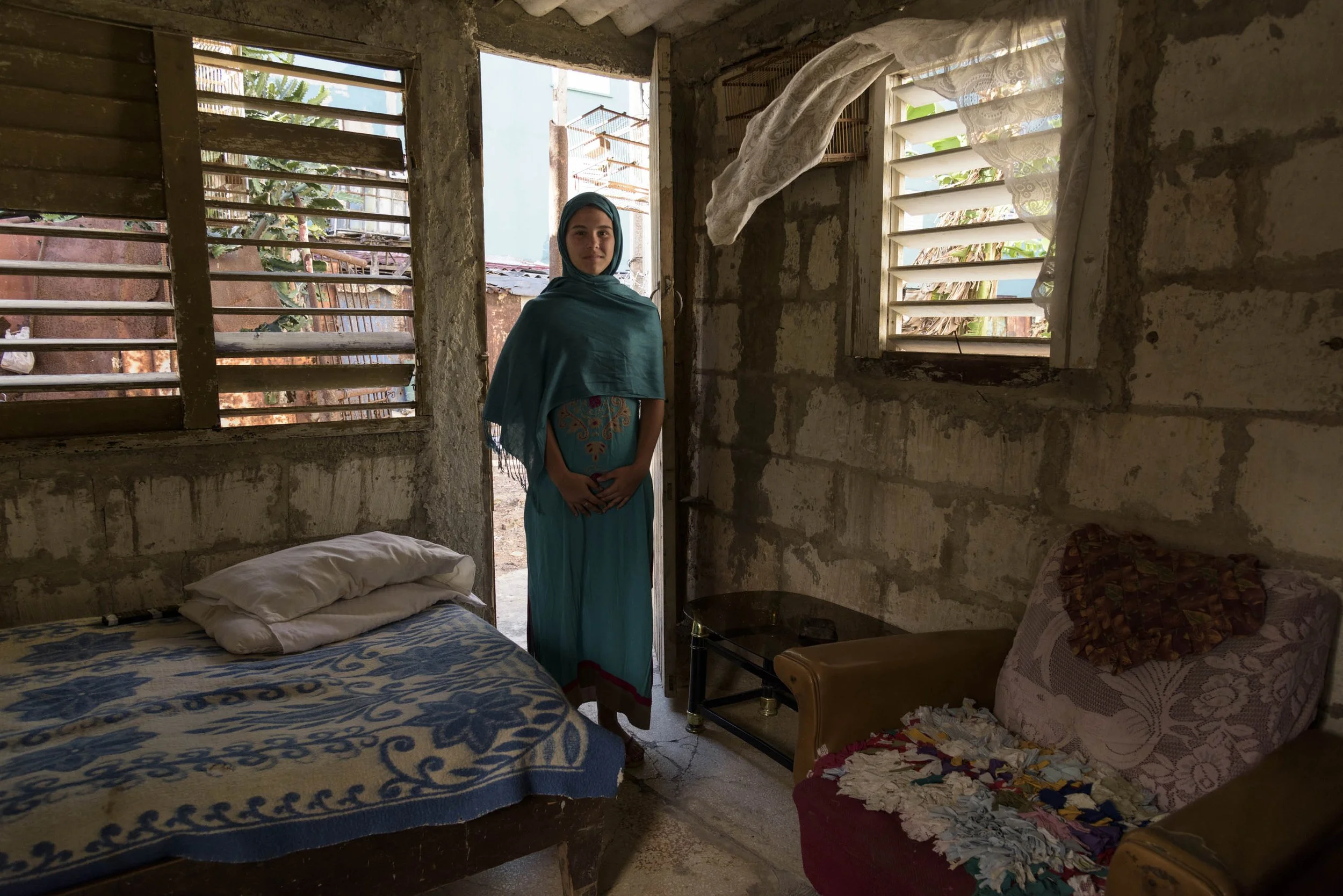
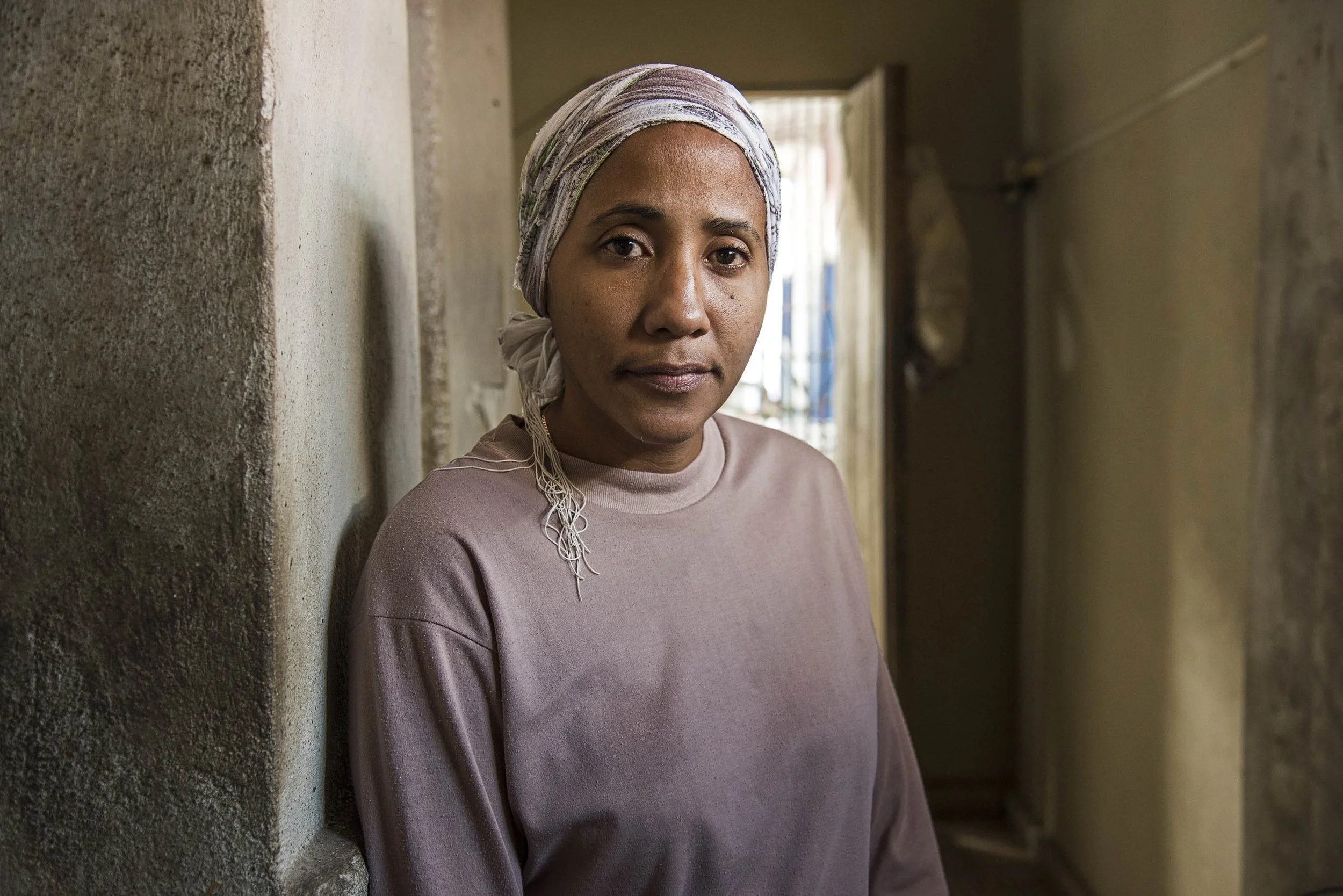
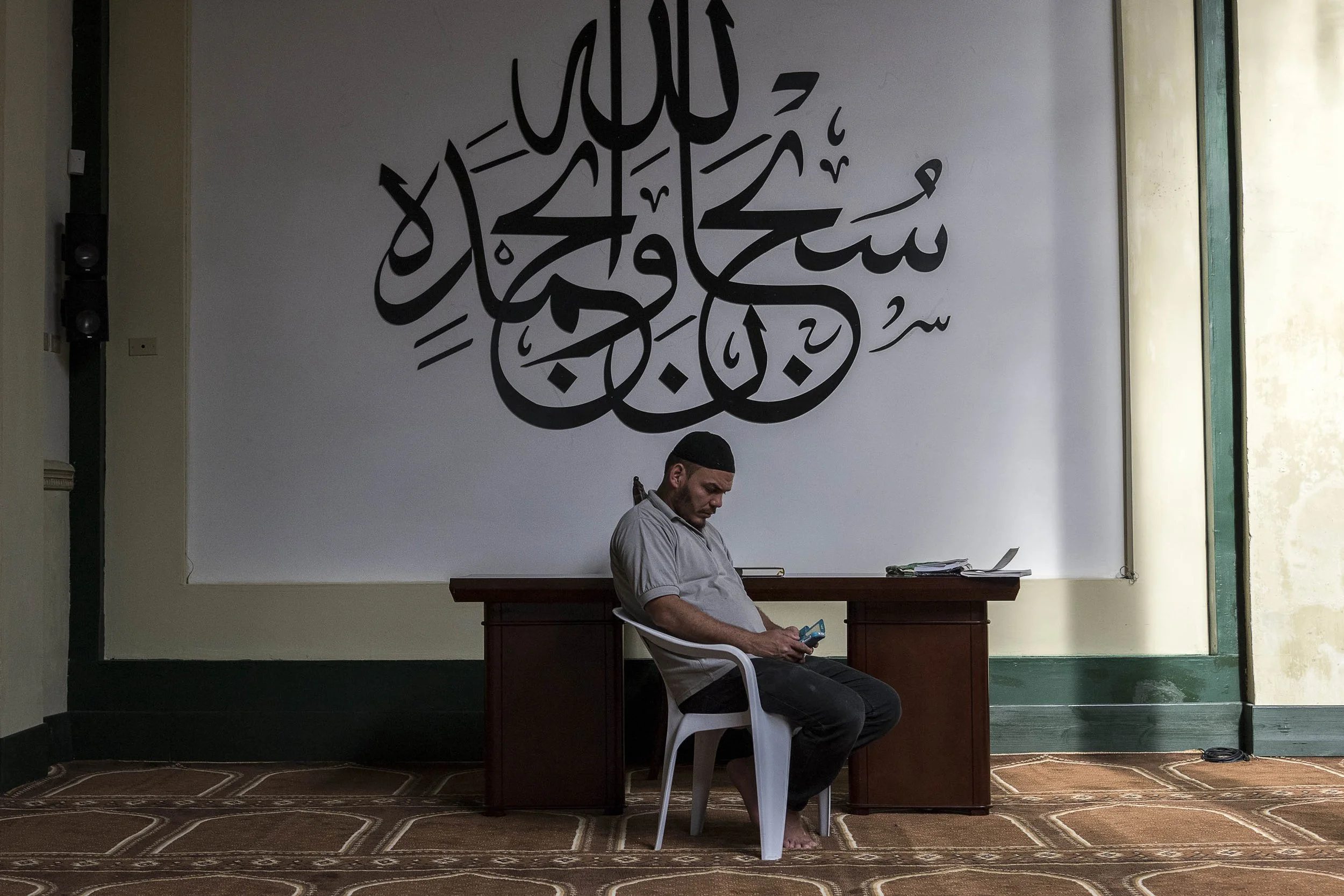
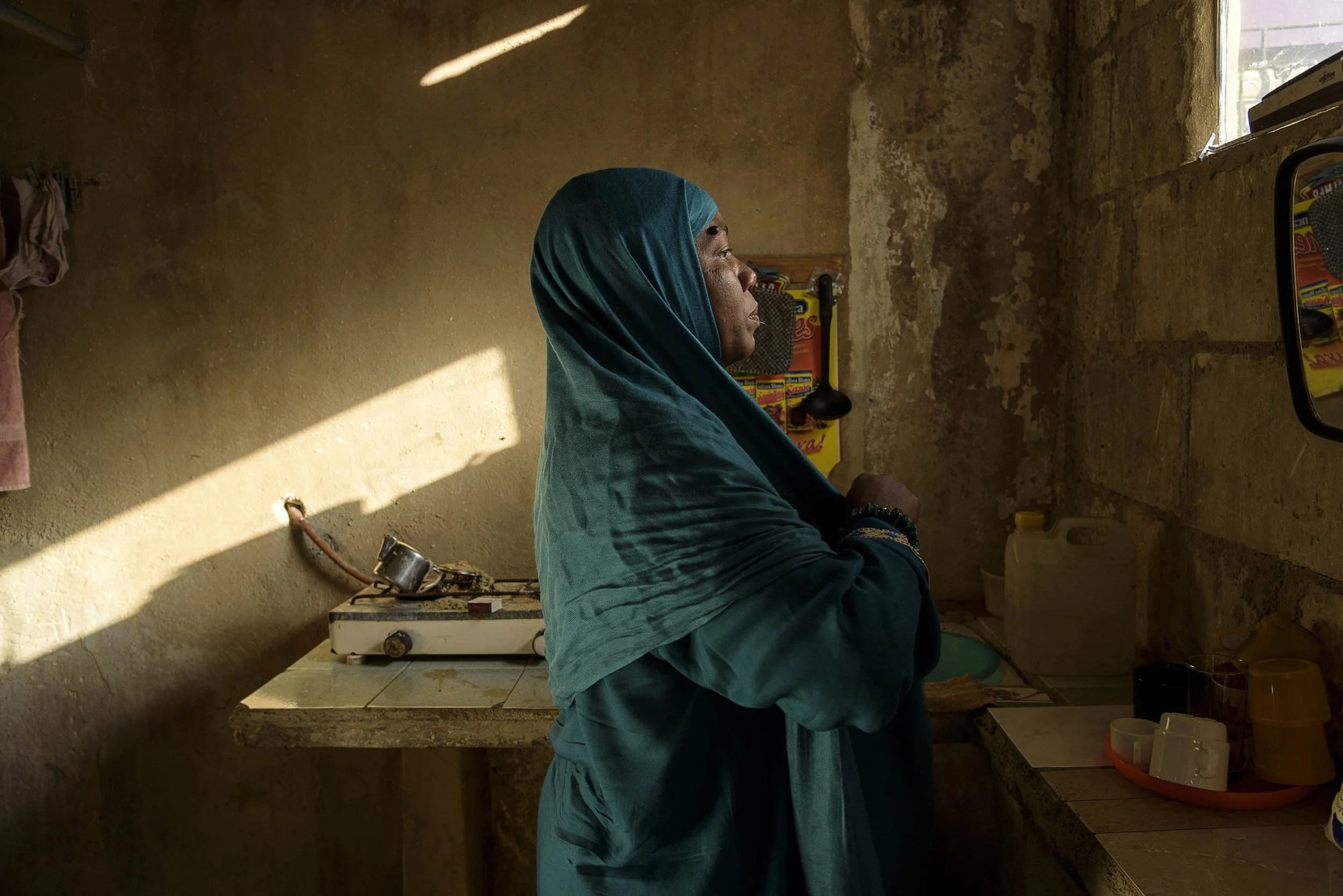
Conversions are varied and complex. Some stem from personal conviction, while others—especially among women—occur through marriage, in accordance with Islamic rules. Despite these nuances, Islam has gradually become part of Cuba’s cultural fabric. In 2015, Havana Vieja opened its first mosque, created from a former automobile museum, offering a place for prayer and communal life.
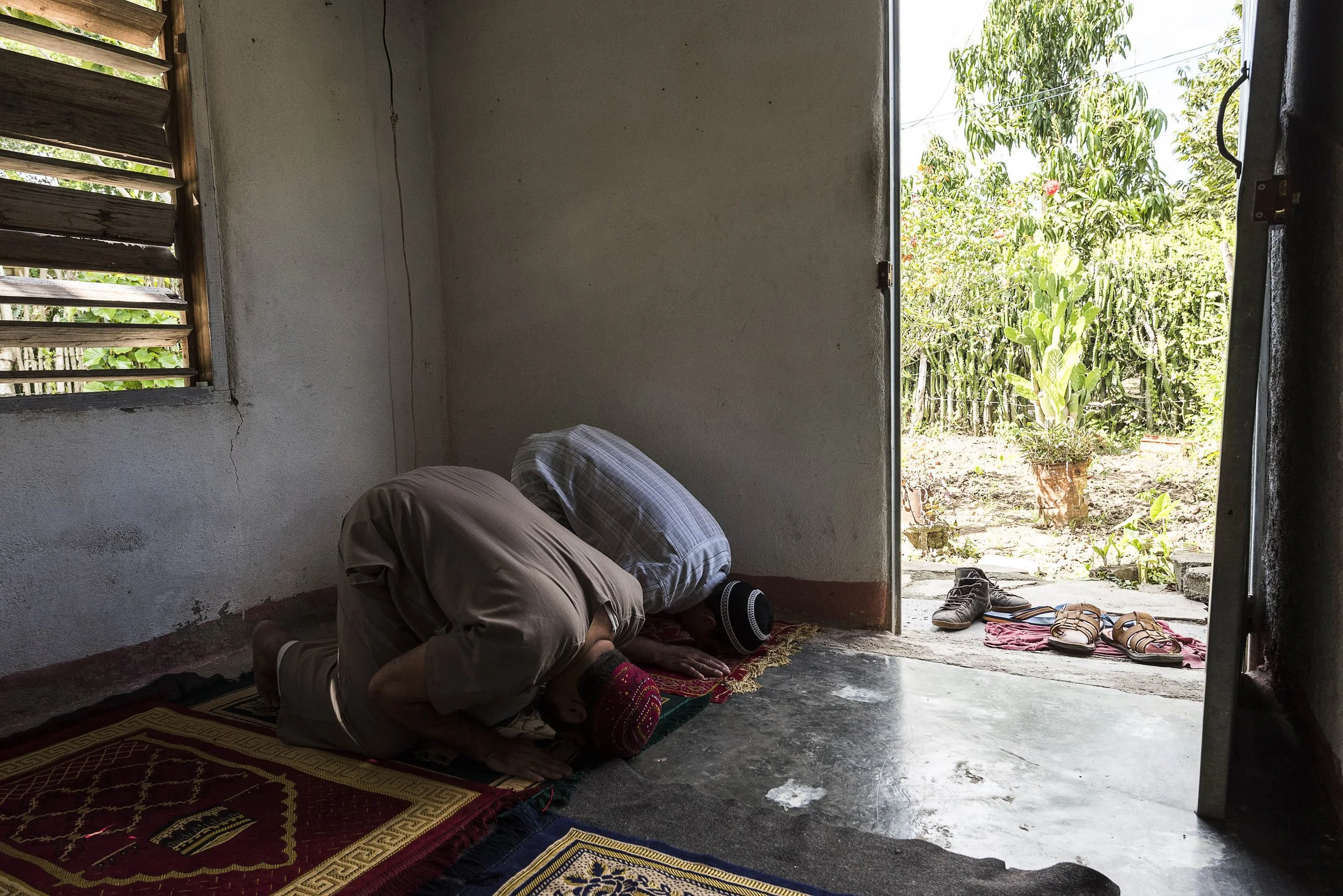
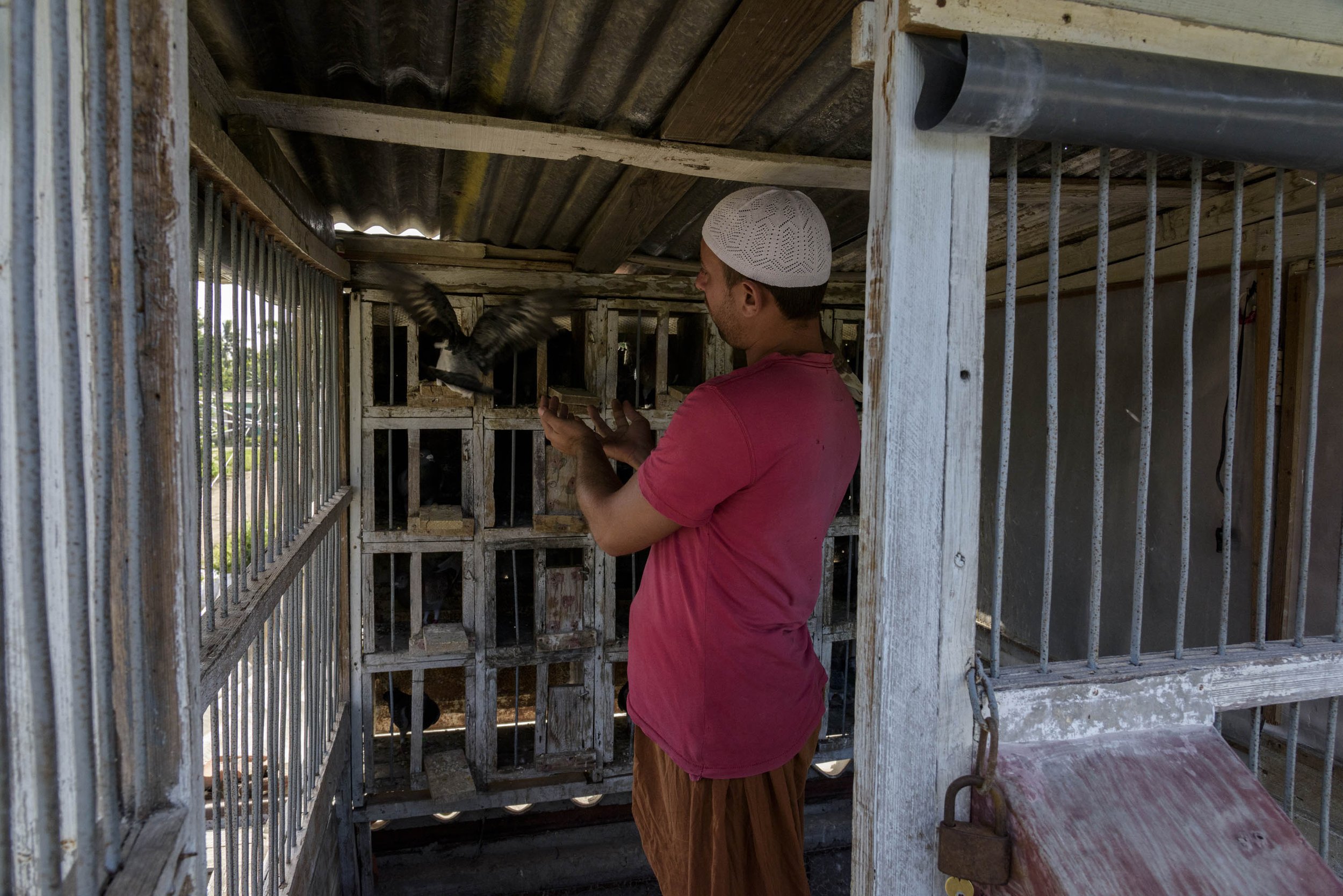
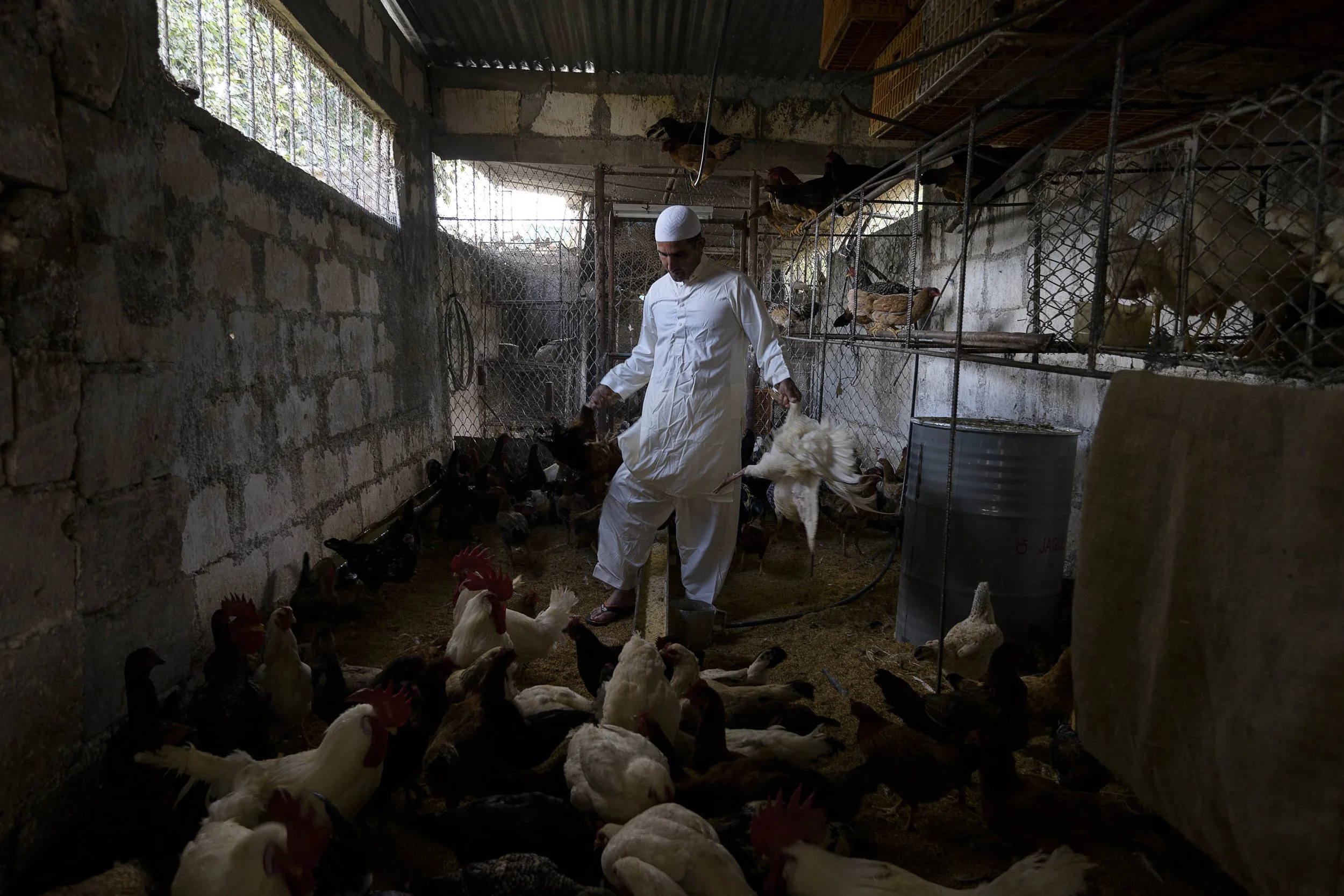
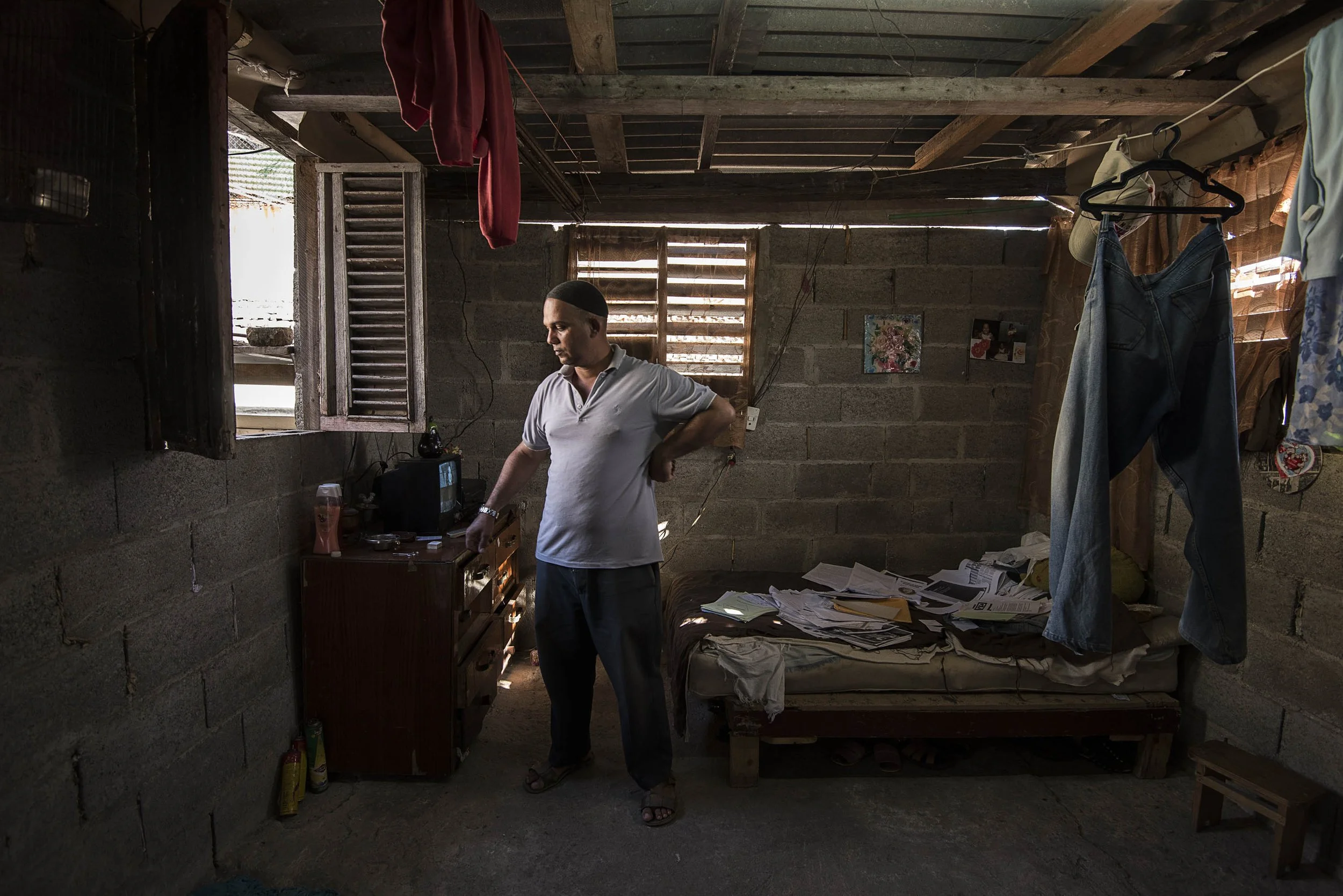
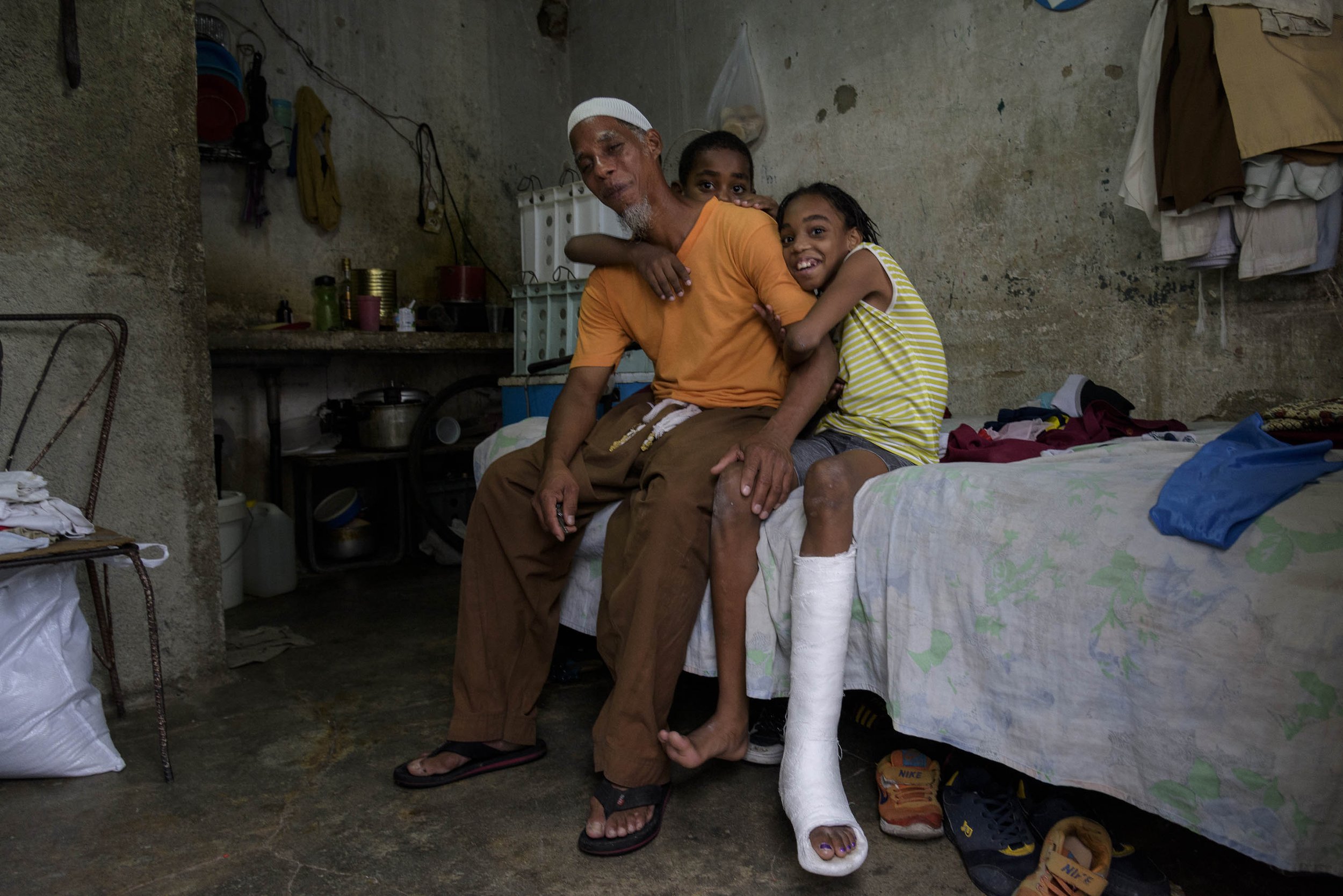
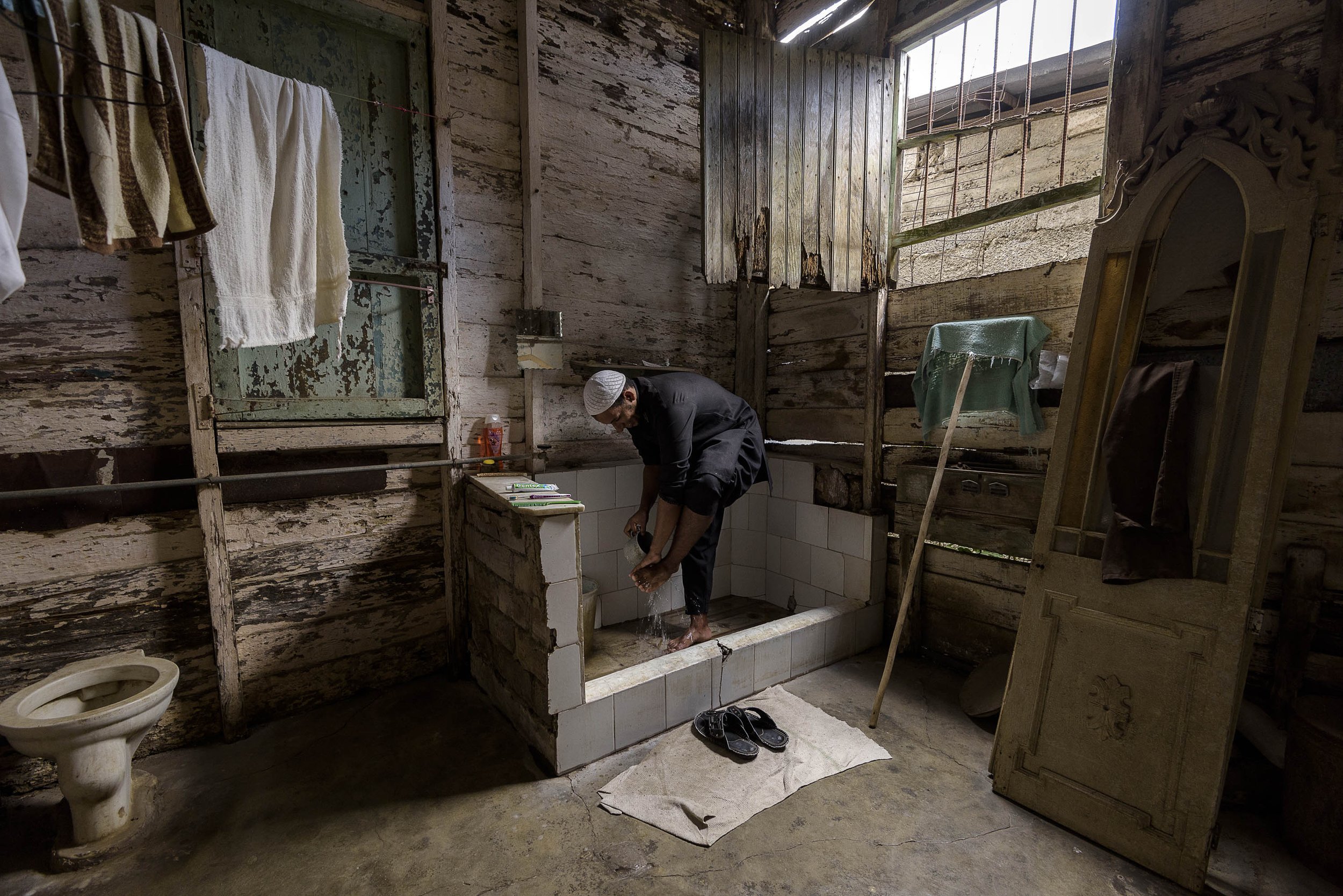
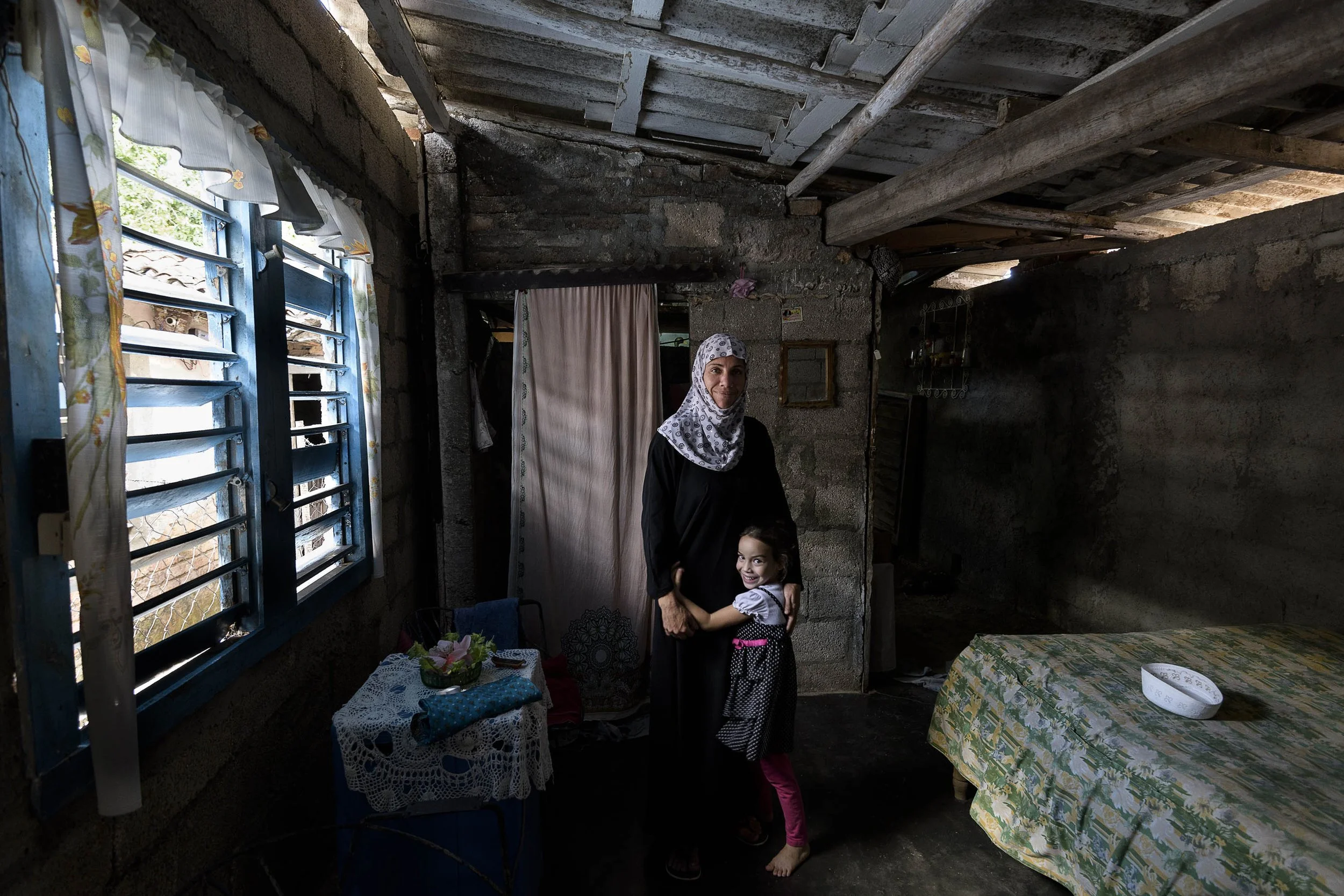
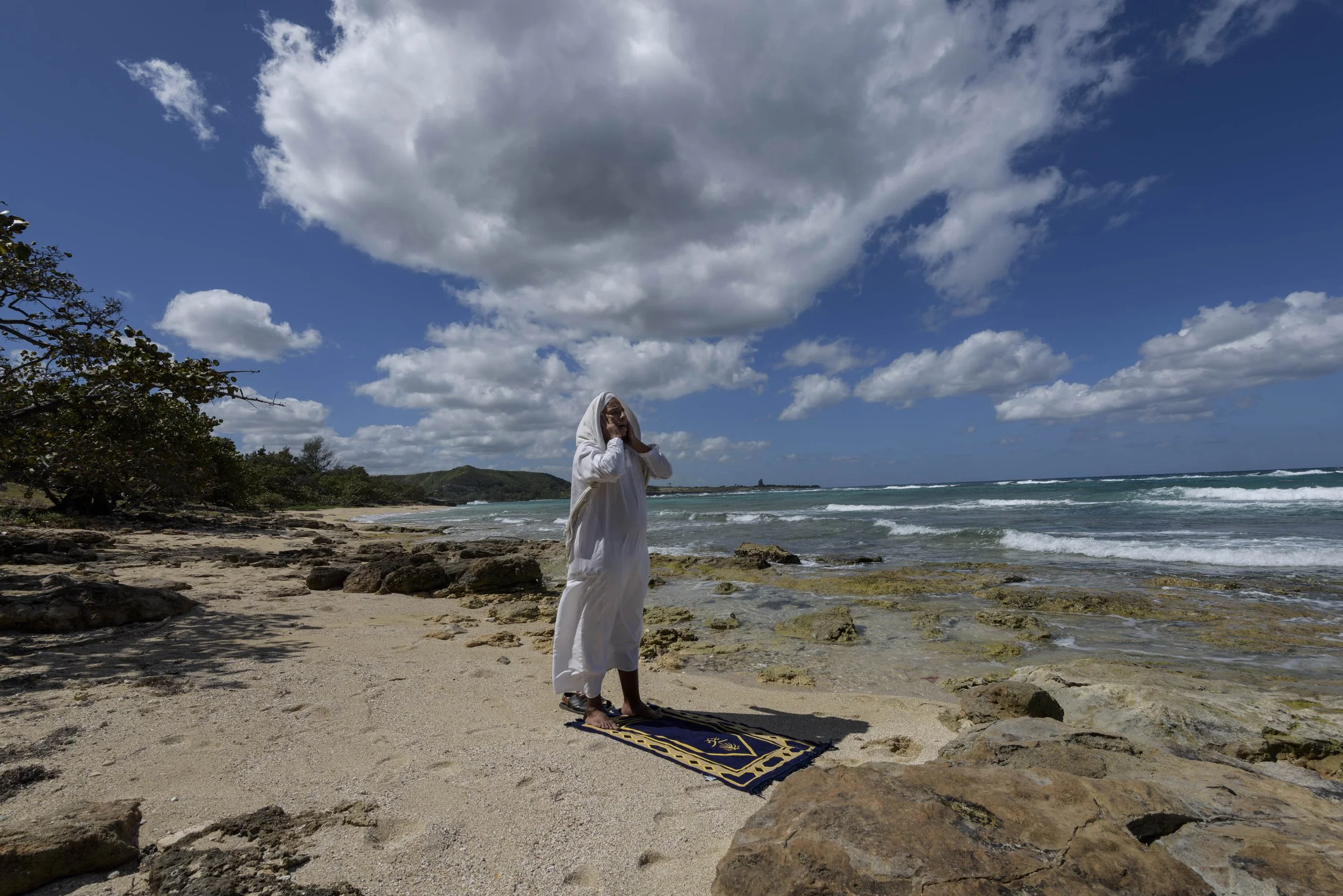
Today Islam in Cuba grows quietly, practiced both in mosques and in private homes. Often embraced by the less privileged, it provides solidarity, guidance, and a sense of belonging in a society where the socialist model no longer fully reflects many people’s aspirations. Challenges remain, including occasional prejudice and job discrimination against converts. Yet the faith continues to expand under the Caribbean palm trees, carving out a small but enduring place in Cuba’s diverse religious landscape.