Noblesse Reloaded. Sicilian aristocracy in the time of globalization - Italy
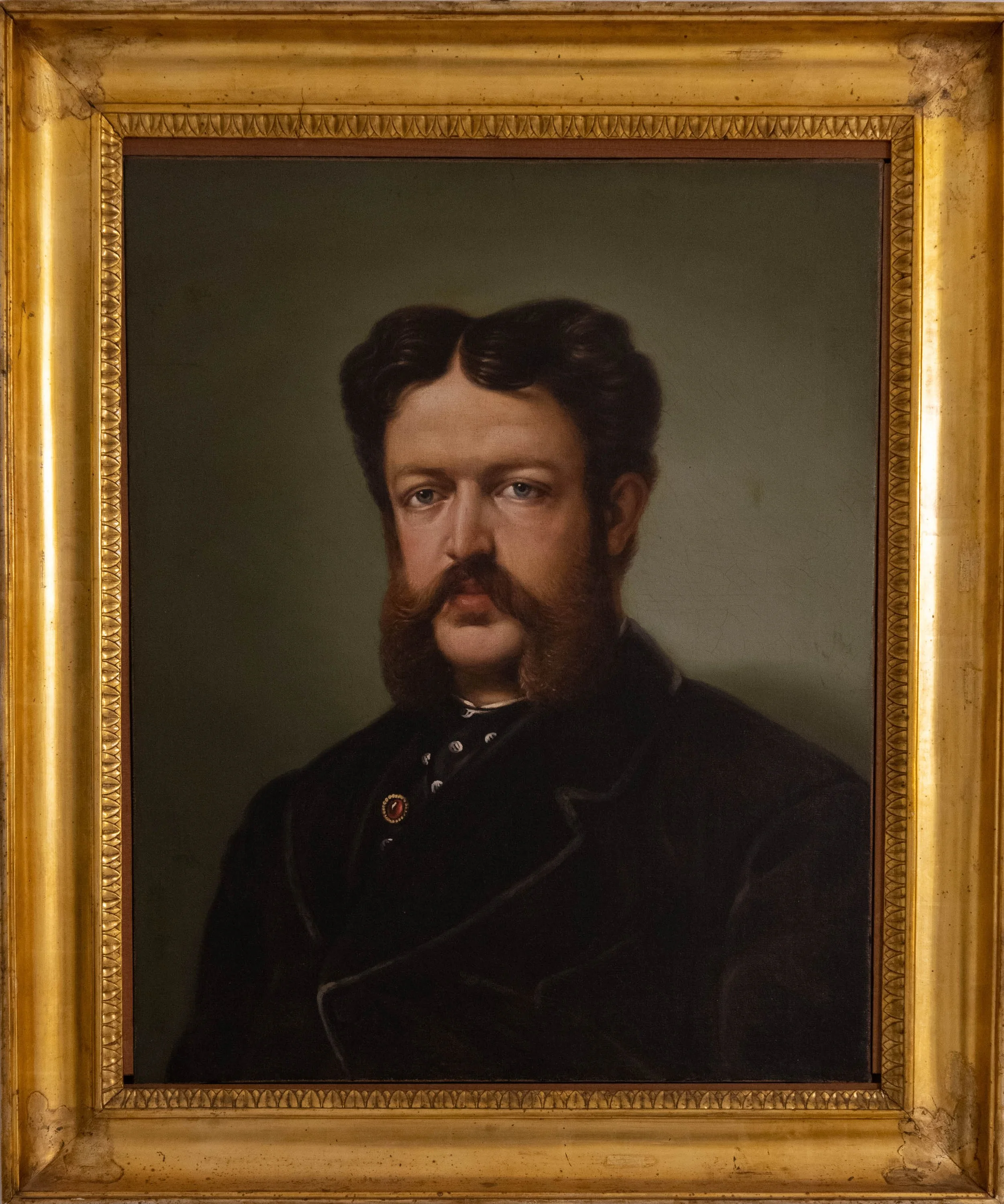
Although noble titles in Italy were formally abolished in 1948, the Sicilian aristocracy continues to exert a powerful fascination on the collective imagination. Its aura survives through literature and cinema — most famously in Il Gattopardo by Giuseppe Tomasi di Lampedusa and in the film adaptation directed by Luchino Visconti — which portray the fading grandeur of an ancient elite at the dawn of the Kingdom of Italy.
For centuries, the Sicilian aristocracy represented a transnational ruling class, closely connected to both Italian and Spanish nobility. It played a direct role in governing the island and participated in the political struggles unfolding at the summit of the Bourbon Empire, navigating intricate systems of patronage, kinship networks, court factions, and shifting alliances.
But what remains today of this privileged class, whose origins date back to the 11th century?
What endures is less a formal status than a cultural legacy. The contemporary heirs of Sicily’s noble families are often unconventional figures — men and women who preserve a distinct sense of style while embracing modernity, far removed from the dusty stereotype of the indolent nineteenth-century aristocrat.
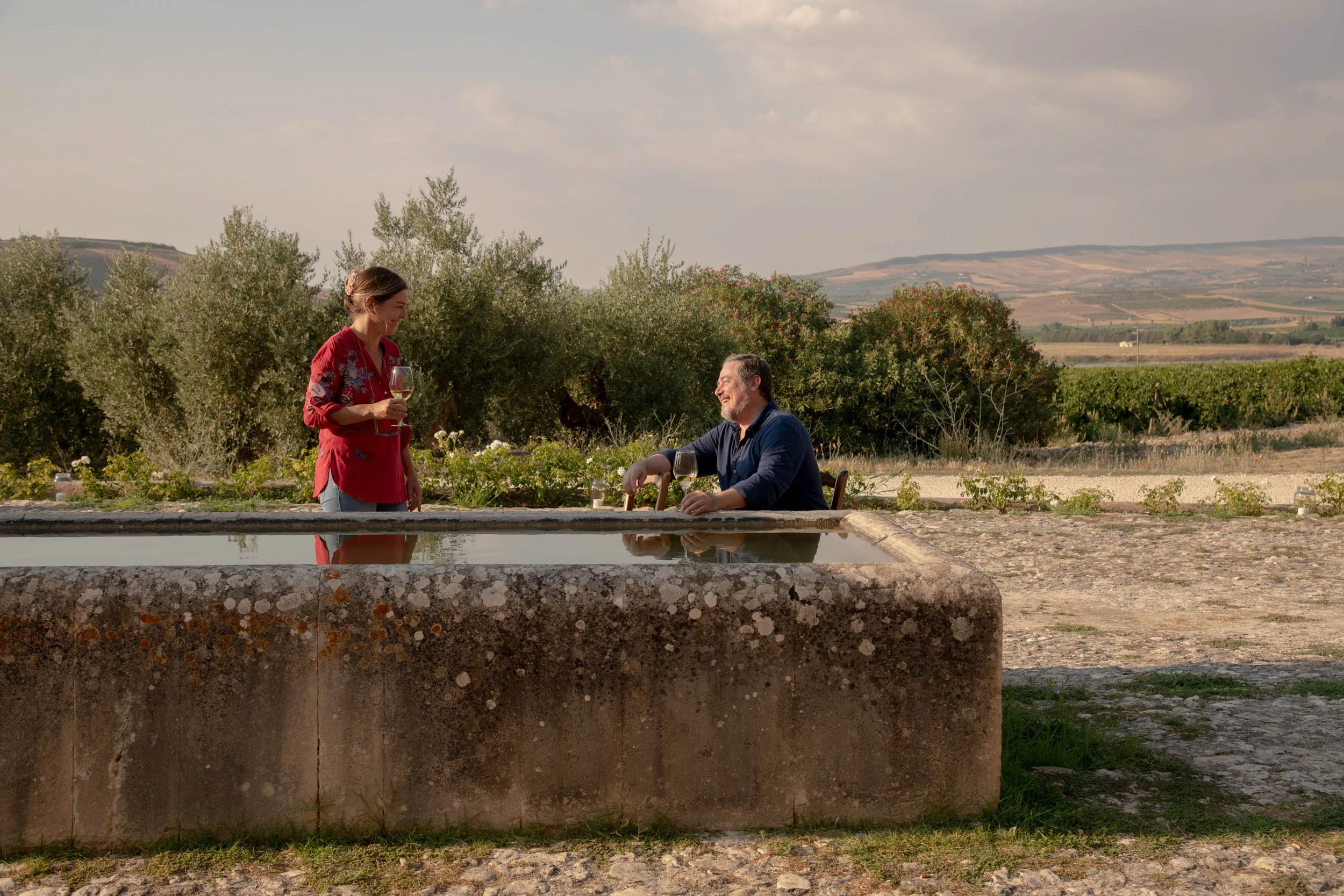
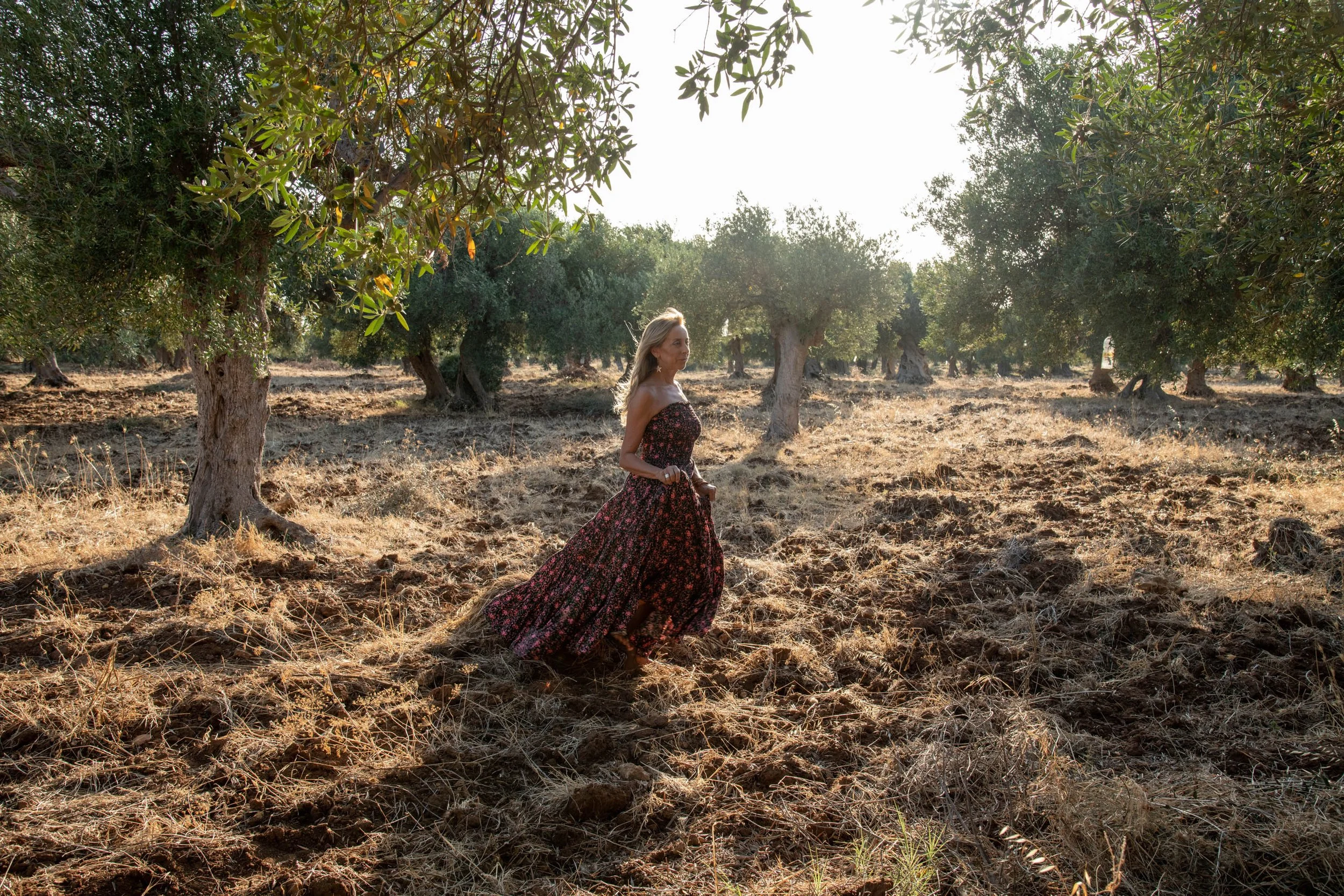
Many have reinvented themselves as entrepreneurs, transforming ancestral estates into dynamic businesses. Family lands have become award-winning wine and olive oil producers; ancient grains are cultivated once again; botanical knowledge inspires natural cosmetic lines. Tradition becomes innovation.
Others have responded to economic and social change by opening the gates of their historic palaces and villas, converting them into boutique hotels, wedding venues, and cultural residences — living archives of memory and art. Often with considerable sacrifice, they dedicate themselves to preserving architectural heritage and family collections.
Younger generations, too, are adapting to new realities, aware that nobility no longer necessarily rhymes with wealth. What persists is not privilege in the legal sense, but a sense of responsibility toward history — and a continuous negotiation between inheritance and reinvention.