Cyprus. The Last Wall - A Divided Island in the Age of New Conflicts
Every year on 9 November, Europe commemorates the fall of the Berlin Wall, a symbol of the end of the Cold War and the promise — never fully fulfilled — of a united continent. Yet, more than three decades later, as new walls emerge across the global landscape, Cyprus remains an open wound at the heart of the European Union — the only EU territory still divided by a military demarcation line.
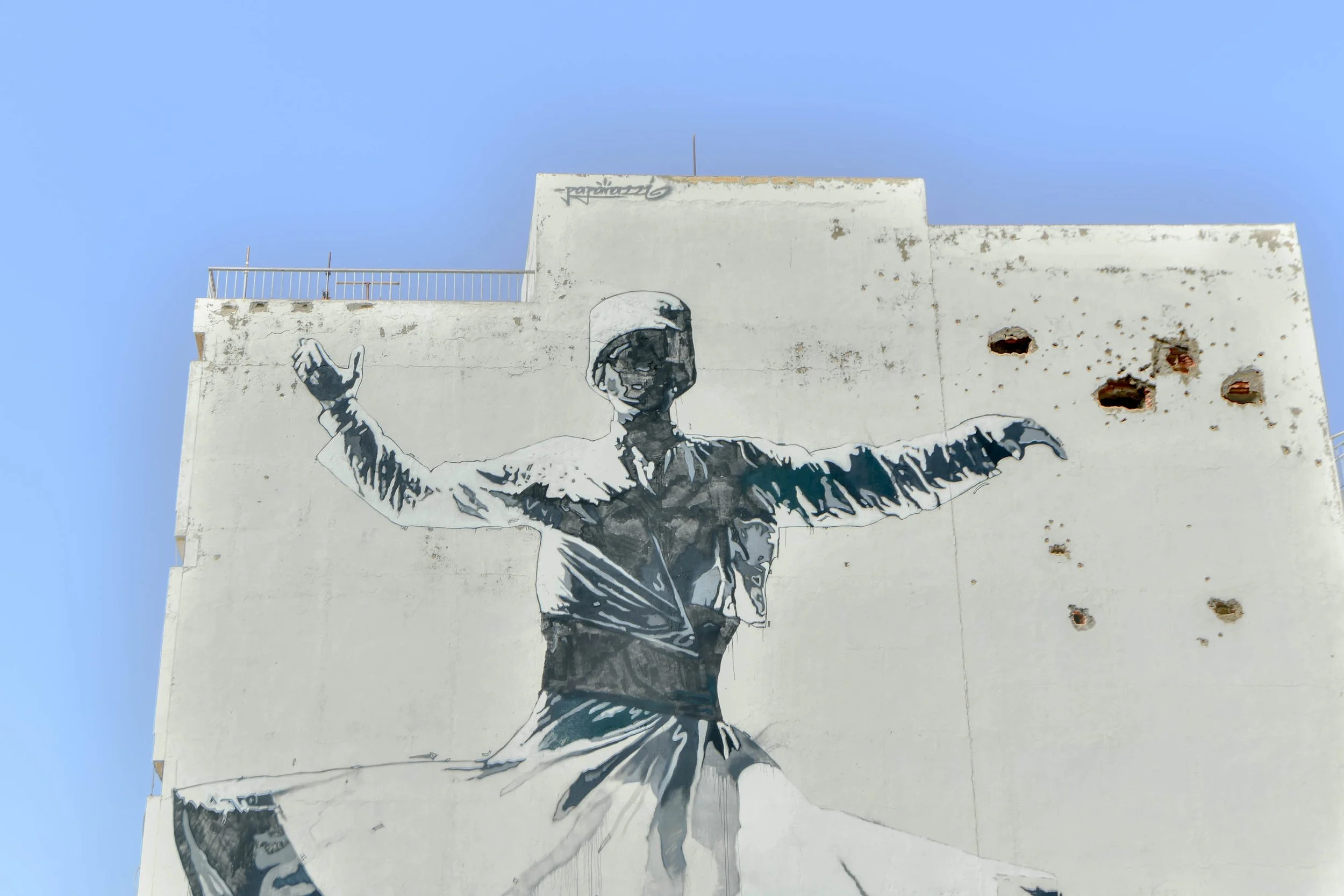
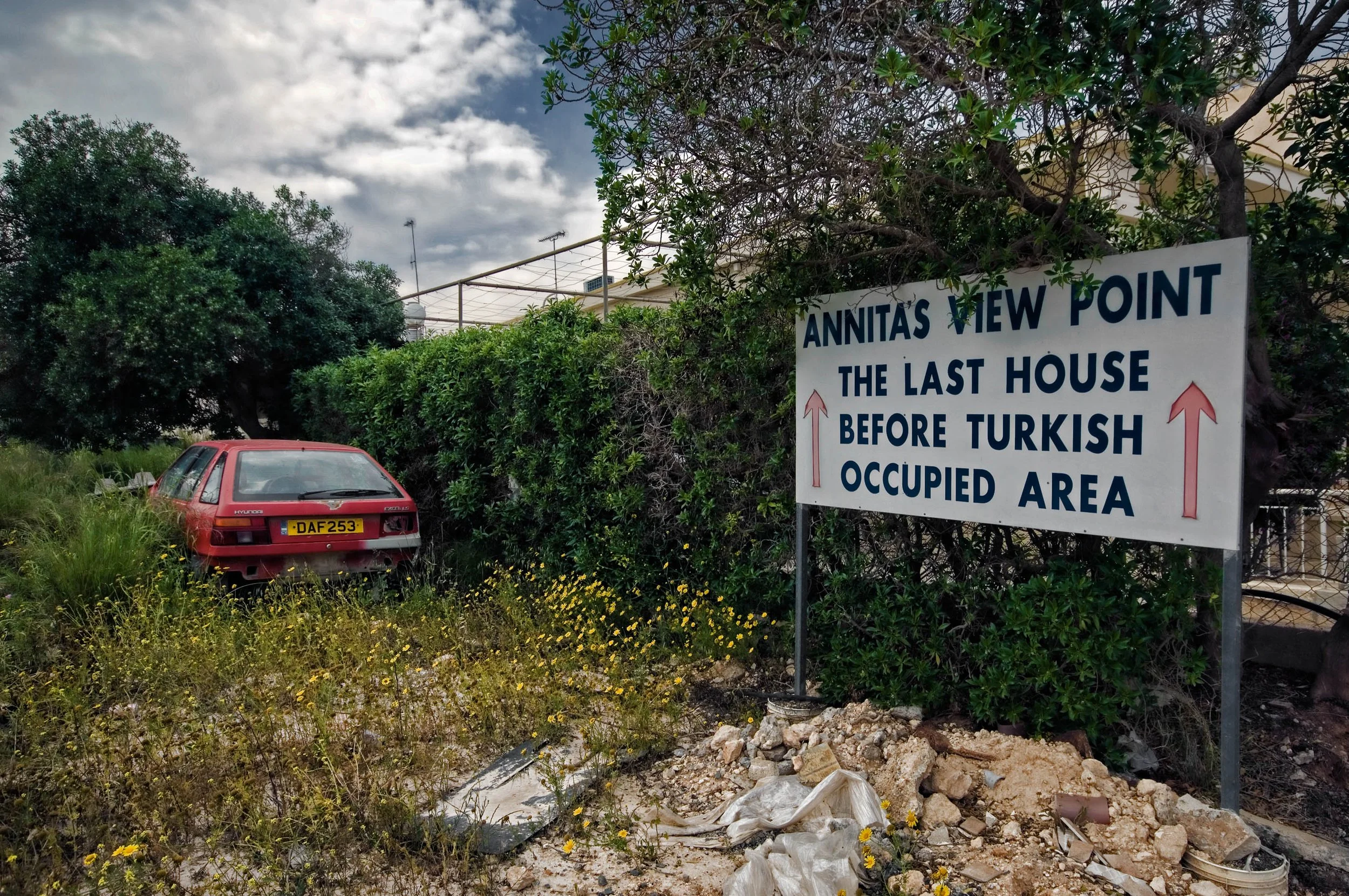
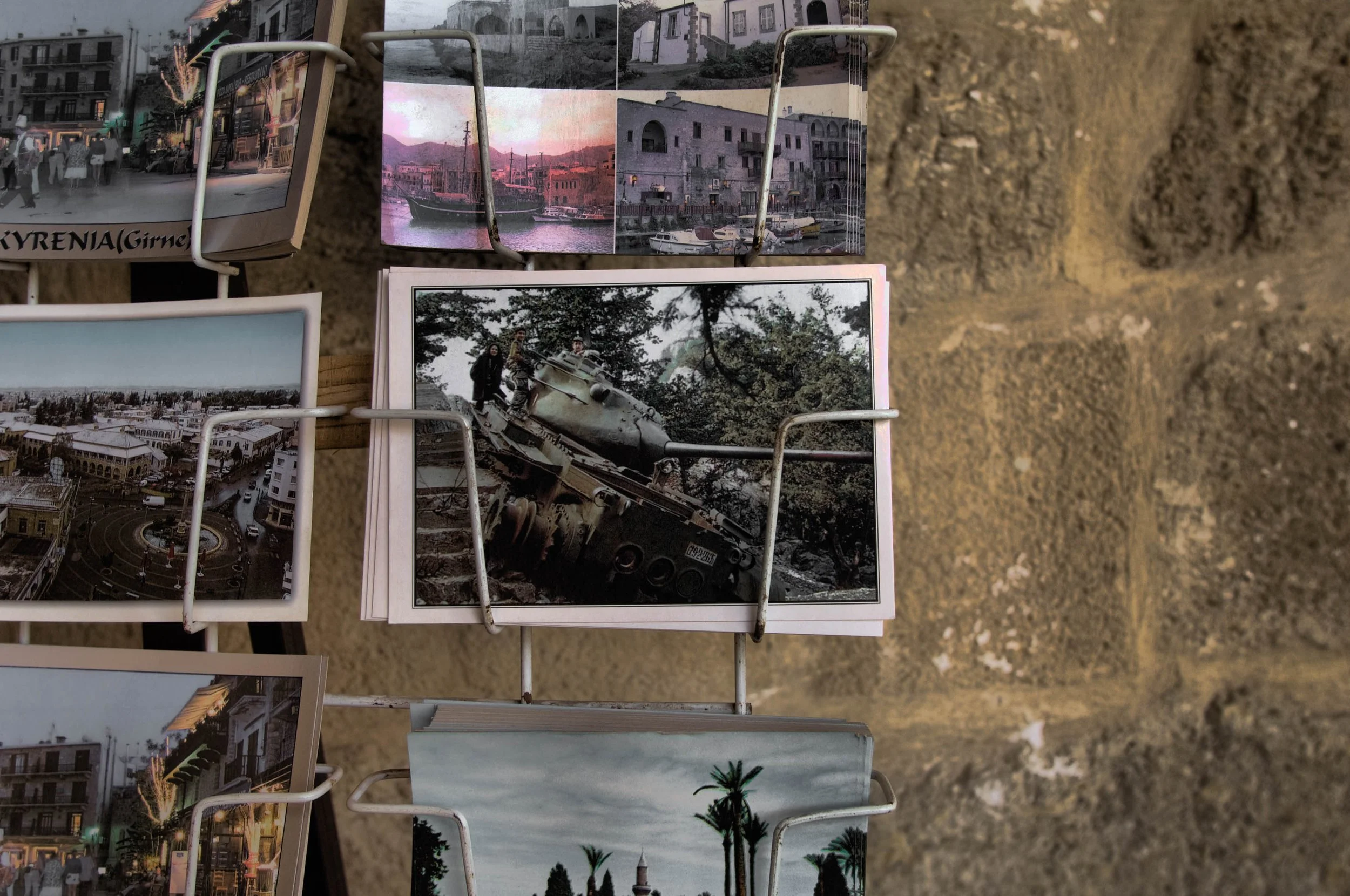
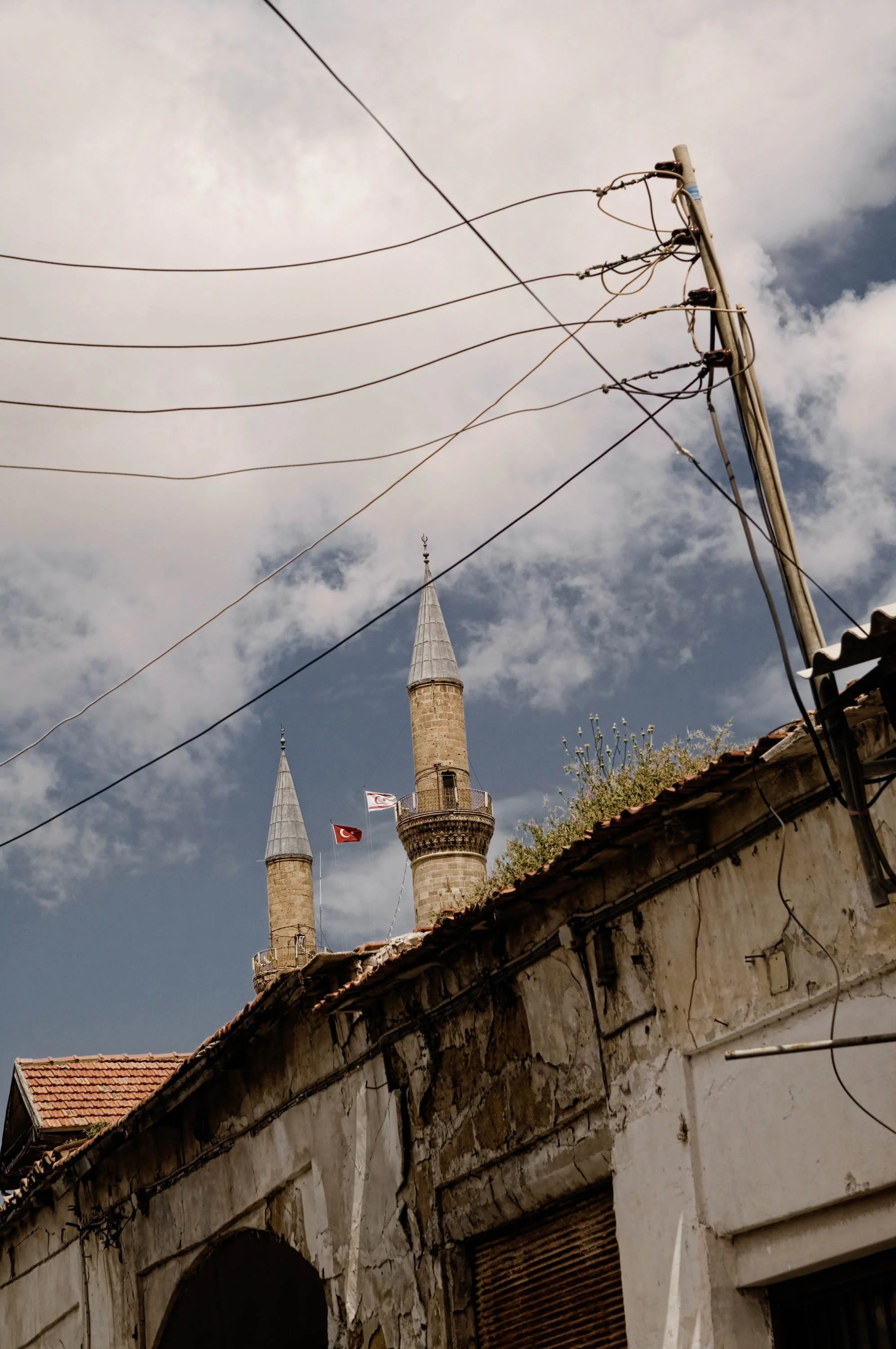
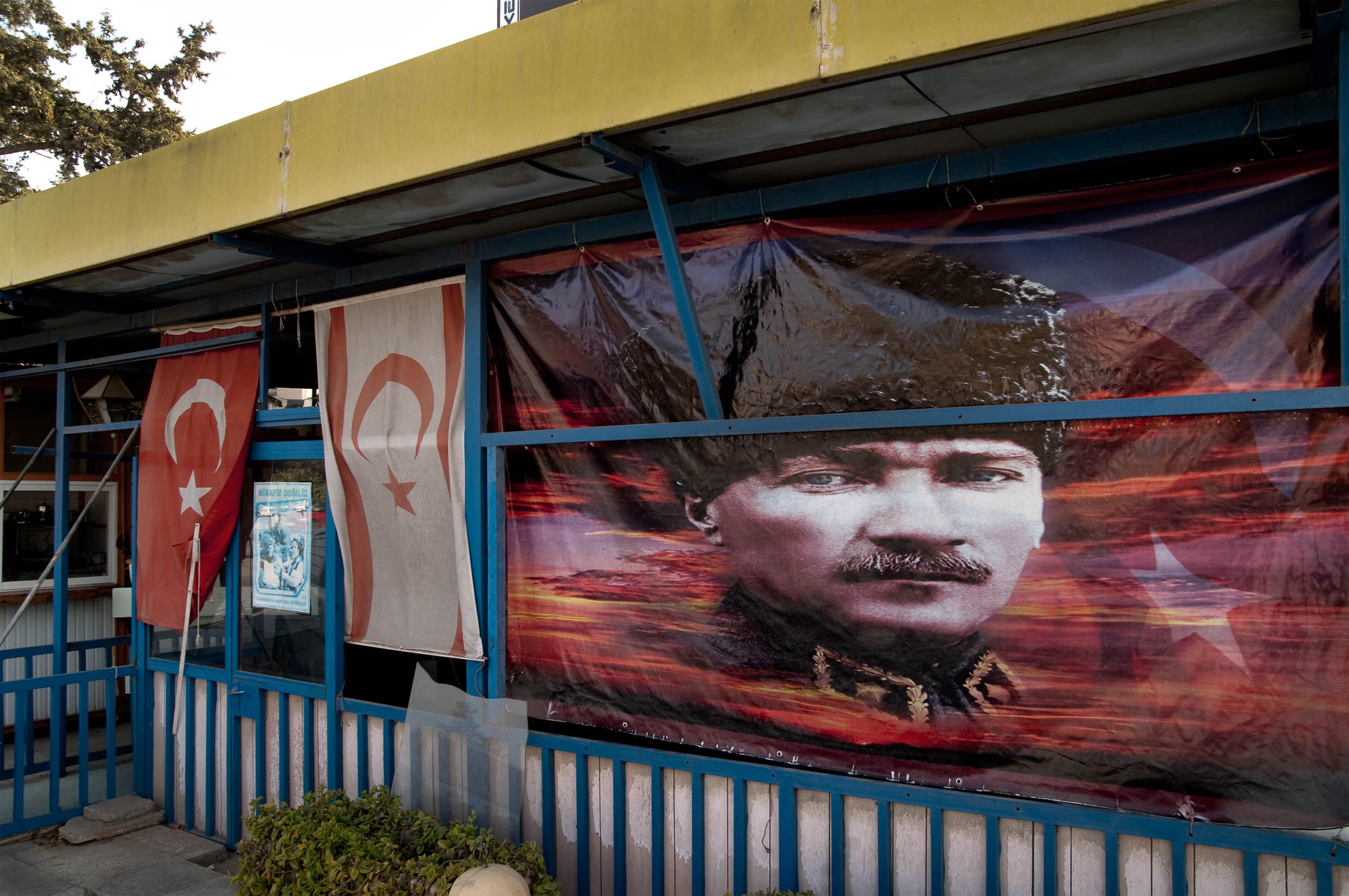
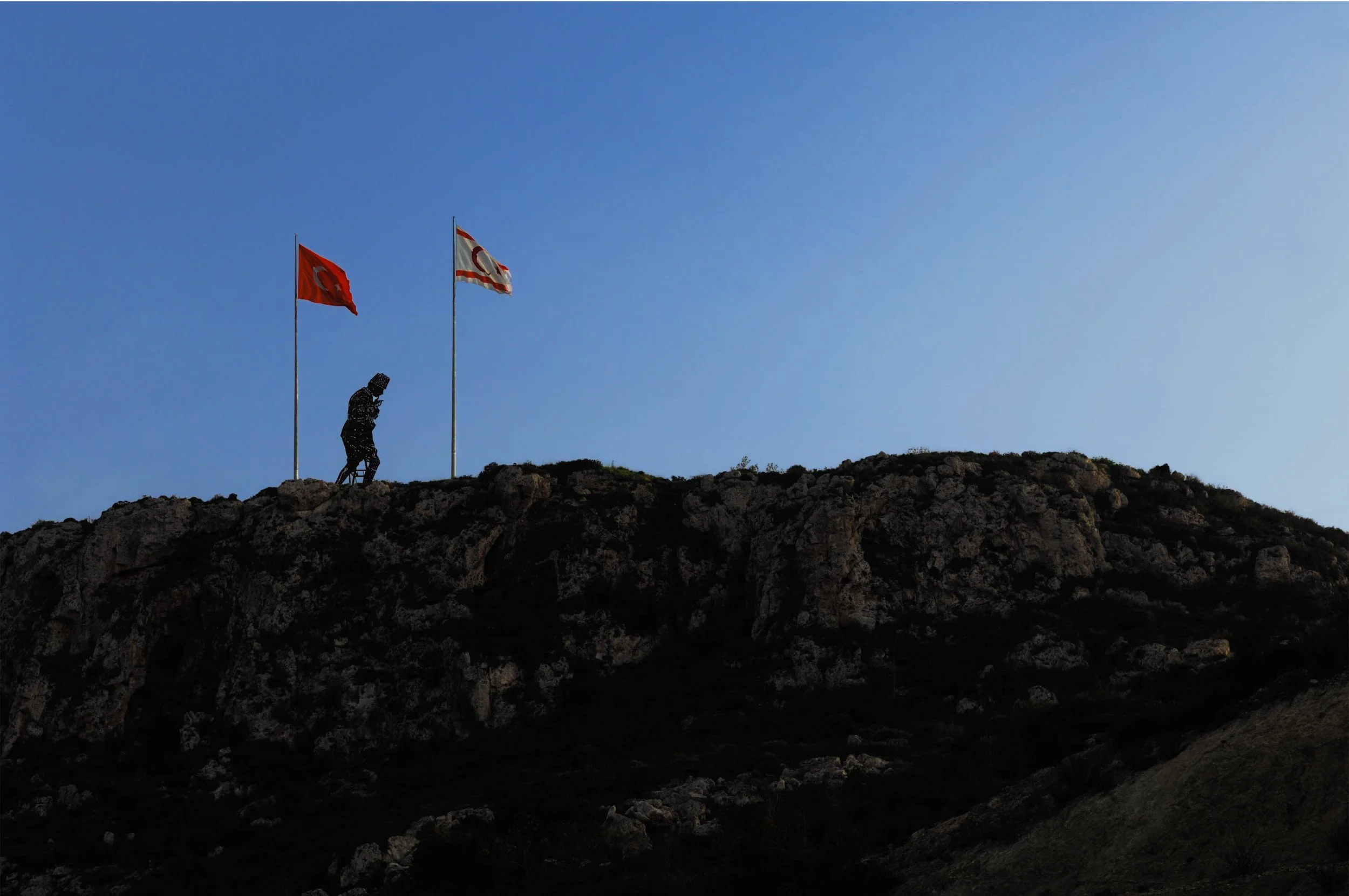
The division dates back to 1974, when the Turkish army occupied the northern part of the island following a coup by Greek-Cypriot nationalists advocating enosis, the annexation of Cyprus to Greece. Since then, the island has been split: in the south, the internationally recognized Republic of Cyprus and EU member since 2004; in the north, the Turkish Republic of Northern Cyprus, recognized only by Turkey. A frozen conflict that still shapes daily life and collective memory.
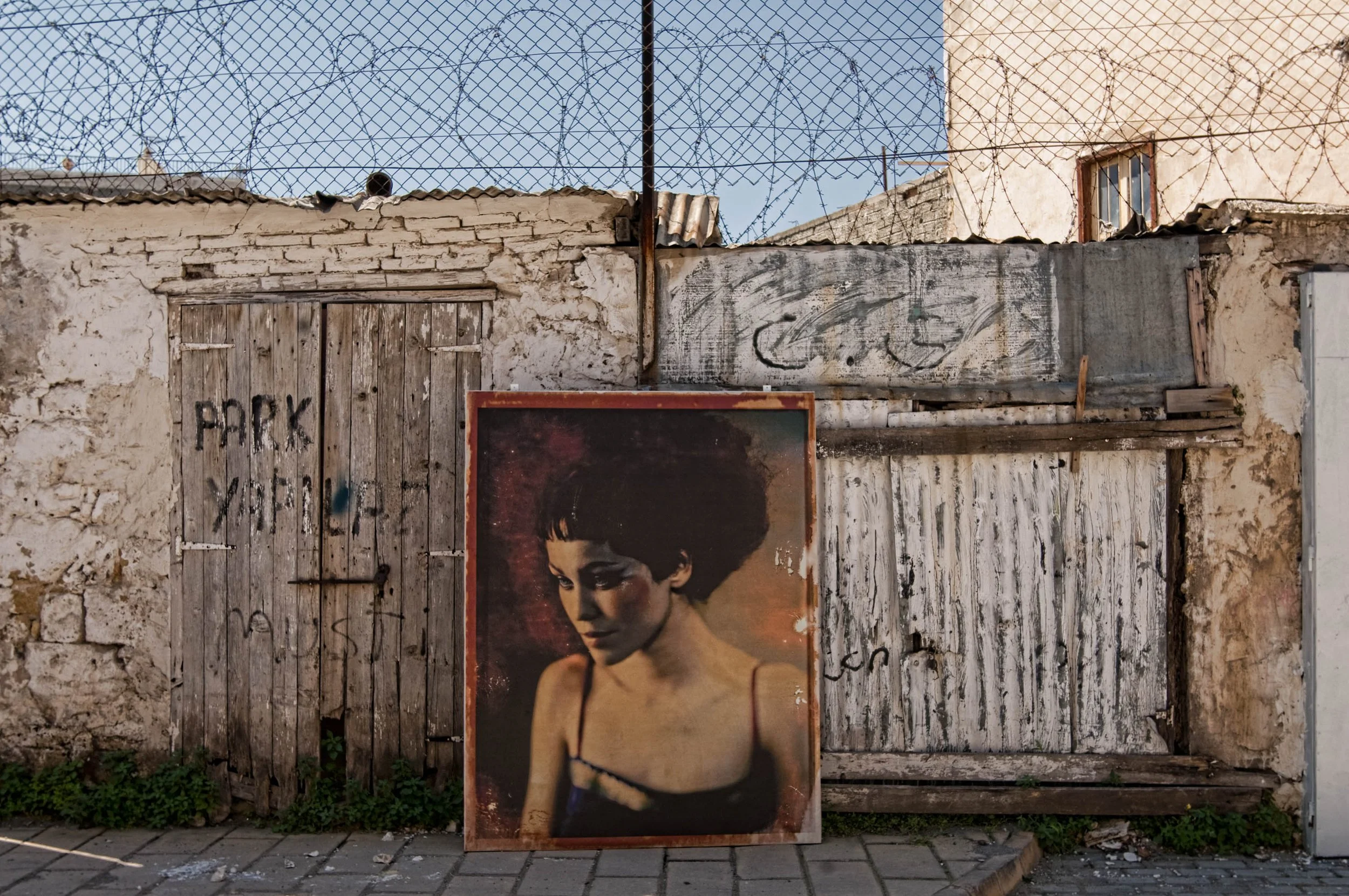
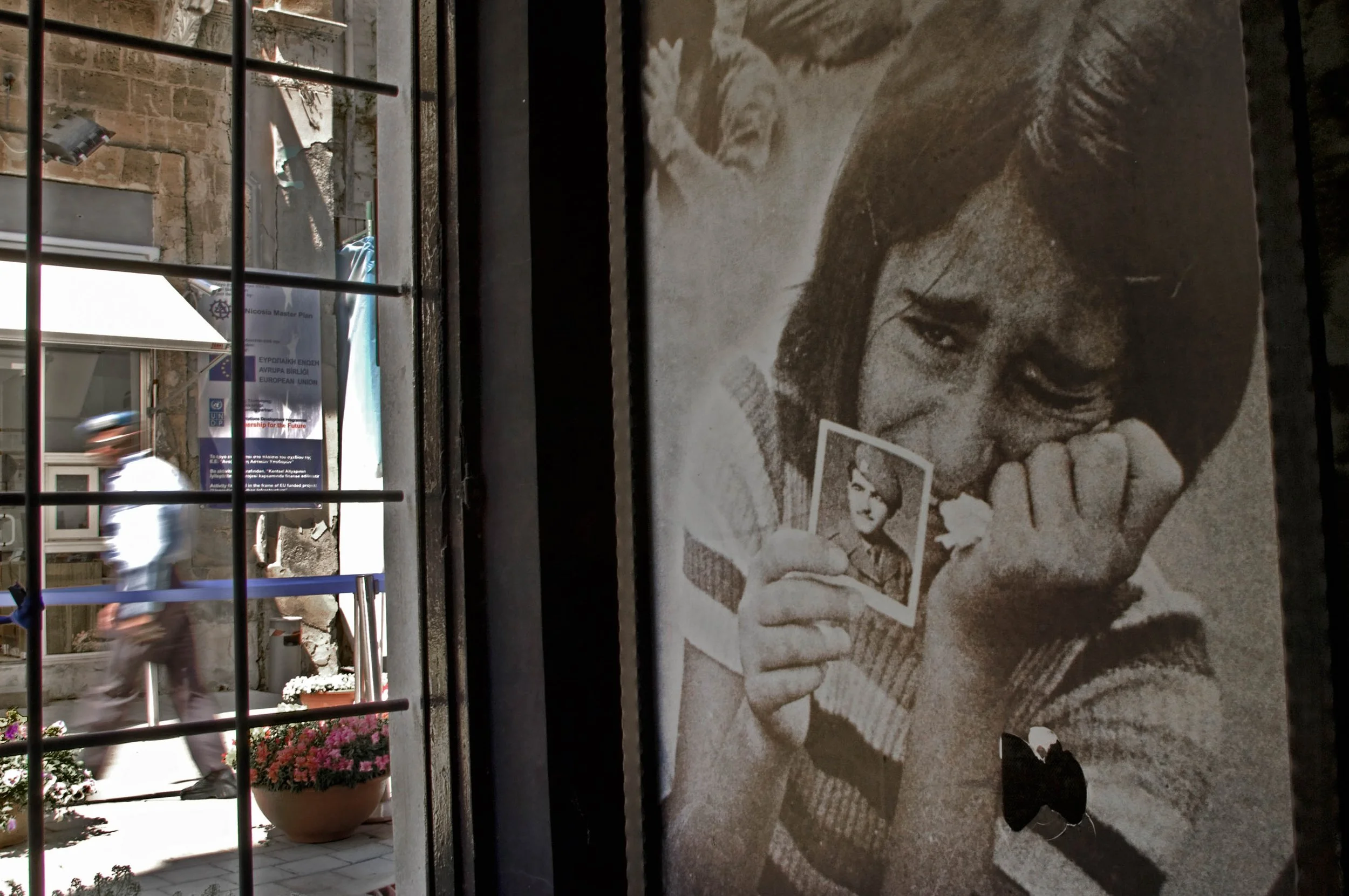
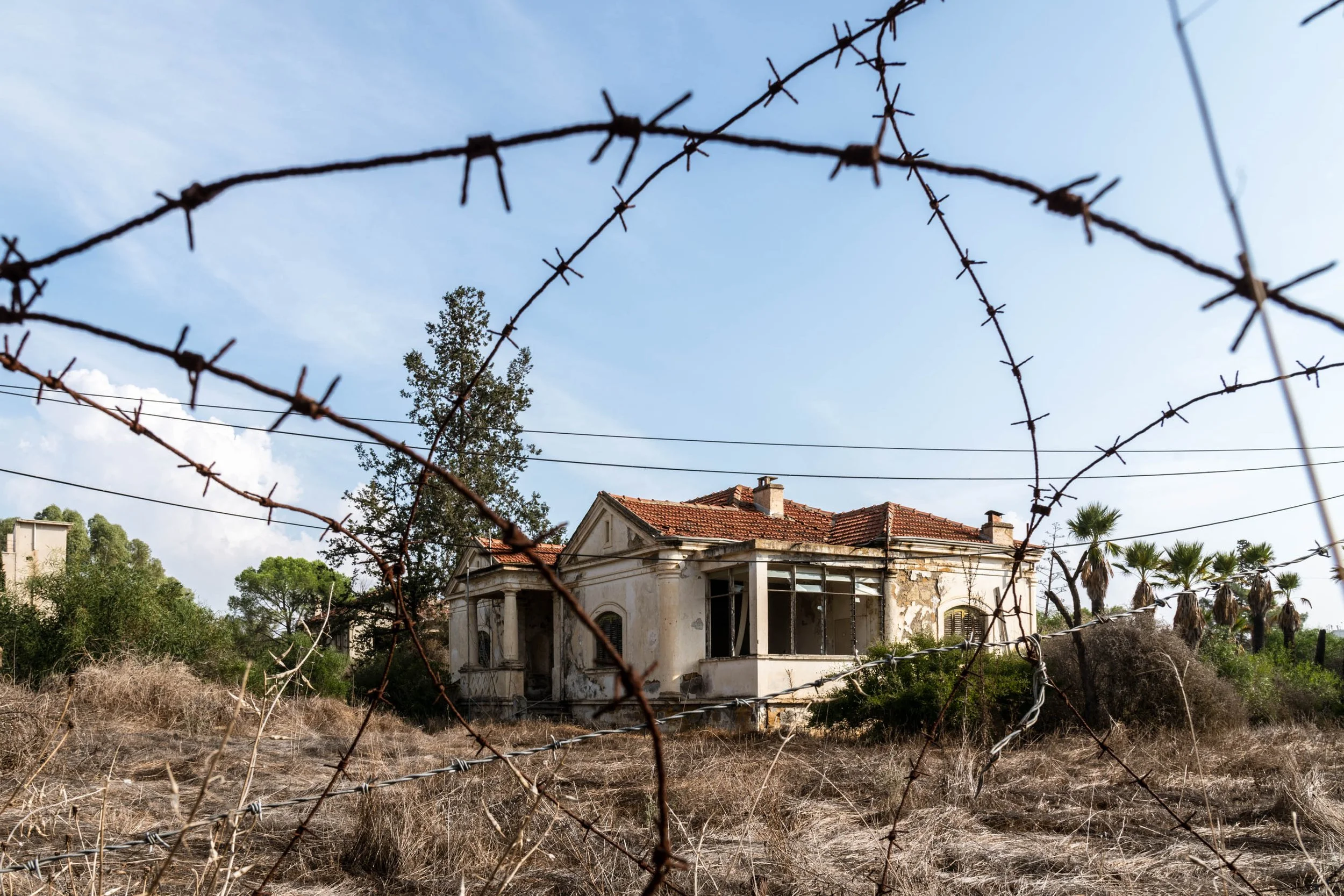
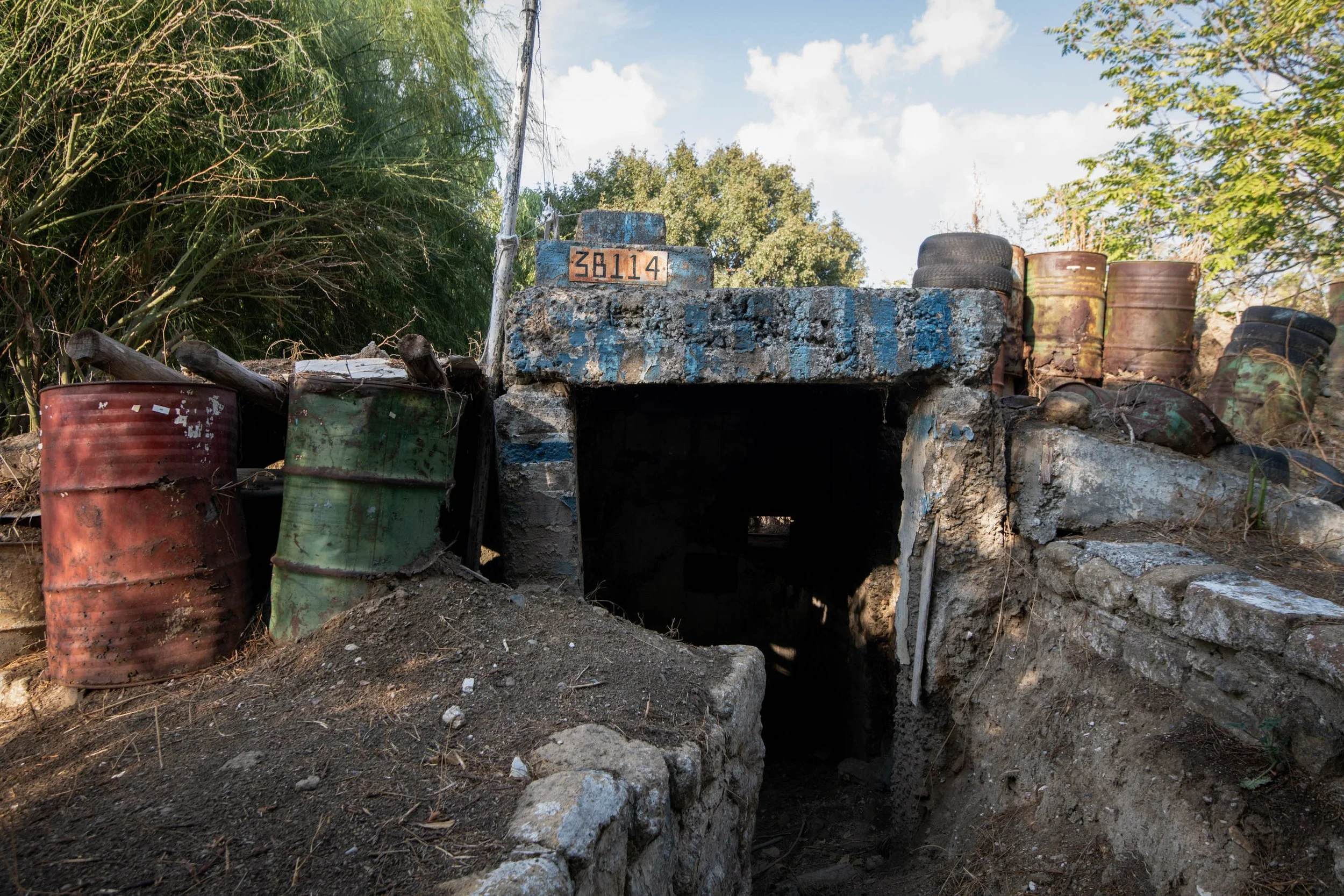
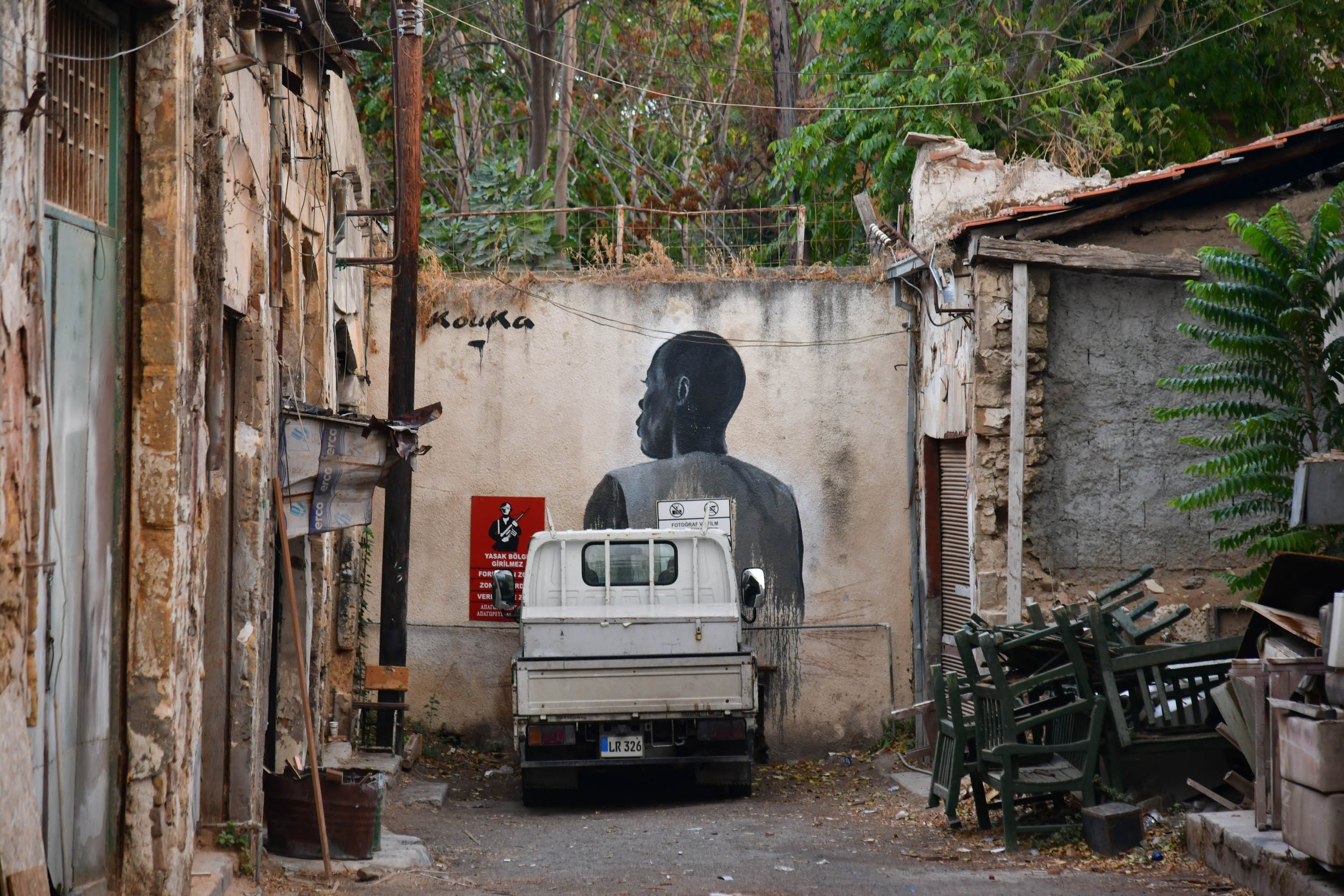
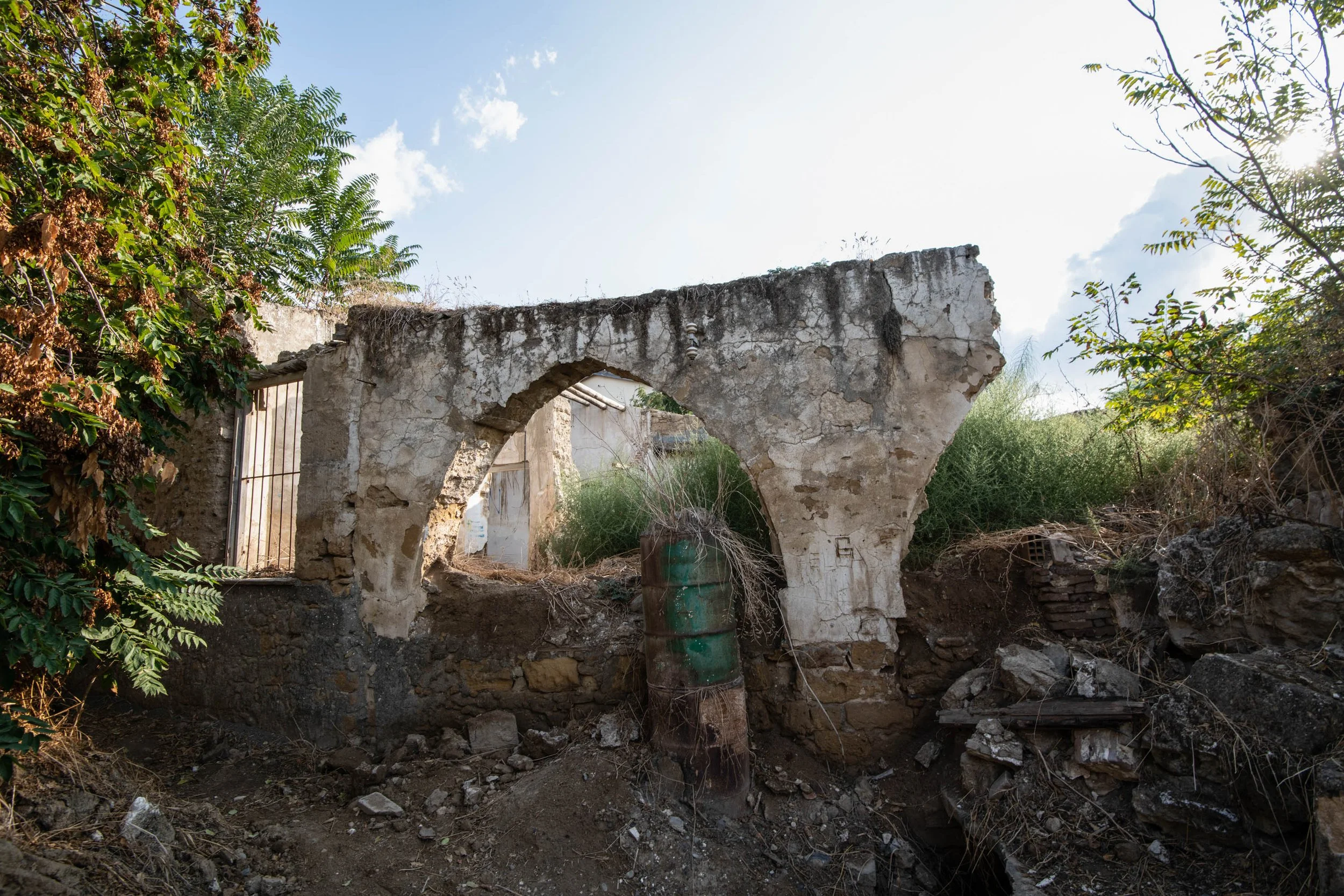
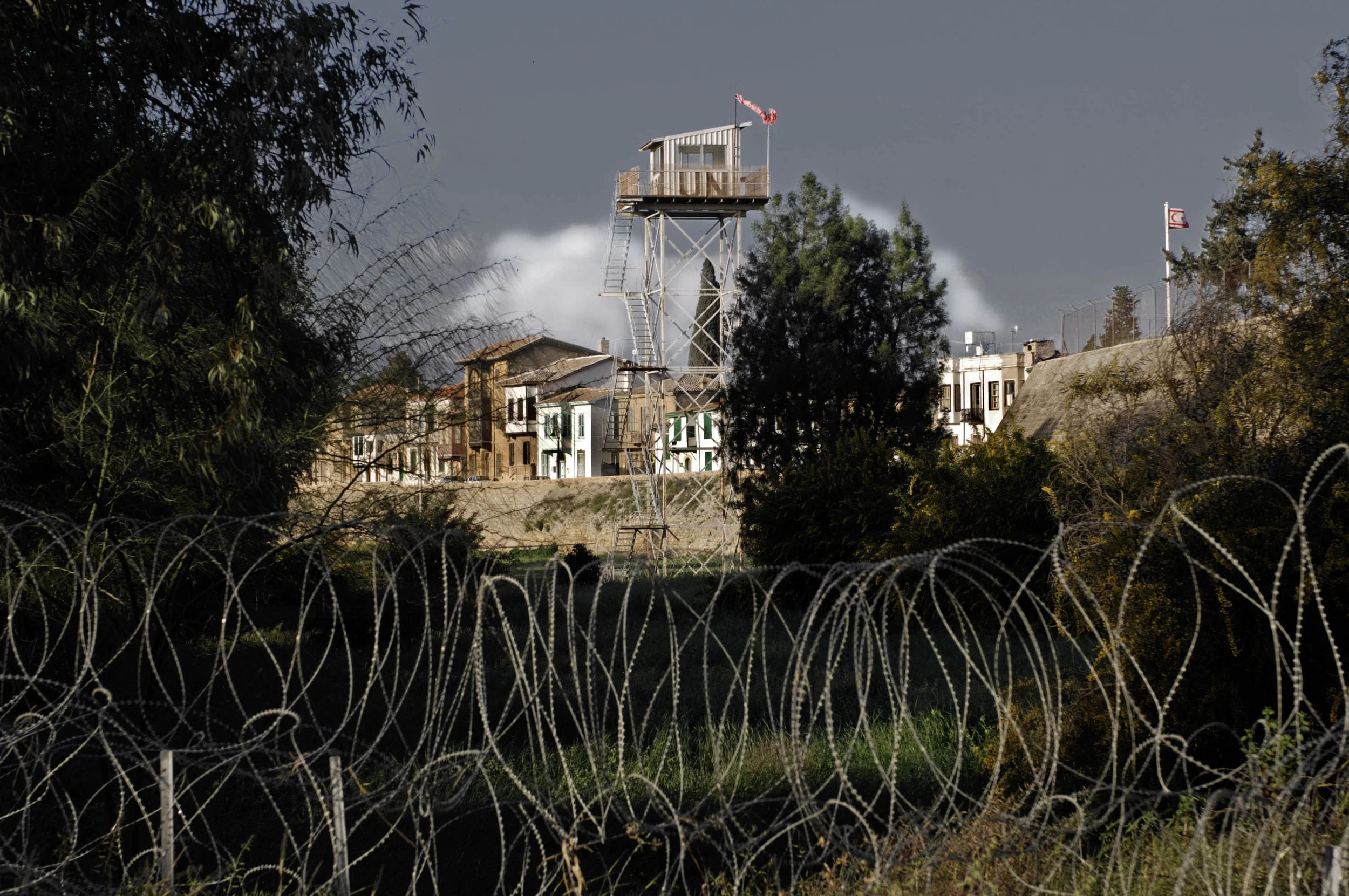
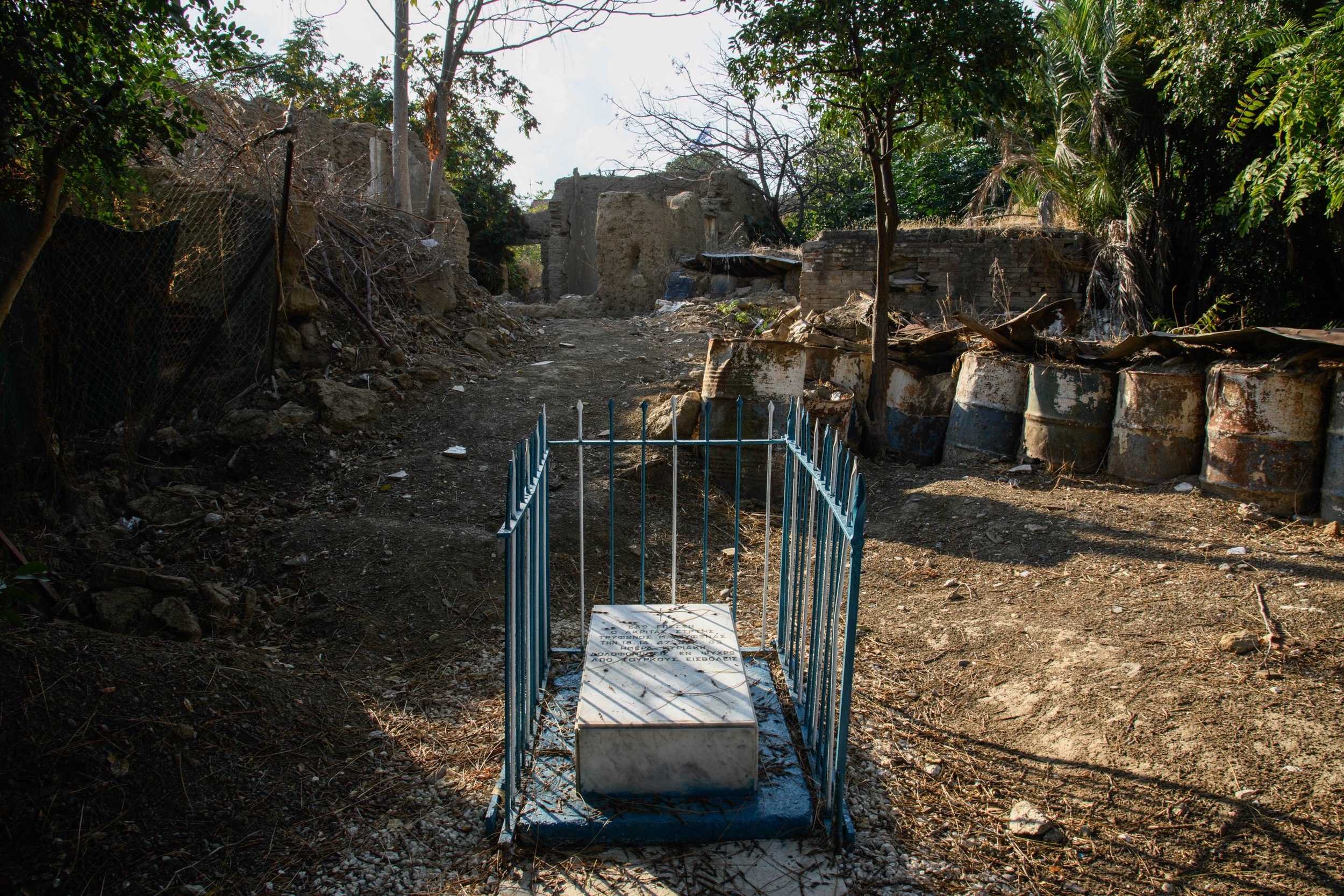
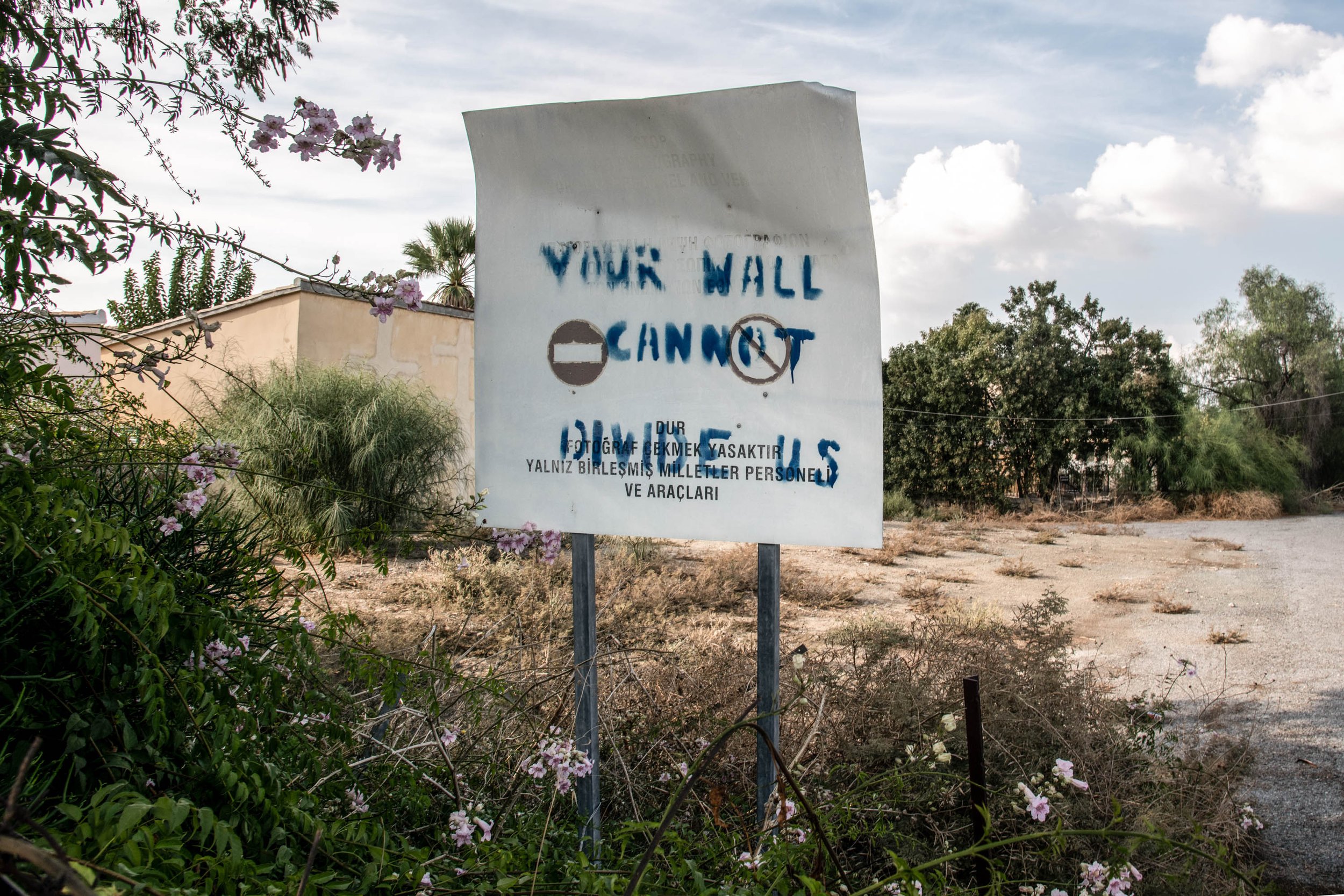
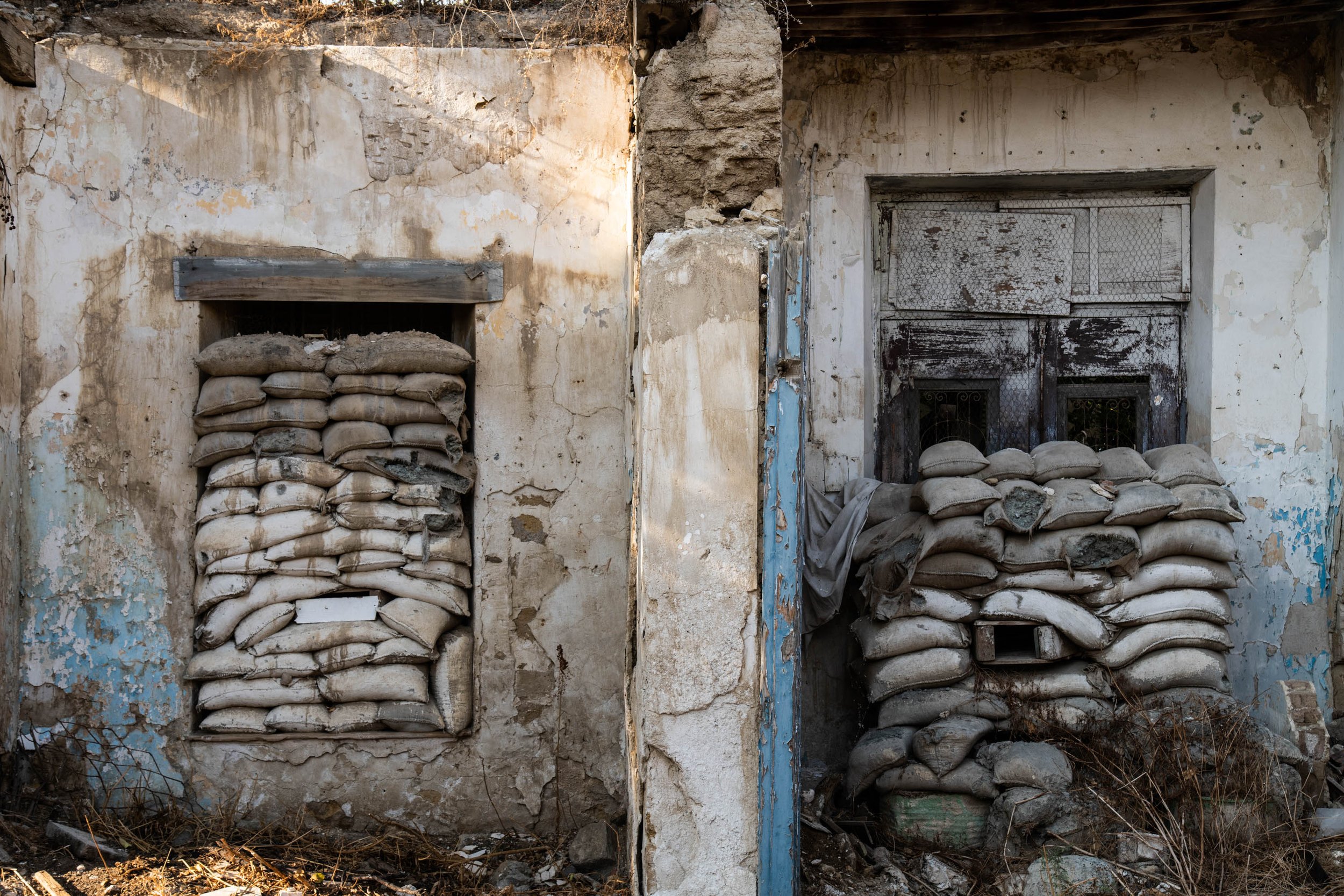
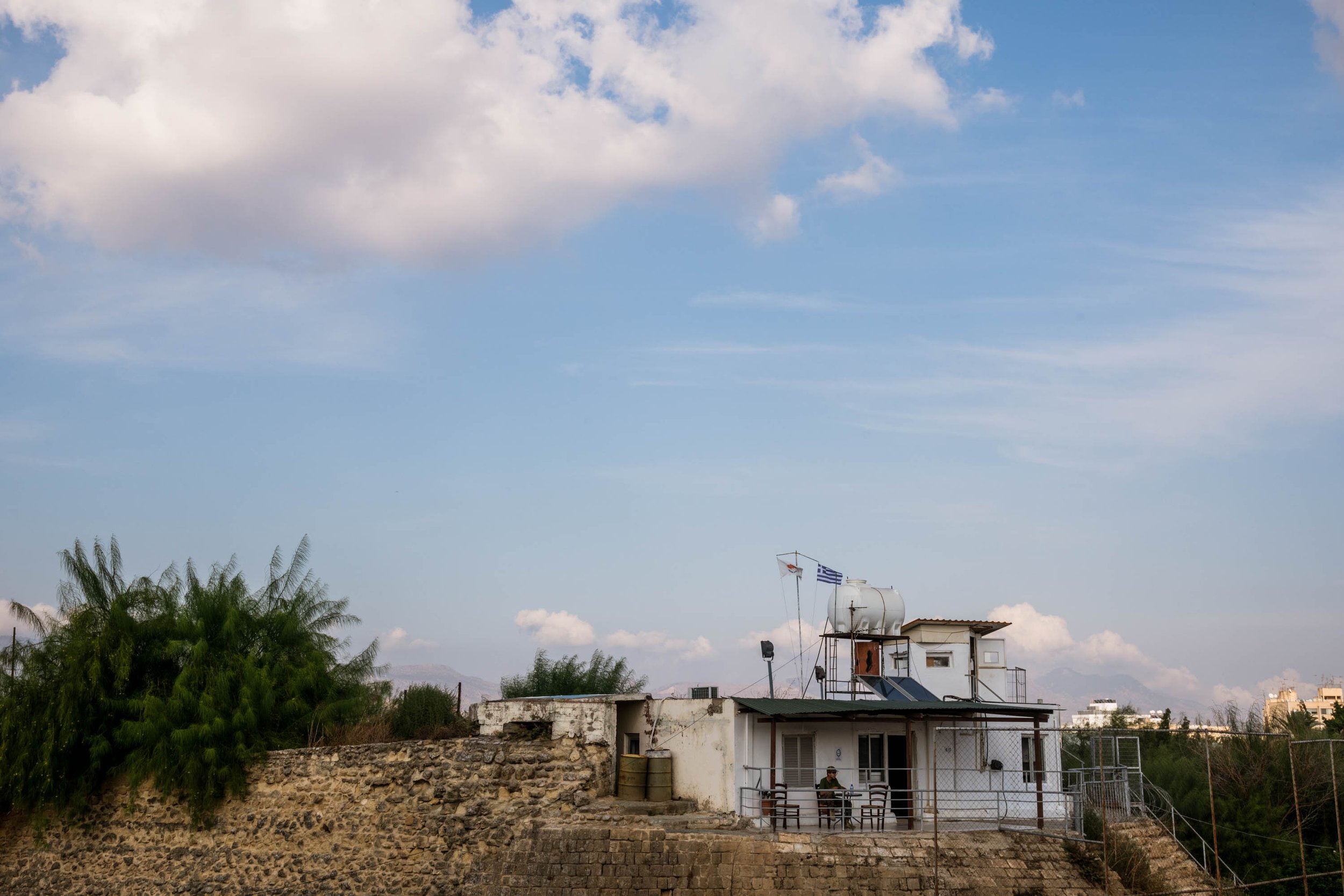
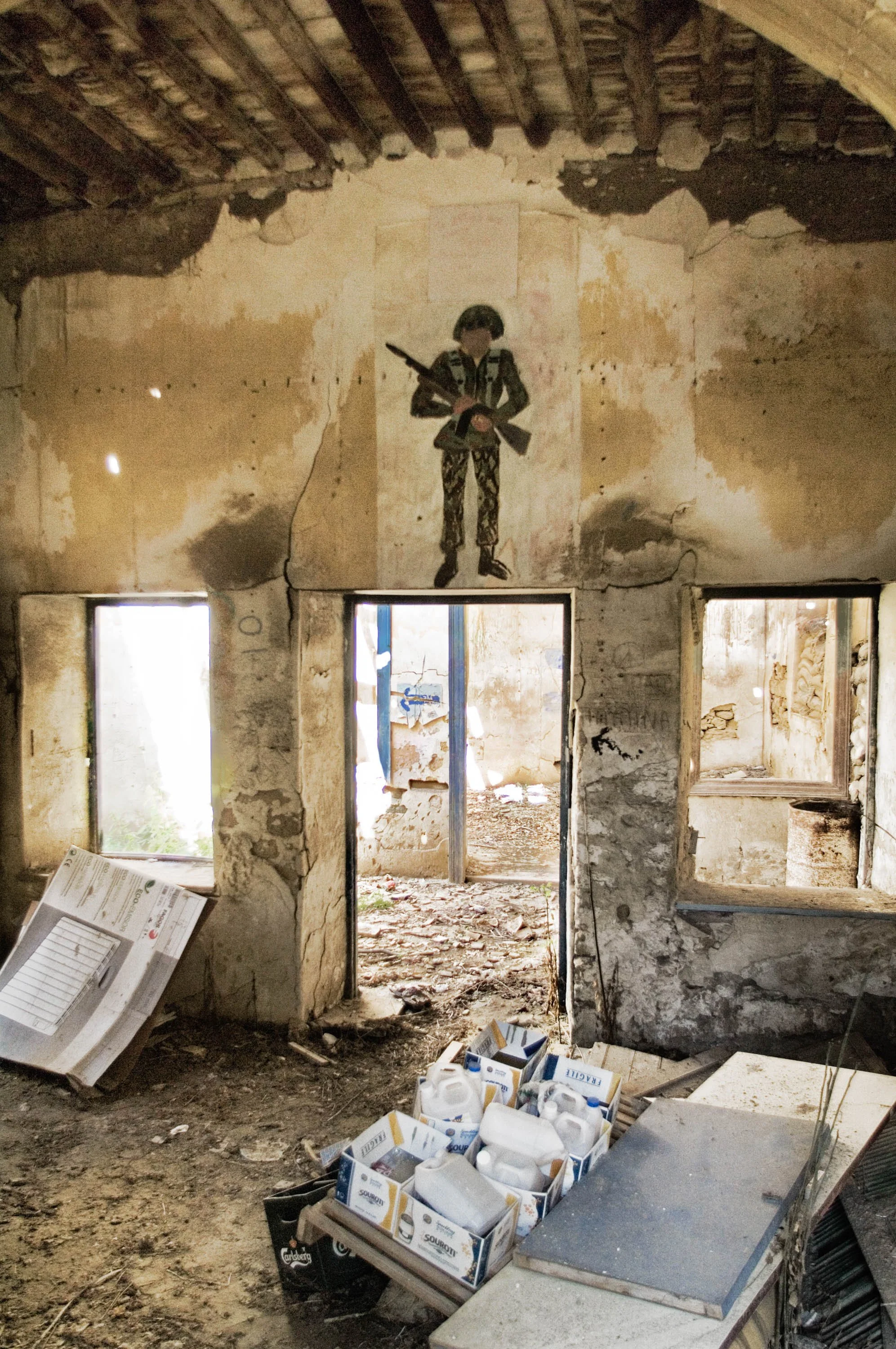
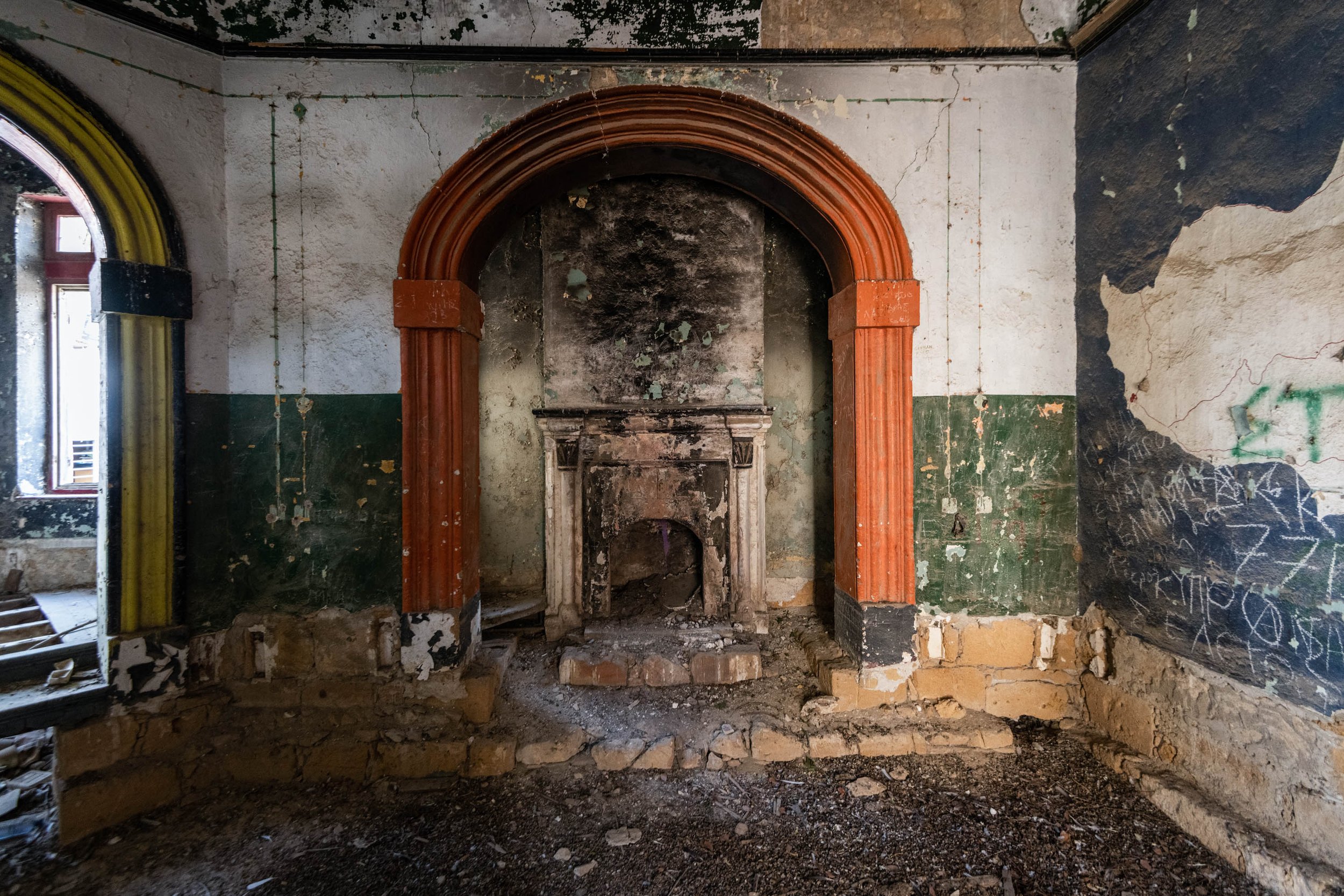
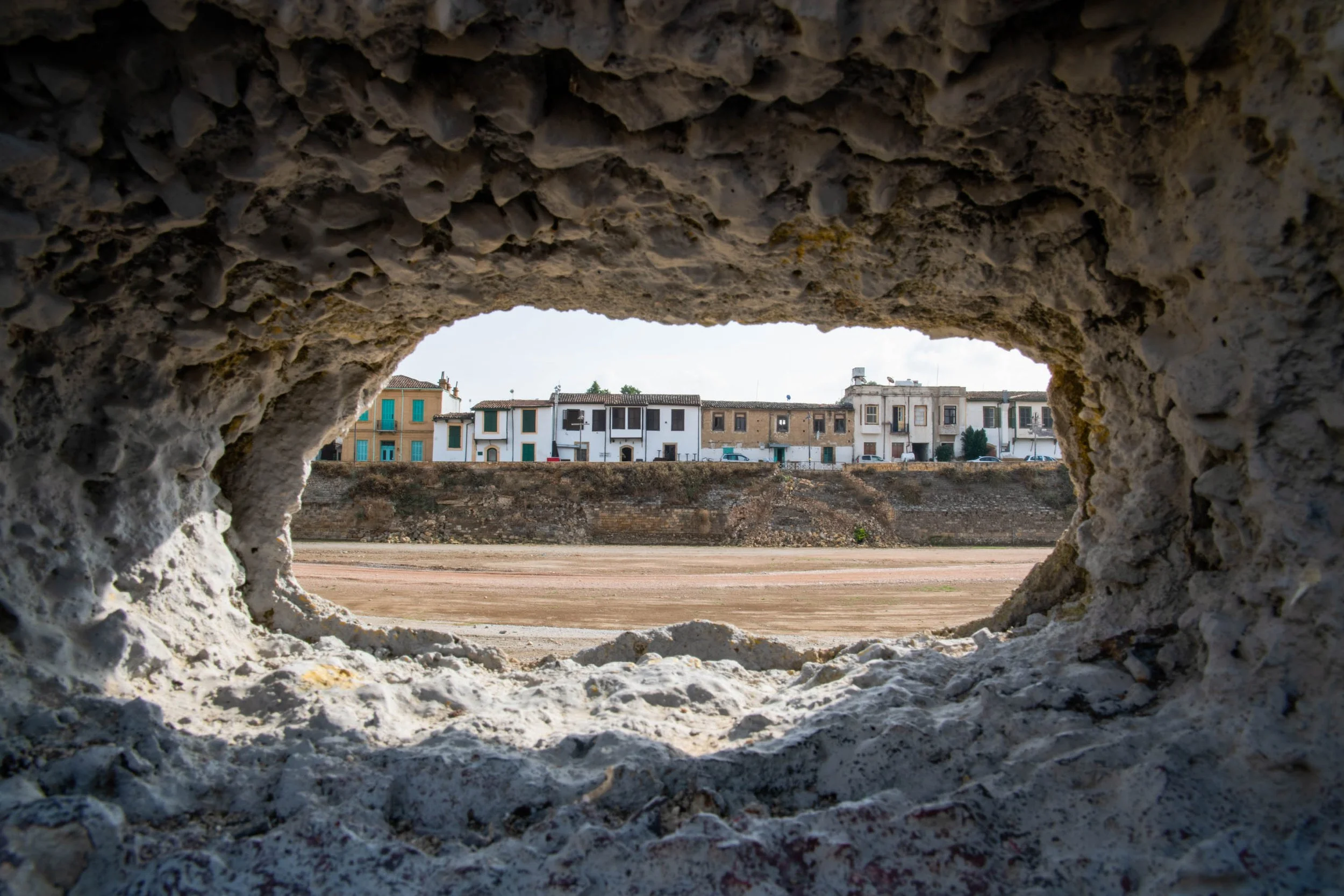
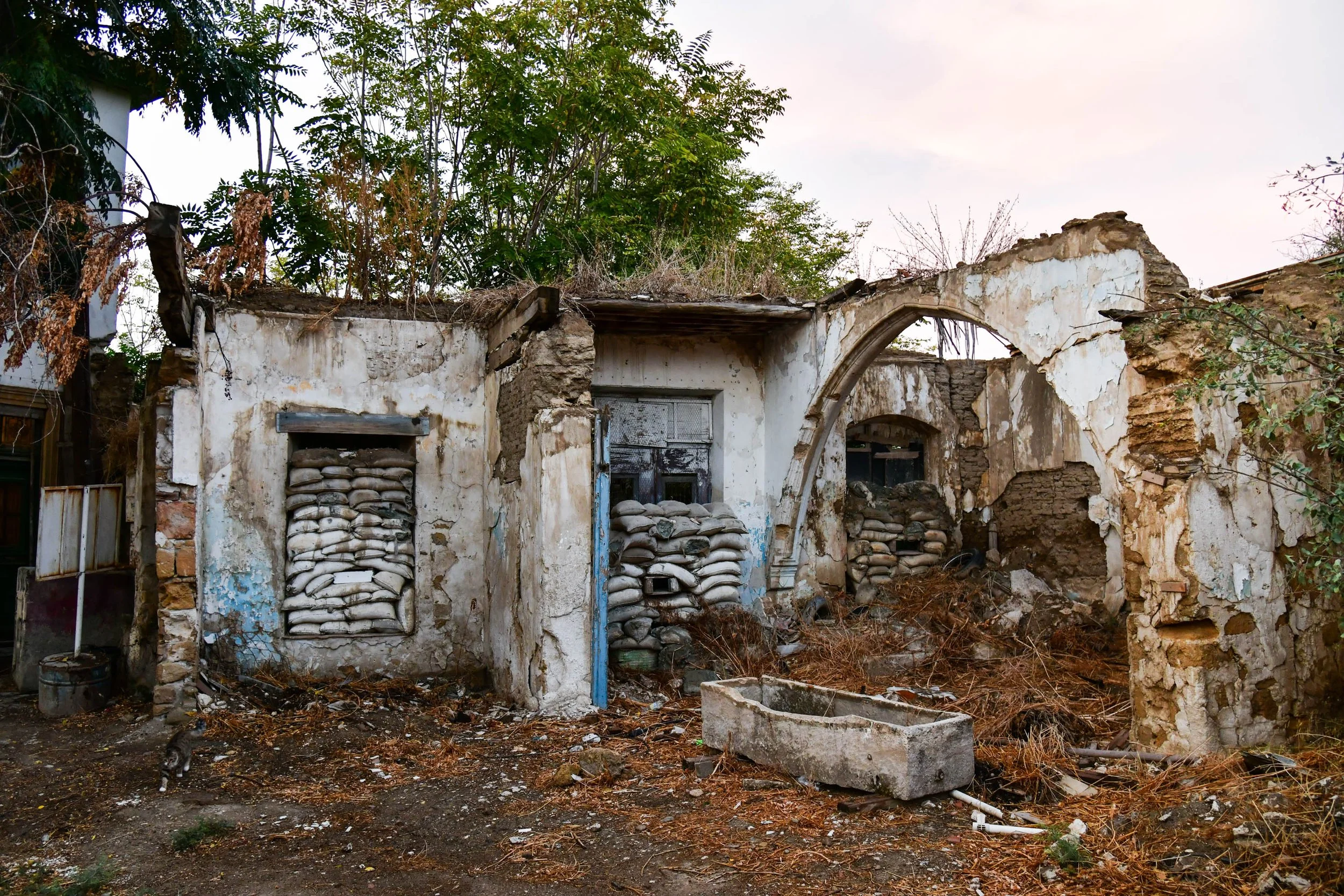
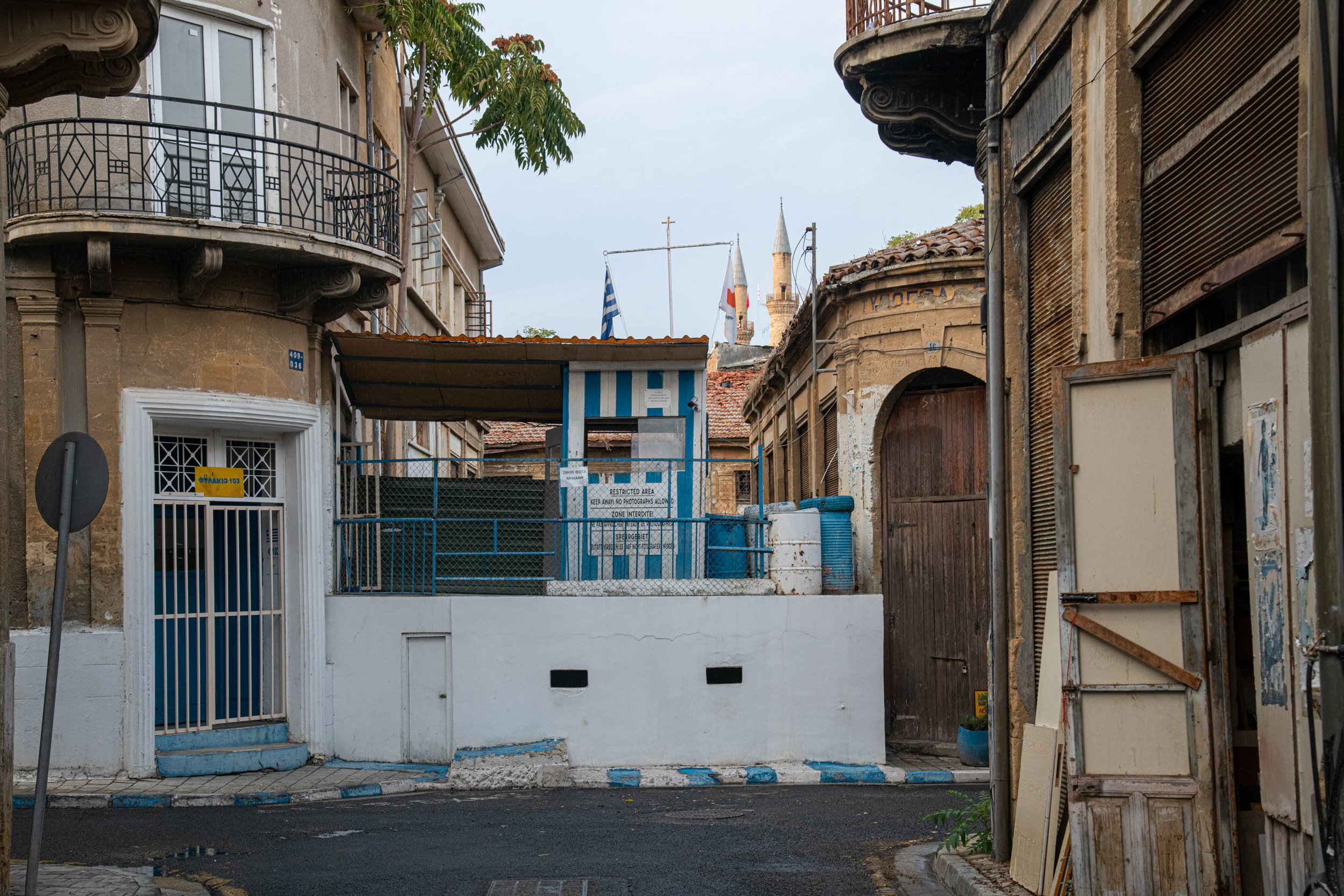
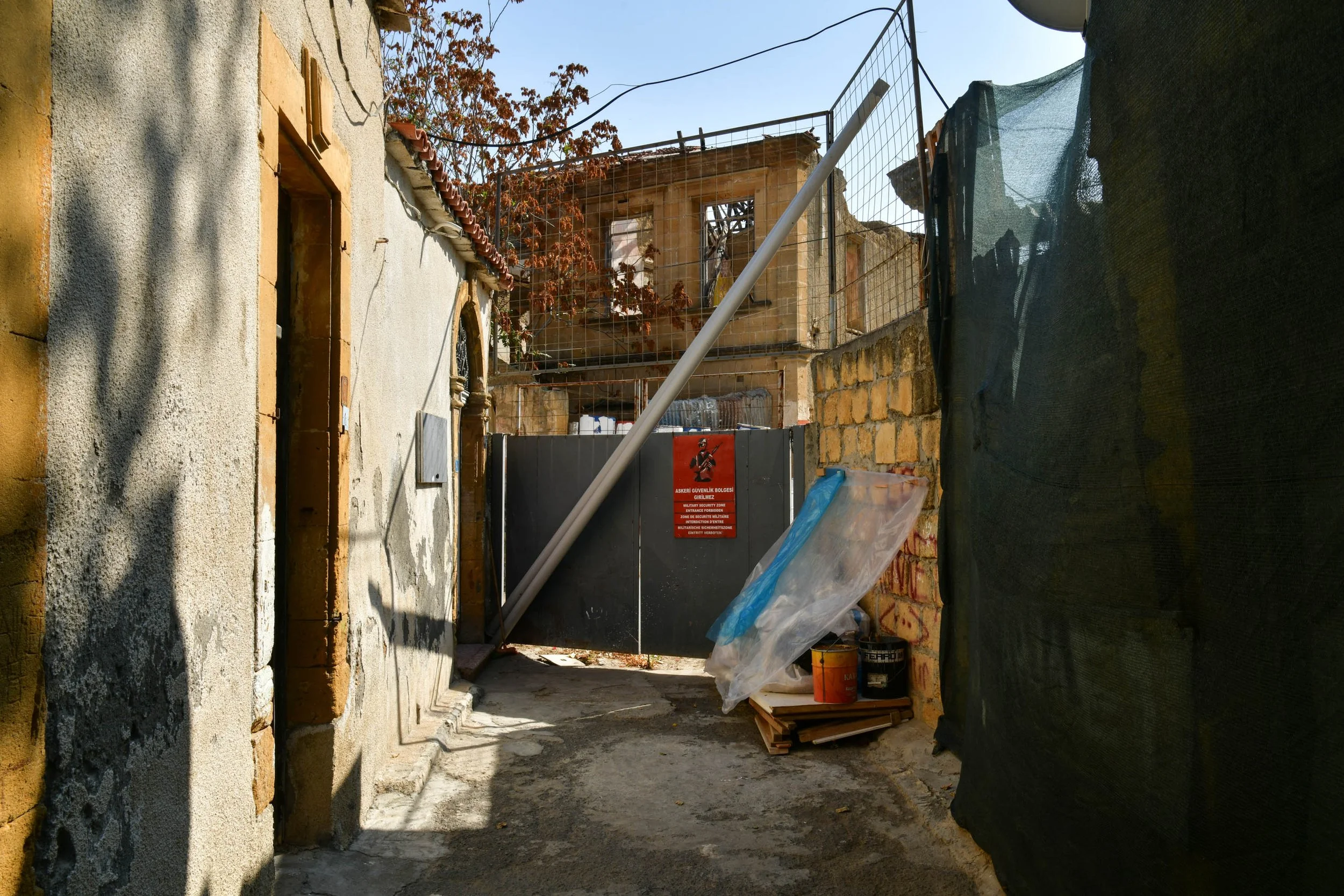
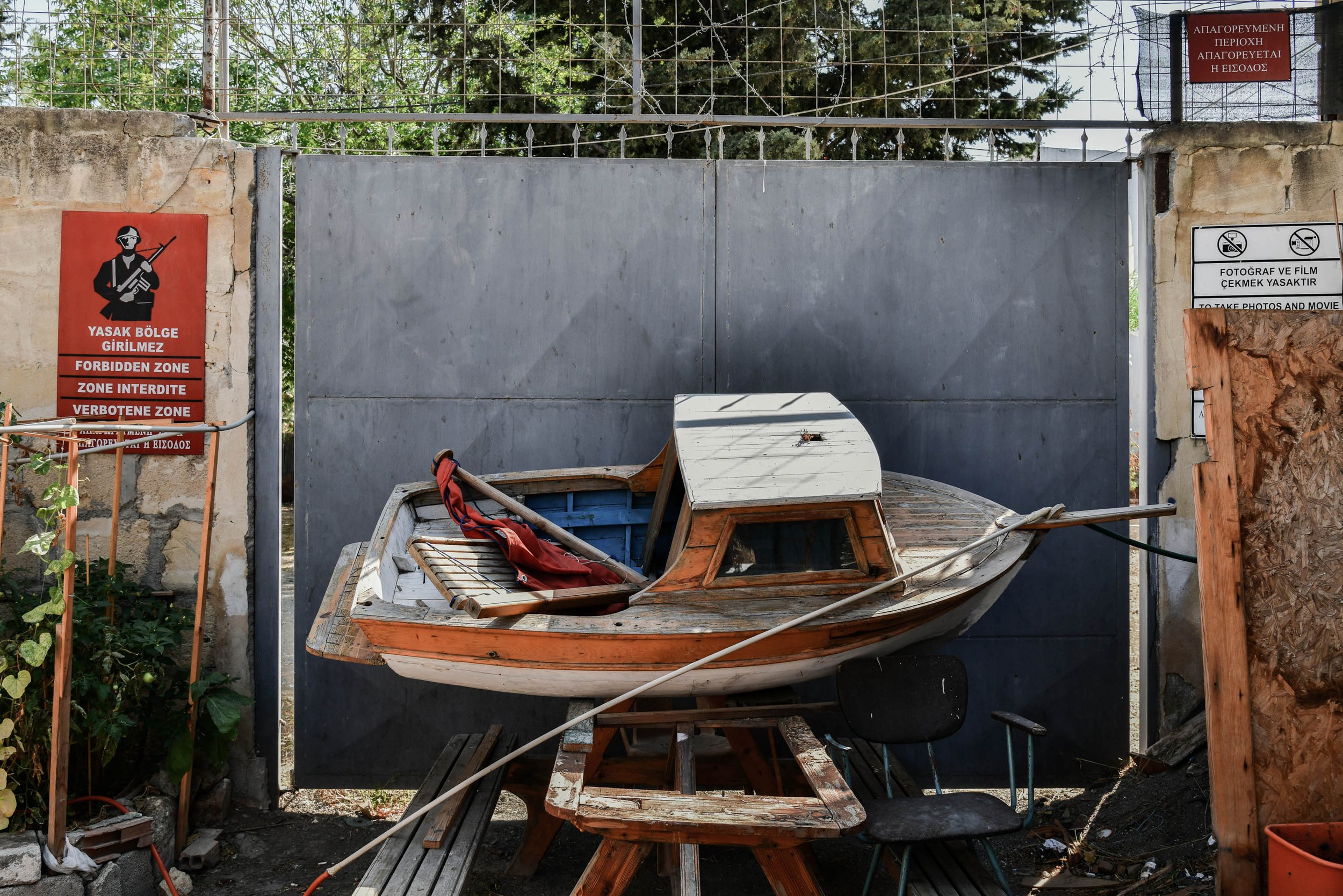
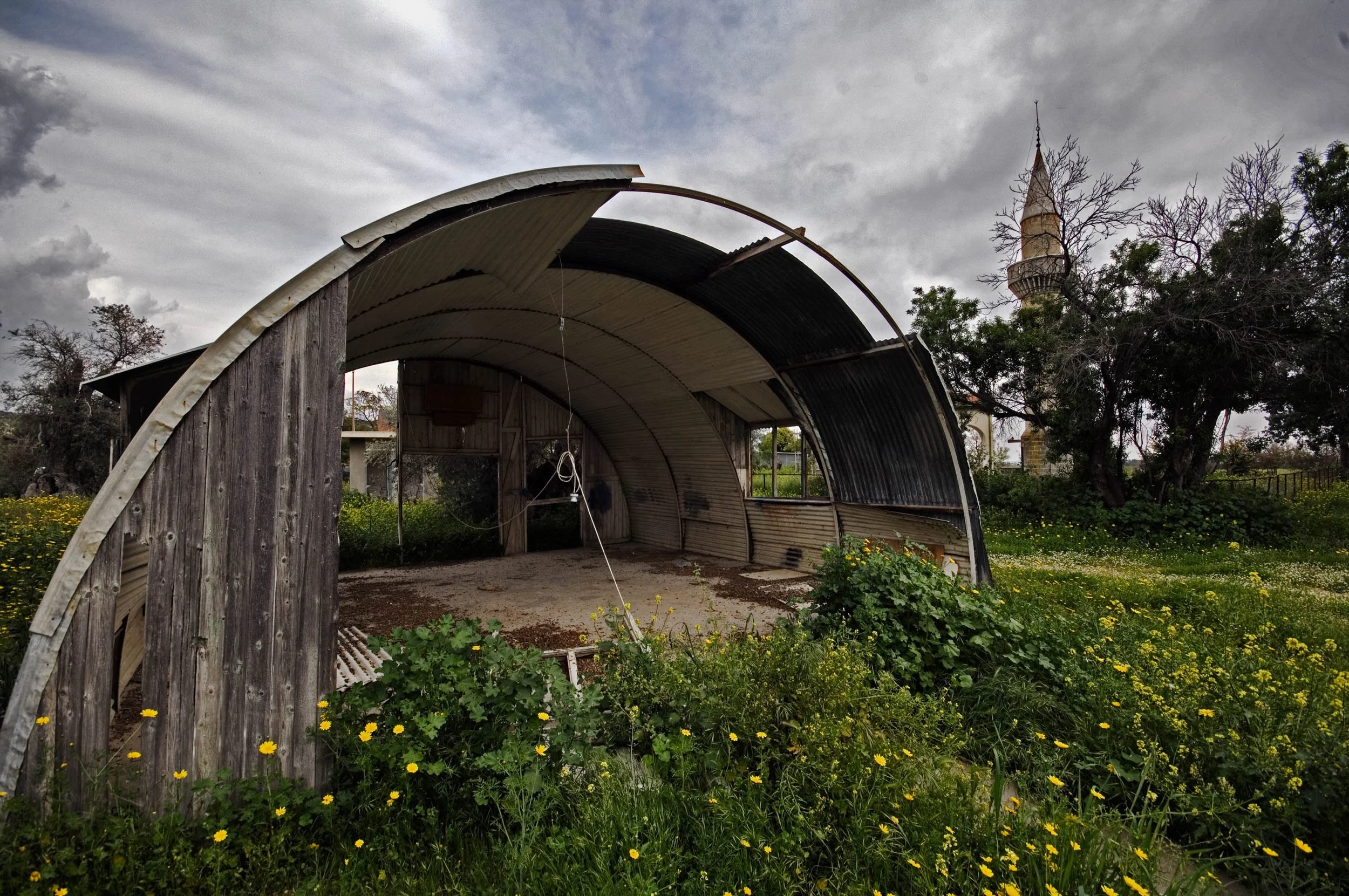
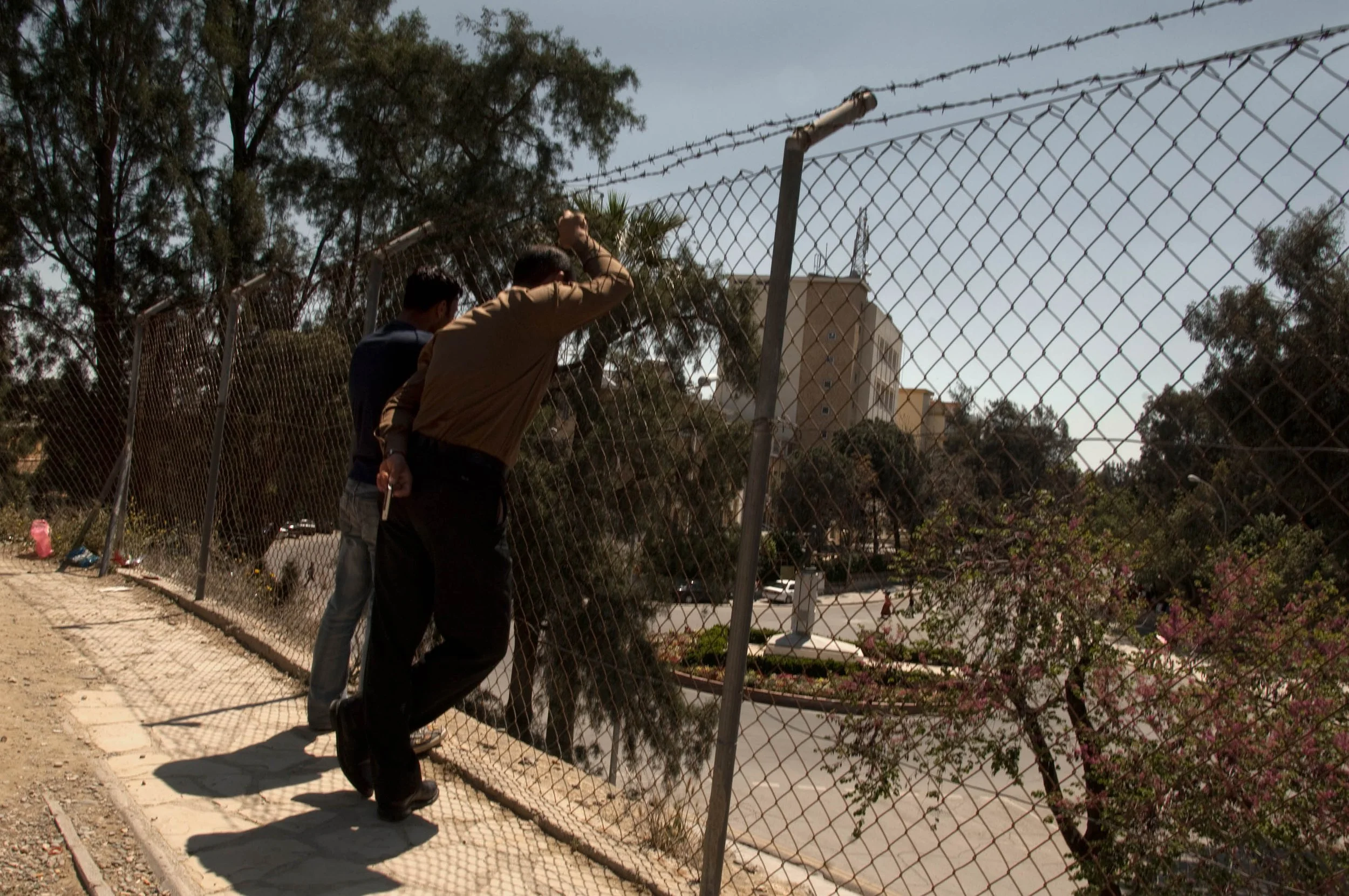
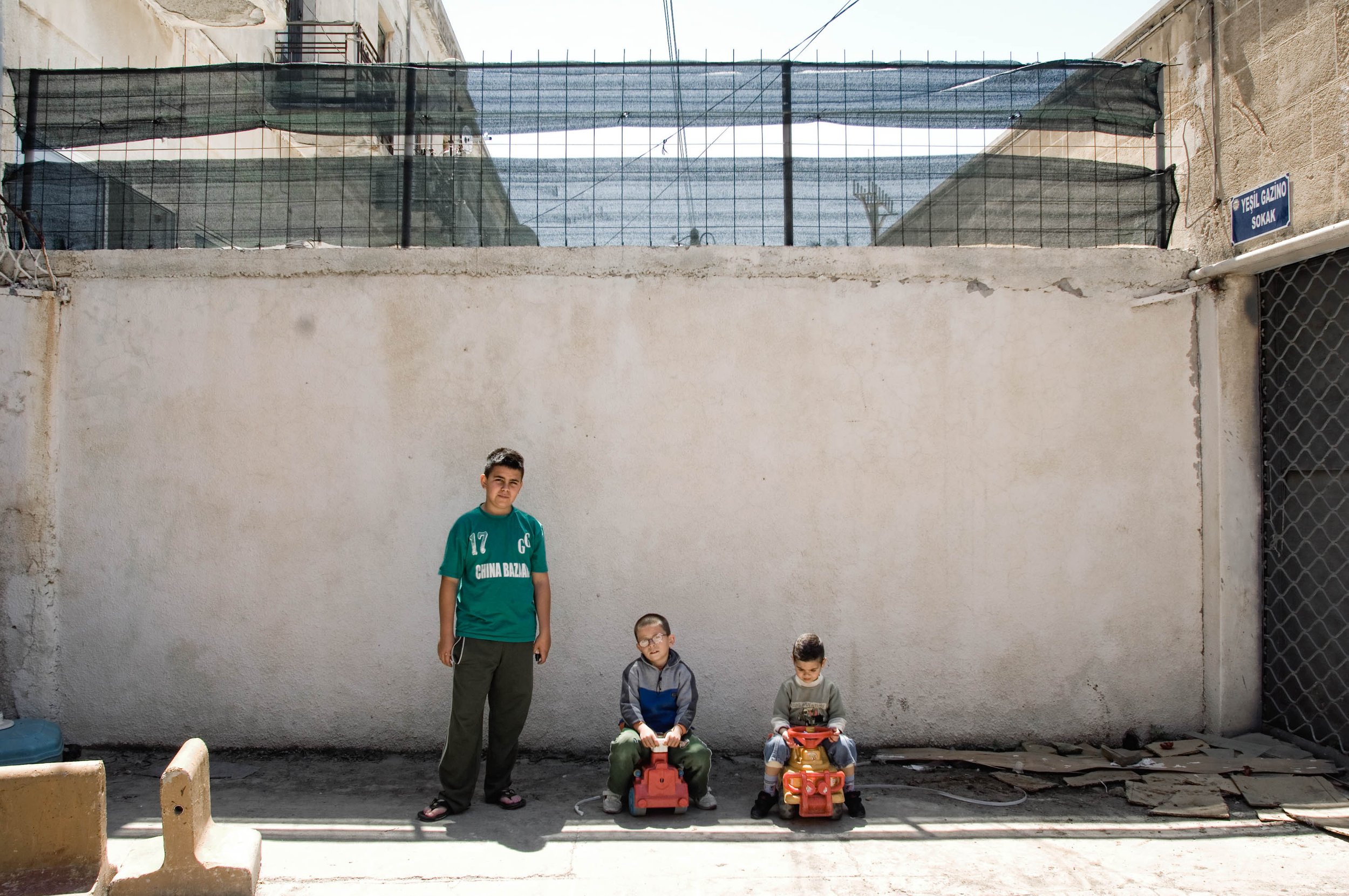
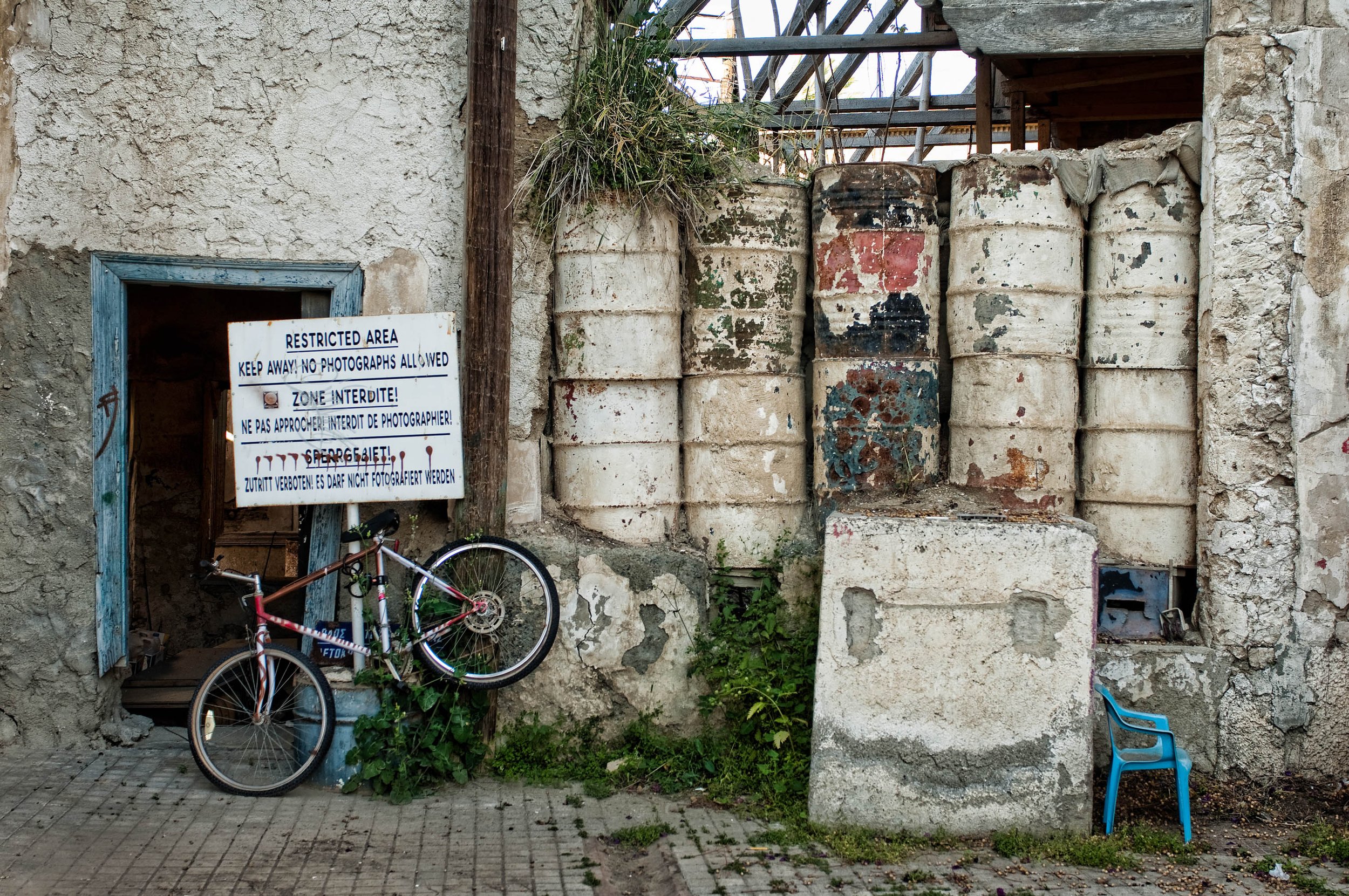
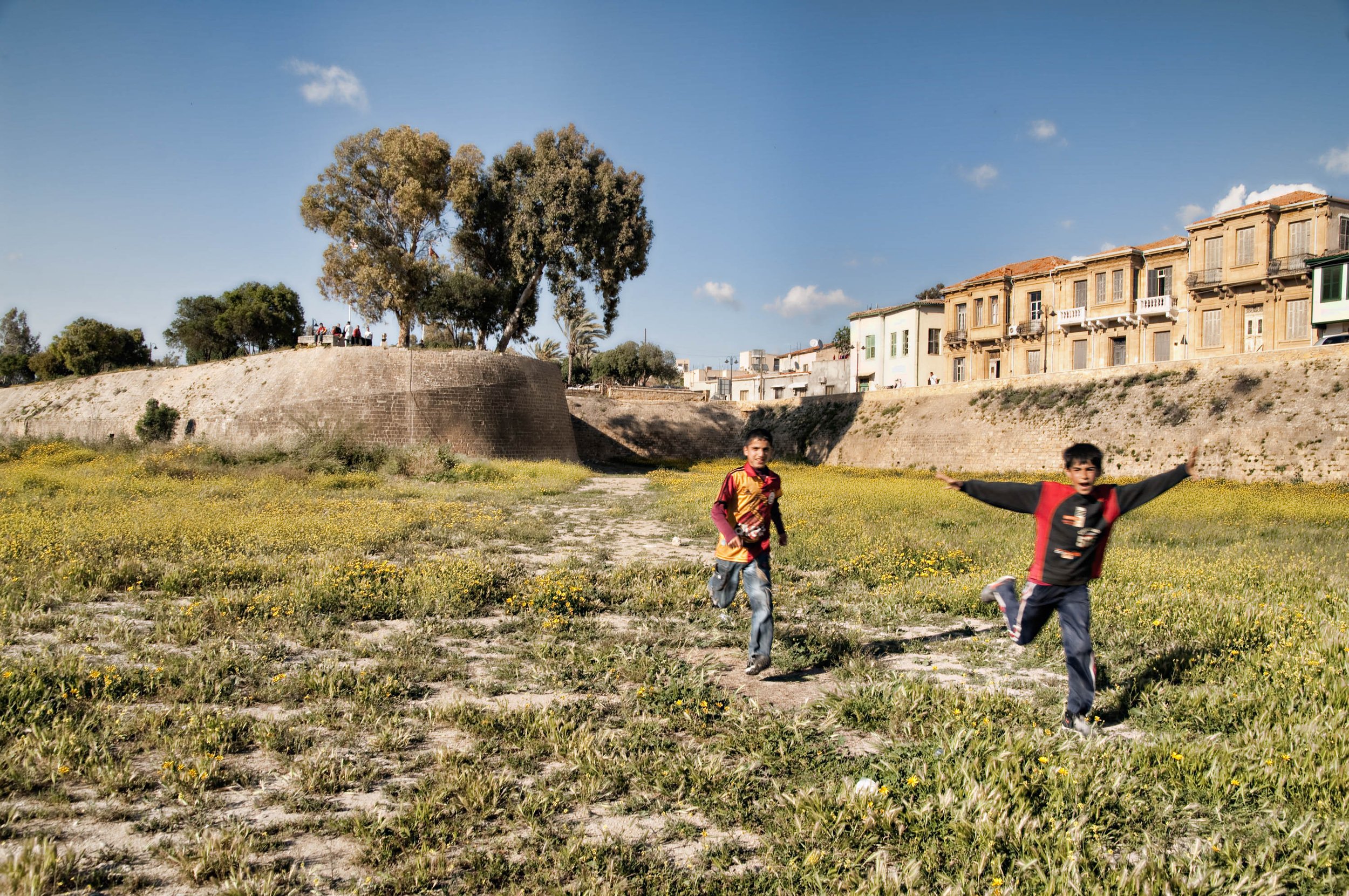
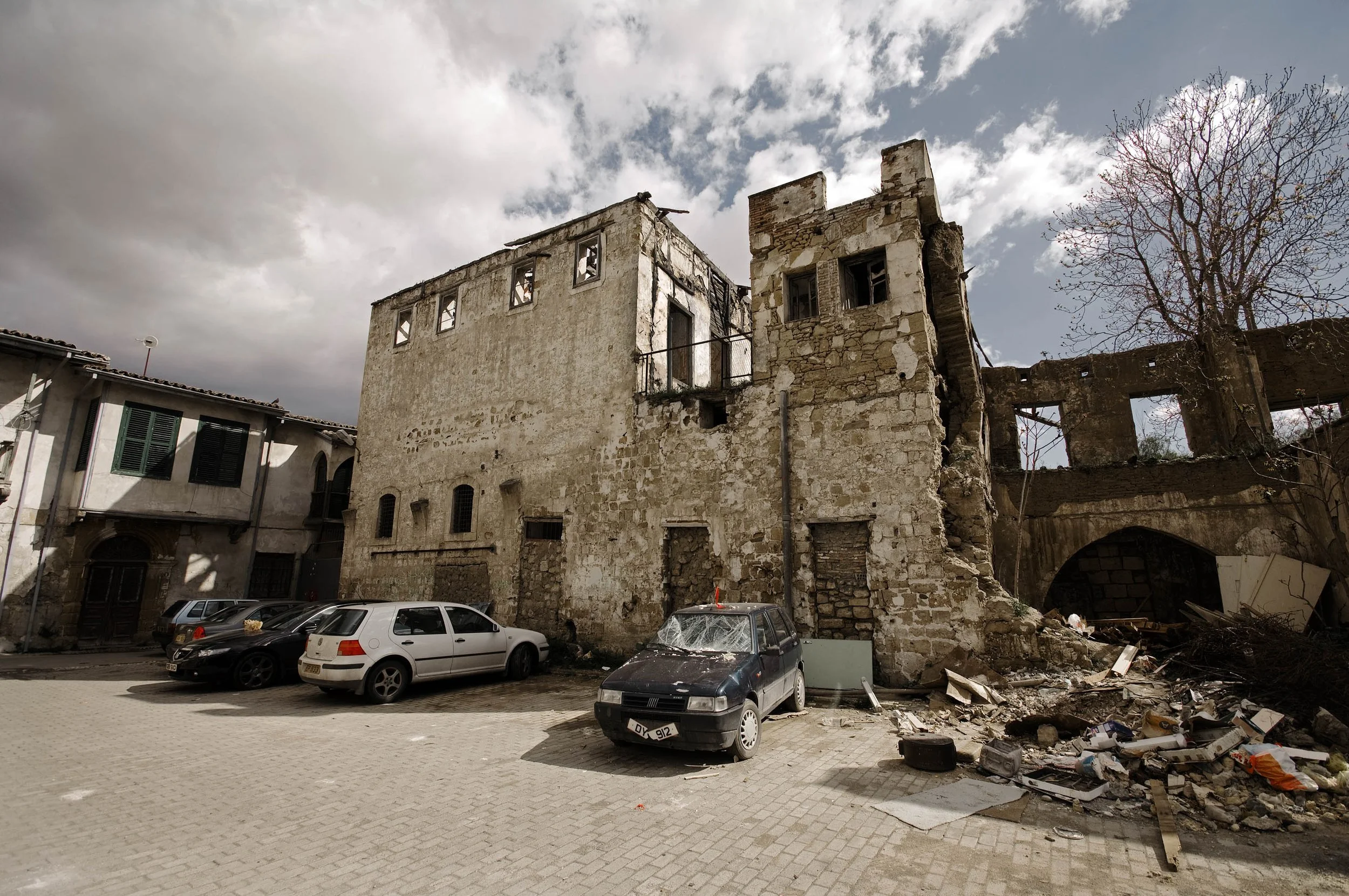
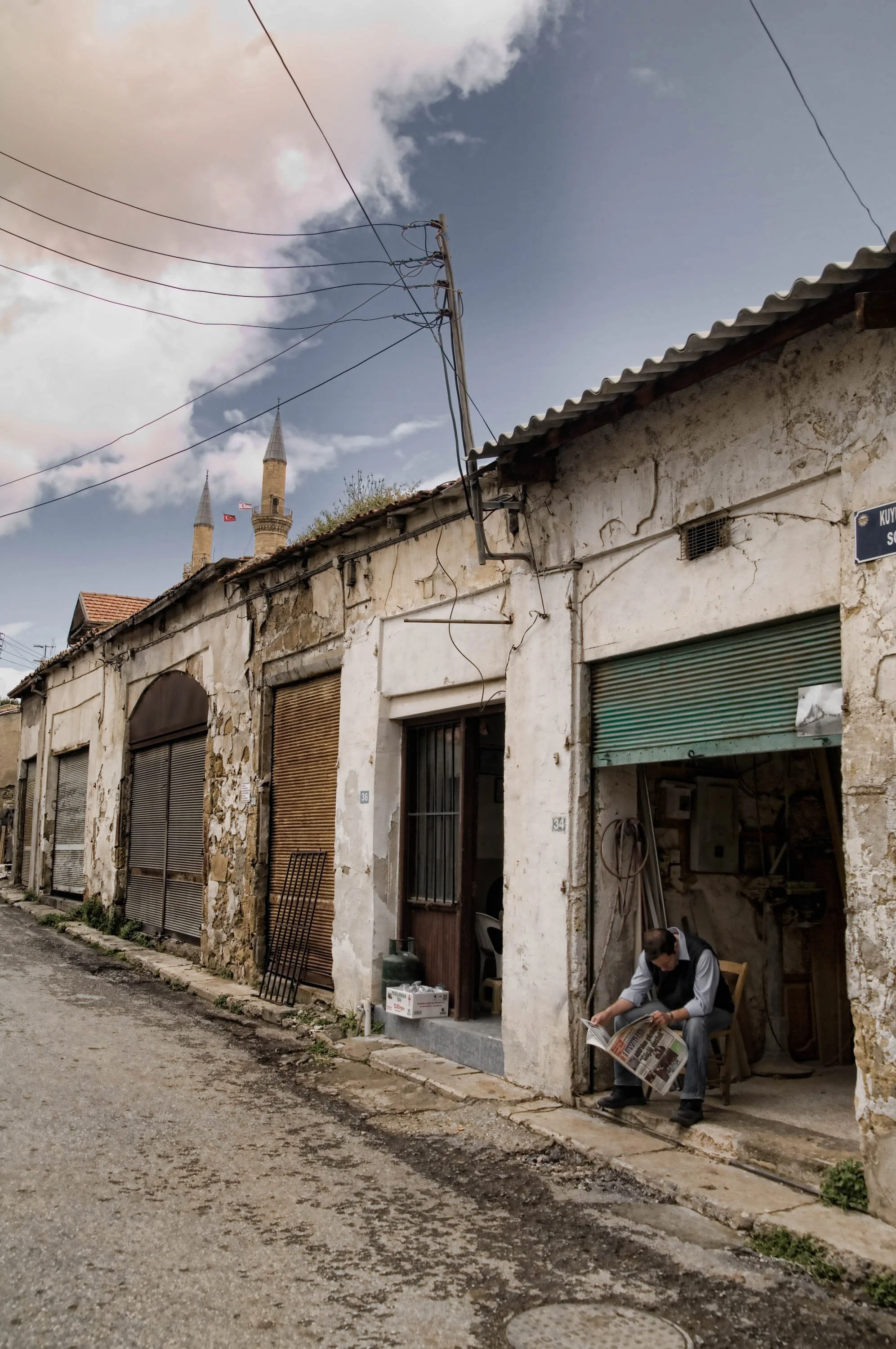
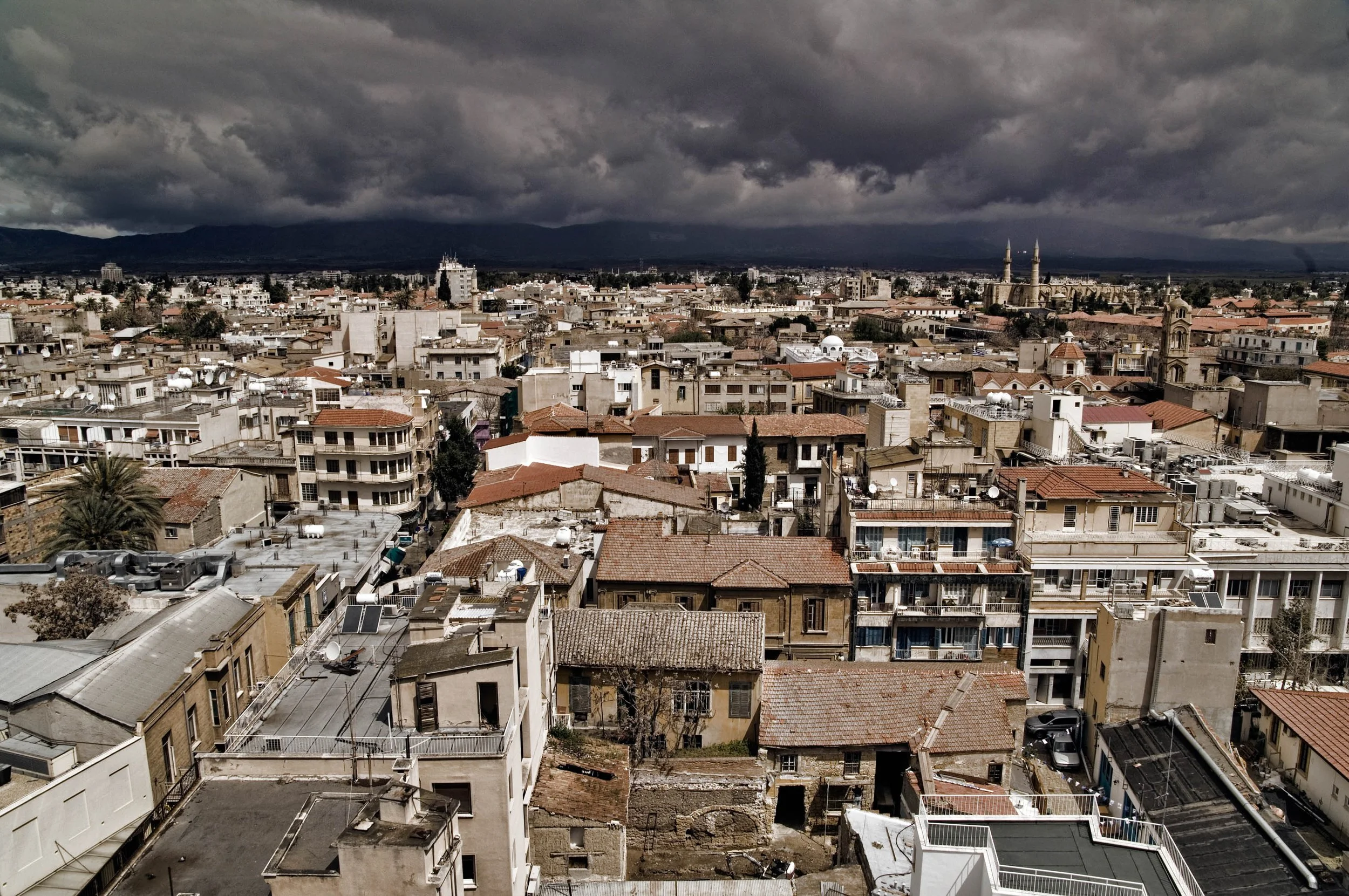
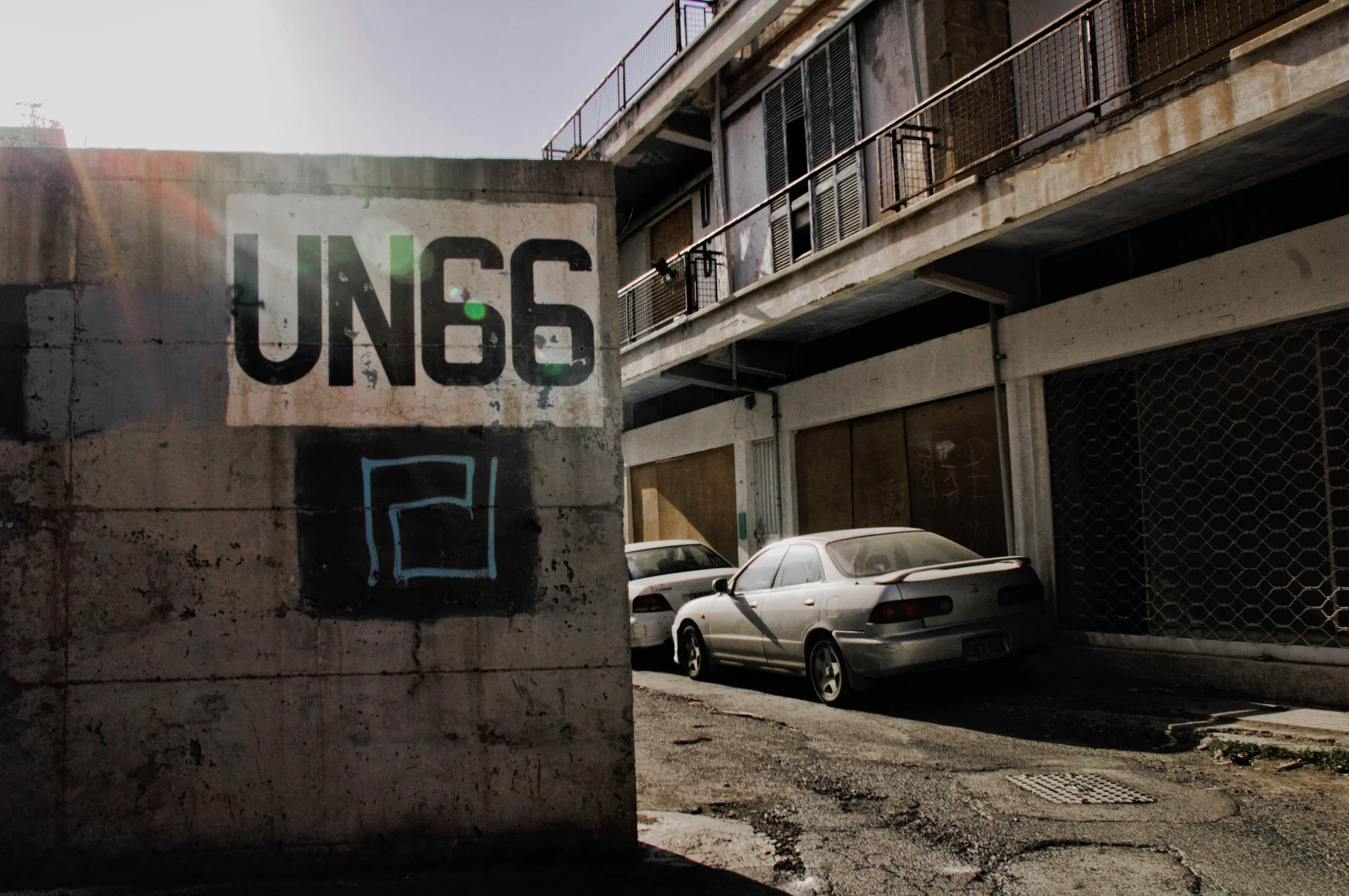
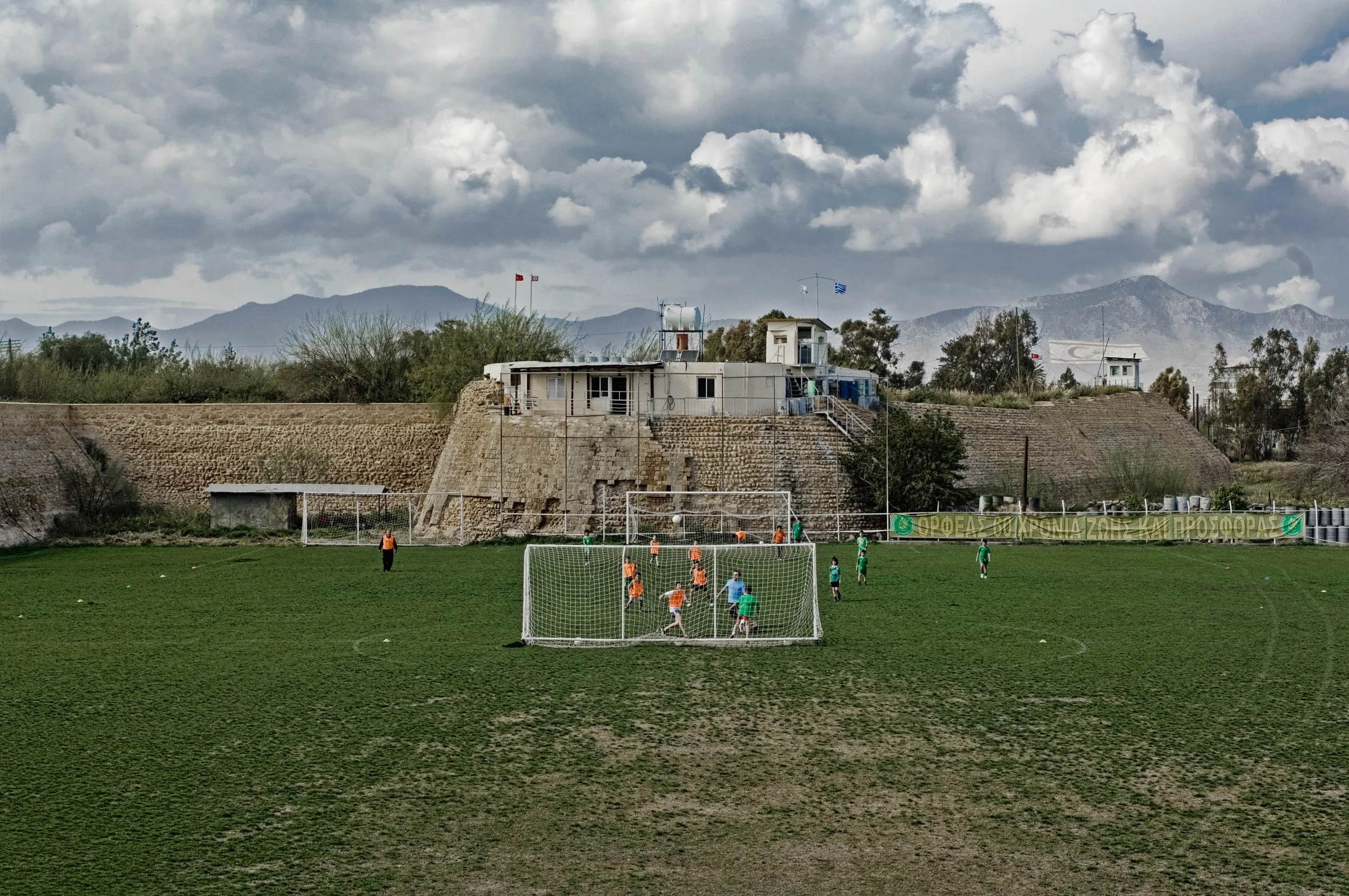
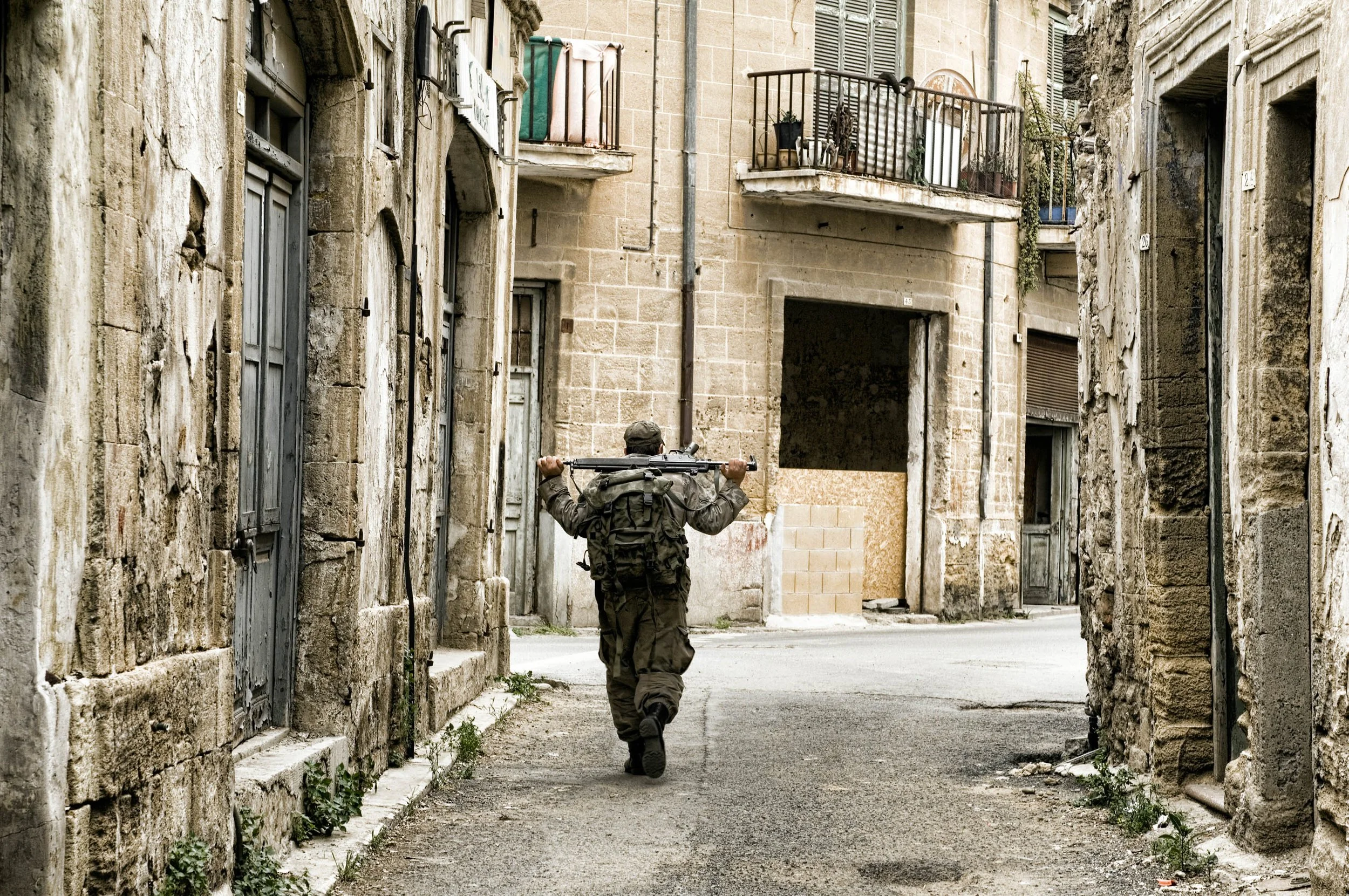
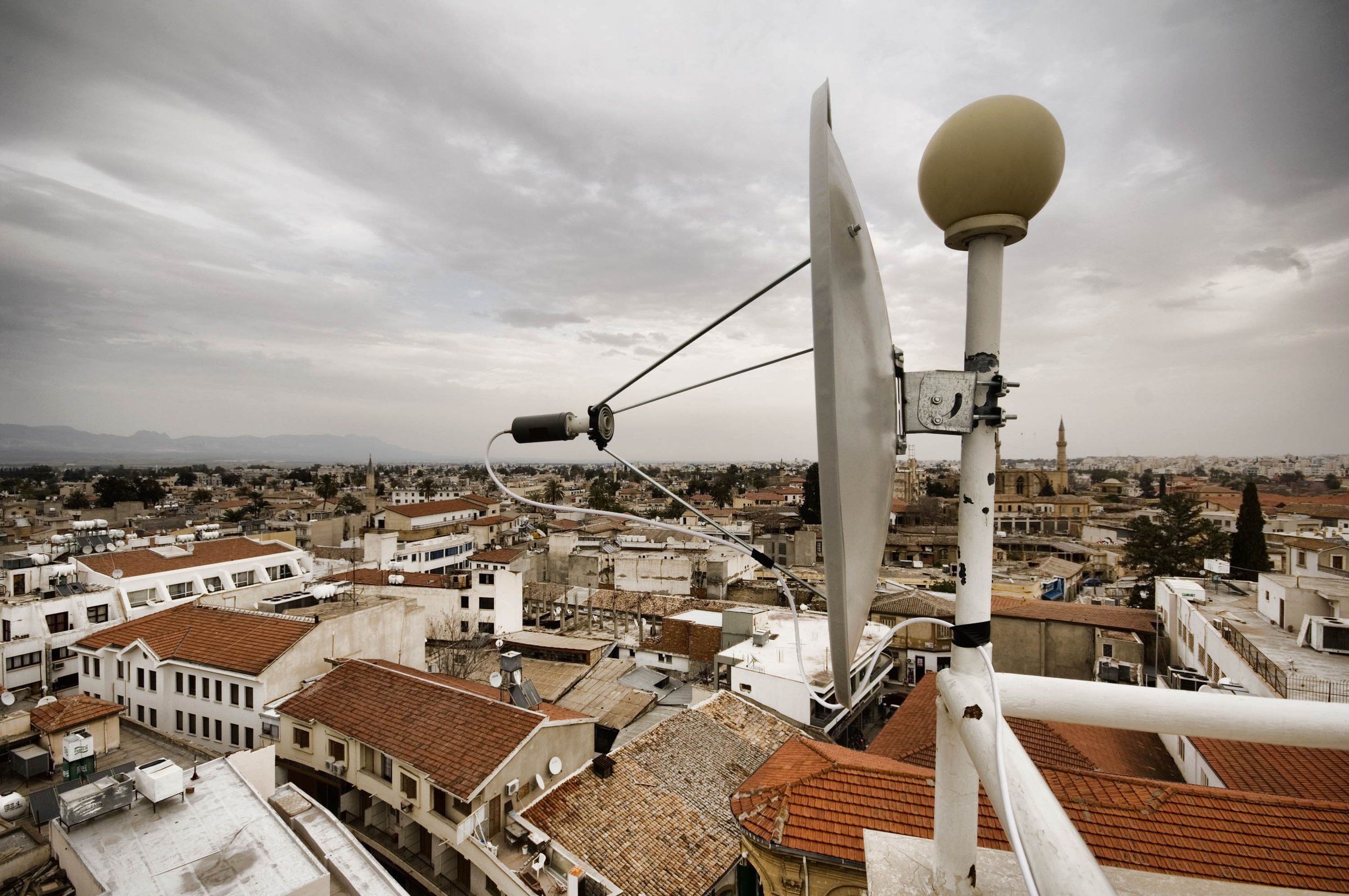
Nicosia remains Europe’s last divided capital. The UN’s Green Line — a 158-kilometer buffer zone — cuts through cities and villages, marked by barbed wire, watchtowers, abandoned buildings, and sandbags. The unresolved question of property confiscation and displacement affects both communities, remaining one of the greatest obstacles to reconciliation. Who can reclaim a home after decades of occupation, demolition, or resale?
The international context complicates the island’s situation further. Russia’s invasion of Ukraine has normalized violated borders and occupied territories in Europe, while renewed Israeli–Palestinian violence has increased instability in the Eastern Mediterranean. Cyprus hosts British military bases, crucial for NATO operations, alongside Israeli economic and security interests, reinforcing its role as a strategic Western outpost.
Energy disputes add further tension. Gas exploration in Cypriot waters has provoked repeated conflicts with Turkey, which does not recognize the Republic of Cyprus’s Exclusive Economic Zone. Cyprus has thus become a pressure point among Ankara, Brussels, Tel Aviv, and major energy companies.
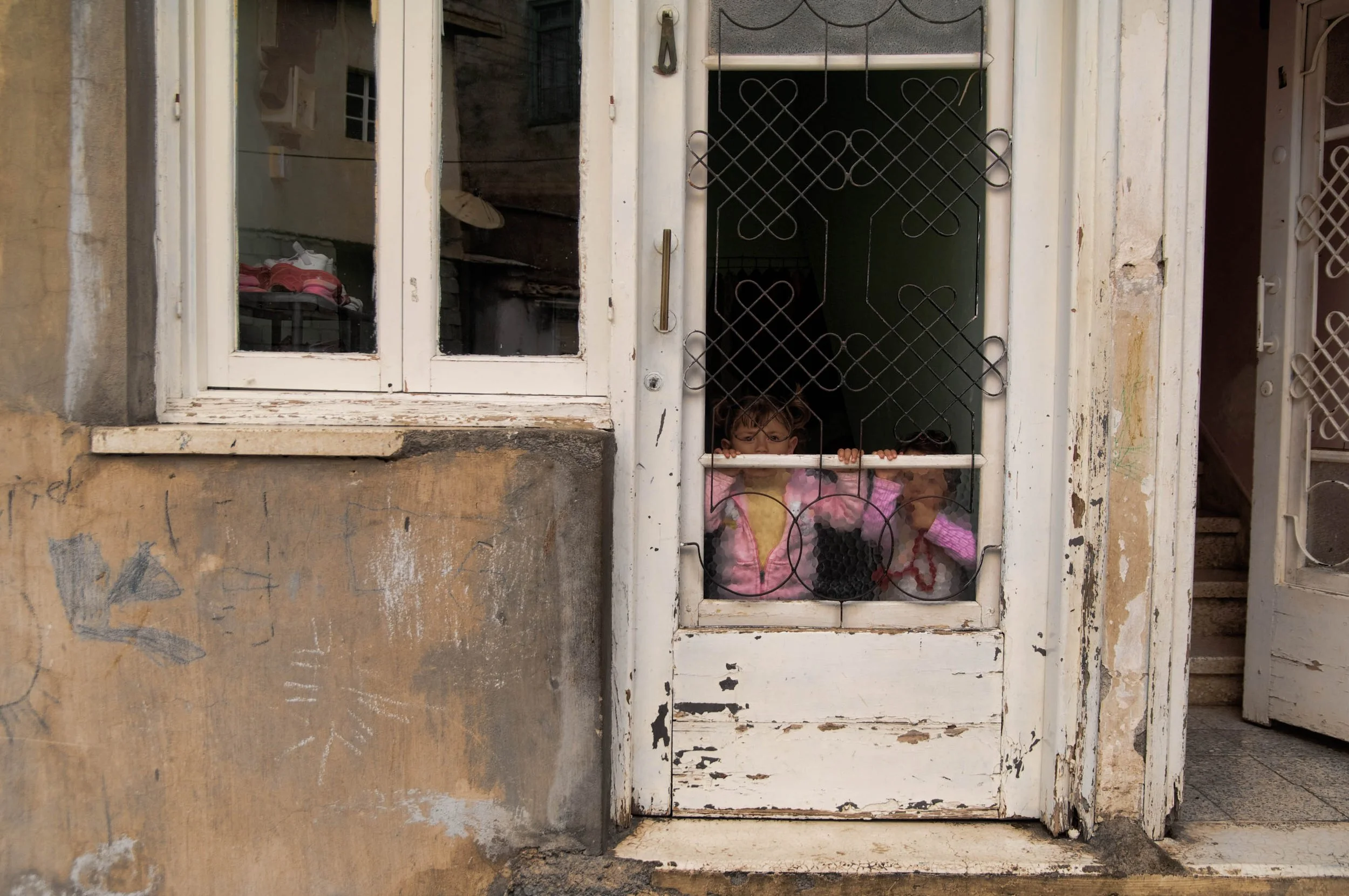
Internally, Cyprus faces urgent societal challenges. Migration is high — the island has one of the EU’s largest per capita asylum seeker populations — while foreign investment reshapes its territory and regional conflicts loom nearby. EU membership has brought benefits to the south but also exposed stark disparities with the north. Free movement of people and goods remains limited, and many EU policies fail to reach northern communities, leaving Turkish Cypriots in political and economic limbo. Migration from Turkey since 1974 is viewed by the Greek-Cypriot government as a form of “colonization,” fueling mistrust and complicating dialogue. Both sides host migrants from diverse countries, often employed in low-skilled, seasonal, or manual jobs under difficult conditions.
The European Parliament remains one of the few spaces for cross-community representation. Turkish-Cypriot MEP Niyazi Kızılyürek, elected with the left-wing party AKEL, symbolizes political inclusion and will run again in 2024–2029. Other Turkish Cypriots participate in pro-European movements like the Greens and Volt, but nationalist ELAM, historically linked to Greece’s Golden Dawn, continues to influence public discourse.
Cyprus is not unique in Europe: parallels exist with Northern Ireland, where “peace lines” separated Catholic and Protestant communities from 1969 onward. Like Nicosia’s Green Line, these barriers prevented immediate violence but reinforced isolation and psychological division, legacies that persist decades later.
Looking ahead, the Cypriot Presidency of the Council of the European Union in 2026 represents a rare diplomatic opening. The EU could support cultural projects, economic cooperation, confidence-building measures, and renewed dialogue between Greek- and Turkish-Cypriot communities. Signals from northern leadership suggest a potential restart of talks after the collapse of negotiations in 2017.
Yet the prevailing atmosphere remains cautious. In a world marked by new wars, occupations, and gray zones of sovereignty, Cyprus reflects Europe’s contradictions: an island where military, energy, and geopolitical interests converge, and where peace is not imminent but constantly deferred.
The fall of the Berlin Wall demonstrated that even deeply entrenched divisions can be overcome through political will. Cyprus, with its strategic position and millennia-old history, has the potential to become a symbol of cooperation in the Mediterranean. But as long as physical and mental walls endure, the vision of a truly united Europe remains incomplete.