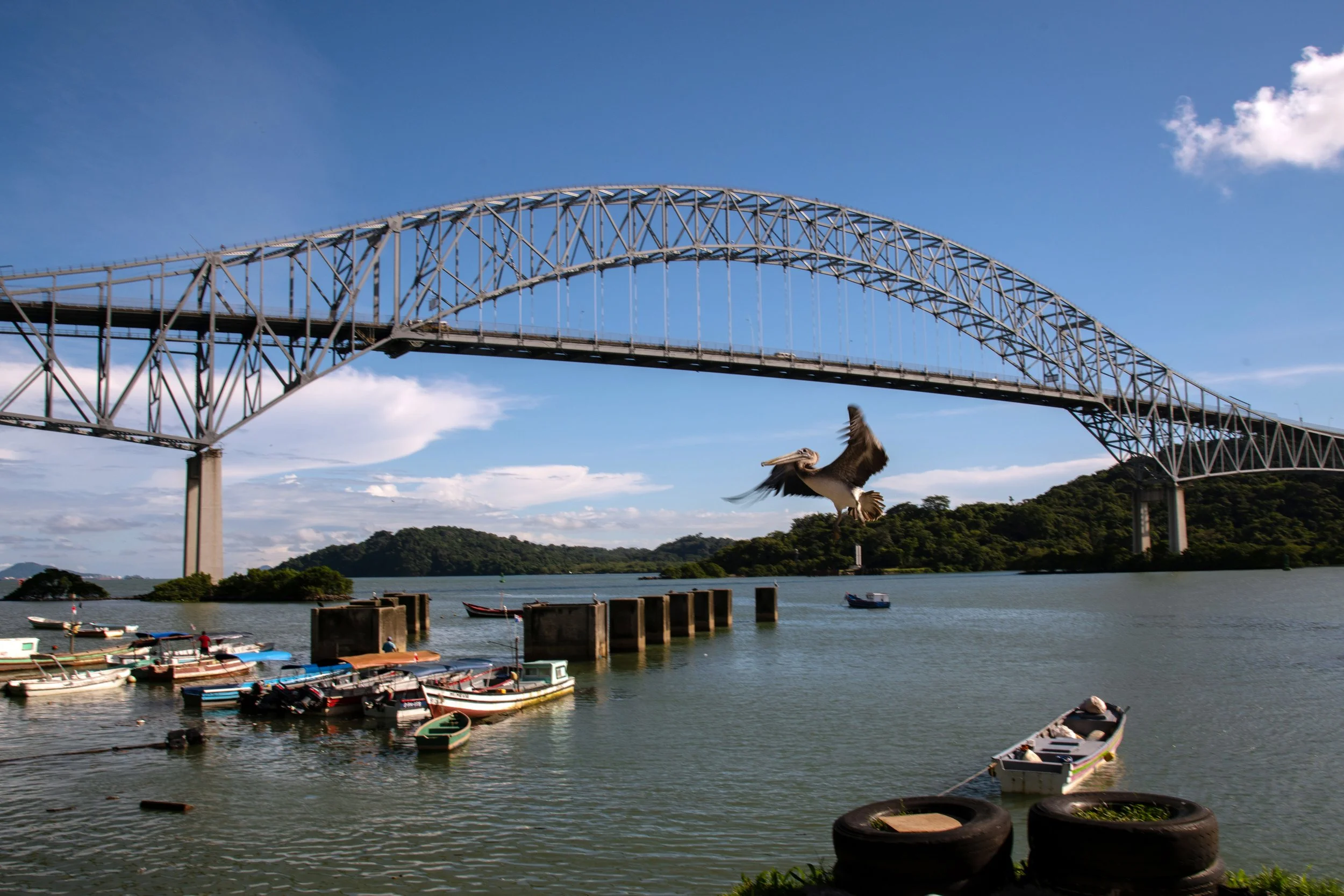
Panama Canal 110° Anniversary: A Historical Milestone and Climate Change Impacts
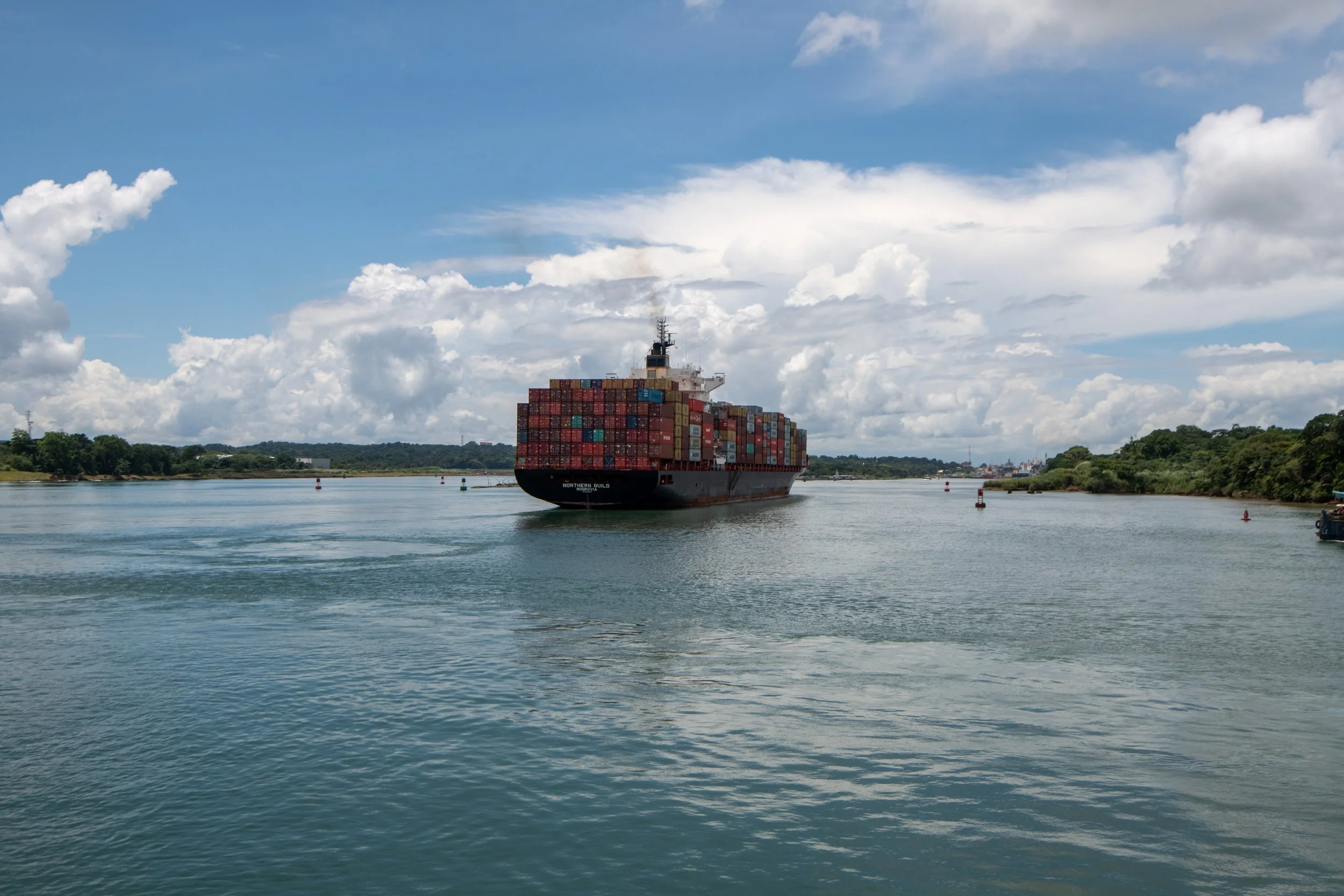
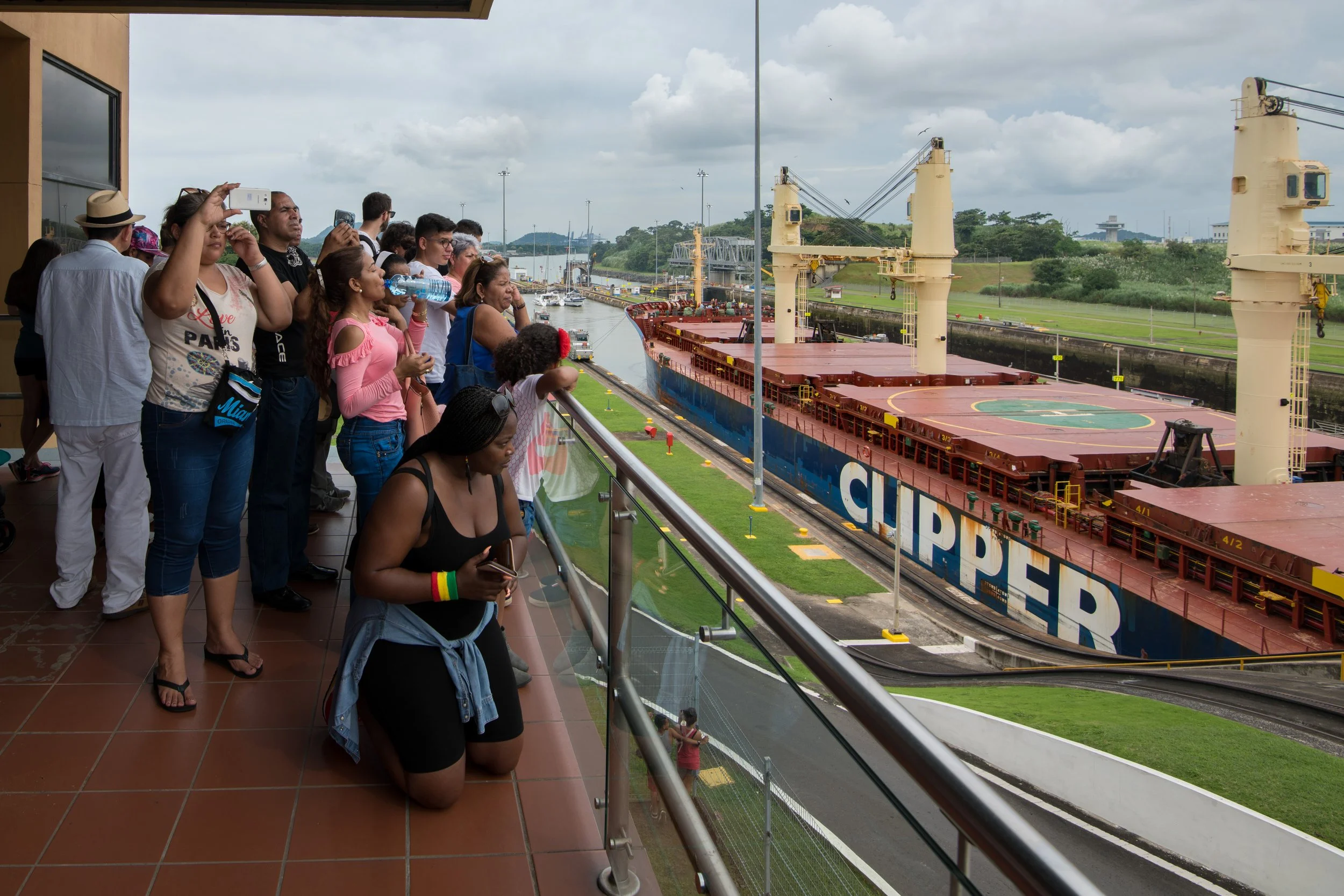
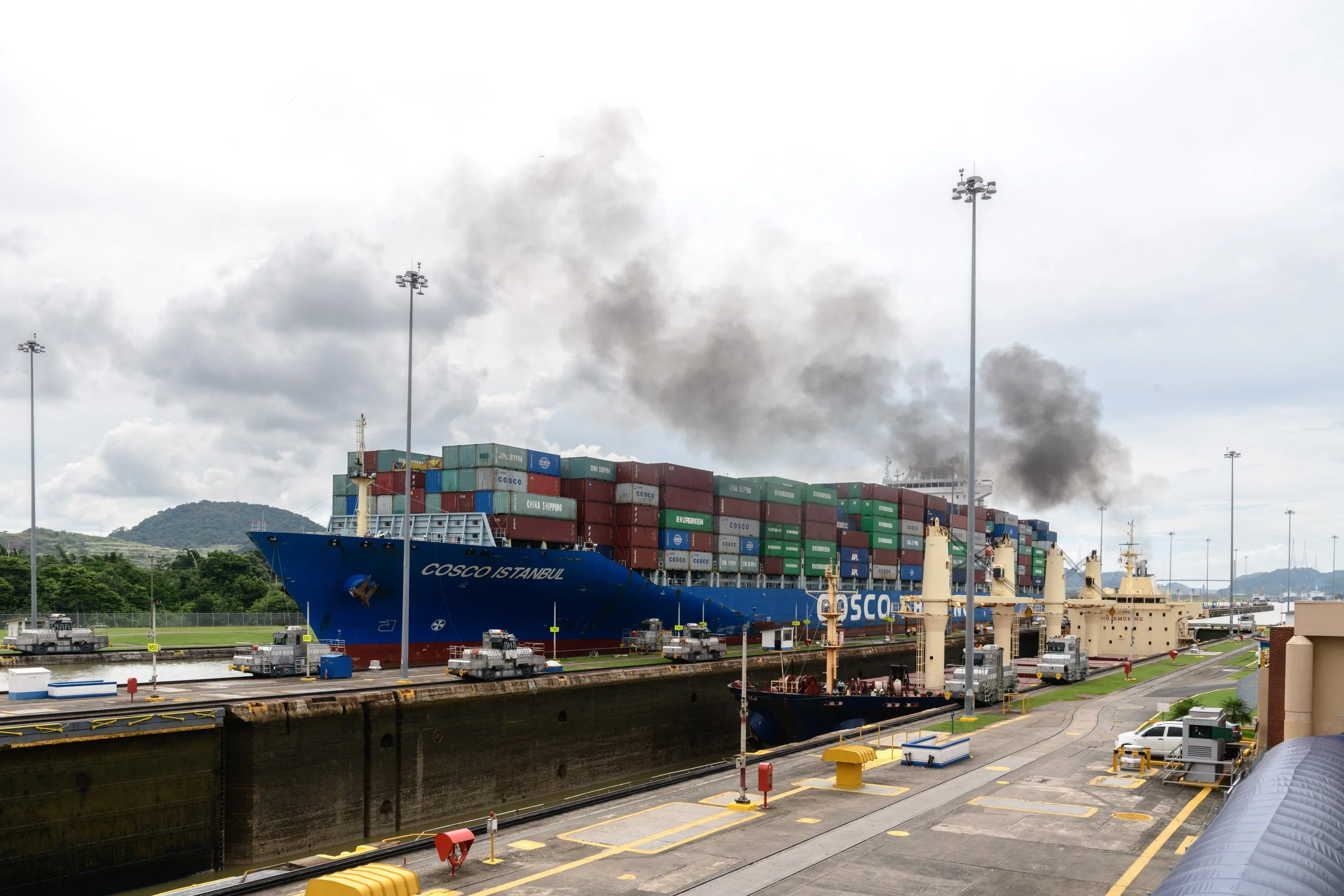
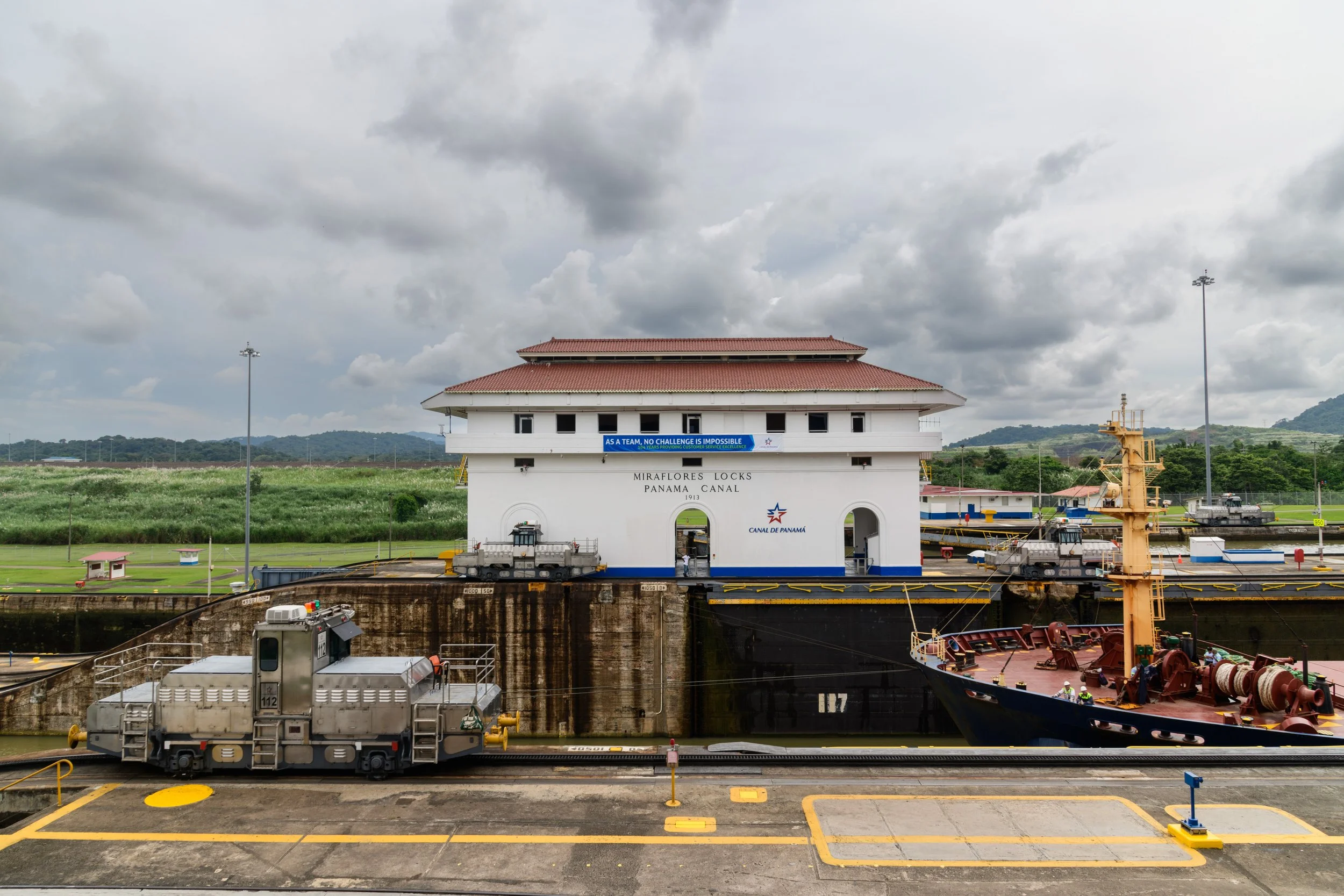
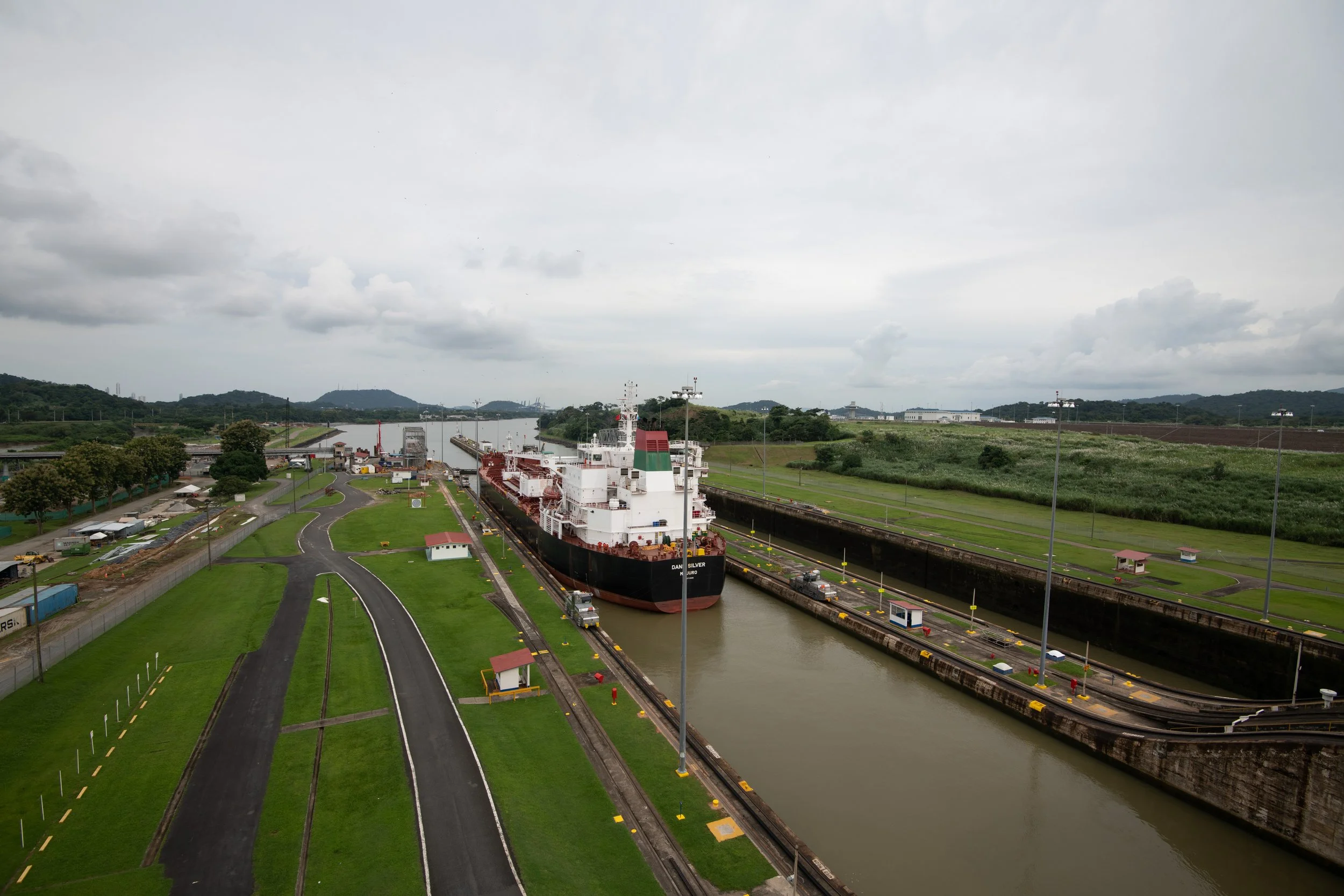
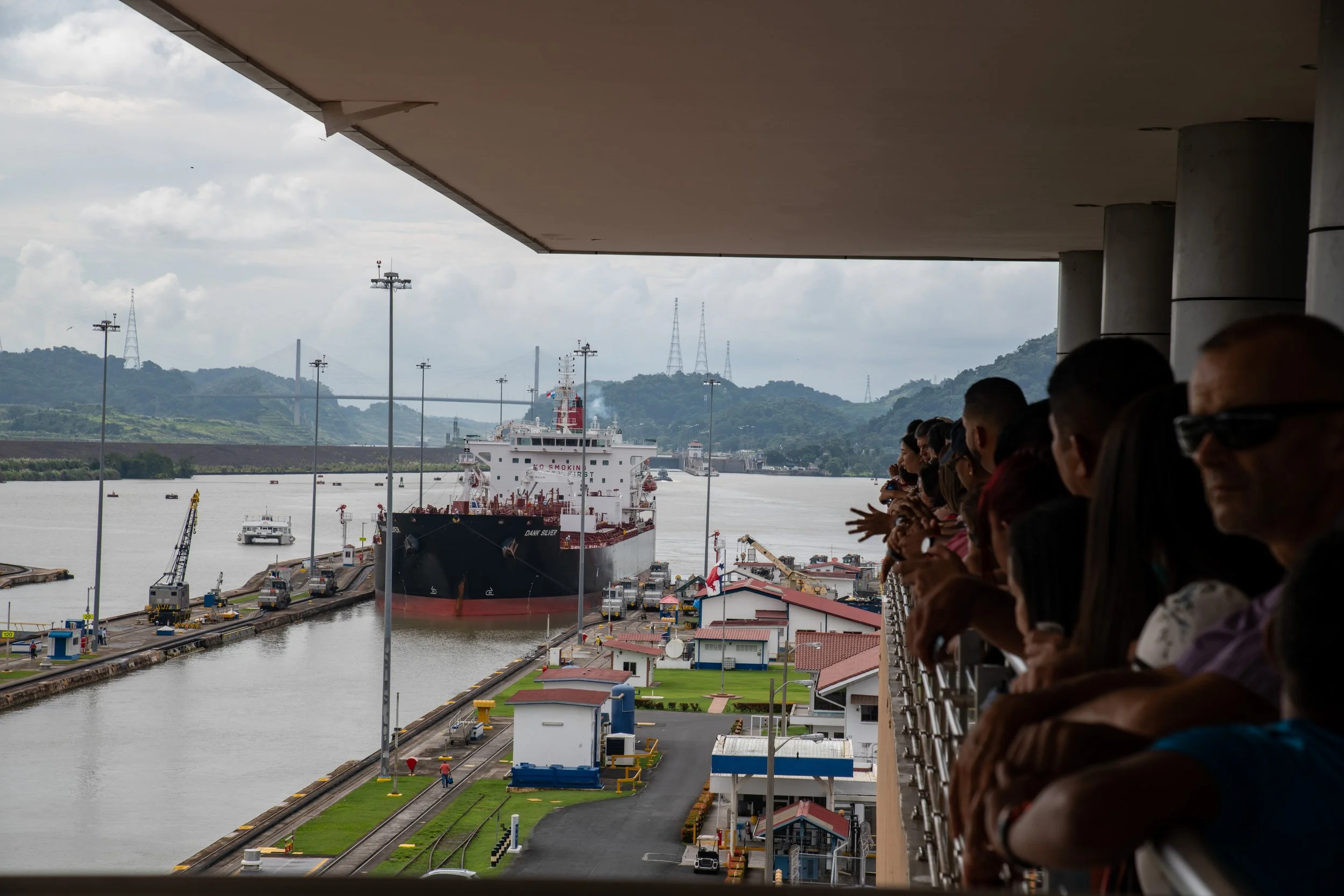
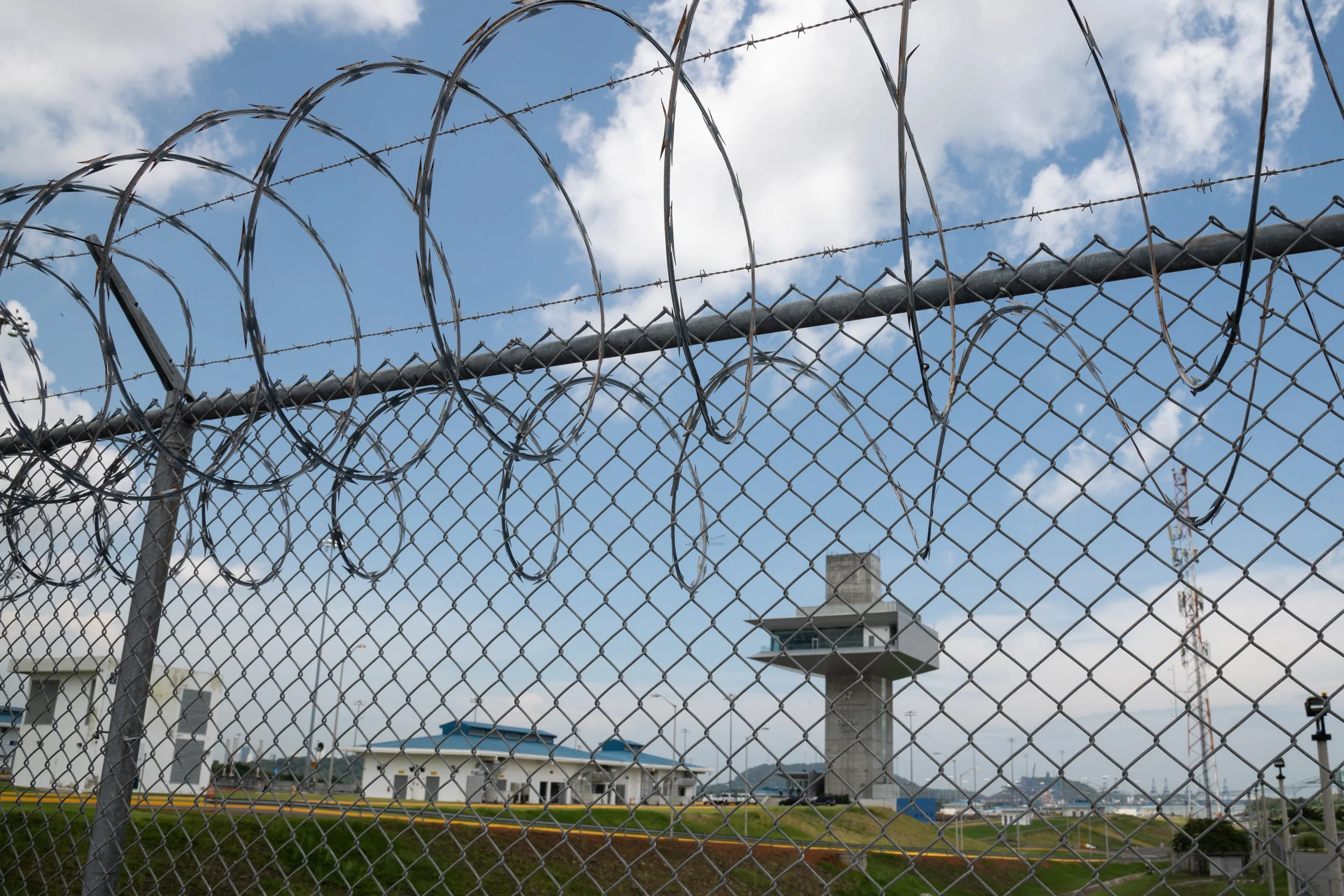
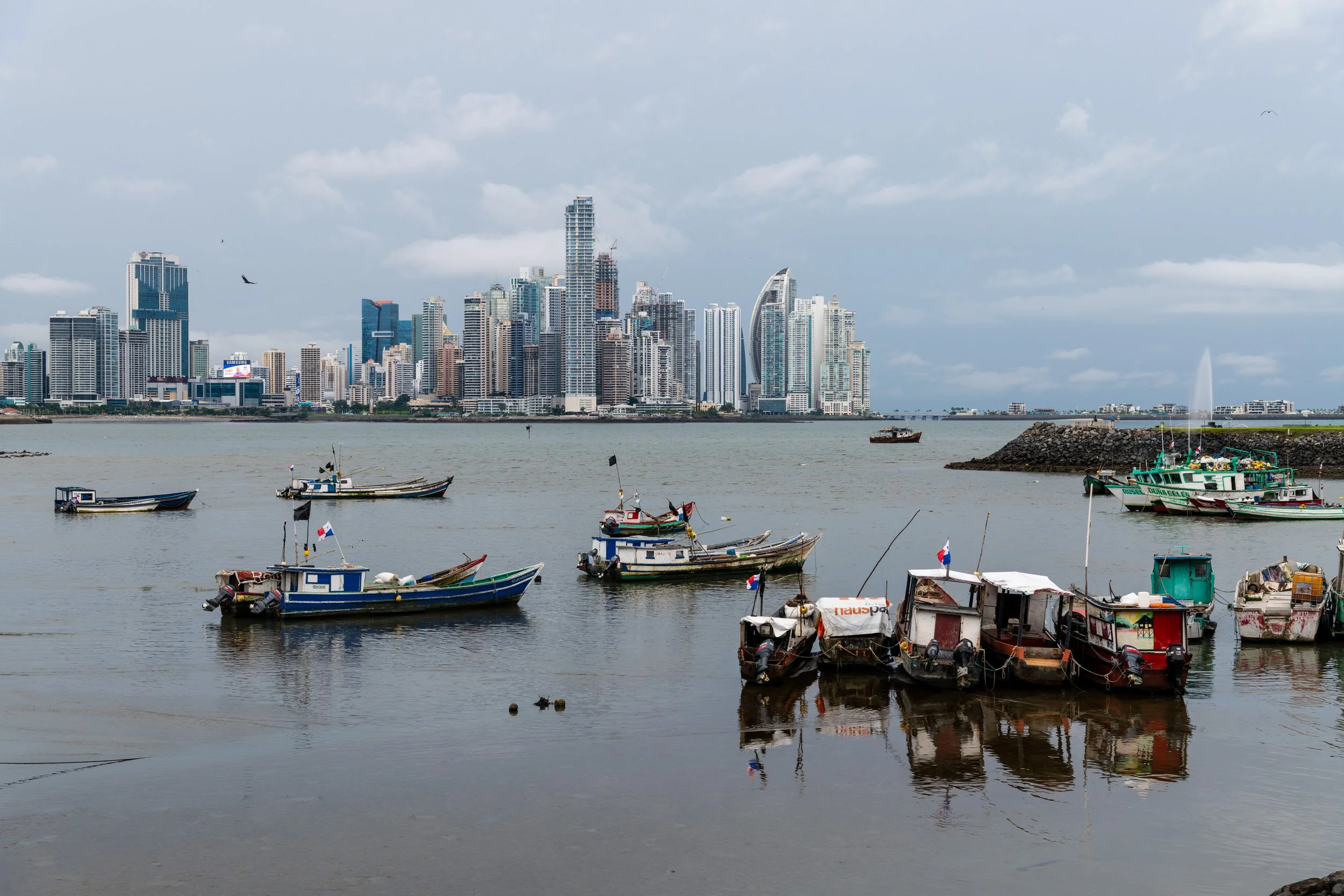
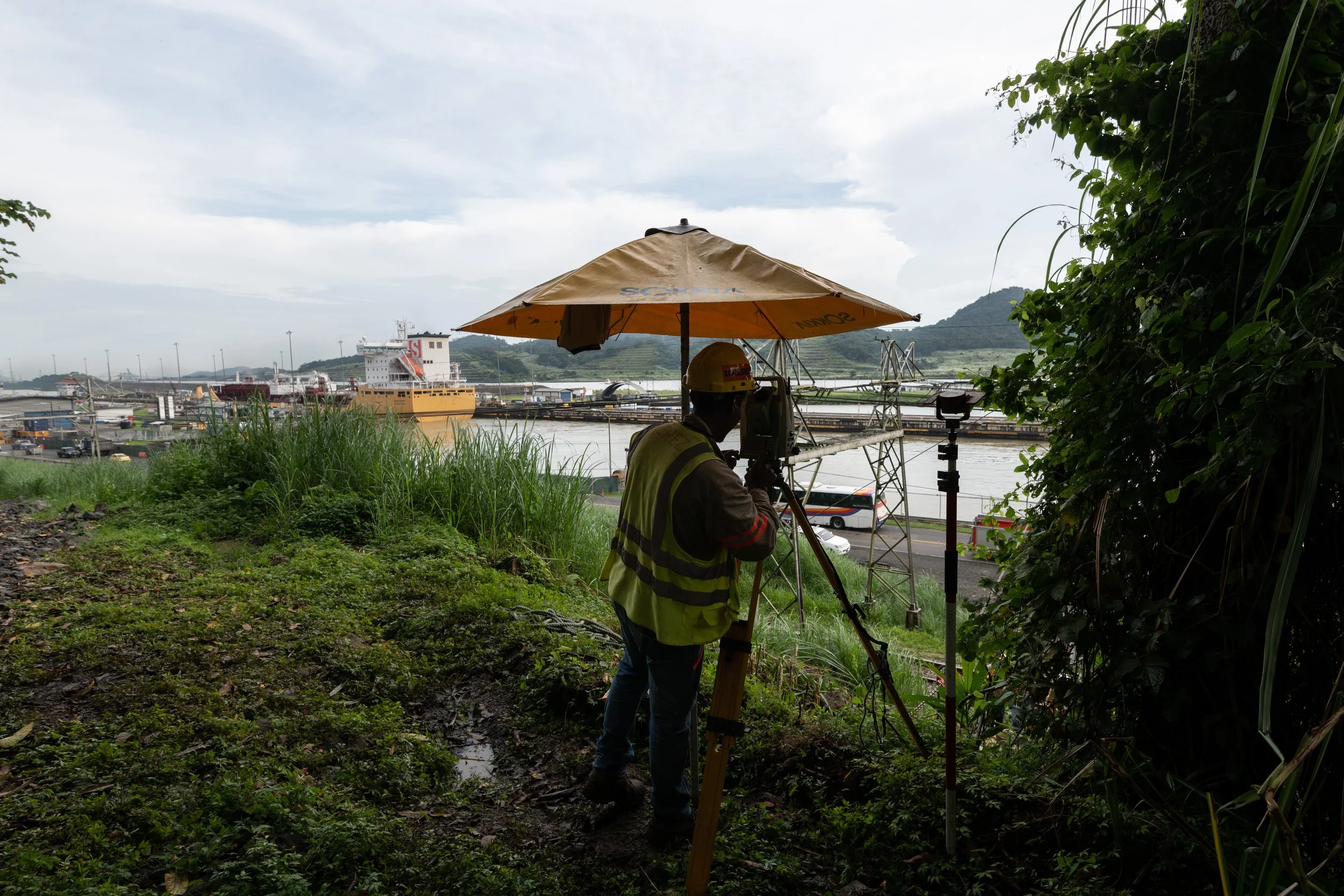
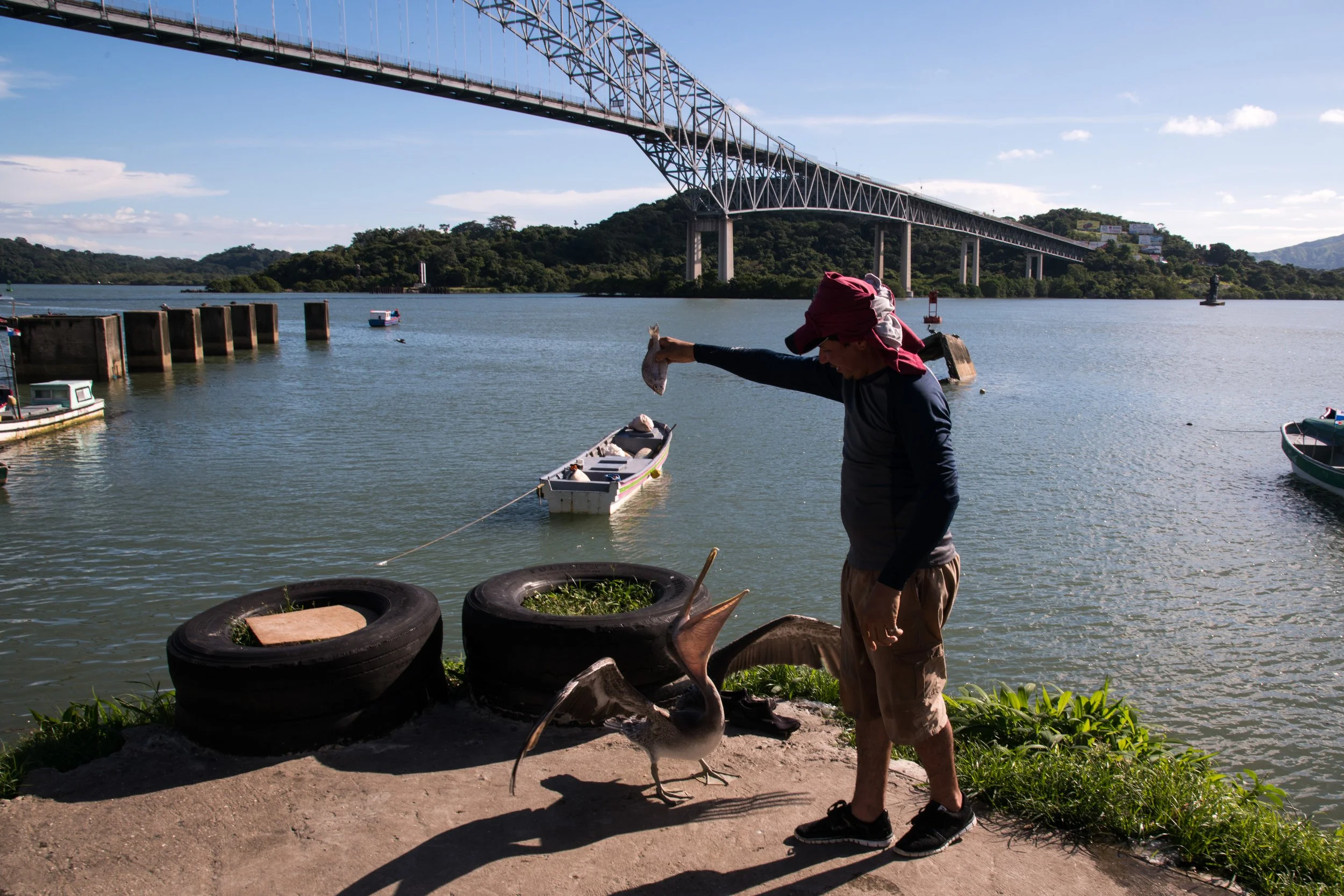
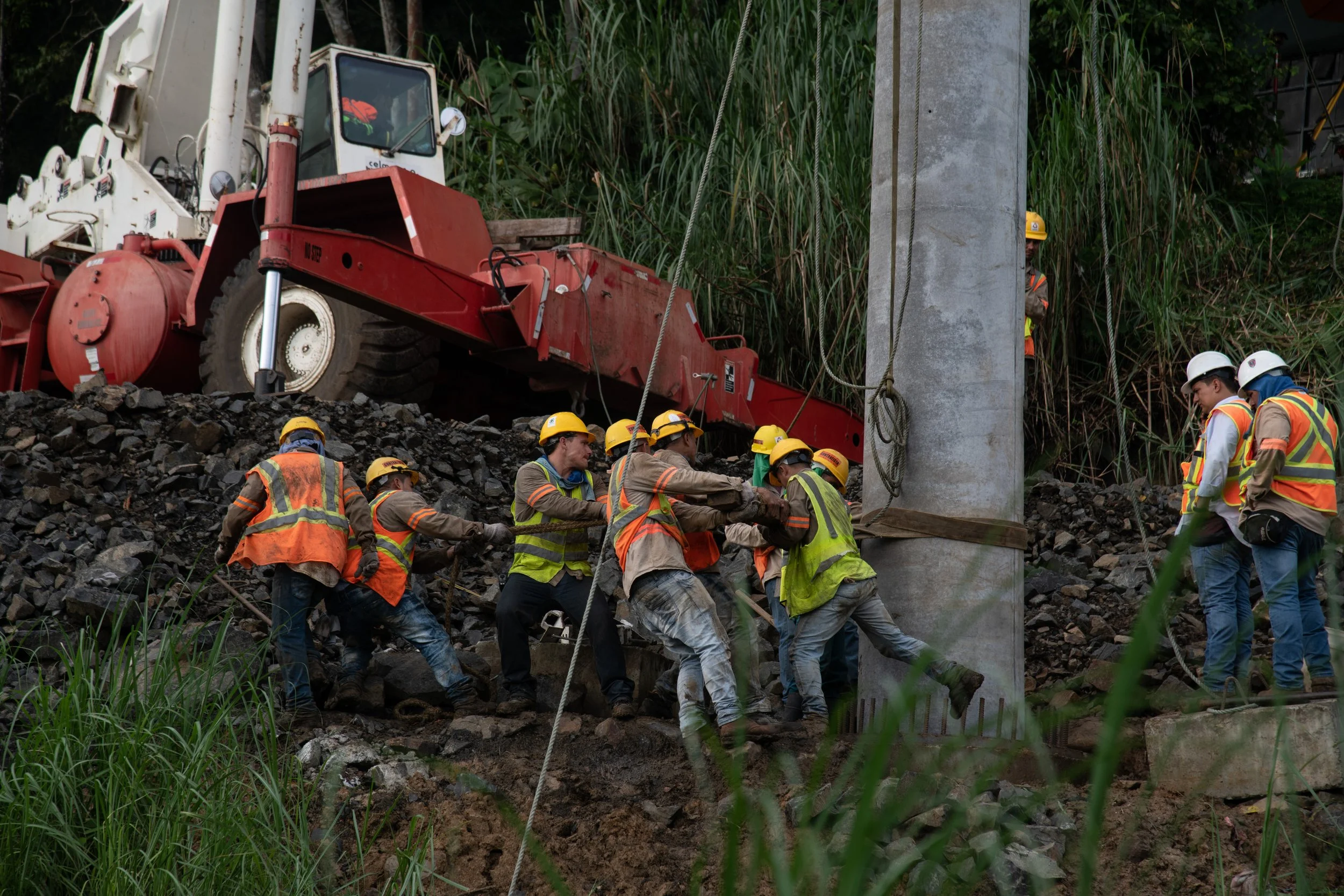
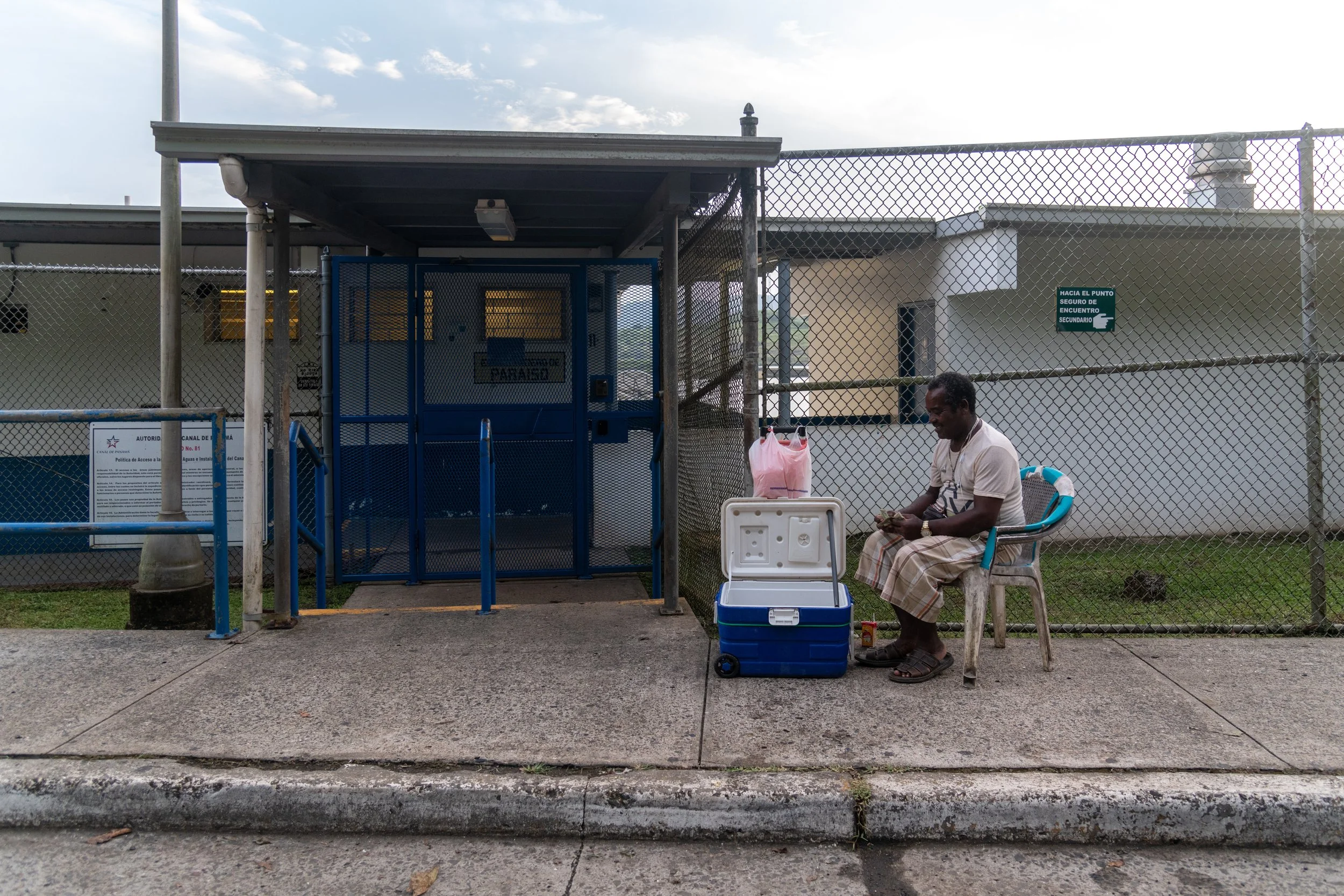
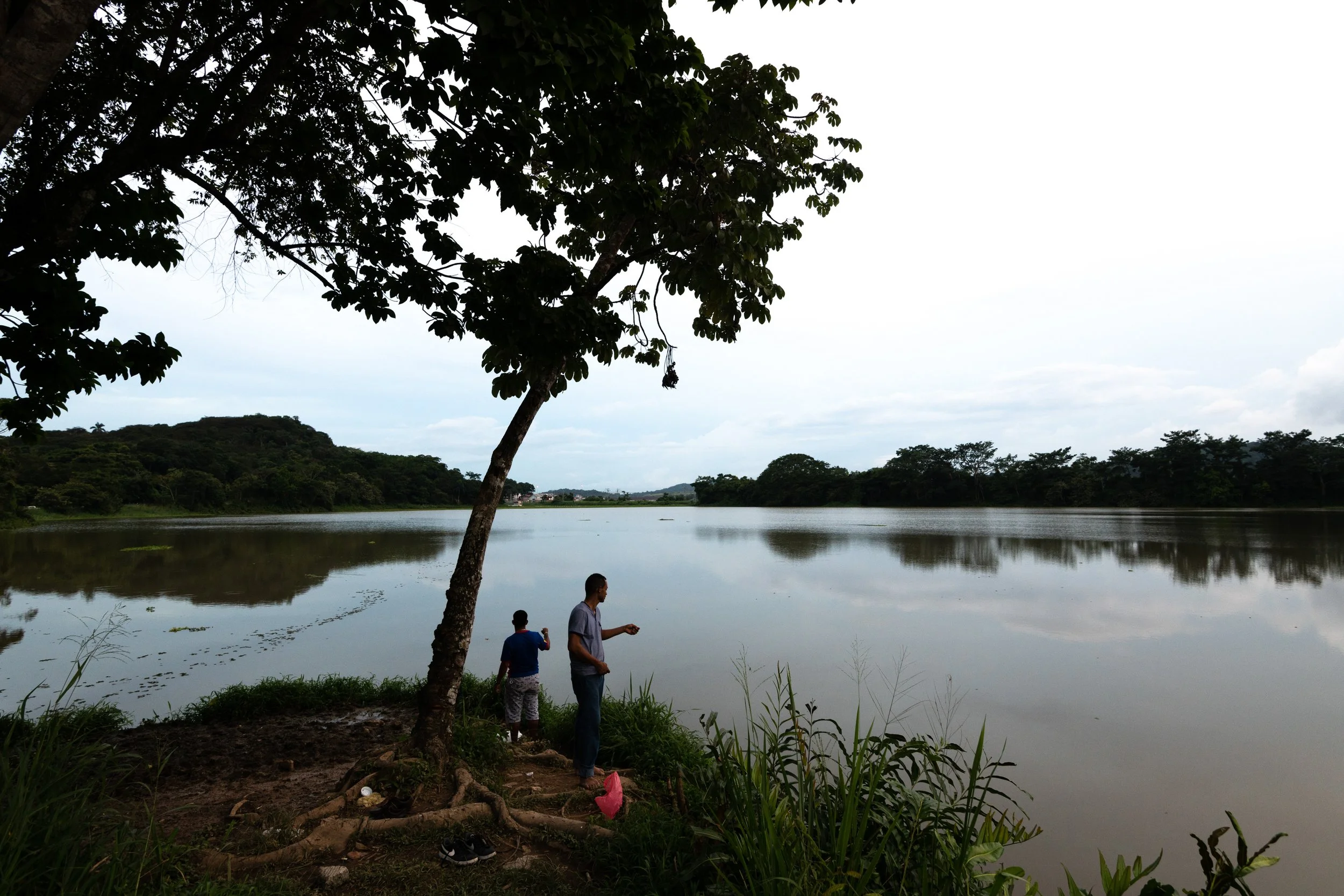
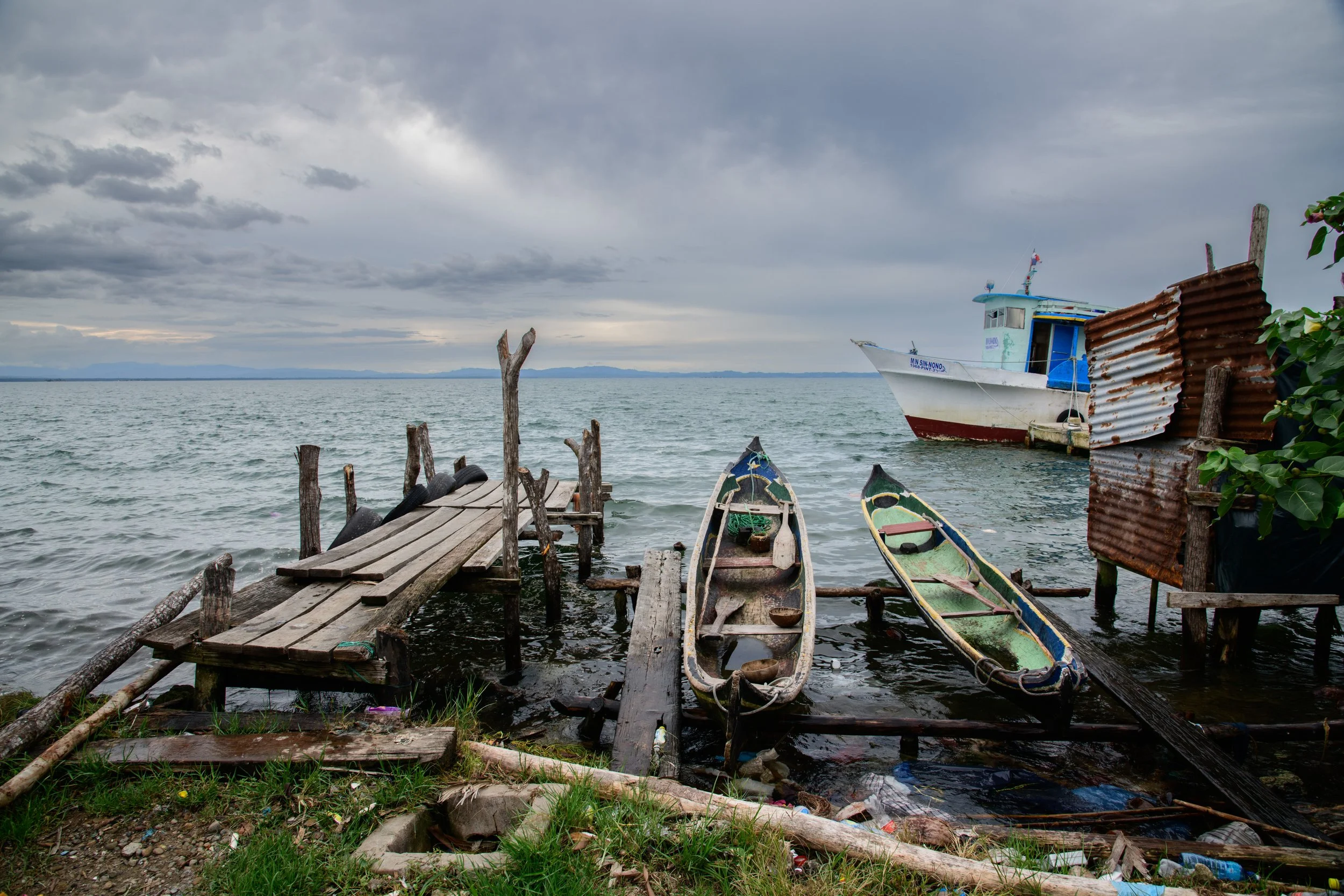
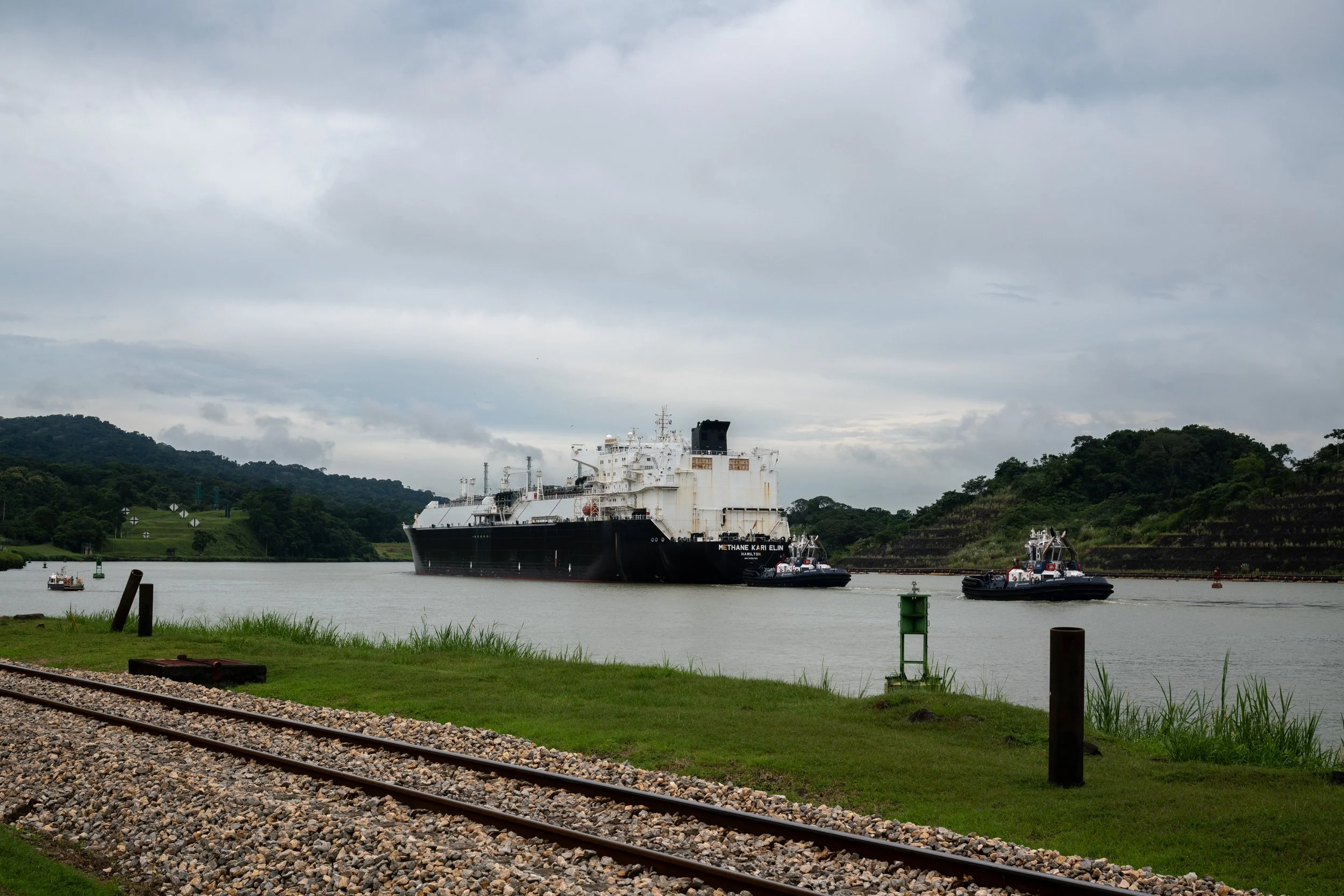
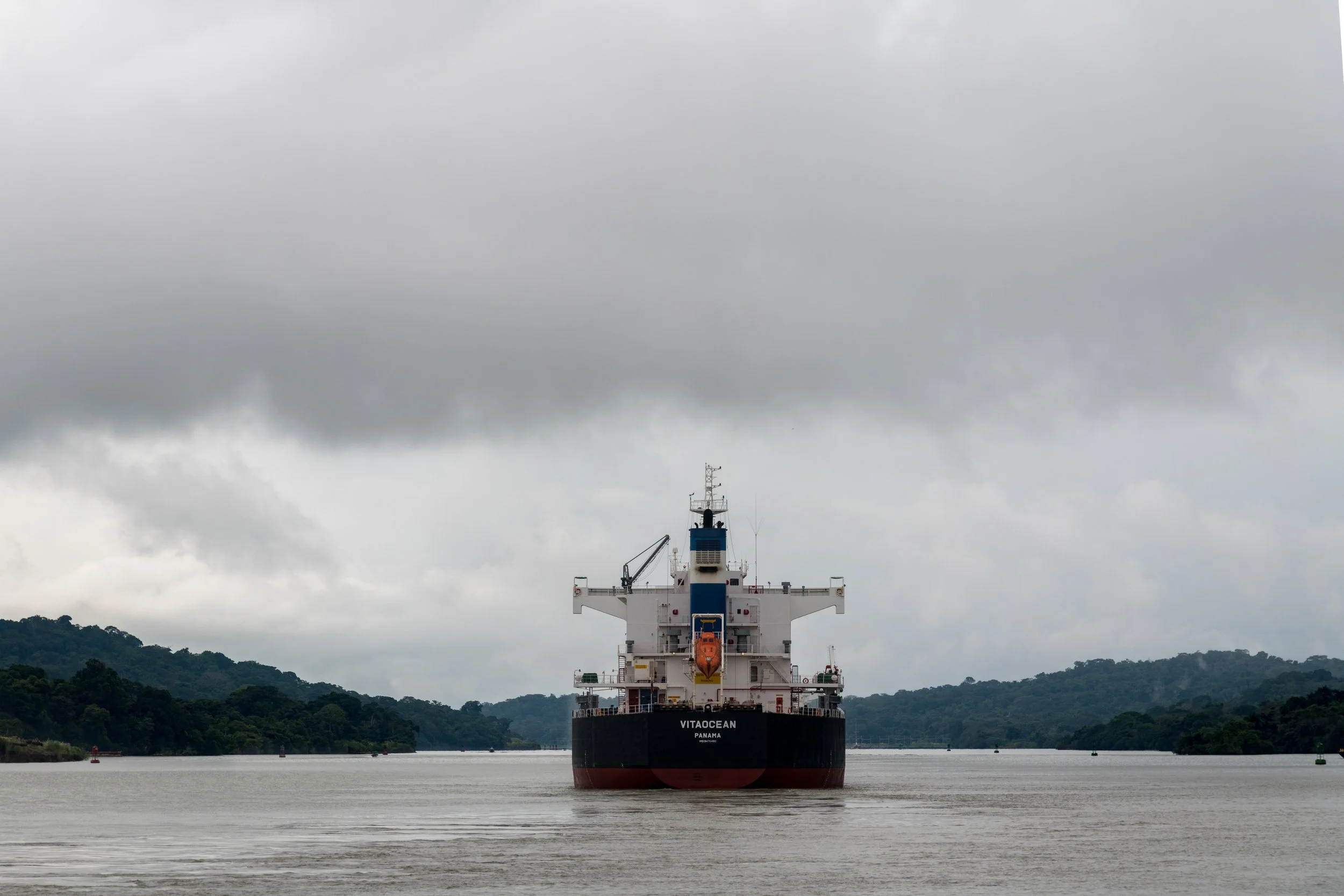
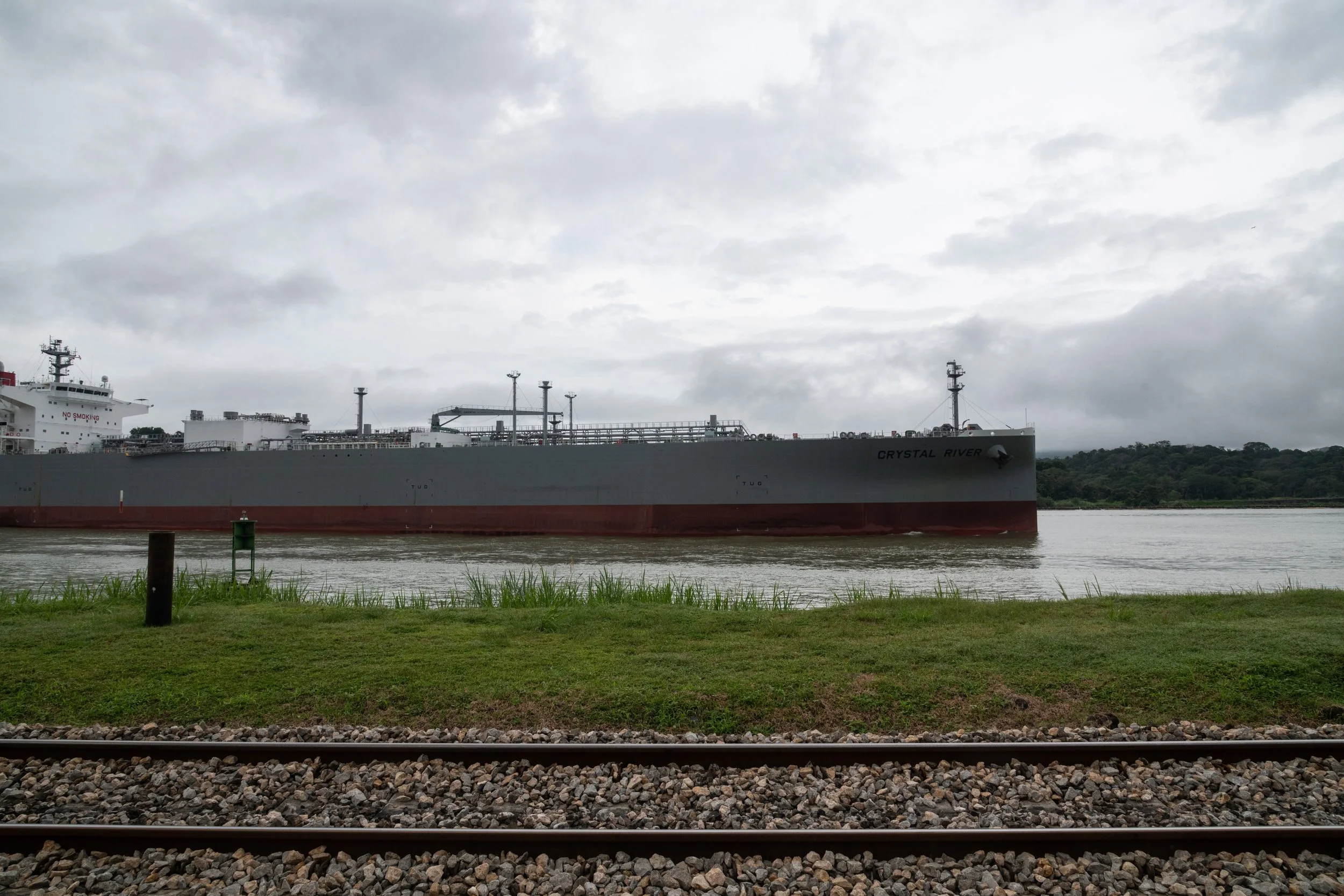
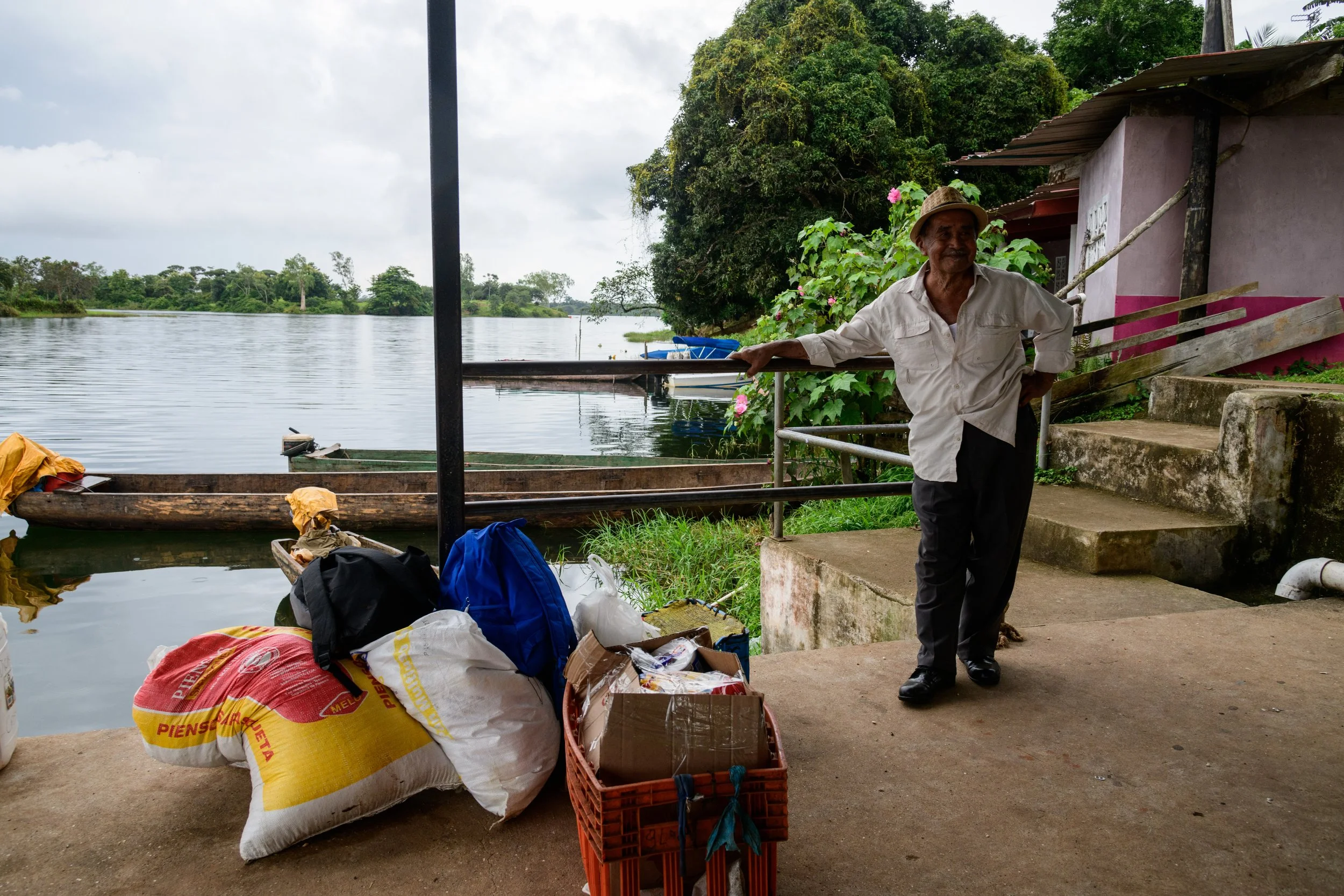
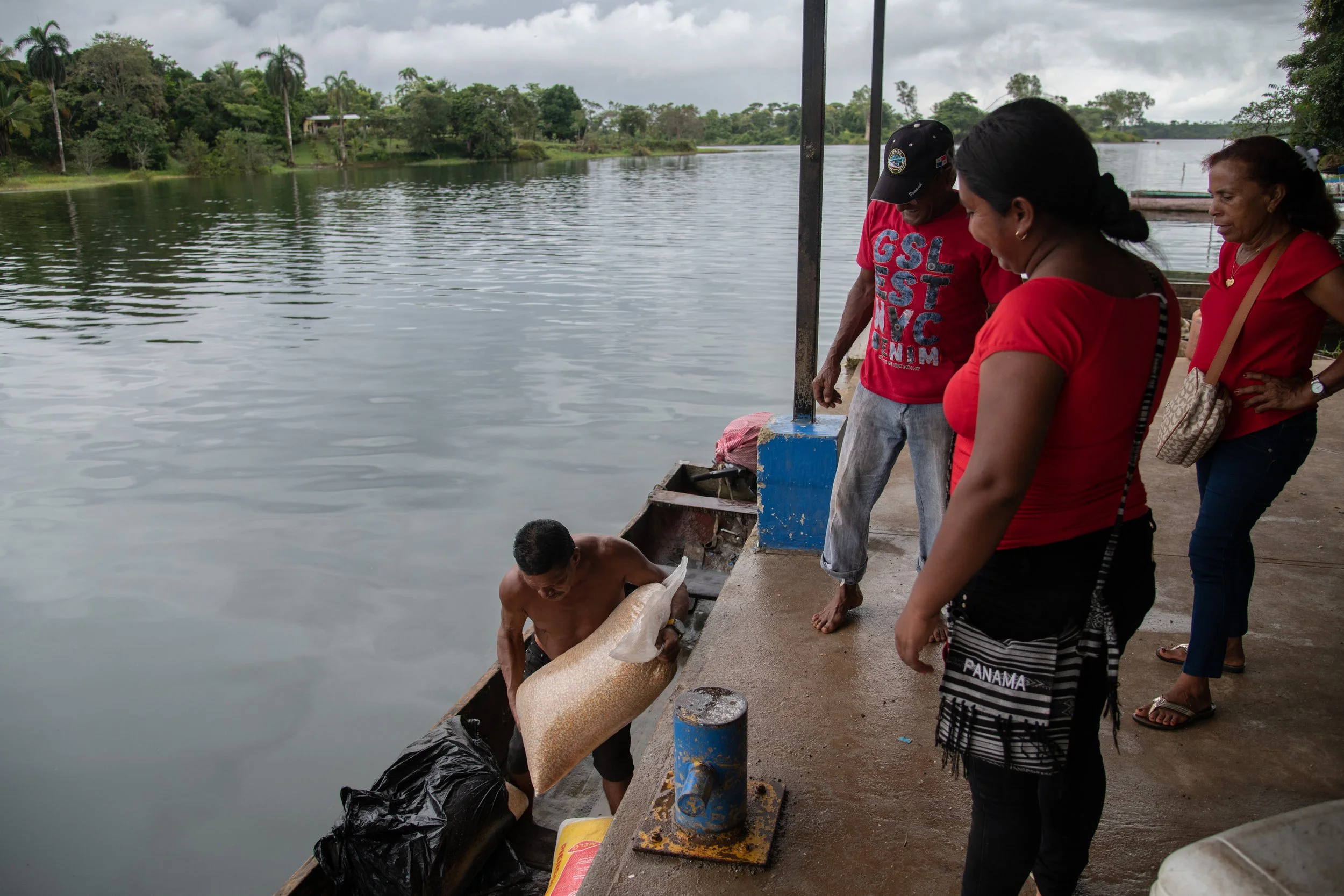
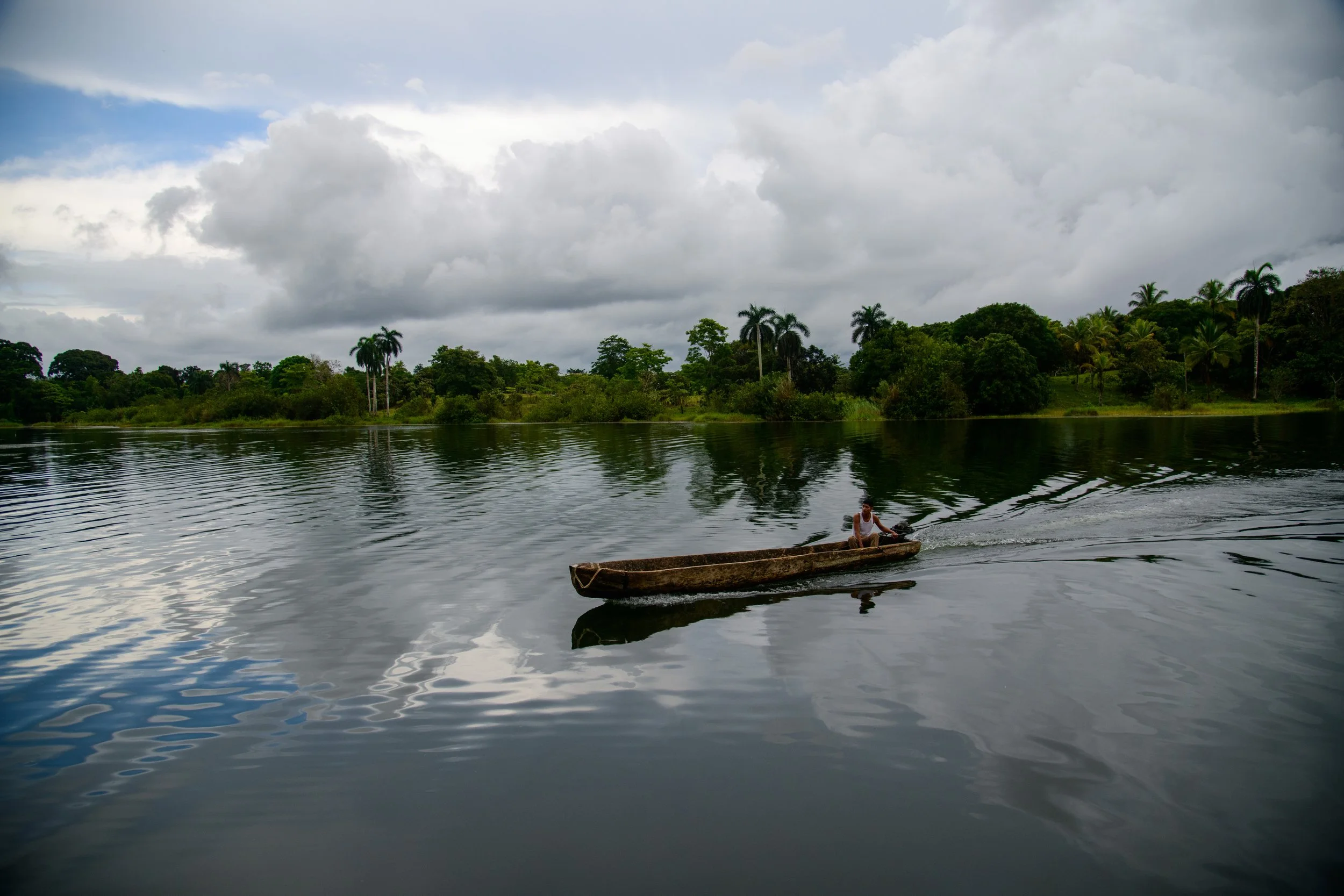
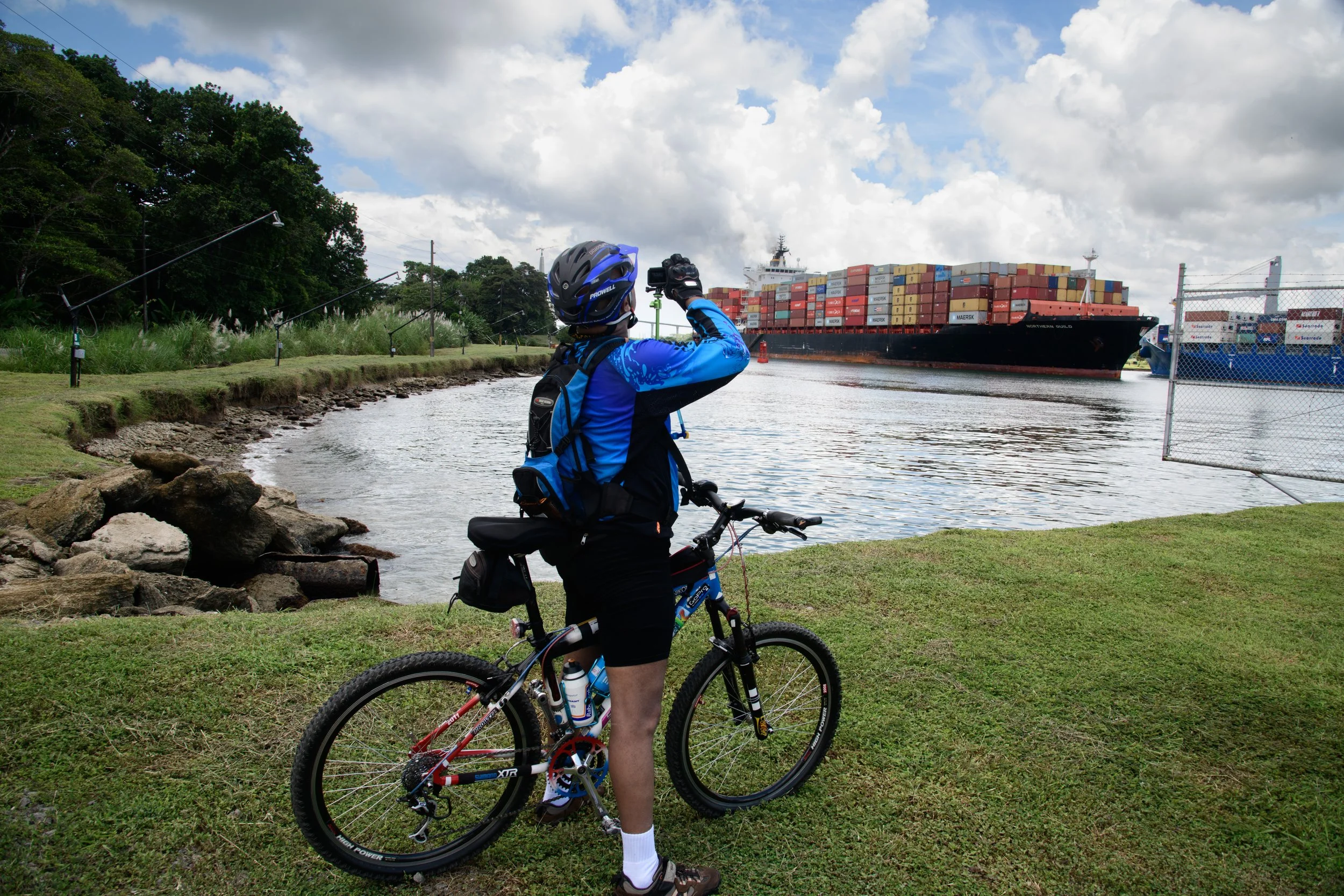
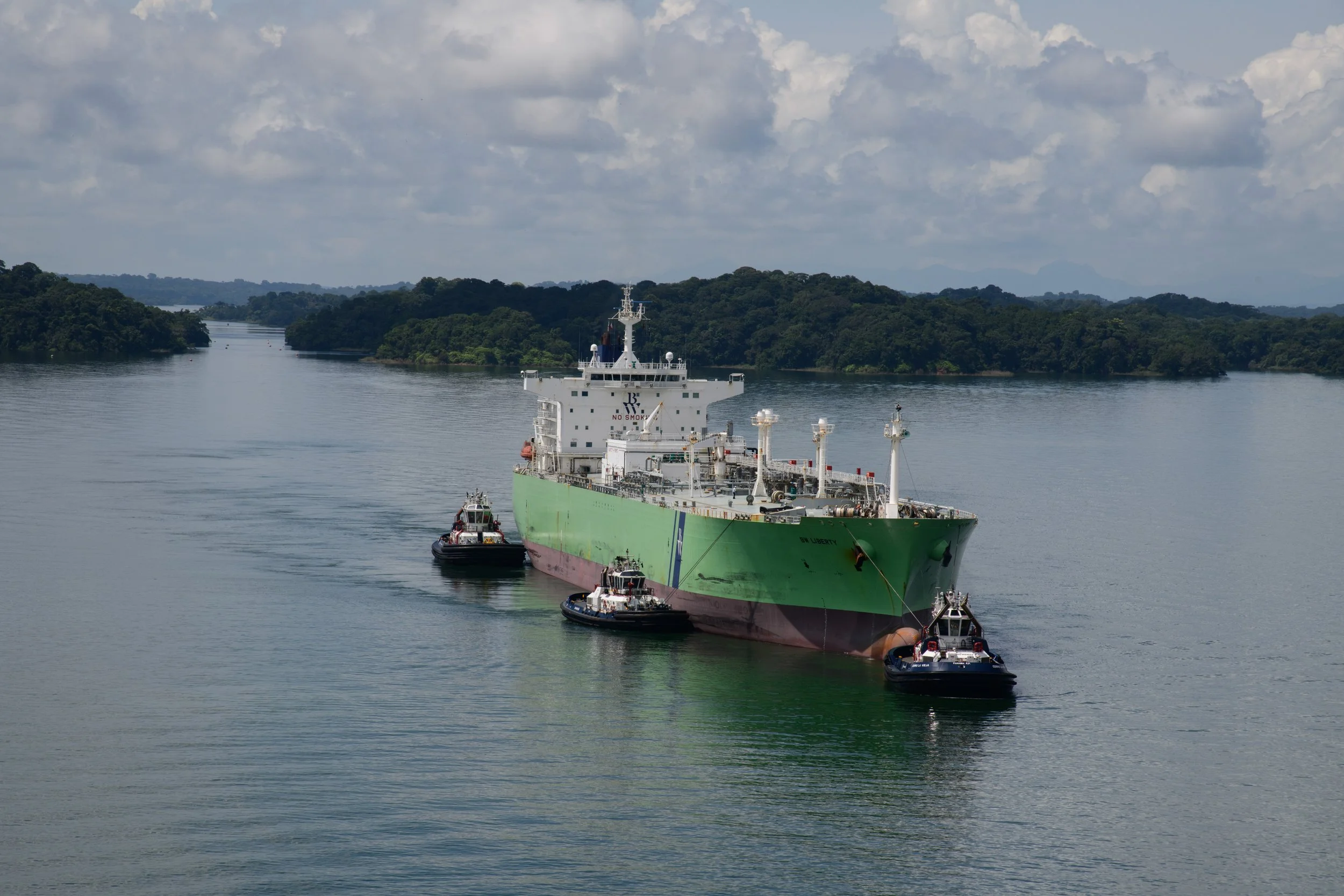
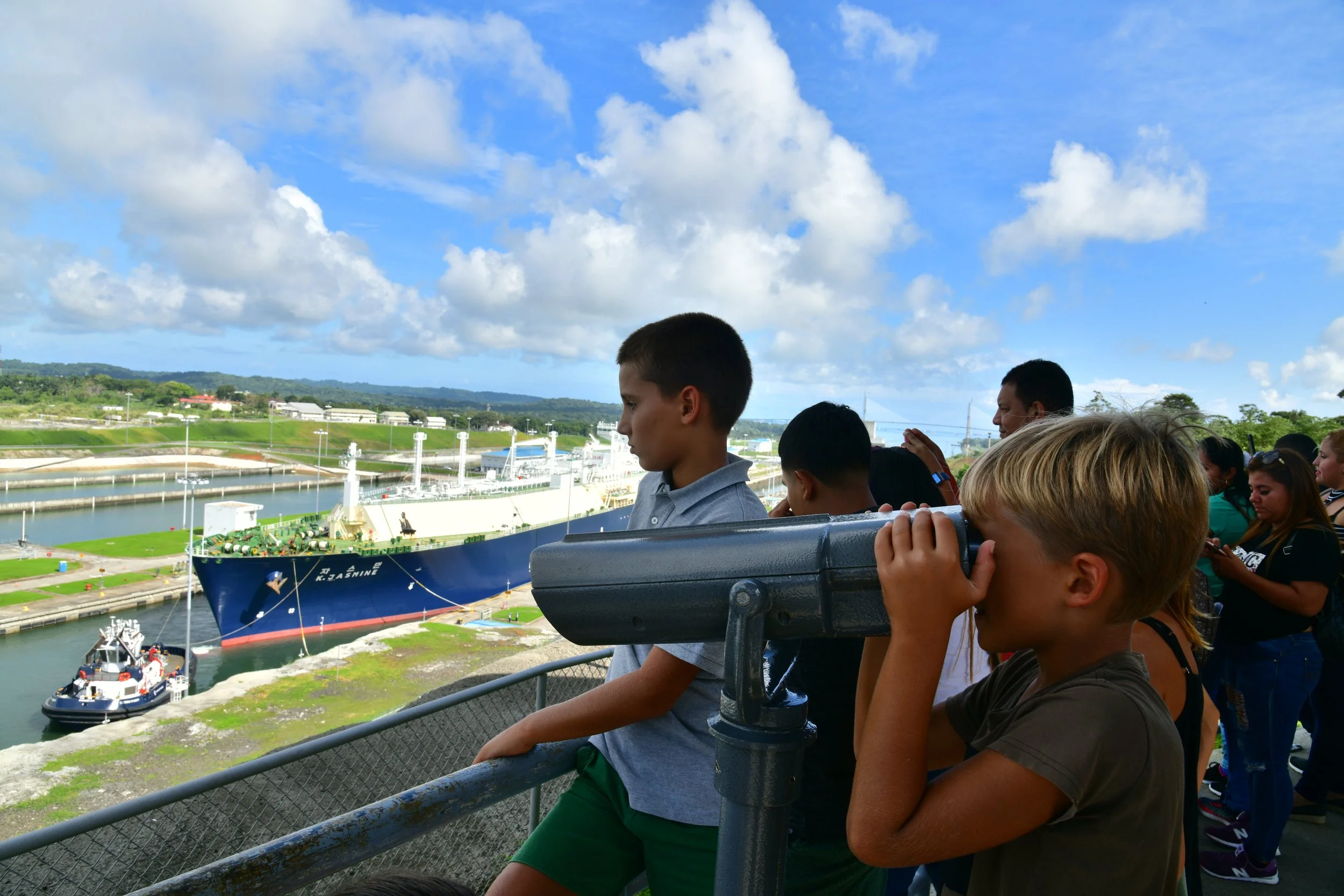
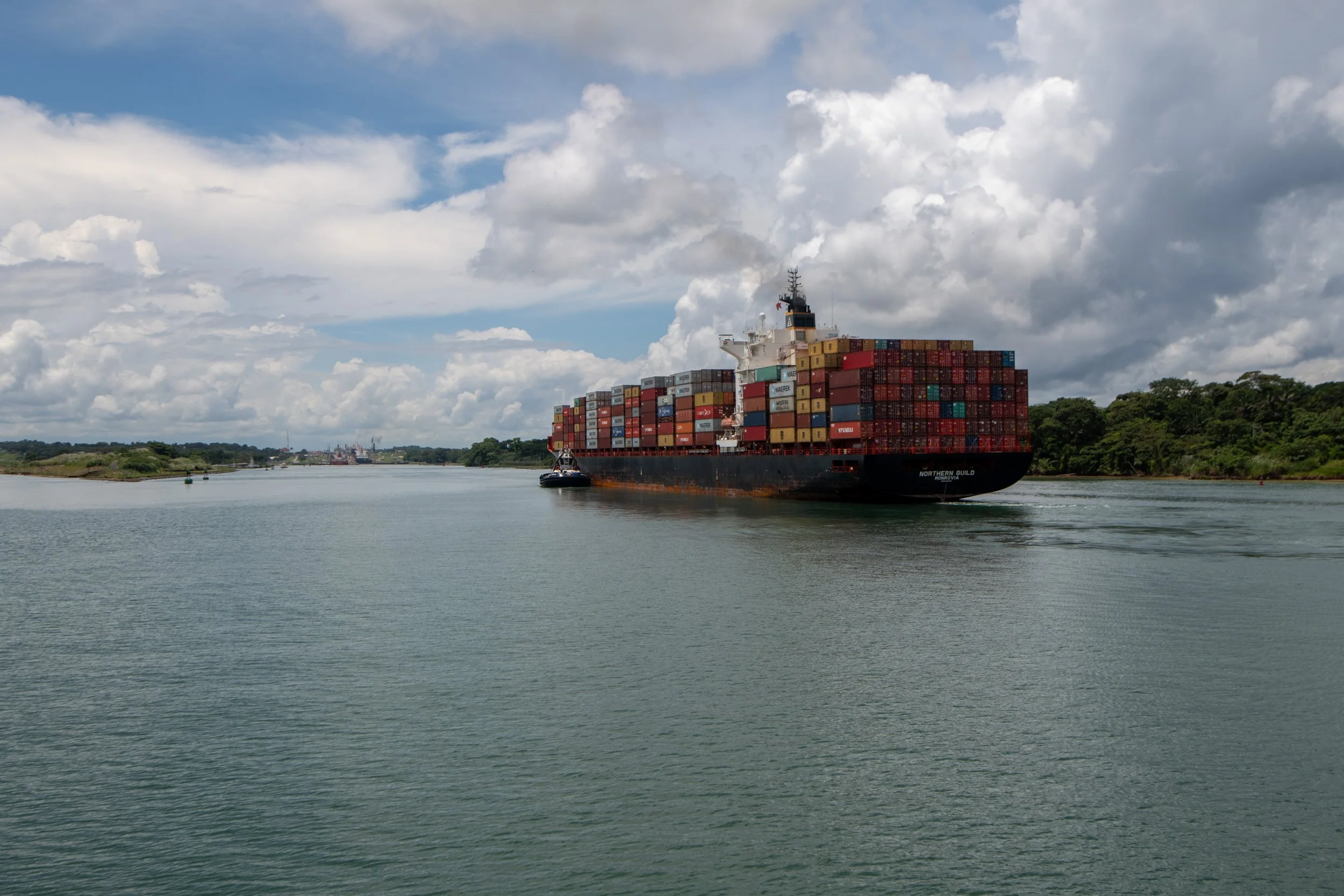
August 15, 2024, marks the 110th anniversary of the Panama Canal, an extraordinary engineering feat inaugurated in 1914 that revolutionized global trade by allowing ships to transit between the Atlantic and Pacific oceans without circumnavigating South America. Each year, over 14,000 ships from 1,700 ports in 160 countries traverse the canal, underscoring its crucial role in global commerce. The Panama Canal is not just an engineering marvel but also a complex ecosystem and cultural crossroads. The rivers feeding the artificial lakes Gatun and Miraflores support diverse flora and fauna, vital for the canal's operation and the local environment and communities. The canal's lock system uses water from Gatun Lake, an artificial basin collecting tropical rainfall, enabling ships to navigate the 26-meter elevation difference between the two oceans. Currently, the Panama Canal faces significant challenges due to climate change. The 2023 drought, intensified by El Niño and high temperatures, reduced rainfall and lowered Gatun Lake's water levels, affecting the canal's capacity. This water shortage has forced authorities to limit daily ship transits, causing delays and increased shipping costs. Some companies have turned to alternative transport methods across Panama. The crisis threatens global trade and Panama's economy, as the canal significantly contributes to GDP. Additionally, the local water supply is at risk. The vision of the Panama Canal dates back to 1534 when Spanish explorers proposed a route through the Isthmus of Panama. Construction became feasible in the early 20th century due to technological advancements. The French led the project in the 1880s, but the United States took over in 1904. The construction faced immense challenges, including diseases like malaria and yellow fever and difficult terrain. Despite these obstacles, the canal opened on August 15, 1914, significantly shortening the voyage from New York to California by eliminating the need to sail around South America. Beyond its economic impact, the canal has promoted cultural exchanges and regional development. Continuous expansion and maintenance efforts, including the recent Panama Canal Expansion or "Third Set of Locks," accommodate larger Neopanamax ships. Tourism also plays a vital role, with visitors flocking to see this engineering marvel, contributing to the local economy. Attractions like Casco Viejo in Panama City and bustling ports like Colón and Panama City highlight the canal's rich history and cultural significance. To address the water crisis, authorities are considering solutions like damming the Indio River, constructing a mountain tunnel to Gatun Lake, and cloud seeding to increase rainfall. These solutions are complex, costly, and environmentally and socially controversial. The canal's 110th anniversary is a time to reflect on these challenges and the need for sustainable solutions to secure the future of this vital global infrastructure.