Fa’afafine & Fa’atama
Gender identity and belonging in the Fa’a Samoa
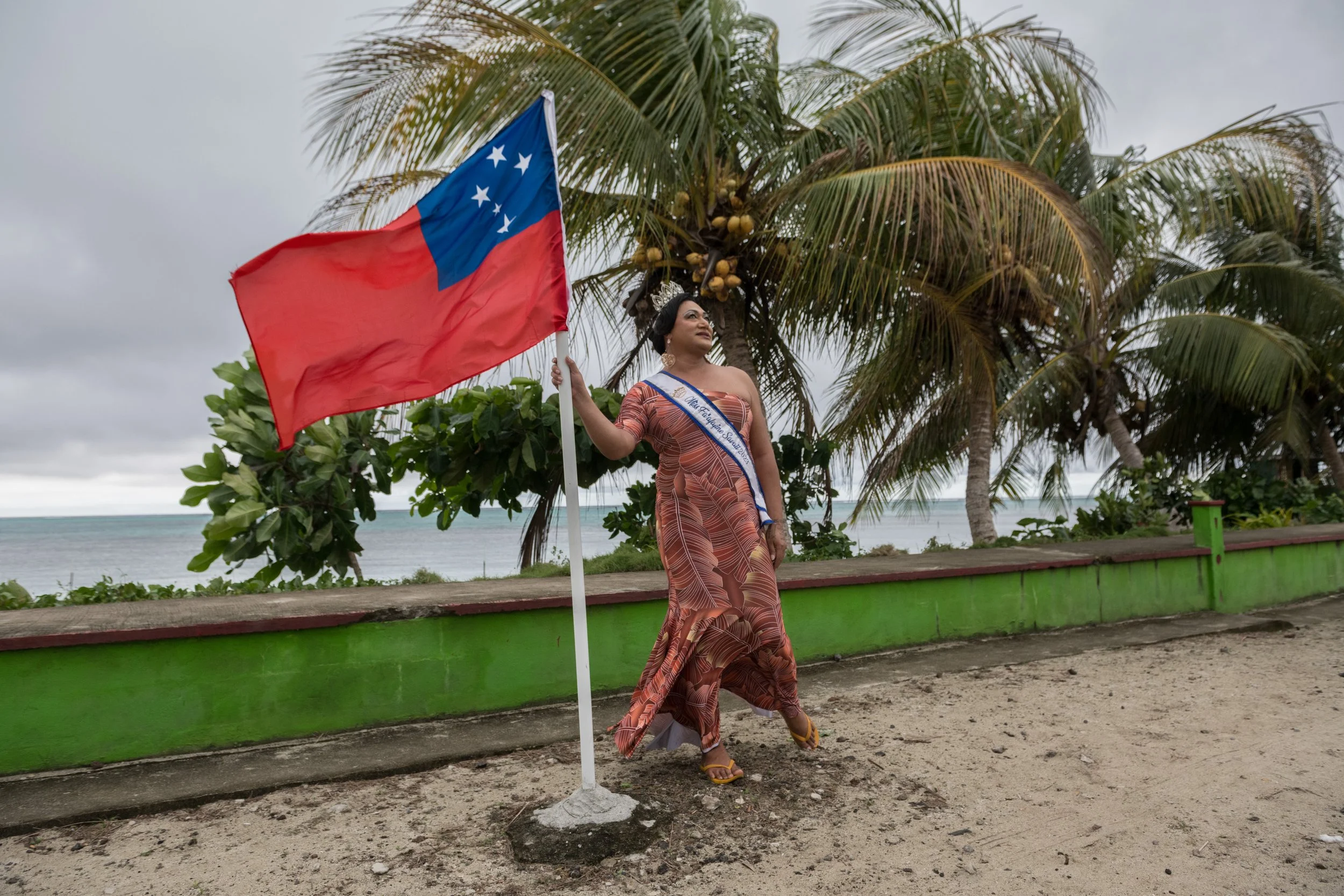
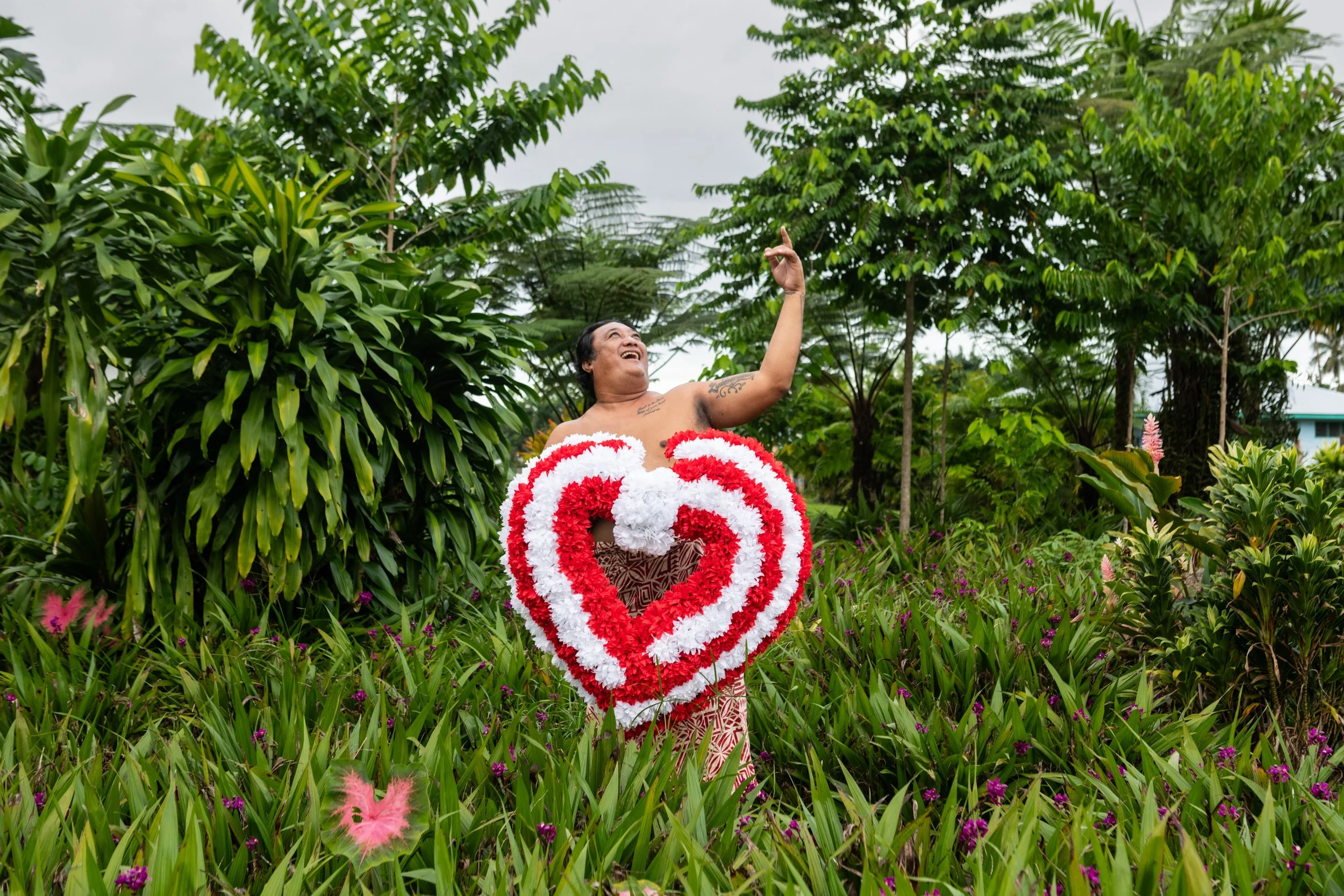
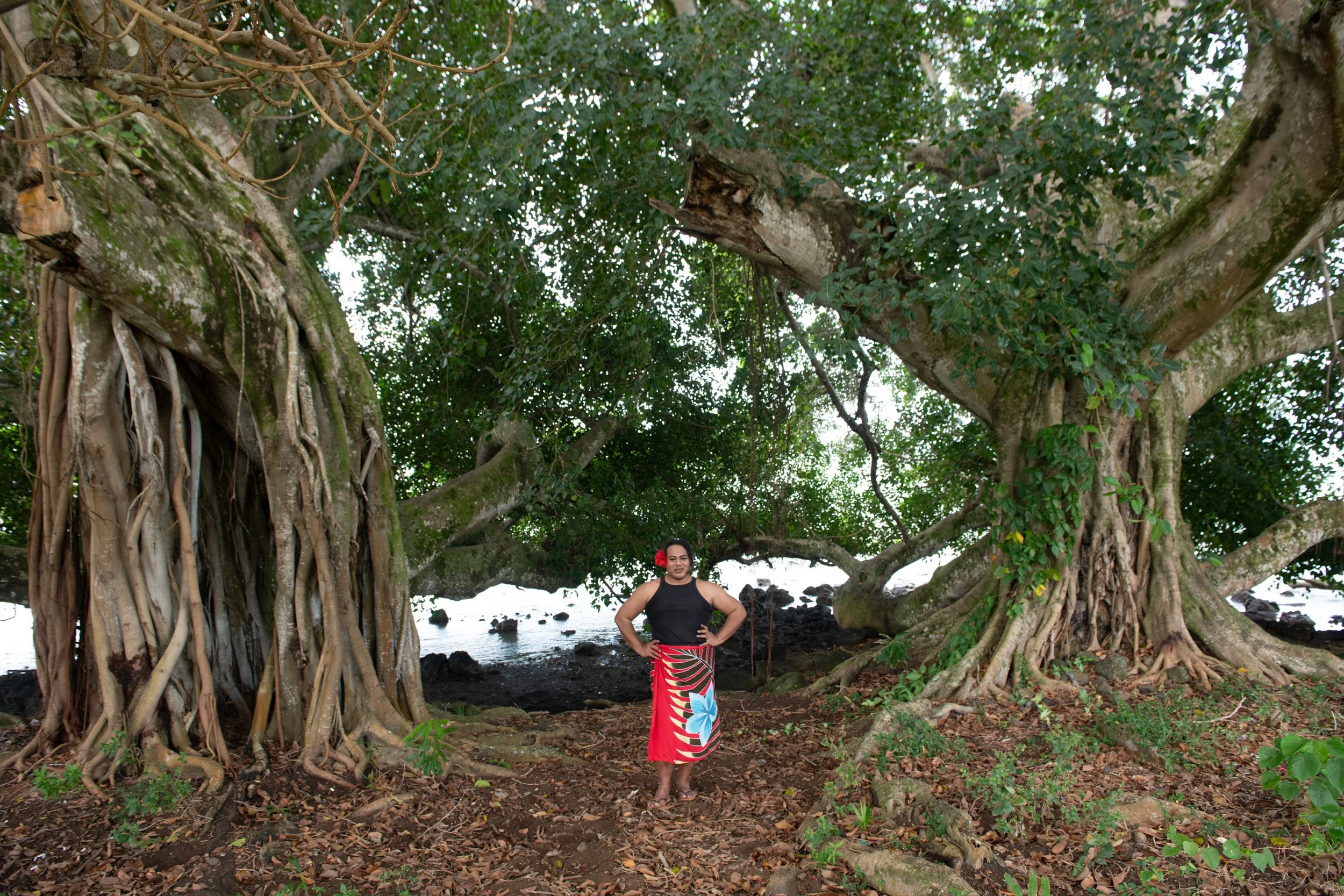
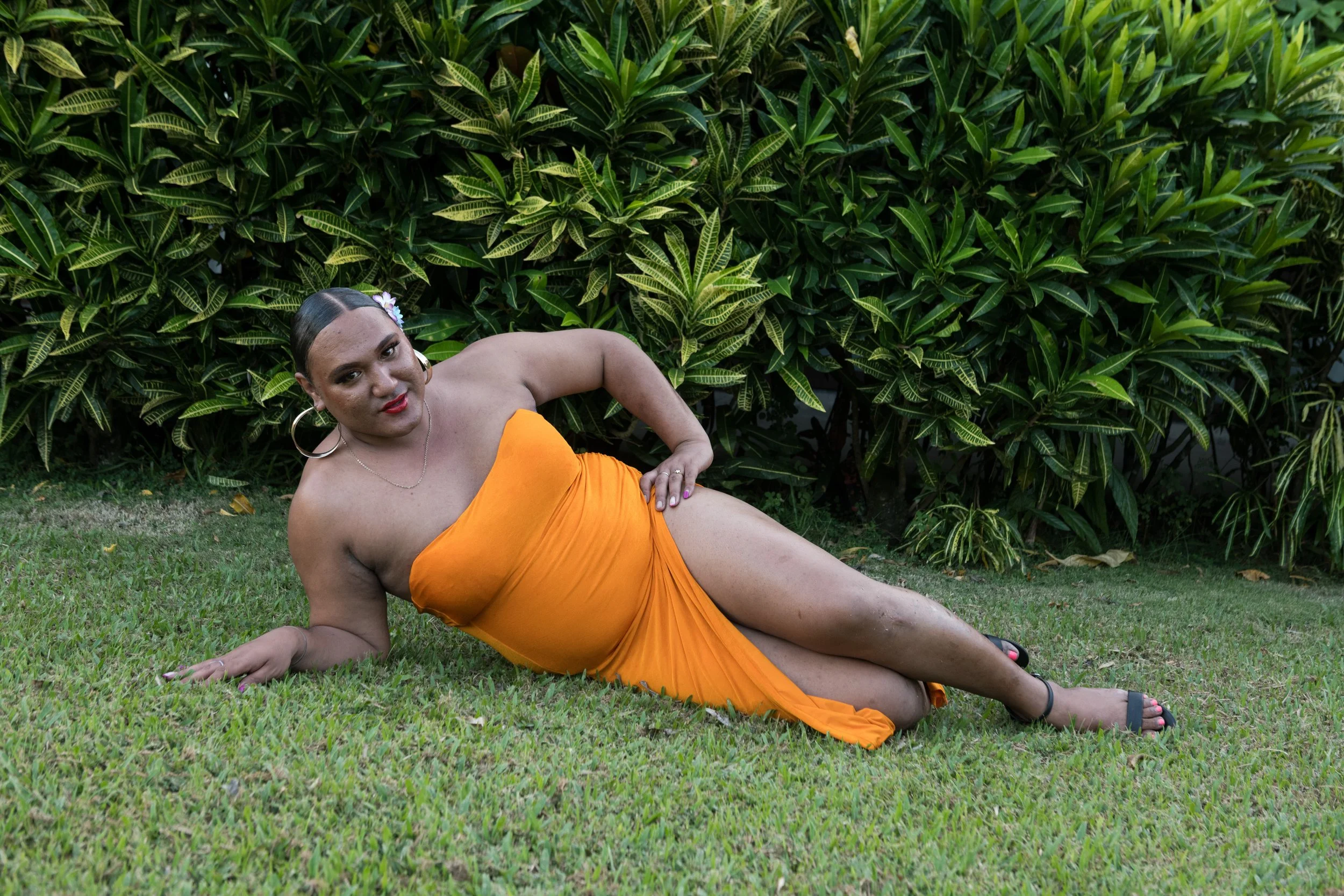
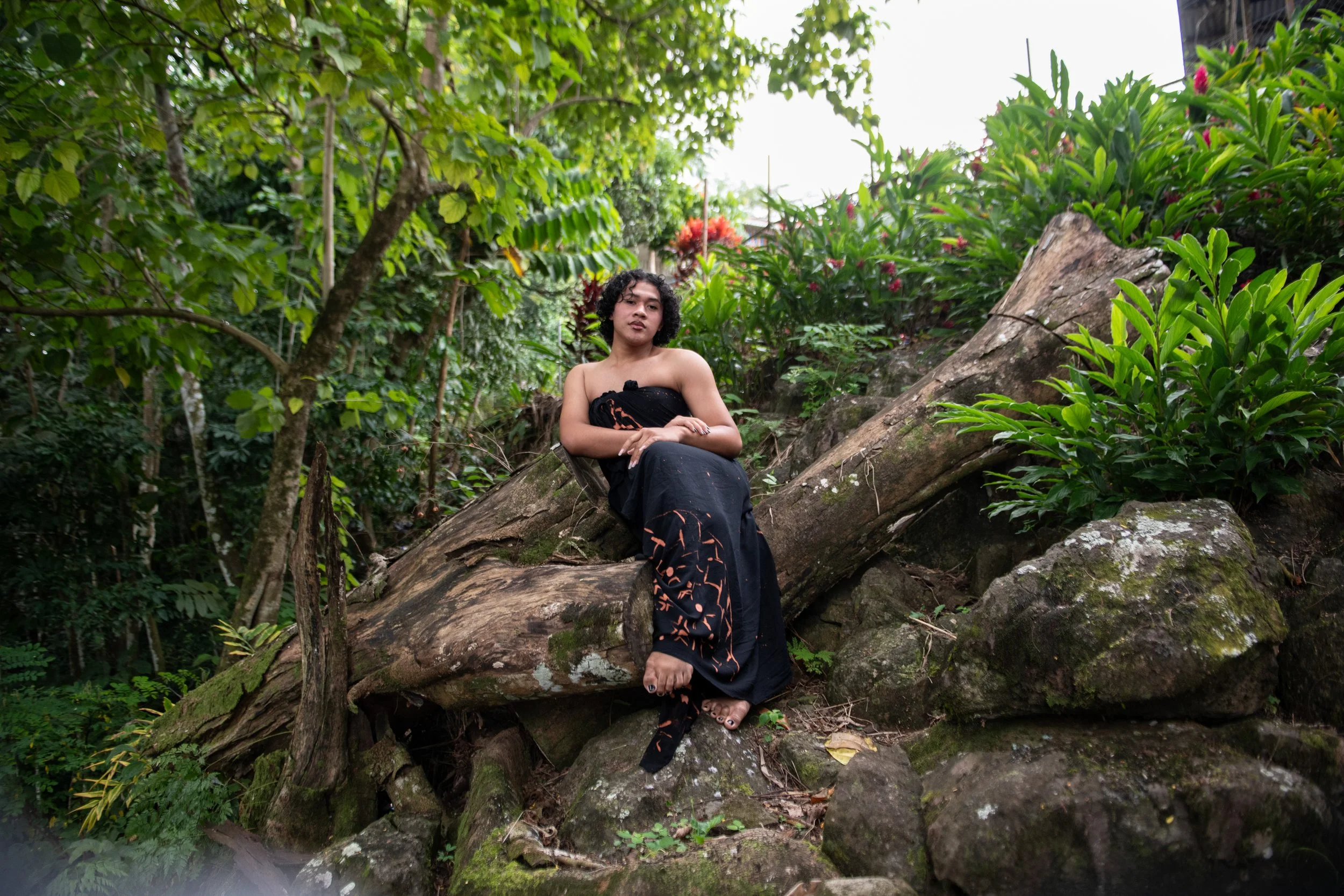
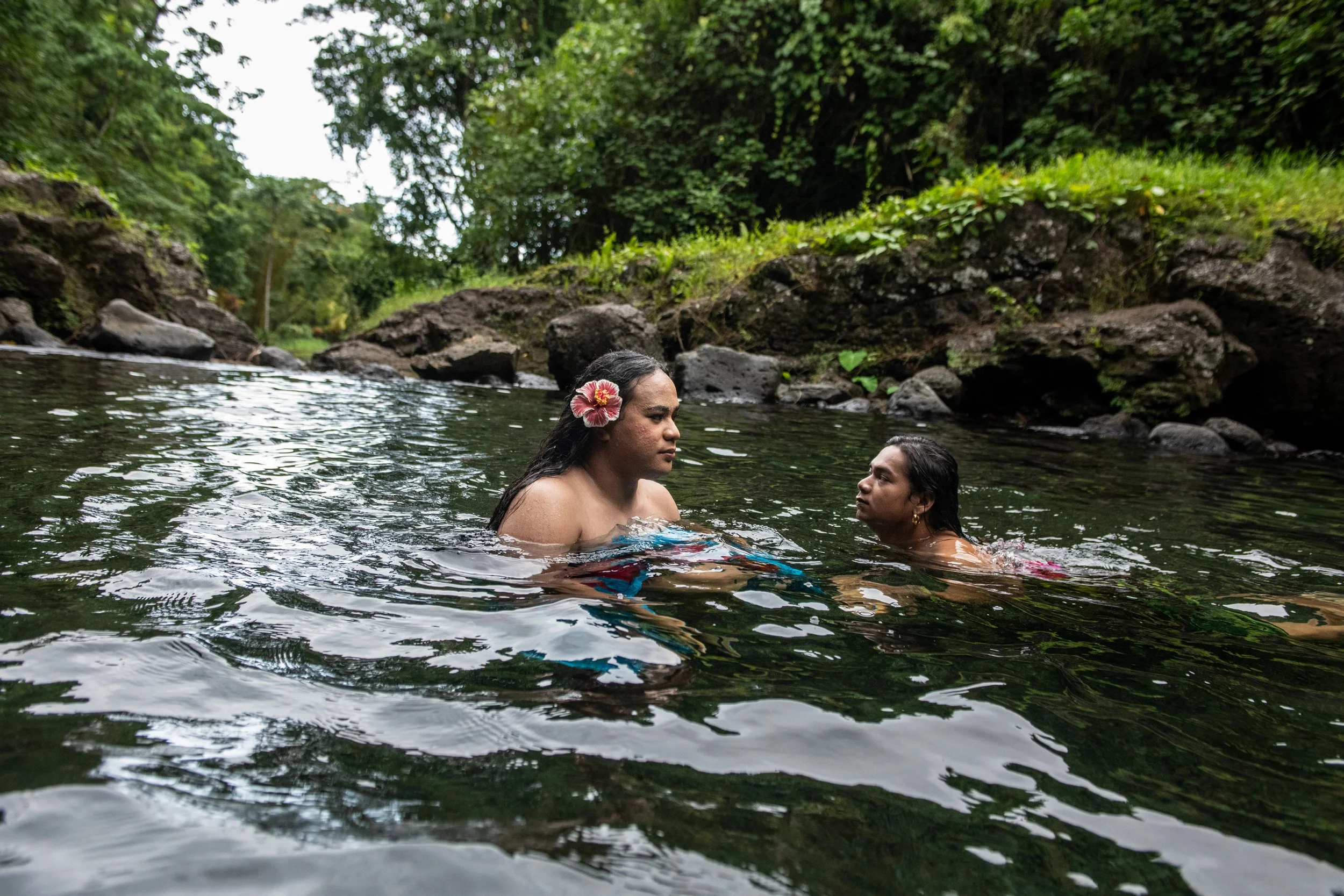
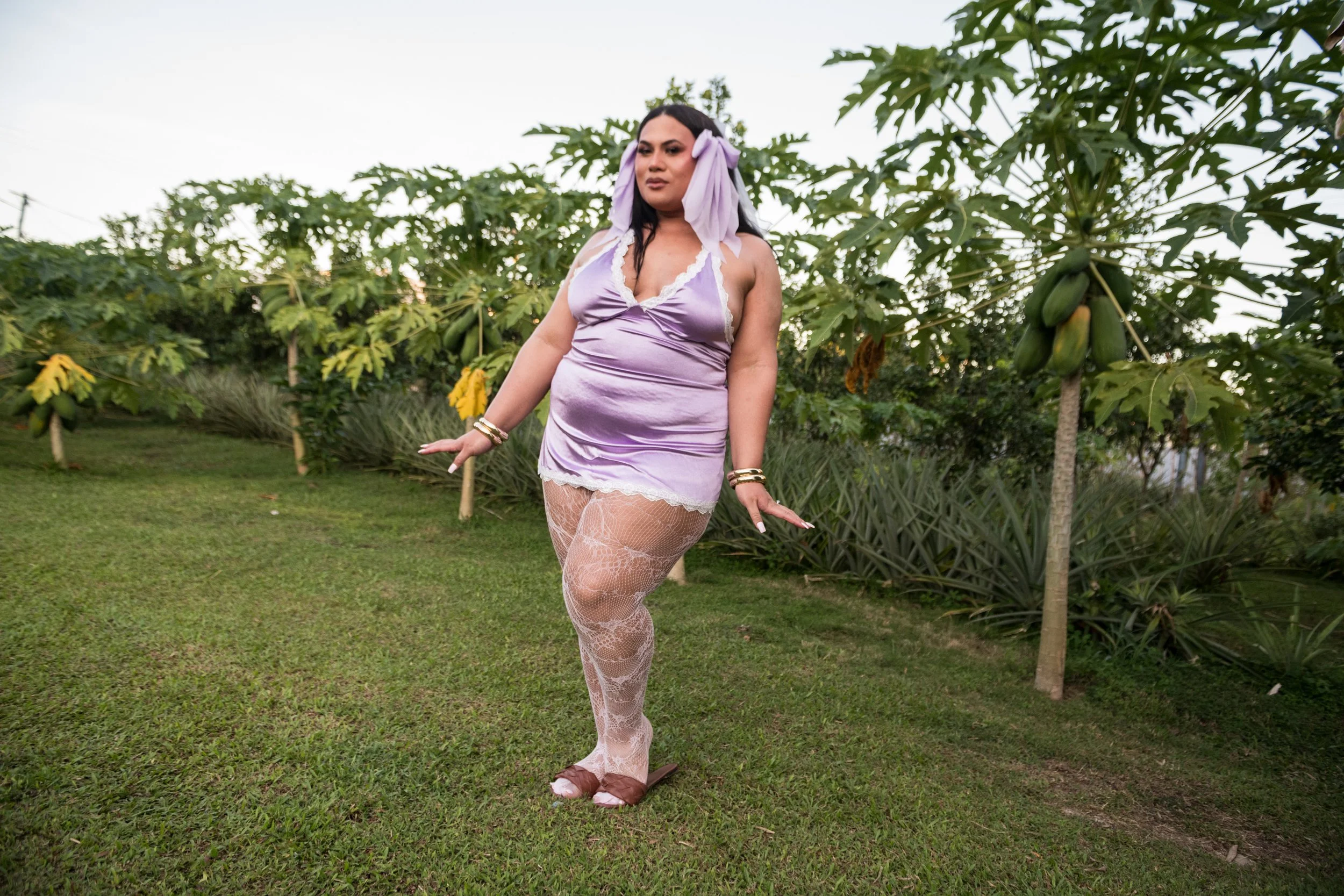
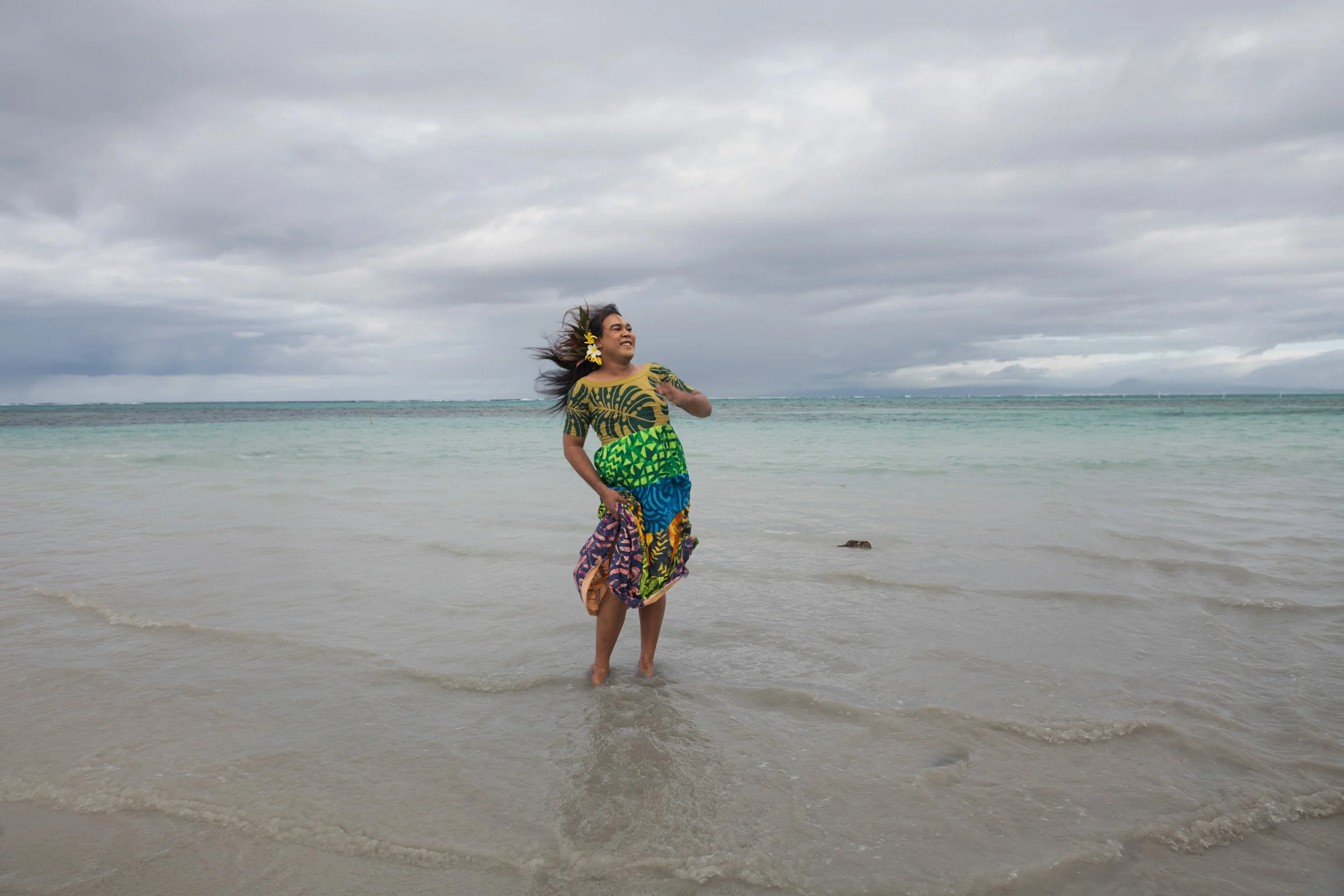
Since the eighteenth century, from the first contacts between European navigators and the peoples of the Pacific islands, there have been accounts of ideas about social roles and gender that differed from those of the West at the time. These traditions find expression to this day in identities specific to different territories; in Samoa, they are fa’afafine and fa’atama.
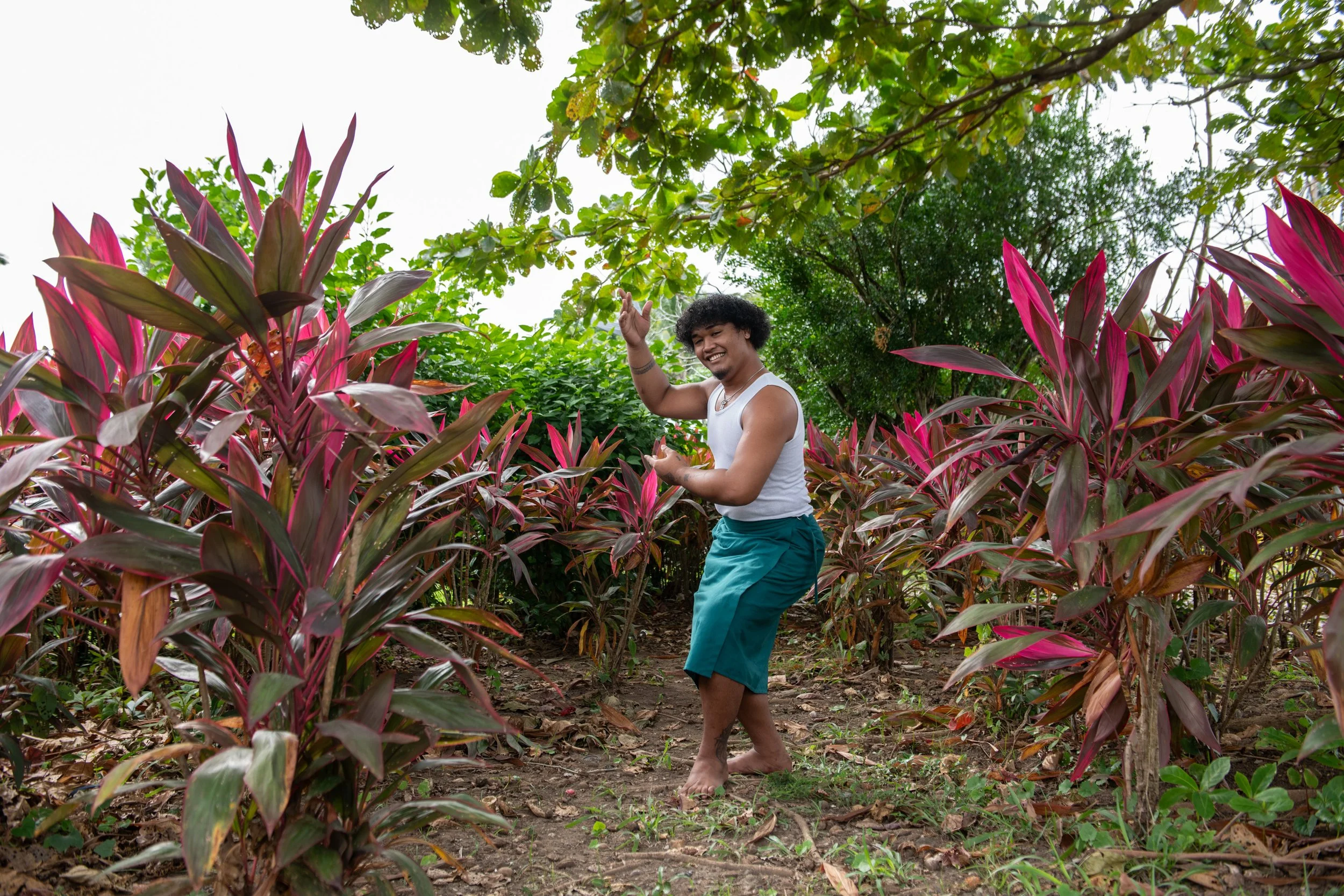
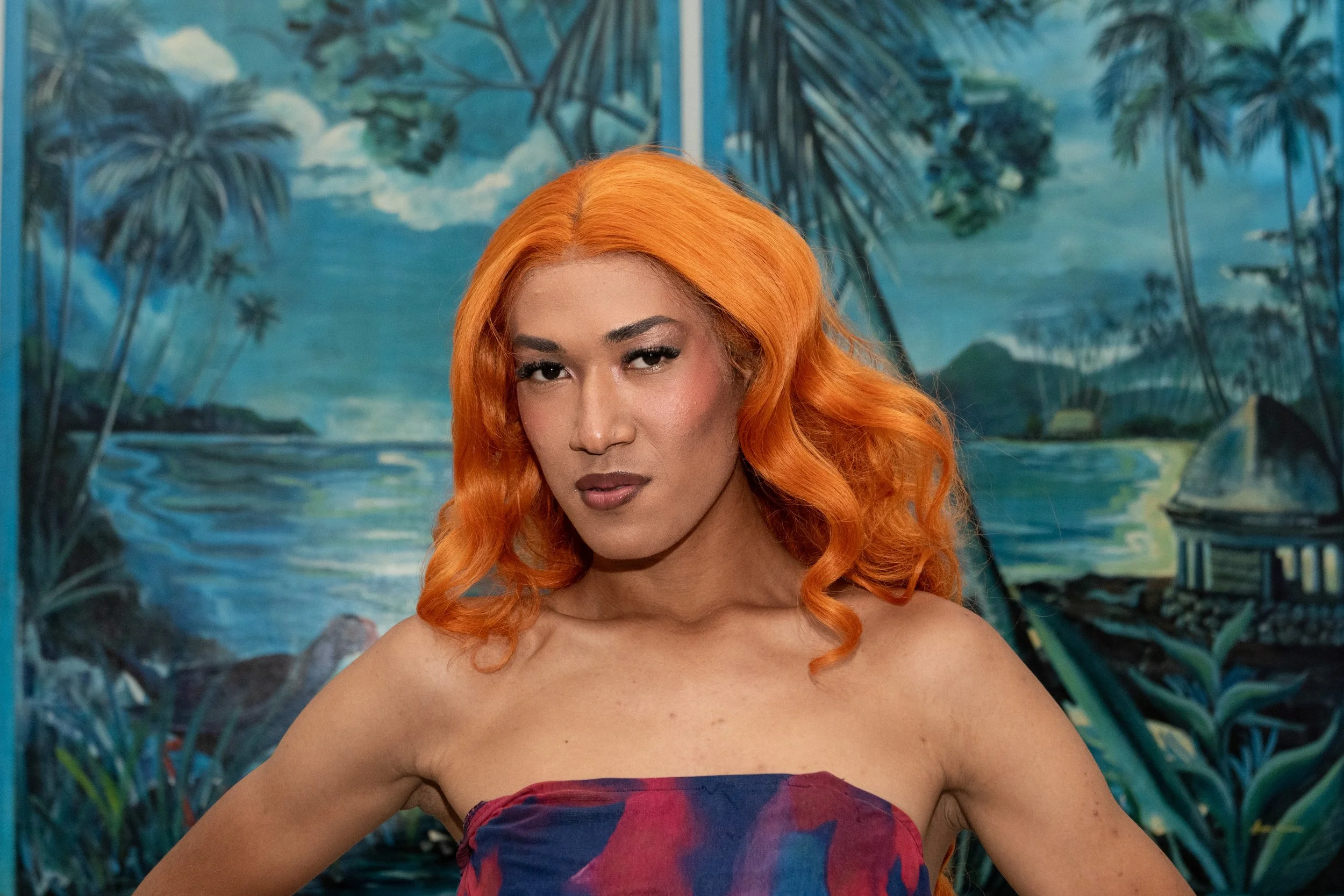
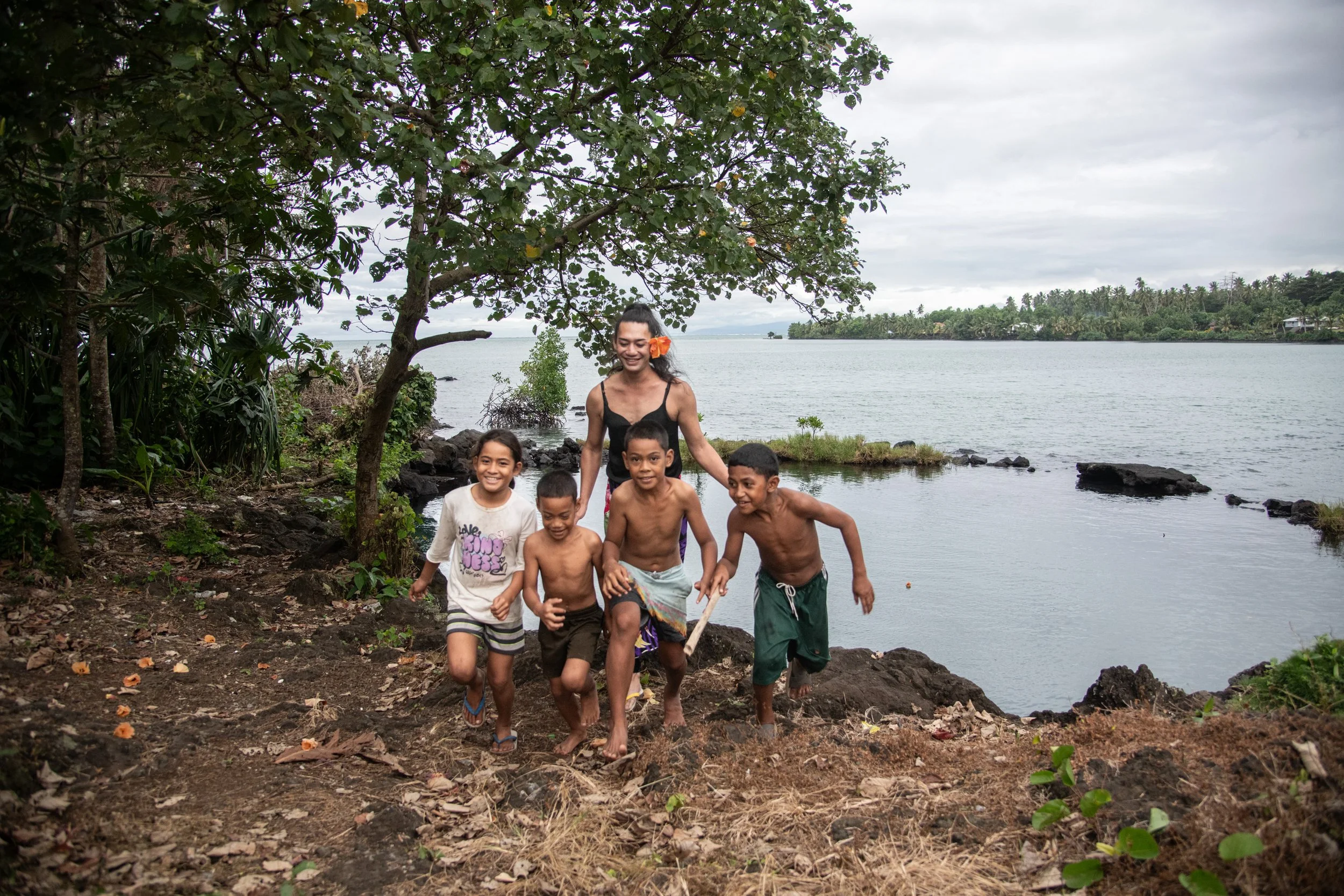
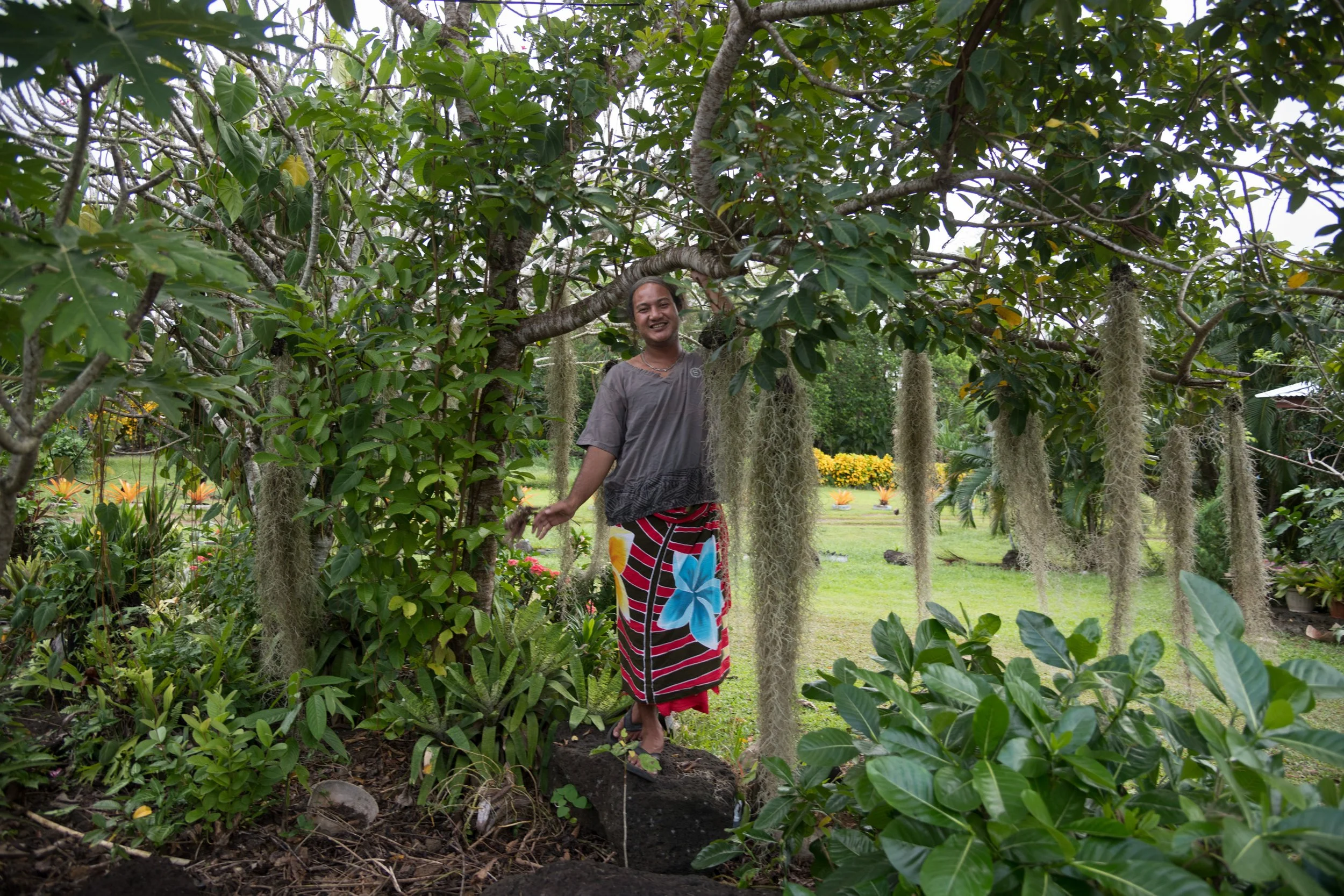
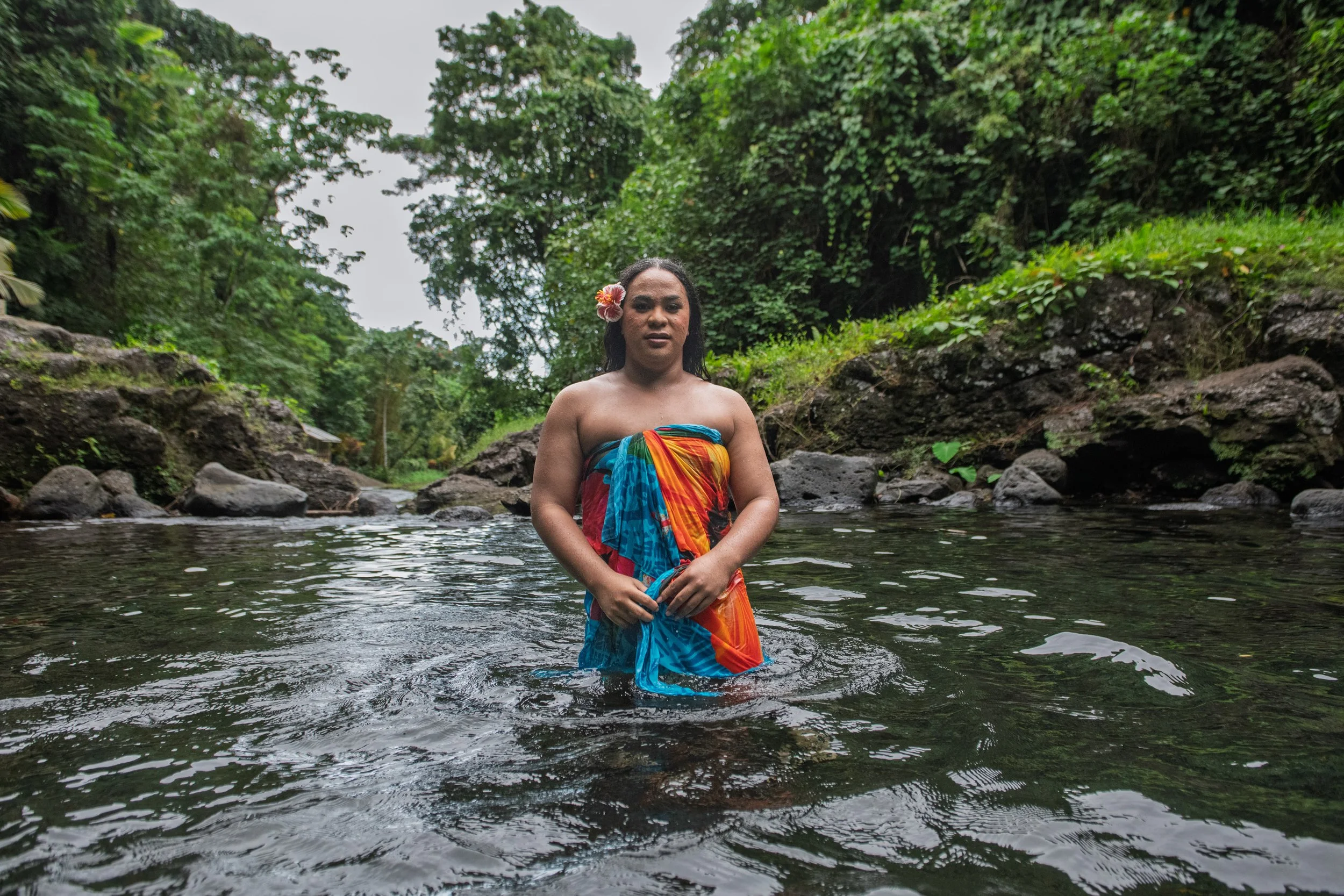
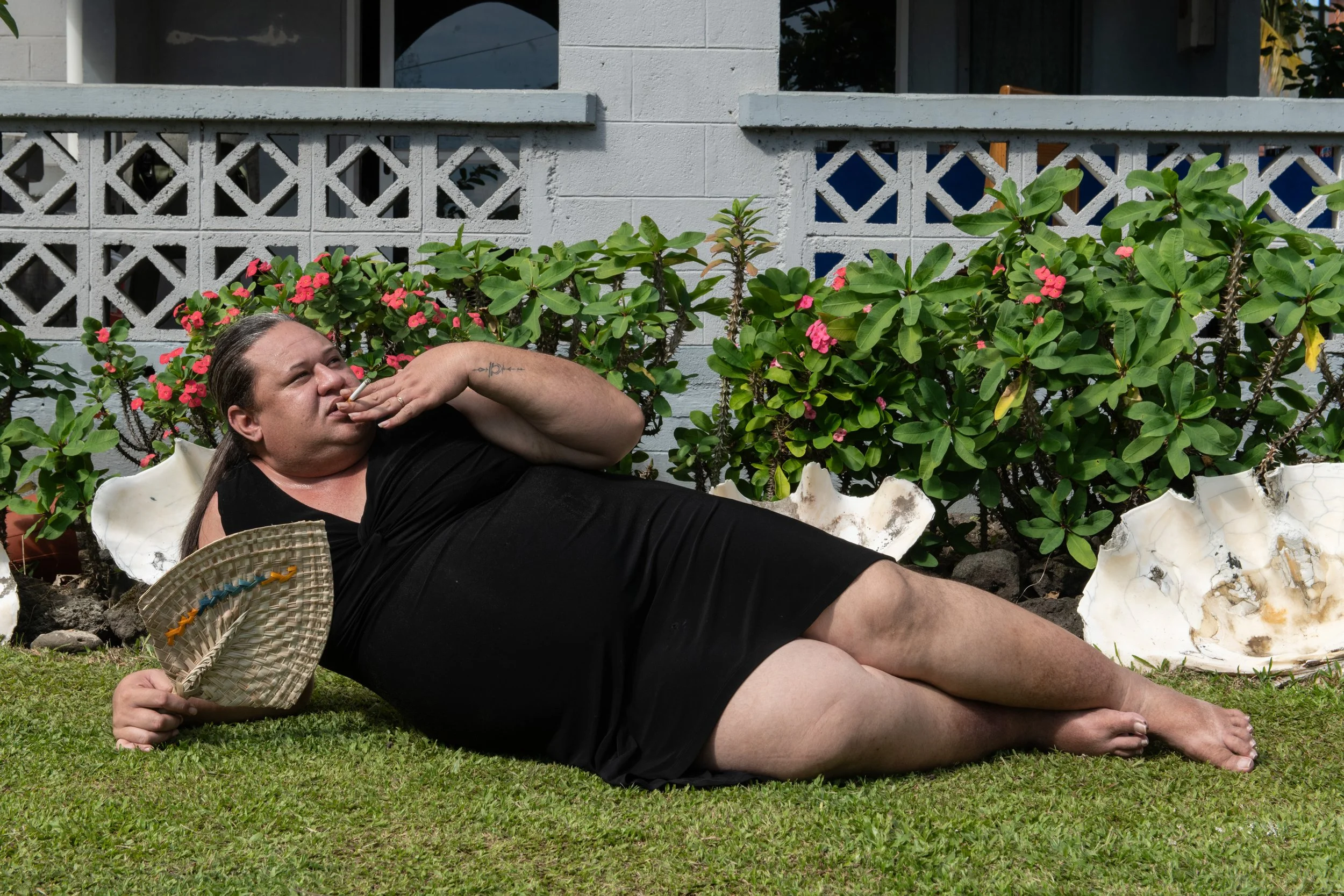
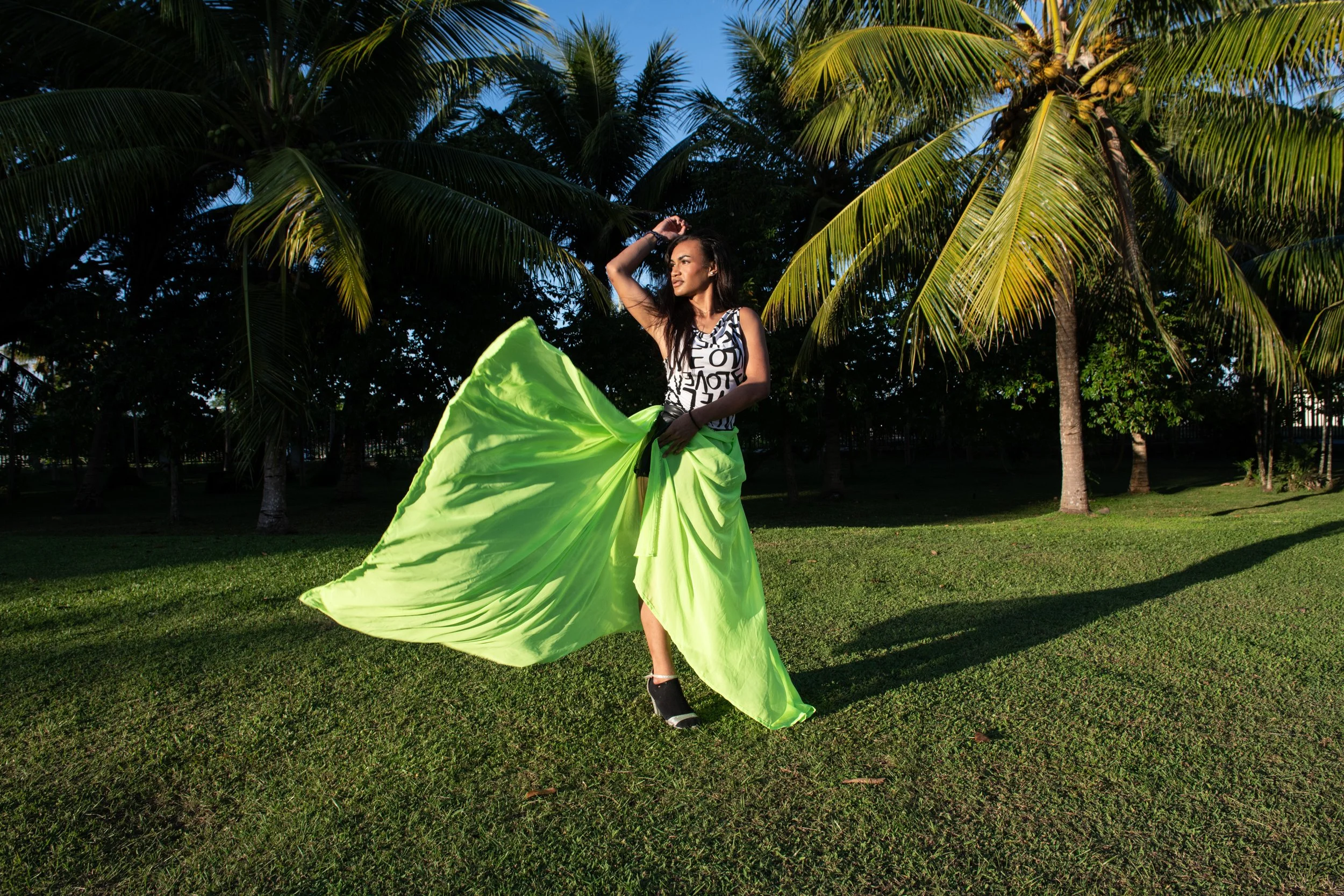
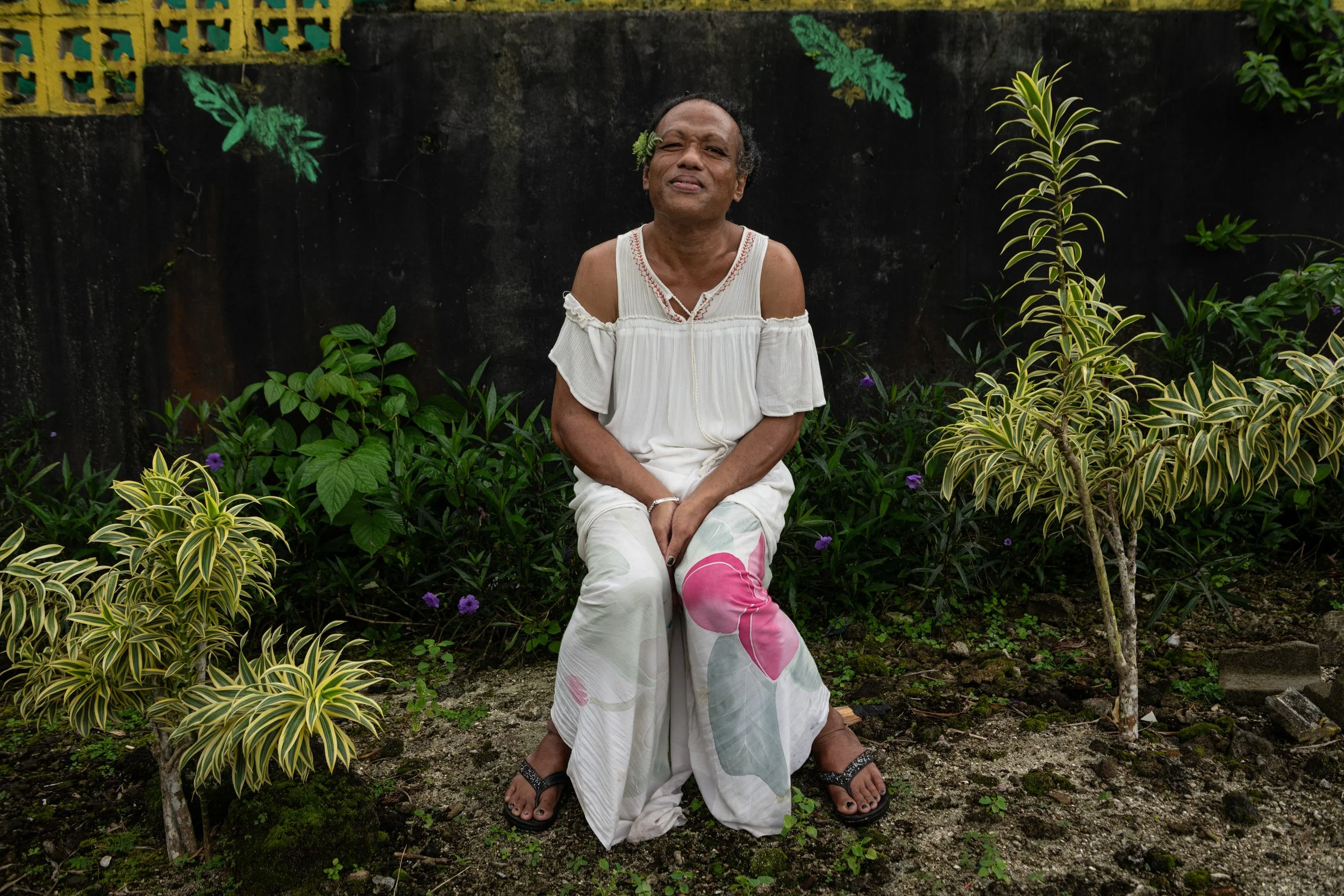
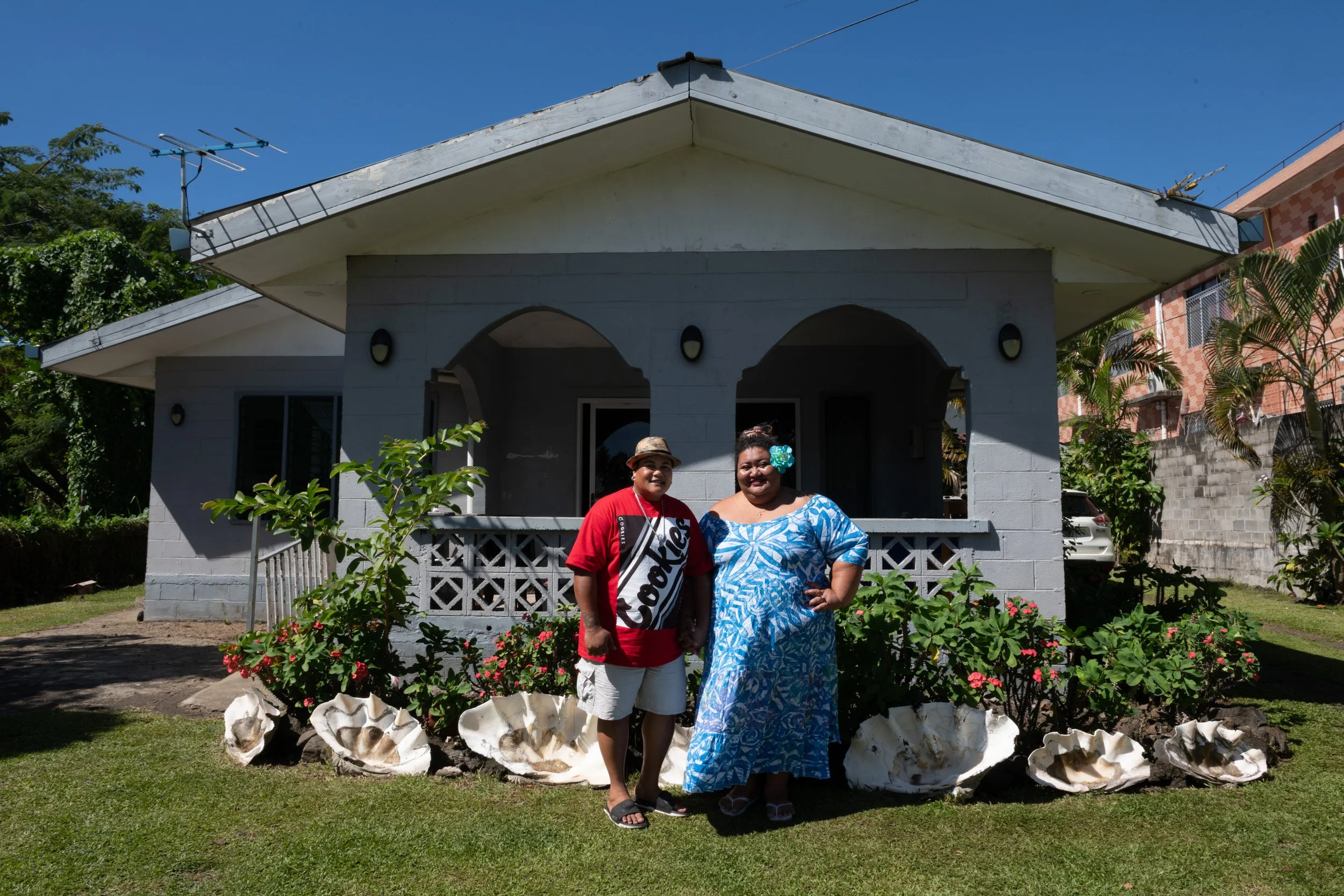
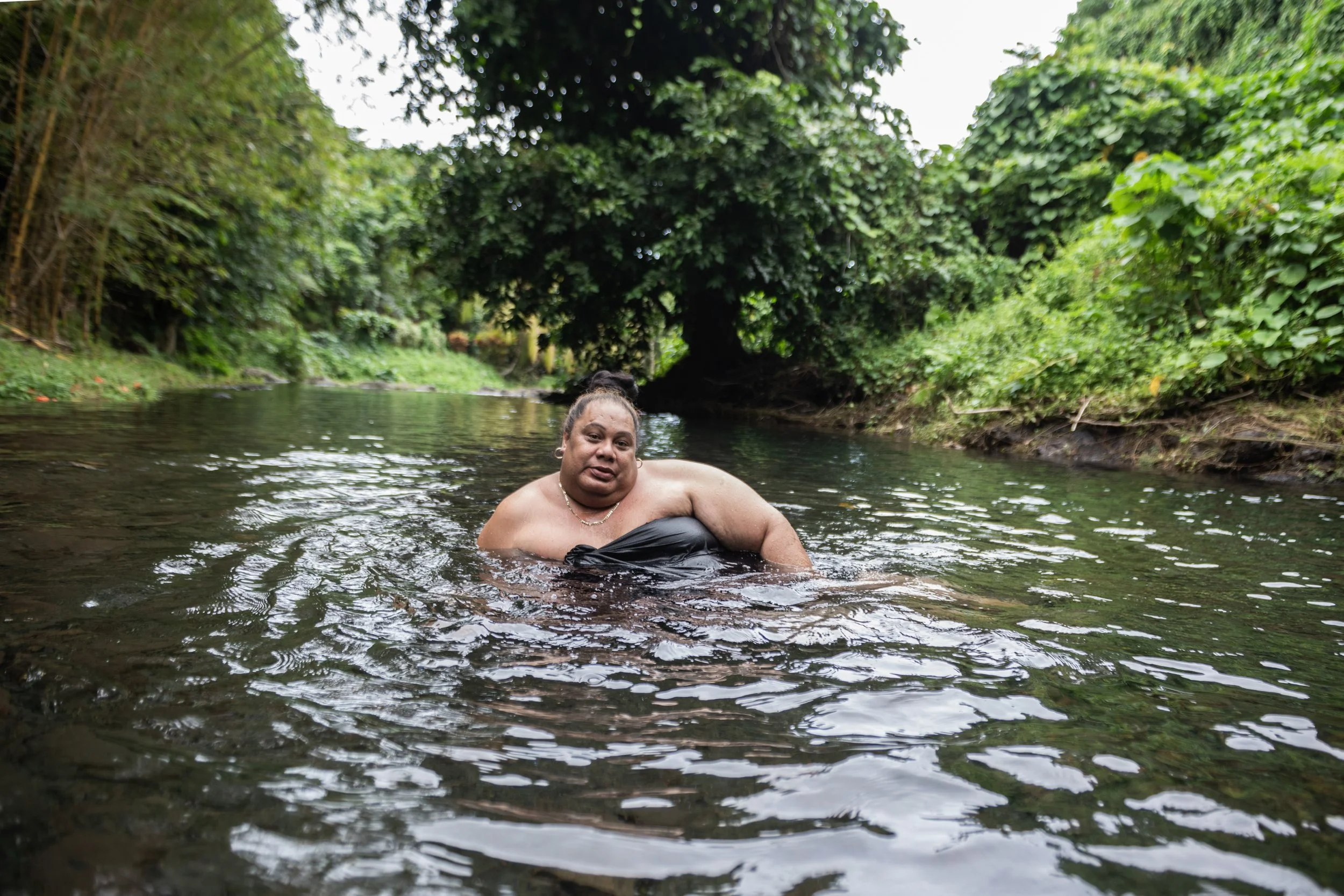
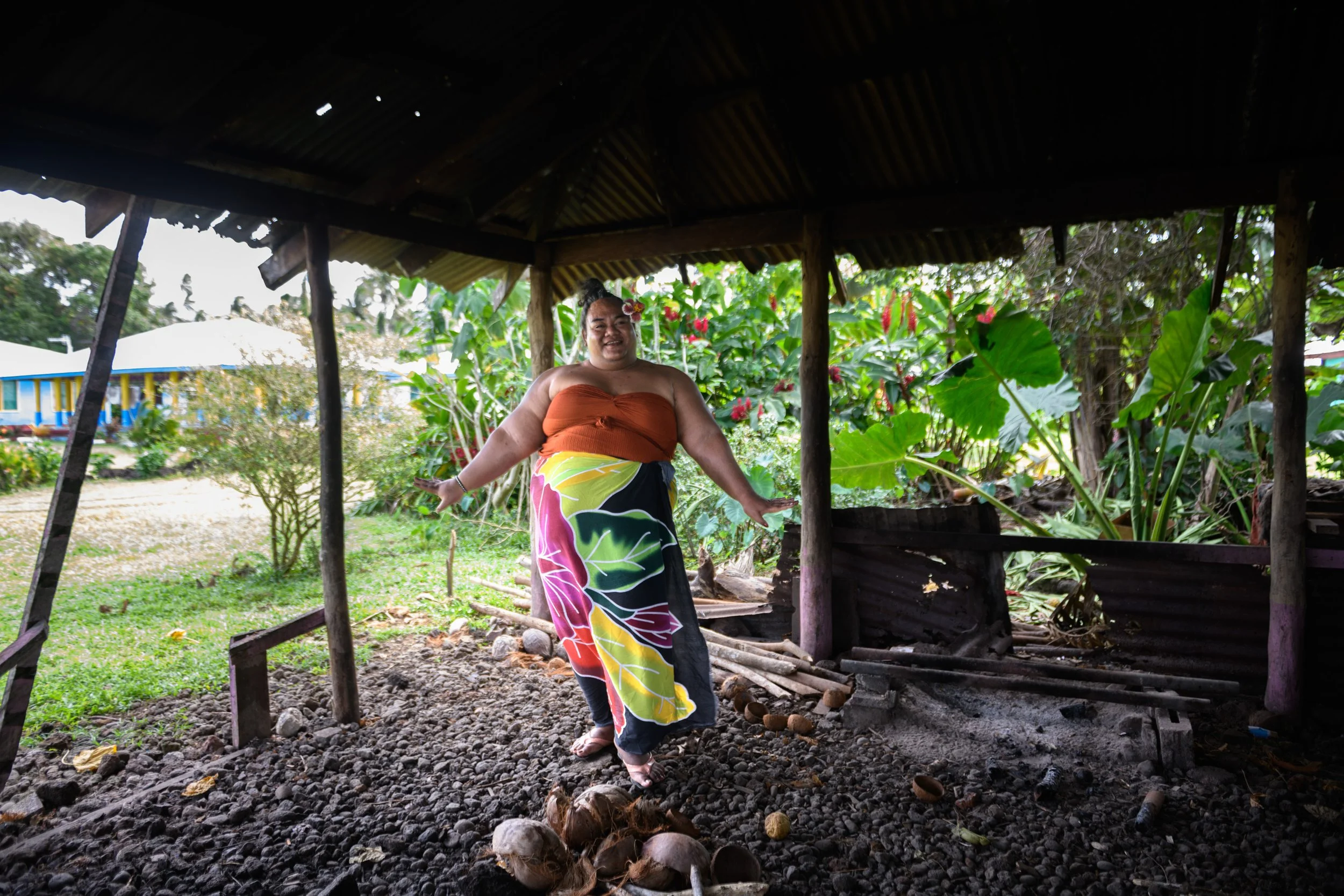
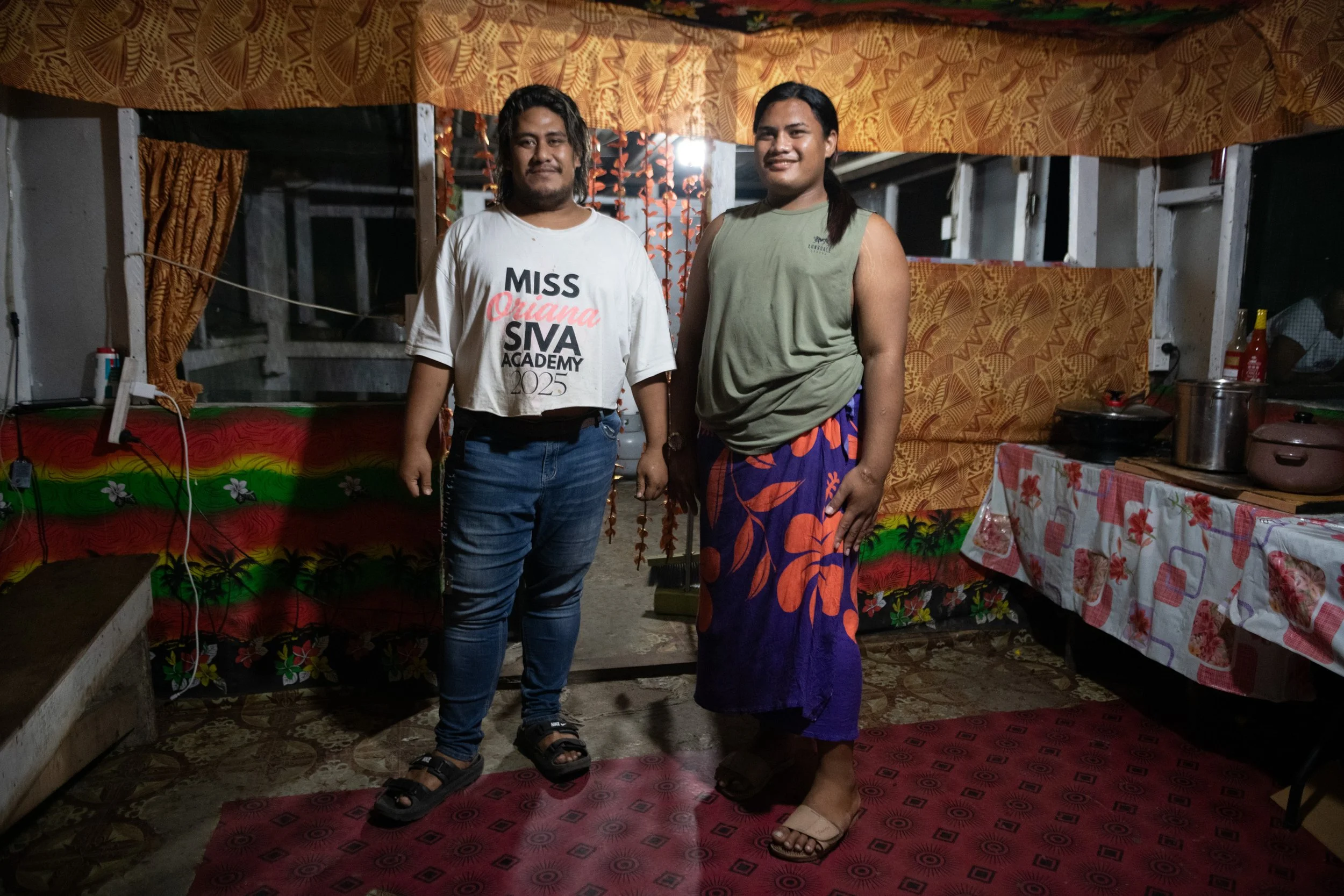
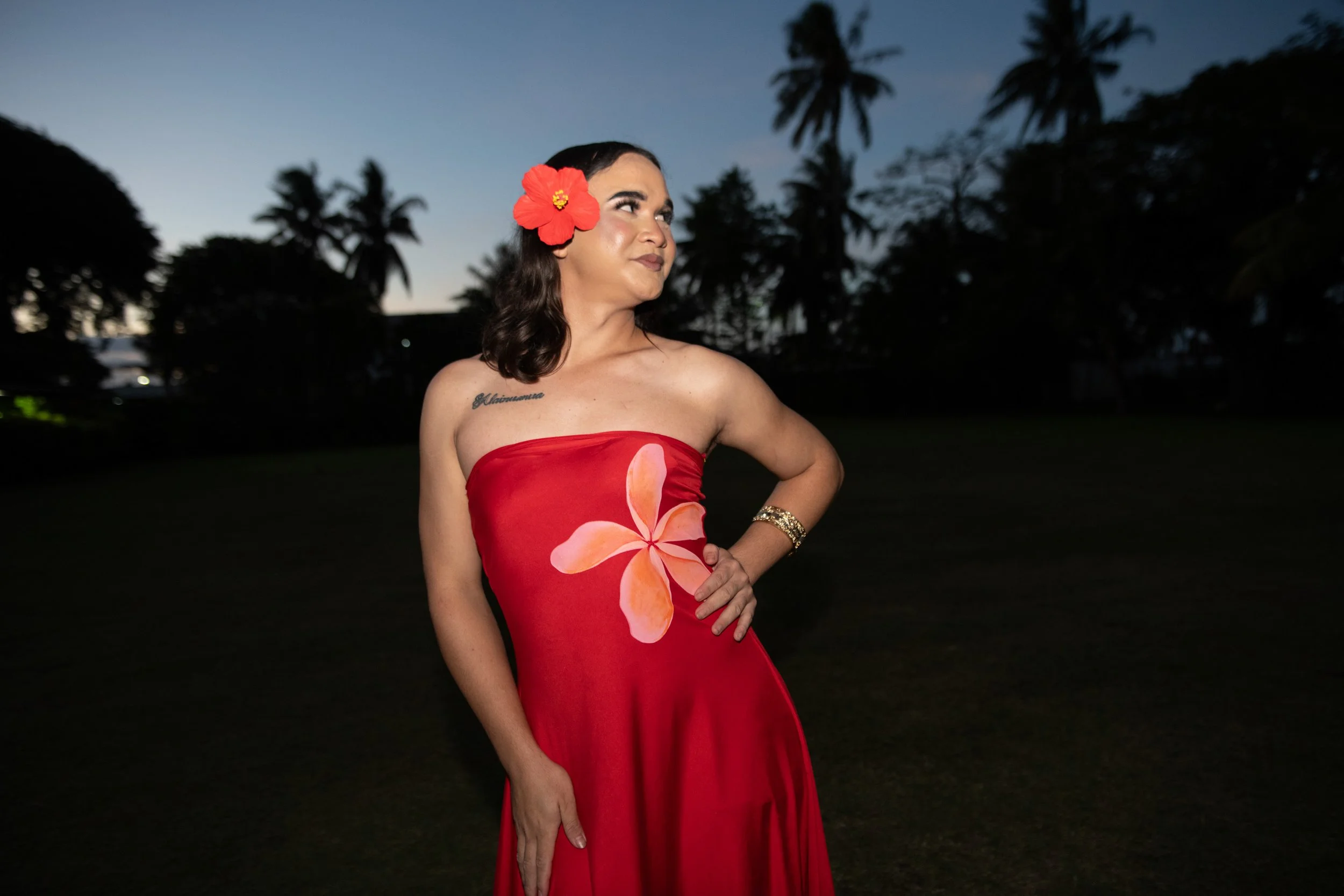
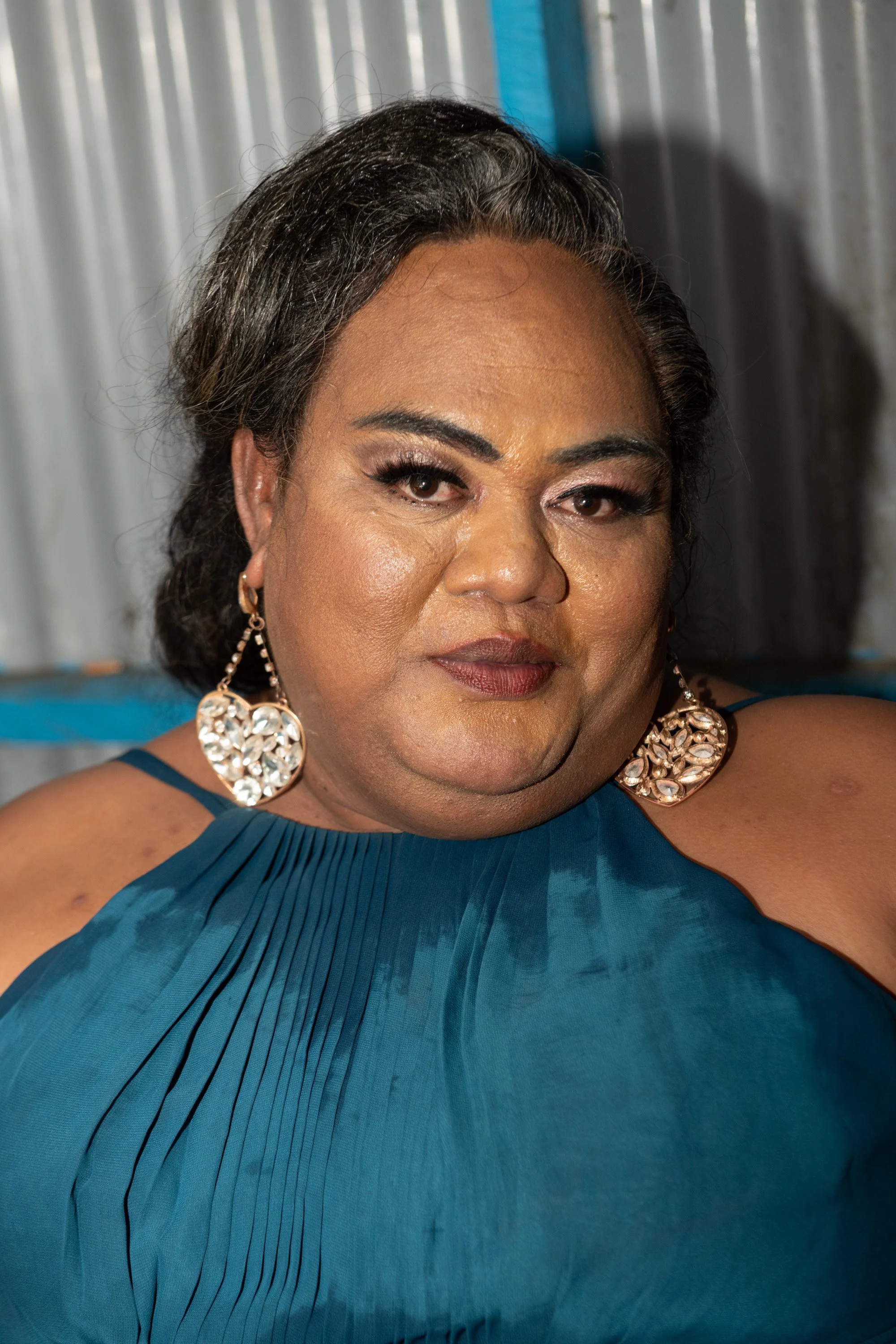
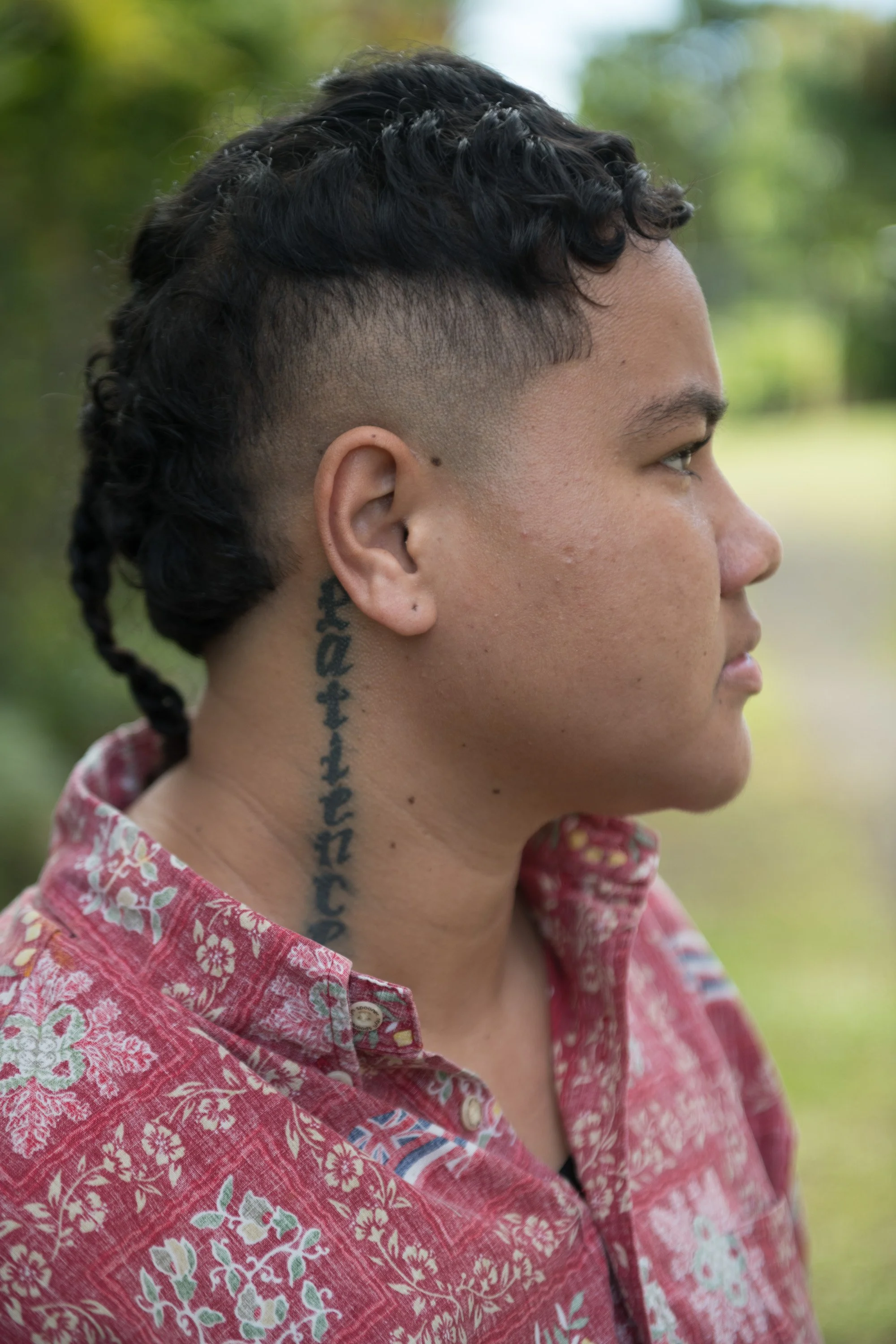
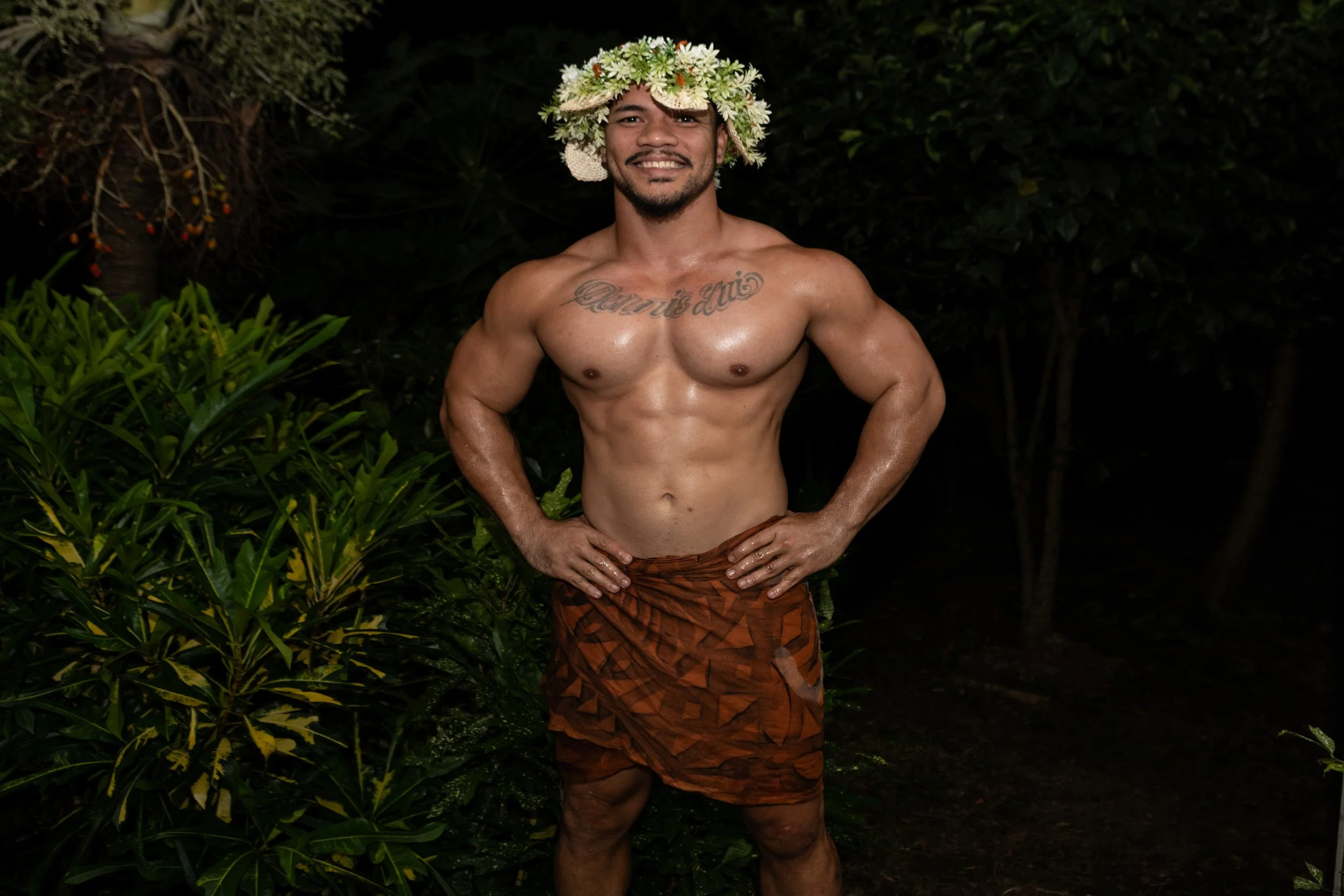
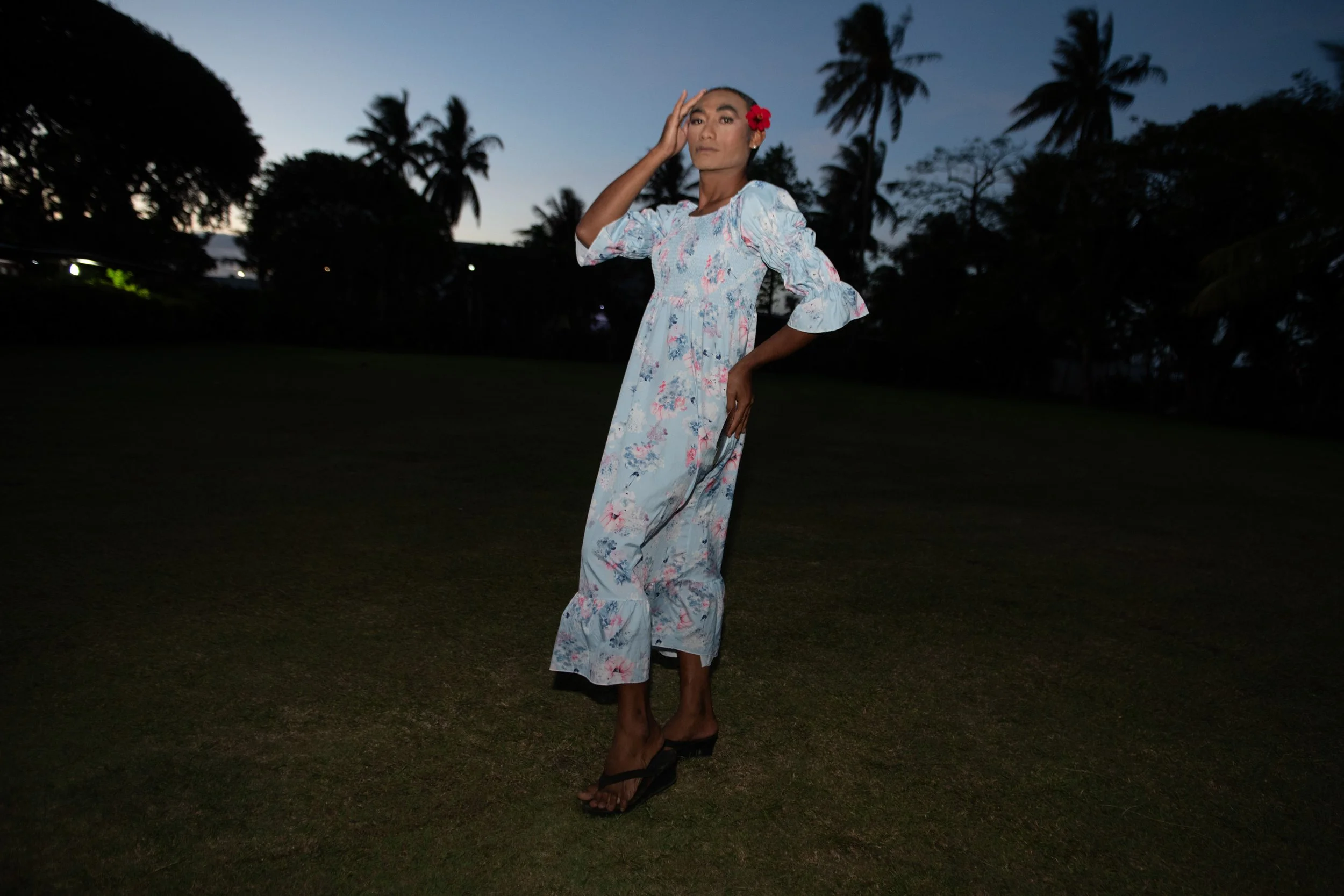
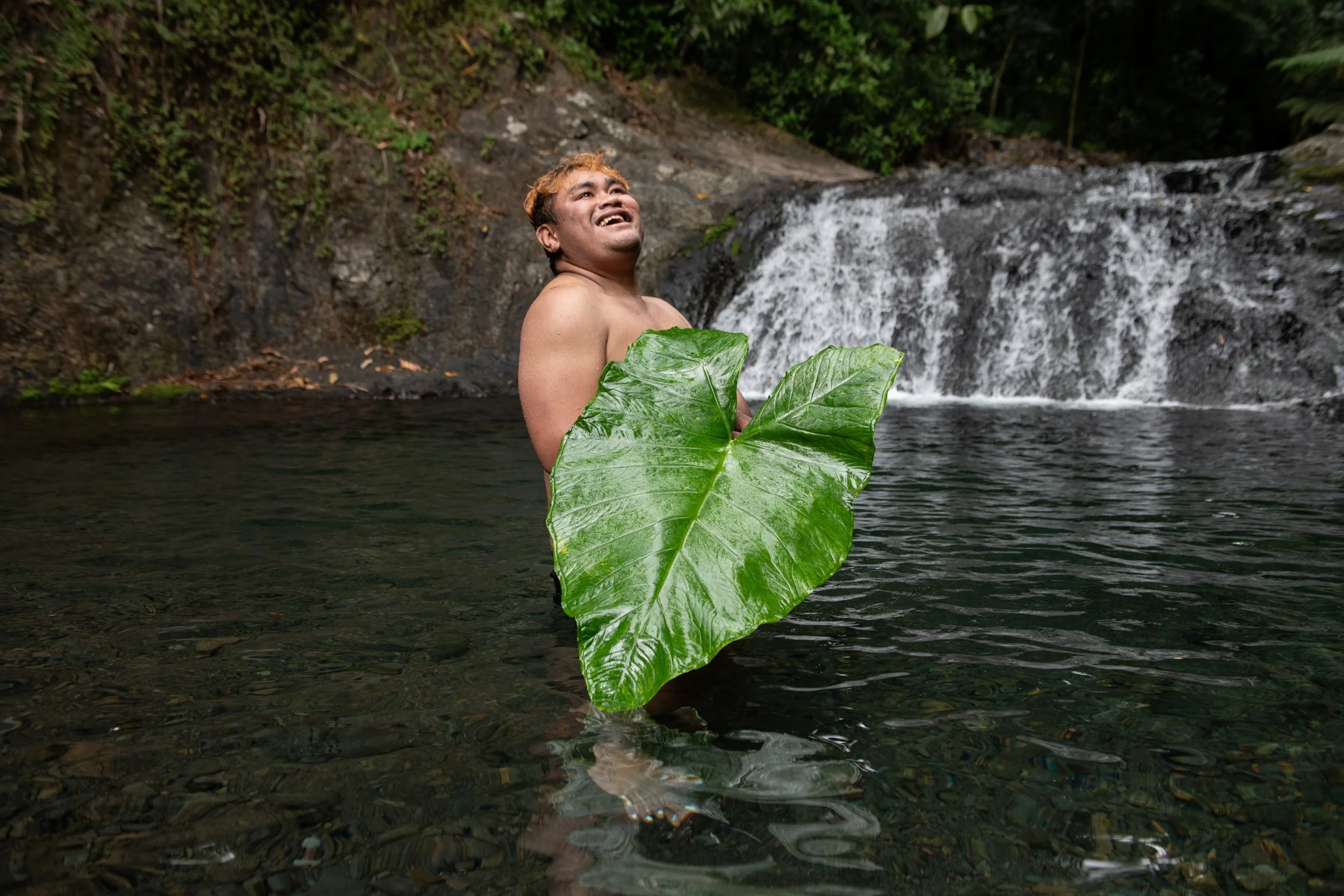
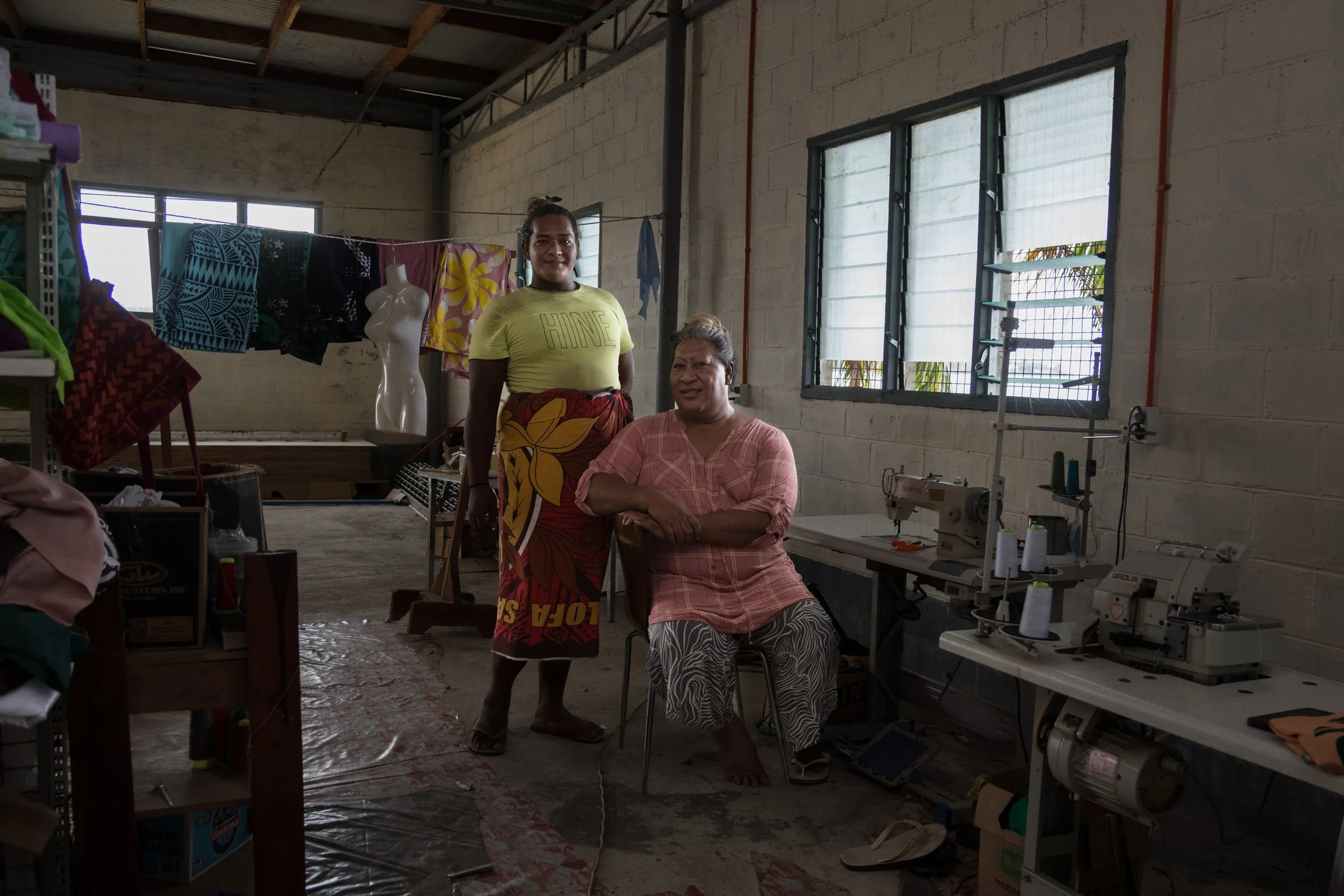
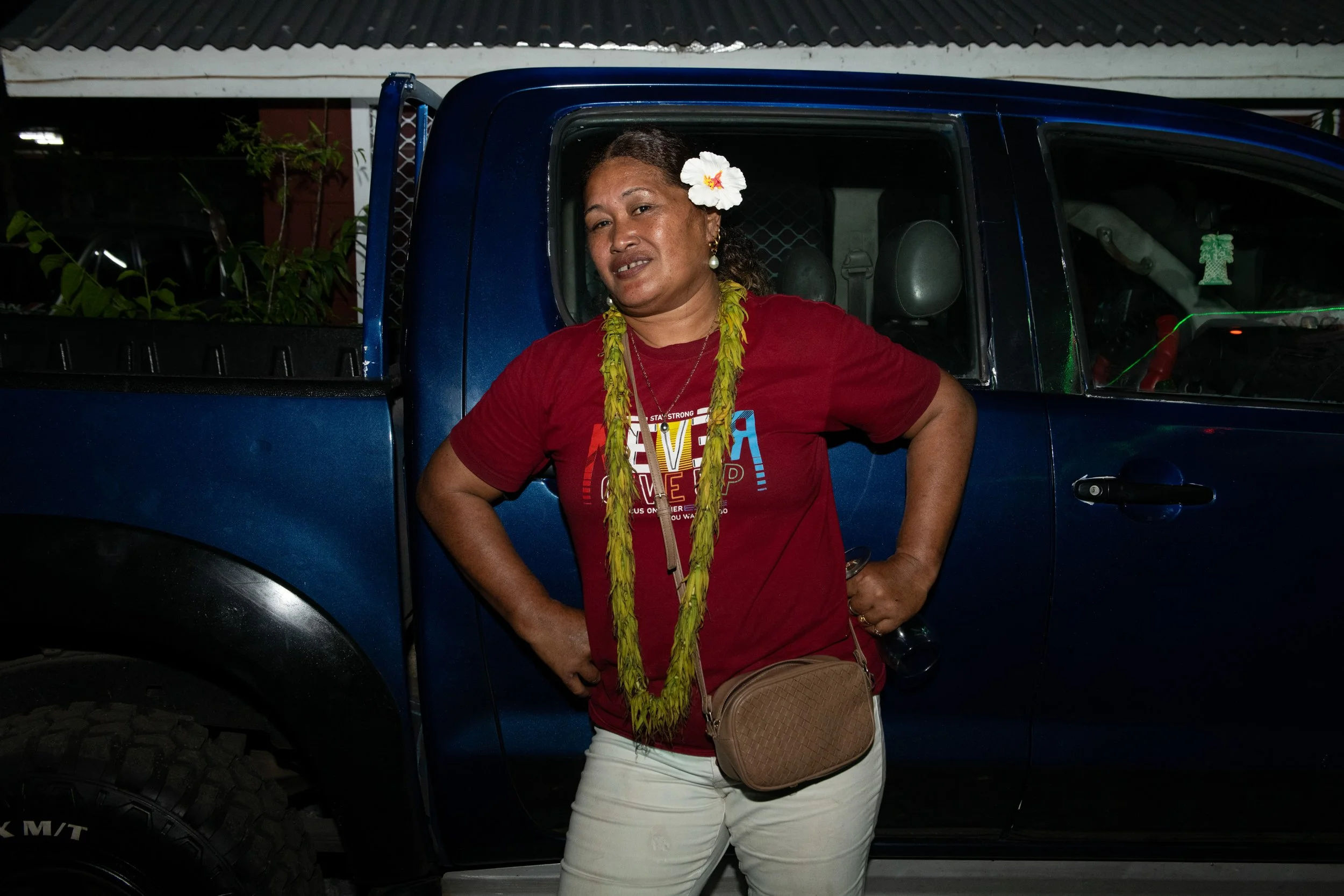
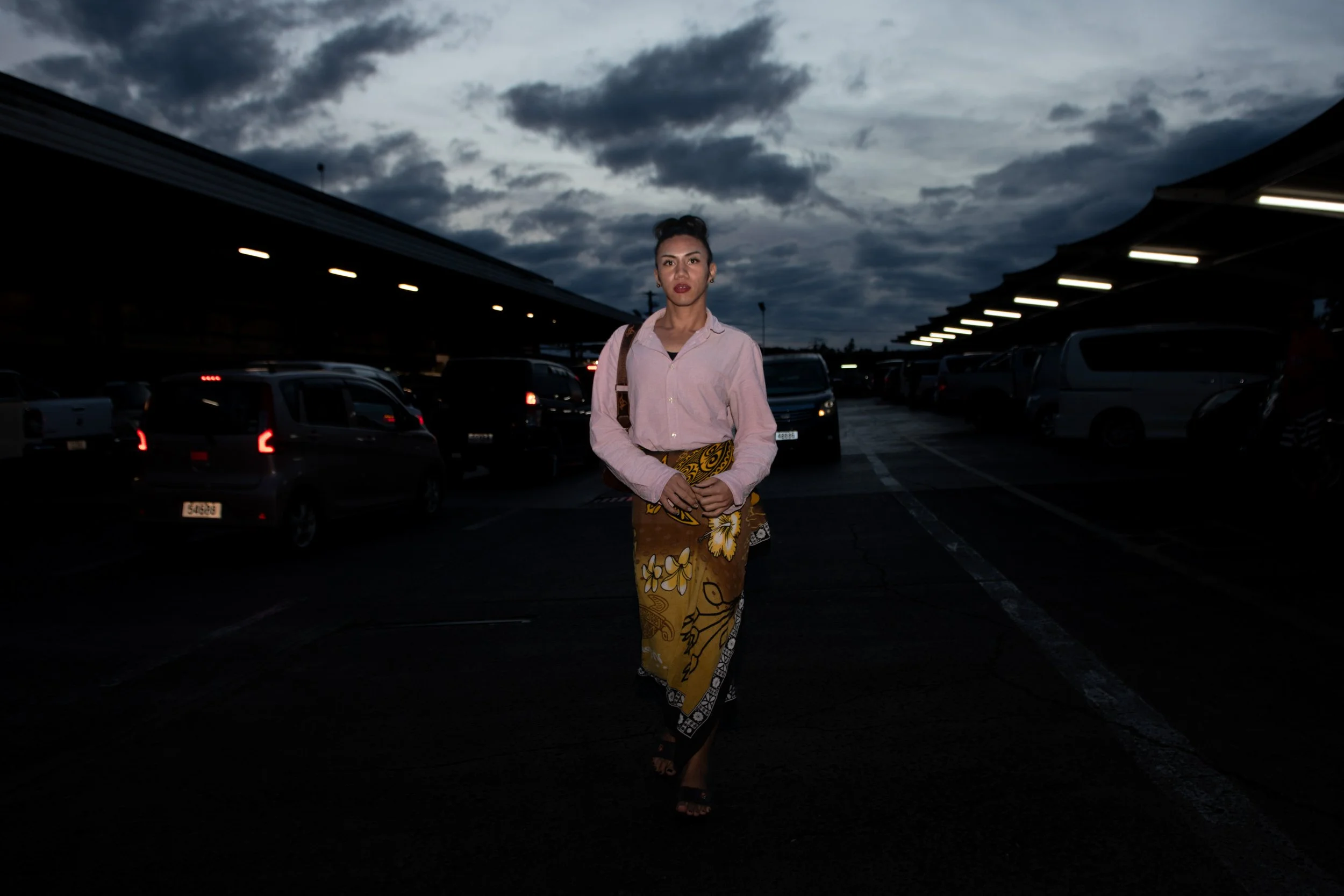
In Samoan society, the terms fa’afafine and fa’atama denote different experiences of gender, rooted in a cultural context in which the extended family (aiga) and community life play a central role. In general, fa’afafine refers to people assigned male at birth who identify and express themselves through identities or roles associated with the feminine; fa’atama, to people assigned female at birth who identify and express themselves in ways associated with the masculine. The meanings of these terms vary from person to person and do not automatically correspond to Western categories such as transgender, non-binary or LGBTQ+.
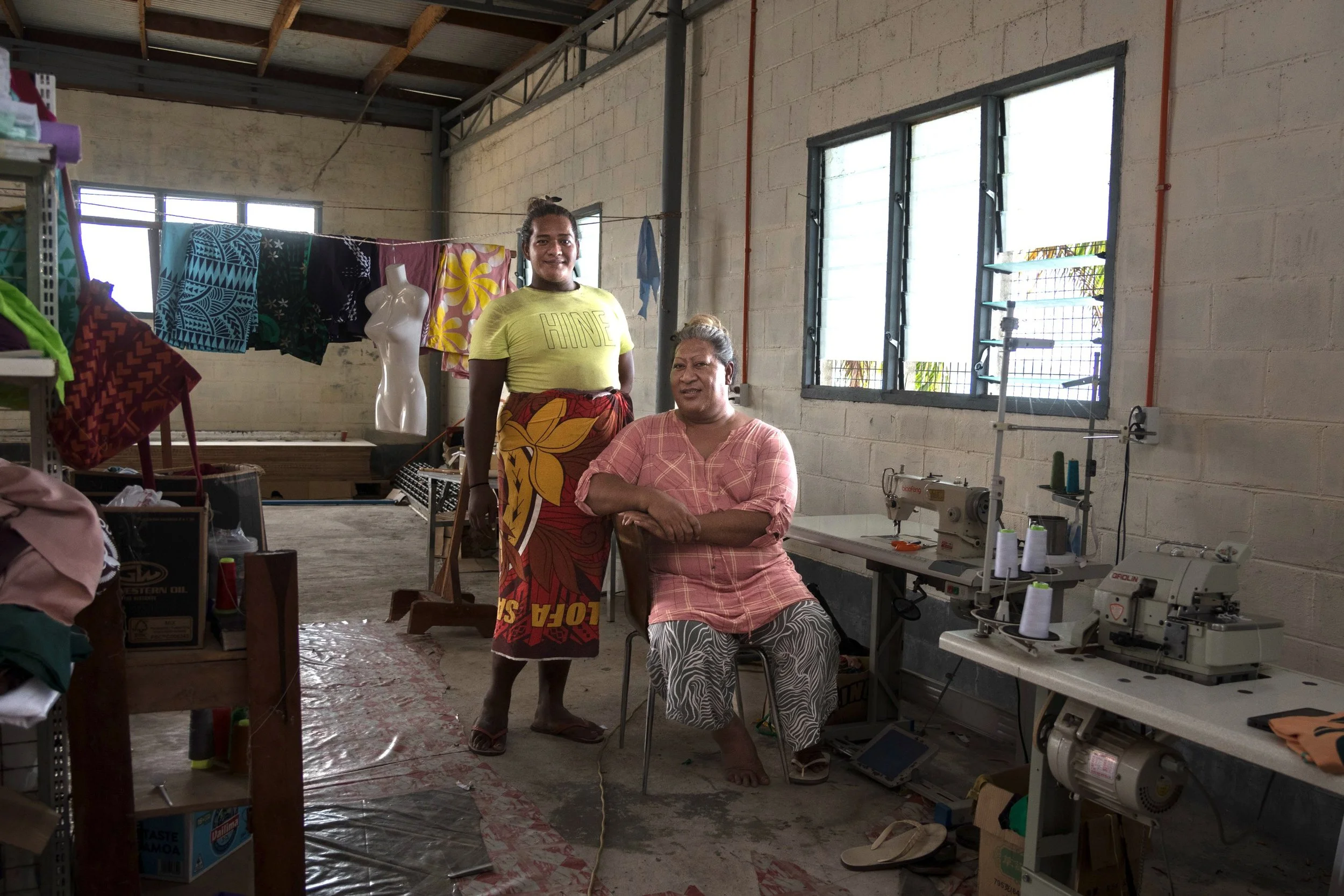
These identities do not necessarily define sexual orientation. Their meaning is also shaped through family relationships, mutual responsibilities, work and participation in community life, in relation to the fa’a Samoa, the set of values and customs of Samoan culture. There is no single fa’afafine or fa’atama experience: each person builds their own path in relation to their family, their generation and the social context in which they live.
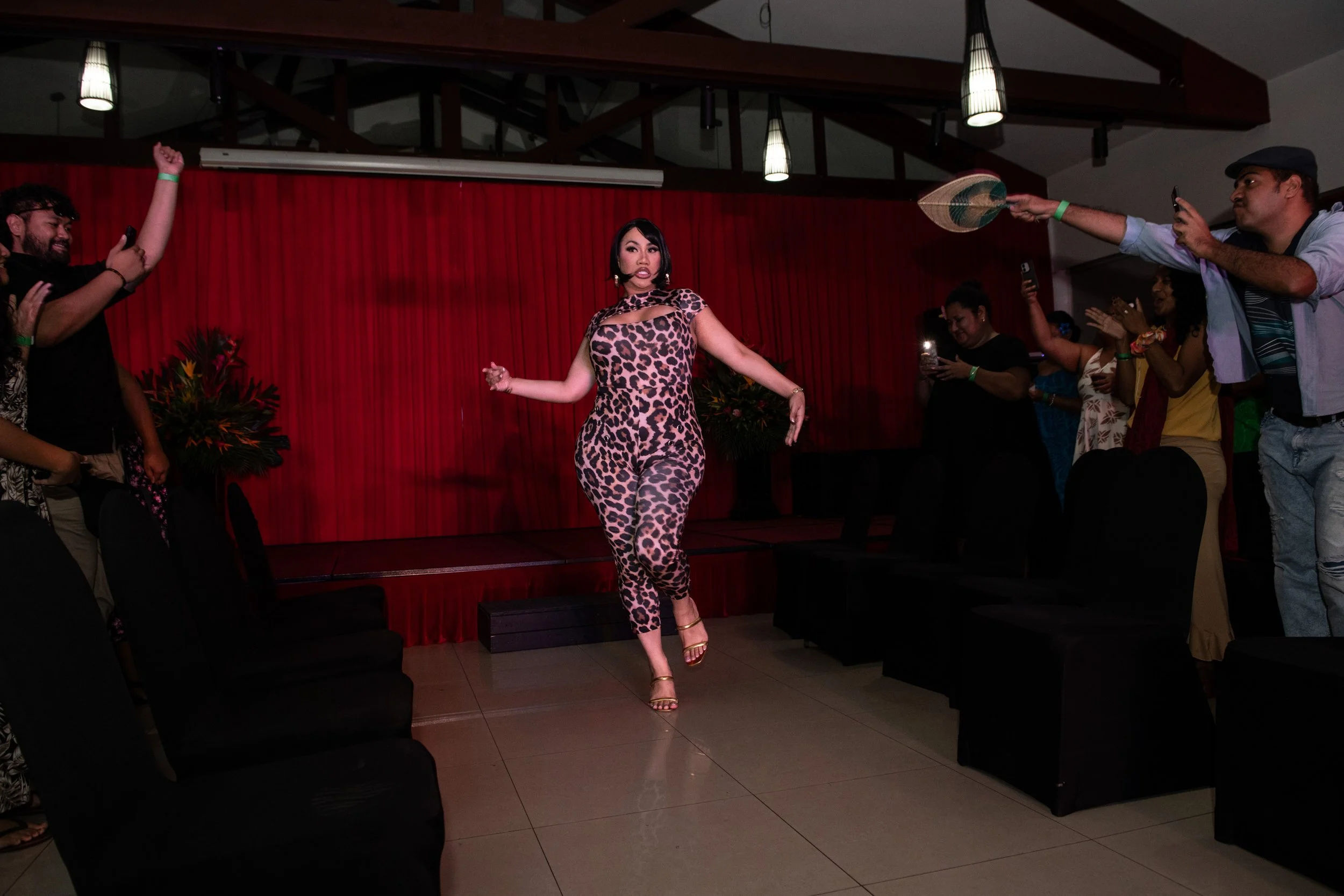
Colonization, the spread of Christianity and the influence of Western cultural models have changed over time the way gender and sexuality are interpreted and narrated. New tensions and challenges have followed, but also opportunities for self-representation and organization. Today, fa’afafine and fa’atama take part in the social and cultural life of the country, engaging with the expectations of their communities and with the transformations of contemporary society.
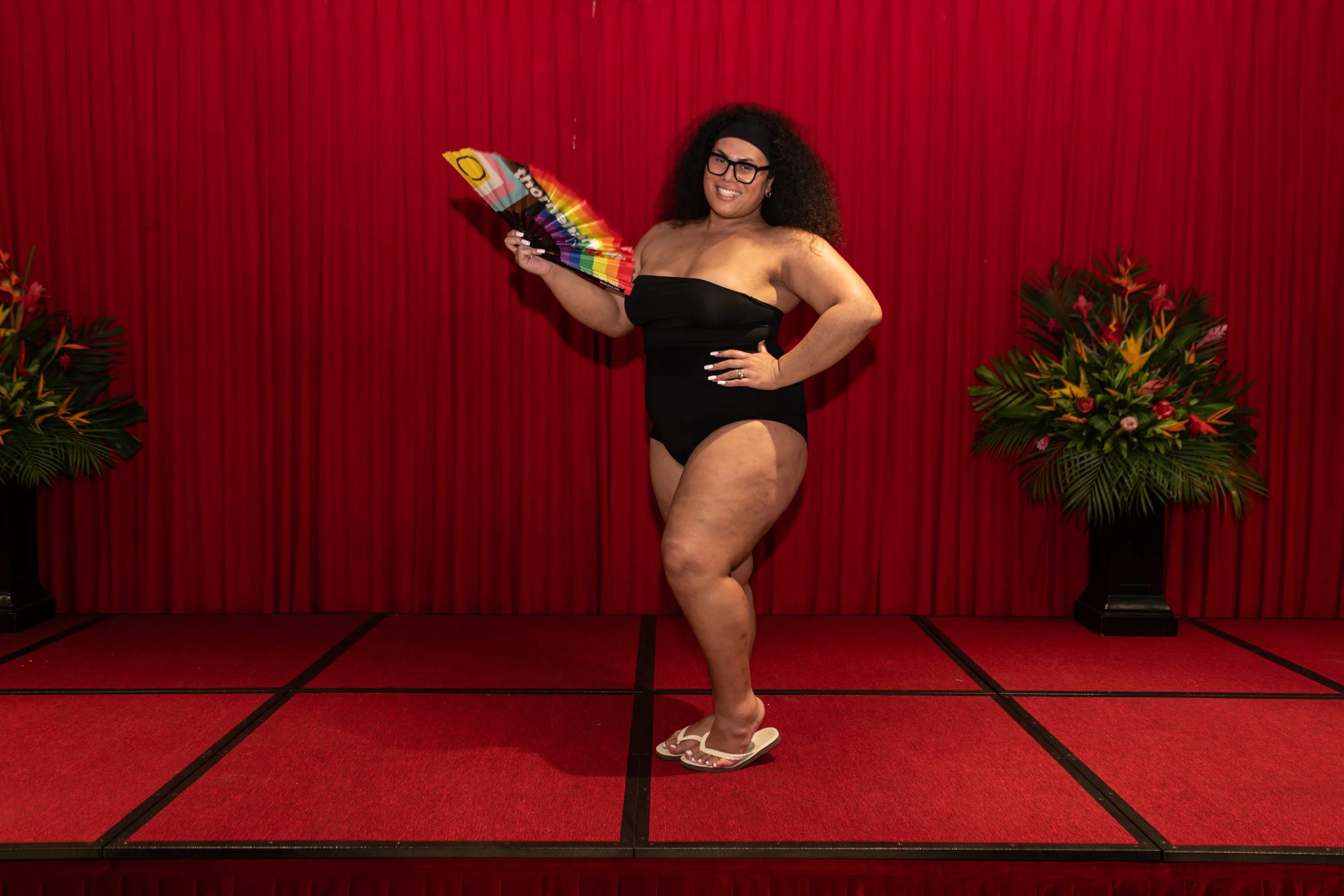
The Samoa Fa’afafine Association (SFA) plays an important role, working to support and represent the community and to promote its rights. Brown Girl Woke works mainly with younger generations, through cultural and educational initiatives on identity, gender, violence and inclusion.
Fa’afafine and fa’atama are part of Samoa’s history and present. Their experiences show how gender takes on different meanings depending on cultural context, and how individual identity, social relationships and belonging can intertwine in ways that cannot be reduced to universal categories.