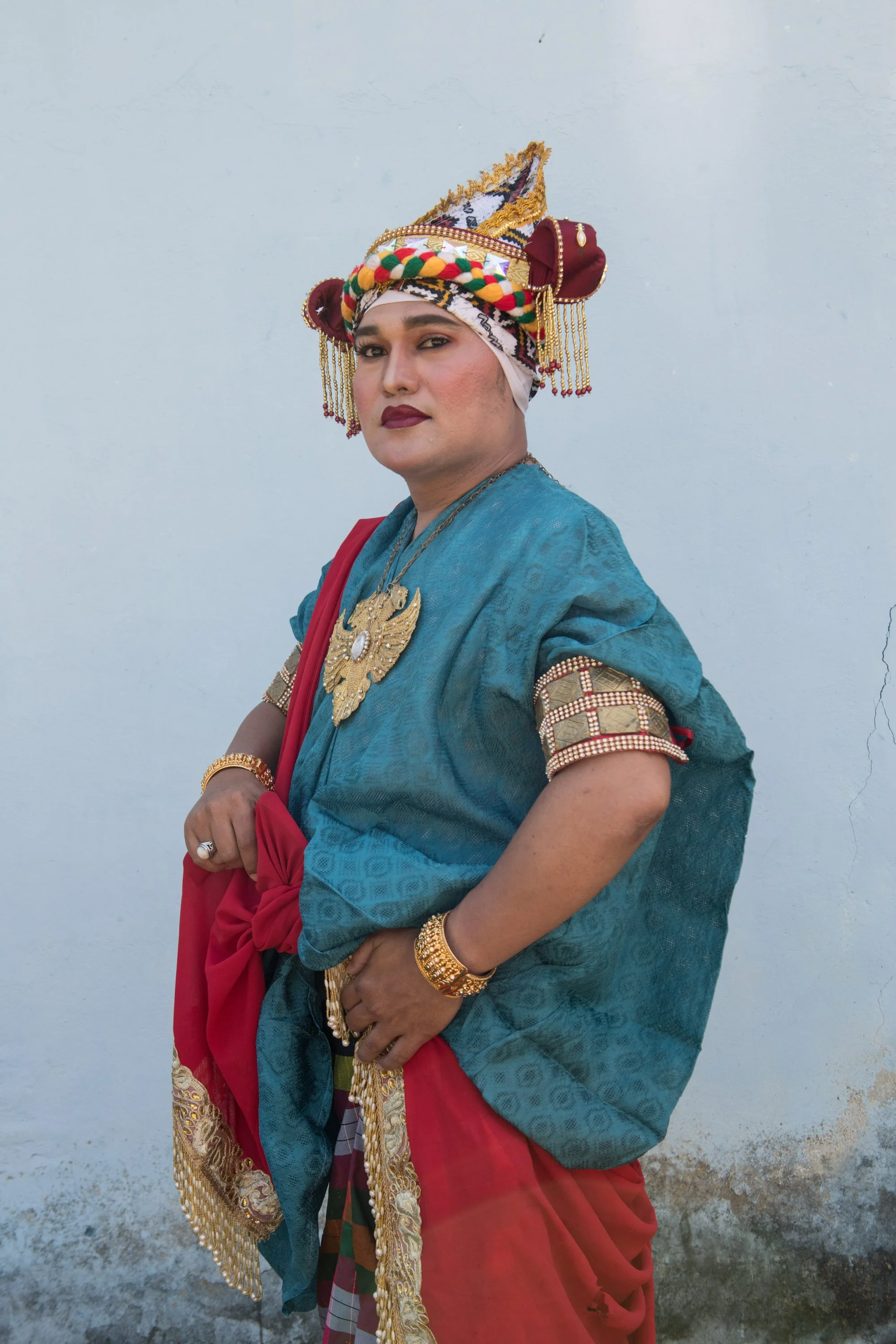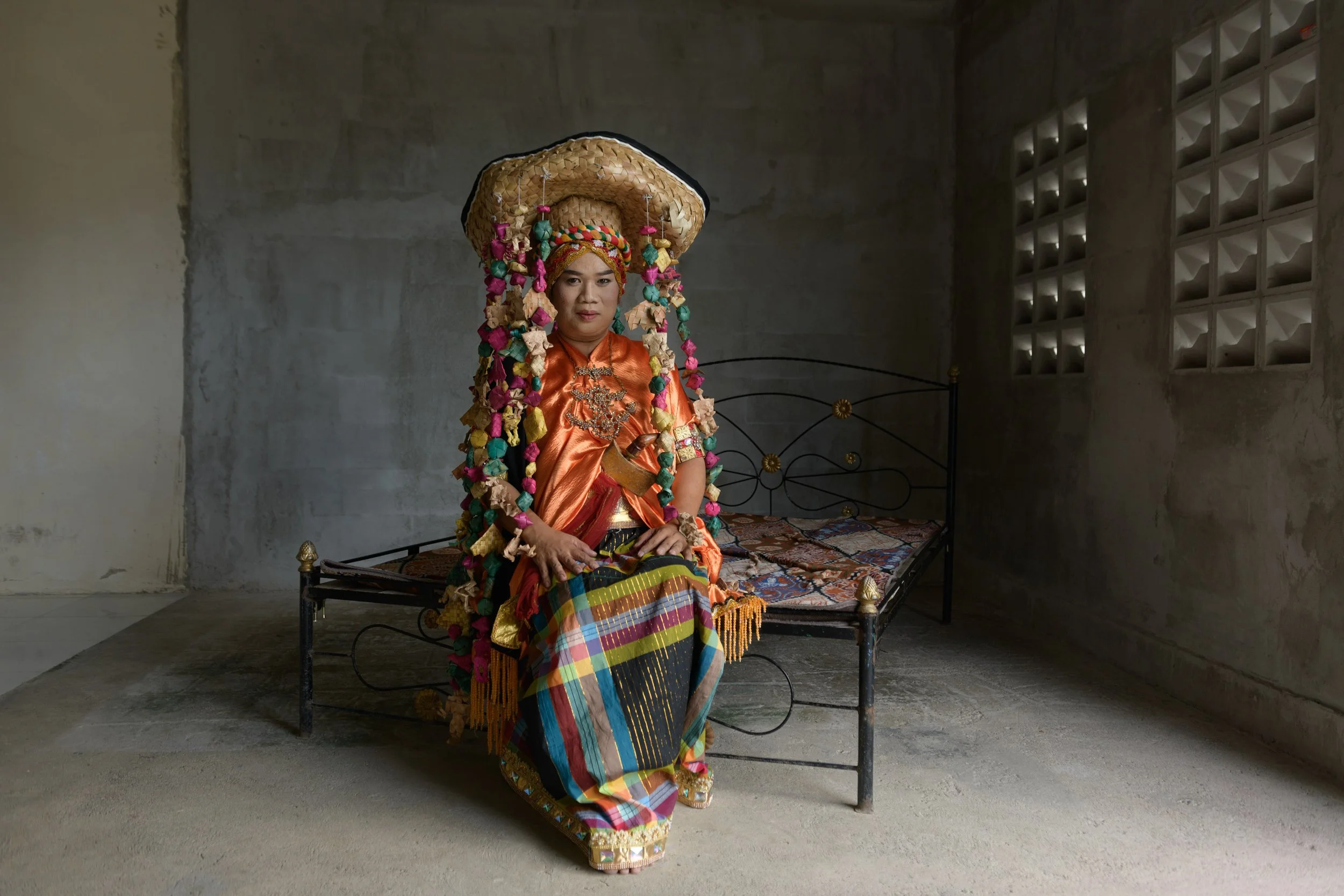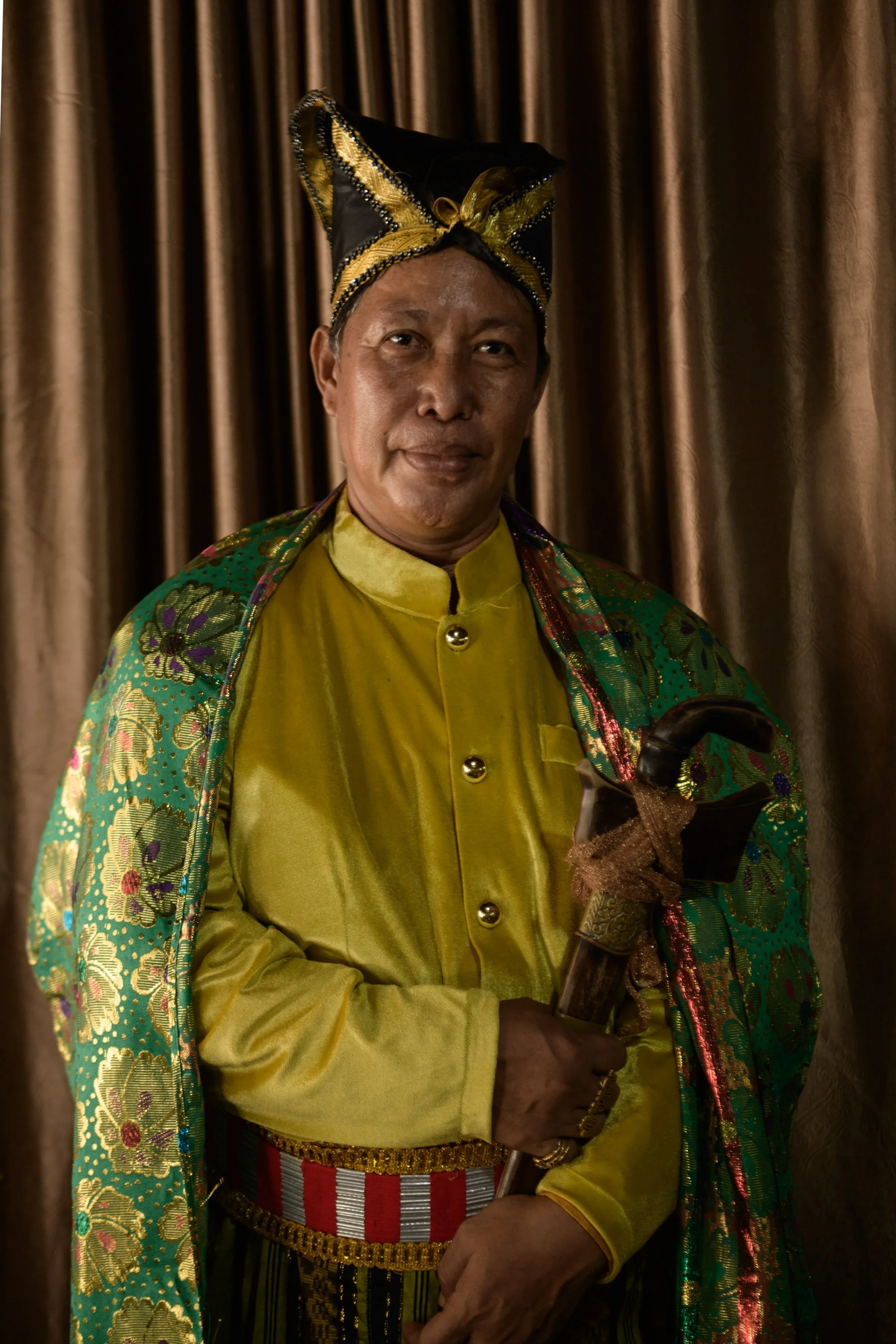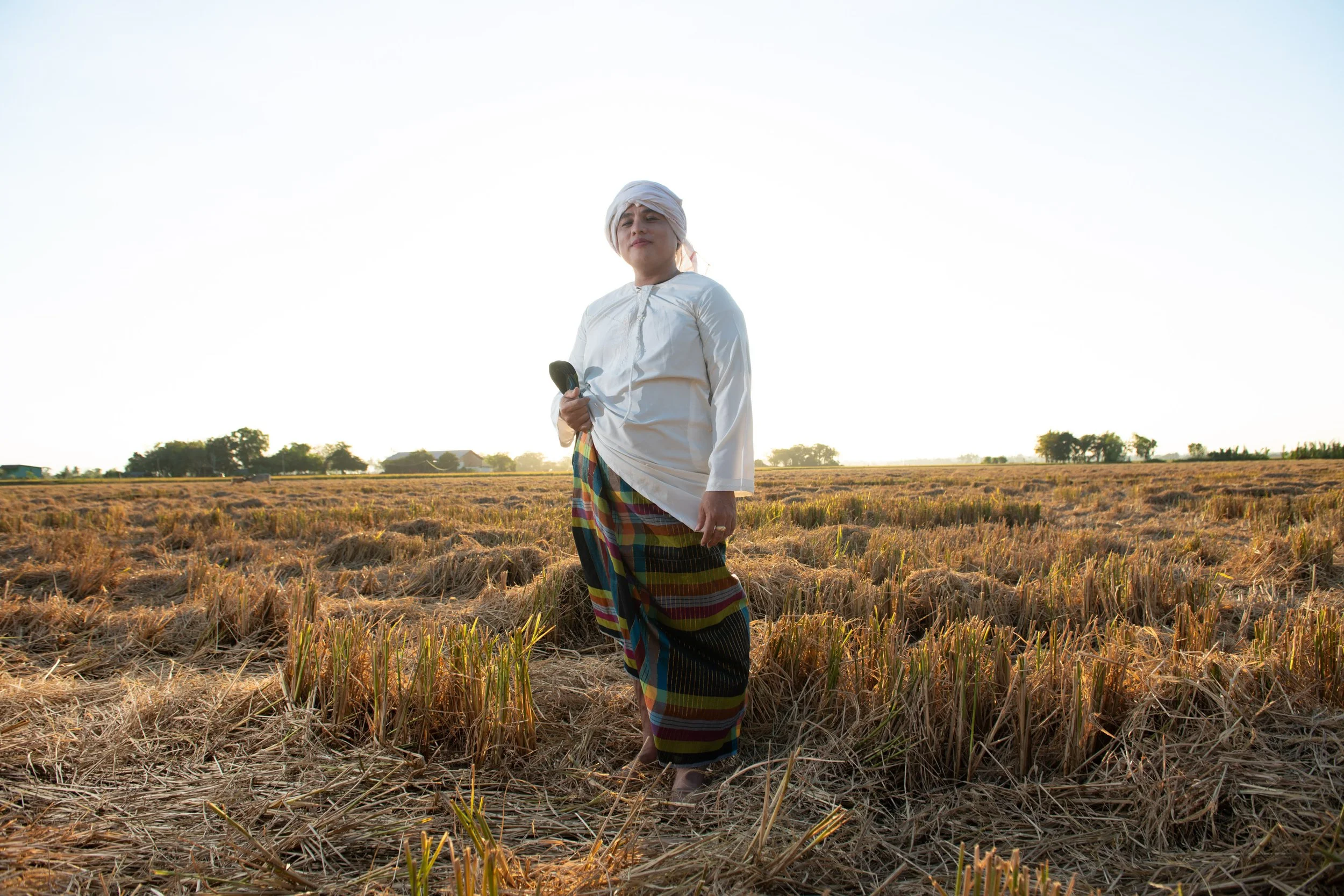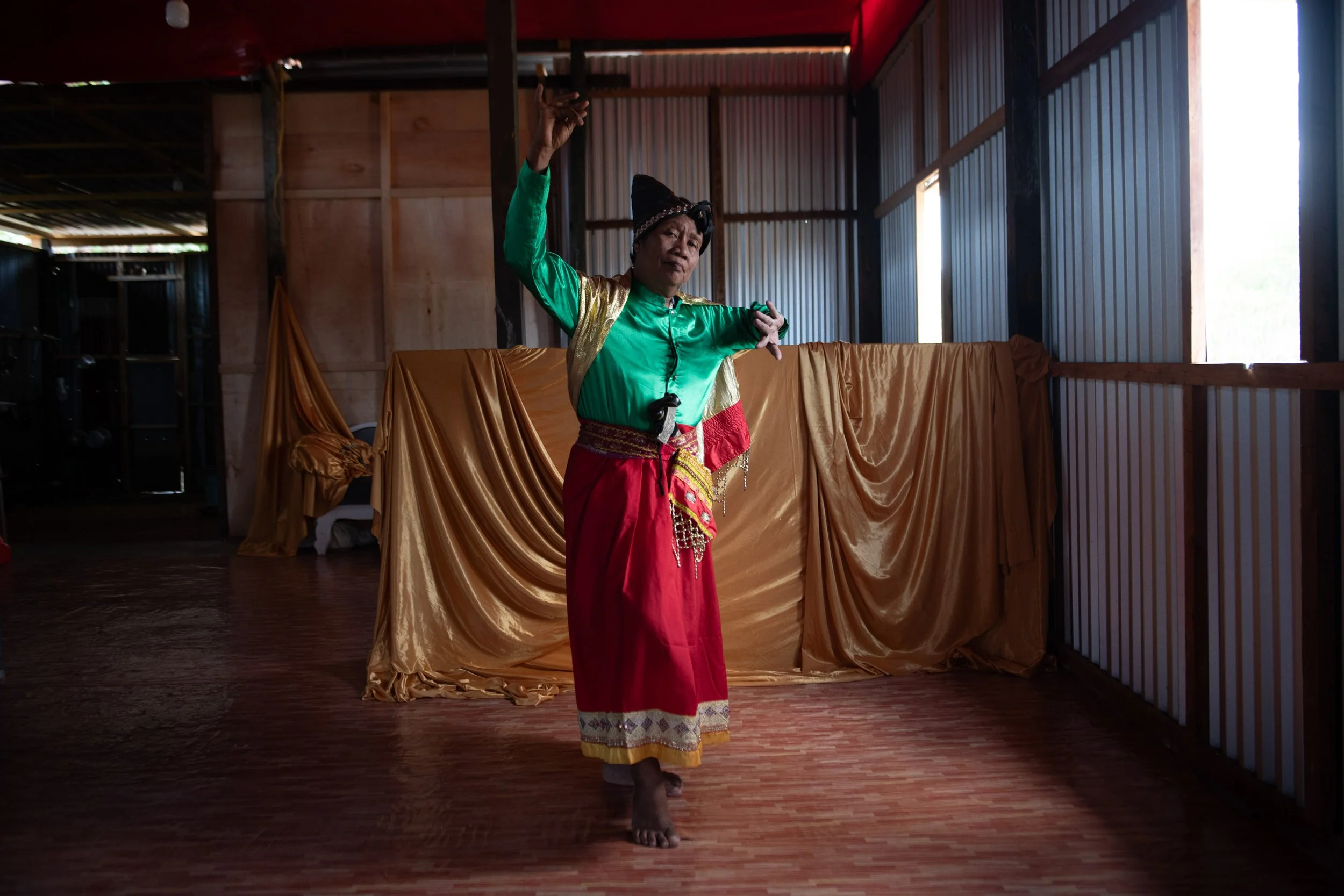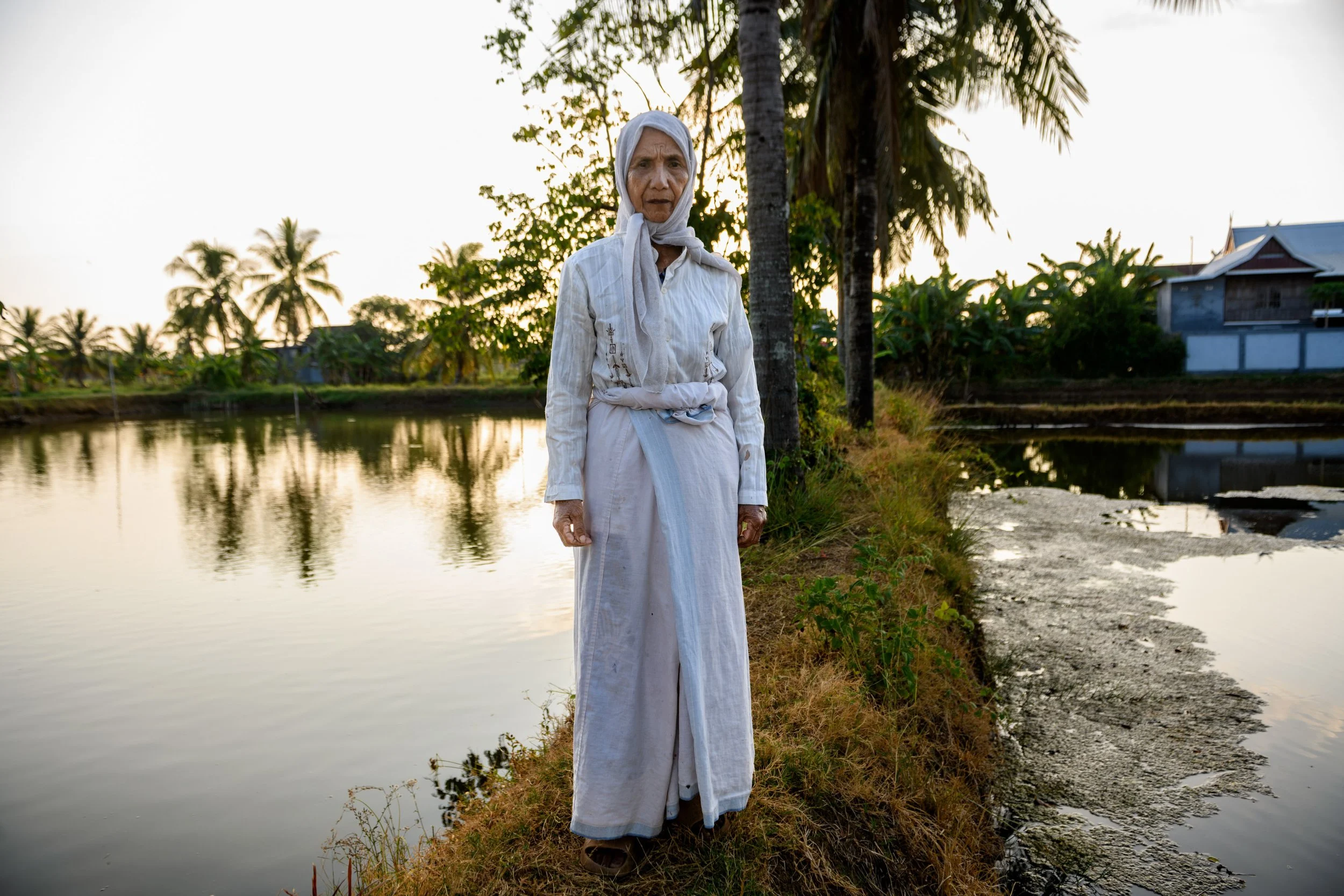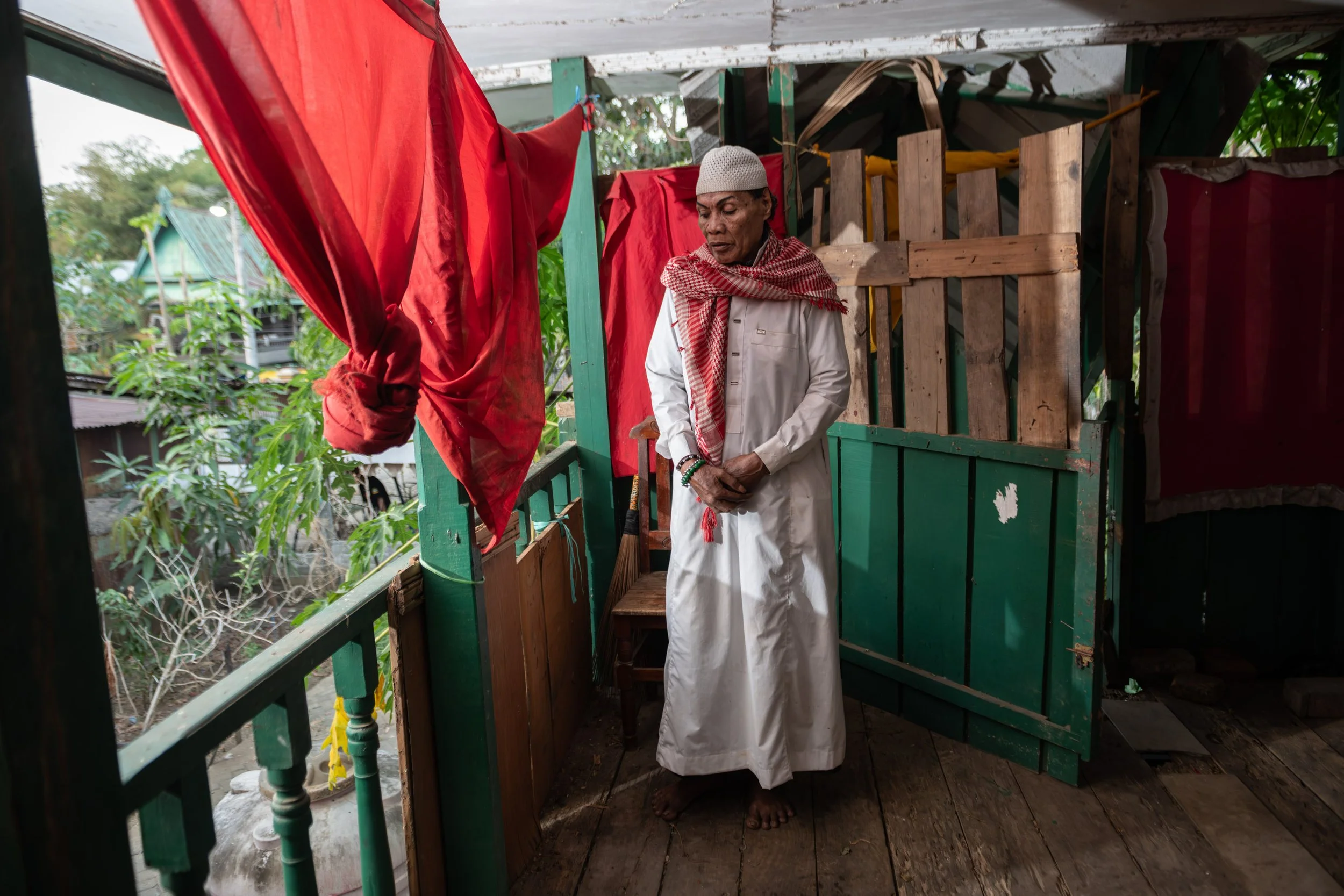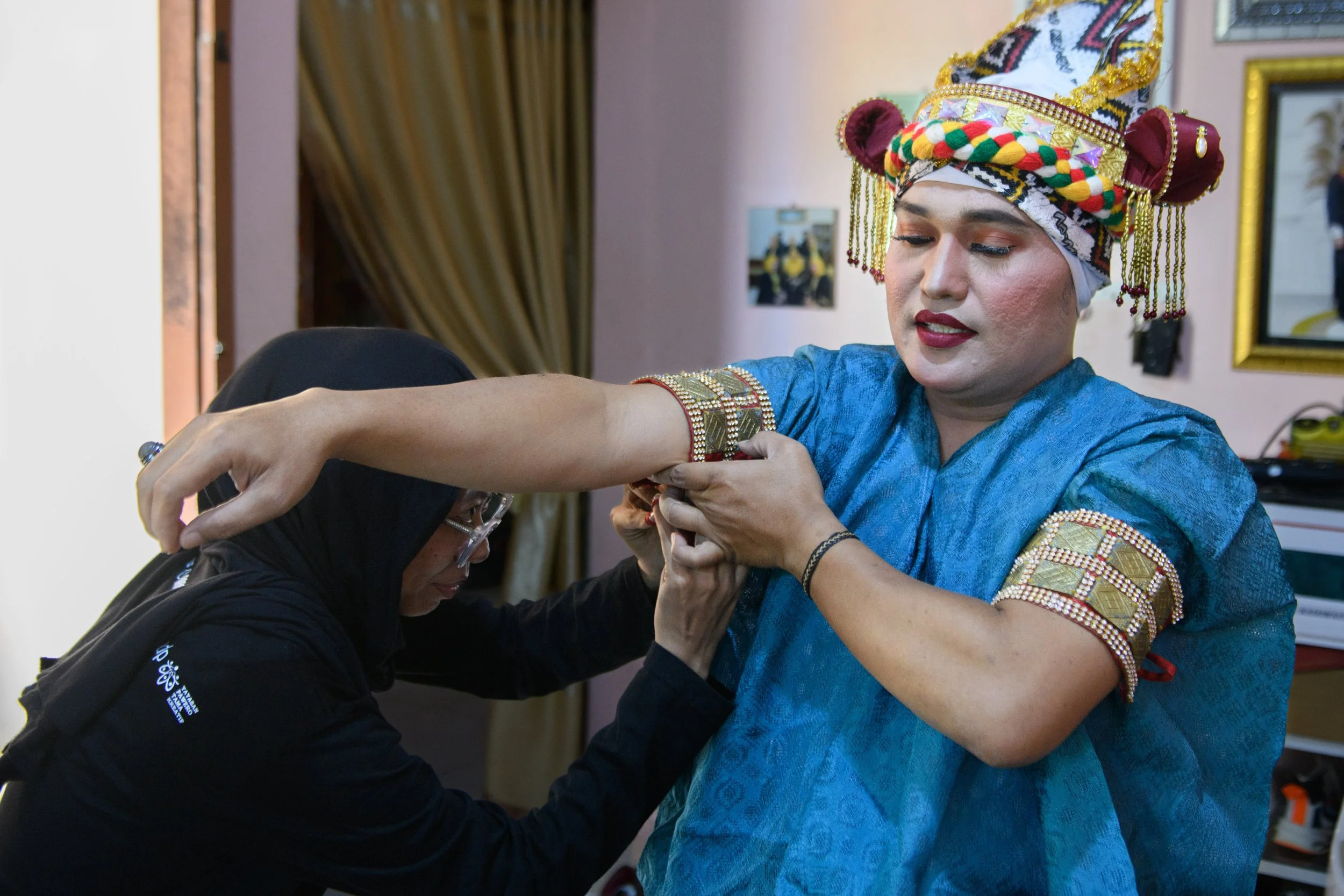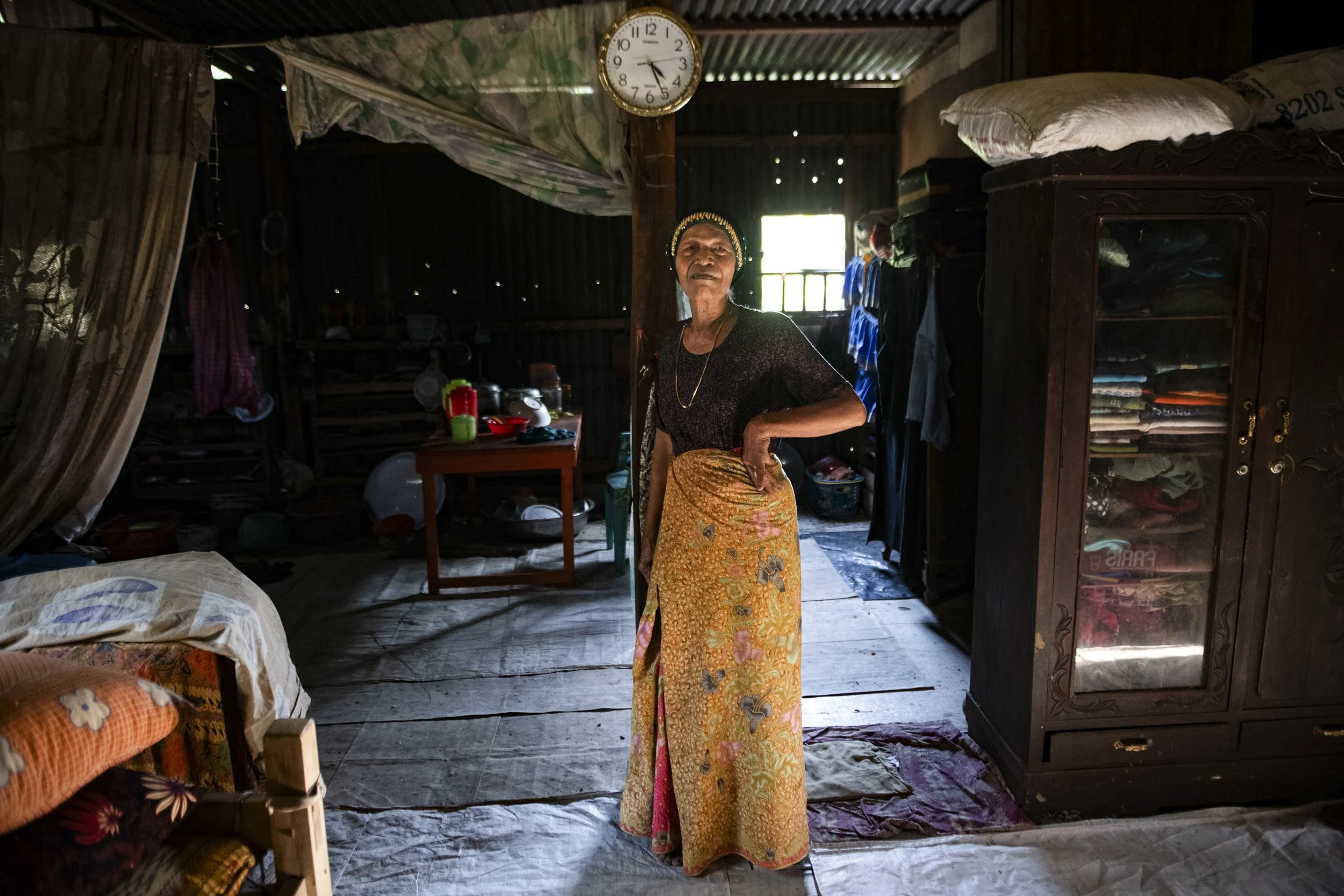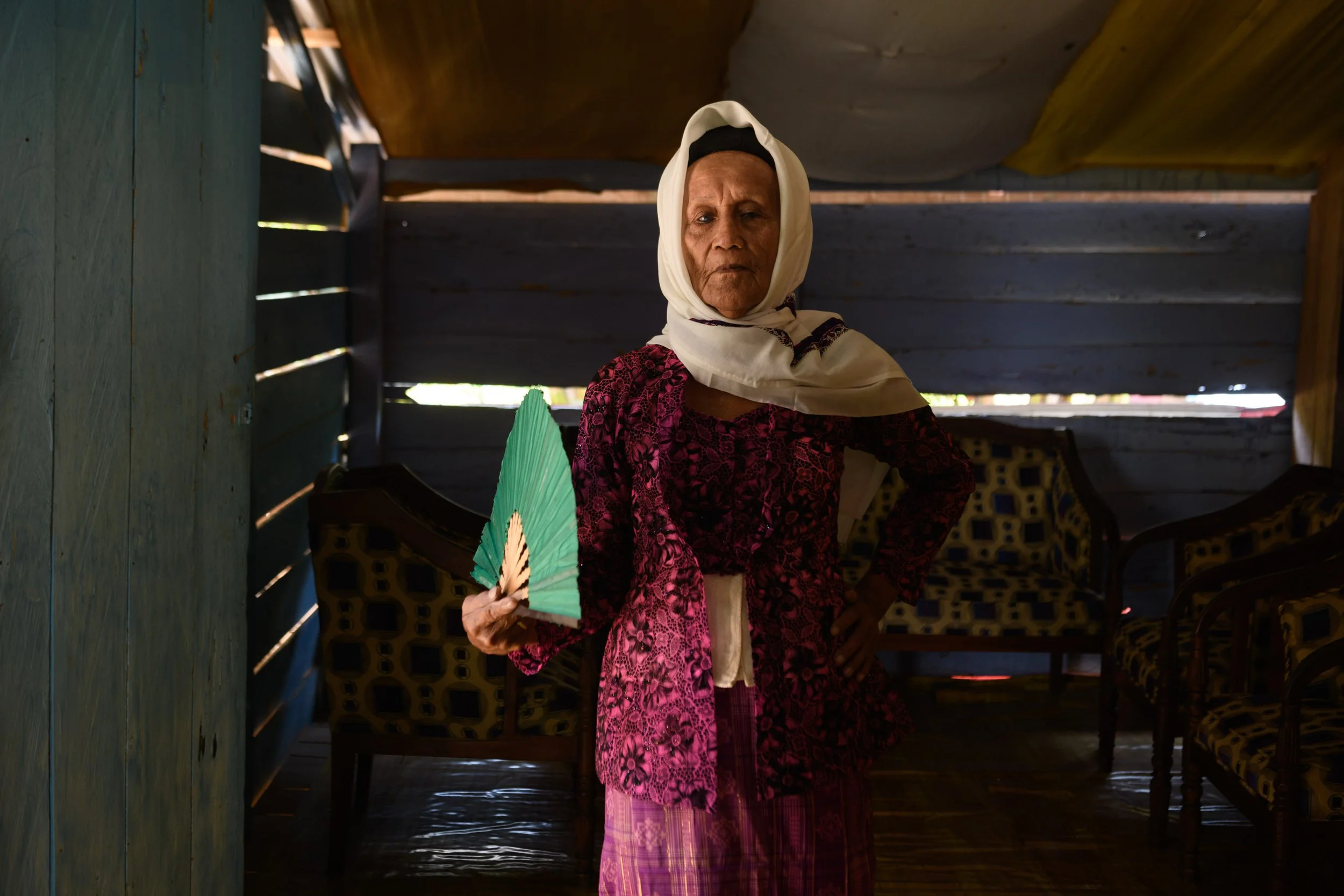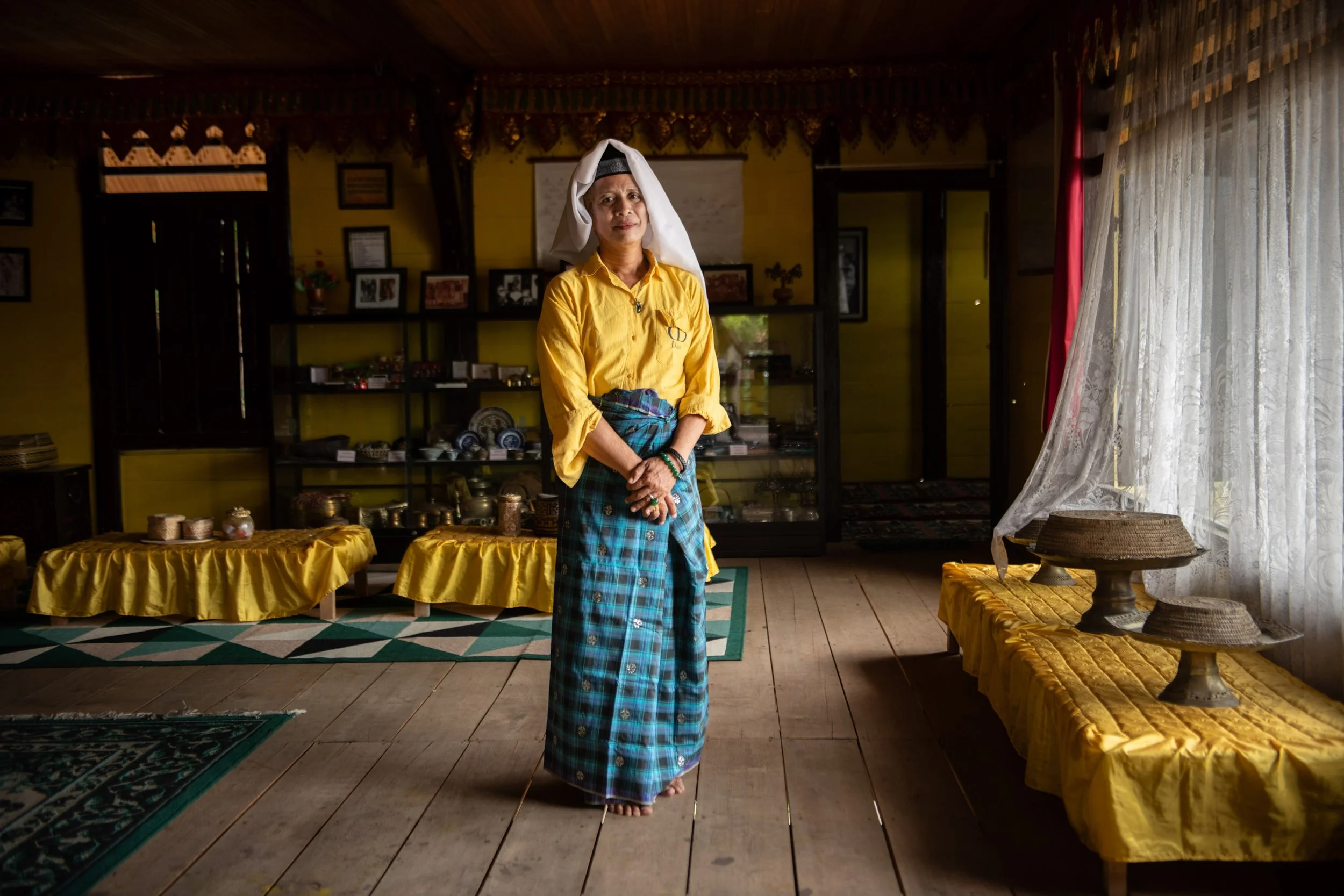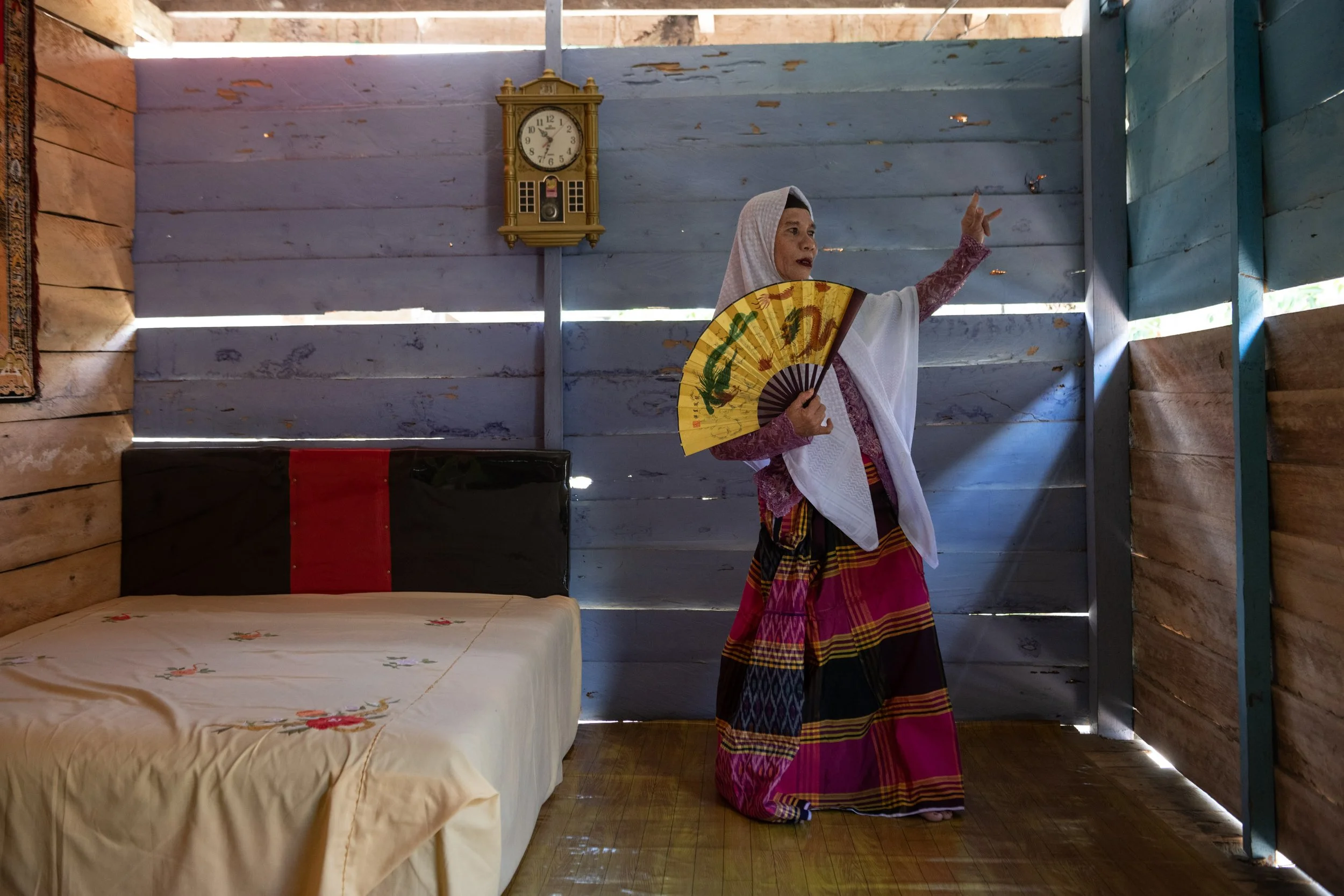
Bissu - The Keepers of Sacred Traditions - South Sulawesi, Indonesia
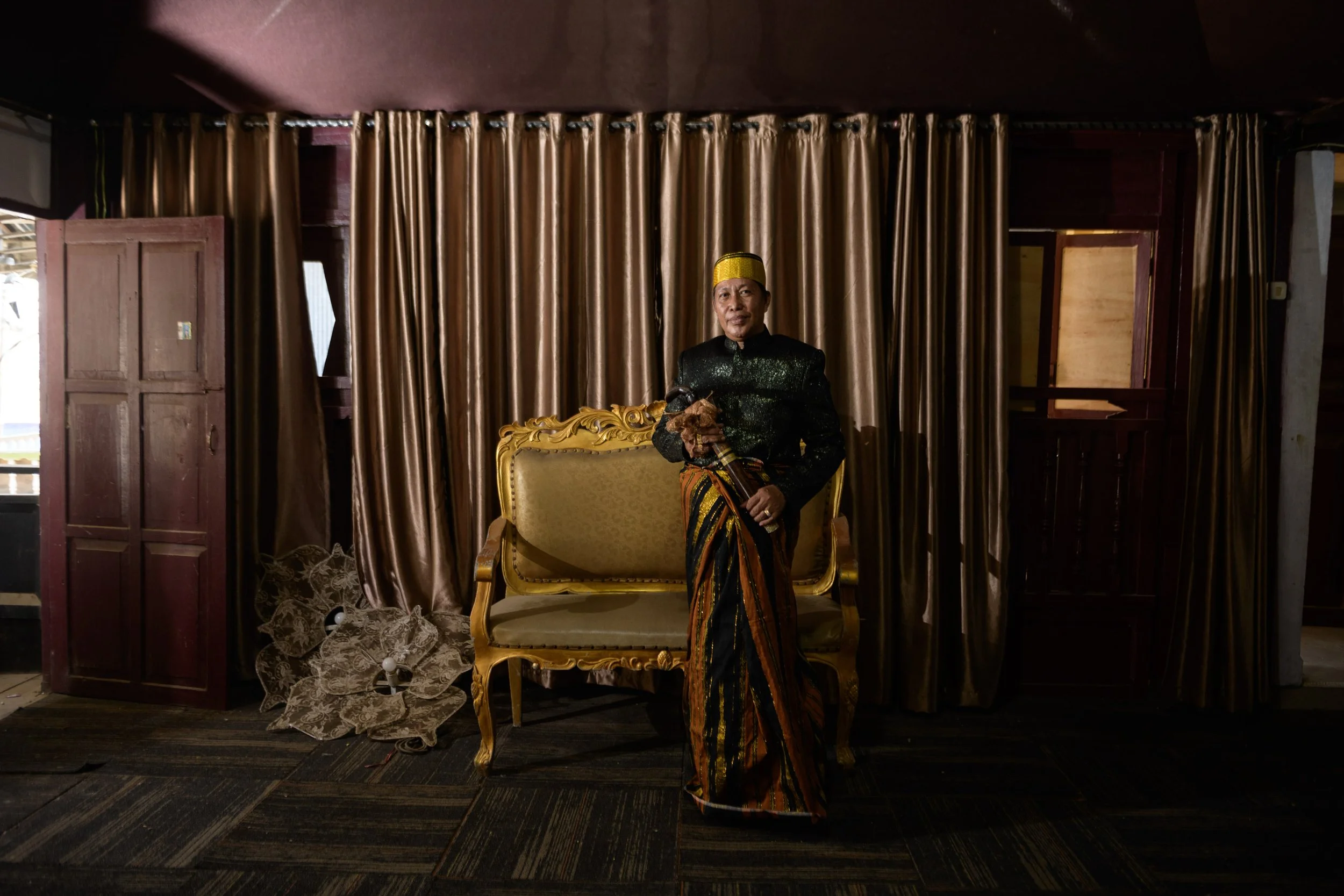
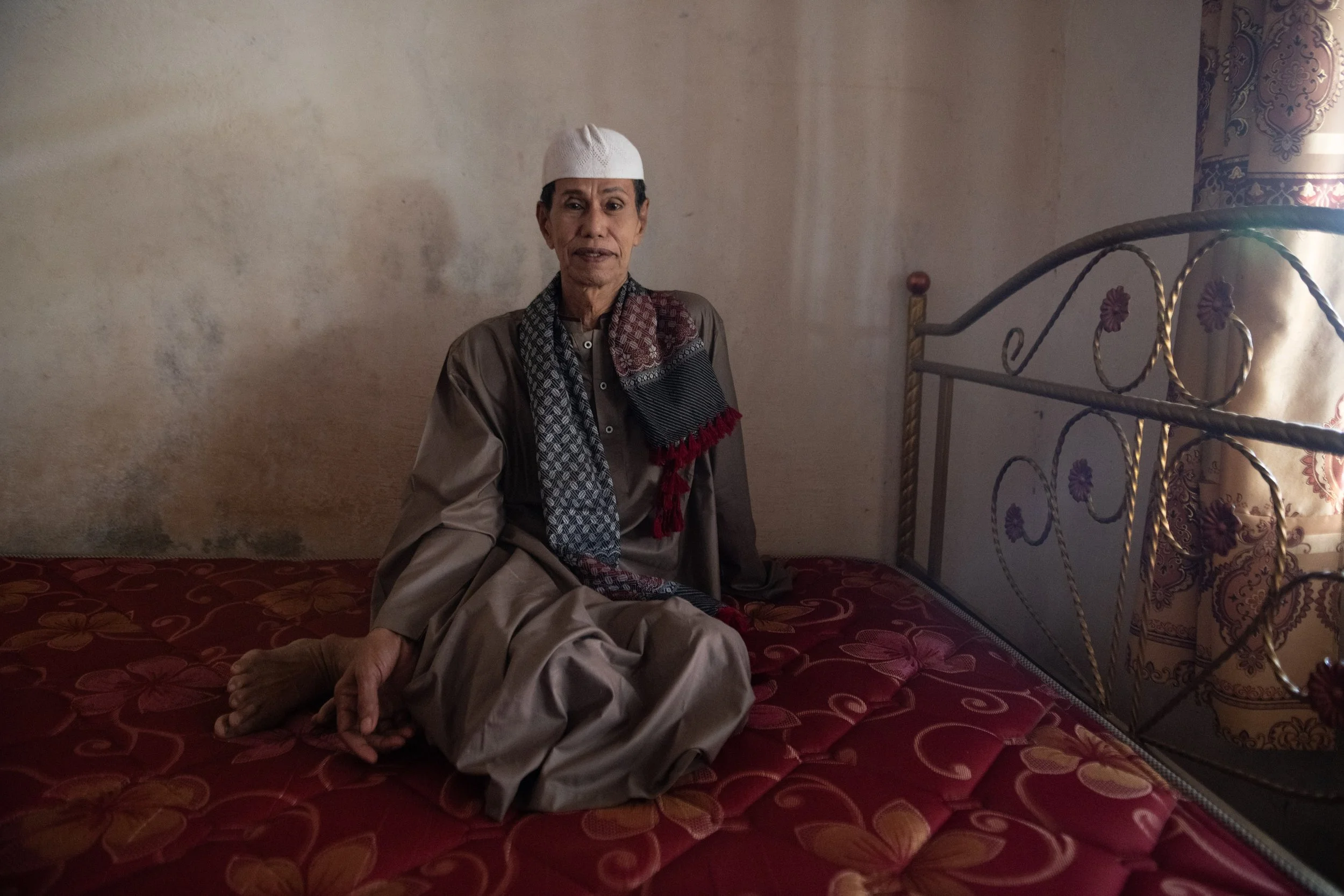
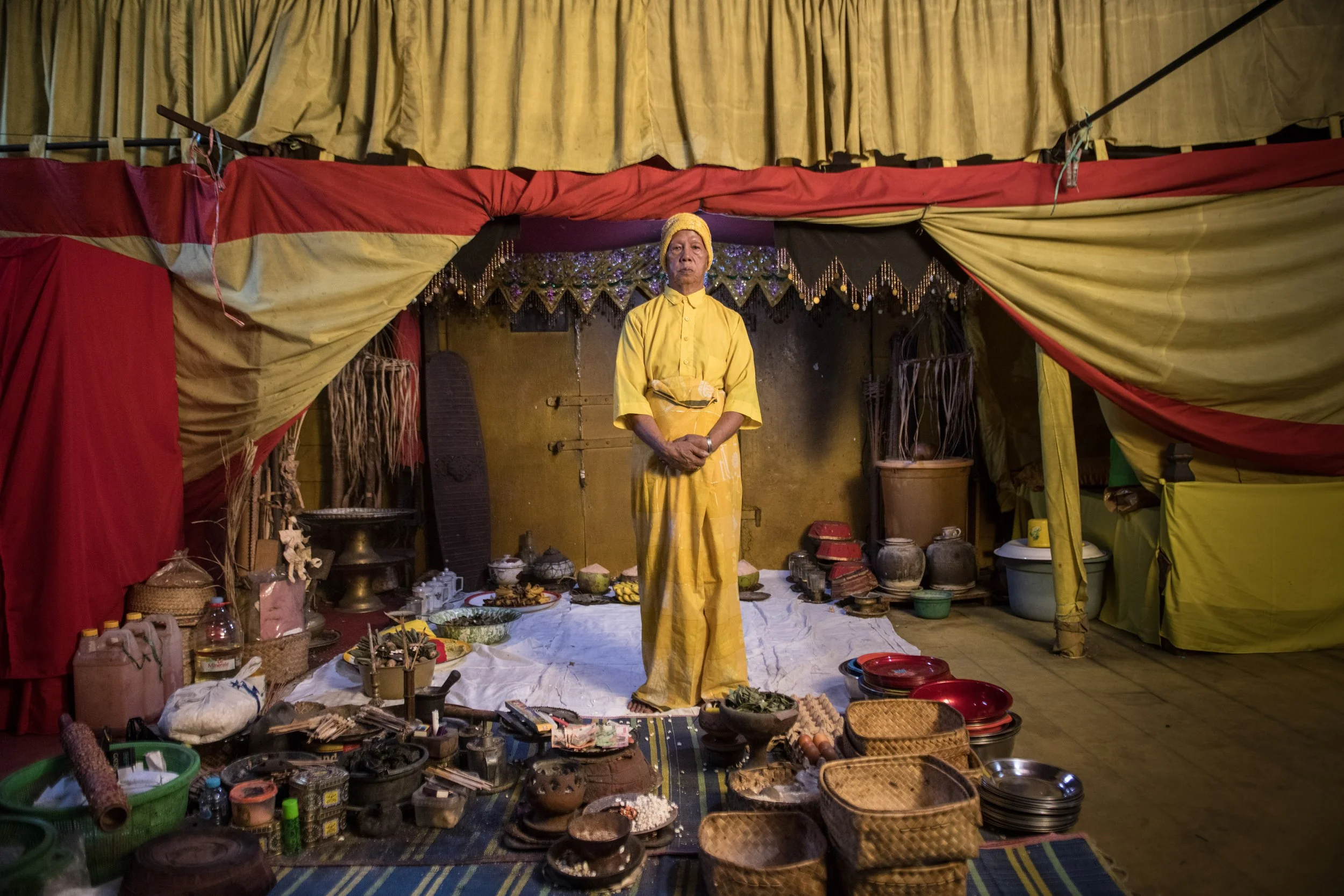
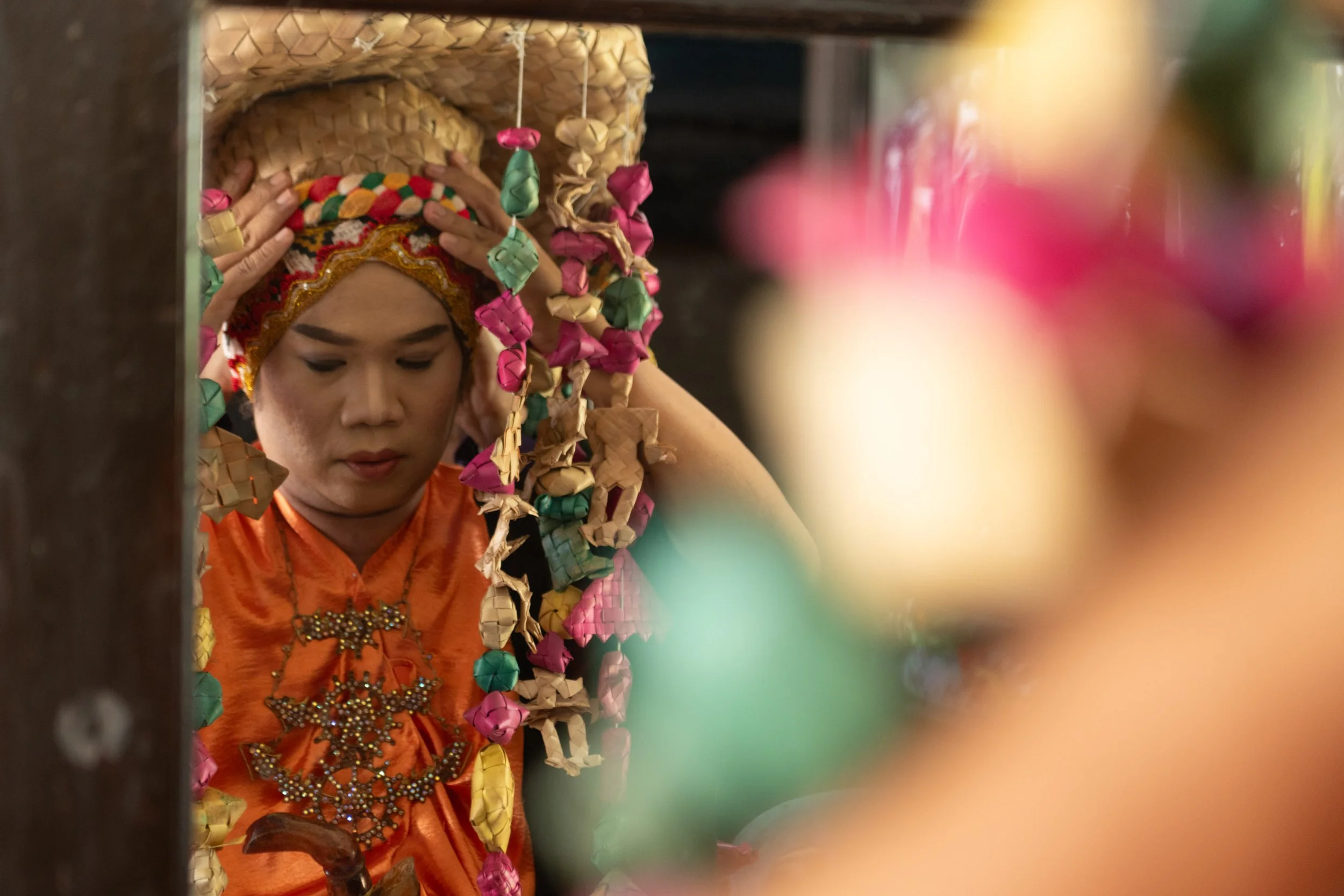
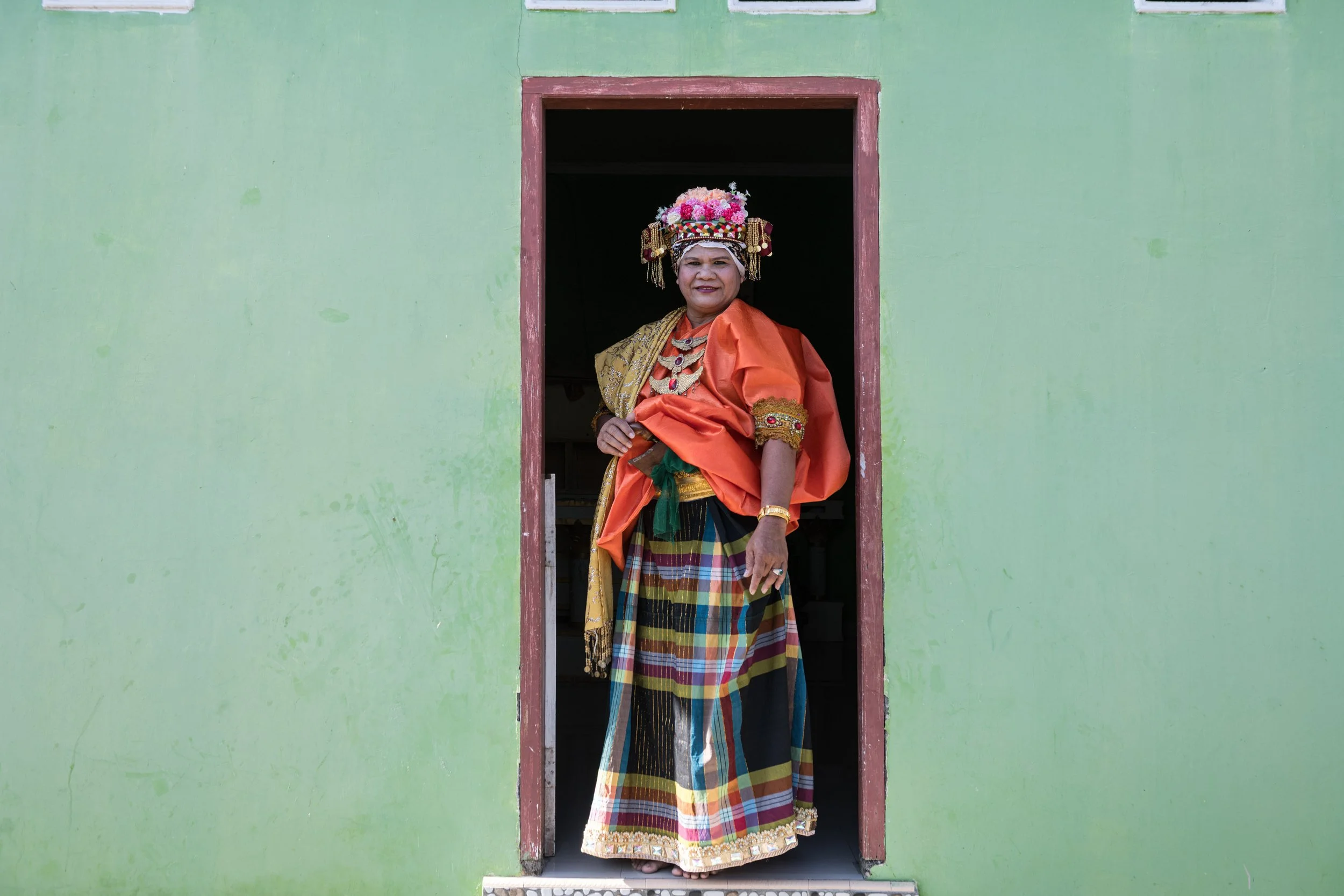
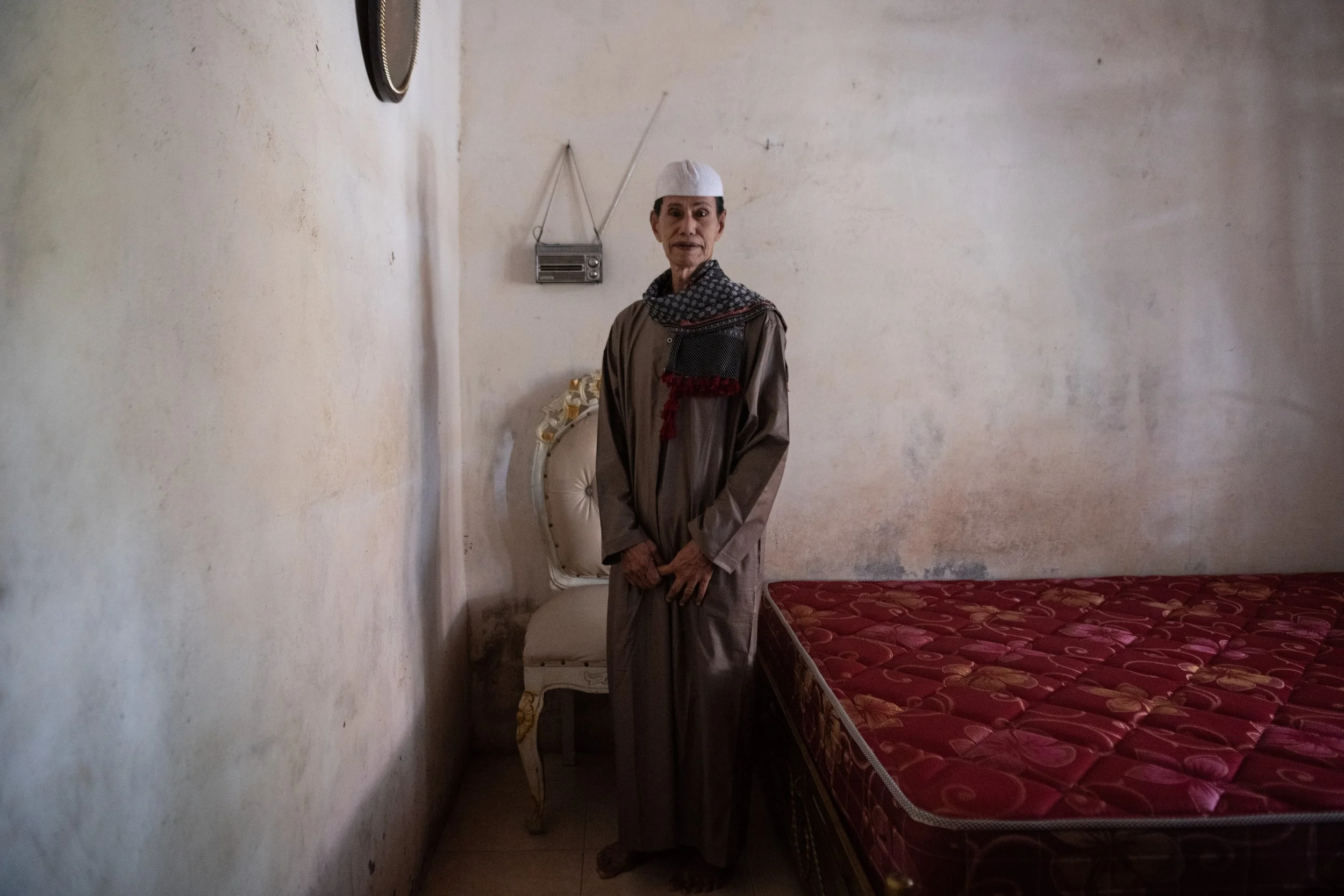
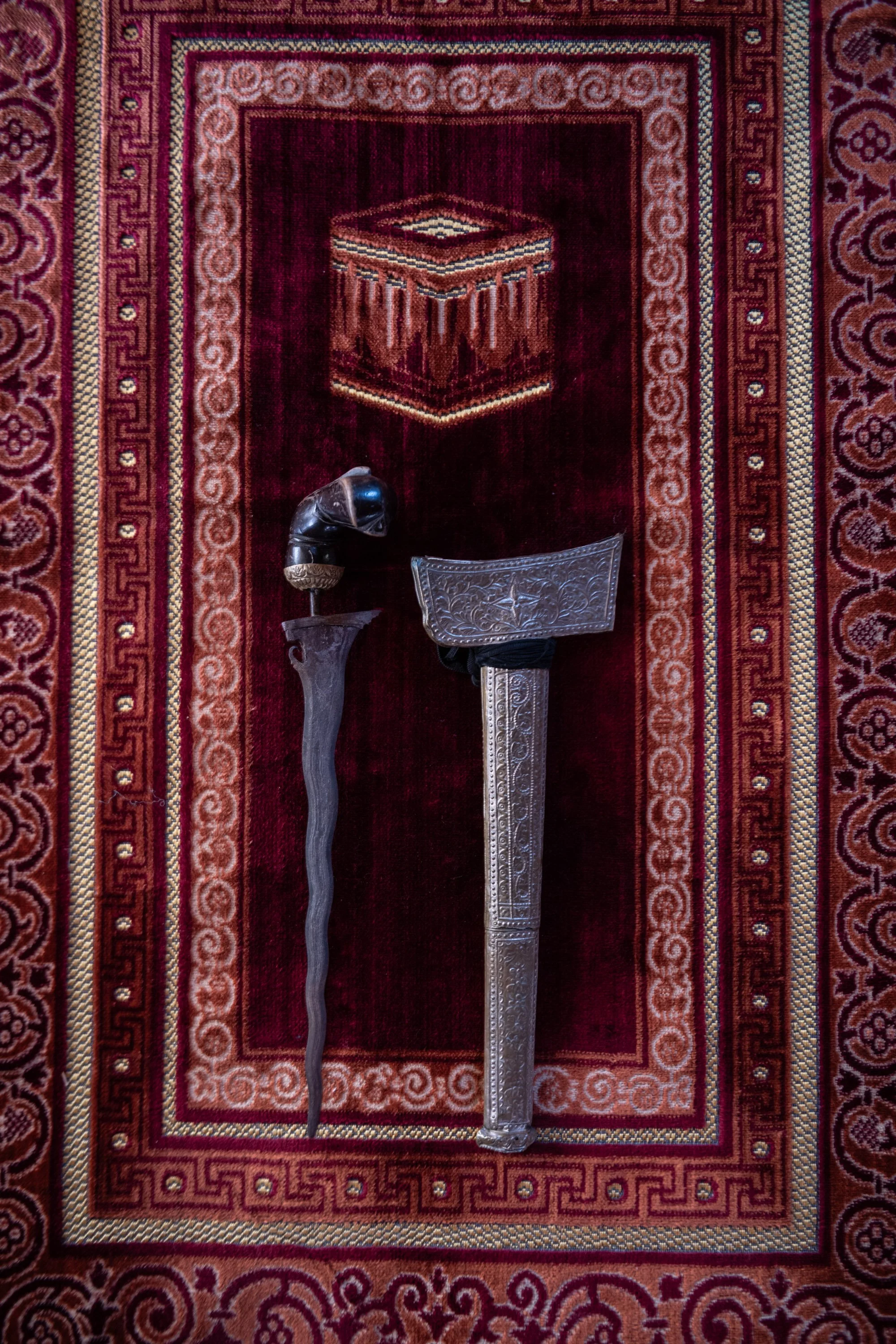
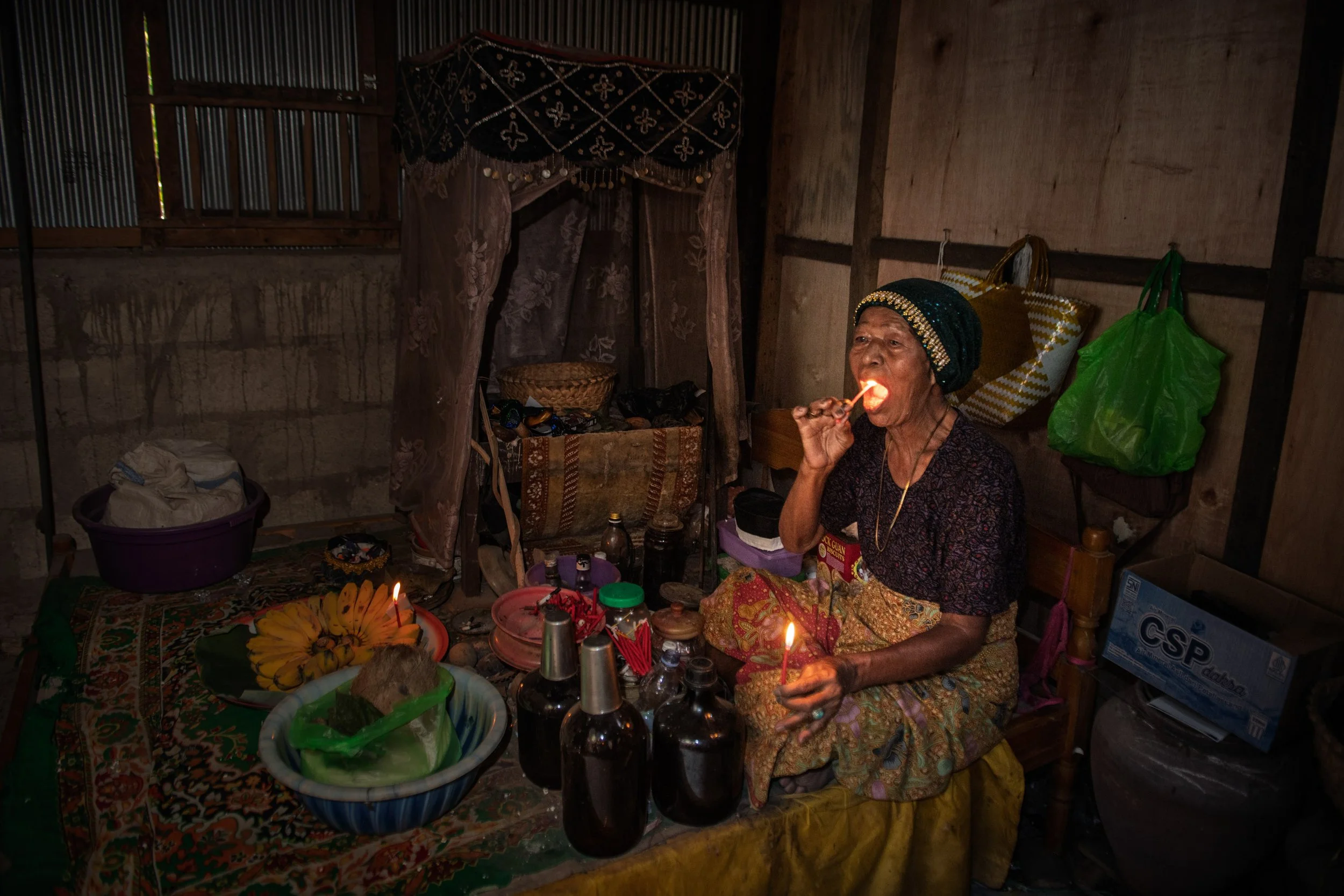
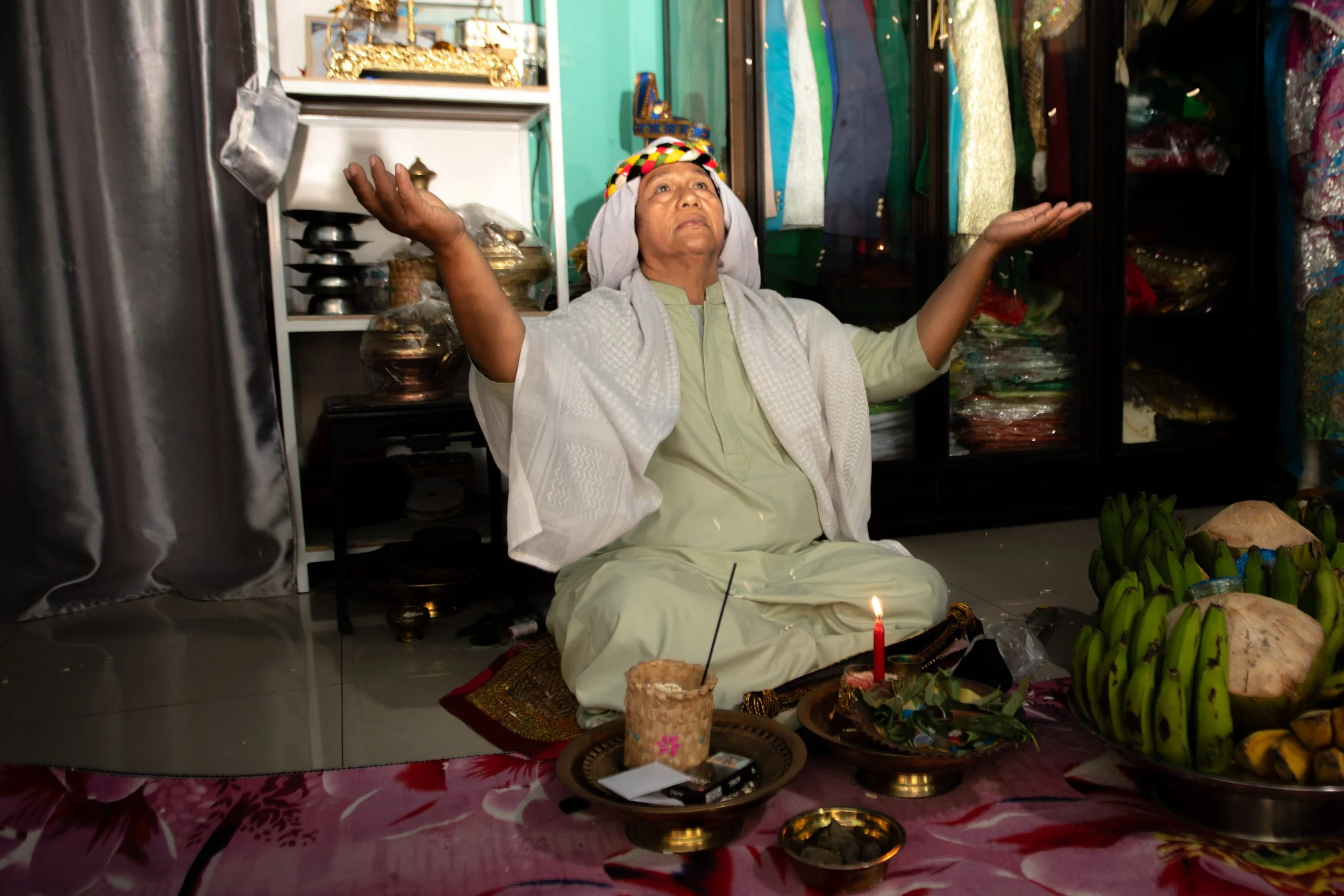
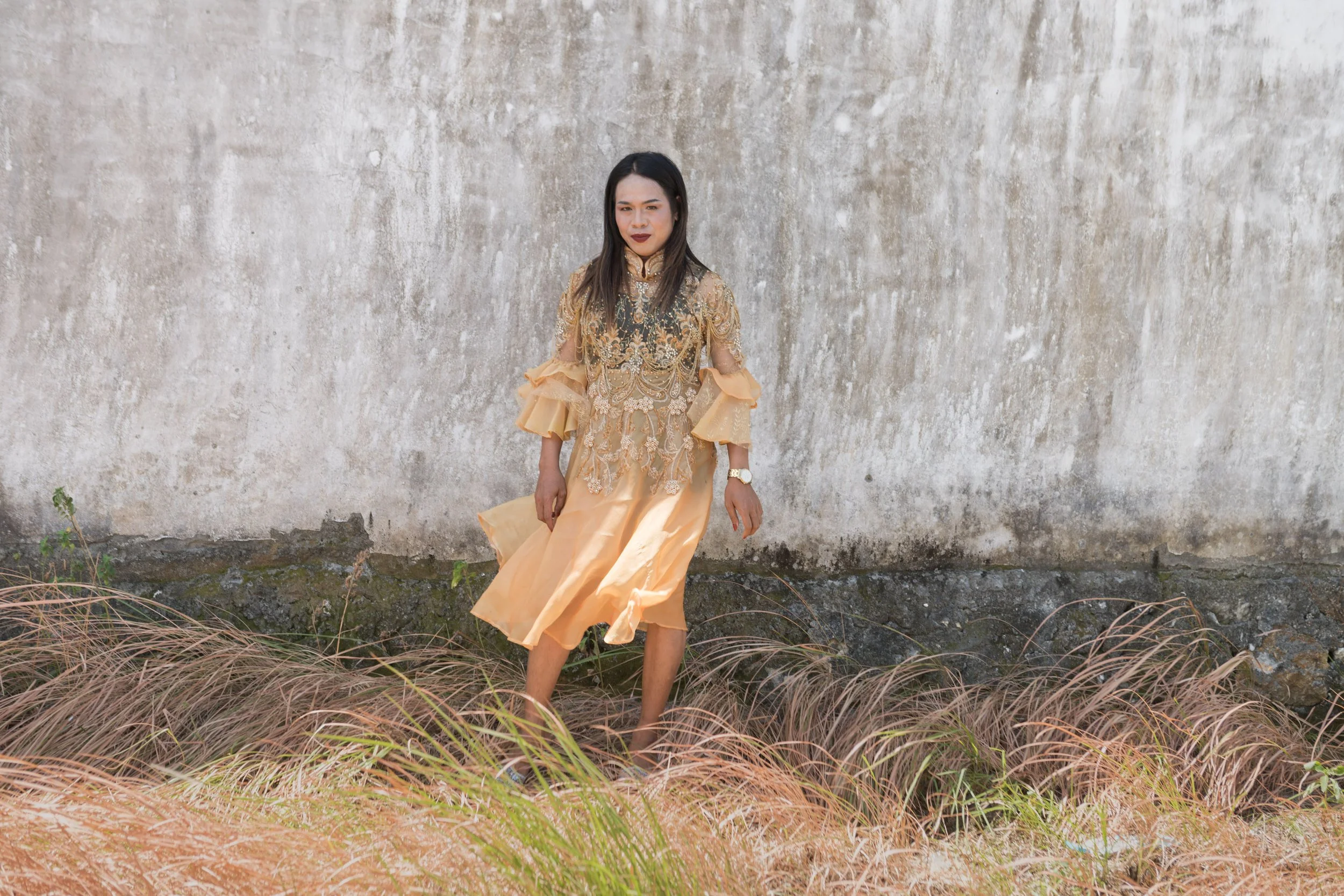
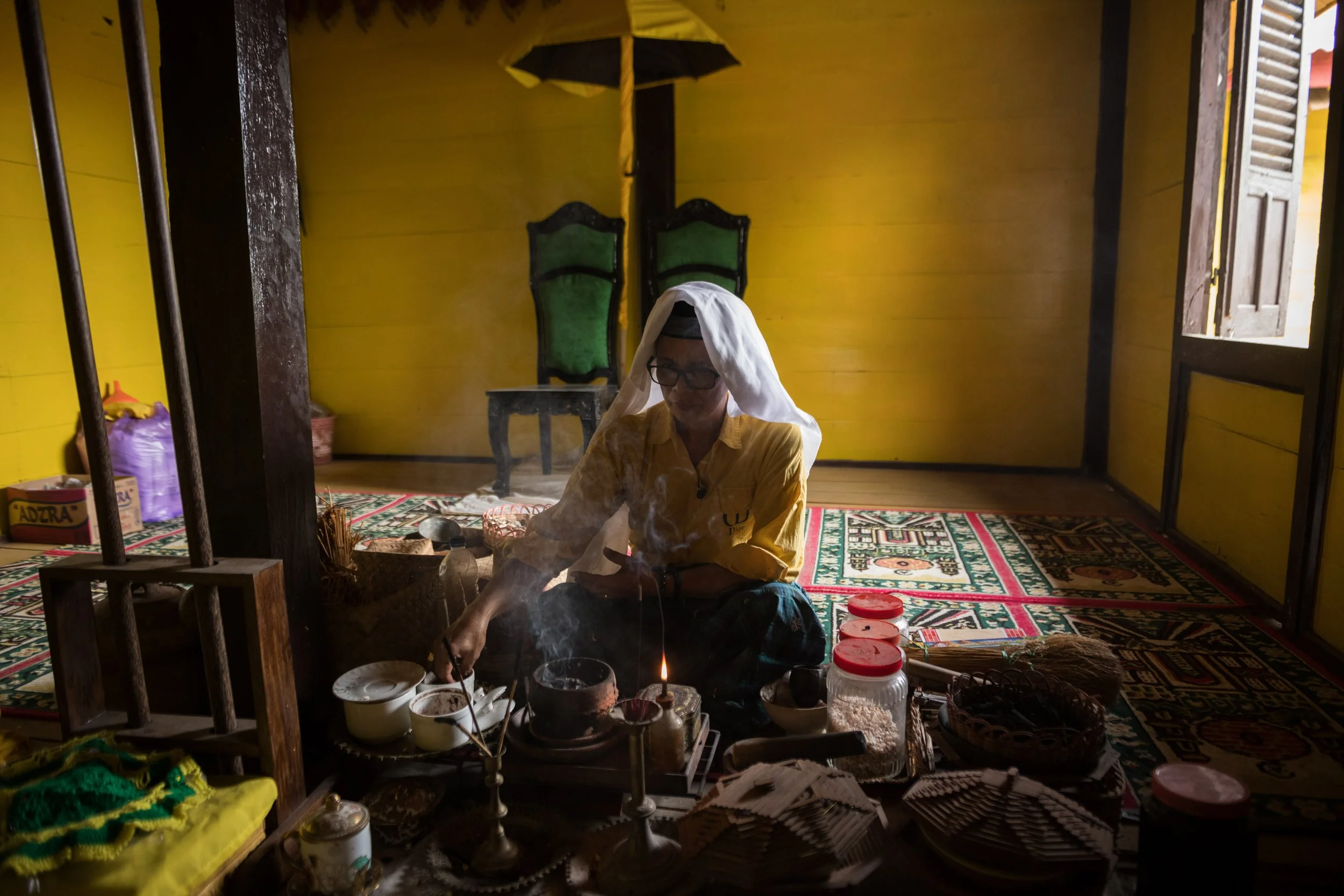
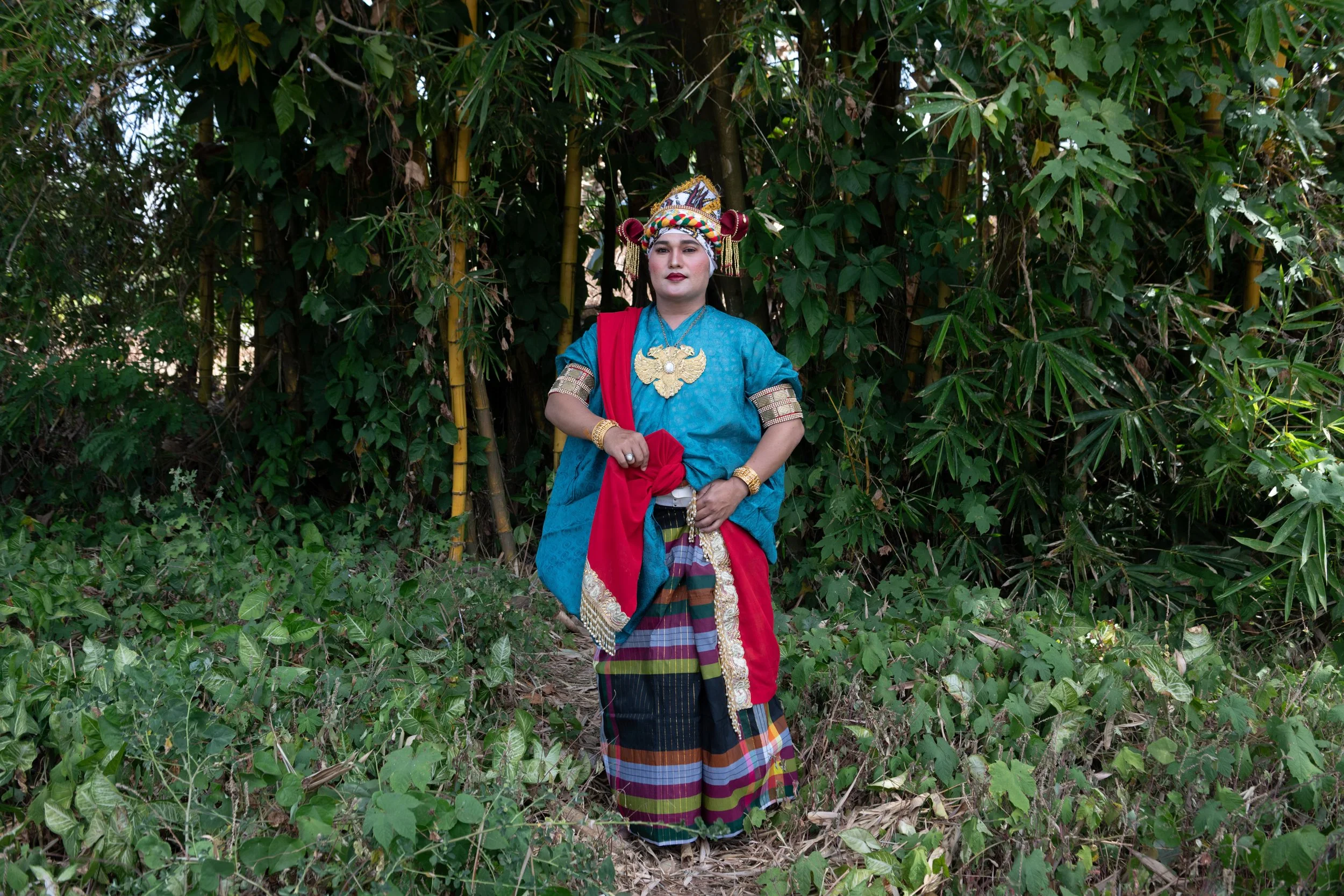
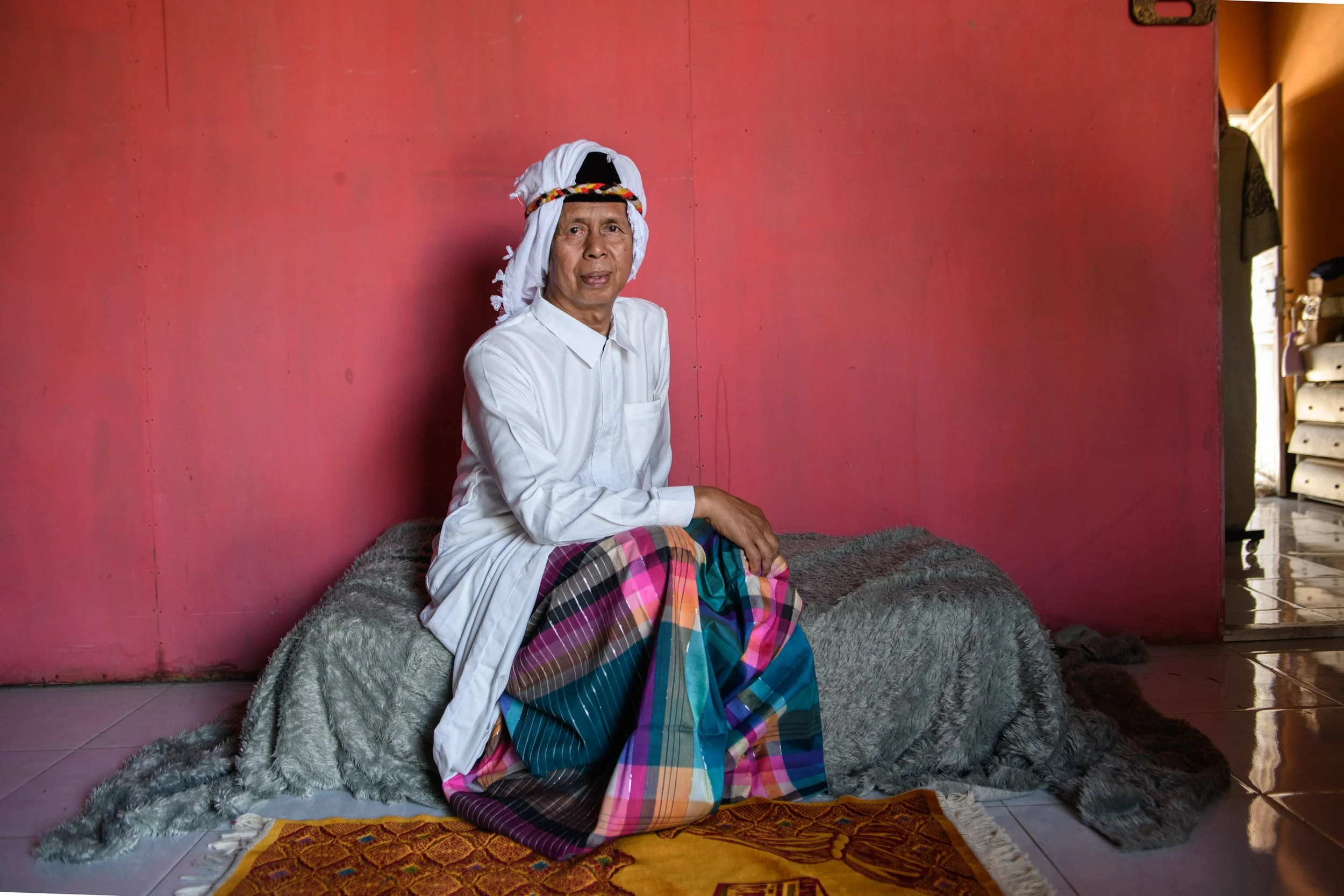
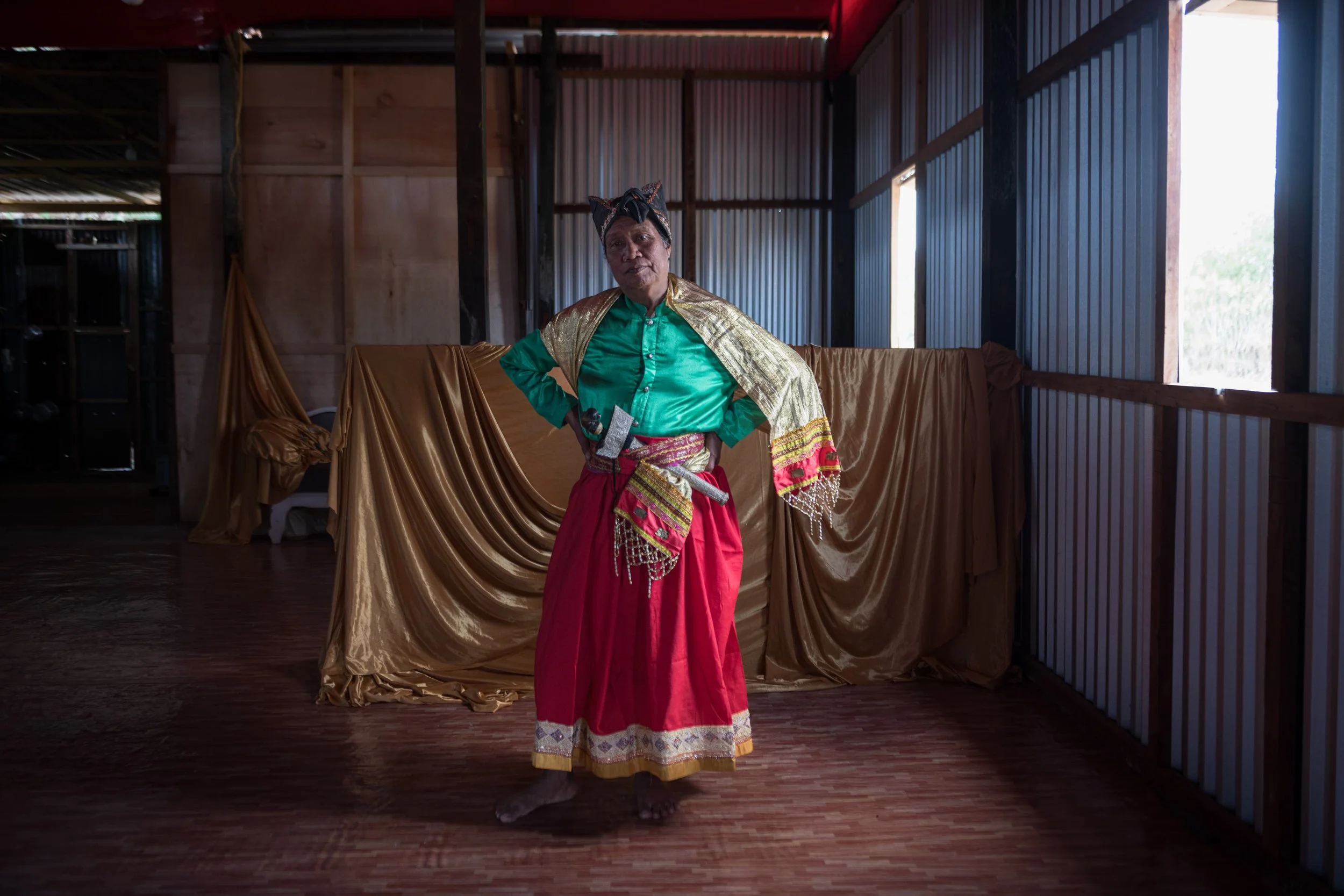
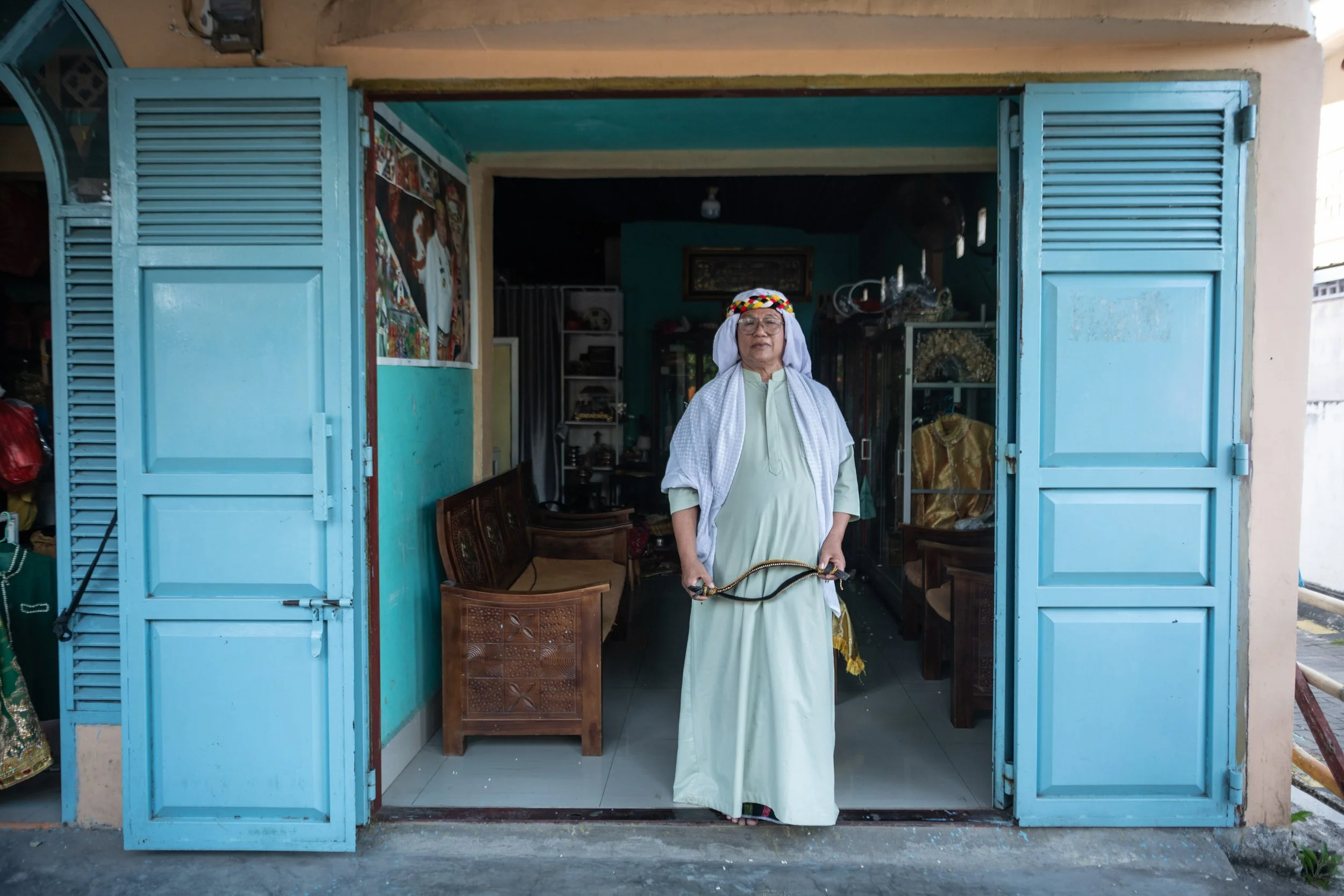
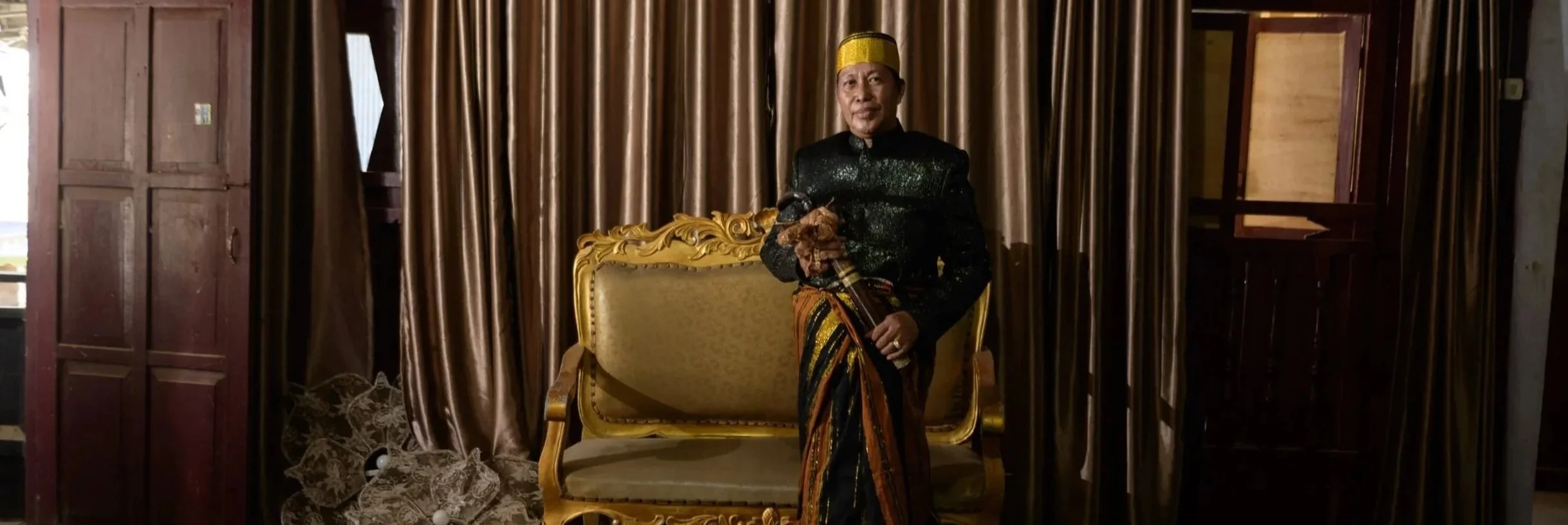
In the culture of the Bugis of South Sulawesi, Indonesia, the Bissu are ritual priests and officiants regarded as mediators between the human and divine worlds. Their tradition is rooted in an ancient cosmology closely connected to I La Galigo, one of the major epic cycles of Bugis culture, which recounts the divine origins of the kingdoms and the relationships between human beings, ancestors and celestial powers. Within this cultural system, five categories are traditionally recognised — oroané, makkunrai, calalai, calabai and bissu — in which social roles, spiritual beliefs and ritual responsibilities intersect in ways that do not necessarily correspond to Western understandings of gender. In the past, the Bissu occupied a central position in the ritual, political and social life of the ancient Bugis courts. They served rulers and presided over ceremonies associated with the prosperity of the kingdom, royal marriages and births, and the fertility of the land, some of which are still performed today. They also safeguarded the arajang, sacred objects and regalia associated with dynastic authority, whose preservation and consecration helped legitimise political power. Their expertise also encompassed healing and ceremonial knowledge. Traditionally associated with the coexistence of masculine and feminine elements, the Bissu occupy a distinctive position within the Bugis spiritual world. Their significance lies not simply in their place within the gender categories, but above all in their ritual vocation, ceremonial knowledge and the sacred responsibilities entrusted to them. With the spread of Islam in South Sulawesi from the seventeenth century onwards, and the subsequent transformation of the ancient kingdoms, the role of the Bissu underwent profound changes. The disappearance of the courts, which had provided them with support and recognition for centuries, together with increasing pressure on traditional practices, threatened the continuity of their spiritual role. A particularly dramatic period occurred in the 1950s and 1960s, during the rebellion of the Islamist movement DI/TII, led by Kahar Muzakkar in South Sulawesi. Campaigns aimed at imposing a stricter interpretation of Islam also targeted the Bissu, who faced persecution, threats and violence and were sometimes forced to abandon their practices. Sacred objects and ritual instruments were destroyed or confiscated, undermining the transmission of knowledge passed down through generations.