Vodun Portraits. Faces of faith, echoes of the sacred.
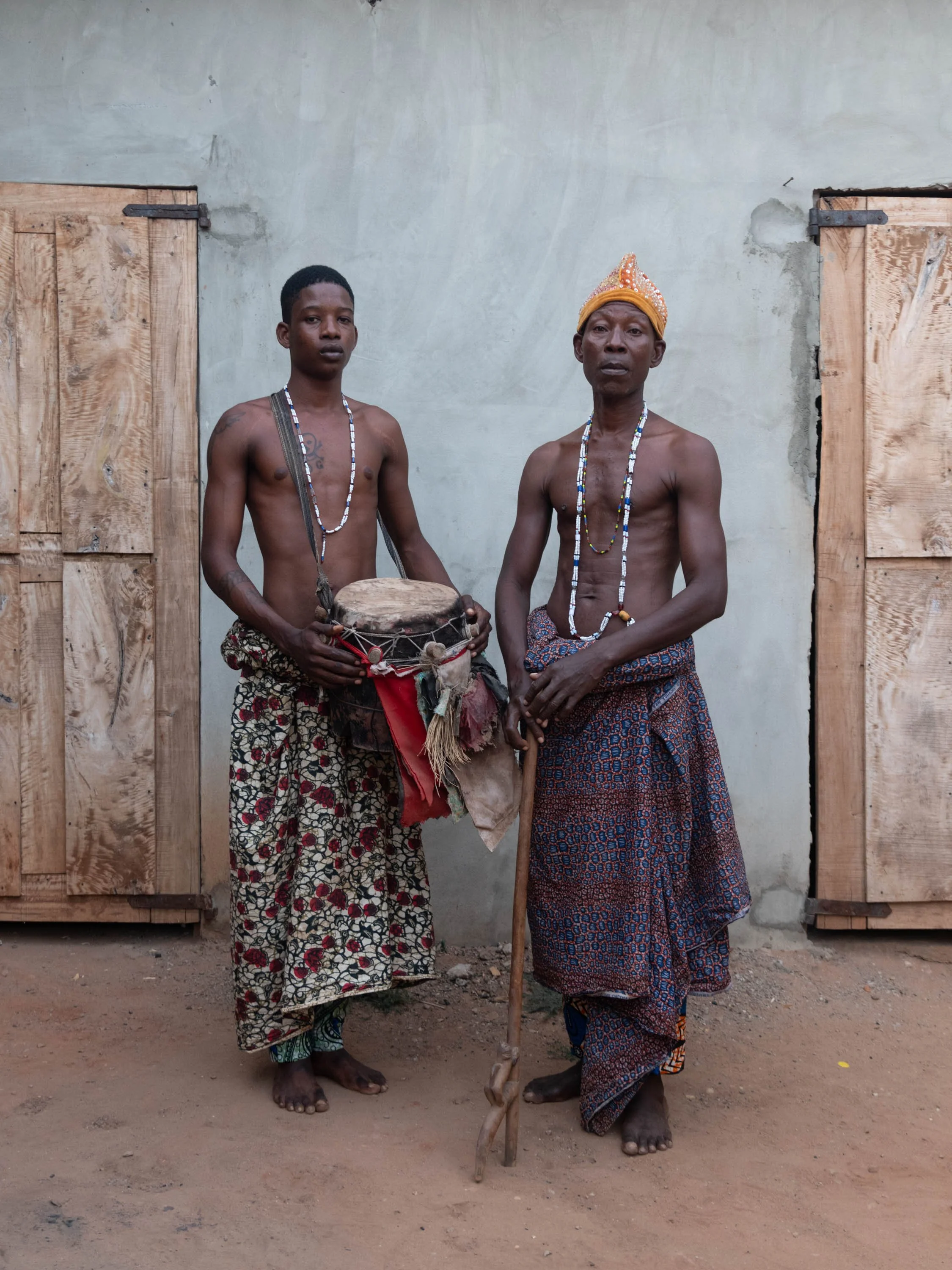
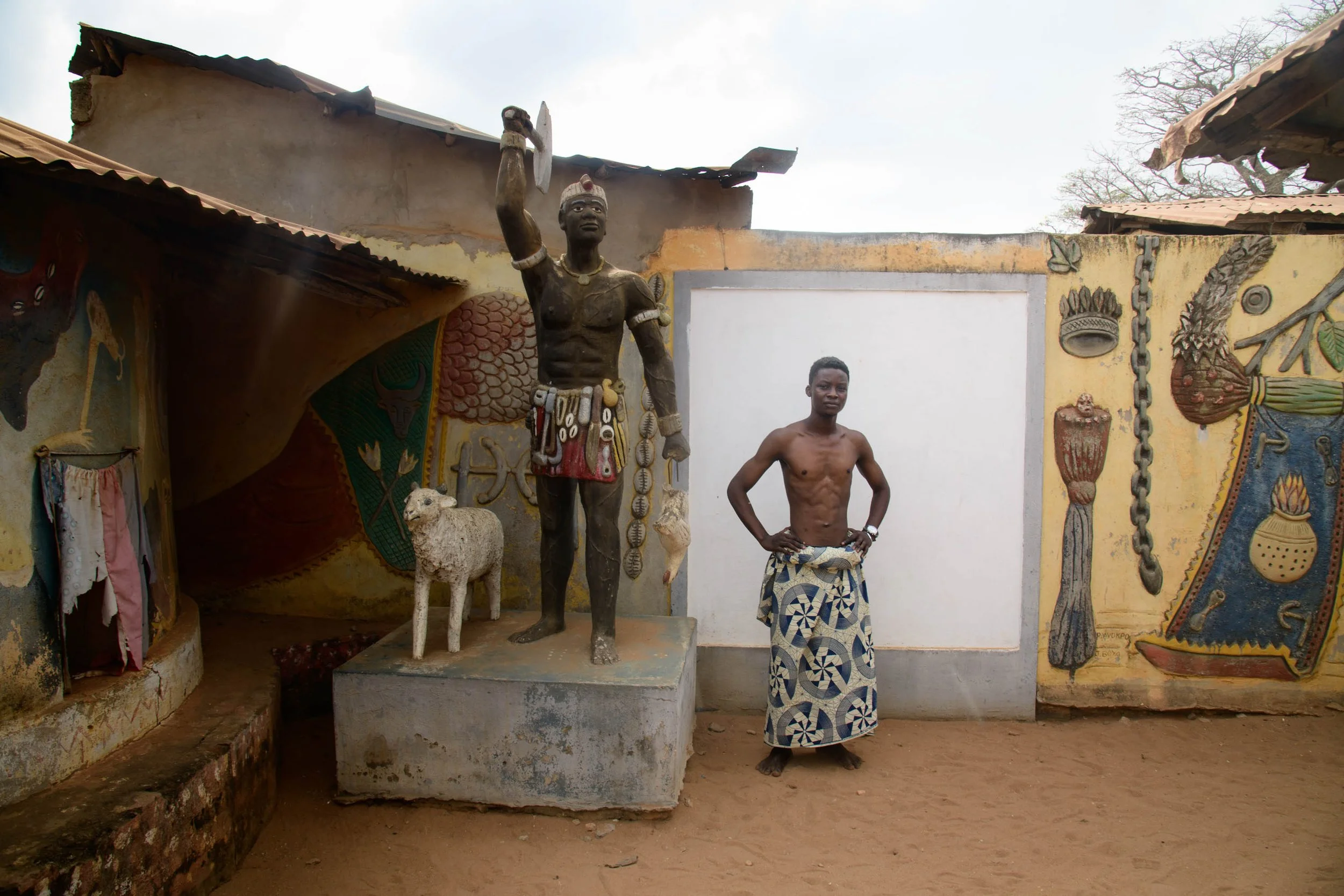
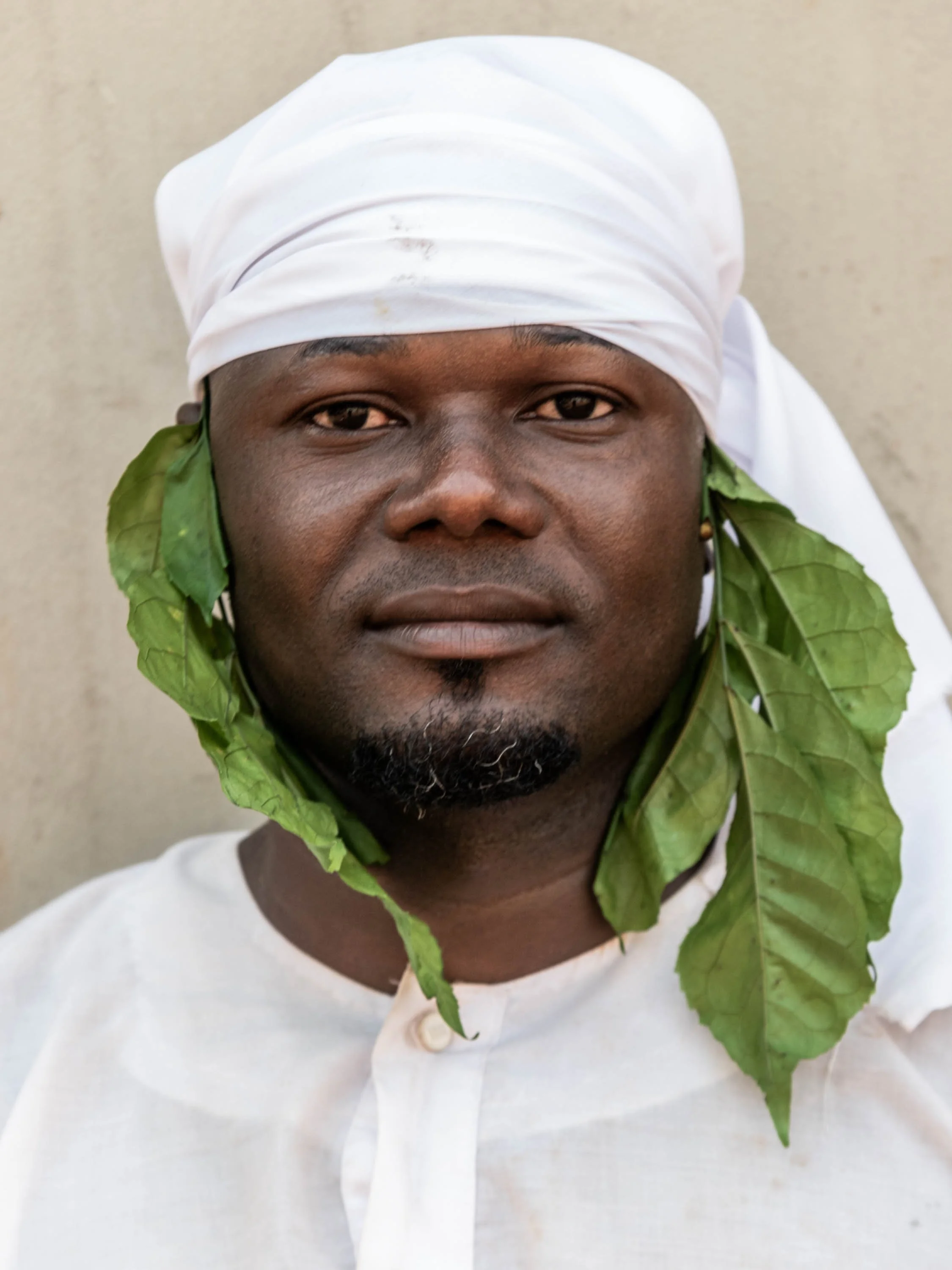
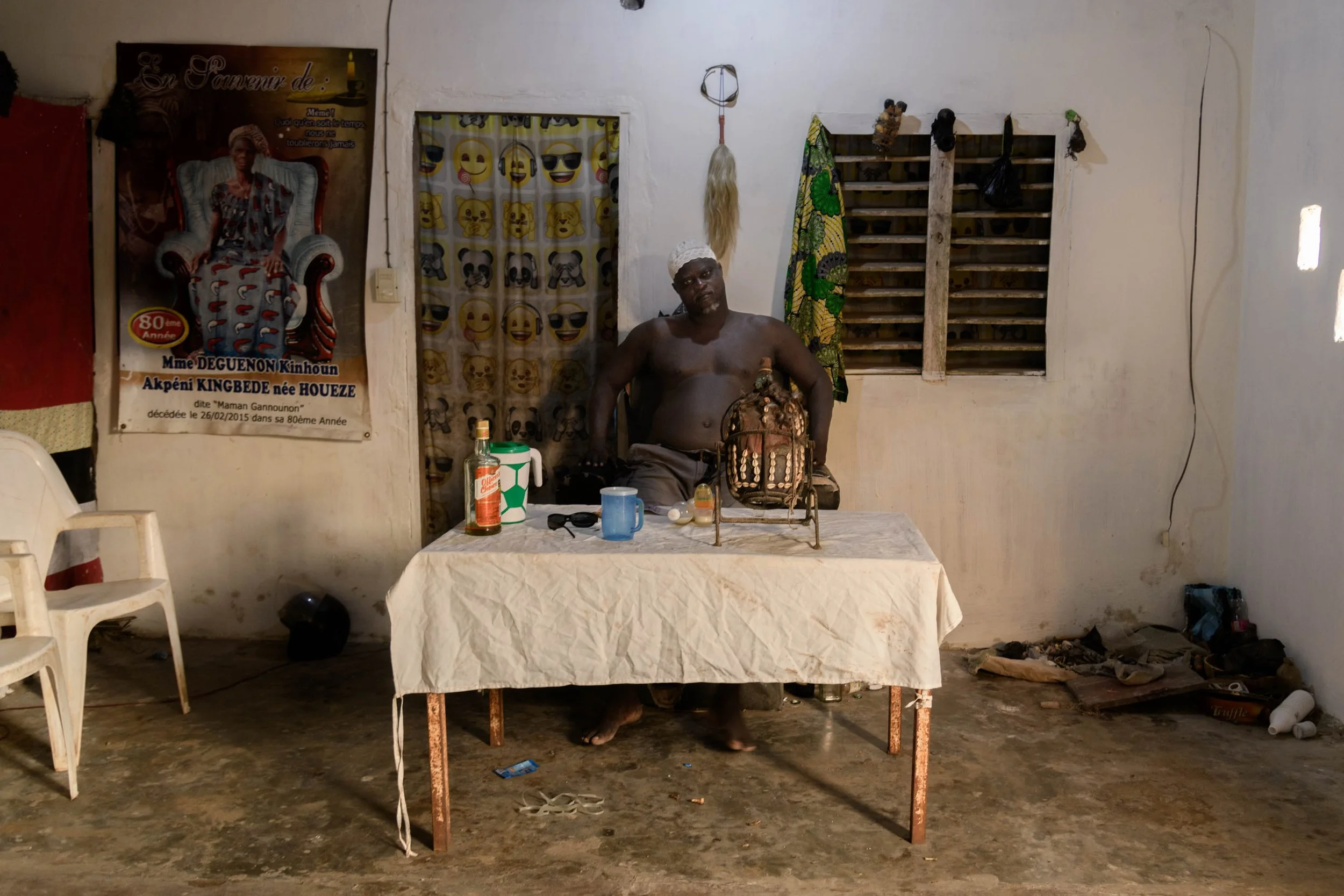
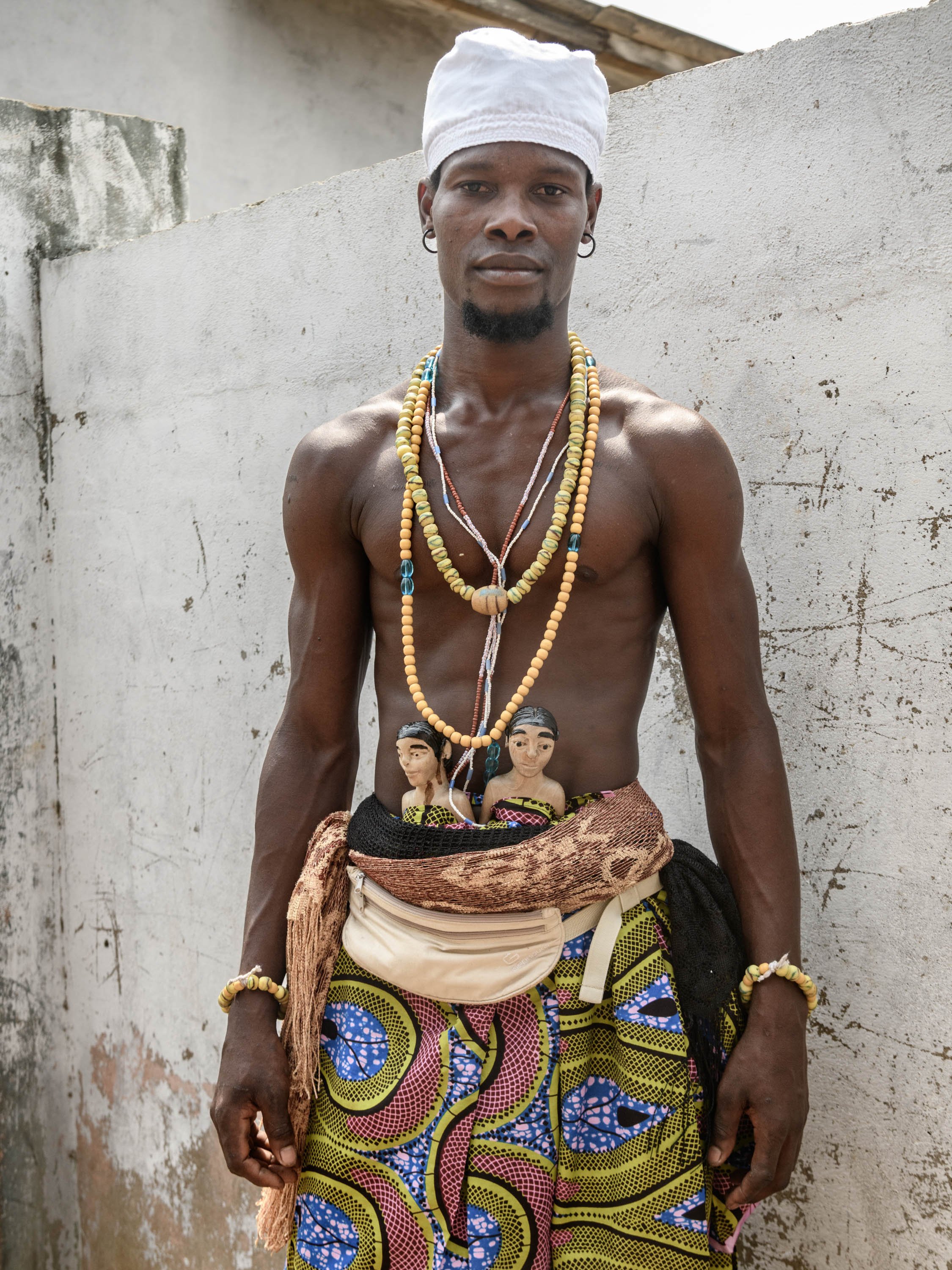
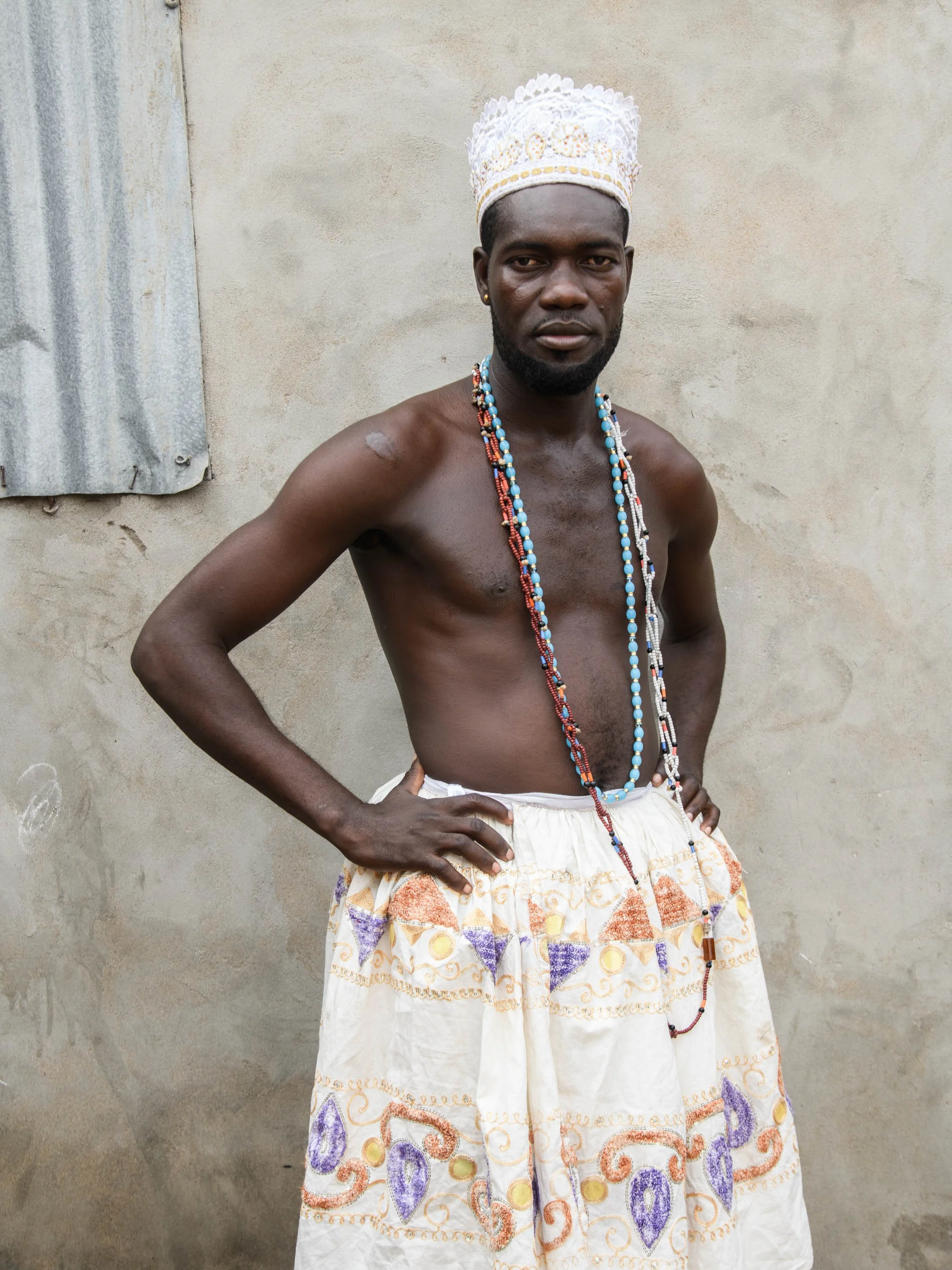
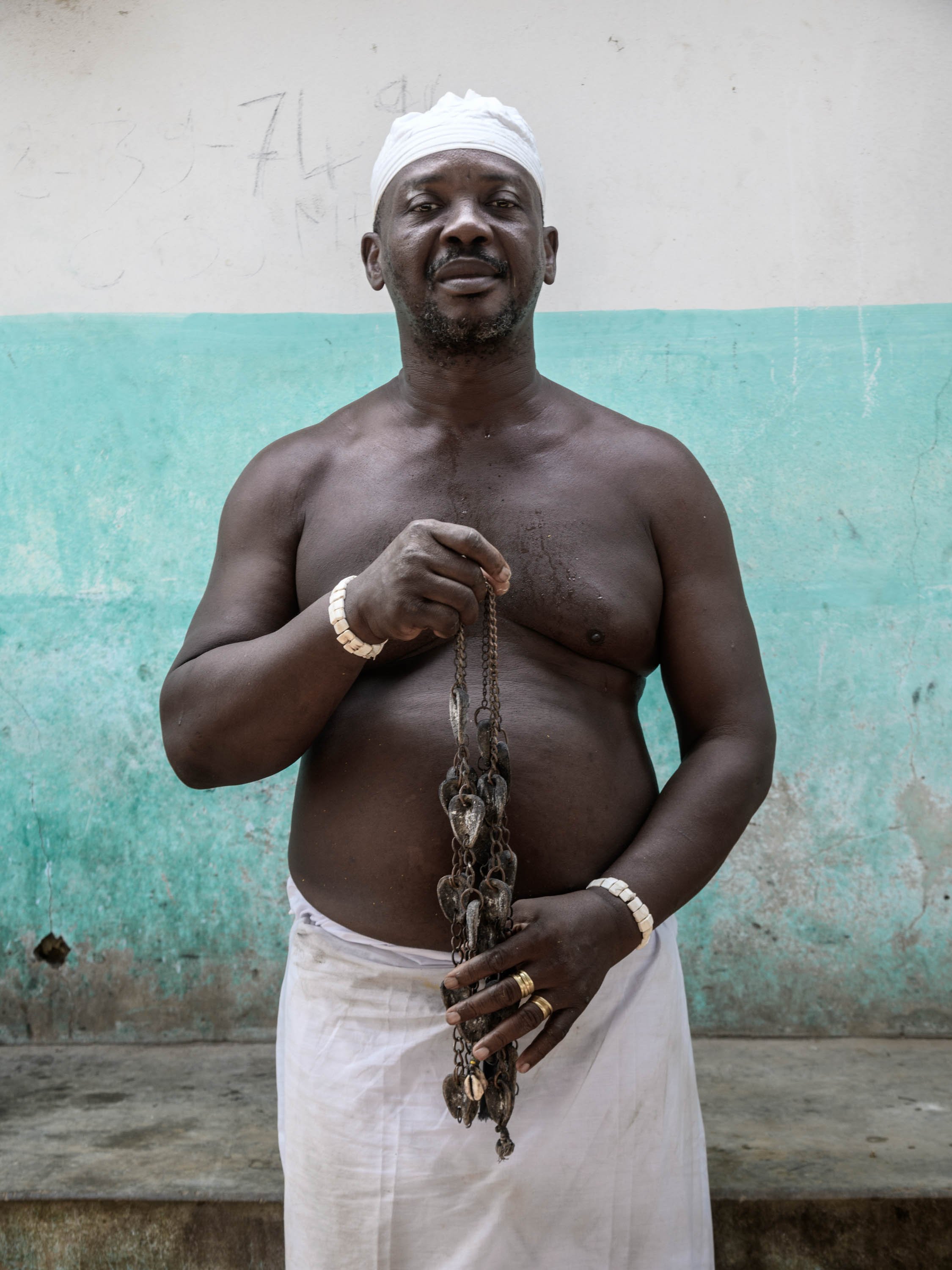
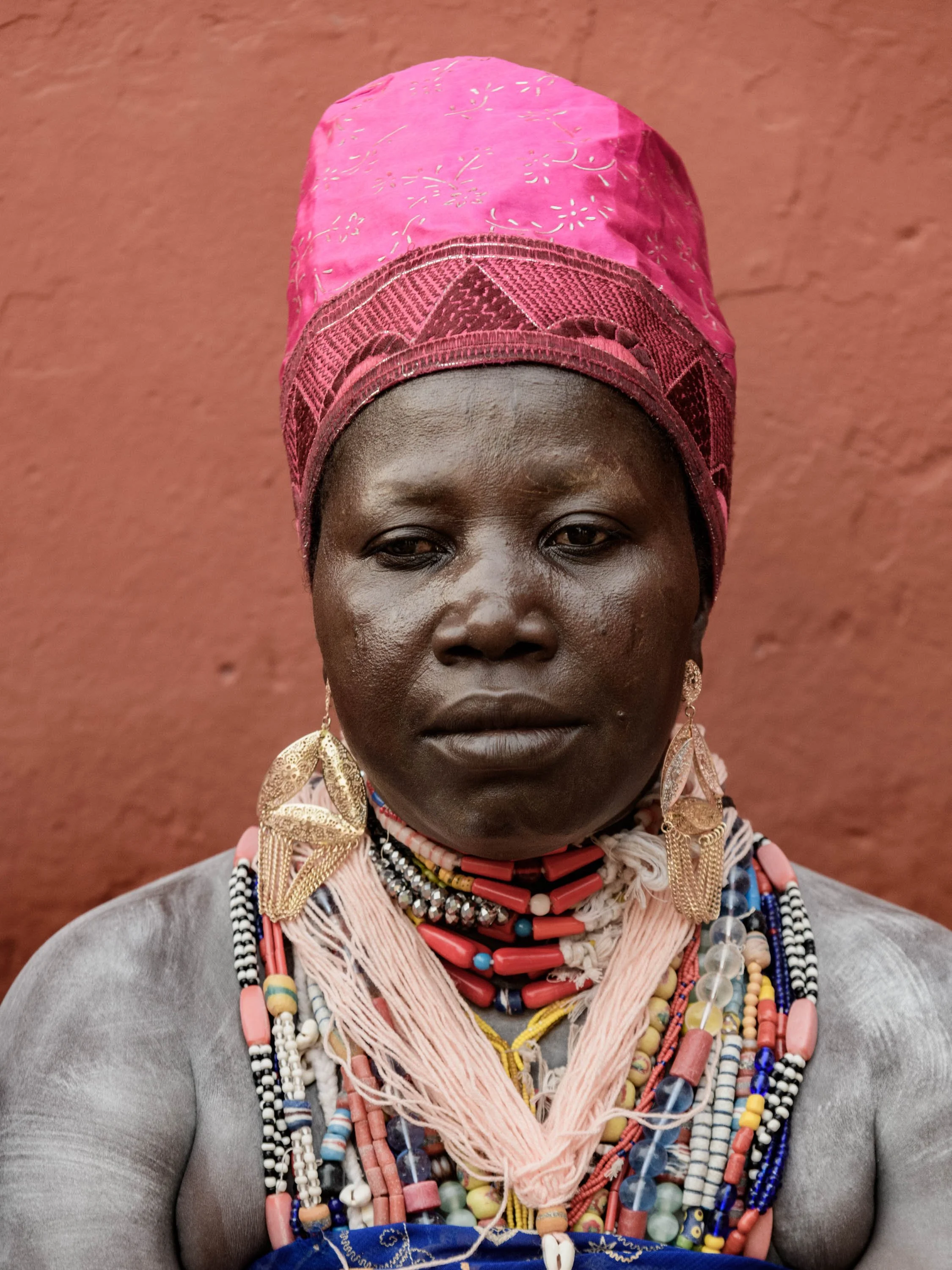
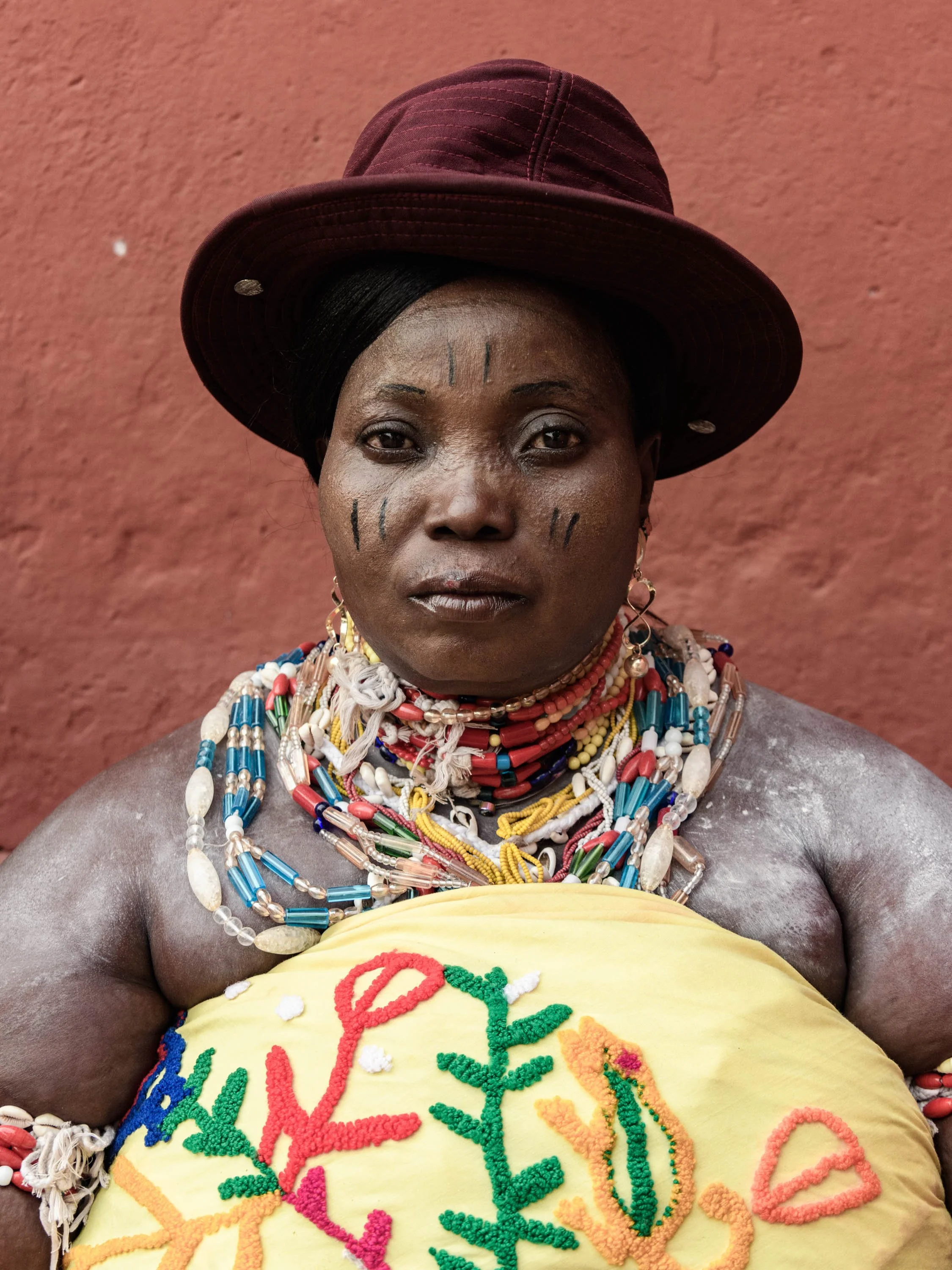
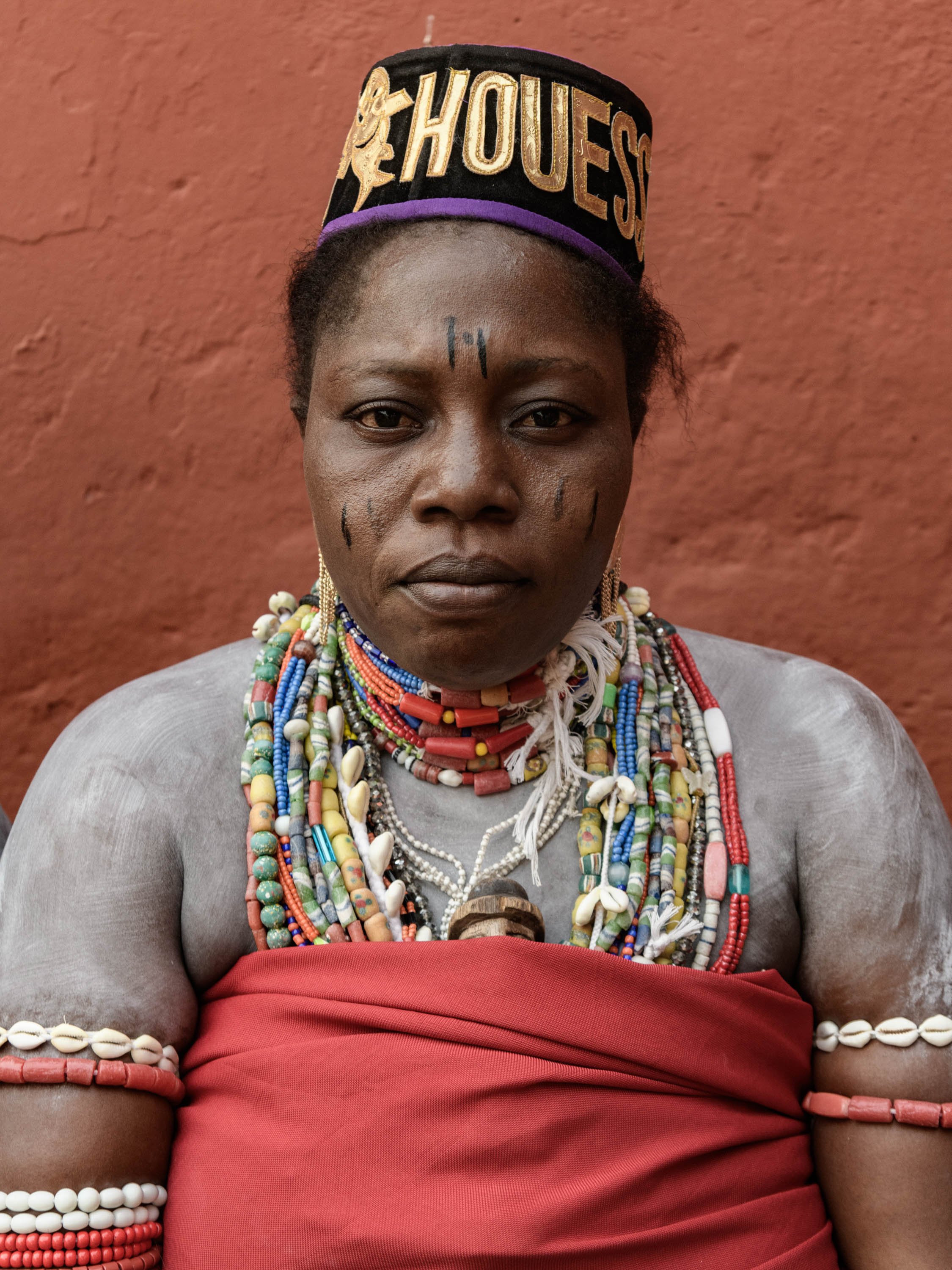
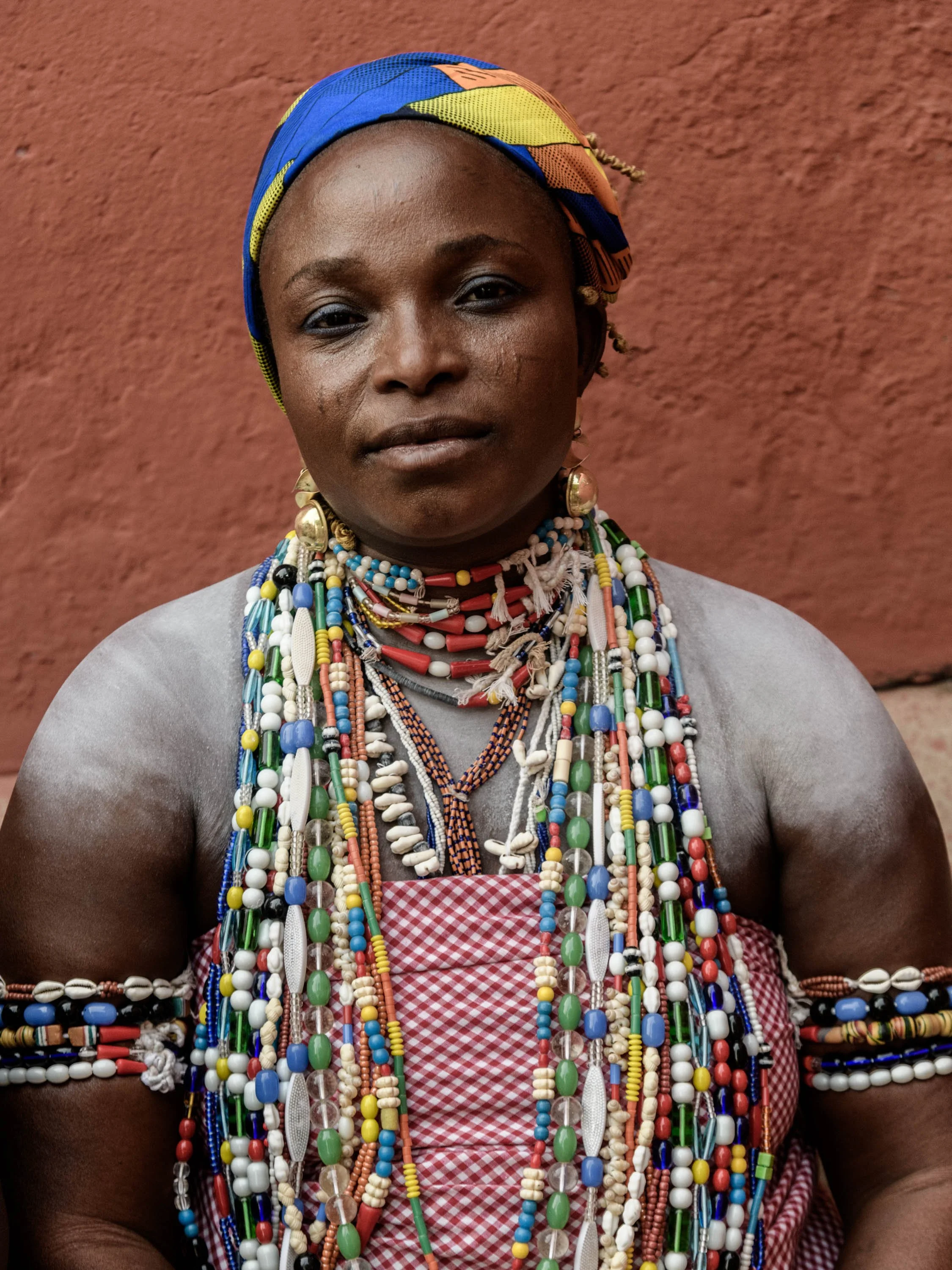
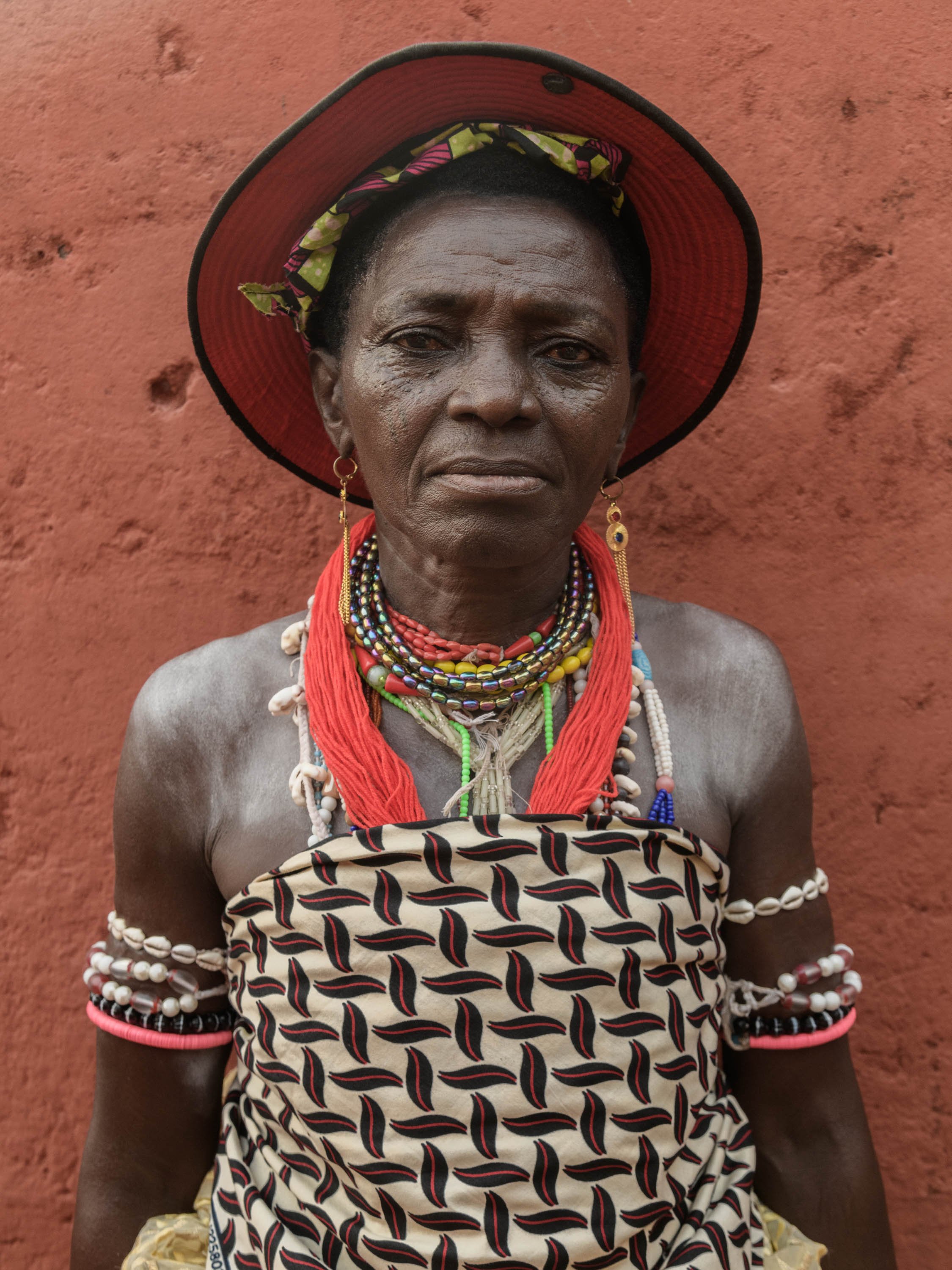
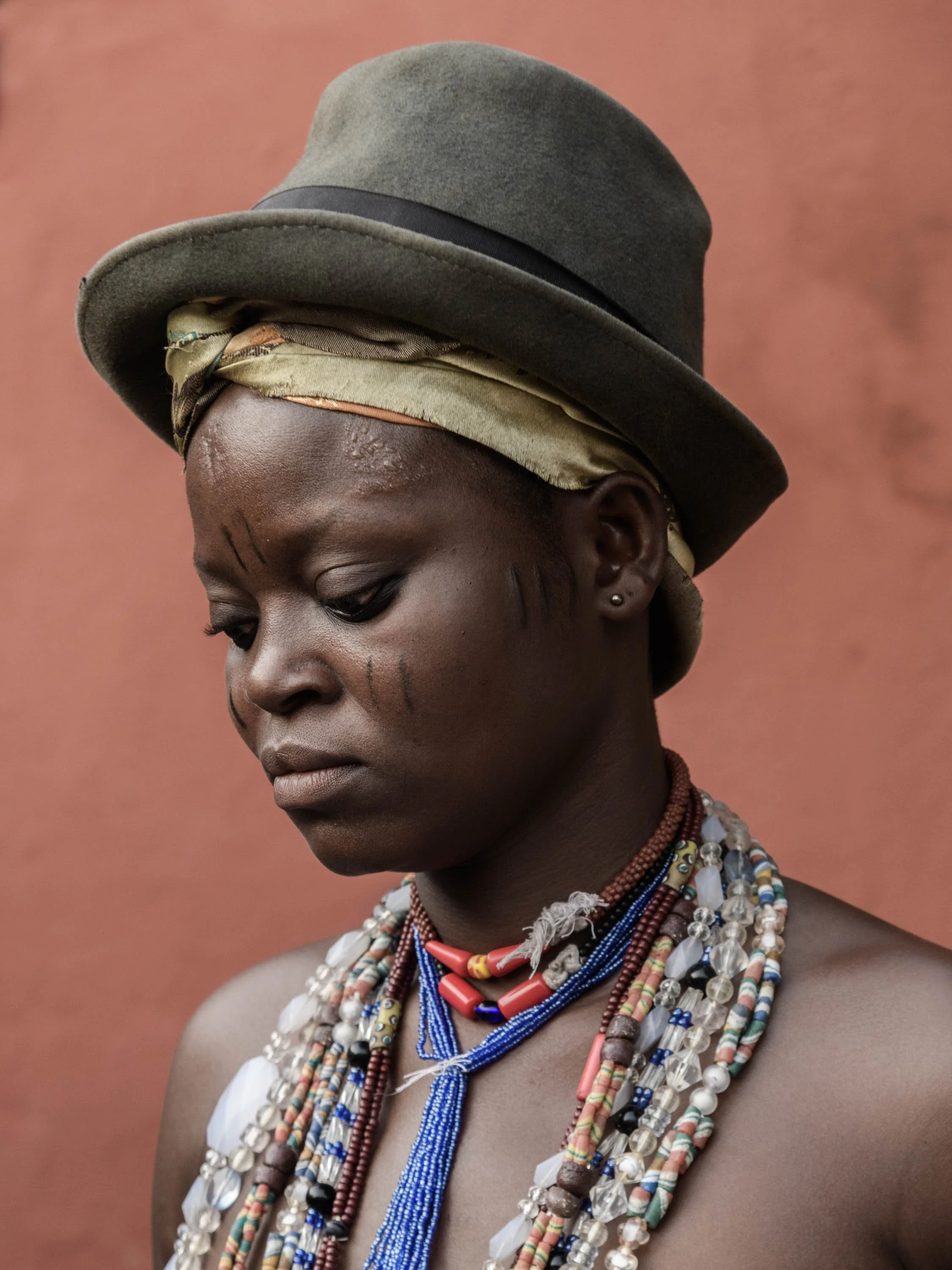
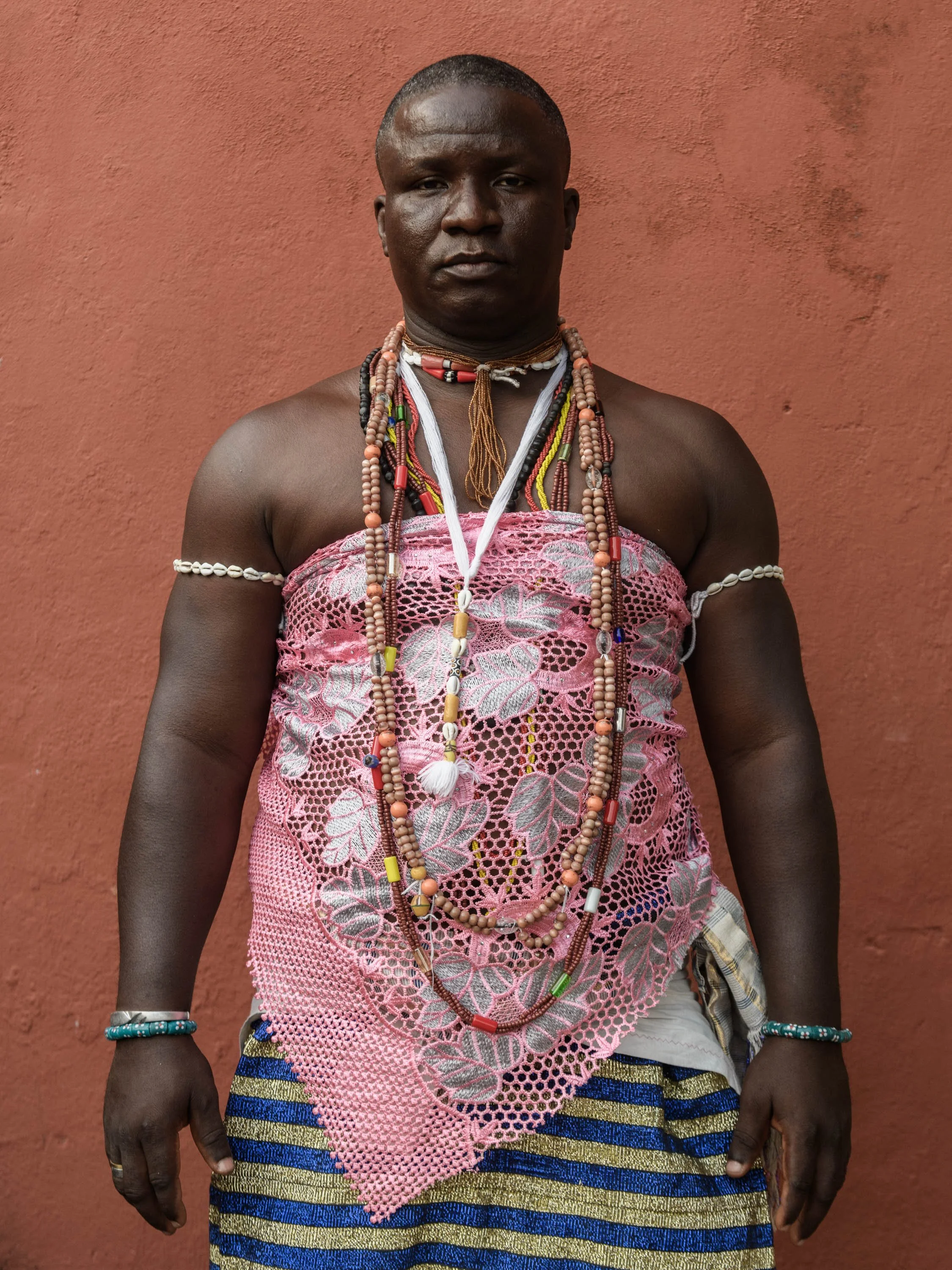
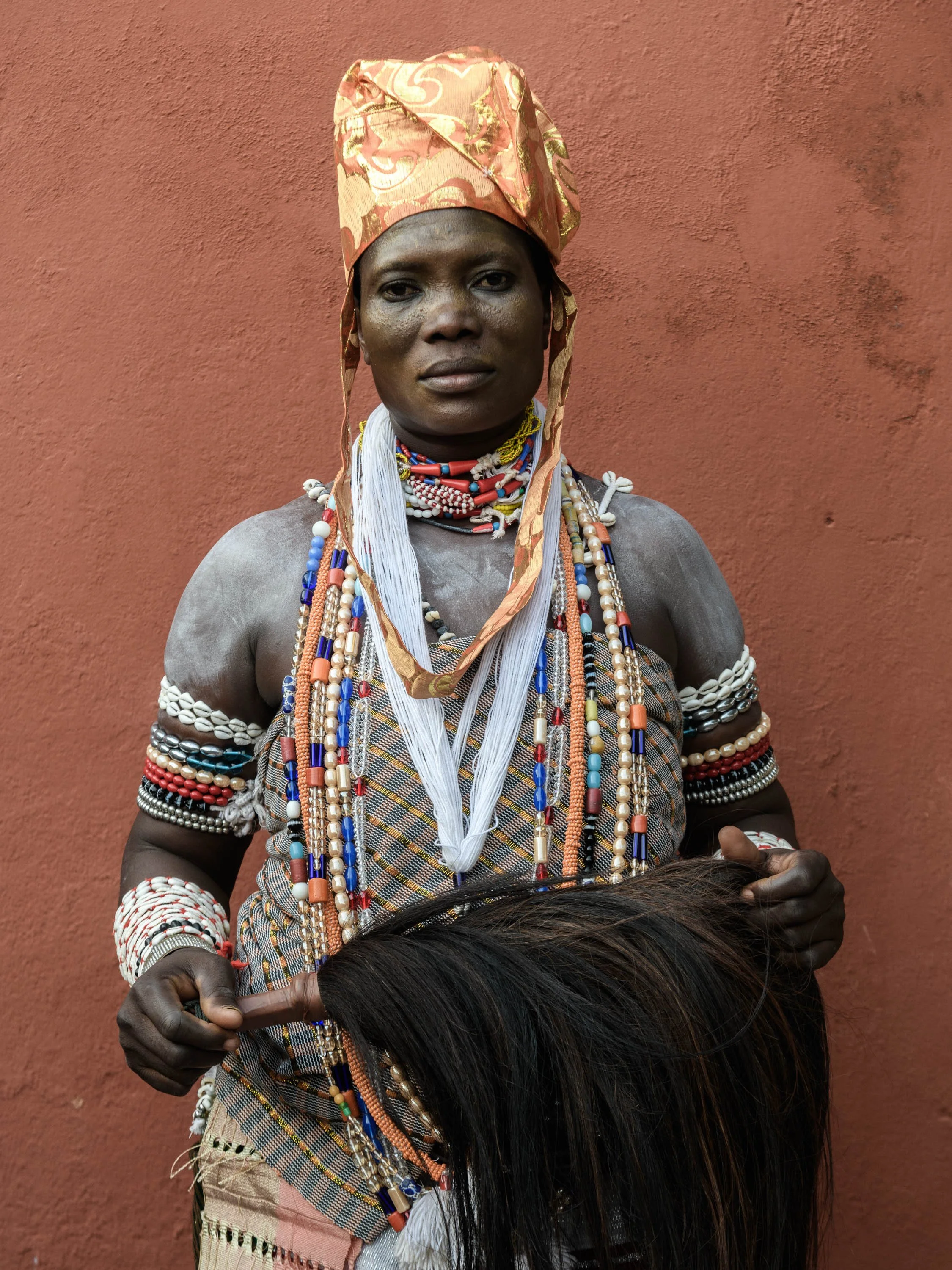
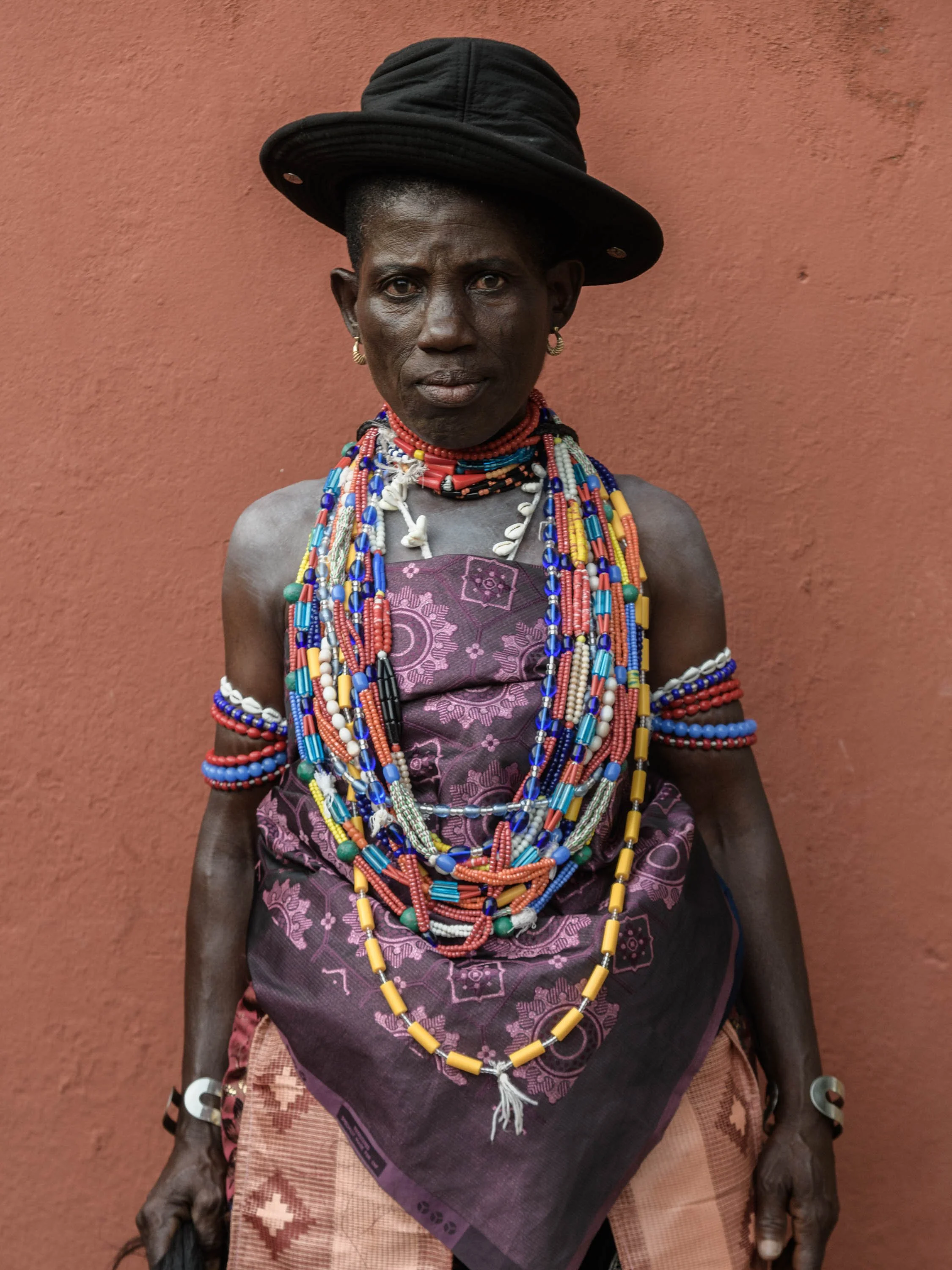
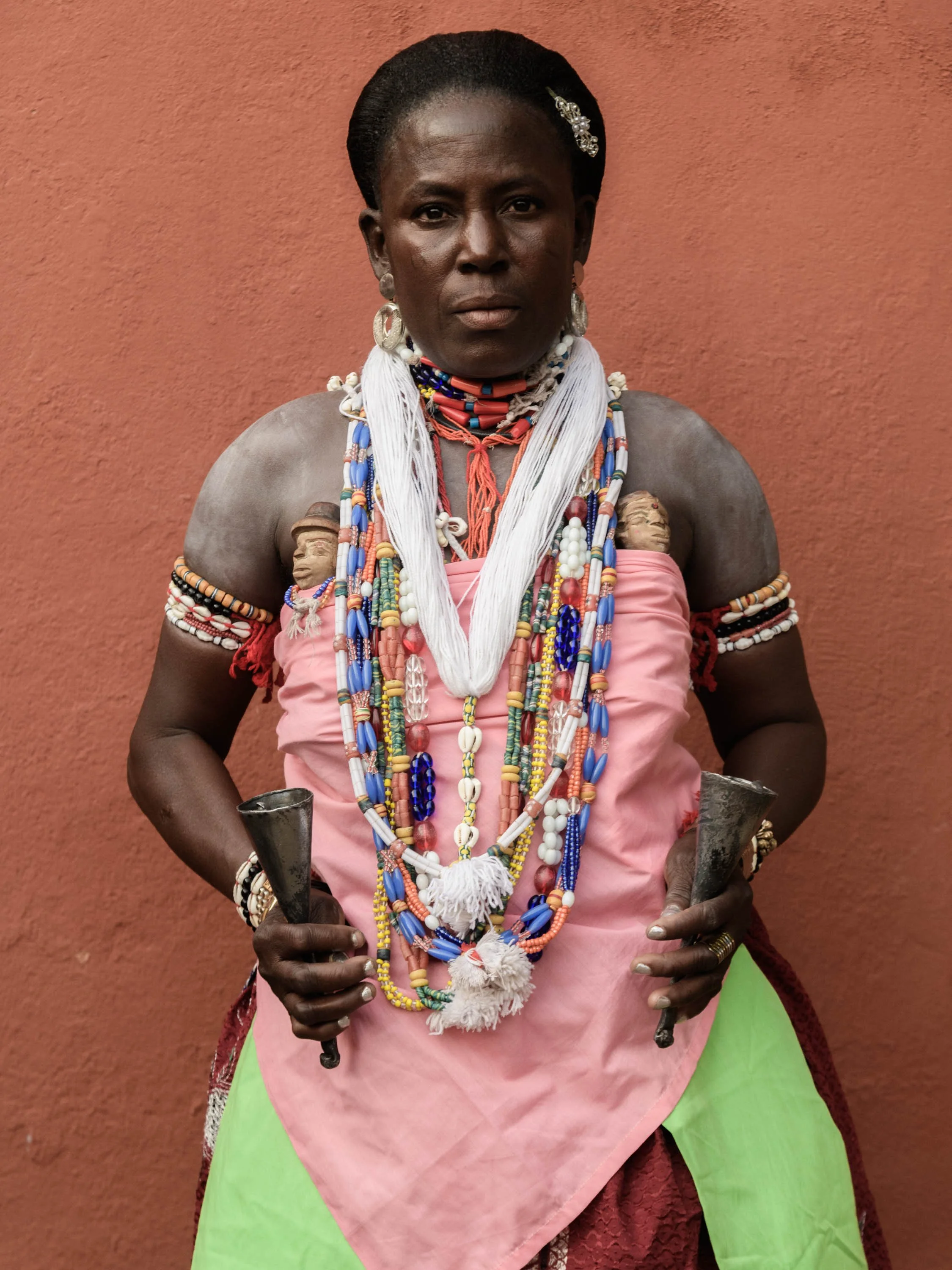
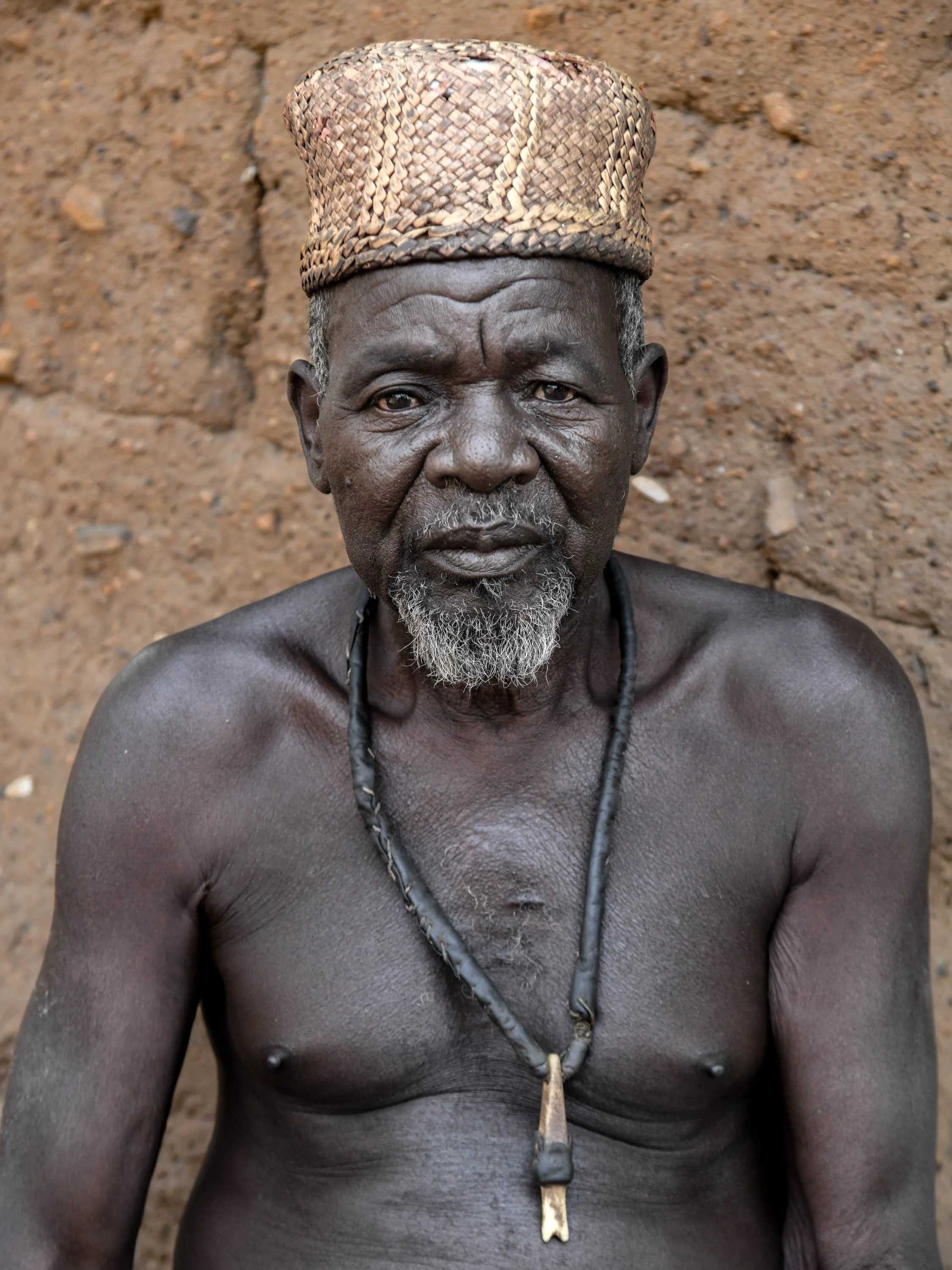
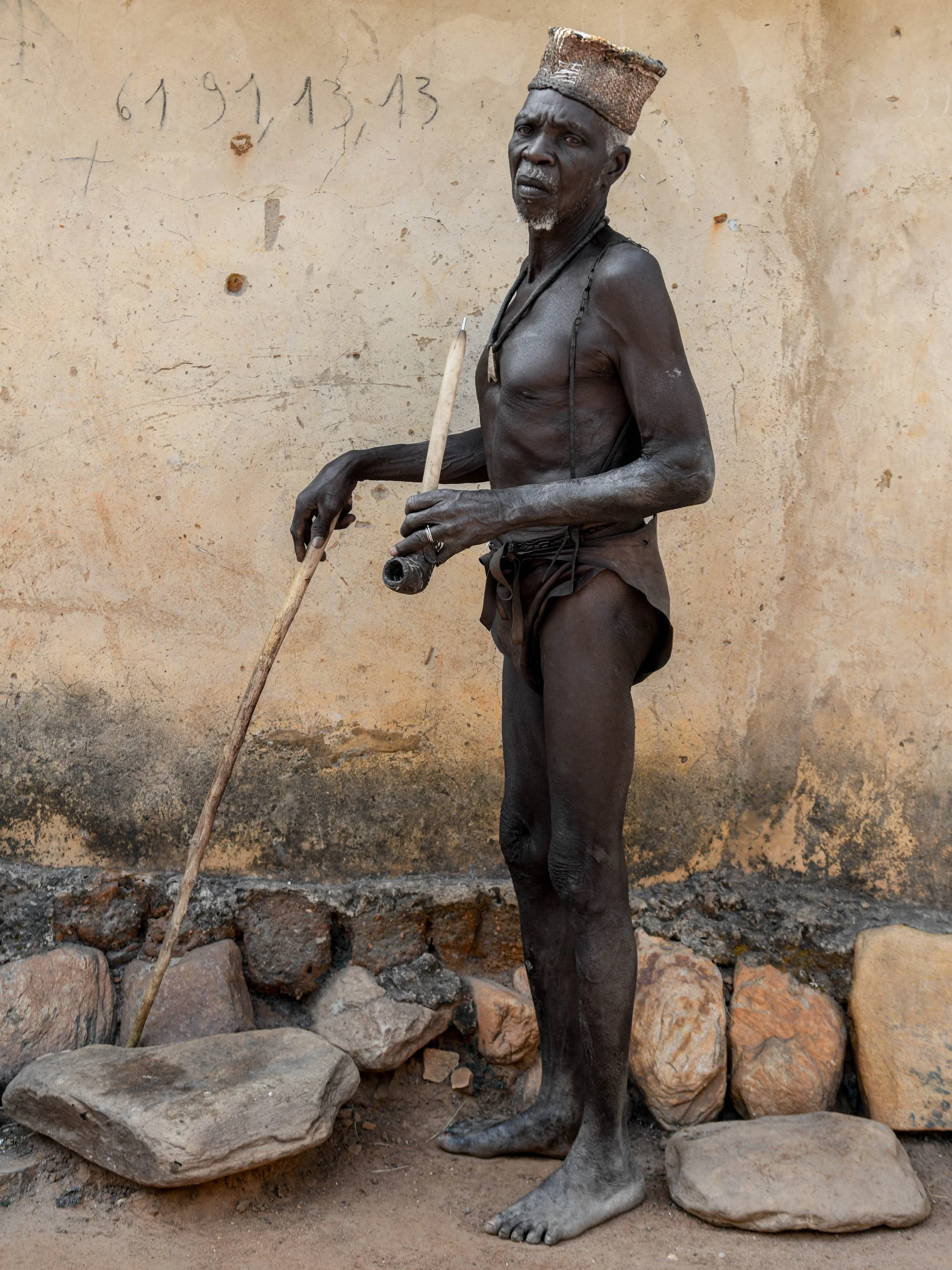
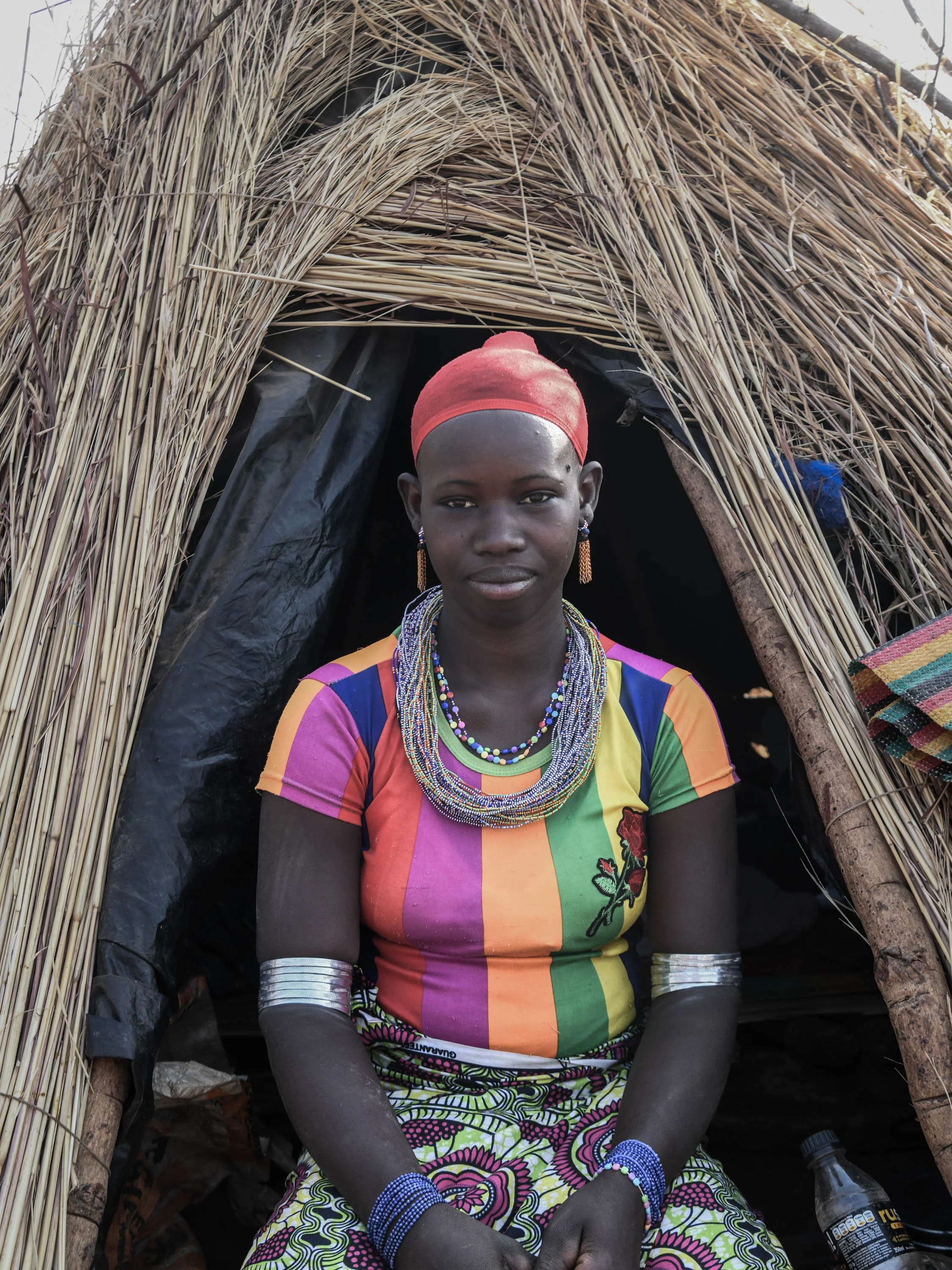
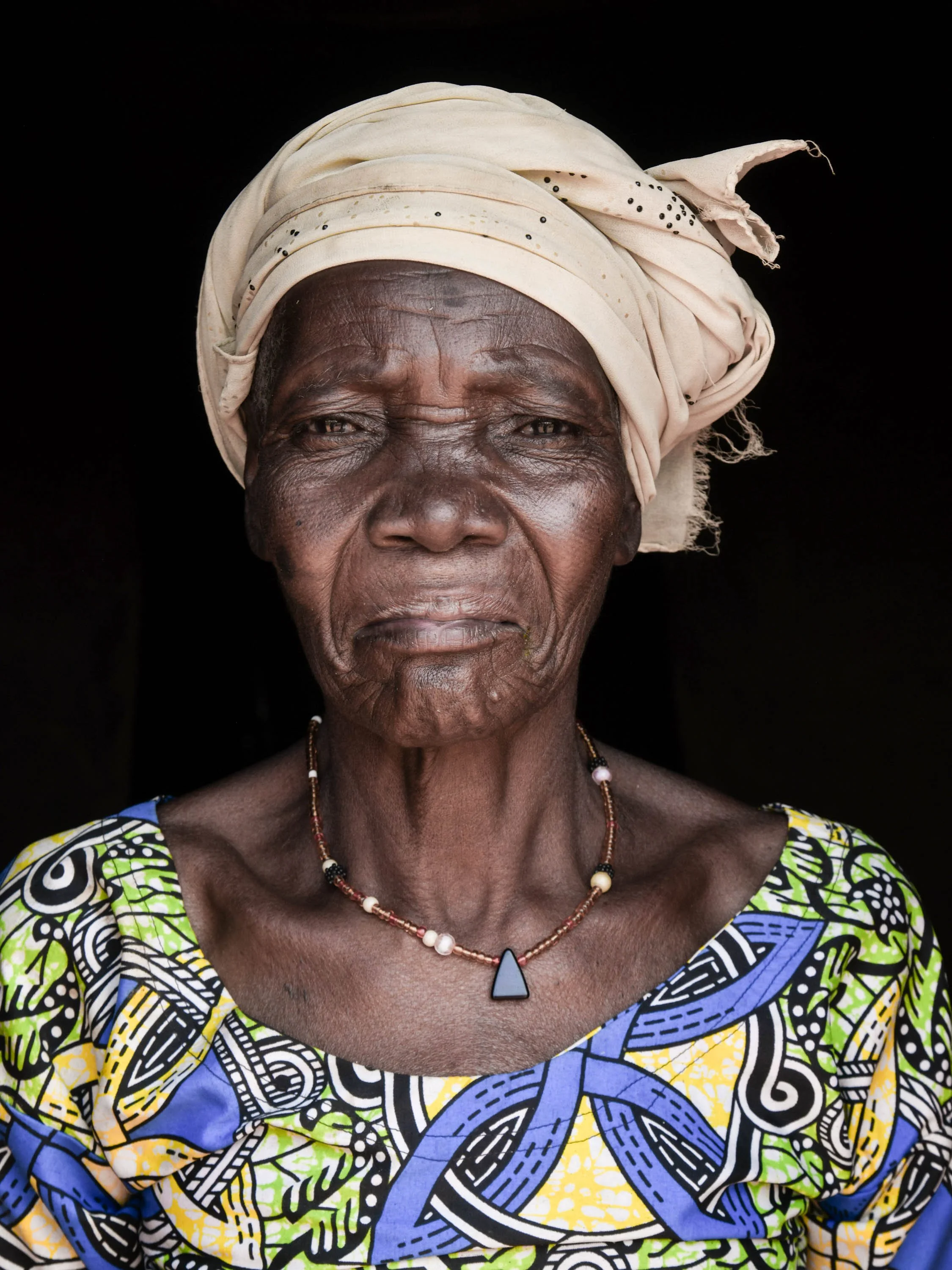
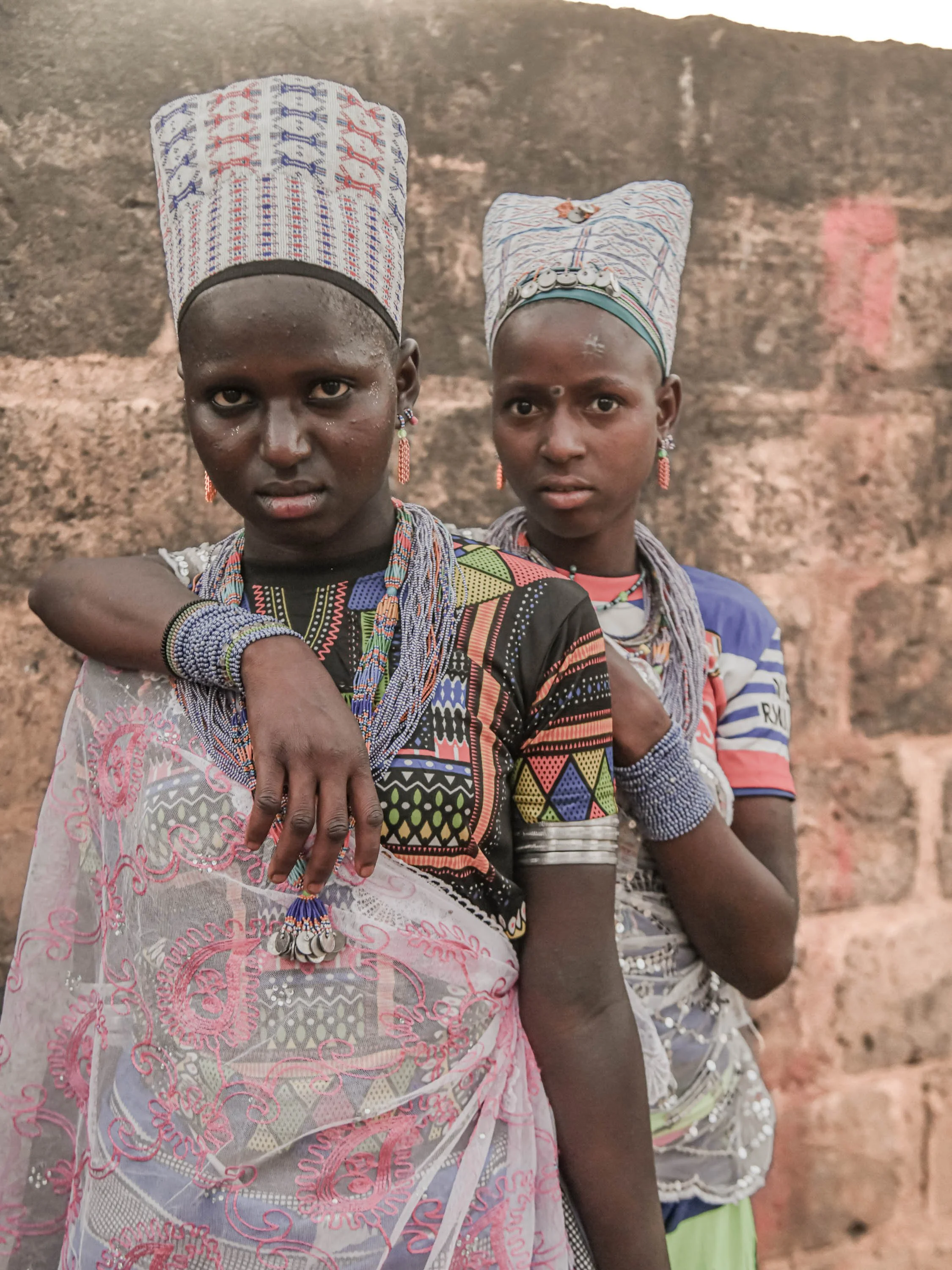
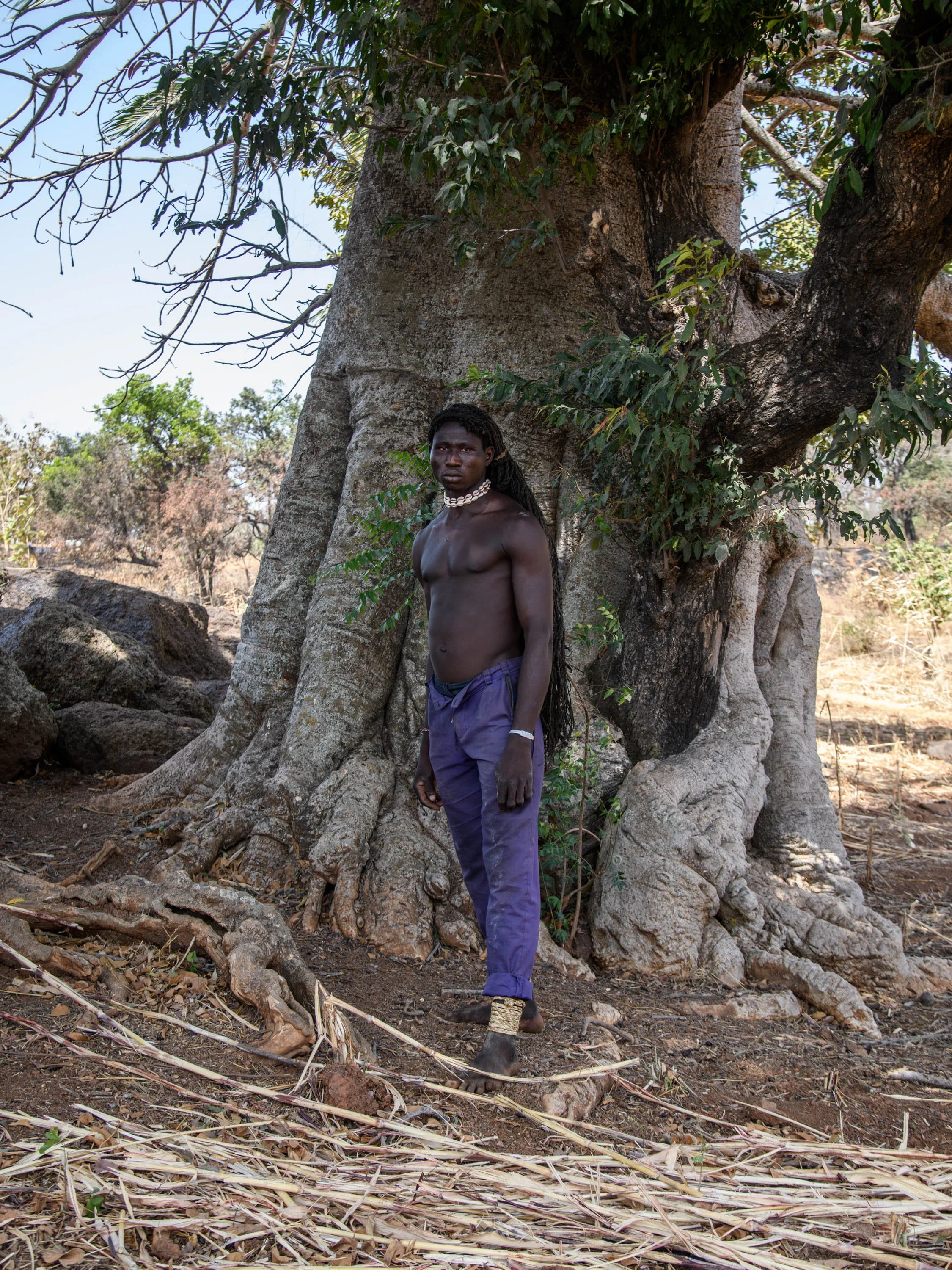
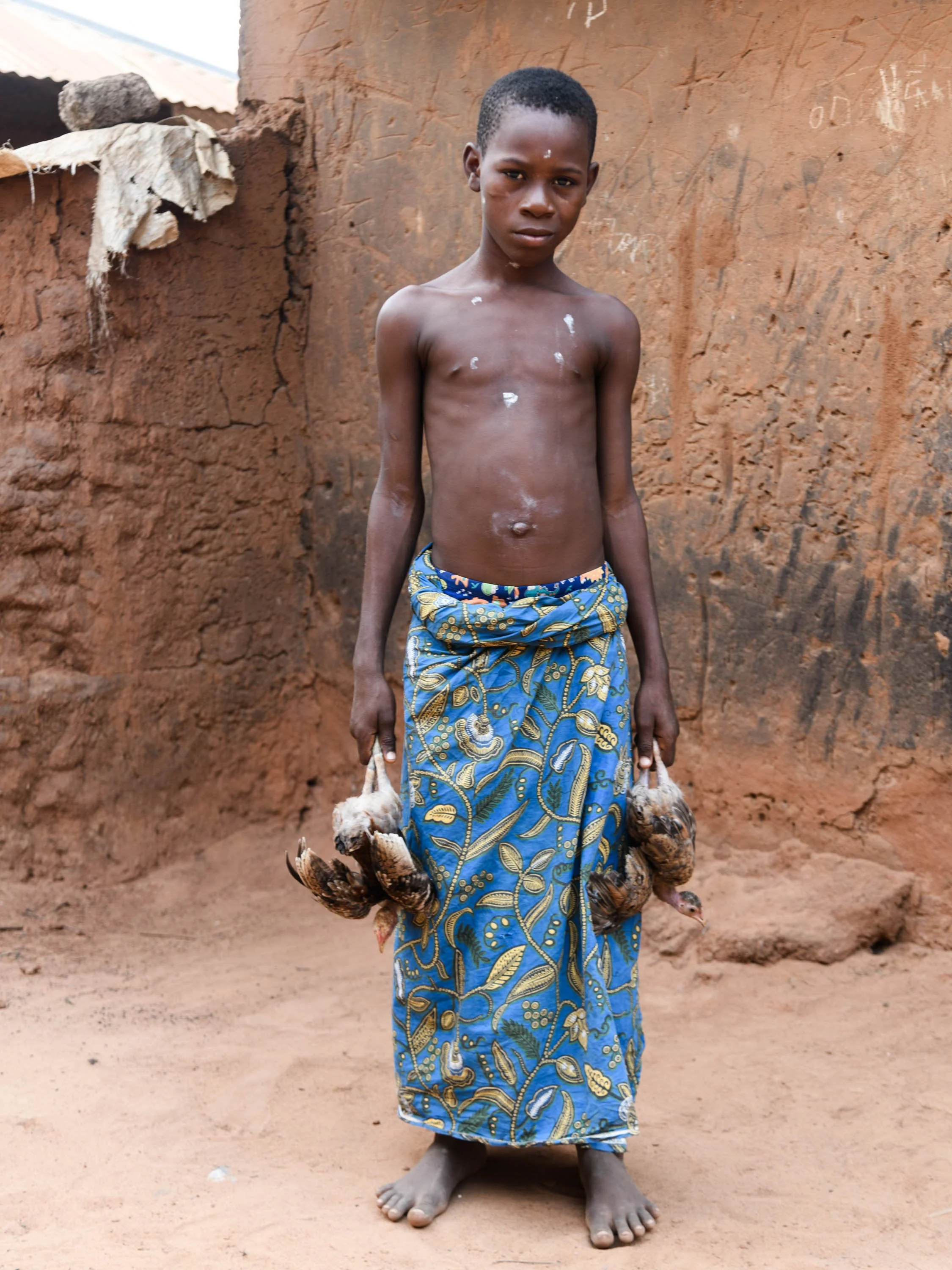
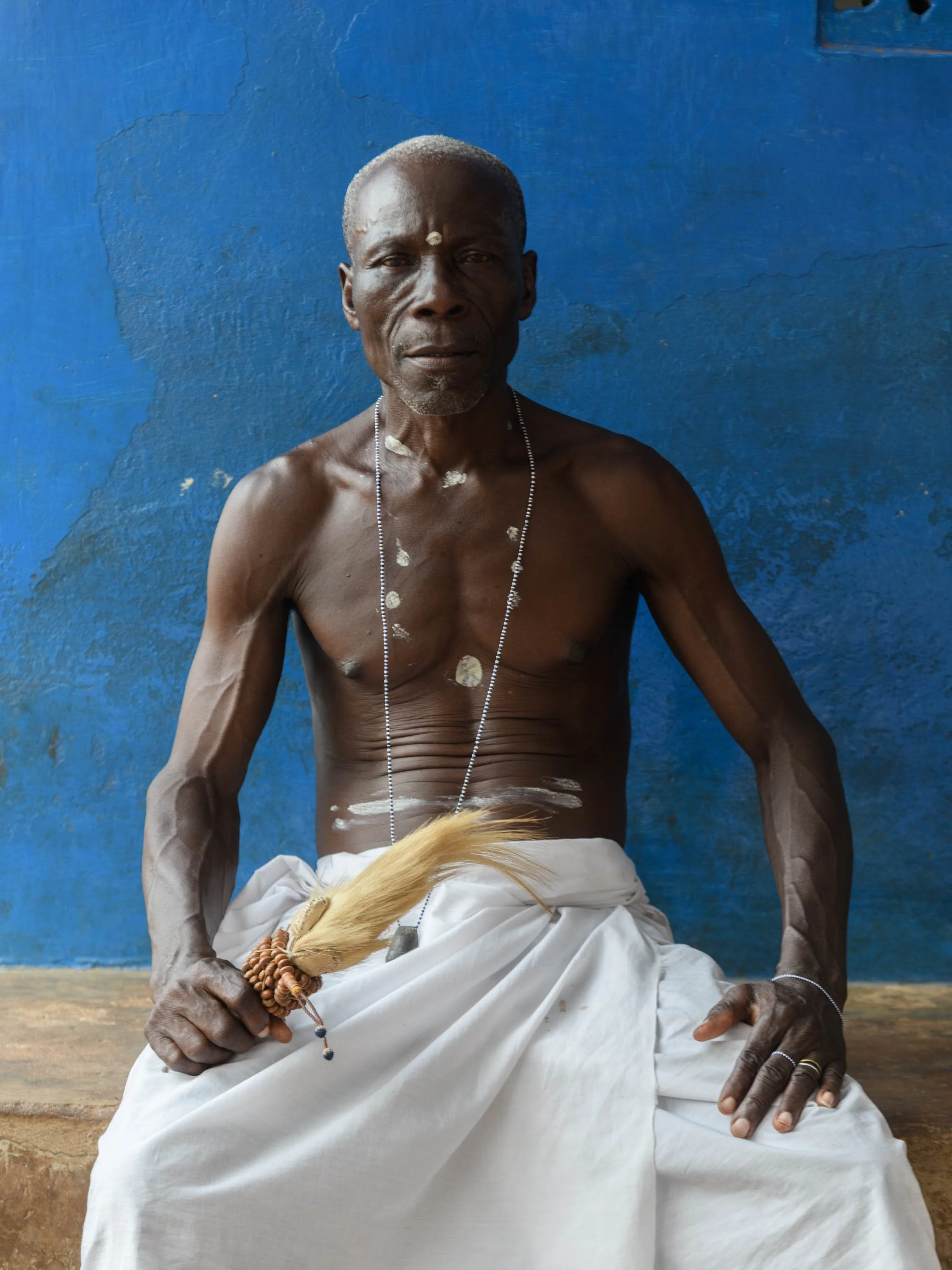
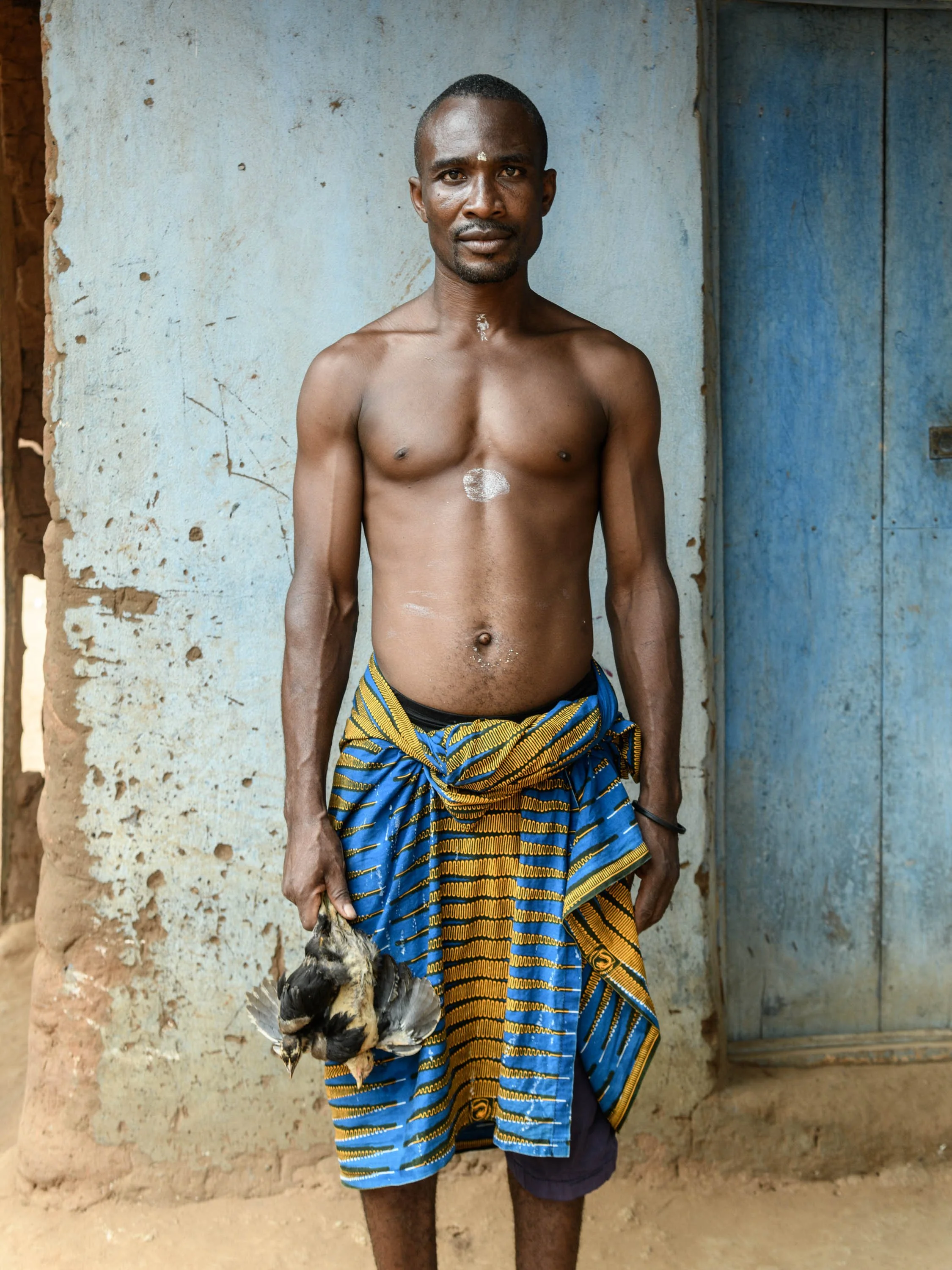
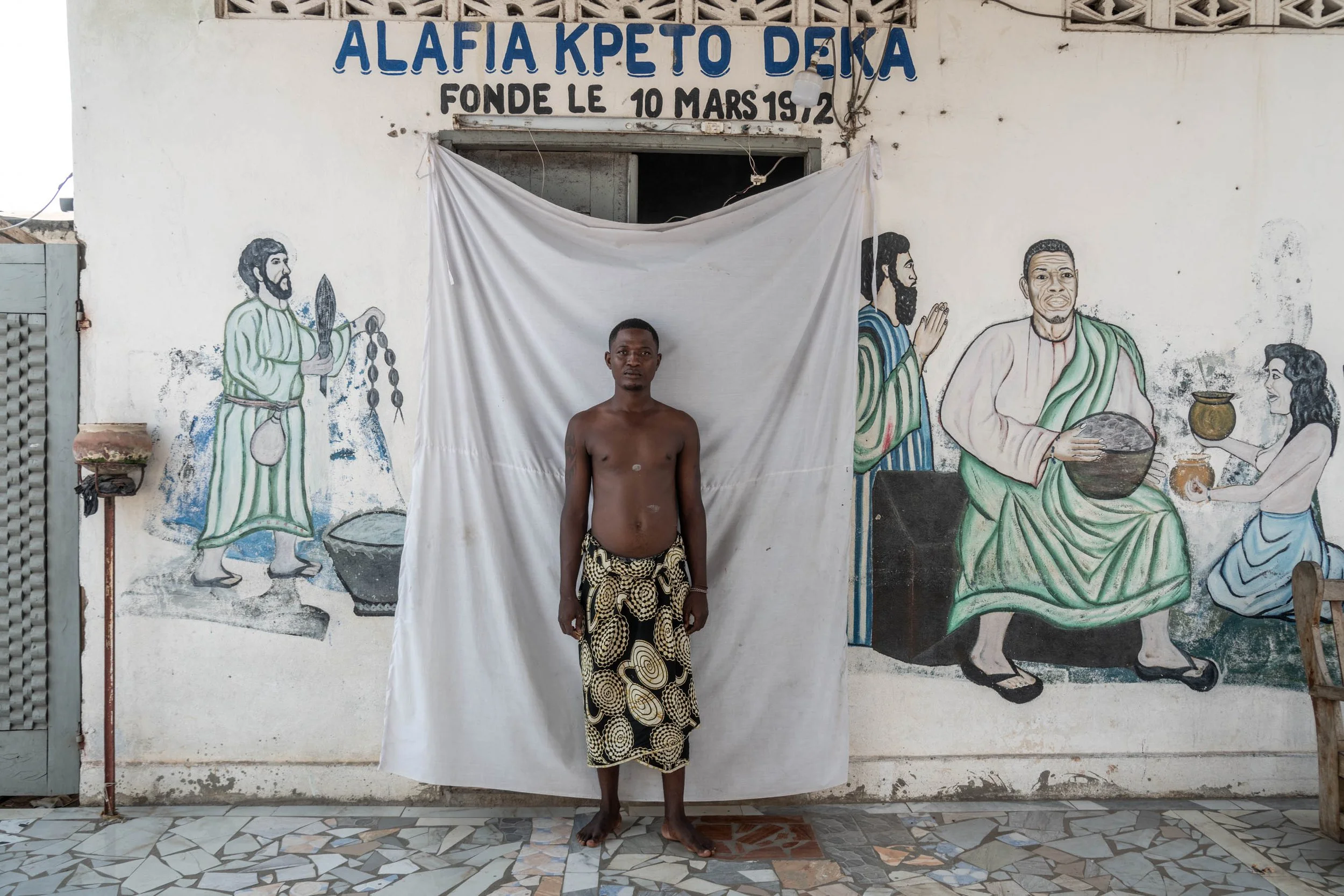
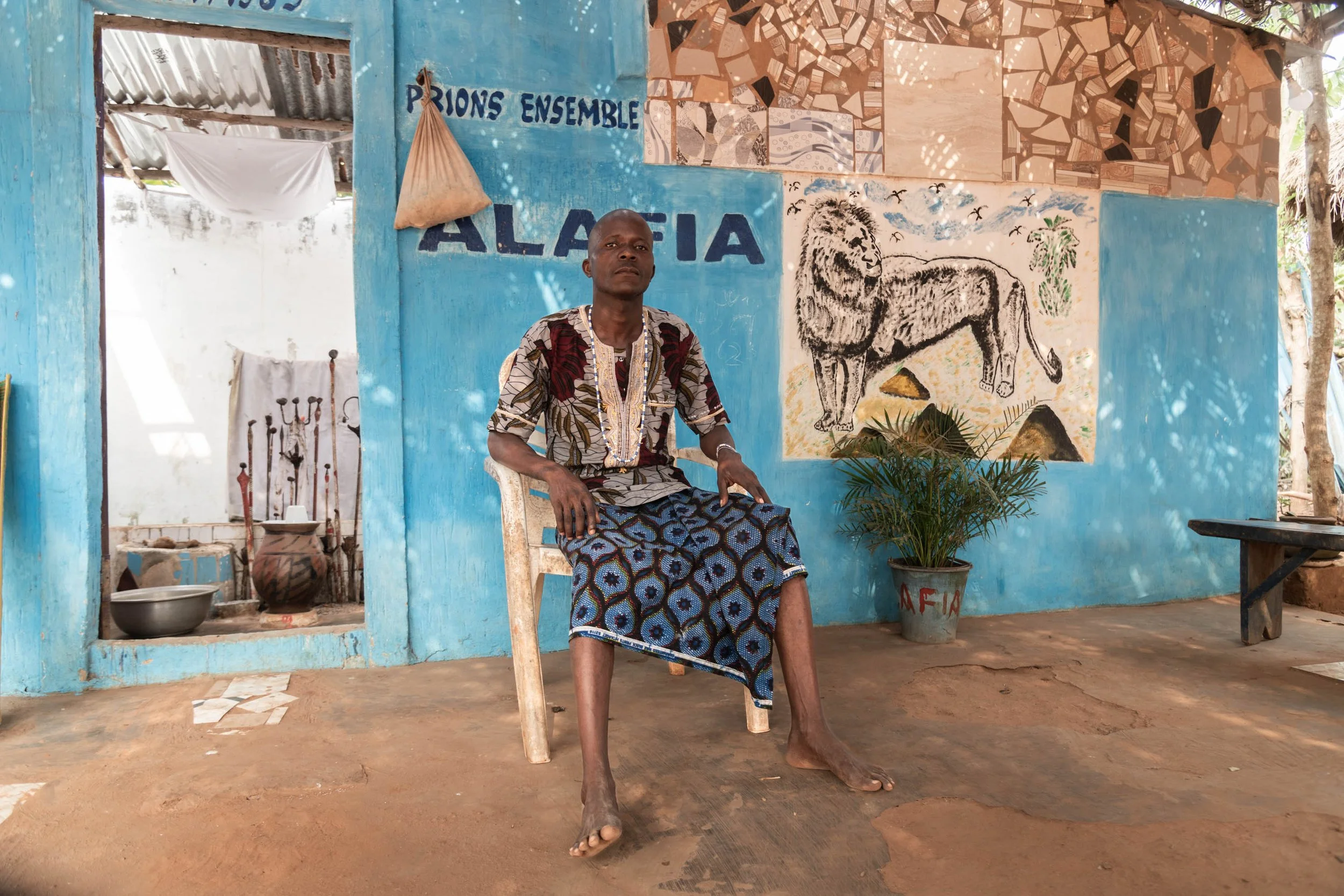
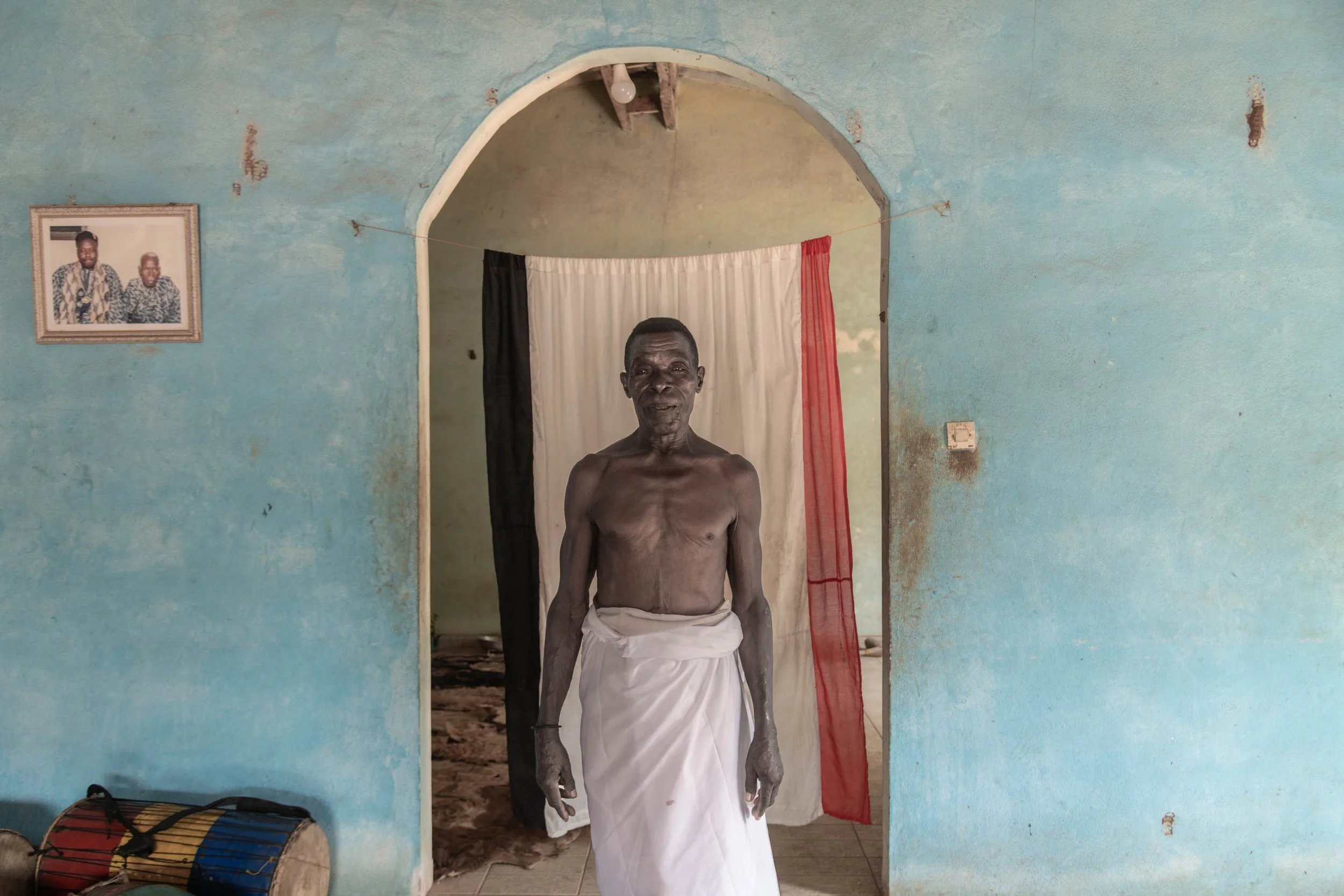
This photographic series explores the profound spiritual world of Vodun and its rich ritual landscape in West Africa. Through intimate and contemplative portraits, the project captures individuals who embody this living faith, revealing the complex interplay between human identity, ceremonial practice, and the divine. Each face tells a story of devotion, cultural memory, and social belonging, articulated through expression, attire, and presence.
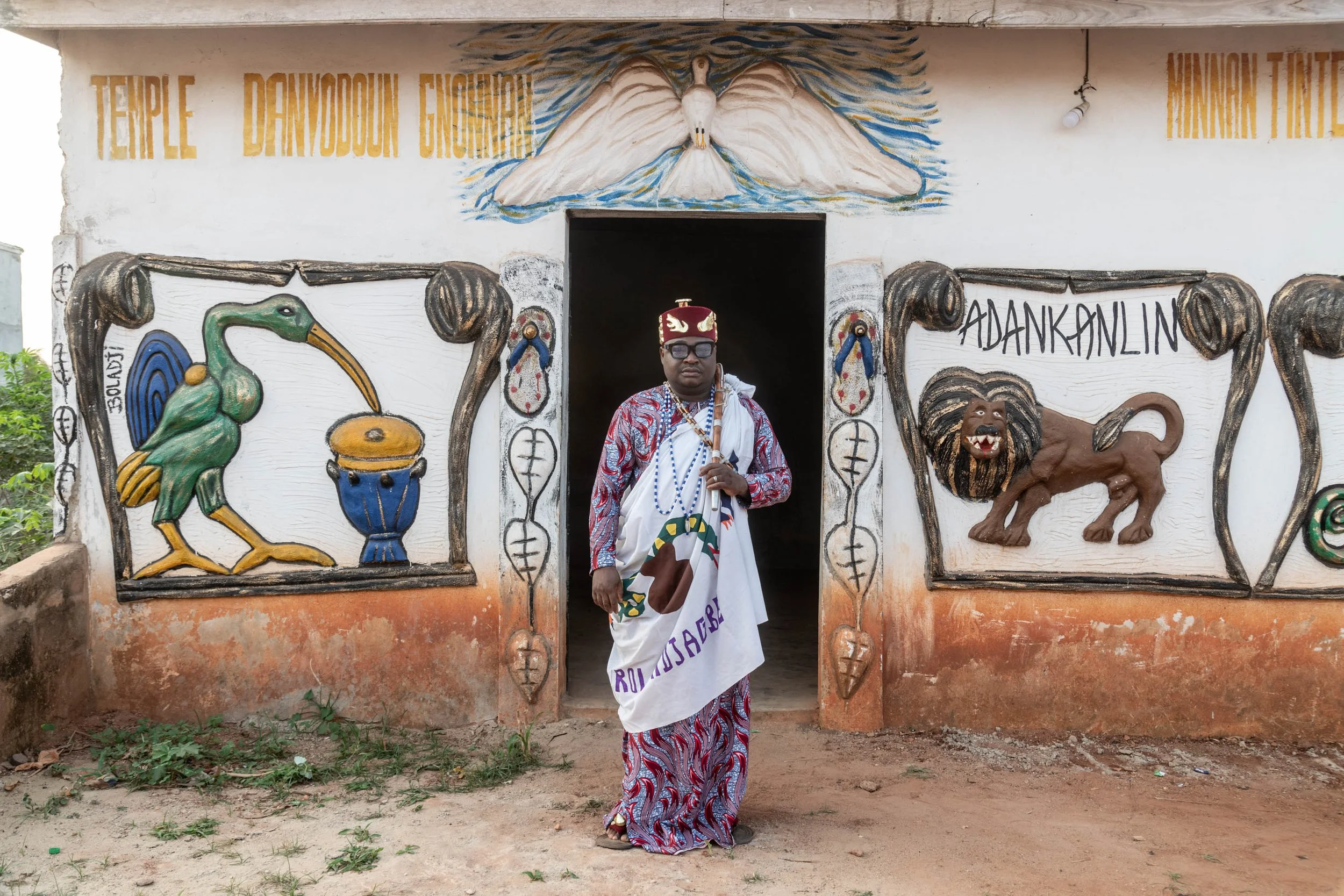
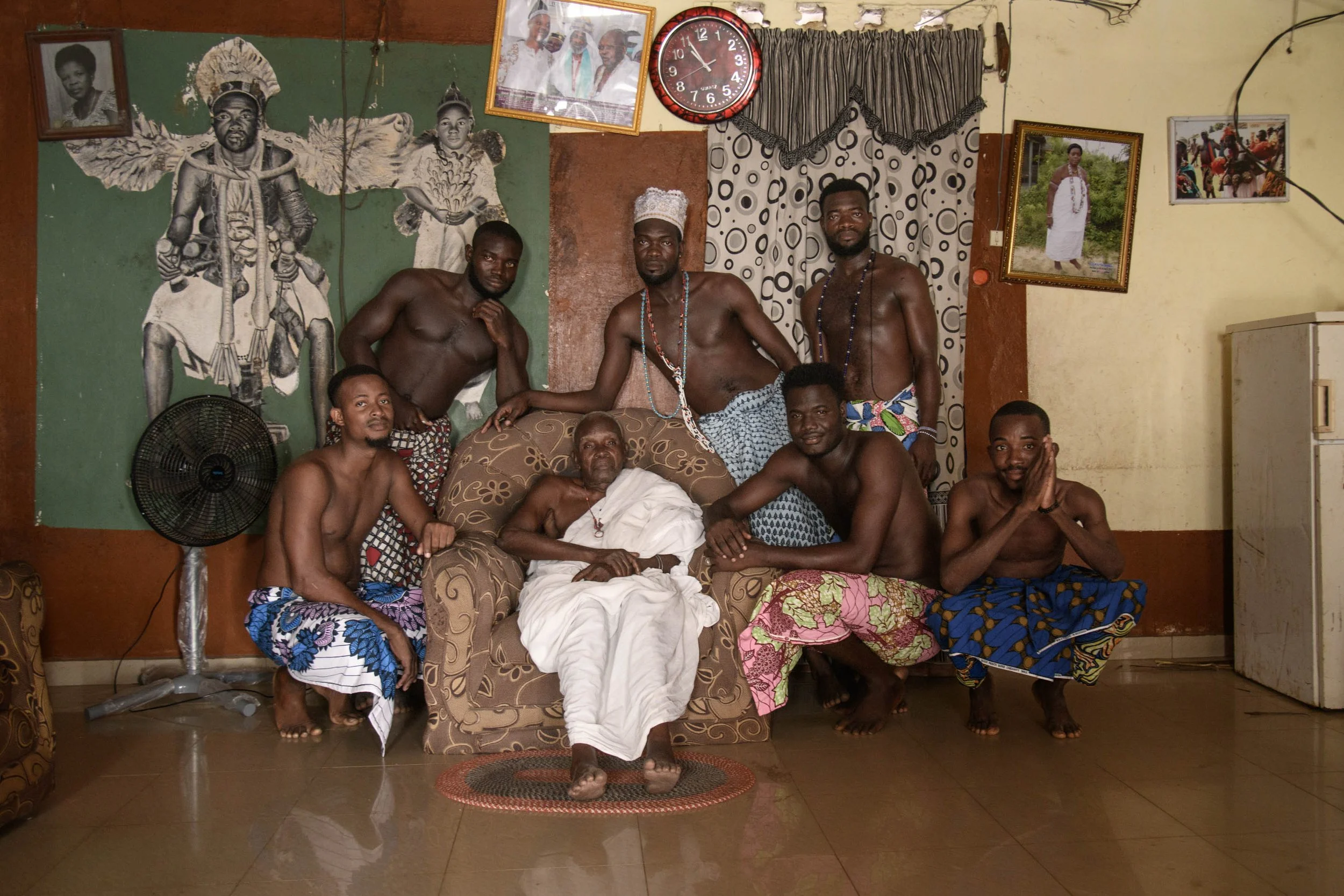
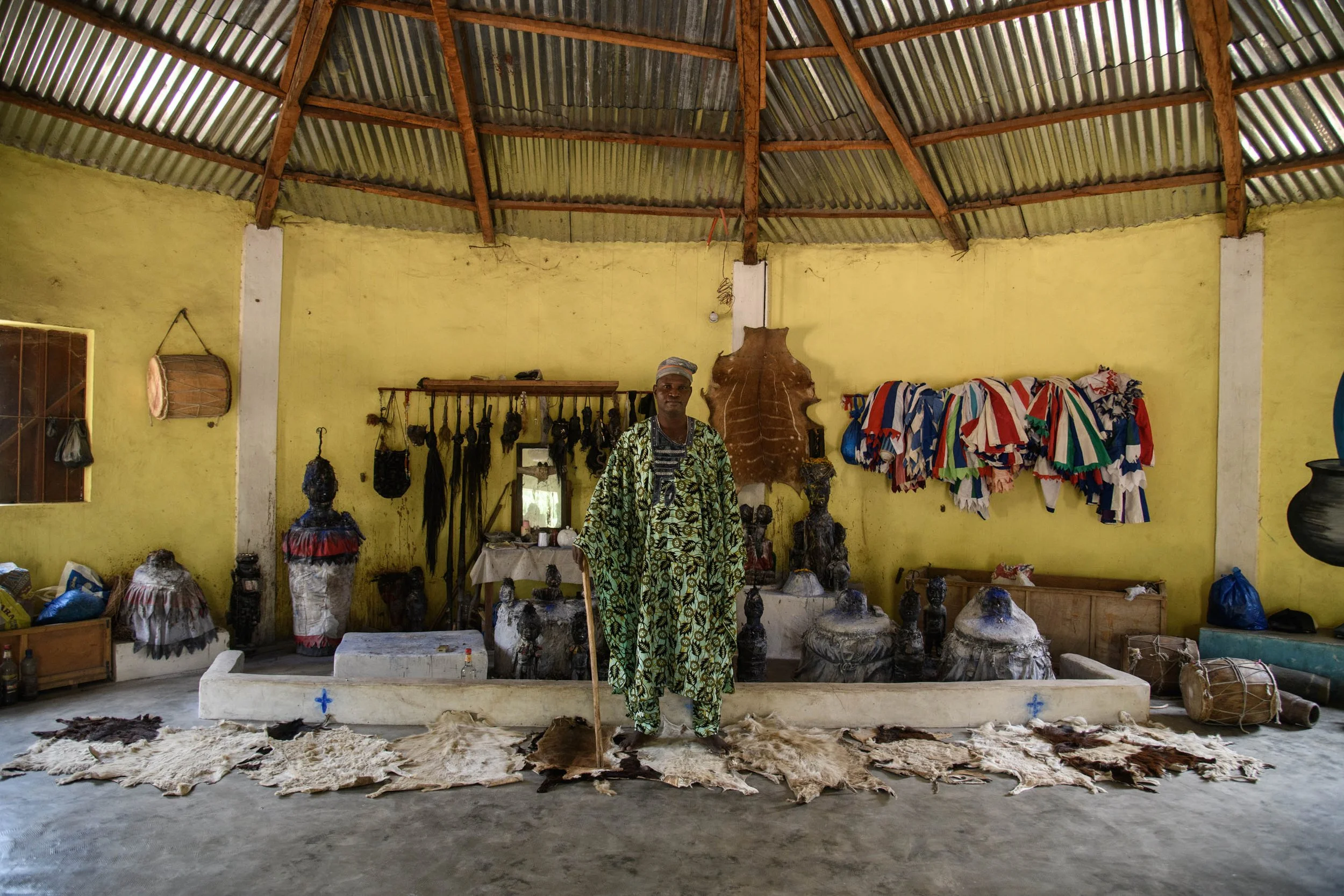
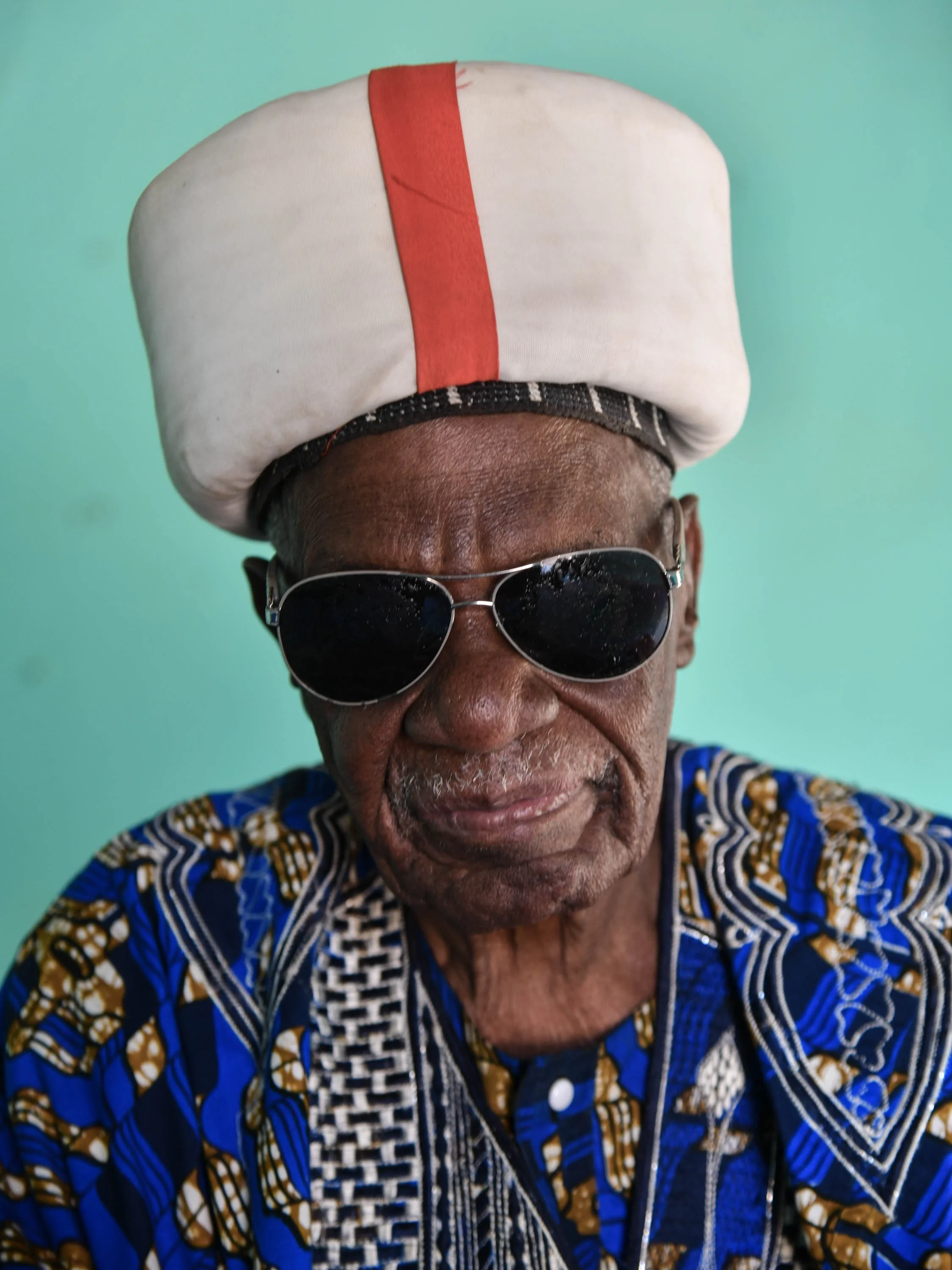
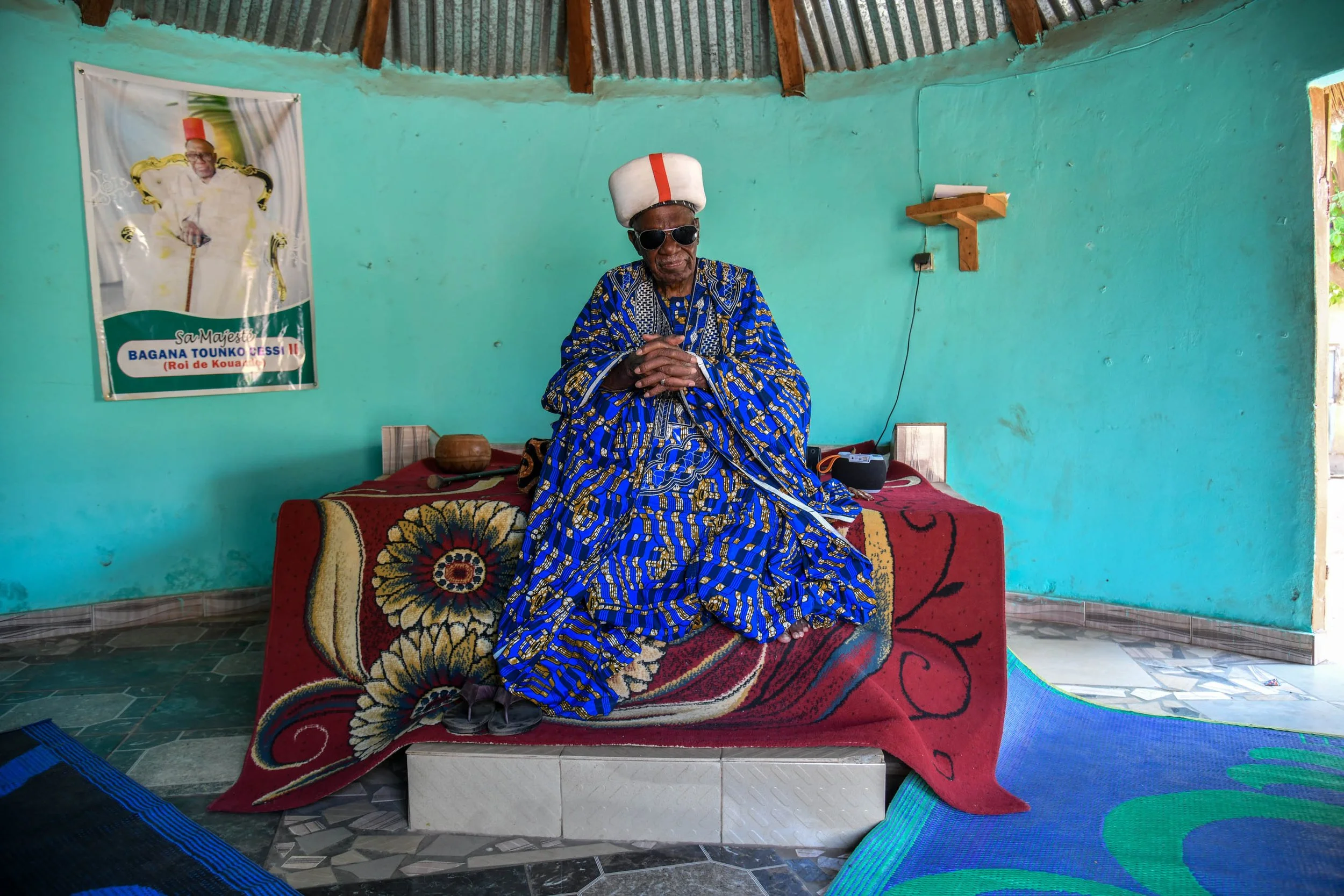
Central figures in Vodun communities, such as kings, are depicted not only as political leaders but as custodians of spiritual authority and ritual knowledge, mediating between the visible and the spiritual worlds. Their presence conveys continuity, guidance, and the preservation of ancestral wisdom.
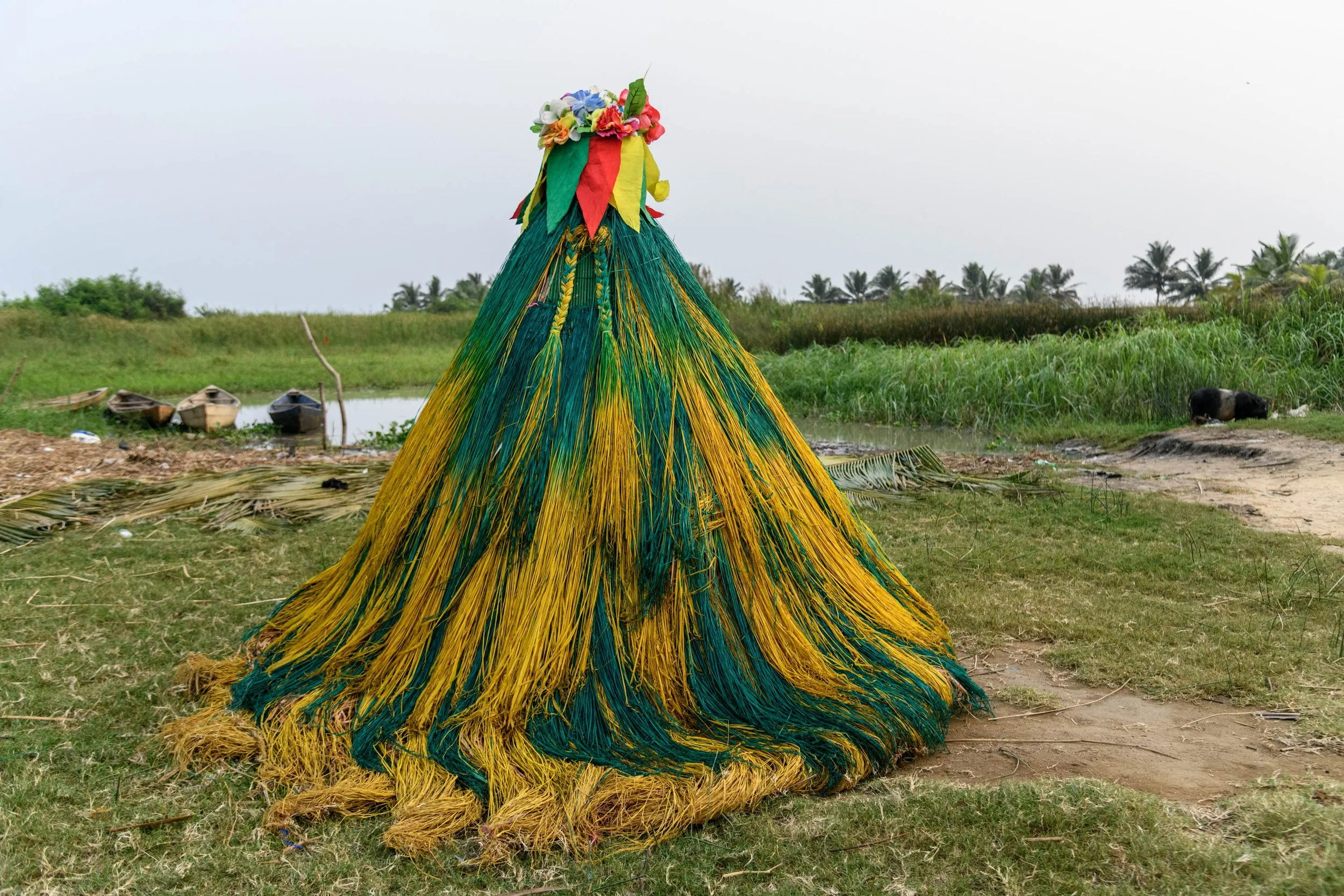
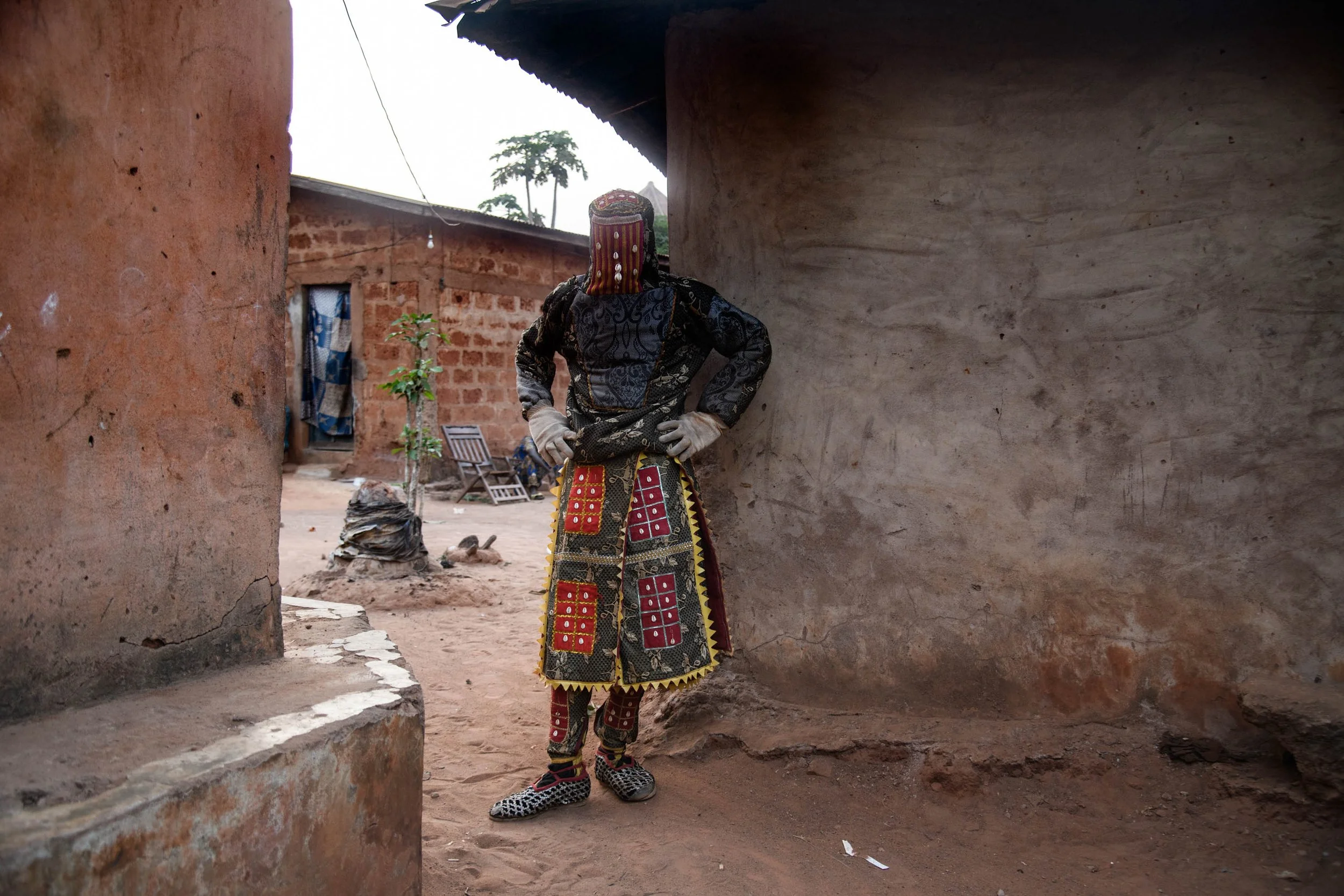
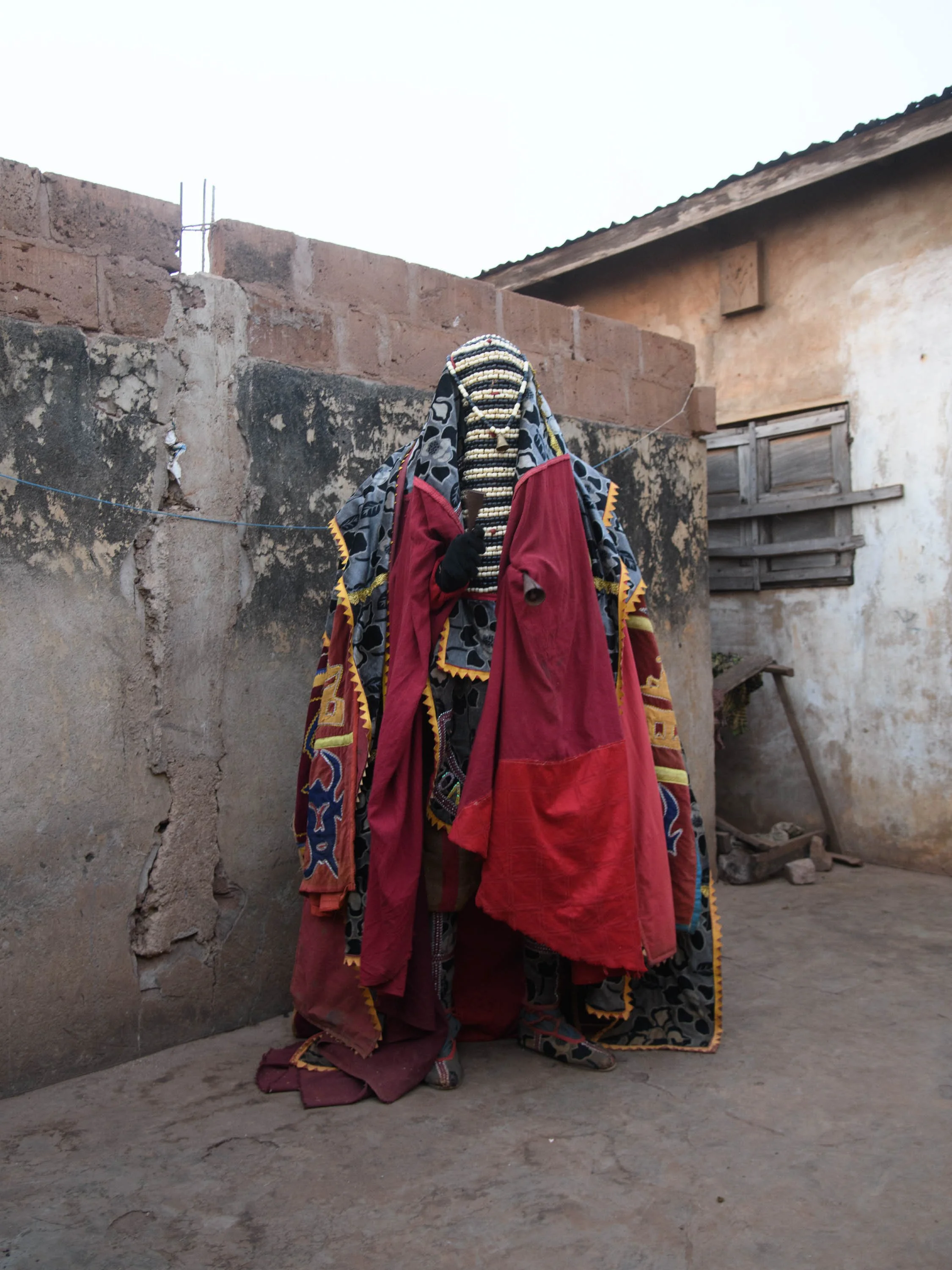
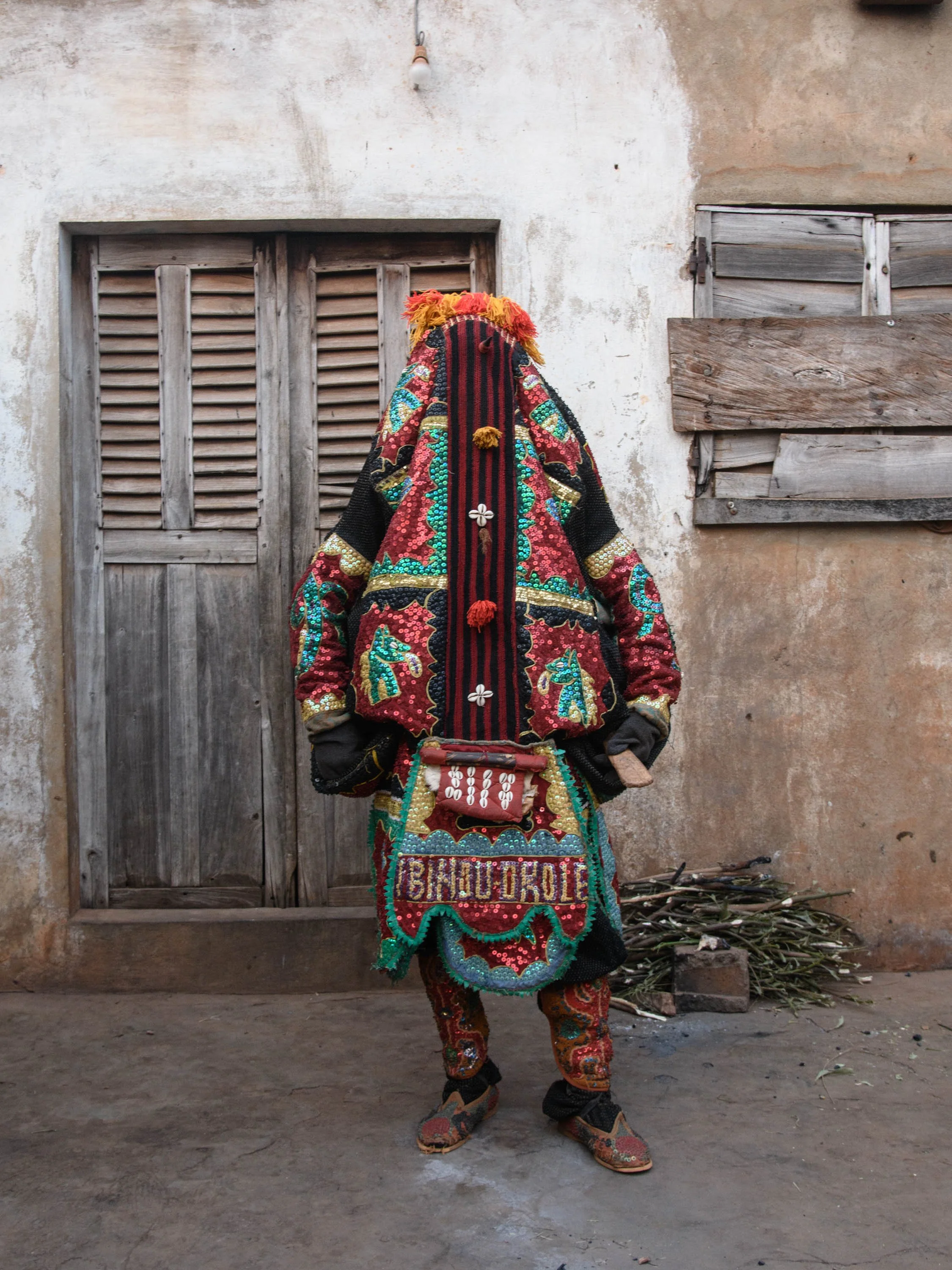
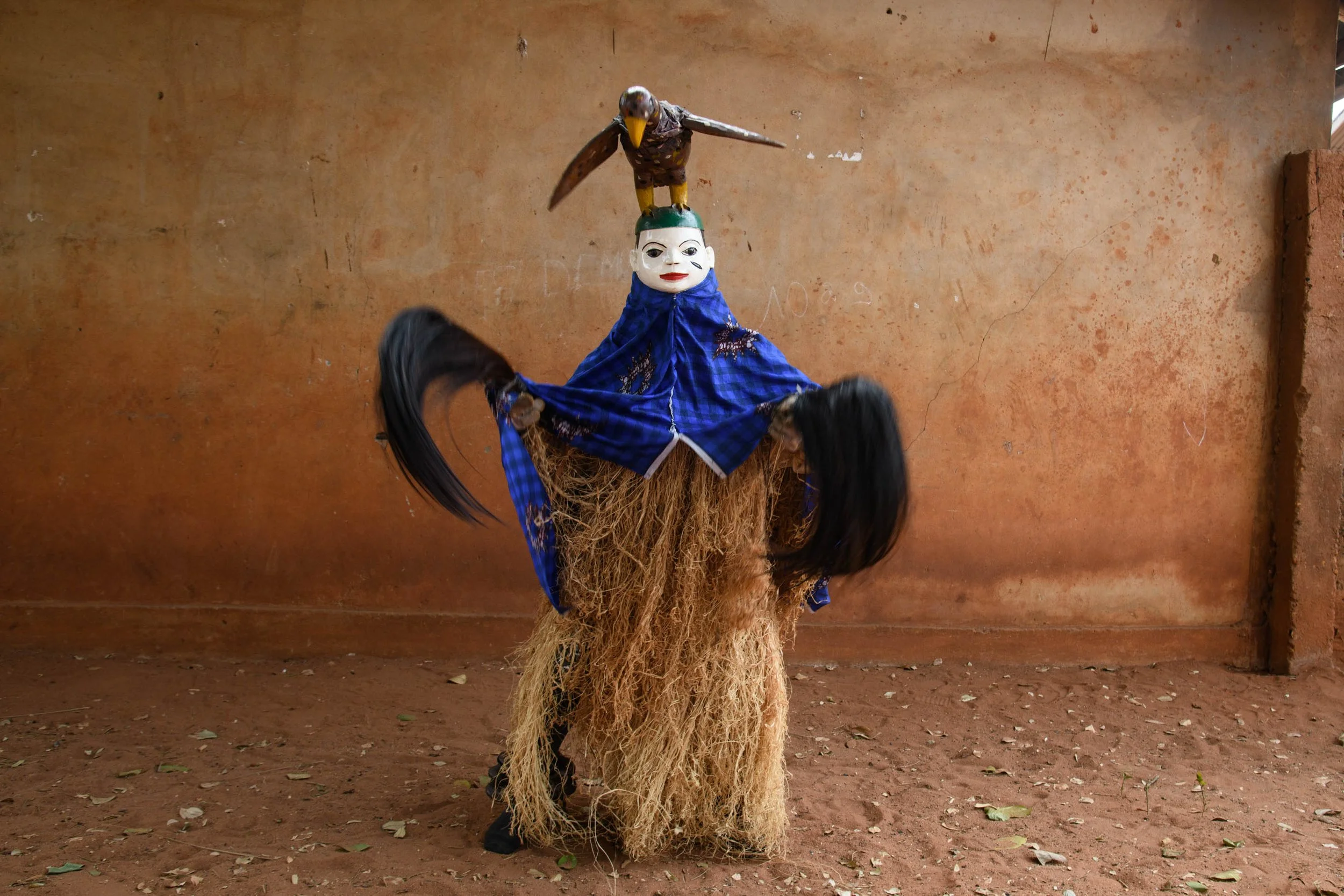
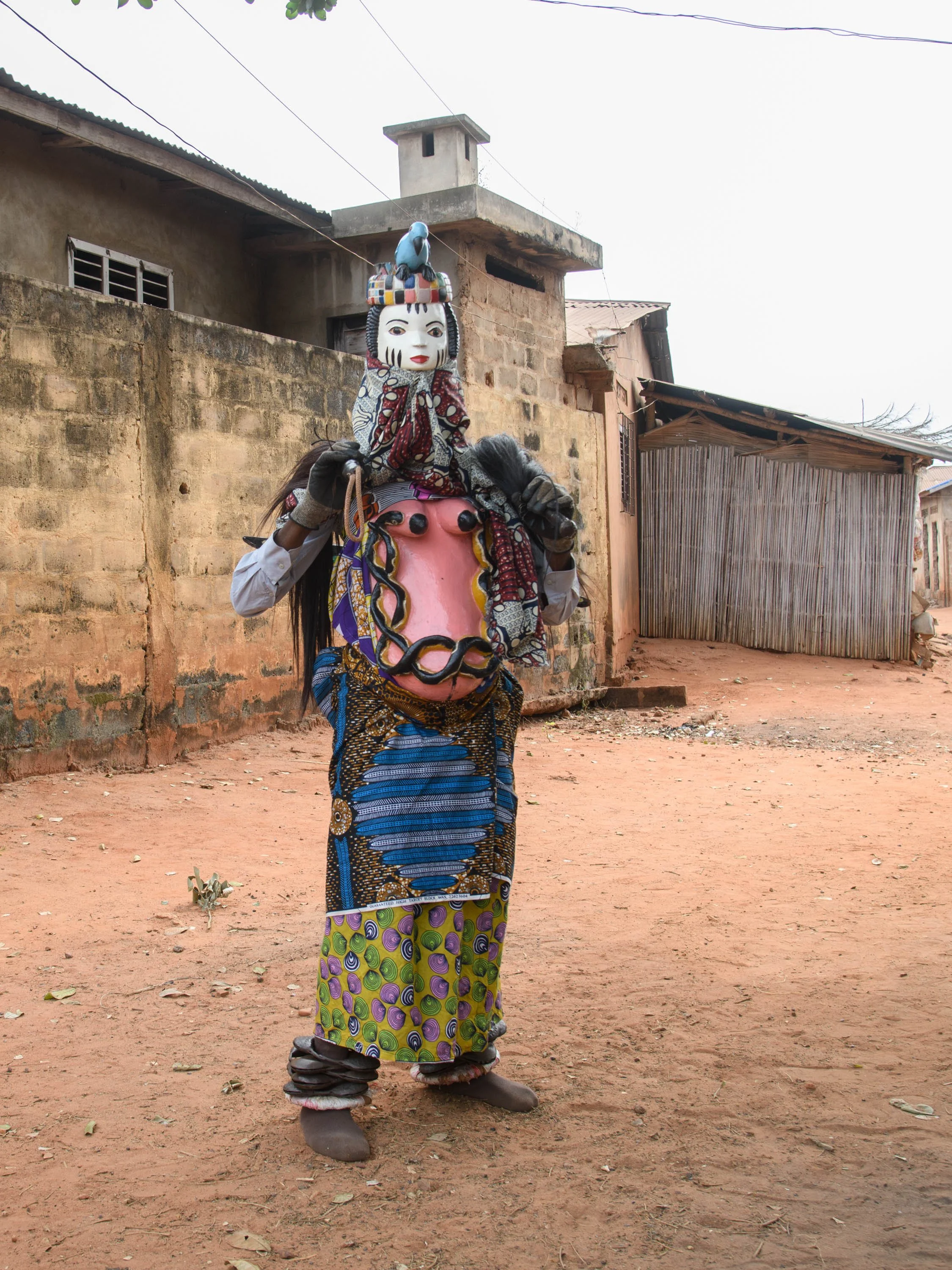
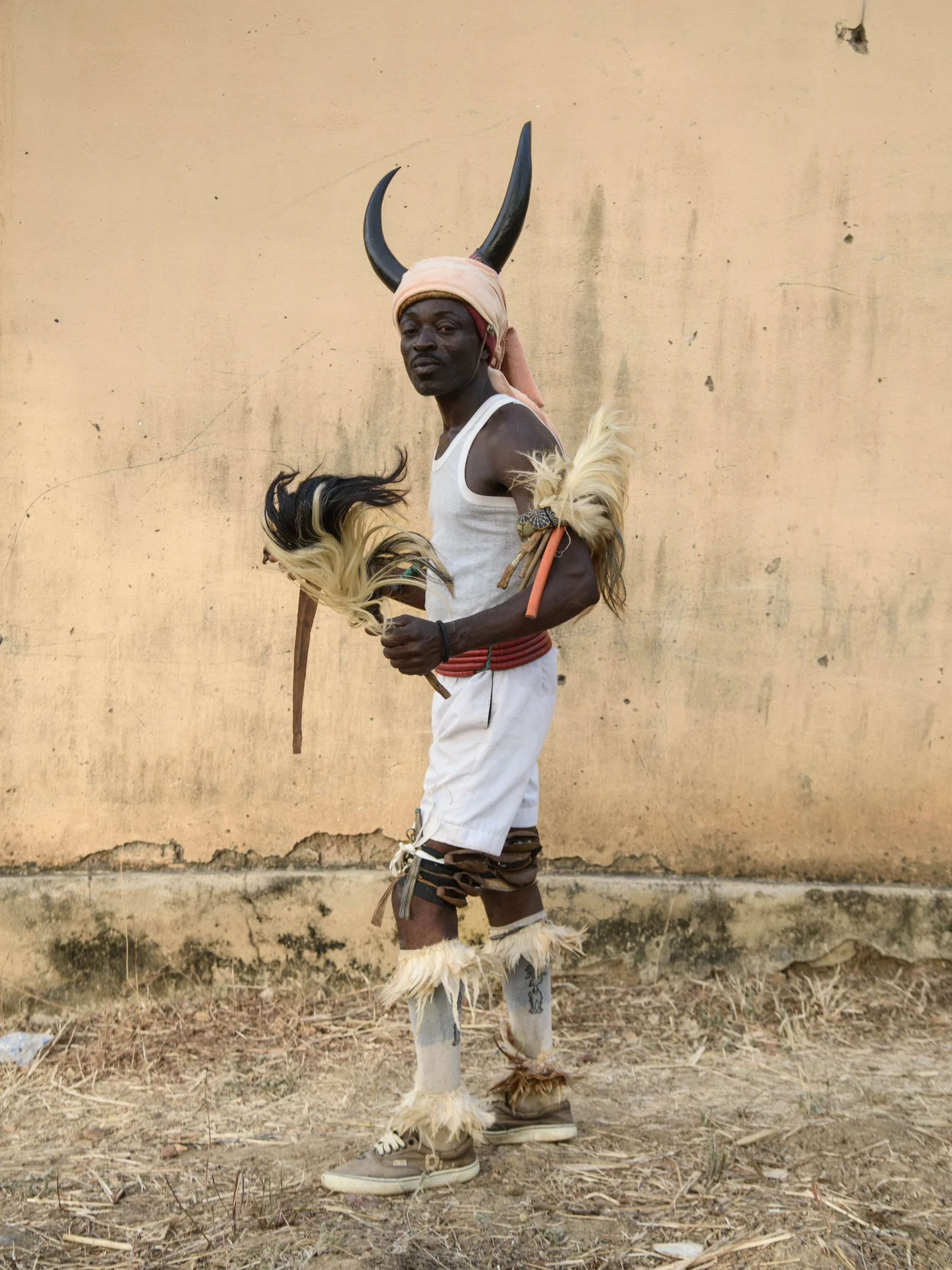
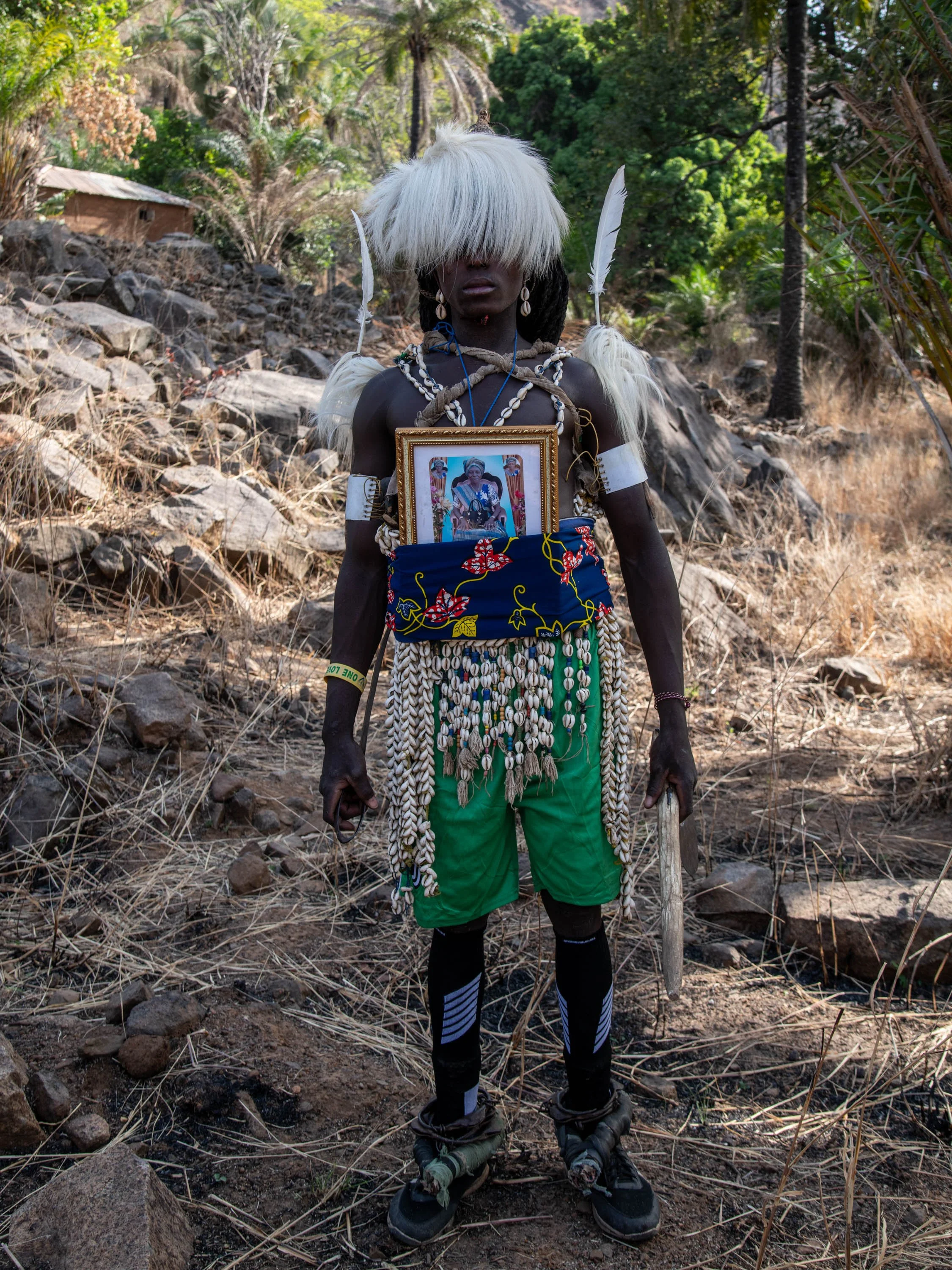
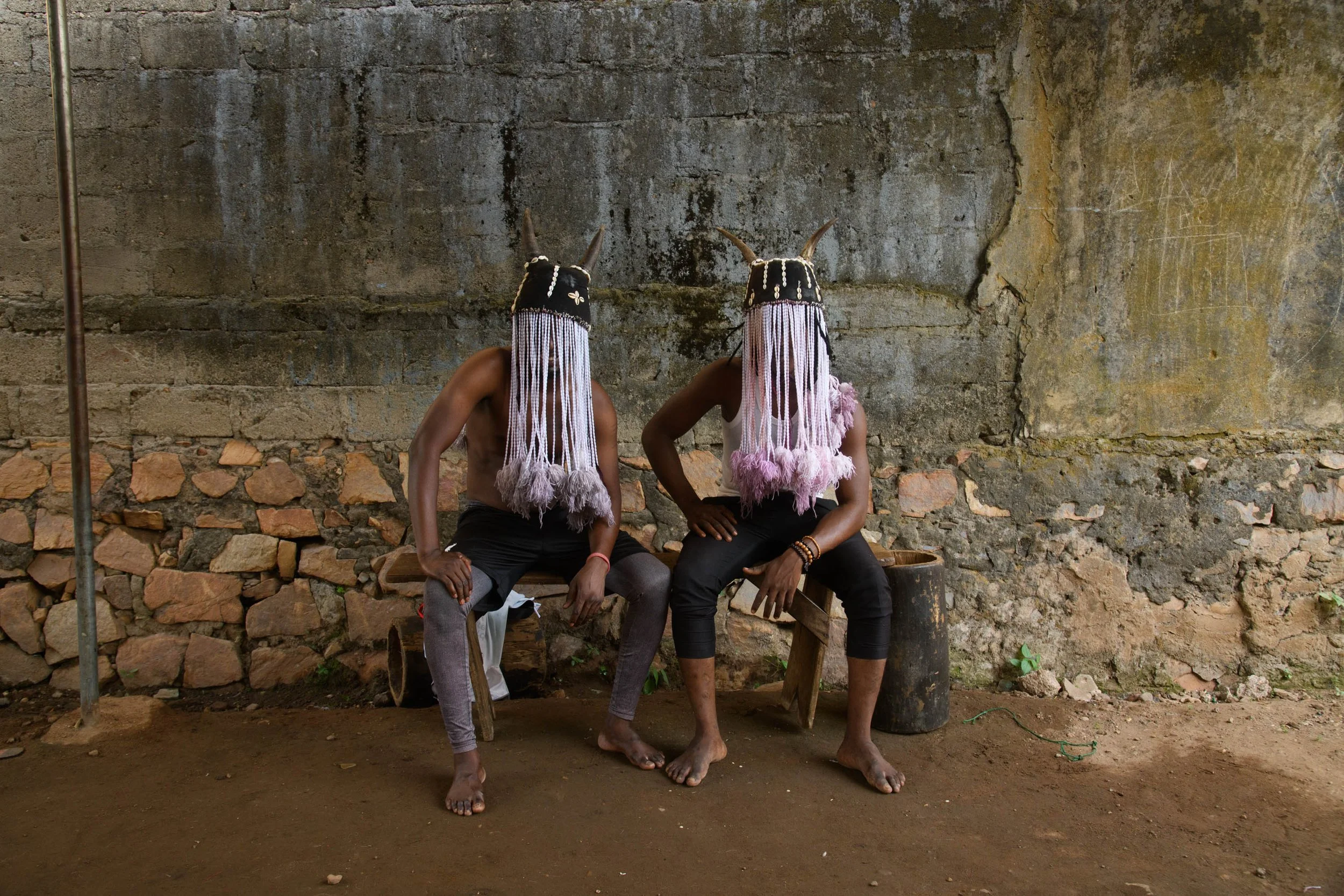
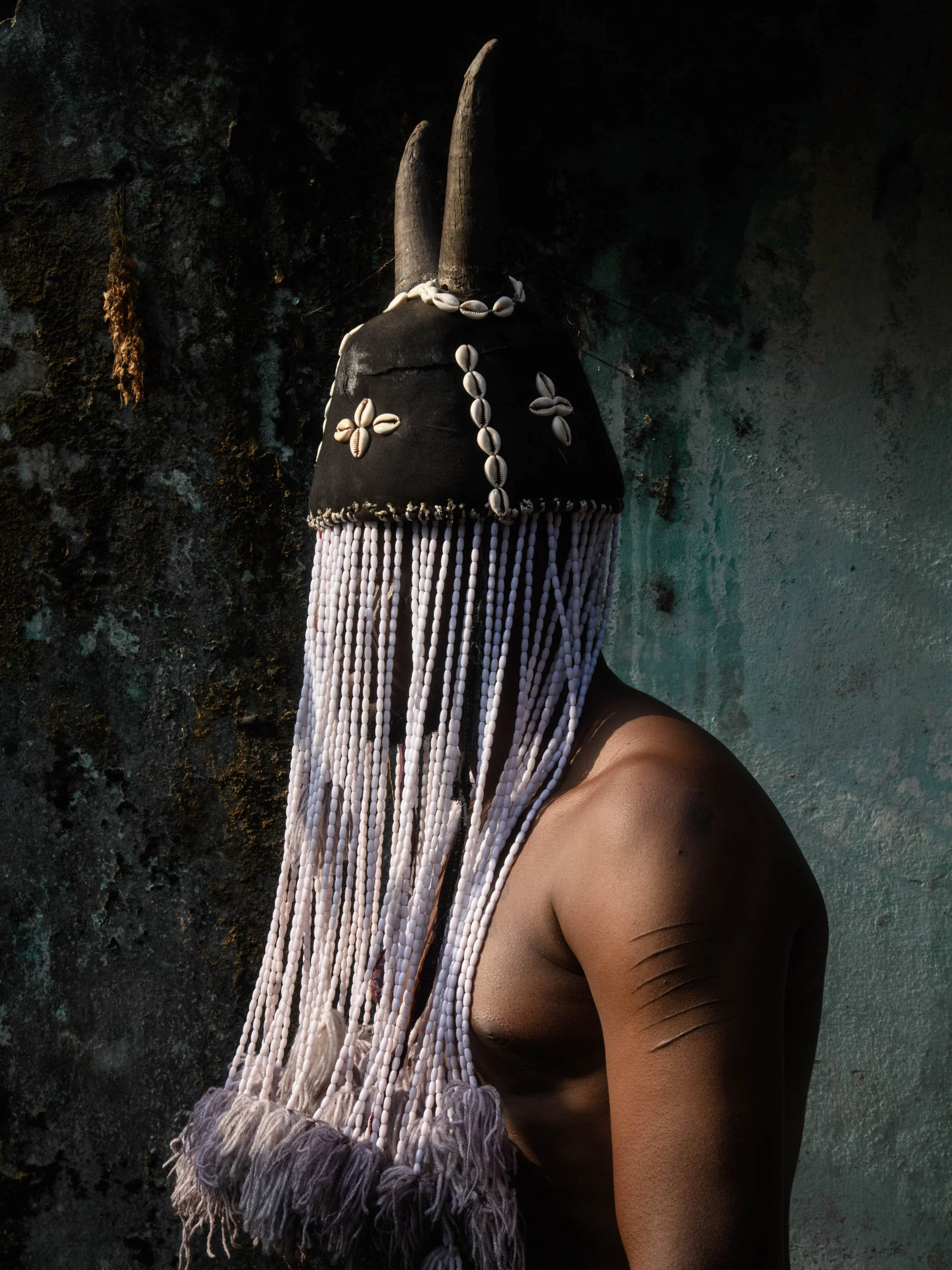
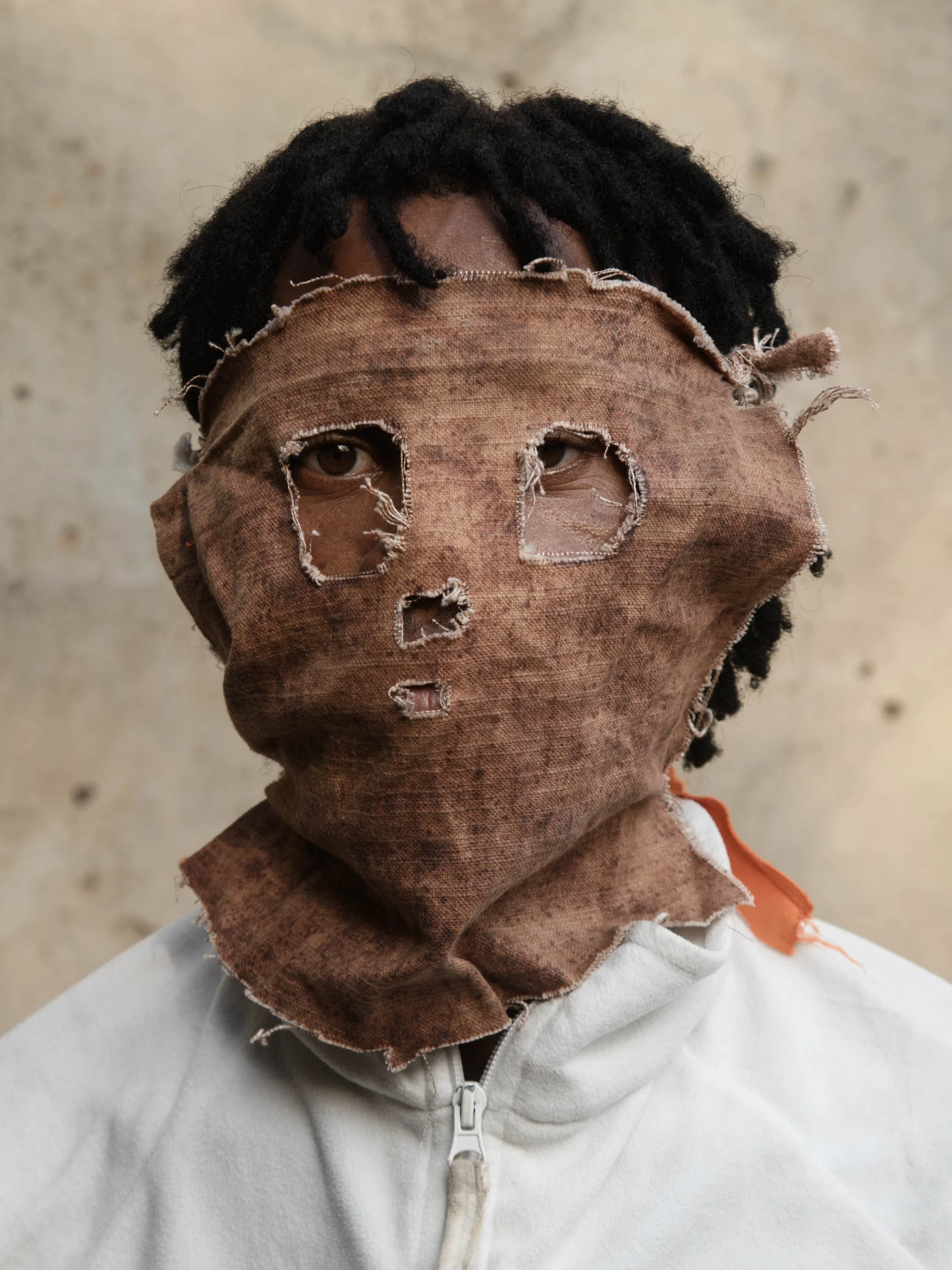
Equally powerful are the masked figures, whose elaborate costumes and performances bring Vodun deities to life, including Egungun (ancestral spirits), Gèlèdè (honoring great mothers and elder women), Zangbeto (guardians of the night), and the ritual masks of the Tchembe—each with unique symbolic and protective functions. Through these images, the masks emerge as living vessels of spiritual energy, mediating between the human and divine realms.
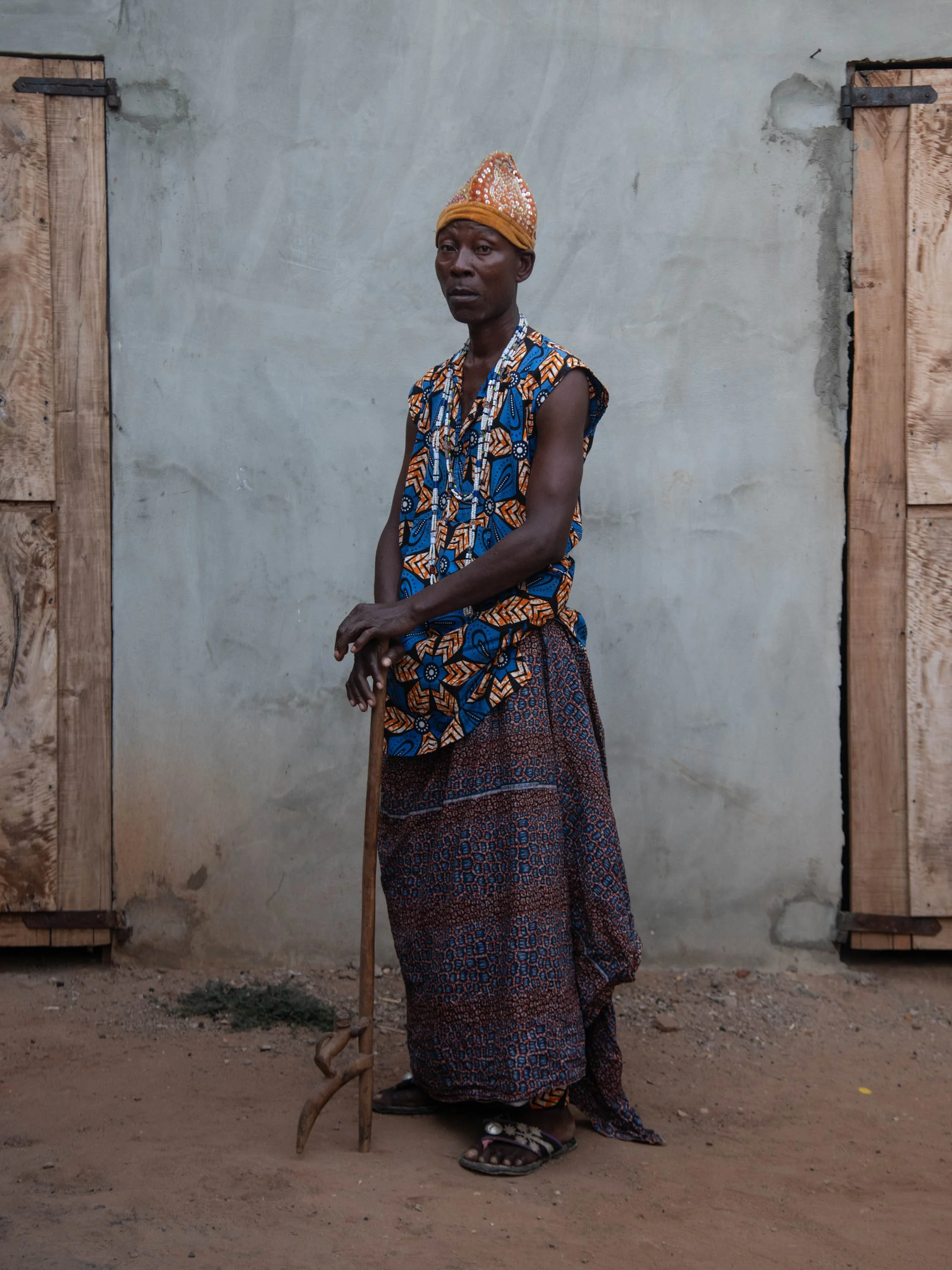
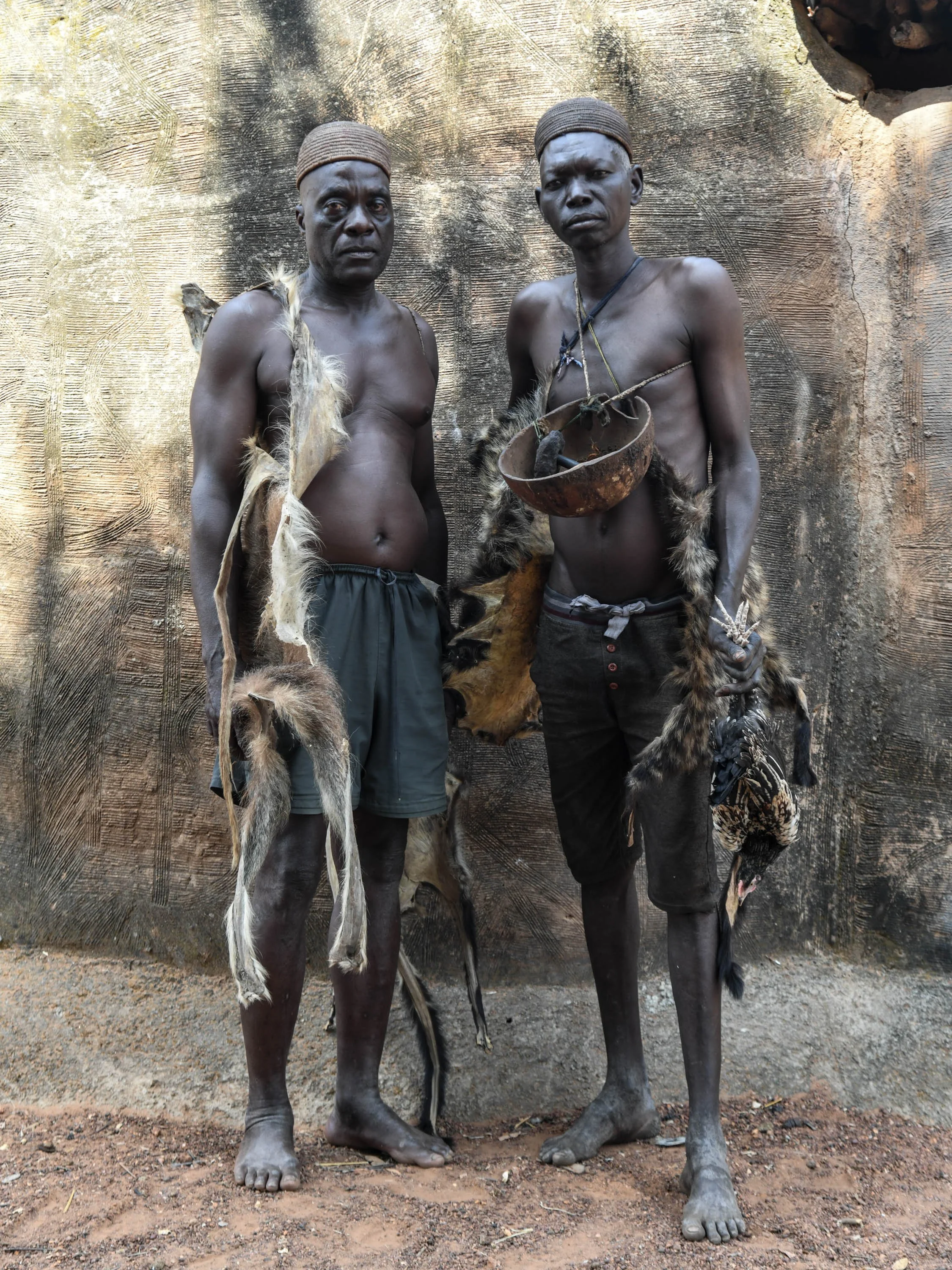
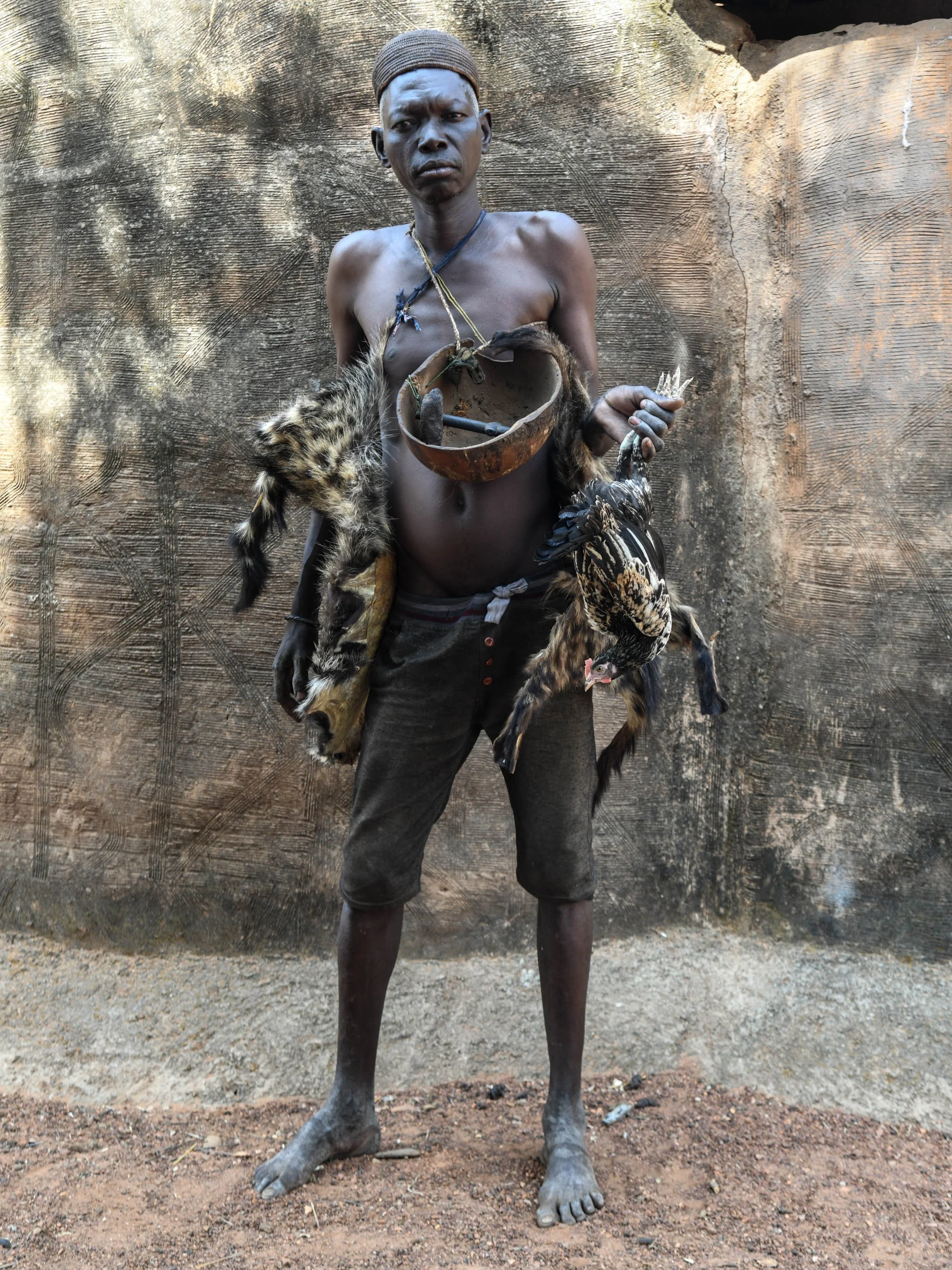
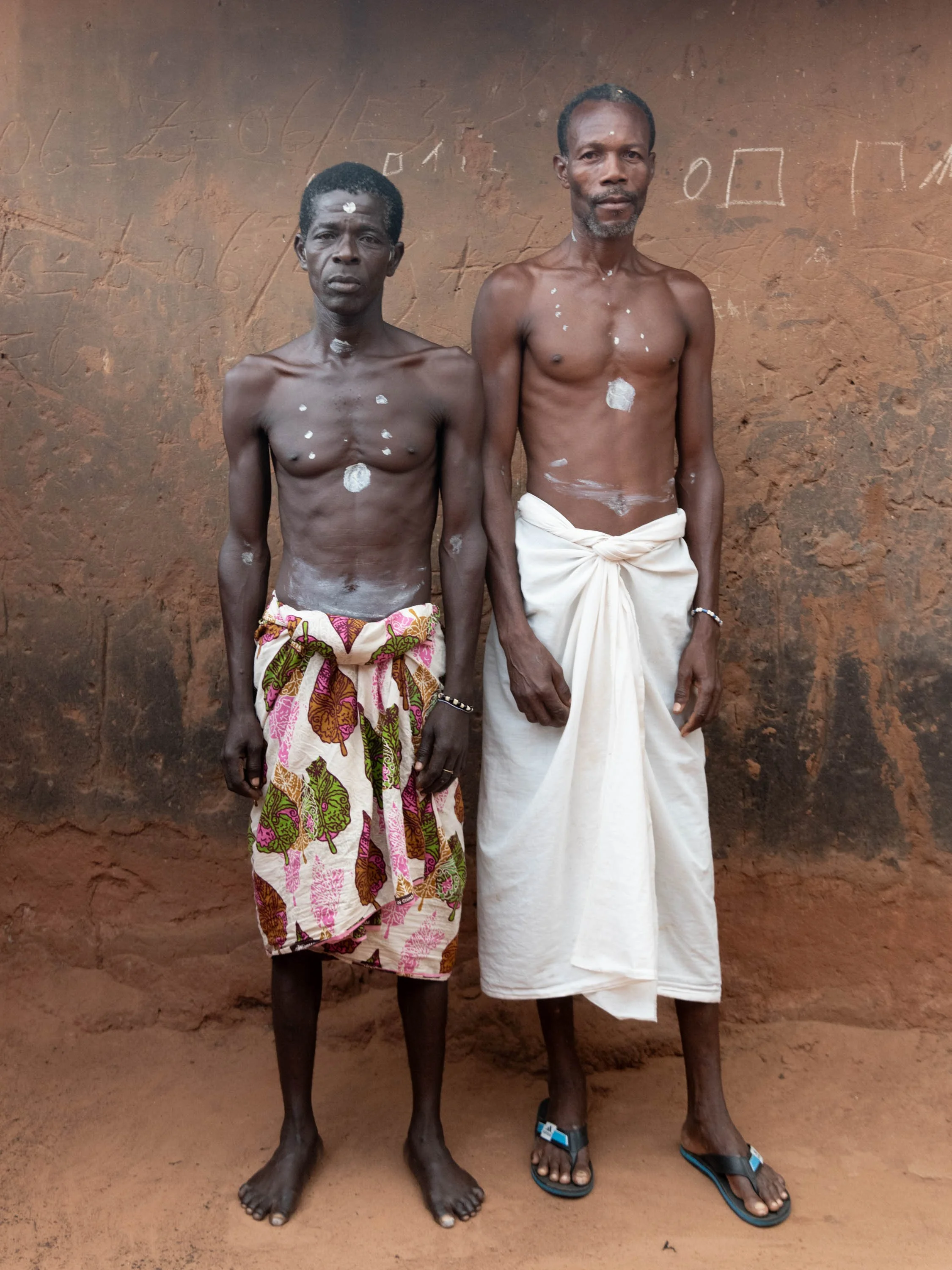
In the northern regions of Benin and Togo, the Tamberna people (Batammariba or Somba) maintain distinctive Vodun practices. Priests and ritual specialists serve as guardians of spiritual knowledge, guiding ceremonies, initiations, and community rituals. Among them, feticheurs associated with sacred compounds (tata somba) act as mediators between humans and spirits, performing rituals for protection, healing, and guidance.
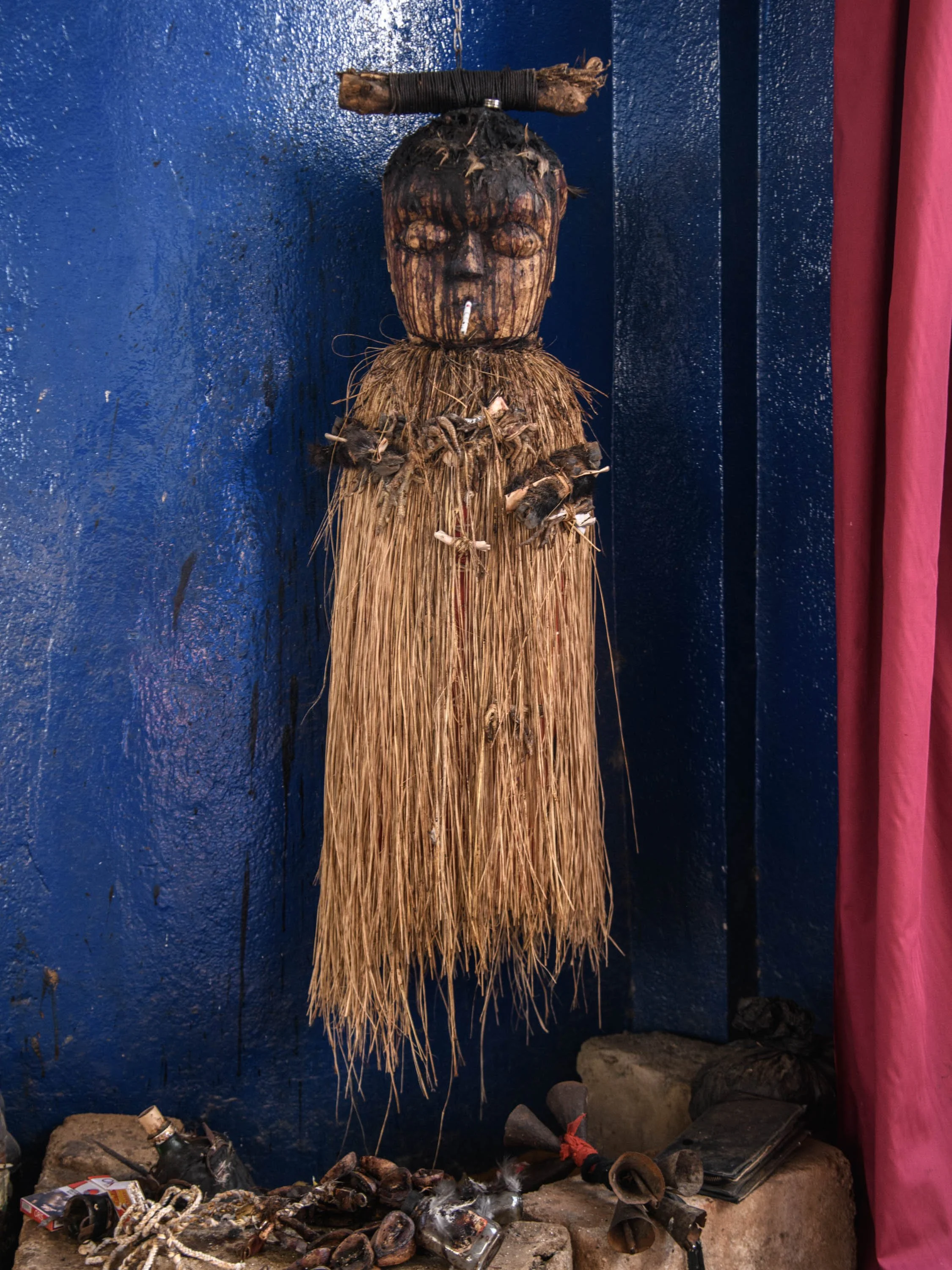
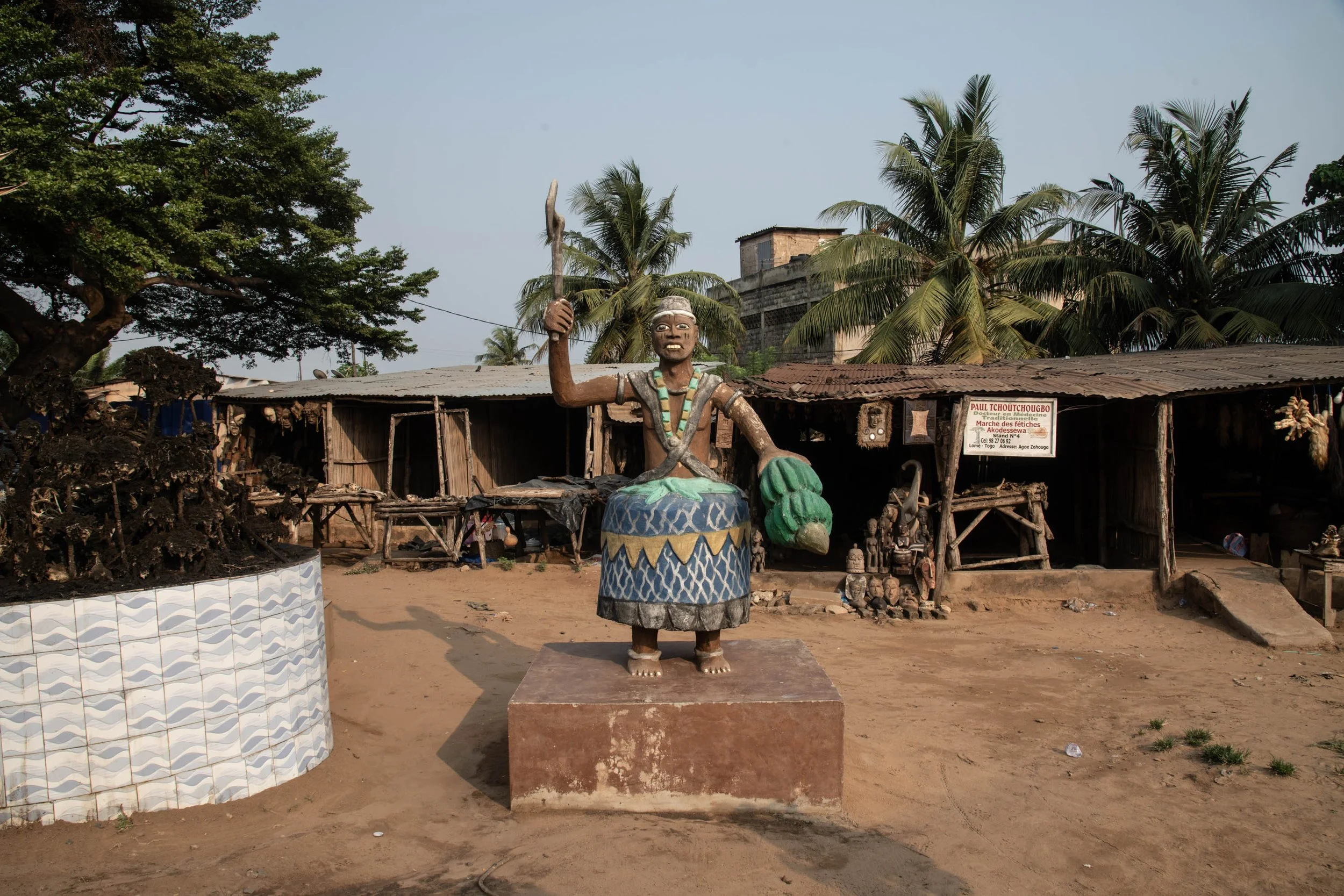
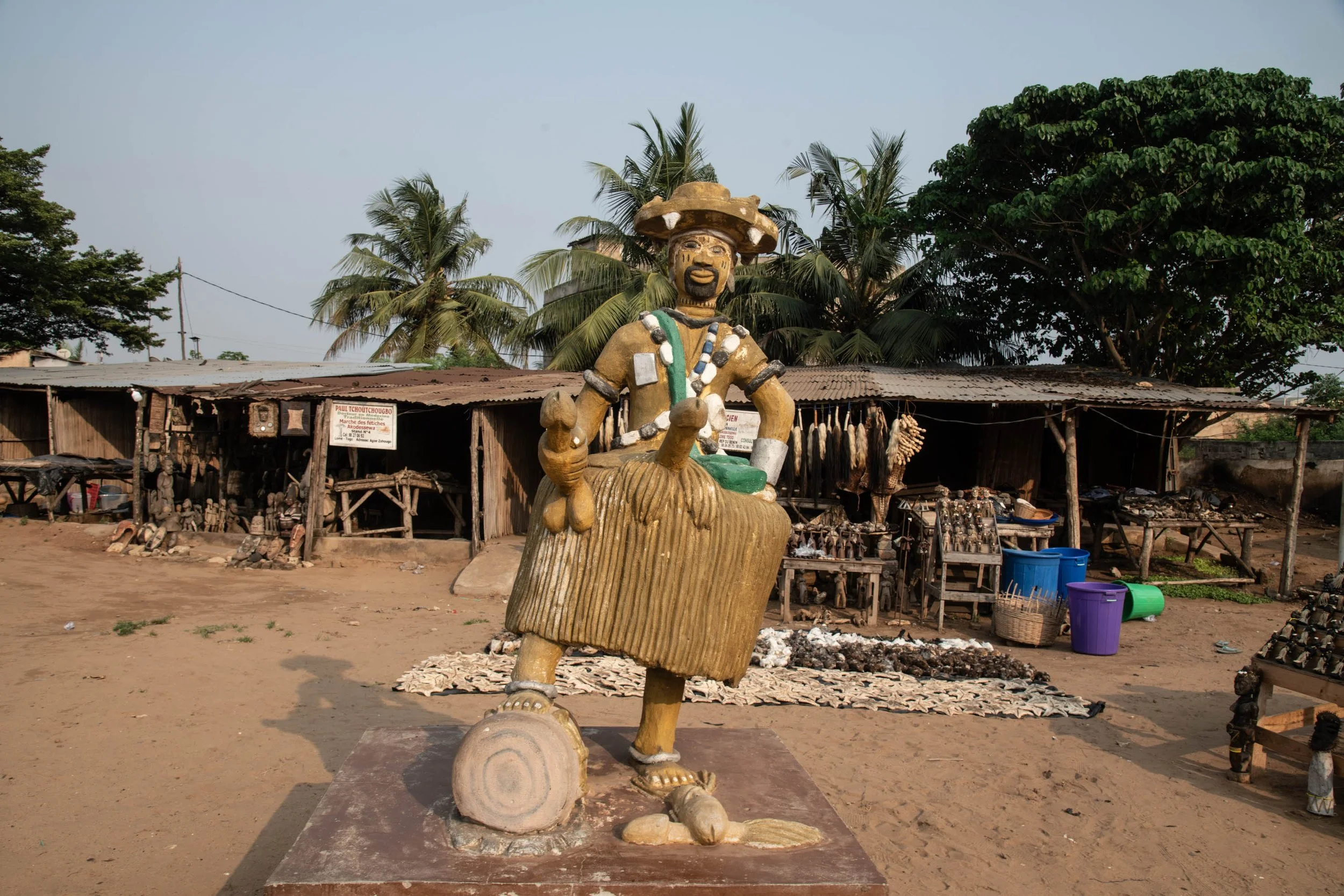
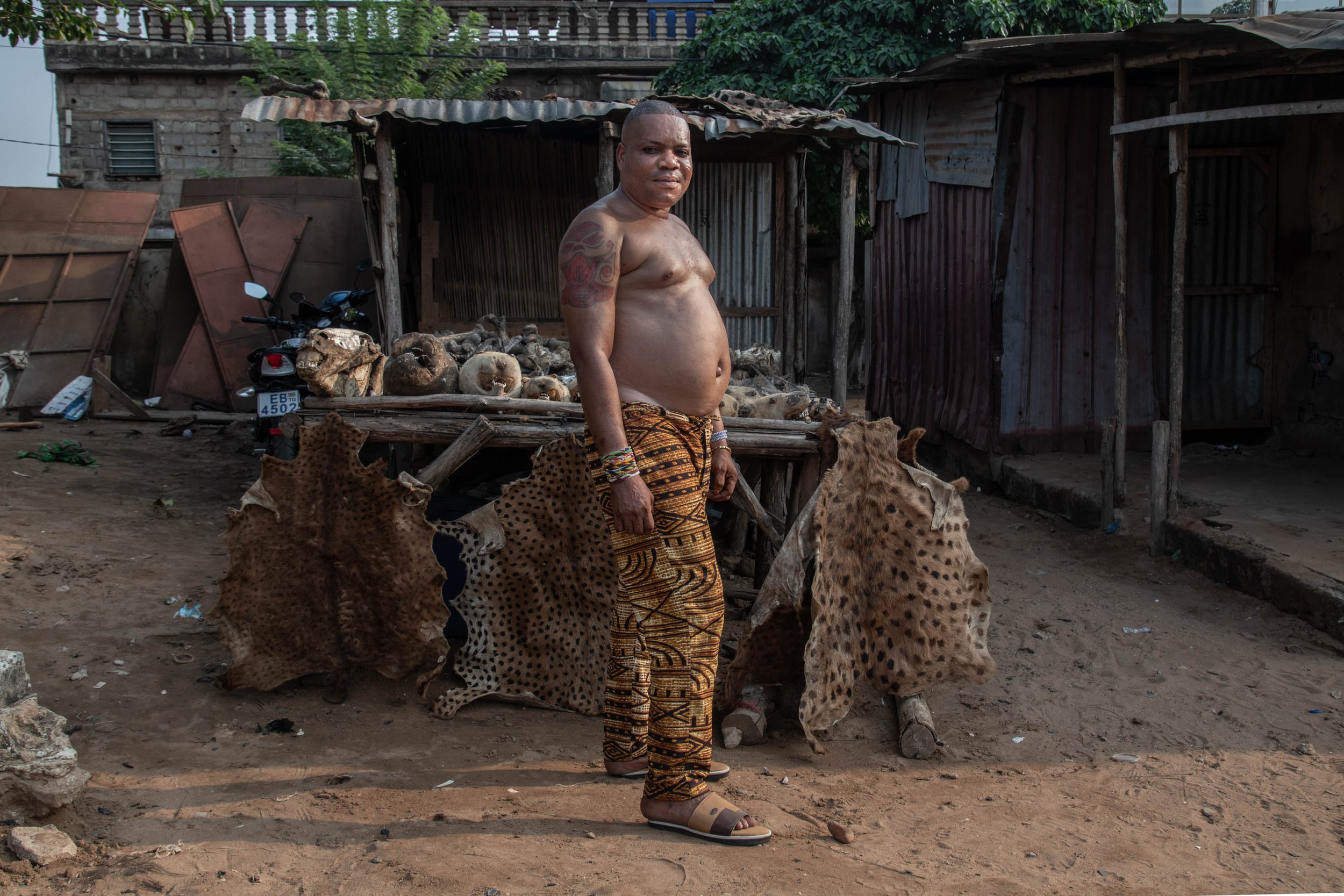
Across the region, fetish markets such as the famous marché des féticheurs in Lomé — where talismans, ritual objects, and parts of animals believed to house spiritual power are offered for sale — illustrate another dimension of Vodun practice. These fetiches (objects imbued with spiritual potency) are used in healing, protection, and ceremonial rites and are often consulted or activated by ritual specialists when community members seek aid, blessings, or transformation.
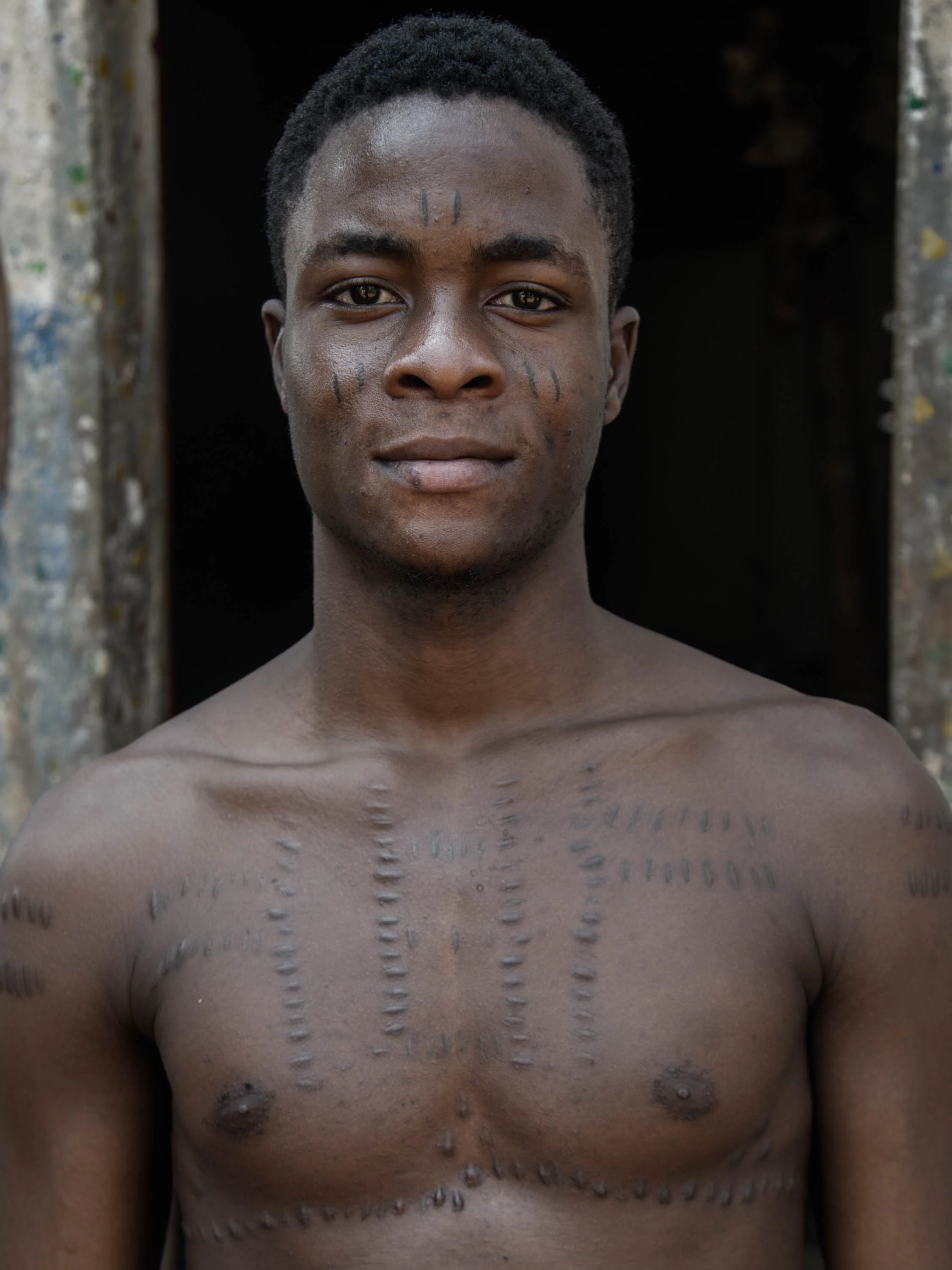
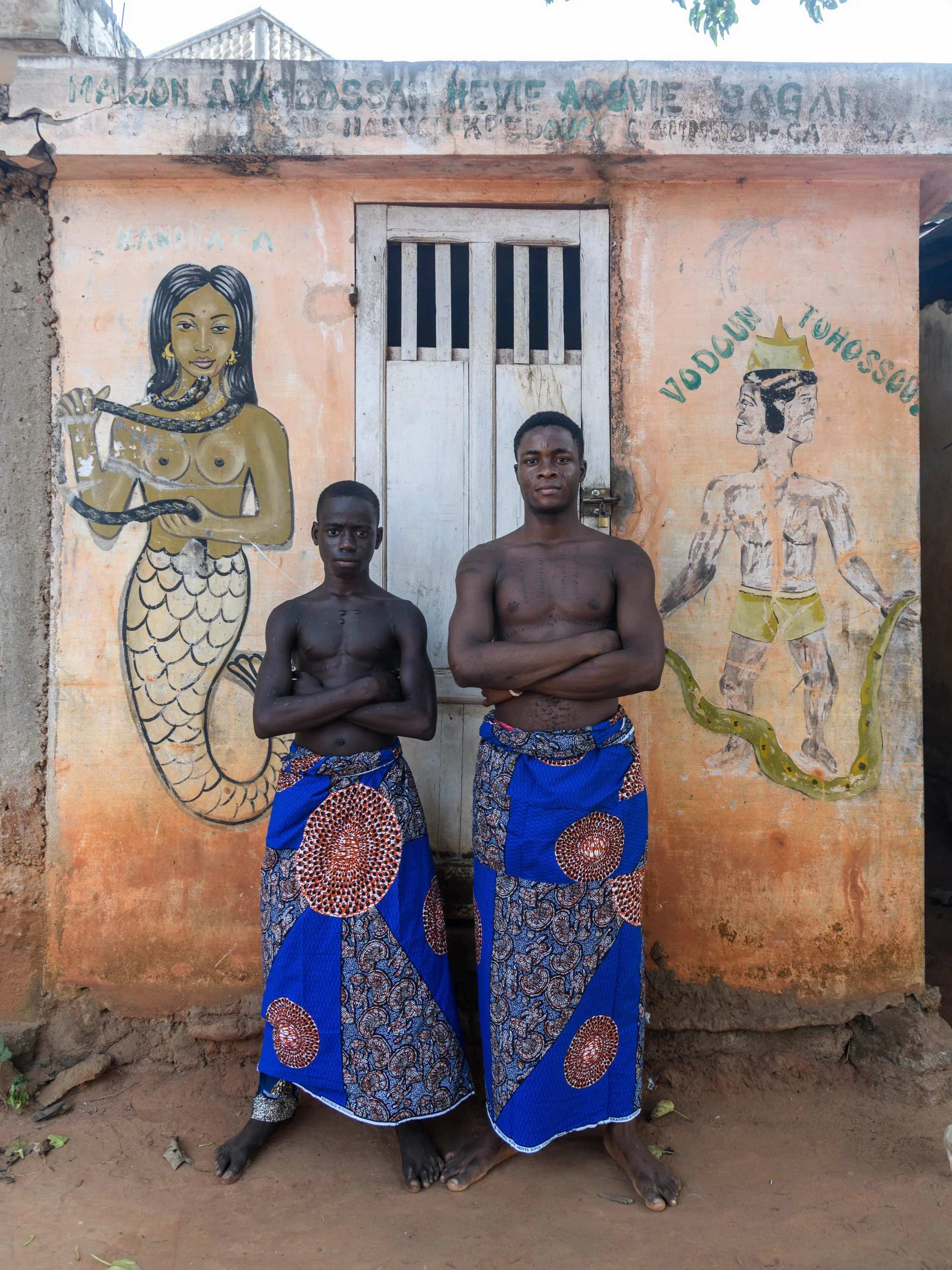
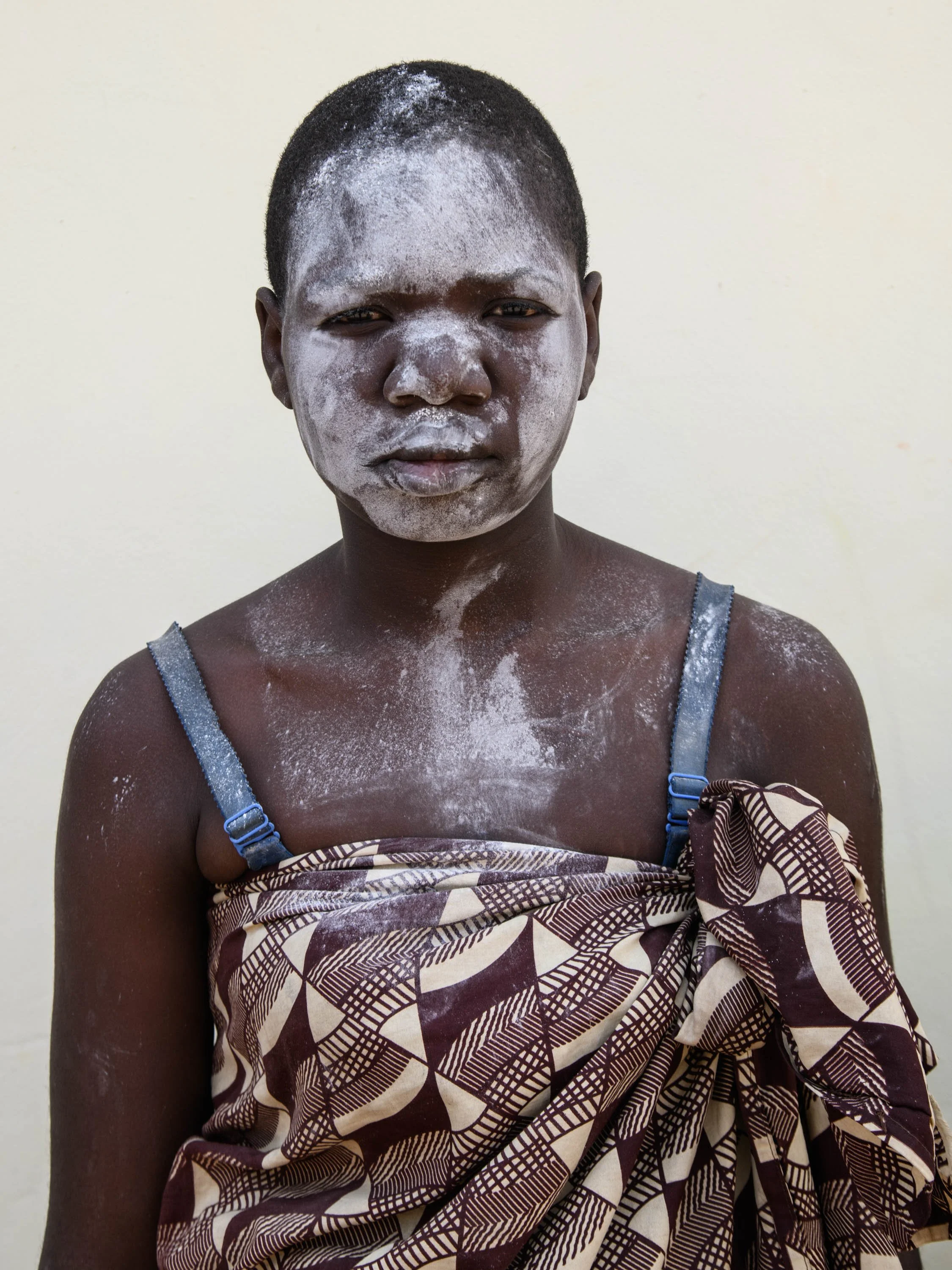
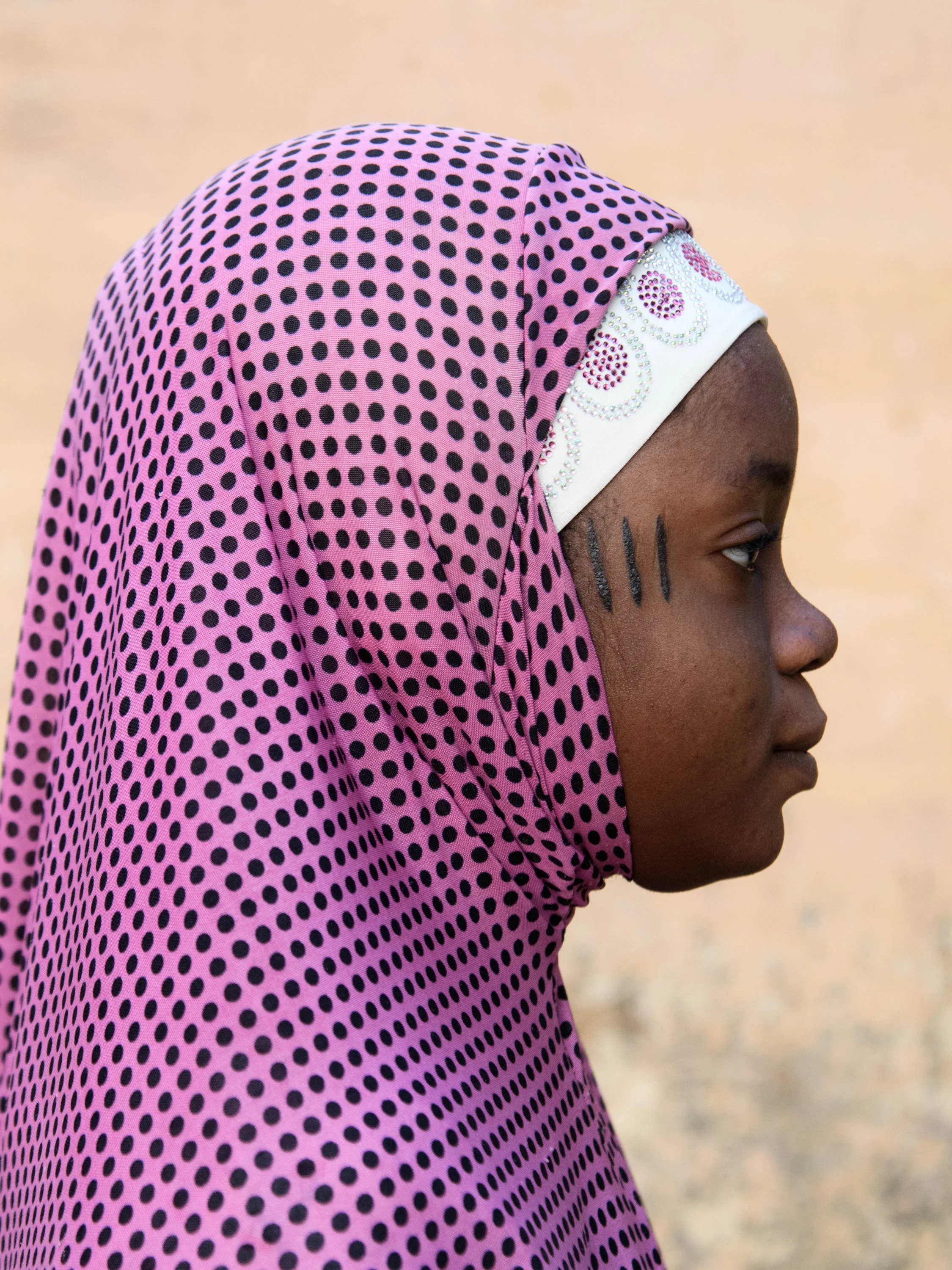
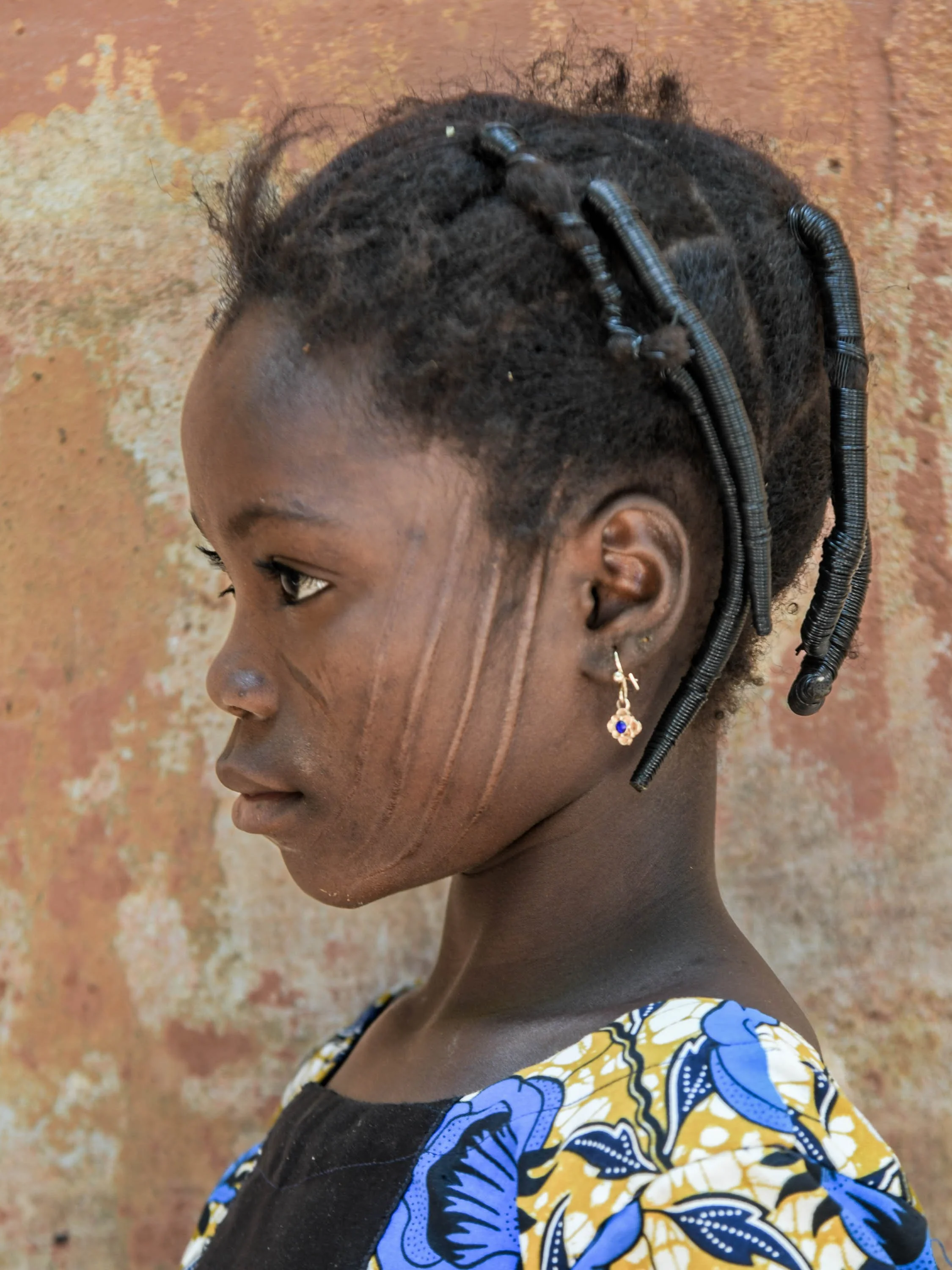
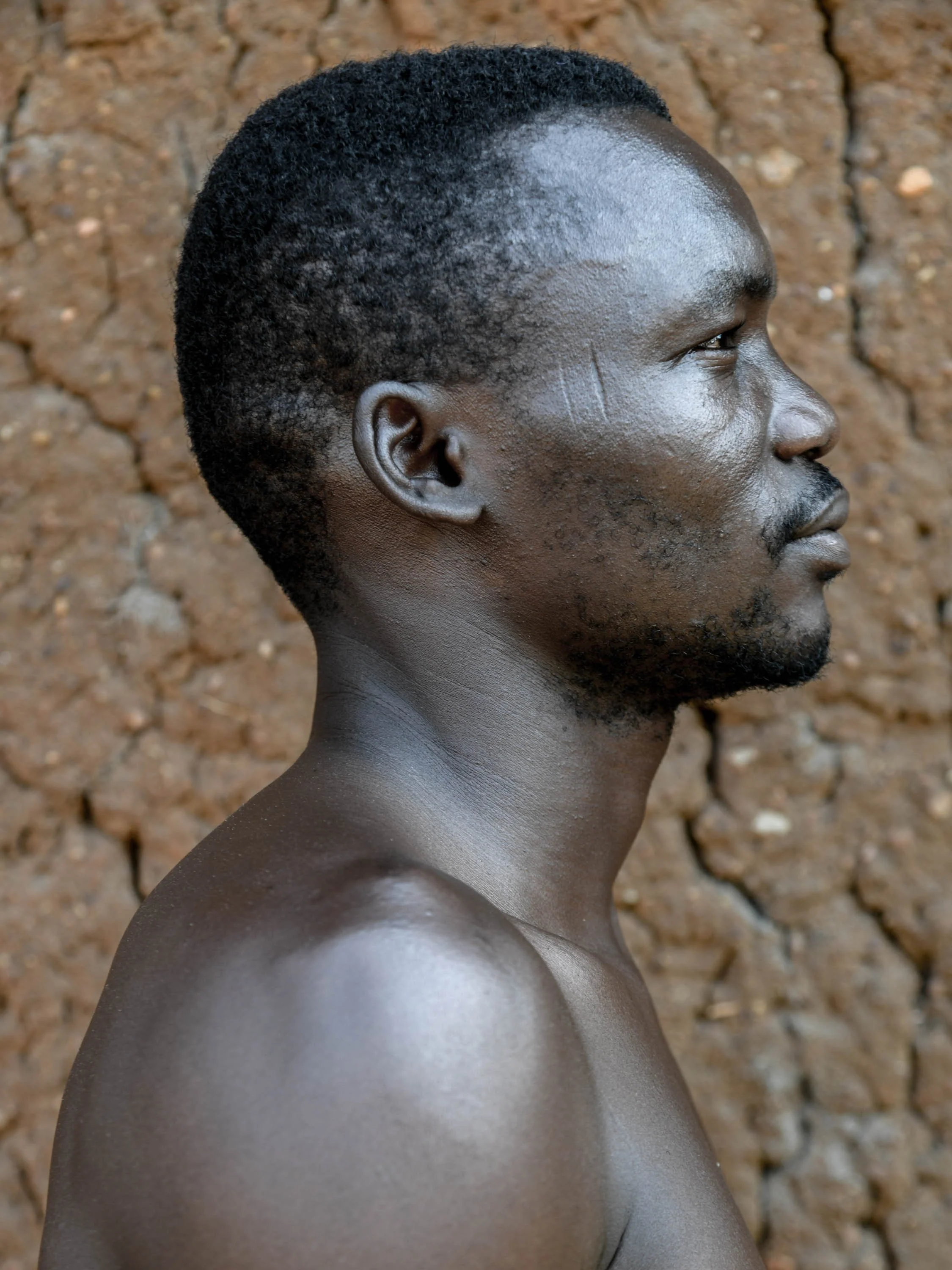
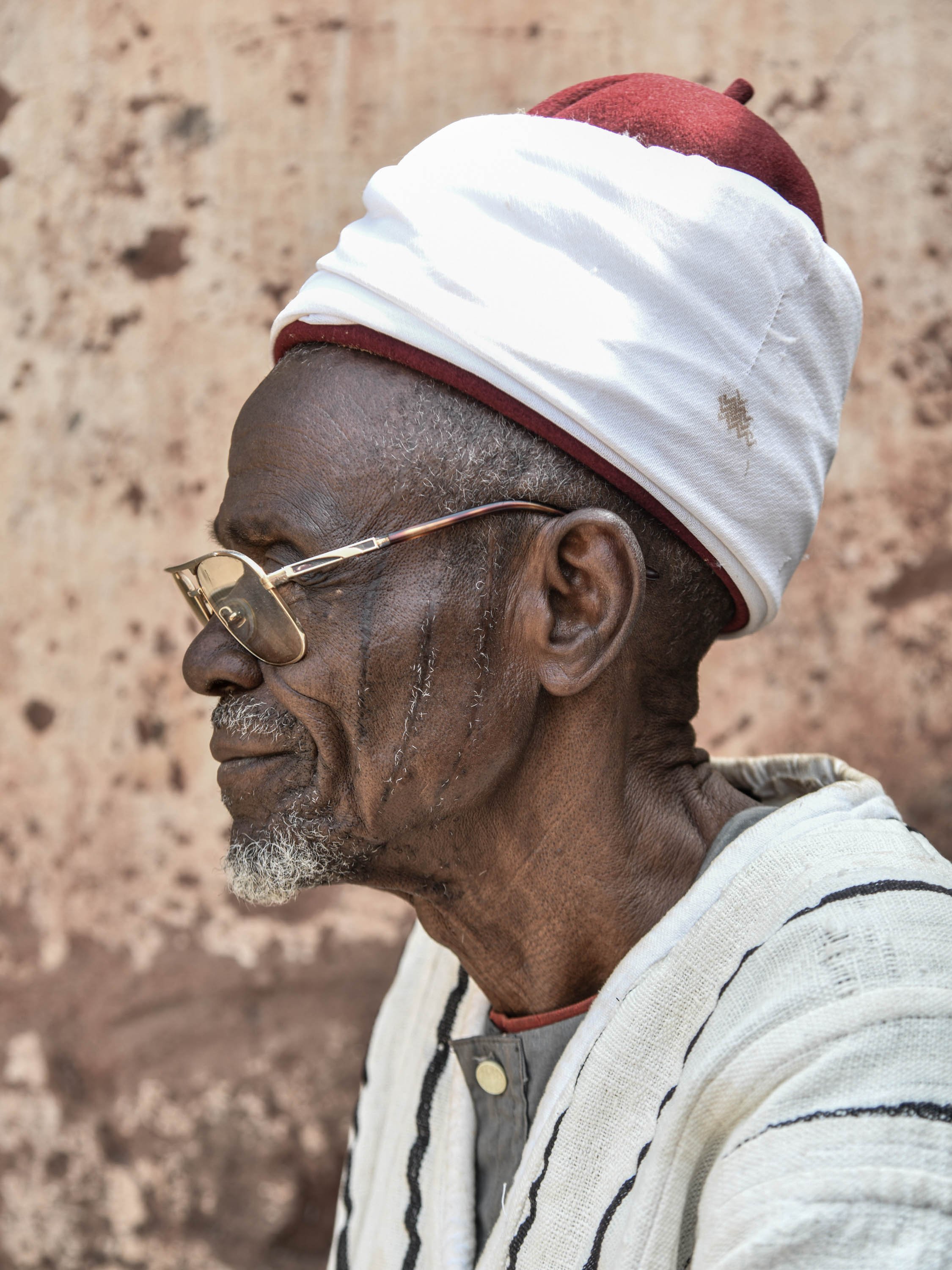
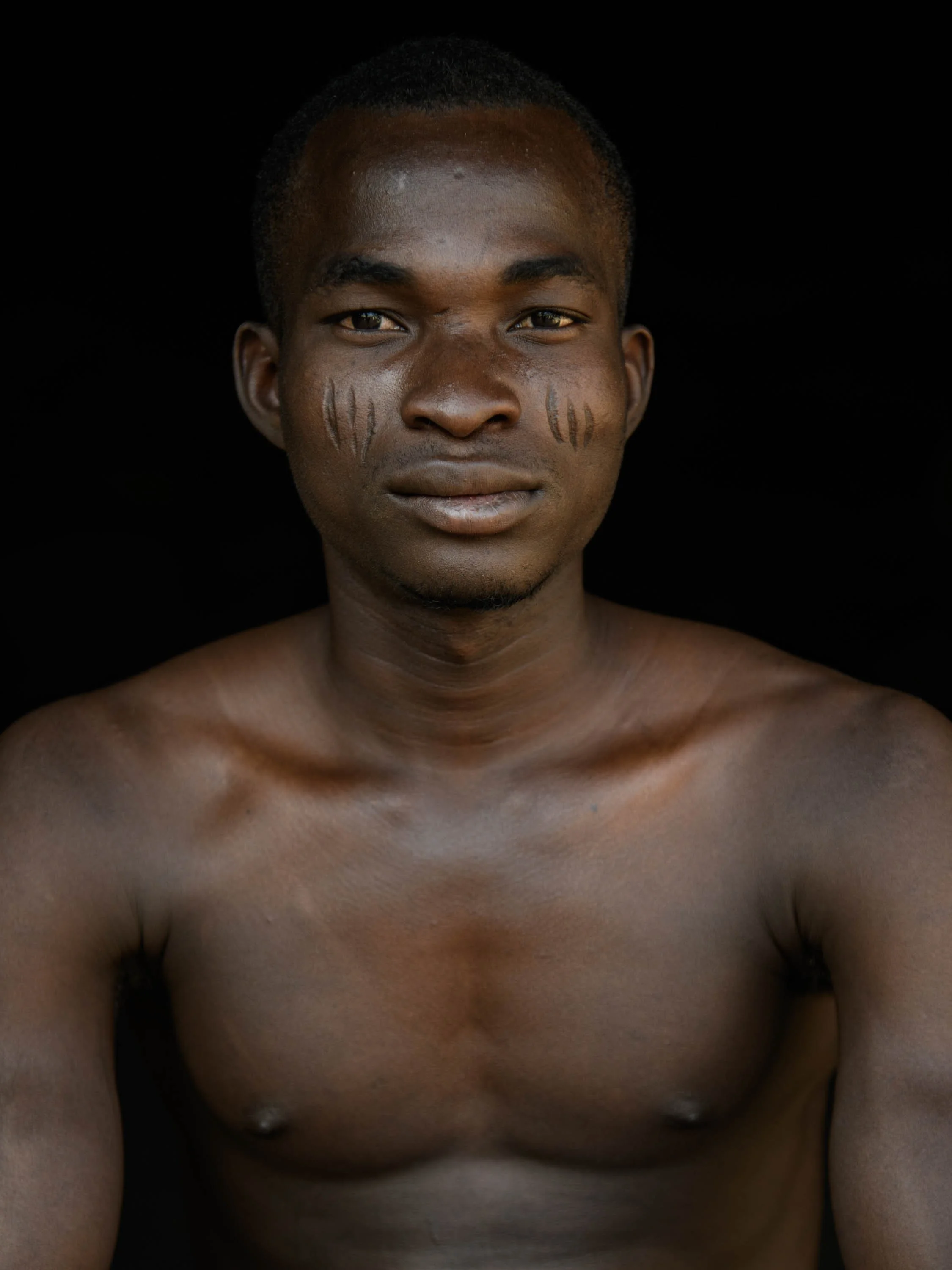
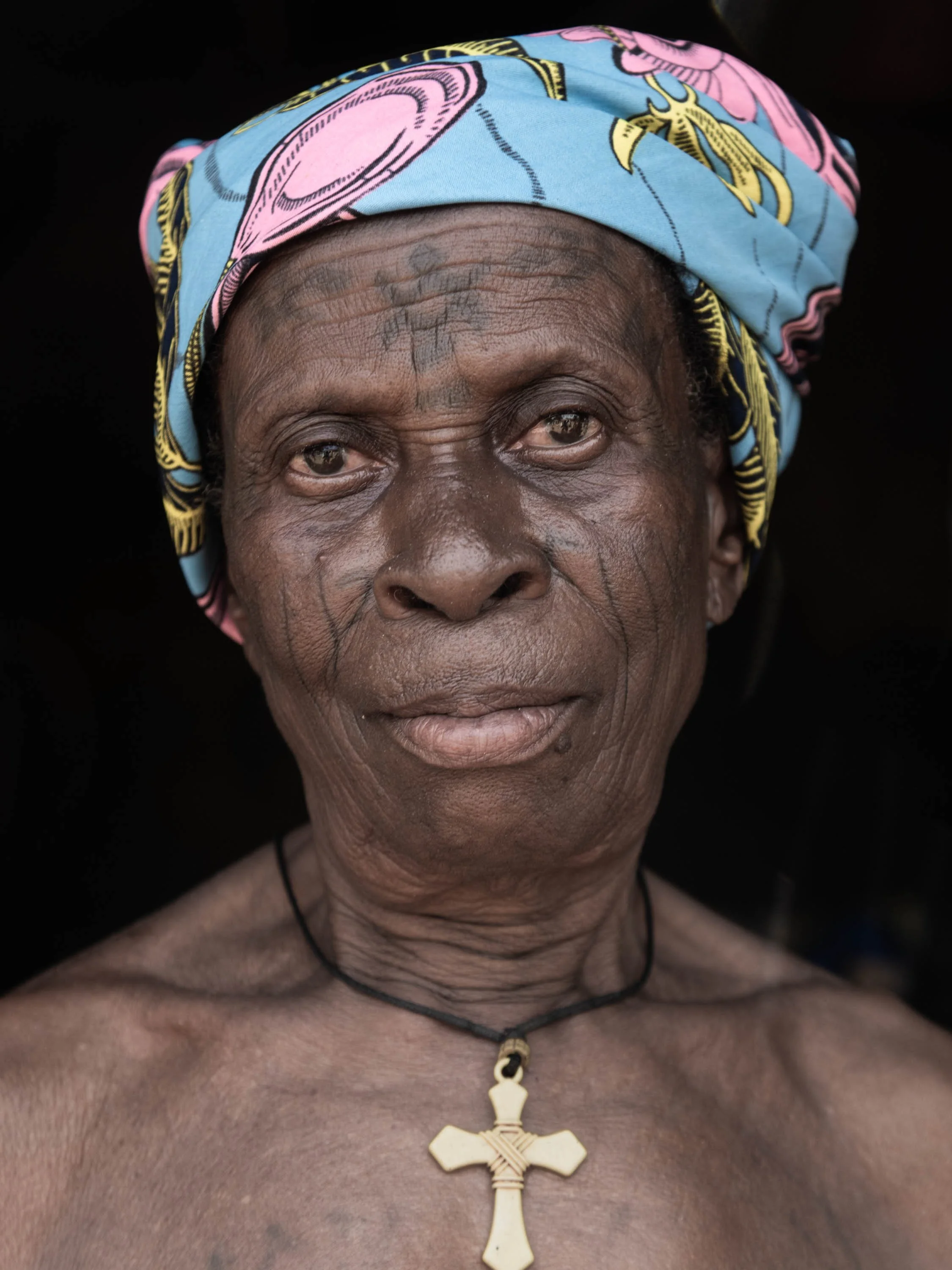
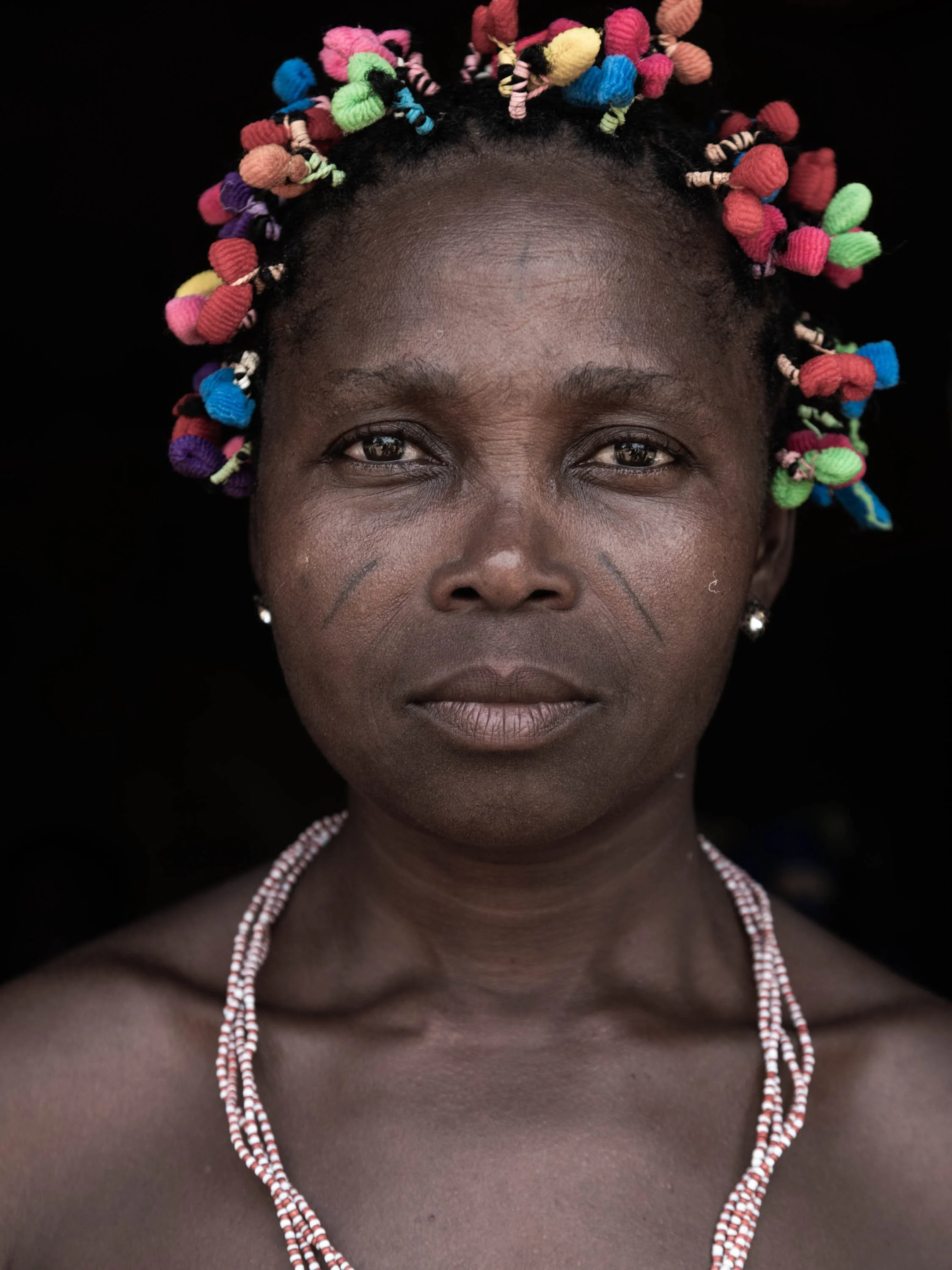
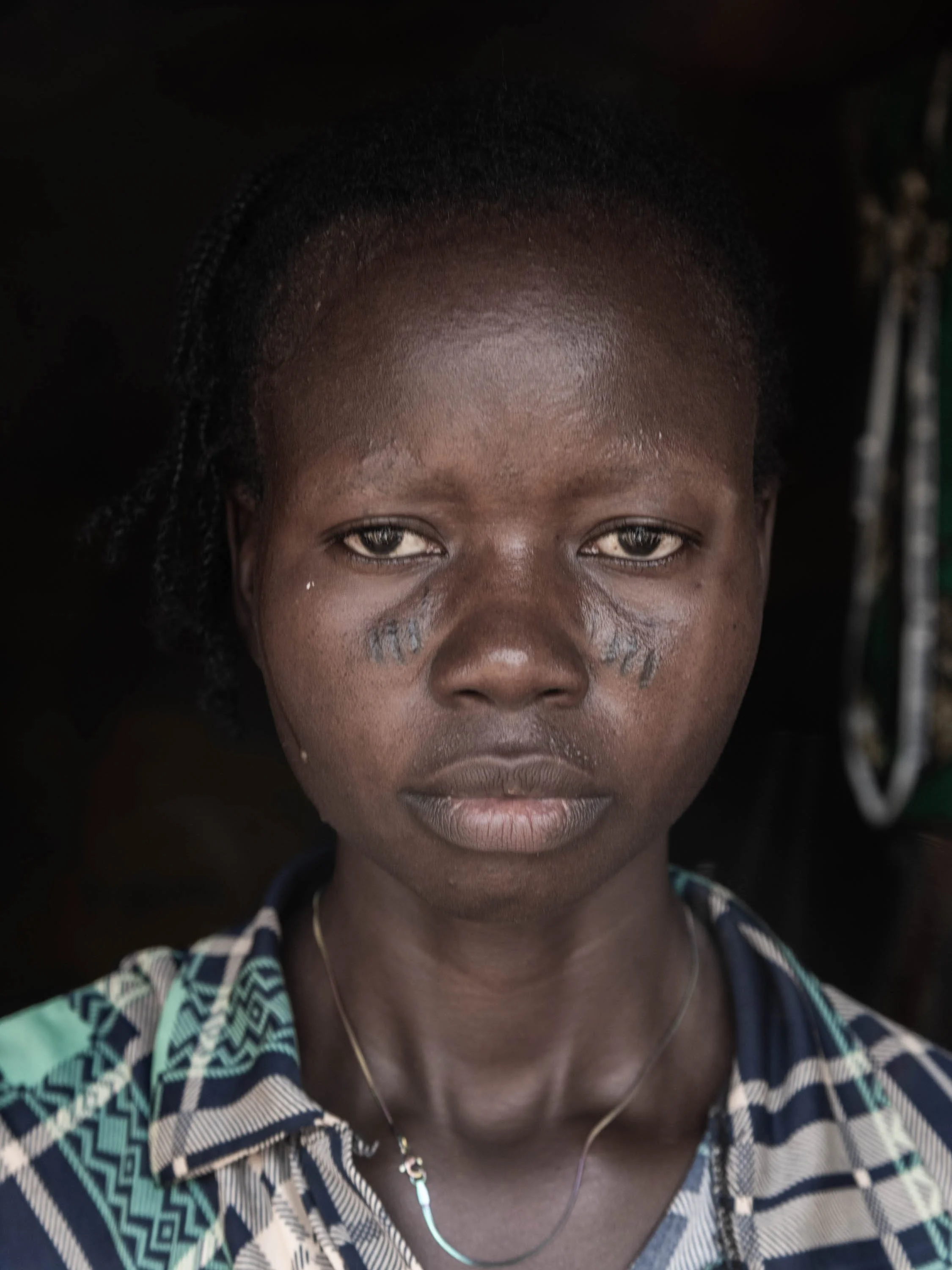
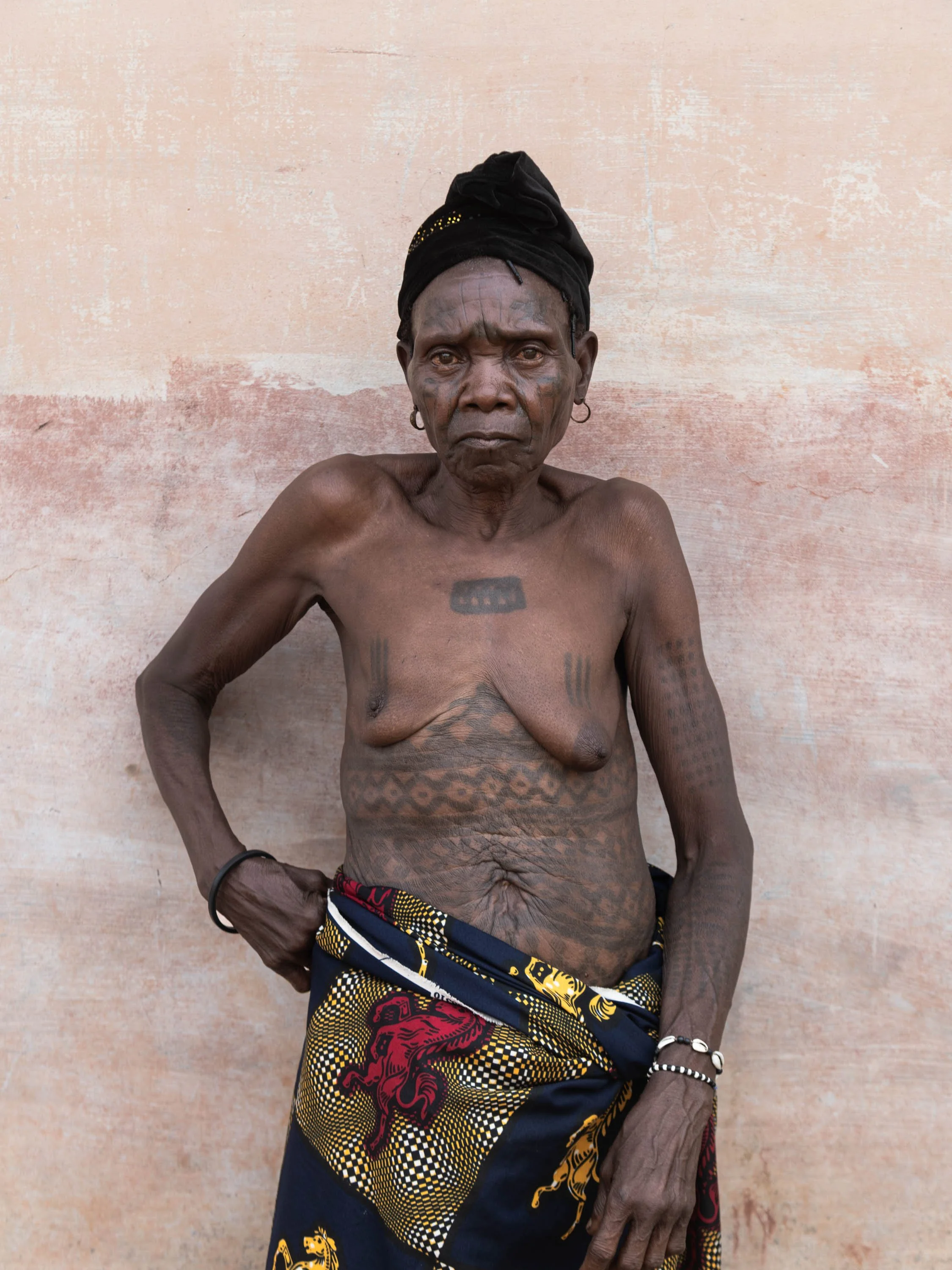
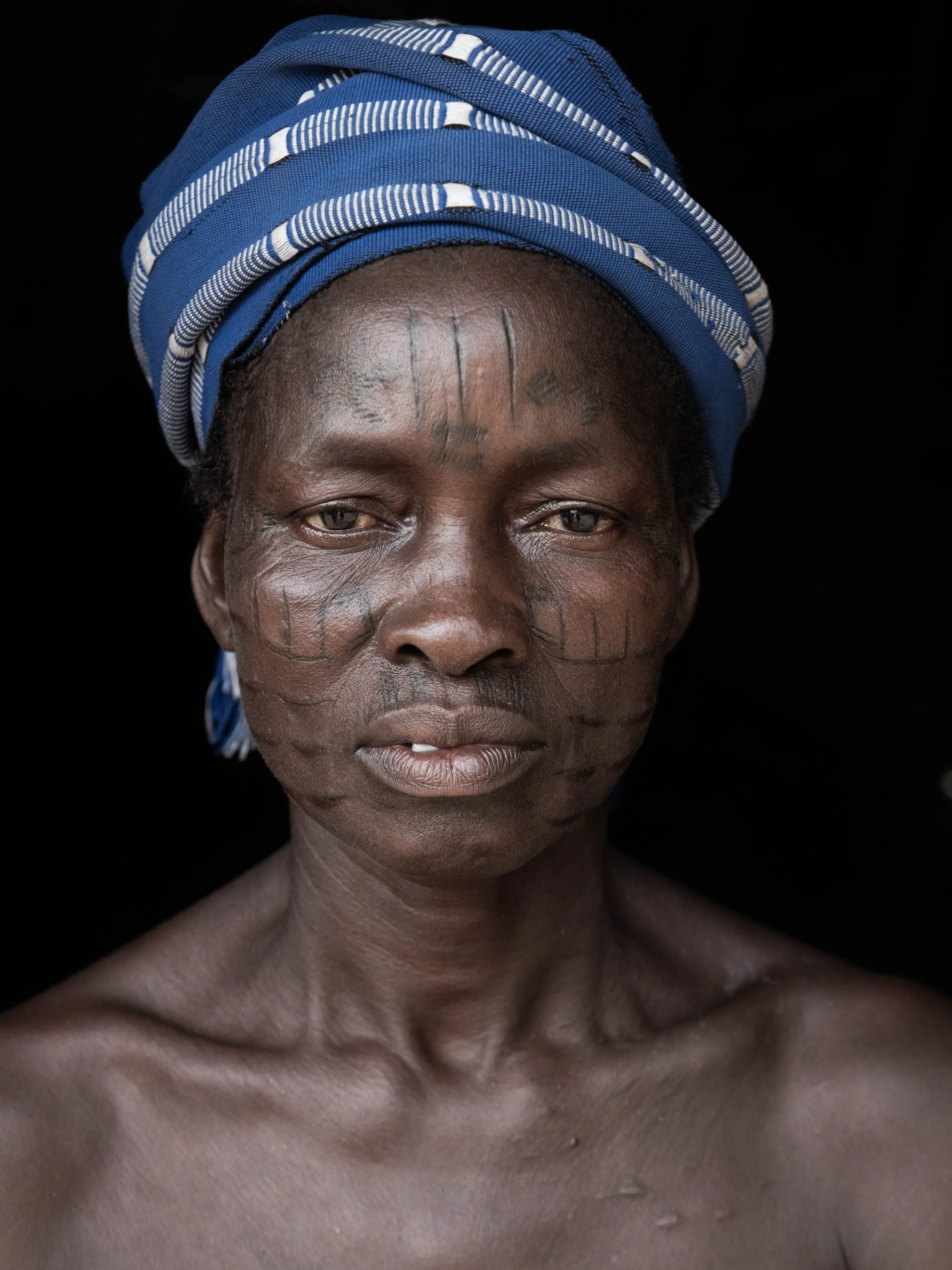
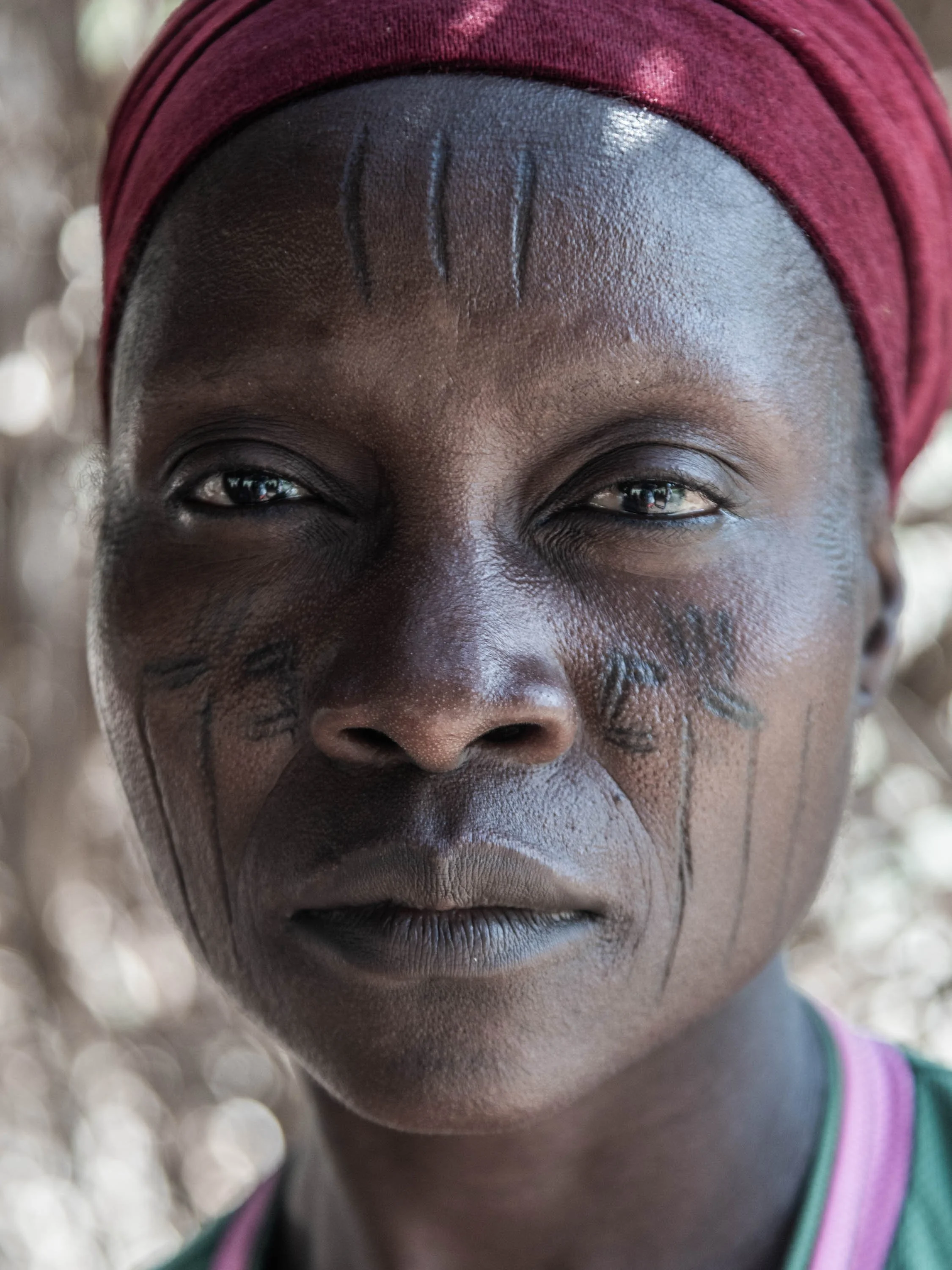
Many individuals also bear scarifications or body marks, visible signs of religious affiliation, ethnic identity, or social status. These markings are not merely decorative—they embody belonging, spiritual protection, and the personal and communal history of each participant, reflecting both individual devotion and collective identity.
By focusing on the human presence within sacred practices, Vodun Portraits moves beyond superficial representations, offering a respectful and nuanced vision of a spiritual life that permeates daily existence. The series celebrates the aesthetic, ritual, and social richness of Vodun, inviting viewers into intimate encounters with faith, tradition, and human dignity.
Ultimately, the portraits convey empathy and understanding, providing a window into a sacred world that is personal and communal, mysterious yet profoundly human, and a testament to the resilience and richness of West African spiritual heritage.